

• Mental health & addiction
  • Resources
  • Volunteer
  • Internship
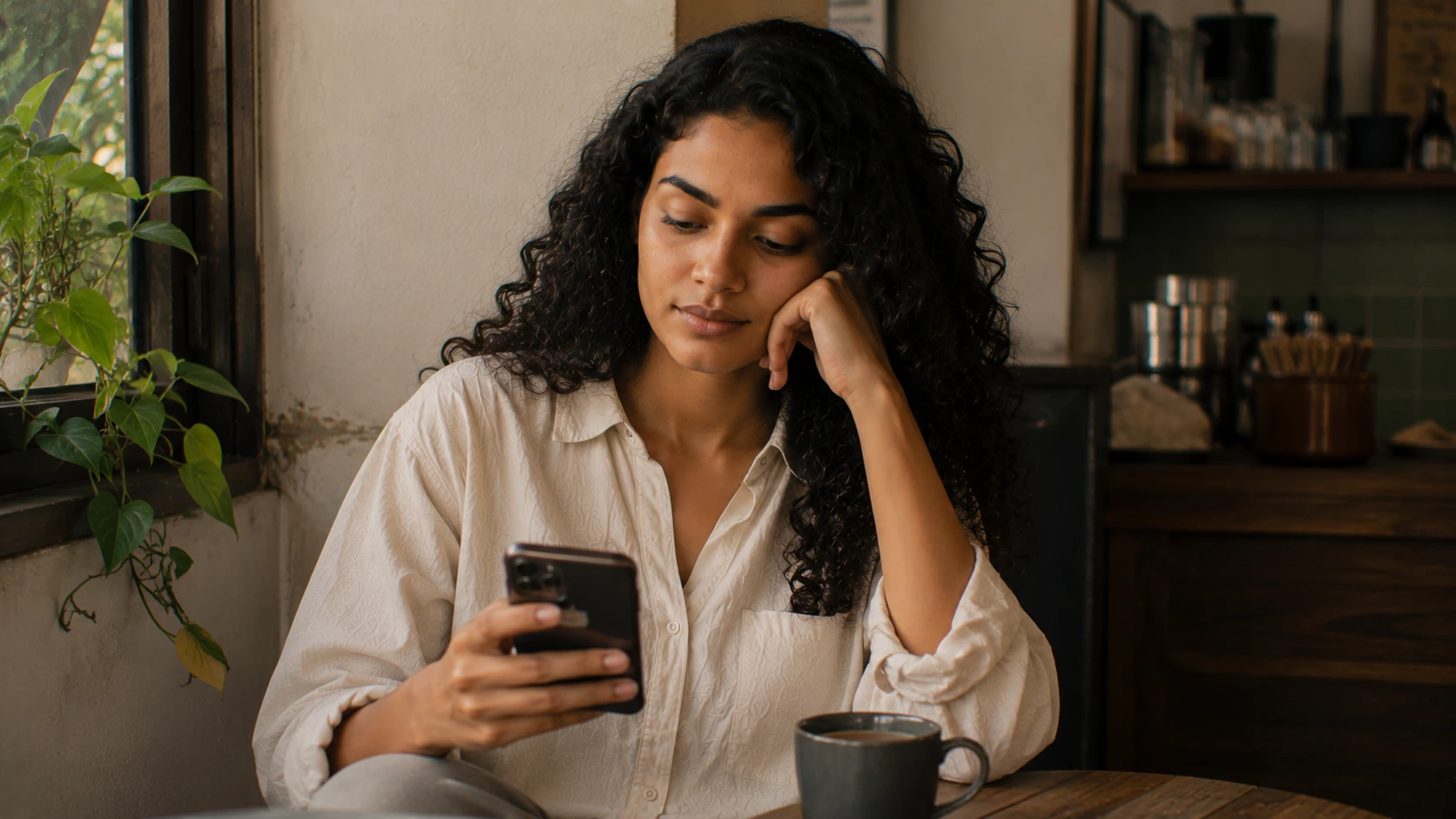
Read something that actually helps. Our resources cover how addiction starts, what withdrawal really feels like, how families can respond without breaking down, and what recovery looks like month after month. Written in plain language by the people who sit with it every day, no jargon and no lectures.
Read resources
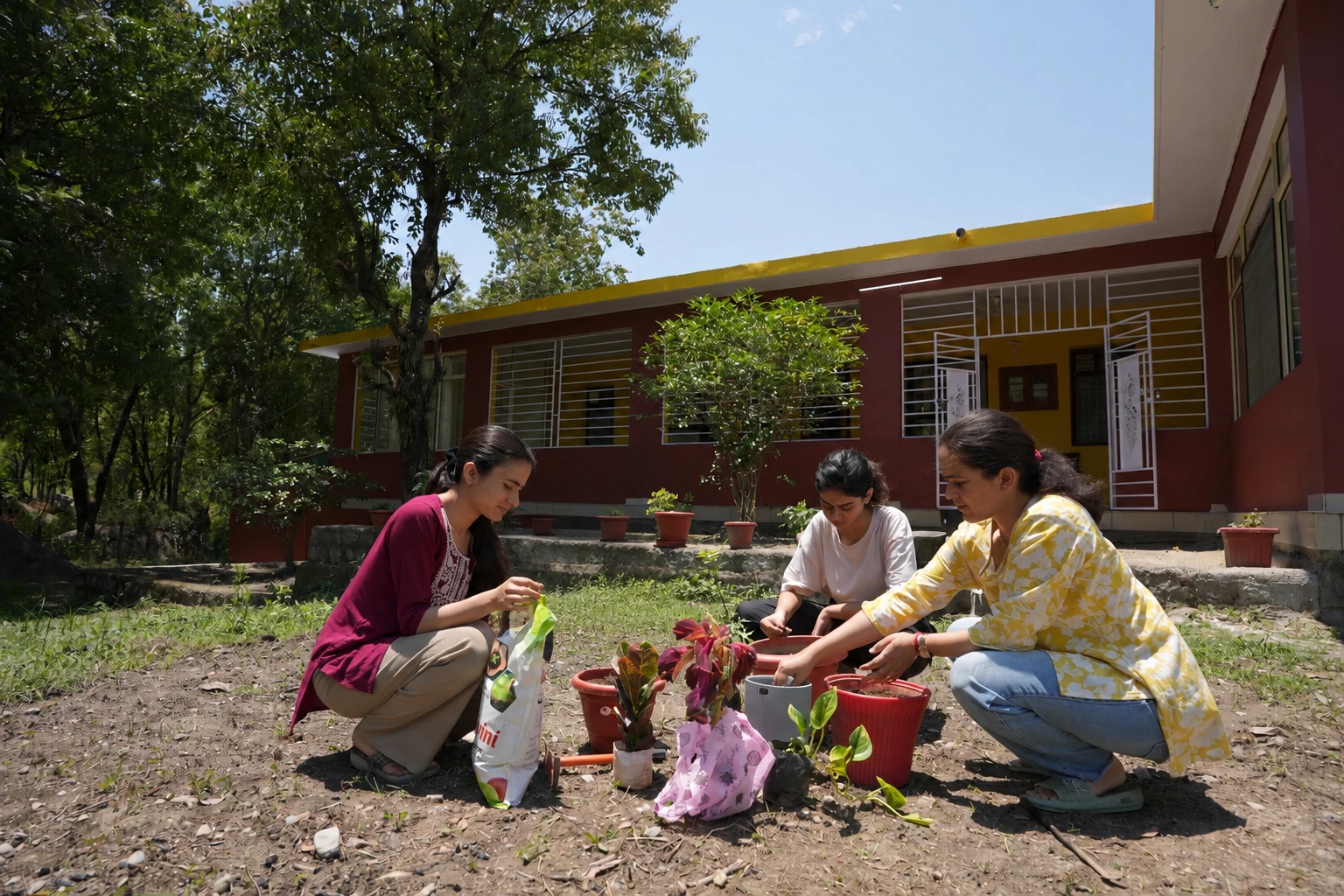
Give a few hours to people who are rebuilding their lives. Volunteers help with group activities, awareness drives in nearby communities, skill workshops and simply being present with our residents. You do not need a medical background, only patience, respect and the willingness to show up.
Volunteer with us
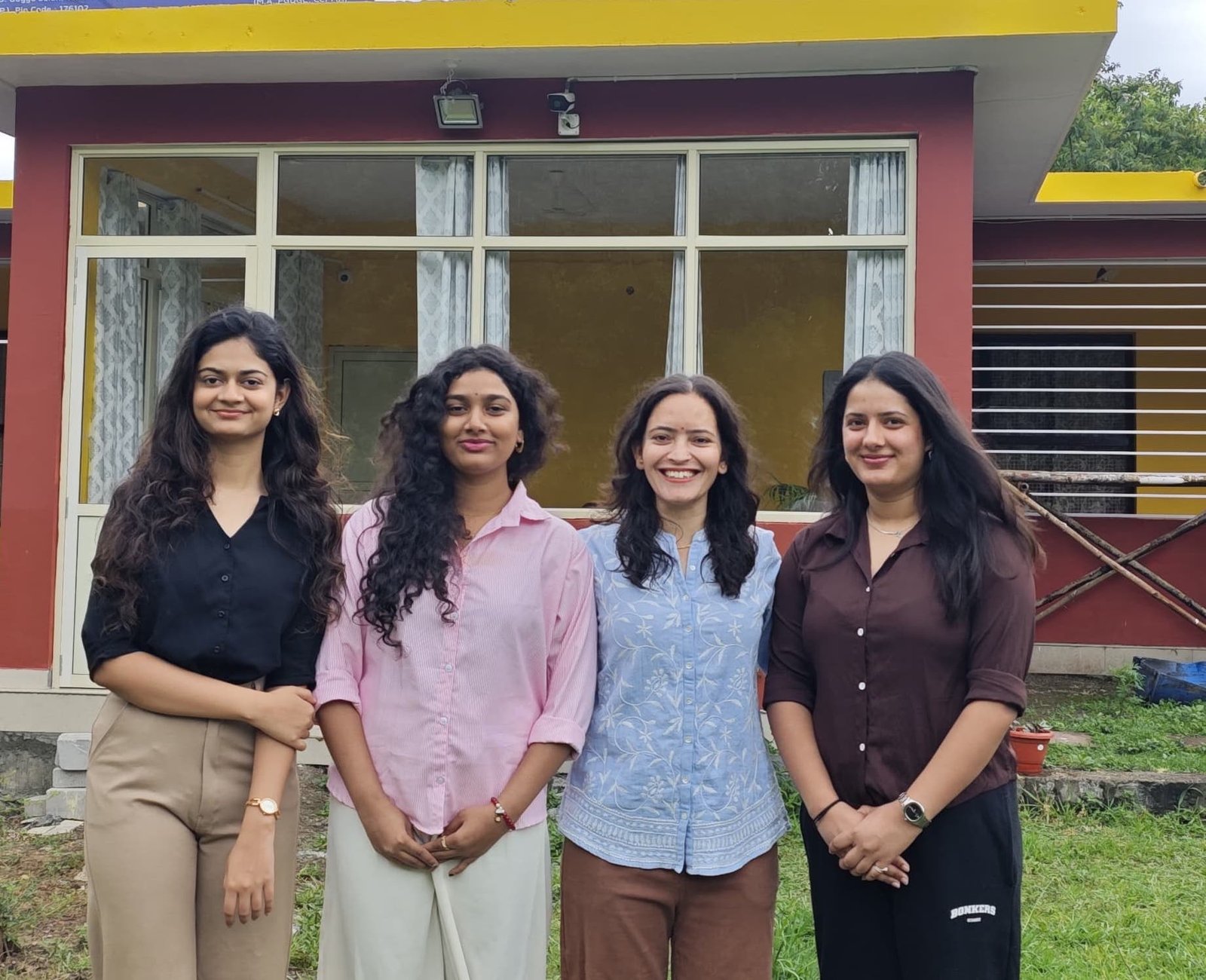
Do your psychology internship with Vaishalya Healing. Work beside our counsellors, observe real sessions, learn how case histories, relapse plans and family counselling actually come together, and get honest feedback on your notes. You leave with genuine clinical exposure, not just a certificate.
Apply for internship
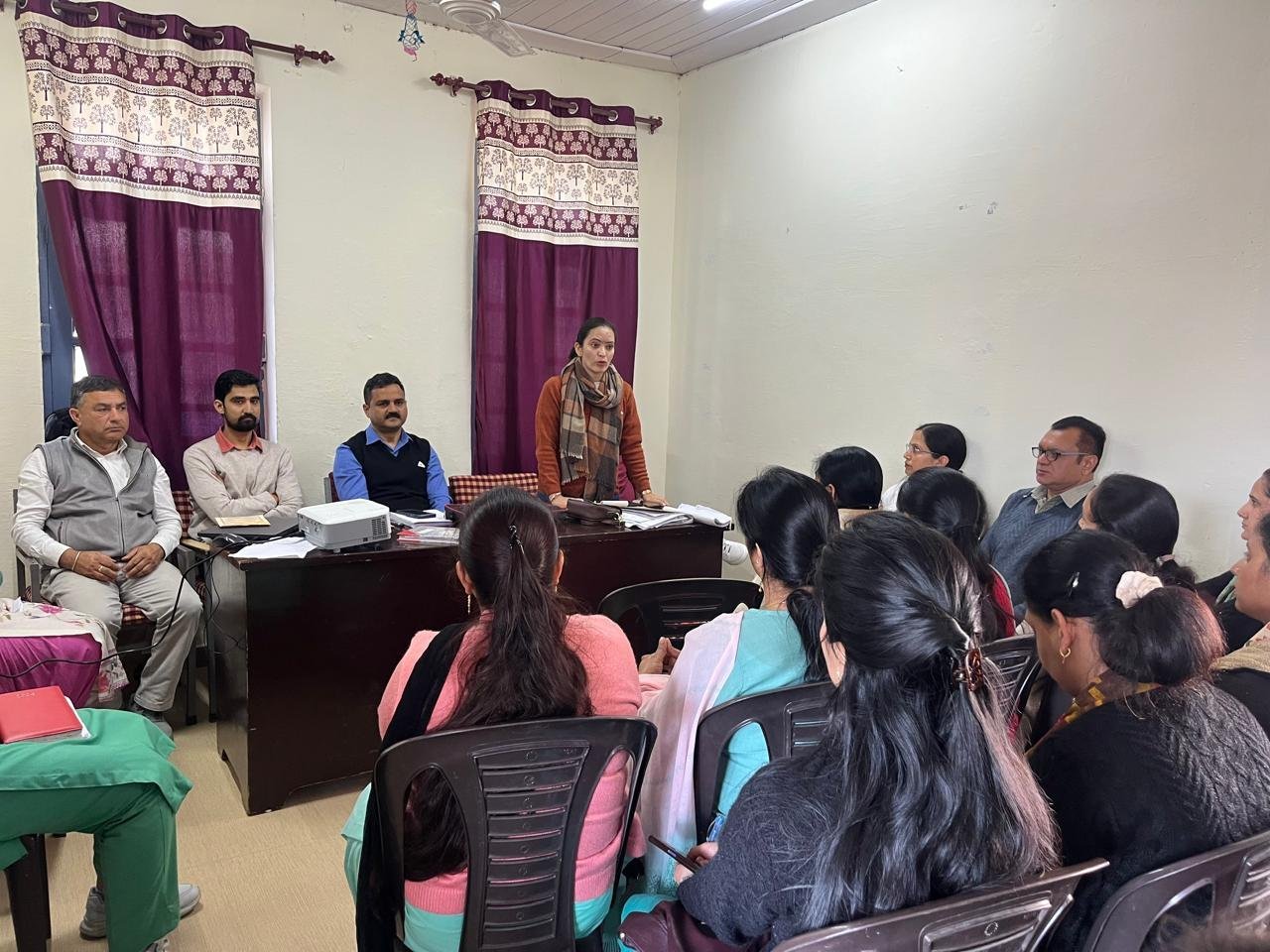
A moment of clarity begins here. Our discreet self-tests help you reflect on your relationship with nicotine, alcohol, drugs, or food, offering a refined first step towards awareness, bespoke care, and lasting restoration.
Self test
A simple list of what to pack before you arrive. Clothes, documents, prescribed medication, personal items, and the few things we ask you to leave at home. Going through it beforehand makes the first day calmer for you and for your family.
What to bring
We approach every enquiry with discretion and care, your first step towards personalised, transformative treatment.
Contact us
Mental health and addiction Resources Volunteer Internship About Self test What to bring Contact us
Palampur, Himachal Pradesh

Nasha Mukti Kendra in Himachal Pradesh

Choosing a Nasha Mukti Kendra in Himachal Pradesh is one of the hardest calls a family makes. Vaishalya Wellness makes it safer. We are a residential de-addiction and mental health centre in Palampur. Right now our care is for women, and services for men open in the coming months.

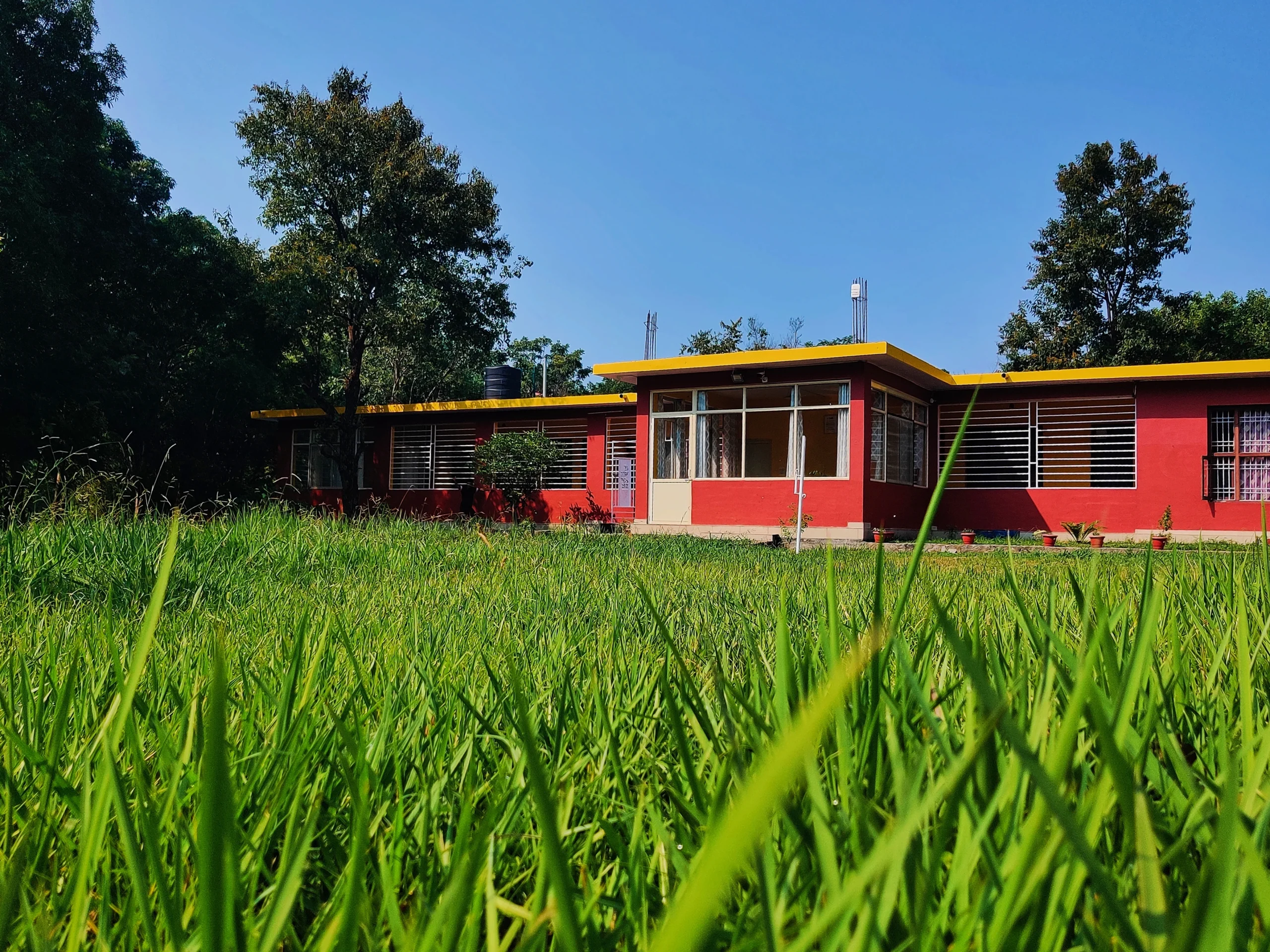
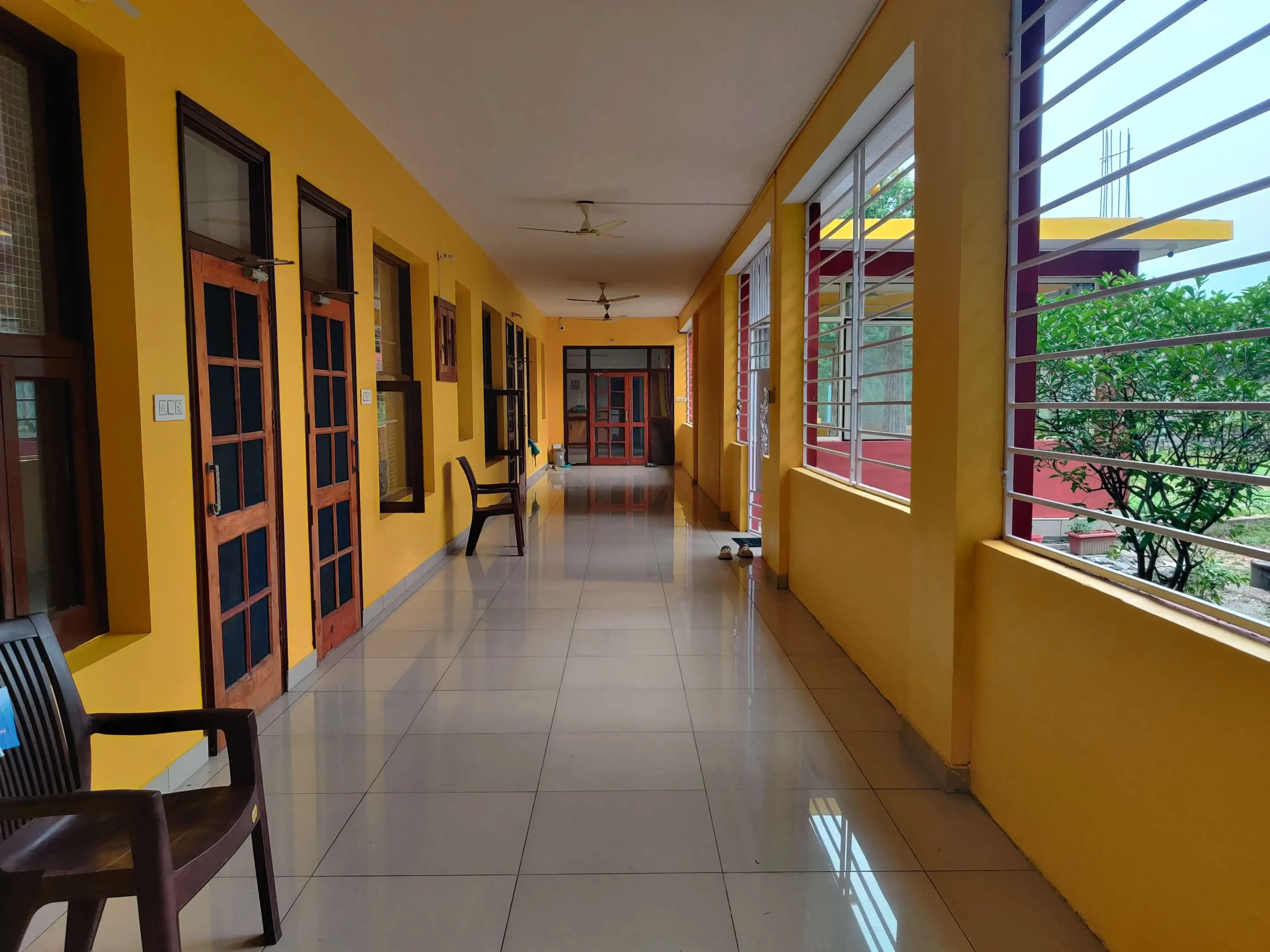
Vaishalya Wellness residential nasha mukti kendra in the Dhauladhar foothills, Palampur, Himachal Pradesh
Who we treat

Women Now, With Men Joining Soon

Our residential programme is open to women today. A programme for men is on the way, and you can register interest for a man now.

Women

Our residential de-addiction and mental health programme for women is open and admitting now. You are looked after by our clinical team in a safe, private setting with female staff on hand.

Men

Residential services for men are launching soon. If you need help for a man now, call us to join the waiting list and we will point you to safe options in the meantime.

What we treat

Addictions We Treat

We treat substance and behavioural addiction under one roof, each with a plan built around the person rather than a template. Reach out for any of these and we will talk you through the next step.

Alcohol Addiction

Medically supervised detox and therapy for alcohol dependence.

Cocaine Addiction

Structured treatment for cocaine and stimulant dependence.

Tobacco Addiction

Support to quit tobacco and nicotine for good.

Prescription Drug Addiction

Safe withdrawal from painkillers, sedatives and other prescription drugs.

Heroin Addiction

Supervised detox and recovery for heroin, chitta and smack.

Cannabis Addiction

Counselling and therapy for cannabis, ganja and bhang dependence.

Gambling Addiction

Behavioural therapy for compulsive gambling.

Sexual Addiction

Confidential help for compulsive sexual behaviour.

Not sure which fits? Call +91 82194 74936 and speak with a counsellor. Every case starts with an honest, confidential conversation.

The picture in Himachal

Addiction and Mental Health in Himachal Pradesh

addiction and mental health in himachal pradesh

Himachal Pradesh has a serious and growing substance problem, and it reaches well beyond the cities. Cheap heroin, sold locally as chitta, has spread through college towns and rural blocks across districts like Kangra, Mandi and Una. Alcohol dependence stays common in every age group.

Families in the hill districts face an added problem. The nearest qualified centre is often hours away, roads are slow, and moving a person who is intoxicated or resistant feels impossible. That distance is one reason addiction goes untreated for years here, long after the family knows something is wrong. You can read the state picture in more detail on our Himachal drug and alcohol page.

Our approach

What to Expect From a Nasha Mukti Kendra in Himachal Pradesh

Real recovery moves through stages, and each one needs proper care. Our work runs in four parts.

01

Medical Detox

Withdrawal from alcohol or opioids can be dangerous, and in some cases life threatening. A doctor supervises this stage, manages the symptoms, and keeps you medically stable while the substance leaves the body.

02

Assessment and Diagnosis

Many people arrive with an untreated mental health condition sitting underneath the addiction. Our team screens for depression, anxiety, trauma and other disorders so treatment addresses the cause, not only the substance.

03

Therapy and Counselling

Individual counselling, group therapy and family sessions form the core of the programme. This is where you work out why the using started and learn how to cope without it.

04

Aftercare and Relapse Prevention

Recovery does not end at discharge. We plan for triggers, rebuild a daily routine, and stay in contact so the first hard week at home does not undo months of work.

Beyond substances

Conditions We Treat

Addiction rarely shows up alone, so we treat the full range under one roof.

conditions we treat

On the addiction side, our programmes cover alcohol, heroin and other opioids, cocaine, cannabis, tobacco and nicotine, and prescription drug dependence. We also treat behavioural addictions, including gambling and compulsive sexual behaviour, which many centres ignore because they carry heavy shame. Read more about our alcohol addiction treatment and drug rehabilitation programmes.

On the mental health side, our team supports people living with anxiety, depression, bipolar disorder, schizophrenia, OCD, panic disorder, phobias, PTSD, personality disorders, eating disorders and dementia related conditions. When a mental illness and an addiction occur together, treating one and ignoring the other is the most common reason recovery fails. We treat both at the same time. See our mental health treatment page for the full list.

Getting started

How Admission Works, Step by Step

Most families call us in a crisis, so we keep admission simple and quick.

01

The First Call

You describe the situation to one of our counsellors. We ask about the substance, how long it has continued, the physical and mental state of the person, and any medical history. The call is confidential and carries no obligation.

02

Assessment

A doctor and a counsellor assess the person, either in person or, when distance is a barrier, over a video call first. This tells us whether medical detox is needed and how intensive the programme should be.

03

Admission and Consent

For most adults, admission is voluntary and the person signs their own consent. Where a person cannot consent because of their condition, the law sets out a separate supported admission route, explained below.

04

The First 48 Hours

The person is settled, examined, and started on detox if required. You are told what the plan looks like and when you can speak with the team.

Know your protections

Your Rights and Safety Under the Law

India has a law that governs how a mental health or de-addiction centre must treat the people in its care. It is called the Mental Healthcare Act, 2017, and it protects your relative from the abuse that unregistered centres have become known for. The Act also treats addiction as a health condition, so the same protections apply to a person admitted for de-addiction.

The right to consent.

An adult who can understand the decision admits themselves voluntarily and can ask to leave. A patient is not a prisoner.

The right to dignity and safety.

The law bars cruel, degrading or unsafe treatment. Chaining, beating and forced confinement are illegal, whatever a centre may claim about tough love.

The right to confidentiality.

What is shared during treatment stays private.

Compare carefully

How to Choose a Safe and Licensed Centre

Judge centres on how they operate, not on how loudly they promise a cure. Ask these questions before you admit anyone.

Red flags worth taking seriously: a guaranteed cure, refusal to explain the treatment, physical restraint described as therapy, and pressure to pay large amounts in cash with no receipt. Recovery is real, but it is slow, and anyone selling you a shortcut is selling you a story.

What recovery looks like

A Situation We See Often

A woman in her late twenties, from a town in Mandi, starts leaning on alcohol to cope with anxiety and long, isolating days at home. For over a year the family reads it as stress rather than dependence, partly because a woman drinking is easier to hide and harder to talk about. Her sleep breaks down, she pulls away from people, and her attempts to cut back on her own last only a few days. This is not weak willpower. Alcohol withdrawal is a medical event, and stopping without support rarely holds.

What works for a case like this is the full sequence. Supervised detox gets her through withdrawal safely. Assessment usually finds the anxiety or depression that the drinking was masking. Counselling and group therapy rebuild the reasons to stay sober, and family sessions repair the trust that months of hiding have worn down. Aftercare then keeps her steady through the period when relapse is most likely. Skip a stage and the risk of going back climbs.

Statewide

Serving Every District of Himachal Pradesh

We admit women from across Himachal Pradesh. Distance should not decide whether someone gets help. If travel from a far district is hard, or the person is unwell or resistant, call us first and we will help you plan the safest way to bring her in.

More than treatment

Support for Families, and Ways to Get Involved

Addiction and mental illness hit the whole household, not only the person using. There is also room here for people who want to build a career or give time in this field.

For Families

Families often carry guilt, exhaustion and anger by the time they reach us, and they need support of their own. Our family counselling helps you understand the condition, stop the patterns that accidentally enable it, and look after your own health while your relative recovers.

Internships and Volunteering

If you are a psychology or social work student looking for a counselling internship, or someone who wants to volunteer in mental health and rehabilitation, get in touch and we will tell you what is available.

Questions and answers

Frequently Asked Questions

It is safe at a centre that follows the Mental Healthcare Act, 2017, which bans forced confinement, restraint and degrading treatment. Vaishalya Wellness is a registered, women-only facility with largely female staff. Ask any centre to show its registration and to explain how family contact and visits work.

For most adults, admission is voluntary and the person signs their own consent. When someone genuinely cannot make the decision, for example during acute withdrawal or psychosis, the law allows a supported admission backed by medical assessment. Call us and we will explain the lawful route for your situation.

Most residential programmes run 30 to 90 days. A short detox and stabilisation may take one to two weeks, while long-term dependence sometimes needs three to six months. Aftercare then continues for months after discharge to lower the risk of relapse.

Right now our residential services are for women, and we admit women for both addiction and mental health conditions. Services for men are launching soon. If you need help for a man now, call us to join the waiting list and we will point you to safe options in the meantime.

Yes. Our clinical team treats anxiety, depression, bipolar disorder, schizophrenia, OCD, PTSD and other conditions, on their own or alongside an addiction. Treating a mental illness and an addiction together is often the difference between recovery that holds and relapse.

Withdrawal symptoms depend on the substance and can include anxiety, sweating, shaking, nausea, insomnia and, in serious cases, seizures. A doctor supervises detox, manages these symptoms with medication where needed, and keeps the person medically stable. This is why stopping alcohol or opioids suddenly at home can be dangerous.

Yes. Structured family visits and family counselling are part of the programme. Family involvement helps repair trust and teaches the household how to support recovery without enabling it.

Government de-addiction services in Himachal Pradesh are low cost or free but often have limited beds and long waits. Private centres like ours offer quicker admission, closer medical supervision and structured aftercare, at a fee. Choose based on urgency, the severity of the case, and what you can sustain.

Yes. We admit women from across Himachal Pradesh. If travel from a far district is hard, or the person is unwell or resistant, call us first and we will help you plan the safest way to bring her in.

Talk to Us Today

The right time to act on addiction is always earlier than it feels. If someone you love is struggling, or if you are the one struggling and reading this quietly, Vaishalya Wellness is a Nasha Mukti Kendra in Himachal Pradesh you can call today. Speak to a counsellor and ask every hard question.