

- Resources
- Volunteer
- Internship
- Our approach
- FAQ
Prescription Drug Addiction Treatment in Himachal Pradesh
A women-only, clinically grounded rehabilitation programme for prescription drug dependence — commonly known across North India as “goliyon ka nasha” — treated at Vaishalya Wellness, Palampur.
Prescription drug addiction can be hard to recognise in its early stages, especially when the medication was originally prescribed for a genuine health concern — chronic pain after an injury, a surgery, anxiety, or sleeplessness. Over time, escalating dosages, doctor shopping across multiple chemists, and cravings between doses can quietly turn therapeutic use into dependence. In Himachal Pradesh and the wider Punjab-adjoining belt, this pattern is widely referred to as goliyon ka nasha, and it disproportionately affects women who often suffer in silence due to stigma, family pressure, and limited access to women-only care.
Vaishalya Wellness is a licensed, women-only rehabilitation centre in Palampur offering an integrated programme for prescription drug addiction — combining medical assessment, supervised detox where required, residential and outpatient therapy, family involvement, and structured relapse prevention, all delivered in a private, dignity-first environment built specifically for women.
Treatment begins with a confidential clinical intake to understand the substances involved (commonly tramadol, tapentadol, alprazolam, clonazepam, codeine-based cough syrups, or pain-relief combinations), the duration of use, and any co-occurring concerns such as anxiety, depression, PCOS-related distress, or past trauma. From there, our multidisciplinary team — led by a Counselling Psychologist alongside visiting medical practitioners — designs an individualised plan spanning medically guided tapering, one-on-one and group therapy, yoga and holistic wellness, and a family-inclusive discharge plan so recovery holds once a woman returns home.
Confidential Enquiry
Understanding Prescription Drug Addiction and Its Risks
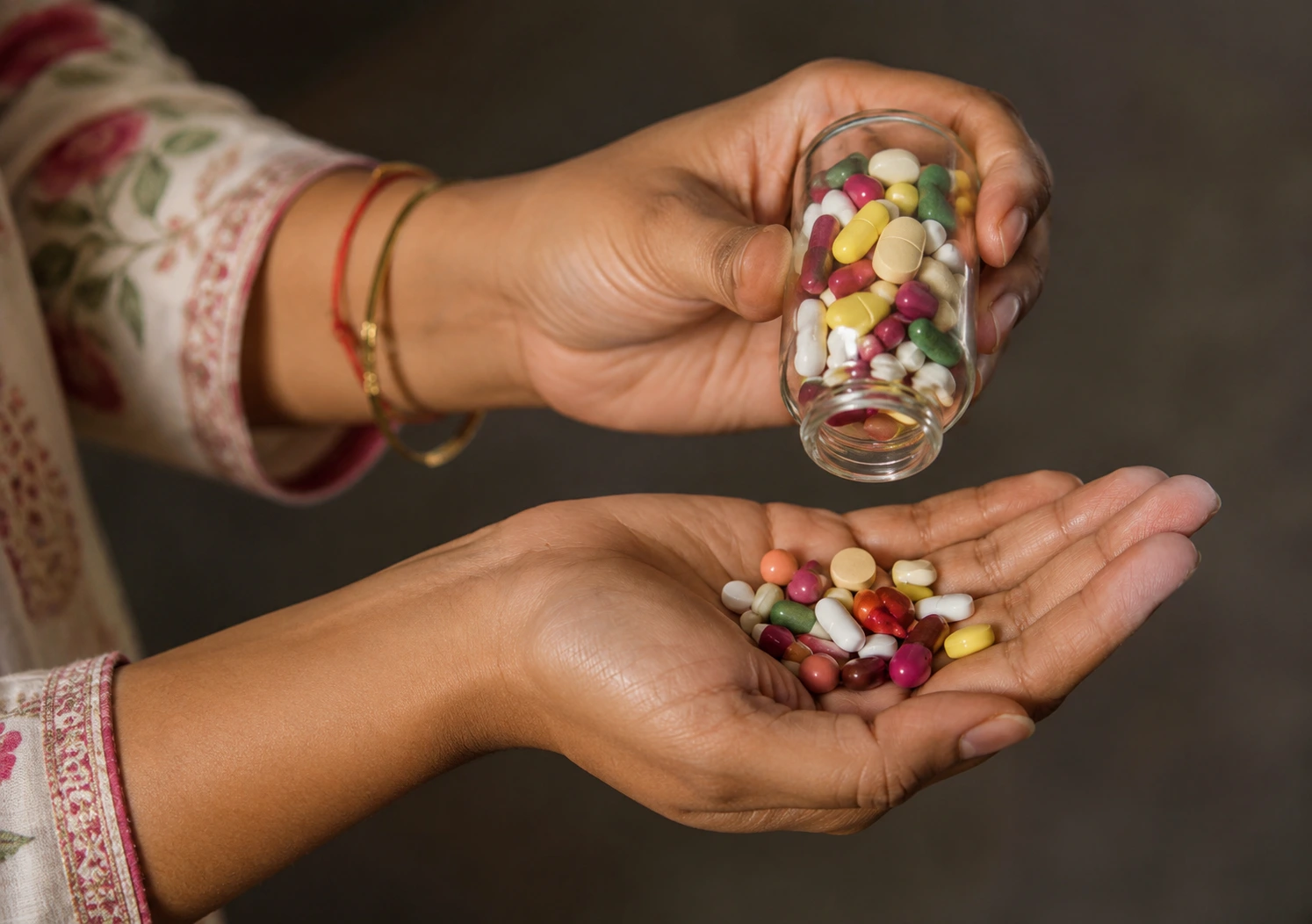
Prescription drug addiction often develops through medicines originally intended to manage chronic pain, anxiety disorders, or sleep difficulties. With consistent use, brain chemistry adapts, and what began as therapeutic use shifts into physiological dependence — the body starts to need the substance simply to feel normal, leading to compulsive use despite mounting consequences.
Because these medicines are legally manufactured and often obtained through legitimate prescriptions or local chemists, families frequently overlook the early signs of a use disorder. Recognising the shift from use to misuse is an essential first step. Addiction is a treatable medical condition, not a moral failing — and understanding how dependency forms is the foundation for breaking the cycle.
Commonly Misused Prescription Drug Classes
Across Himachal Pradesh and neighbouring states, prescription misuse most often falls into three categories. We see all three regularly among the women who come to us for care.
Warning Signs and Health Consequences
The signs of a prescription drug use disorder show up gradually, across physical, emotional, and behavioural changes. Families often notice these patterns long before they name them.
If left unaddressed, long-term misuse can lead to chronic complications including liver and kidney strain, cardiovascular issues, and worsening of co-occurring mental health conditions such as depression or generalised anxiety. Recognising these signs early is critical to preventing a life-threatening crisis.
Common Physical Withdrawal Symptoms
Withdrawal from opioids, benzodiazepines, and sedatives can be physically uncomfortable and, in some cases, medically risky. This is why we recommend our patients never attempt to stop “cold turkey” without supervision.
Overdose Risks and Prevention Strategies
Overdose risk rises sharply when prescription medicines are taken in higher-than-prescribed doses, combined with alcohol or other sedatives, or used again after a period of abstinence has lowered tolerance. Combining opioids and benzodiazepines is especially dangerous, as it can severely suppress breathing.
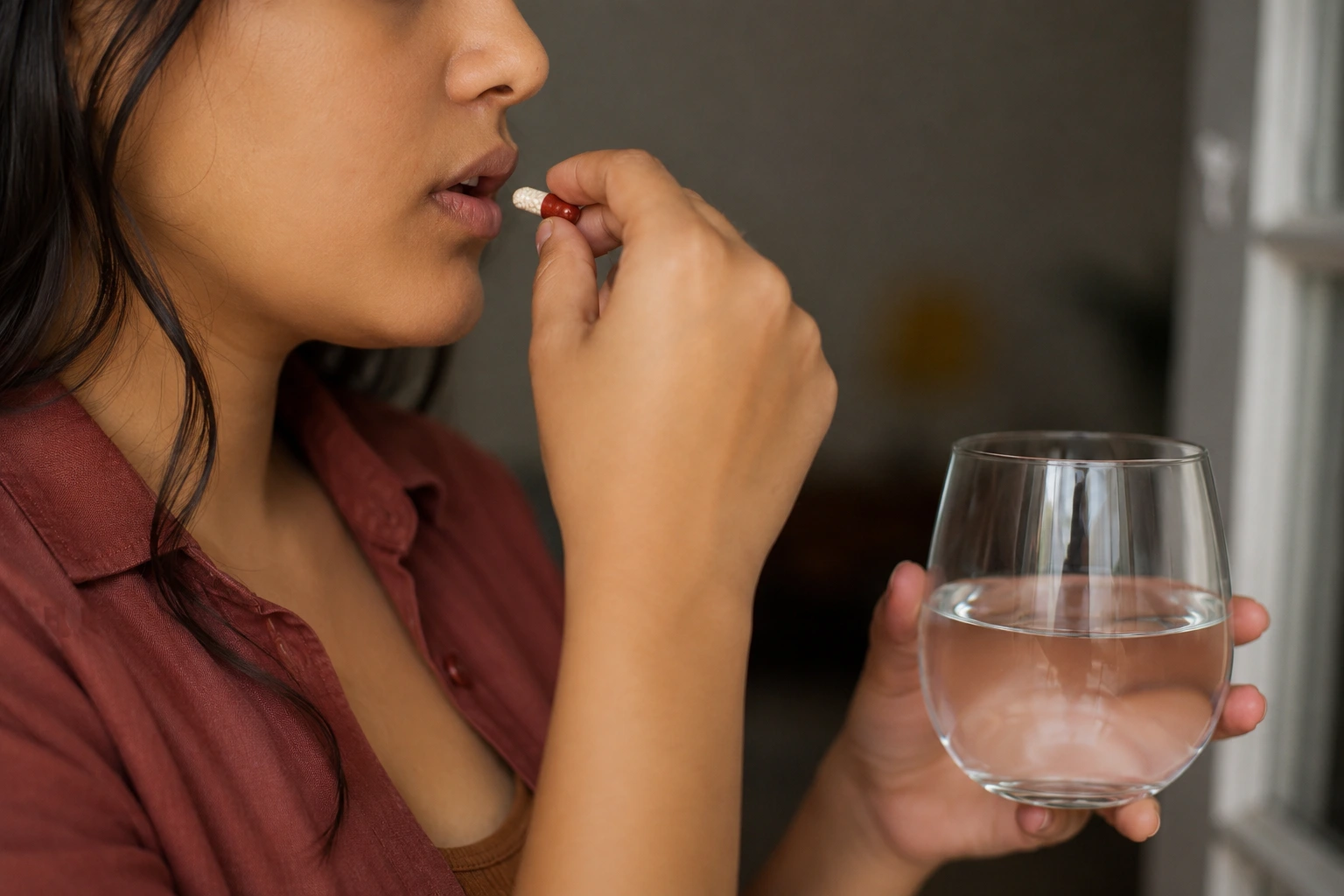
How Is Prescription Drug Addiction Treated at Vaishalya Wellness?
Treatment begins with a comprehensive assessment to build a plan personalised to the specific substance used, any co-occurring mental health condition, and each woman’s individual recovery goals.
We recognise that substance use often develops from medication originally prescribed for pain, anxiety, or gynaecological and reproductive health concerns — and our approach focuses on healing the underlying issues that contribute to dependence, not just the dependence itself.
What Levels of Care Are Available After Prescription Drug Detox?
Vaishalya Wellness offers a full continuum of care for women, including medically guided detox, residential rehabilitation, and structured outpatient support — delivered by a small, dedicated clinical team so every treatment plan stays personal.
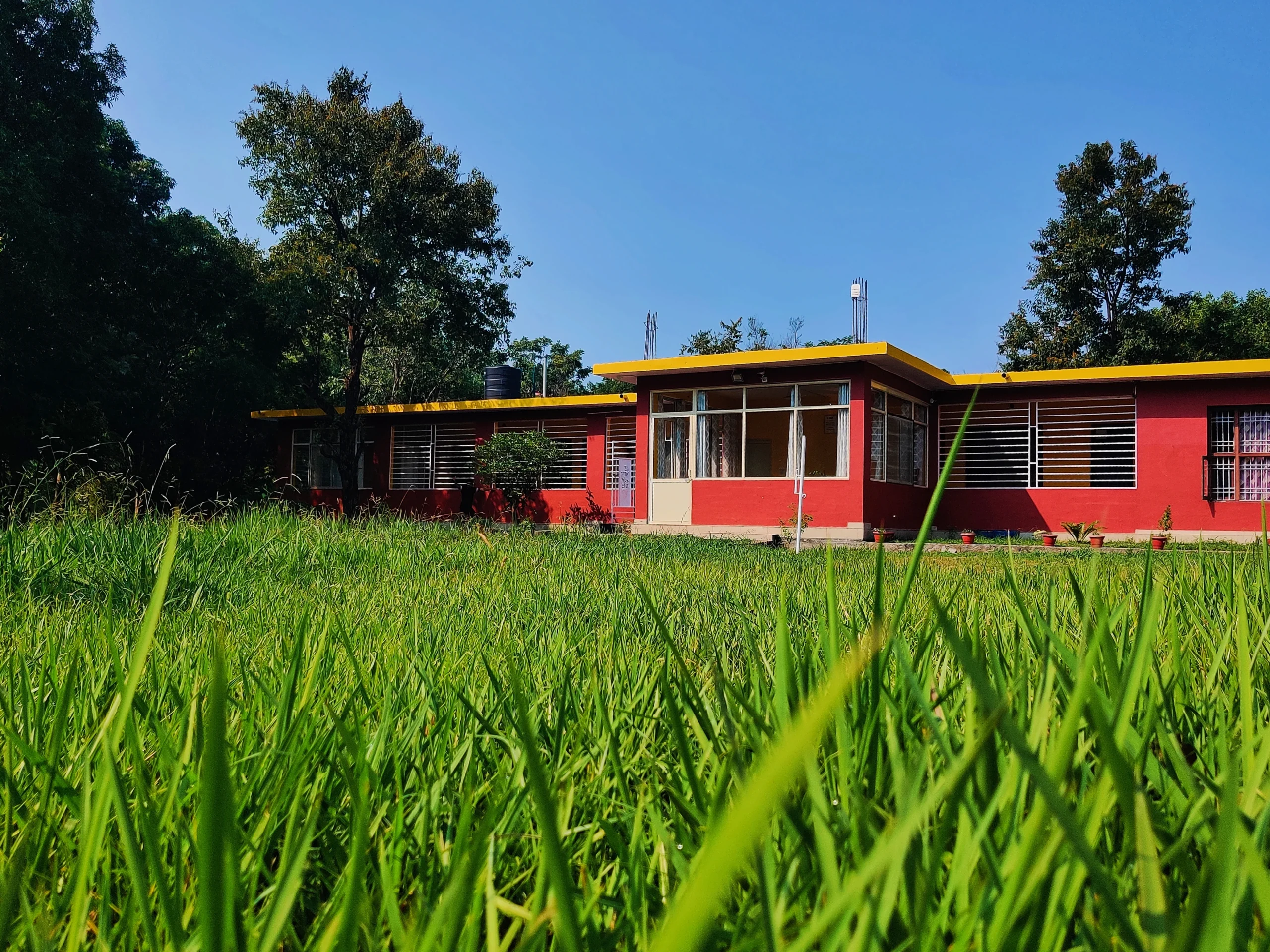
Residential Treatment
Residential care offers a safe, structured, women-only environment with round-the-clock support. It is ideal for those who have completed detox and need distance from outside triggers to focus fully on recovery. Residents live on-site in private or shared rooms, engaging in a full schedule of individual therapy, group sessions, yoga, and holistic wellness activities.
Intensive Outpatient Programme (IOP)
For women who need more flexibility, our IOP allows structured treatment sessions while living at home or with family in Palampur and nearby towns. This is a strong option for those with a stable home support system or those stepping down from residential care.
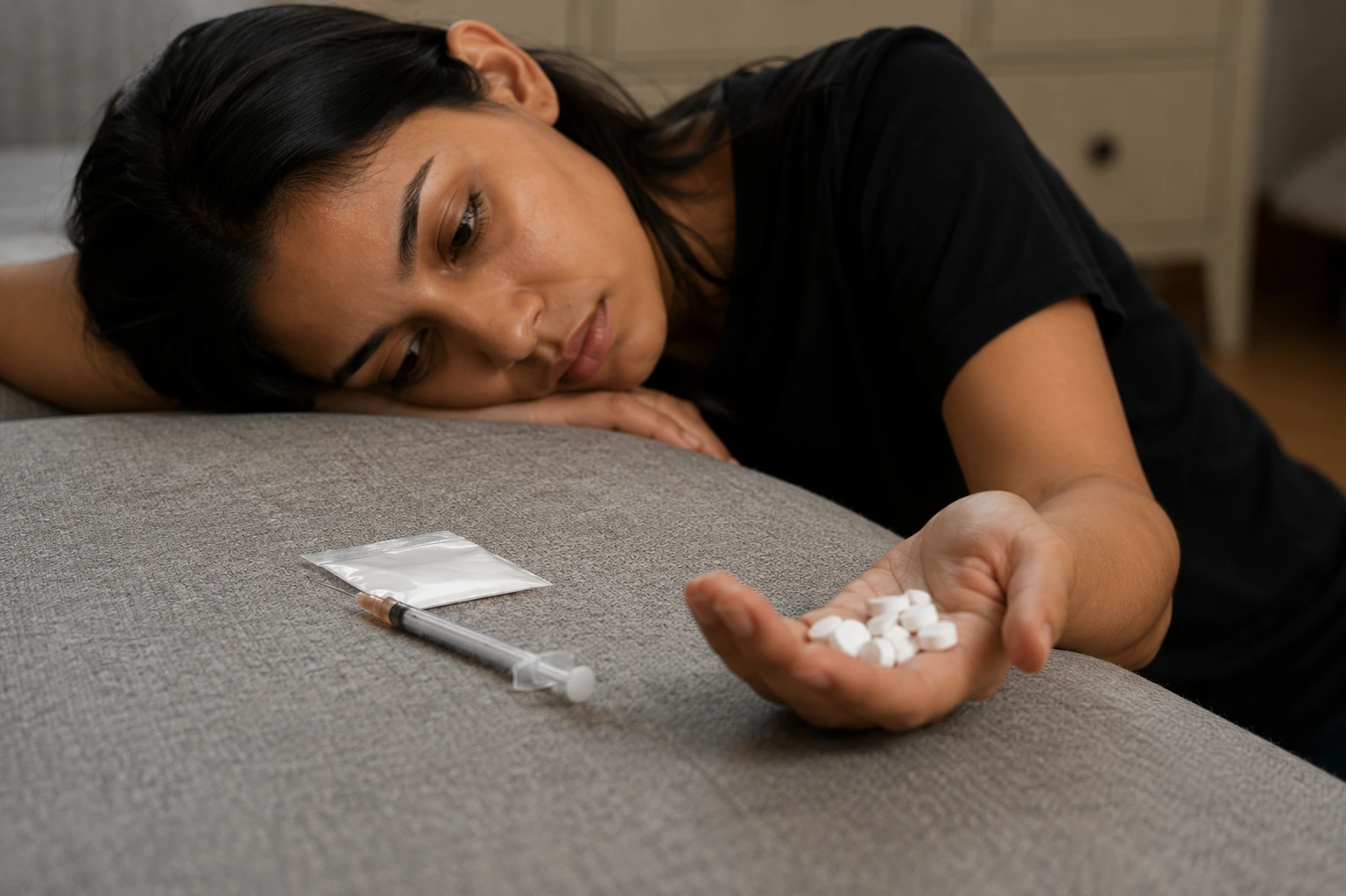
How Long Does Prescription Drug Detox Take?
Detox timelines vary for each patient depending on the substance used, dosage history, and personal health profile. Treatment begins with a comprehensive medical and psychological assessment to determine the safest tapering approach.
For opioid dependence, a medically supervised taper generally lasts 7 to 10 days. For benzodiazepines, tapering is typically slower and more gradual, often extending to 2 to 4 weeks, given the seizure risk associated with abrupt discontinuation. Once medically stable, patients transition into our residential programme, which commonly lasts 30 to 45 days, extended as clinically appropriate.
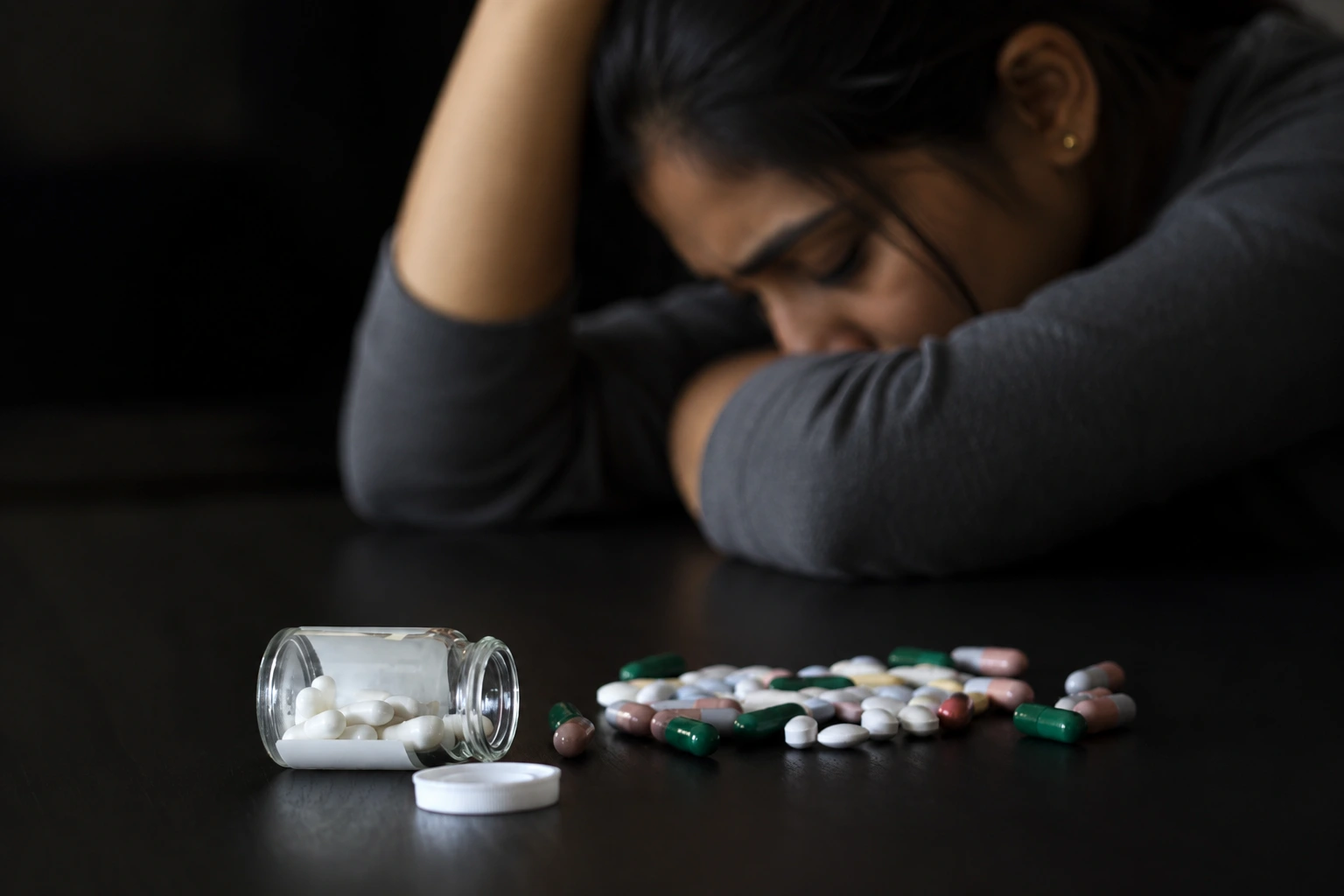
Medication Supports Physical and Psychological Stability
Where medically appropriate, our clinical team, including a visiting physician and trained nursing staff, determines whether supportive medication should be part of your early recovery. The goal is to ease physical discomfort and stabilise mood, creating a calmer state for engaging in therapeutic work.
- For opioid dependence, supportive medication may reduce cravings and lower relapse risk during early treatment.
- For benzodiazepine or sedative dependence, a gradual, medically supervised tapering protocol is used to manage withdrawal safely.
- Every medication decision is reviewed regularly by the clinical team and adjusted as your recovery progresses.

Therapy Addresses the Underlying Drivers of Addiction
Our therapeutic programme combines individual and group therapy to help each woman build insight and develop new coping skills. One-on-one sessions with a dedicated clinician allow for deep exploration of personal history, while process groups provide a safe, women-only space to connect with peers who understand.
We use evidence-based modalities including cognitive behavioural therapy (CBT), dialectical behaviour therapy (DBT), mindfulness-based practices, and trauma-informed counselling — helping women identify the patterns and triggers behind substance use and build healthier responses to stress and emotional distress.
Family therapy is also available, particularly important in the Indian family context, to help repair relationships, improve communication, and build a stronger support system for the return home.

Our Treatment Plan Includes Relapse Prevention and Safety Planning
The risk of relapse rises when medication is taken in higher doses than prescribed, combined with alcohol or other substances, or resumed after a period of abstinence has lowered tolerance. Understanding these risks is a critical part of our treatment programme.
Long-term safety is built through comprehensive relapse prevention programming and the development of new coping skills. We use evidence-based therapies like CBT and mindfulness practice to help identify triggers and manage challenges effectively. Your discharge plan is developed together with your primary therapist and family to ensure a smooth transition, which may include step-down outpatient care or continued family therapy.
We Address Both the Symptoms and Health Effects of Substance Use
The warning signs of a substance use disorder can develop gradually — building tolerance, hiding medication use, or experiencing withdrawal symptoms between doses. It is common for families to overlook these changes until they begin to affect personal and professional life. Our compassionate, all-women clinical team understands these patterns and provides a non-judgemental space to begin healing.
Ongoing prescription drug misuse can lead to significant health consequences, including cardiac strain, liver damage, and worsening mental health conditions such as mood disorders. Our medical programming is designed to address both the physical and psychological effects.
With a multidisciplinary team including a Counselling Psychologist, visiting physicians, and support staff, we provide integrated care to stabilise health and well-being. Because addiction is often connected to underlying pain and trauma, we specialise in dual-diagnosis-aware treatment, helping women address co-occurring depression, anxiety, and PTSD alongside the substance use disorder.
This integrated approach is essential for building a strong foundation for lasting recovery, in a setting where women feel safe, seen, and supported.
How Do I Begin Treatment at Vaishalya Wellness?
Our admissions team helps you understand the process from the very first phone call, including programme cost, expected duration, and what to bring. We are a licensed facility, and our registration details are available for your review.
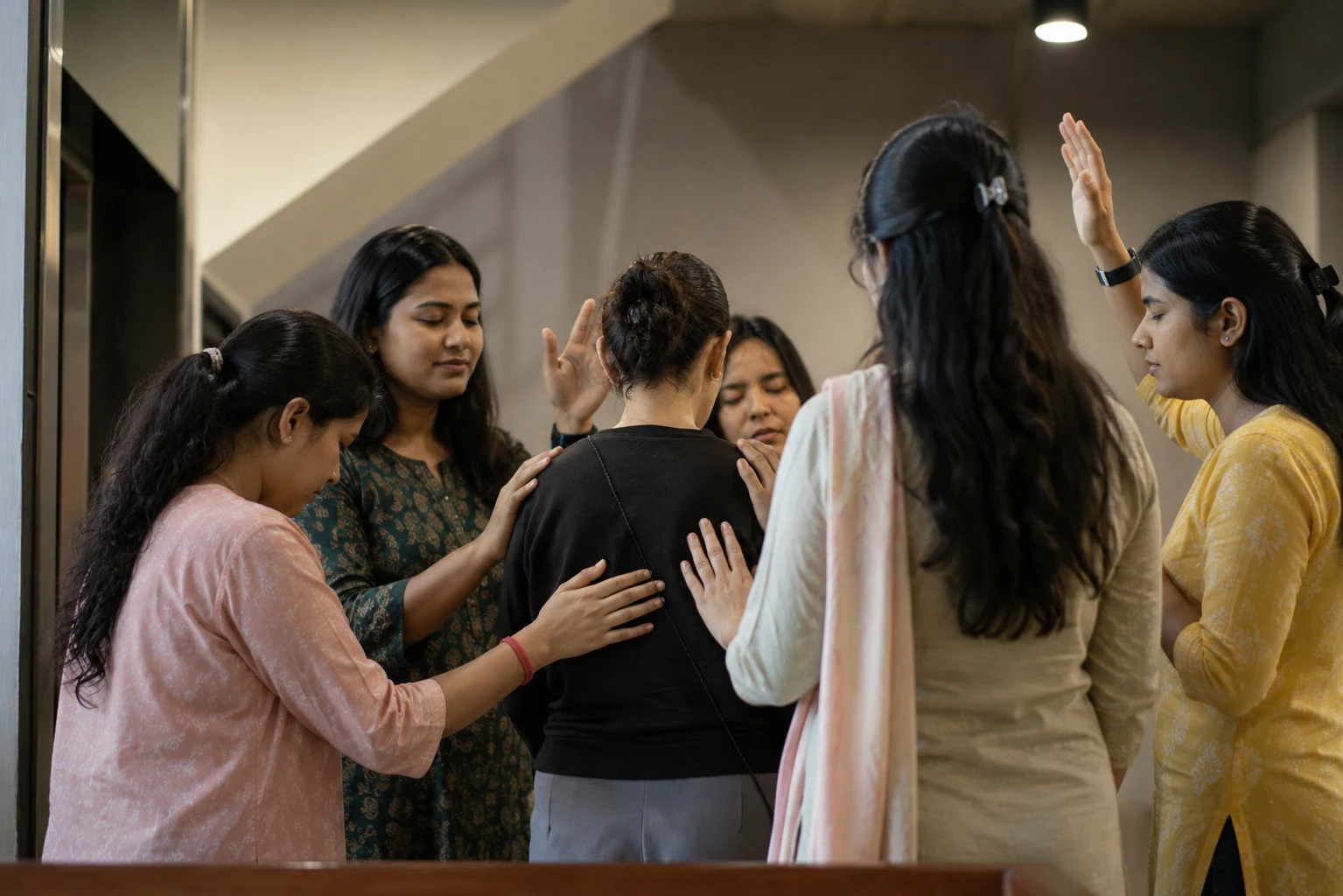
A Confidential, Family-Involved Process
The admissions process begins with a confidential call to our team to help determine if our centre is the right fit. We explain programme structure, expected duration, and costs clearly upfront, so there is no financial uncertainty during an already difficult time.
As we currently operate on a private-pay basis, we work closely with families to structure affordable payment plans wherever possible. Our commitment is to help every woman access personalised care with a clear understanding of the investment involved.
Prescription Drug Addiction — FAQs
Let Vaishalya Wellness Help You Heal from Prescription Drug Addiction
Reaching out for help is a brave decision, and often the turning point toward lasting recovery. Our team in Palampur is ready to speak with you or your family, in complete confidence.
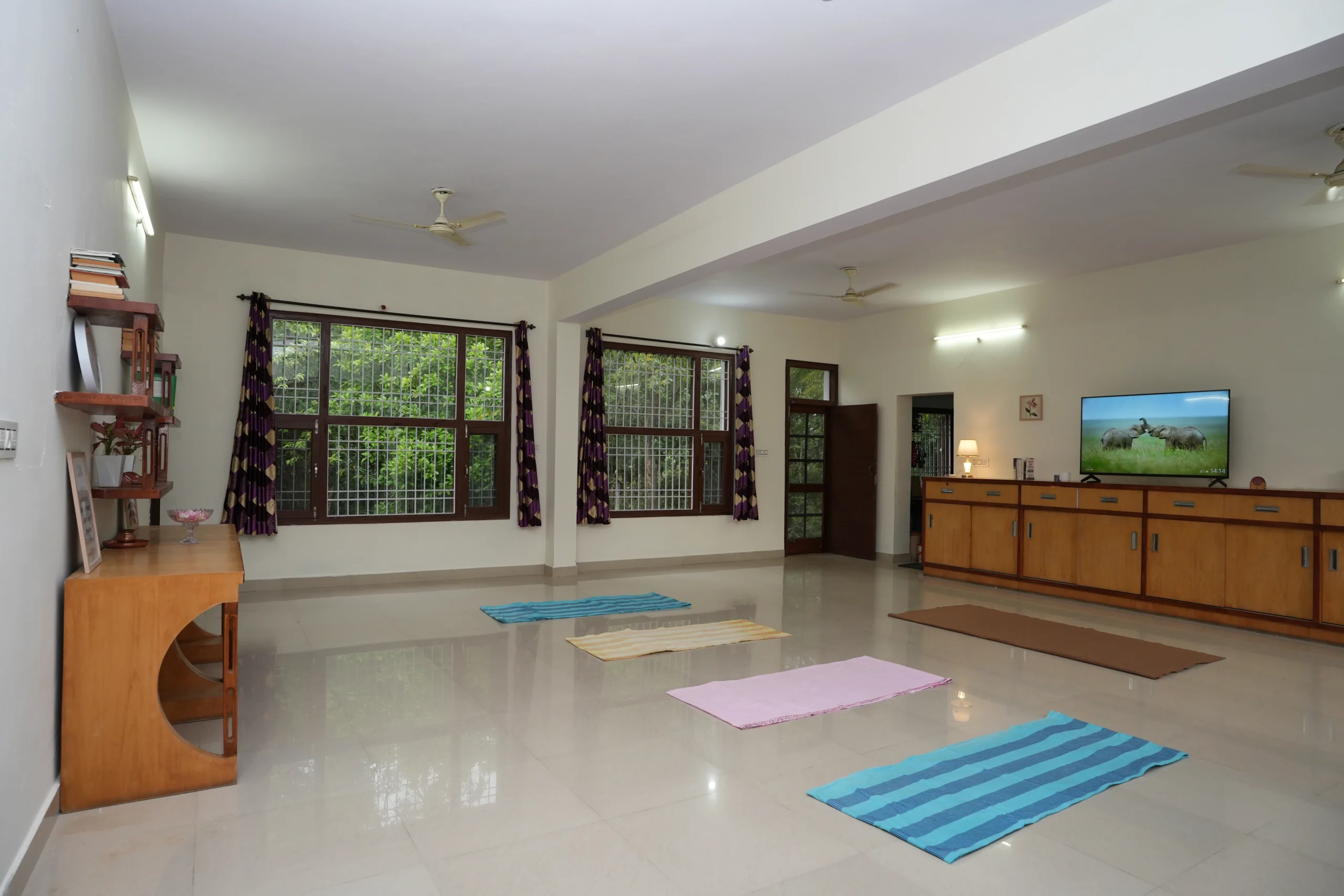
A Private, Serene Environment for Recovery
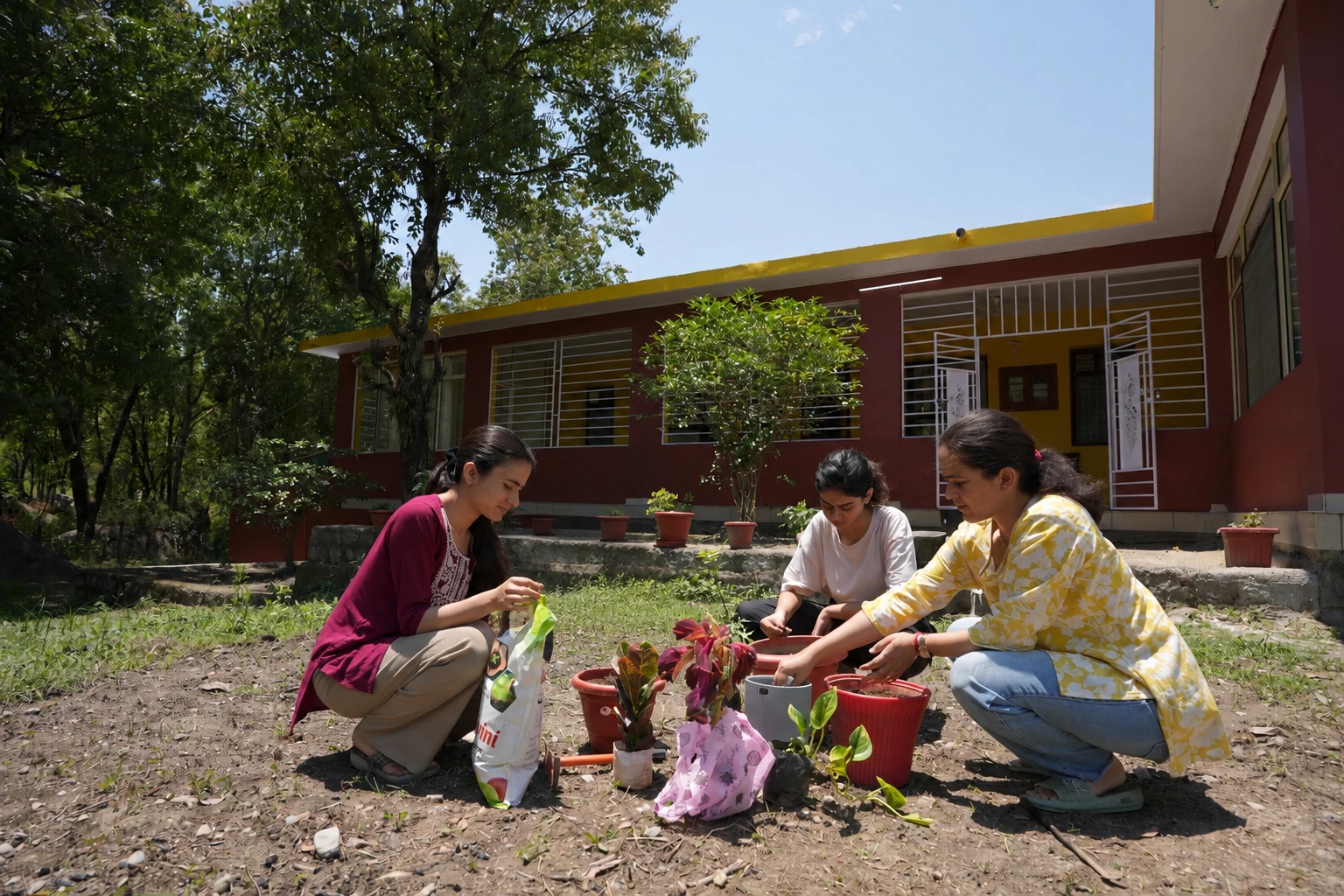
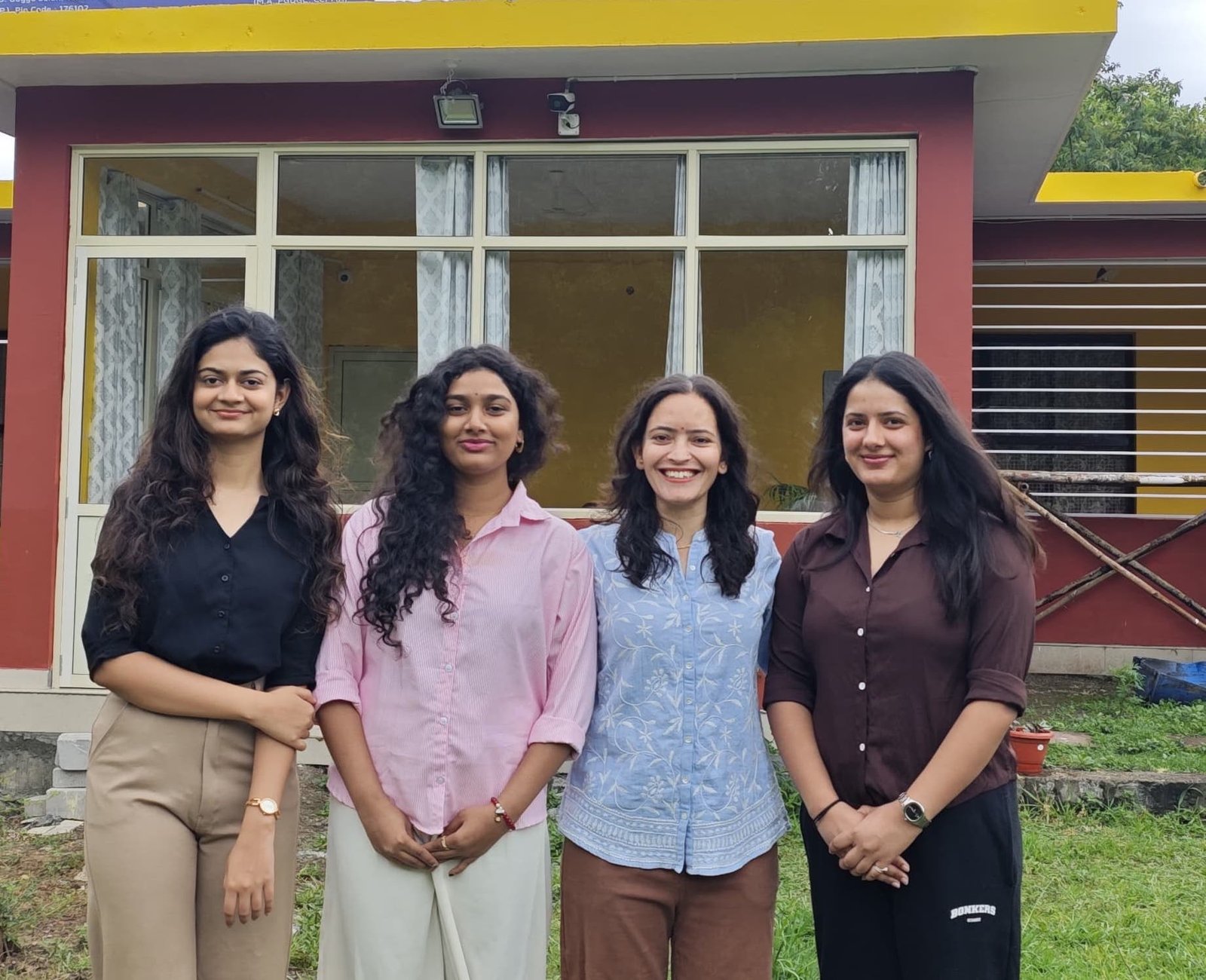
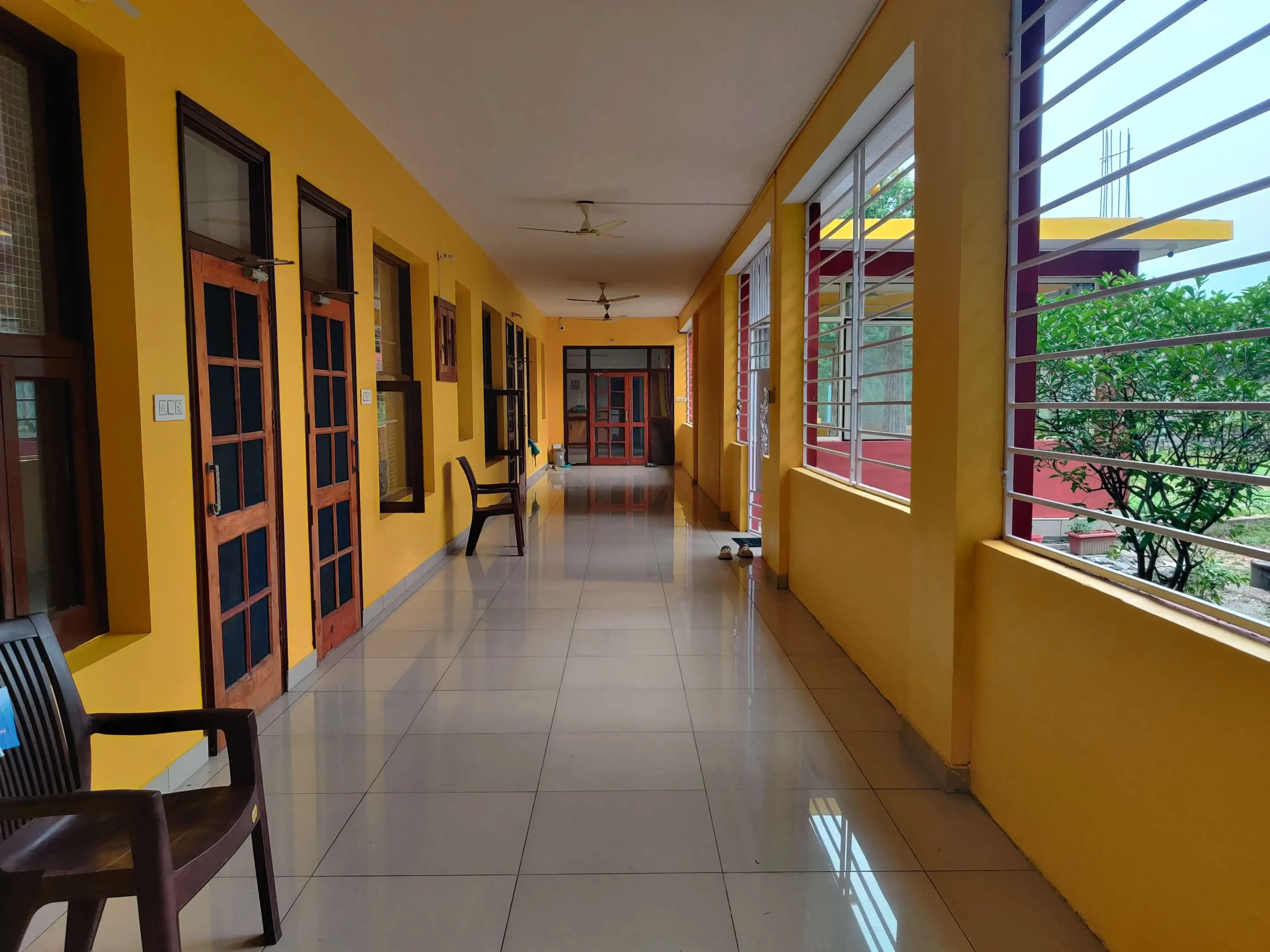
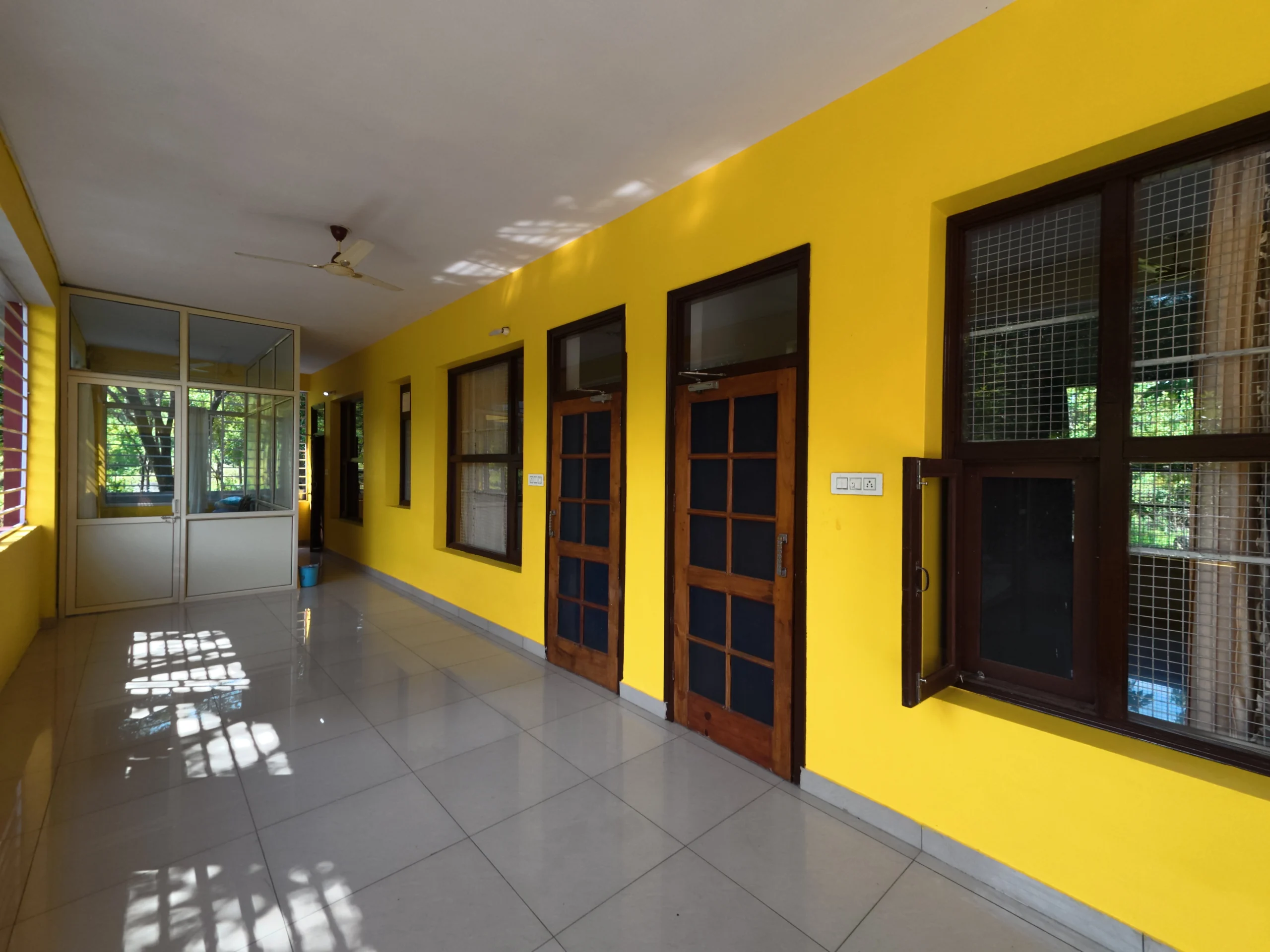
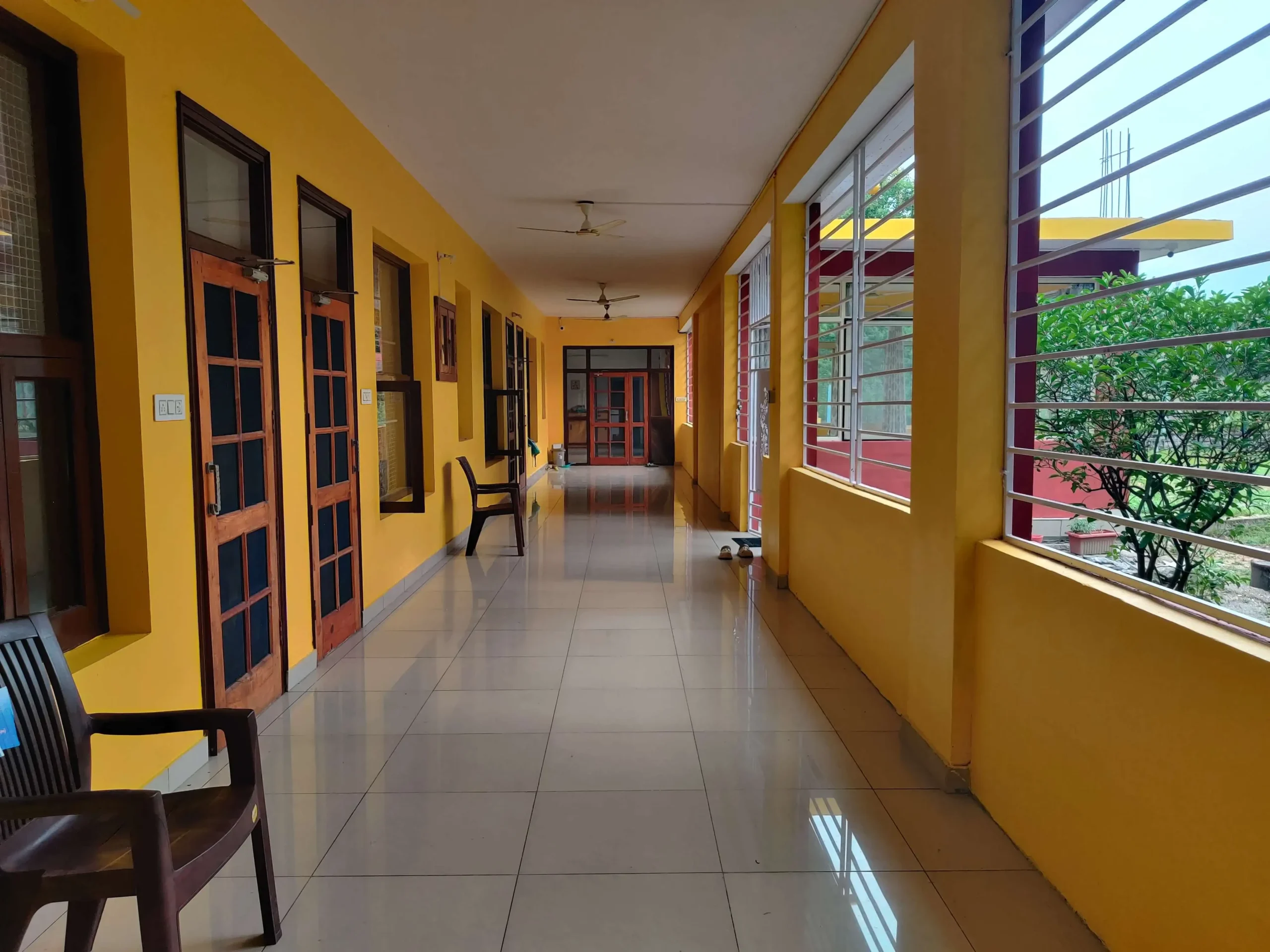
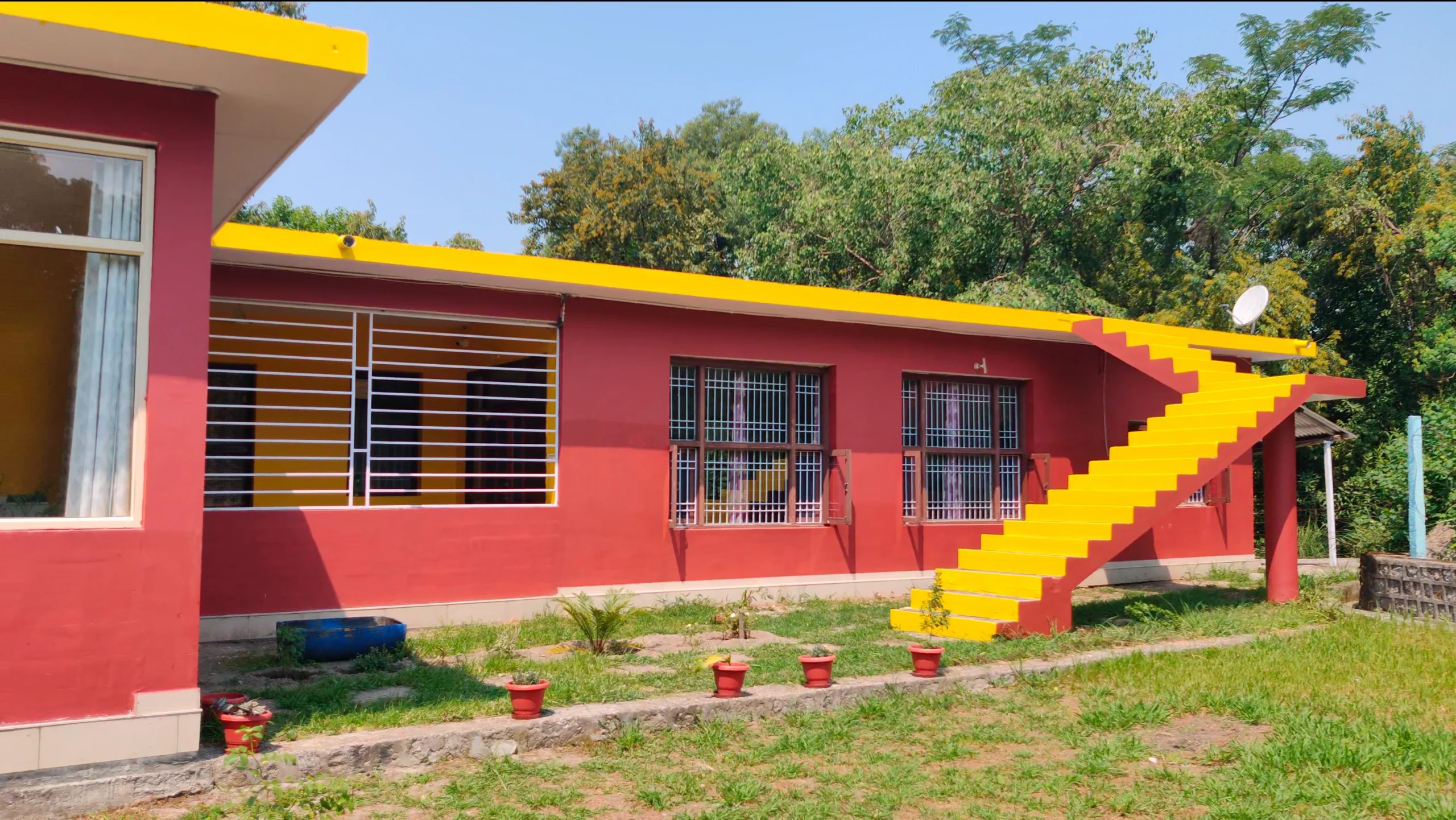
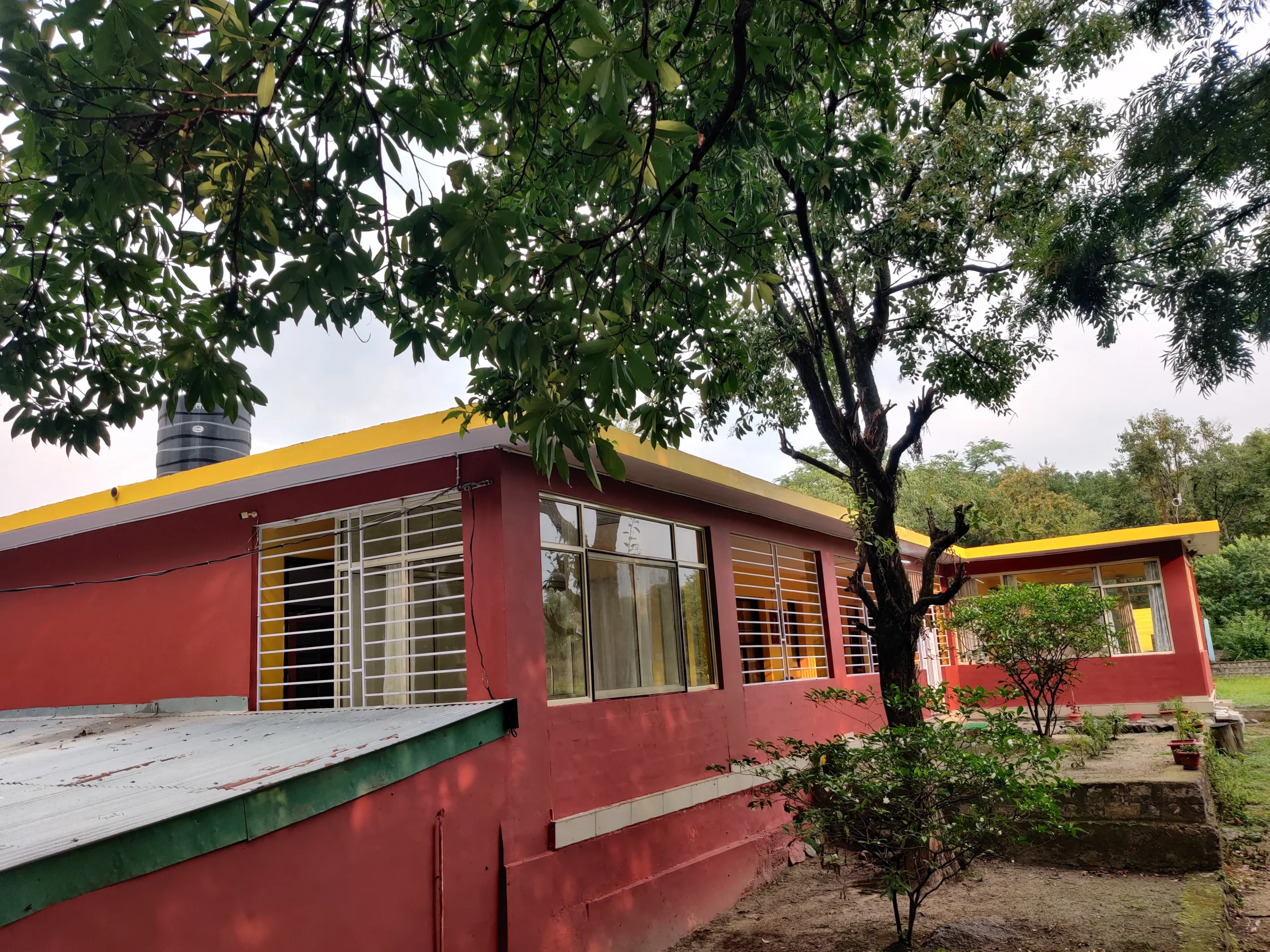
Vaishalya Wellness offers women-only rehabilitation in a clinically grounded, compassionate setting in Mohal, Palampur — surrounded by the quiet foothills of the Himalayas, focused on stability and long-term healing.
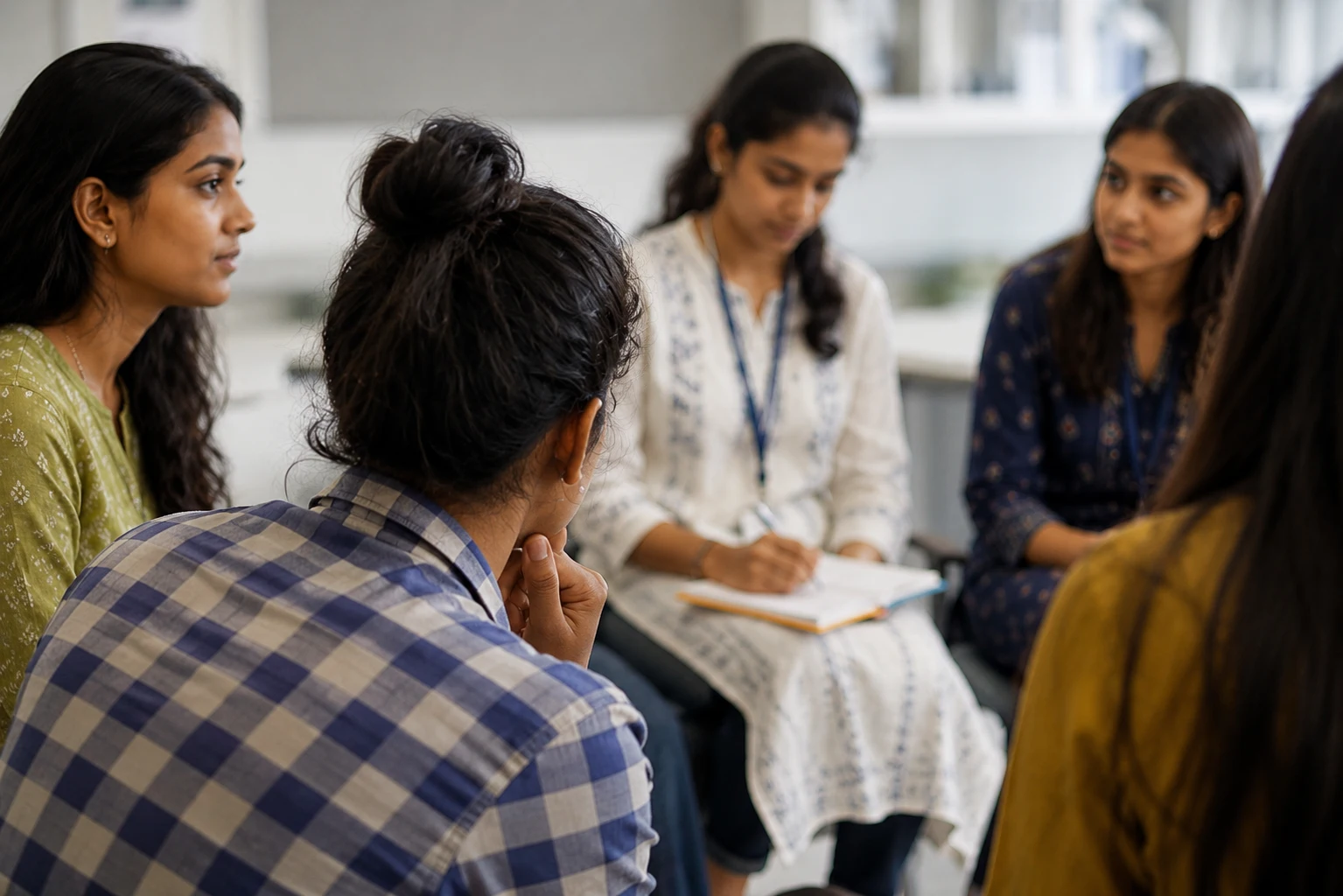
Support, Without Judgement
Prescription drug addiction can be difficult to recognise at first, especially when use began for a legitimate reason — but the consequences can build quietly over time. Reaching out for help is a brave decision, and often the turning point toward lasting recovery.
Vaishalya Wellness offers prescription drug addiction treatment in Himachal Pradesh with a clinically grounded, compassionate, women-only model. Our team provides personalised care in a private, serene environment focused on stability and long-term healing.
Find Vaishalya Wellness
Mohal, Gugga Saloh Rd, Tehsil Palampur, Sullah, Himachal Pradesh 176102
Phone: +91 82194 74936 / +91 70181 48449
Registration No: 2025/238/4/186