



- Resources
- Volunteer
- Internship
- Our approach
- FAQ
Social Media Addiction
Treatment for Women
Structured help for compulsive scrolling, phone dependence and the anxiety, comparison and sleep loss that come with it. Women-only residential care in Palampur, Himachal Pradesh, and private online counselling across India.
Almost nobody arrives saying they are addicted to Instagram. They arrive saying they cannot sleep, that they feel worse about themselves than they used to, that four hours disappeared again last night, and that they do not entirely understand how.
This is the one difficulty on this website that is genuinely universal, which is exactly why it goes untreated. When everyone does it, nobody calls it a problem.
Quick AnswerOverview: Social Media Addiction Treatment in India
Social media addiction is not a formal diagnosis. Neither the ICD-11 nor the DSM-5 recognises it. The ICD-11 recognises only Gaming Disorder (6C51) among behavioural difficulties of this kind, and the DSM-5 lists Internet Gaming Disorder in Section III as a condition requiring further research rather than as a confirmed diagnosis.
The clinical concept in use is problematic social media use, generally assessed against the same four features the ICD-11 applies to gaming: impaired control over the behaviour, increasing priority given to it over other interests and daily activities, continuation or escalation despite negative consequences, and resulting significant distress or functional impairment.
Treatment is psychological. Cognitive behavioural therapy is the best-evidenced approach, supported by structured reduction rather than total abstinence, sleep intervention, and treatment of the anxiety or depression that very often sits underneath.
Vaishalya Wellness provides this in a women-only residential setting in Palampur, Himachal Pradesh, and through private online counselling nationwide.
The goal is not deleting your accounts. For most women that is neither realistic nor necessary, and permanent abstinence from a tool used for work, family and income is the wrong target. The goal is getting the decision back.
Contact Us
Is Social Media Addiction Real?
It depends what you mean by real, and you deserve the accurate answer rather than the convenient one.
It is not a recognised diagnosis. The World Health Organization's ICD-11 includes Gaming Disorder but not social media. The American DSM-5 places Internet Gaming Disorder in Section III, the section reserved for conditions that need more research before they can be considered established. Social media is not there at all.
The difficulty itself is well documented. Research applying the DSM-5 gaming criteria to problematic social media use has found high diagnostic accuracy, and studies comparing the two report no significant difference in core symptoms, social impairment or clinical severity. In other words, the pattern behaves much like a recognised condition even though it has not been formally named as one.
We use the phrase "social media addiction" because it is what people search for and what women say when they call us. Clinically we treat problematic social media use, and we will not overclaim the science to make the problem sound more official than it is.
None of that changes whether you need help. If you have lost control of it and it is costing you sleep, work or your sense of yourself, that is treatable regardless of which manual it does or does not appear in.
The Four Features That Actually Matter
Assessment follows the four criteria the ICD-11 applies to gaming disorder, which current research supports applying to social media. Note what is absent from the list: the number of hours.
Why hours are not the measure. A woman running a small business from Instagram may spend five hours a day on it with no difficulty whatsoever. Another may spend ninety minutes and finish every one of them feeling worse about her life. The second one has the problem. What matters is control, cost and what it does to you, not the number on your screen time report.
Why It Is So Hard to Put Down
Women routinely arrive convinced this is simply weakness. It is worth understanding what you are actually up against, because the shame makes recovery harder and it is misplaced.
These products are engineered to hold attention. That is not a conspiracy theory, it is the business model, and the techniques are well documented.
- Unpredictable rewards. You never know whether the next refresh brings something good. Intermittent, variable reward is the most powerful reinforcement schedule known in behavioural psychology, and it is the same one that makes slot machines work.
- No stopping cue. A newspaper ends. An infinite feed does not. Removing the natural endpoint removes the moment where you would otherwise have decided to stop.
- Autoplay and streaks. The next thing begins before you can choose it, and mechanics that punish you for missing a day create obligation where there was once interest.
- Notifications as interruption. Each one restarts the loop and fragments attention, which is why concentration erodes even when you are not on the phone.
- Social approval as currency. Likes and views attach your sense of worth to a metric that other people control and that the platform can change at will.
Understanding this is not an excuse. It is the reason willpower alone tends to fail and why structured behavioural treatment tends to work.
Is Social Media Causing This, or Attracting It?
This is one of the most actively contested questions in psychology right now, and any page telling you it is settled is selling something. Both positions are held by serious researchers.
Social Media Is a Cause
This view holds that the arrival of the smartphone and image-based platforms produced a genuine deterioration in mental health, most sharply among adolescent girls, and that the timing and the pattern across countries point to causation rather than coincidence.
Supporting evidence includes experimental work on appearance comparison, and modelling in which social media use was the only source of appearance pressure contributing to lower appearance esteem in girls through both thin-ideal internalisation and body comparison.
The Arrow Points the Other Way
This view holds that the correlations are real but modest, and that they largely reflect young people who already have mental health difficulties using these platforms more heavily and differently from their peers.
On this reading, heavy use is a symptom of distress rather than its cause, and treating the phone while ignoring the depression, anxiety or loneliness underneath will simply move the behaviour somewhere else.
What we do about it clinically. We treat both possibilities as live in every assessment. If a woman is scrolling six hours a night because she is depressed, taking away the phone treats nothing. If the scrolling is itself driving the comparison, sleep loss and anxiety, then addressing it directly changes everything. Usually both are happening at once, and the honest answer is that we look rather than assume.
How This Lands Differently on Women
The platforms are the same for everyone. What they show you, what they reward you for, and what they cost you are not.
Appearance Comparison
Image-based platforms deliver a continuous stream of edited, filtered and professionally lit faces and bodies. Research finds social media use contributes to lower appearance esteem in girls through both thin-ideal internalisation and direct body comparison.
Disordered Eating
Appearance-focused content is associated with disordered eating attitudes and behaviours in adolescent girls and young women. Where restriction, purging or compulsive exercise is present, that is treated as a clinical priority in its own right.
Sleep Displacement
The most consistently demonstrated harm and the most treatable. Late-night use pushes sleep later, shortens it and fragments it, and poor sleep worsens mood, anxiety and impulse control, which in turn makes the scrolling harder to stop.
Harassment and Cyberbullying
Women receive a disproportionate share of online abuse, sexual harassment, image-based abuse and coordinated pile-ons. This is not oversensitivity to be managed. It is harm, and where it has occurred we treat it as such.
Motherhood Comparison
Curated accounts of parenting, homes and children create a standard nobody actually meets, and new mothers scrolling through the night while feeding are among the most exposed. Postnatal guilt and social media are a particularly corrosive combination.
Connected and Alone
For women whose social life is restricted by household responsibility, distance or family expectation, the phone is often the only available connection. Removing it without replacing it makes the isolation worse, not better.
Fragmented Attention
Constant interruption erodes sustained concentration. Women frequently describe being unable to read a book, sit through a film or hold a conversation without reaching for the phone, and experience that as evidence that something is wrong with them.
Surveillance at Home
For some women the phone is also monitored by a husband or in-laws, with accounts checked and contacts controlled. Where that is happening it is coercive control, and treatment has to address safety before screen time.
What It Is Doing to Your Sleep
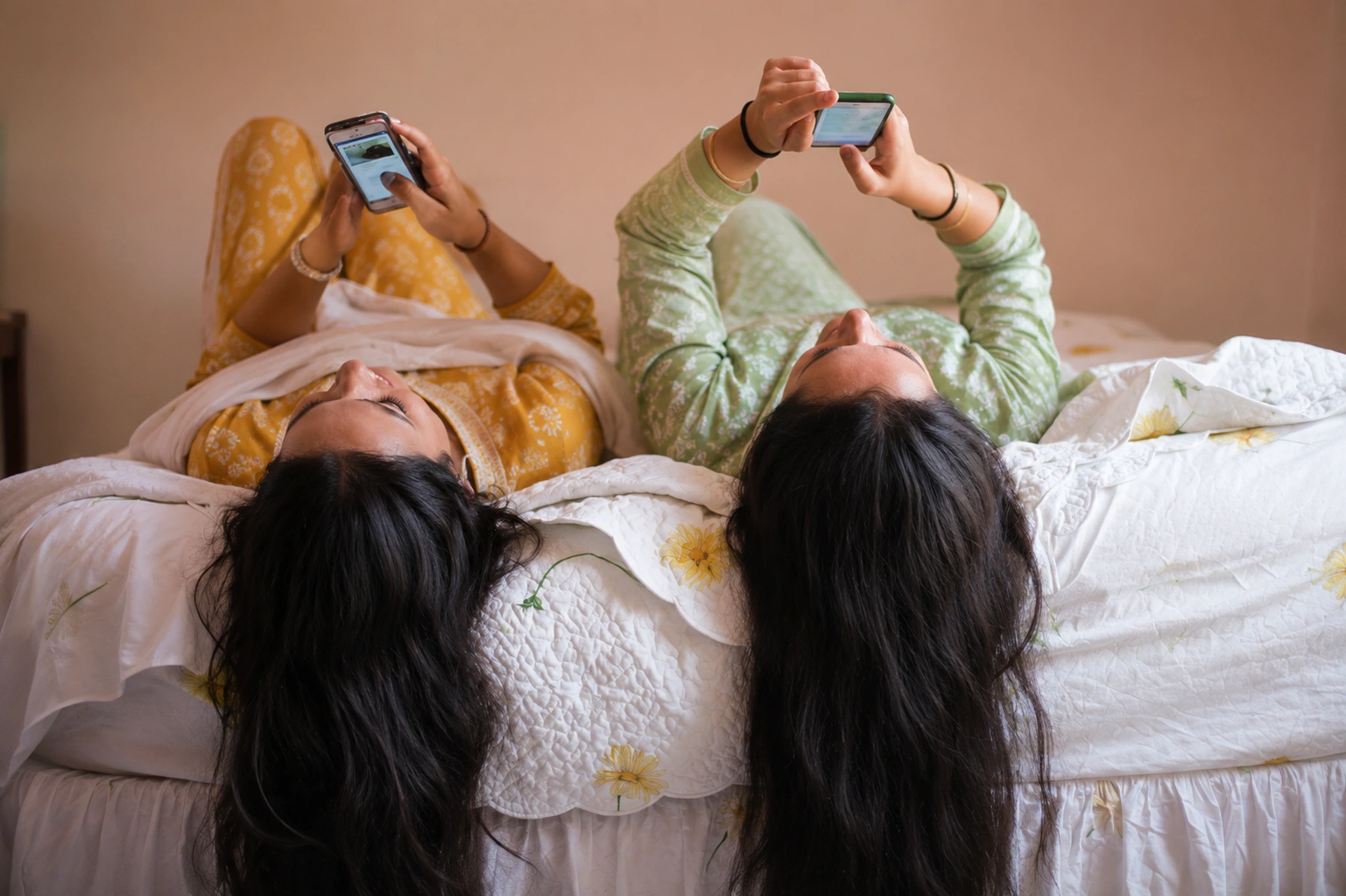
Of everything argued about in this field, the effect on sleep is the least contested and the most immediately fixable. It is where we start with almost every client.
The mechanism is mostly displacement rather than blue light. Time spent scrolling is time not spent asleep, bedtime drifts later, and the feed provides no natural point at which to stop. Emotionally activating content close to sleep then makes falling asleep harder still.
The consequence is a loop that closes on itself. Short sleep worsens mood, anxiety and impulse control. Worse mood and weaker impulse control make the next night's scrolling harder to interrupt. Most women have been inside this loop for years without recognising it as one.
Breaking it does not require deleting anything. Removing the phone from the bedroom, setting a fixed cut-off, and using a separate alarm clock produce measurable change within a fortnight for most people, and that early result is usually what makes the rest of the work possible.
When Should I Seek Professional Help?
Heavy use on its own is not a reason for treatment. The threshold is loss of control together with real cost.
- You have set limits for yourself repeatedly and been unable to keep them
- You are losing sleep to it several nights a week
- It is the first thing you reach for on waking and the last thing before sleep
- You feel noticeably worse about your life, your body or your marriage after using it
- Work, study, parenting or household responsibilities are being affected
- You reach for it automatically whenever you feel anxious, bored, lonely or sad
- You have become unable to sit through a conversation, a meal or a film without it
- You feel real distress or agitation when you cannot check
Seek help sooner if the content itself is harming you: pro-eating-disorder material, sustained harassment, or feeds that consistently leave you feeling worthless. Some of what is being delivered to you is not neutral, and managing your own use will not fix that alone.
Evidence-Based Treatment
Most of the evidence for treating digital media difficulties comes from cognitive behavioural therapy. The aim is controlled, intentional use rather than permanent abstinence, because for most women the phone is also their work, their family contact and their income.
Cognitive Behavioural Therapy
The best-evidenced treatment. CBT maps the emotional states that trigger reaching for the phone, challenges the beliefs that keep the pattern in place, and builds an alternative response that meets the same need.
Sleep Protection First
Sleep is the first target in almost every case. Phone out of the bedroom, a fixed cut-off time, a separate alarm clock and a wind-down routine. It produces the quickest measurable result and makes everything else easier.
Structured Reduction
Planned, graded limits rather than a sudden total cut. Evidence for short-term structured breaks is reasonable, evidence for one-off detoxes as a lasting fix is not. We build limits you can actually keep and then hold them.
Environment Design
Notifications off, apps off the home screen, greyscale, no phone at meals, chargers outside the bedroom. Changing the environment reliably outperforms relying on willpower against products designed to defeat it.
Treating What Sits Underneath
Depression, anxiety, loneliness, grief and unprocessed trauma commonly drive the behaviour. Where they are present, treating them is not optional. Removing the phone without addressing the reason simply moves the coping elsewhere.
Mindfulness and Urge Awareness
The reach for the phone is usually automatic and unnoticed. Mindfulness practice restores the pause between impulse and action, which is the point at which choice becomes possible again.
Replacement, Not Just Removal
Hours removed have to go somewhere or the behaviour returns within weeks. Treatment involves deliberately rebuilding what was displaced: reading, walking, company, craft, prayer, sleep. Emptiness is what relapse fills.
Family and Parent Work
Where an adolescent daughter is the concern, the evidence supports working with parents alongside the young person. Confiscation as a standalone strategy has a poor record and usually damages the relationship you will need later.
What Does Not Work
Most women have already tried several of these before calling us. If they did not work, that is because they do not work, not because you lack discipline.
What Levels of Care Are Available?
Almost nobody needs residential care for this alone. Where a residential stay does help, it is usually because problematic use is sitting on top of depression, anxiety or exhaustion that needs treating in its own right.
Online Counselling Across India
The right starting point for most women, and usually the only step needed. Weekly individual sessions build the reduction plan, protect sleep, redesign the phone environment and address whatever is driving the behaviour.
There is a certain irony in treating phone overuse through a video call, and we work with it rather than around it. Sessions are a fixed, intentional use of the device, which is precisely the skill being rebuilt.
In-Person Outpatient Counselling
Individual sessions at our Palampur practice for women across the Kangra region who prefer to meet face to face, with the same structured CBT approach and the same emphasis on sleep and environment.
Residential Wellness Stay (Women Only)
Indicated where compulsive use sits alongside significant depression, anxiety, disordered eating or total exhaustion, or where sustained online harassment has made home feel unsafe.
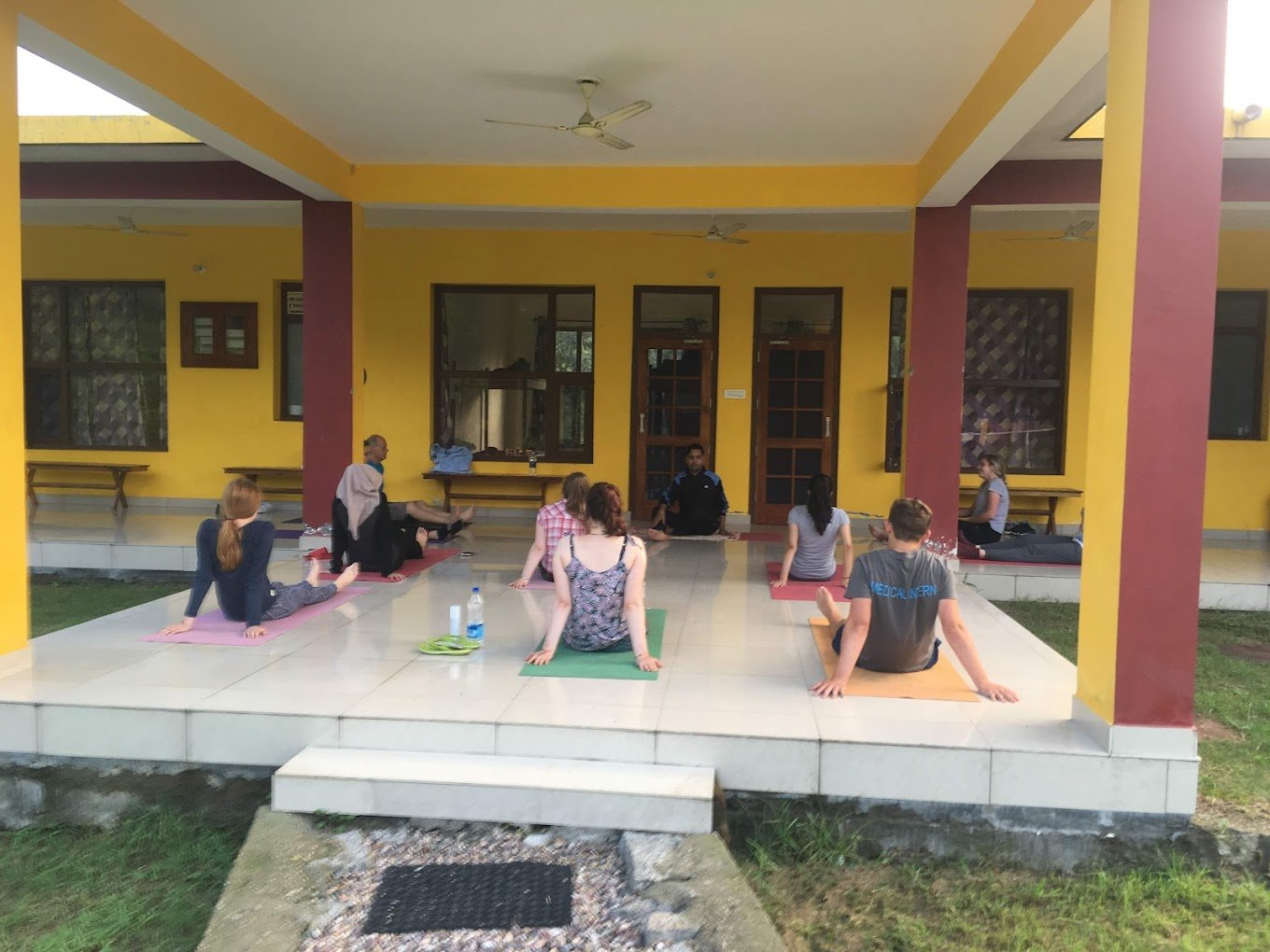
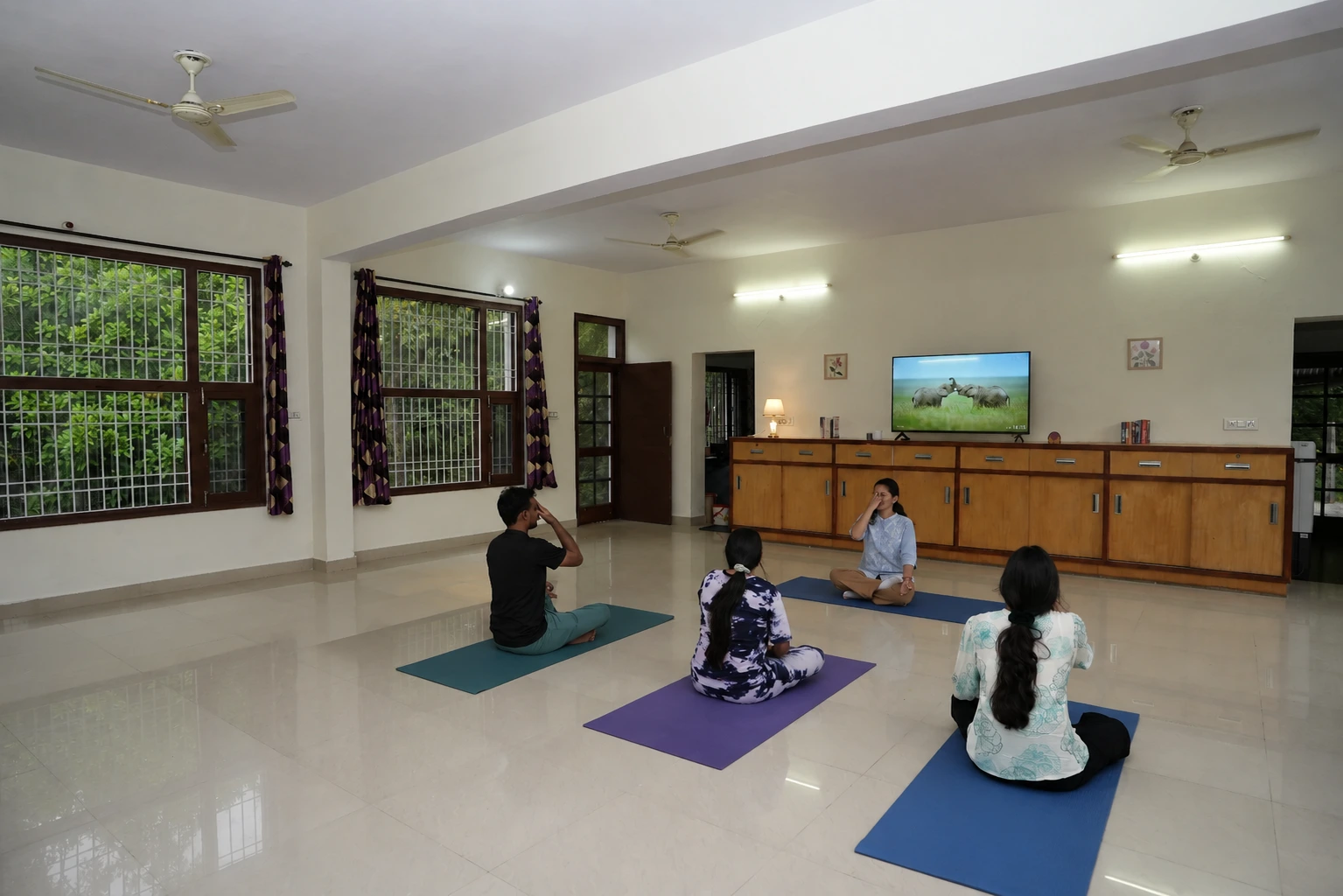
The stay provides something difficult to arrange at home: a structured day, protected sleep, real company, and several weeks in which the automatic reach for the phone has nothing to reach for. Days are built around individual counselling, group work, yoga and mindfulness, nature-based activity and clean Ayurvedic-inspired meals.
Phone use during a stay is agreed with you rather than imposed. Confiscation teaches nothing that survives discharge, so we use planned, negotiated access instead. Stays are flexible at 15 days, one month or longer, and the environment is work-from-home friendly.
Support for Adolescent Girls and Their Parents
Where the concern is a teenage daughter, evidence supports working with parents alongside the young person rather than treating her in isolation. Sessions cover realistic household rules, sleep, and how to raise the subject without triggering concealment.
Vaishalya Healing provides child and adolescent counselling for this. Where an eating disorder or self-harm is present, that takes clinical priority over screen time.
Co-Occurring Anxiety, Depression or Disordered Eating
Where an underlying condition is present, both are treated together. If a woman is scrolling half the night because she is depressed, addressing the screen alone will not hold, and if appearance content is feeding restriction or purging, the eating disorder is treated first.
Where medication is indicated for a co-occurring condition, we coordinate a psychiatric referral.
Community and Subsidised Access
Through the Asha Bhupender Charitable Trust (Reg. No. 2025/238/4/186), free and subsidised counselling is available to women from underserved communities in Himachal Pradesh who cannot afford private care.
If cost is the barrier, tell us. It should not be the reason you go untreated.
What Happens When You Get in Touch?
The first conversation is short and nobody is going to tell you off about your screen time. You will not be asked to justify how much you use.
Assessment covers the four clinical features rather than the hours: whether you can control when you start and stop, what the use is taking priority over, what it has already cost you, and what happens when you try to stop.
We also screen for what may be underneath. Depression, anxiety, loneliness, grief, disordered eating and online harassment all present as heavy phone use, and each changes the treatment plan substantially.
You will be asked to bring your actual screen time data to the first session. Not to be judged against it, but because almost everyone underestimates by a wide margin and the gap itself is clinically useful.
How Is a Personalised Plan Created?
Your plan is built by your primary counsellor under the clinical supervision of Leena Mehta, Counselling Psychologist and Chairperson of the Asha Bhupender Charitable Trust.
It begins by separating the use that serves you from the use that costs you. Work, family contact, income and genuine friendship stay. What gets targeted is the automatic, unchosen scrolling that leaves you feeling worse, and treating those two as the same thing is why most self-imposed rules collapse.
From there it sets the sleep protocol, the specific environment changes, graded limits you can realistically keep, the alternative activities that will occupy the reclaimed hours, and what you will do at the moments the pull is strongest.
Progress is measured against your own baseline rather than a target borrowed from someone else. Where the plan is not working we change the plan.
If You Are Worried About Your Daughter
Parents find this page as often as women looking for themselves. What you do in the first conversation tends to determine whether there is a second one.
Approaches That Tend to Work
Asking what she likes about it before telling her what is wrong with it. She has reasons, and dismissing them ends the conversation.
Household rules that apply to everyone, including you. Phones out of bedrooms at night and off the table at meals works far better as a family rule than a punishment aimed at one person.
Watching for the things that actually matter: sleep, eating, withdrawal from friends, mood after use, and any sign of harassment or self-harm.
Getting her a counsellor of her own if she wants one, without requiring that you be told what is discussed.
Approaches That Reliably Fail
Confiscating the phone with no plan. It removes her entire social world in one move and reliably produces concealment rather than change.
Reading her messages. Once discovered, and it is usually discovered, you lose the access to her thinking that you most need.
Comparing her to how things were in your generation. It signals that you do not understand the world she lives in, which is the opposite of what you want her to believe.
Focusing only on hours while missing the content. Sustained exposure to appearance or pro-eating-disorder material matters far more than the number itself.
If your daughter is being harassed, receiving sexual messages, or has had images shared without her consent, that is not a screen time problem. Please treat it as a safeguarding matter and seek help promptly. Support is available on the national women's helpline, 181, and the childline for minors, 1098.

A Women-Only Space, Deliberately
Much of what makes this difficult for women is specific to women: appearance comparison, online harassment, motherhood guilt, and in some households a phone that is monitored by somebody else. None of that is easy to raise in a mixed room.
Vaishalya Wellness is women-only by design. Admissions are confidential and nothing is disclosed to a spouse or relative without your permission. No client is named or photographed in any of our material without explicit written consent.
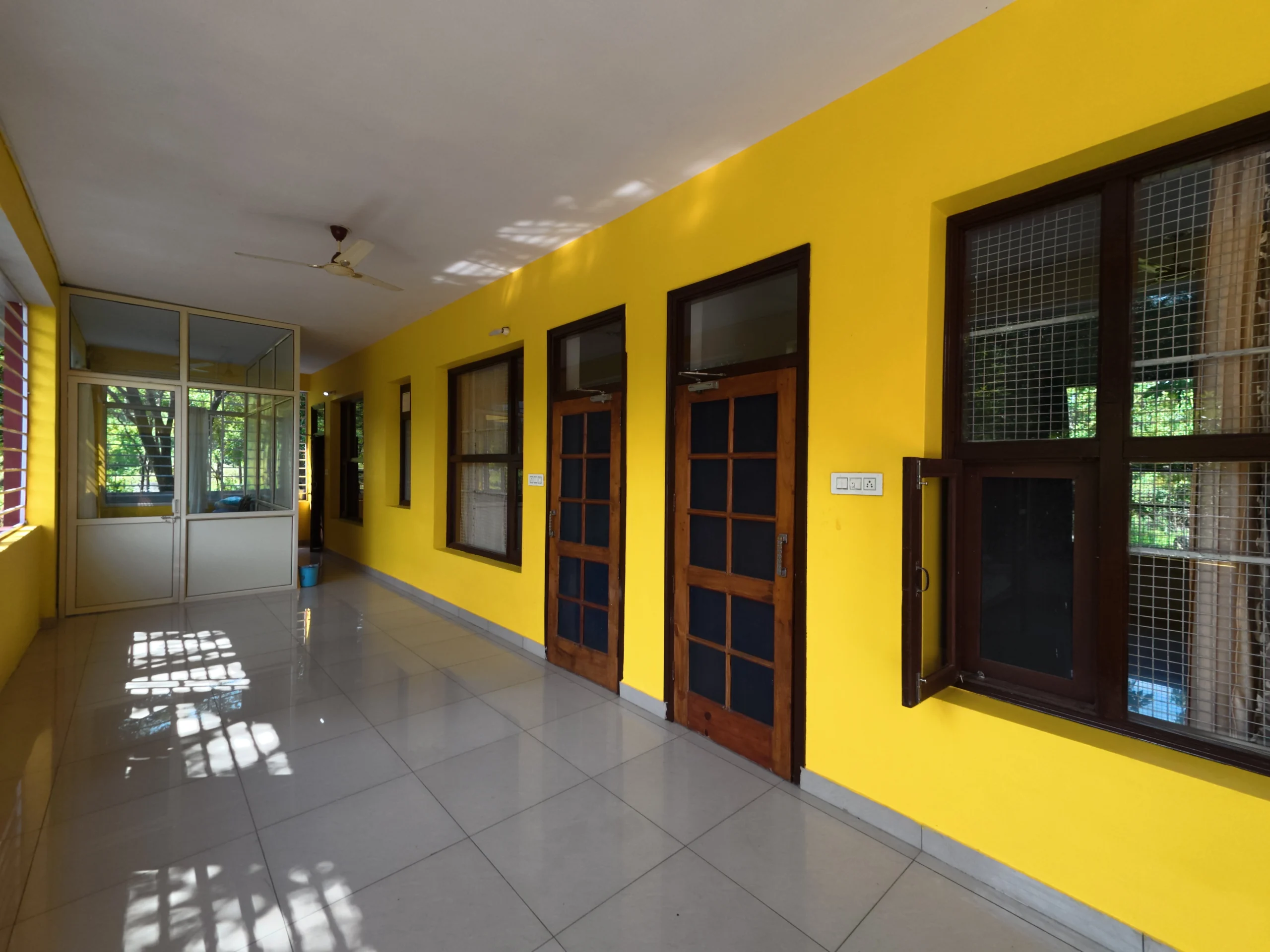
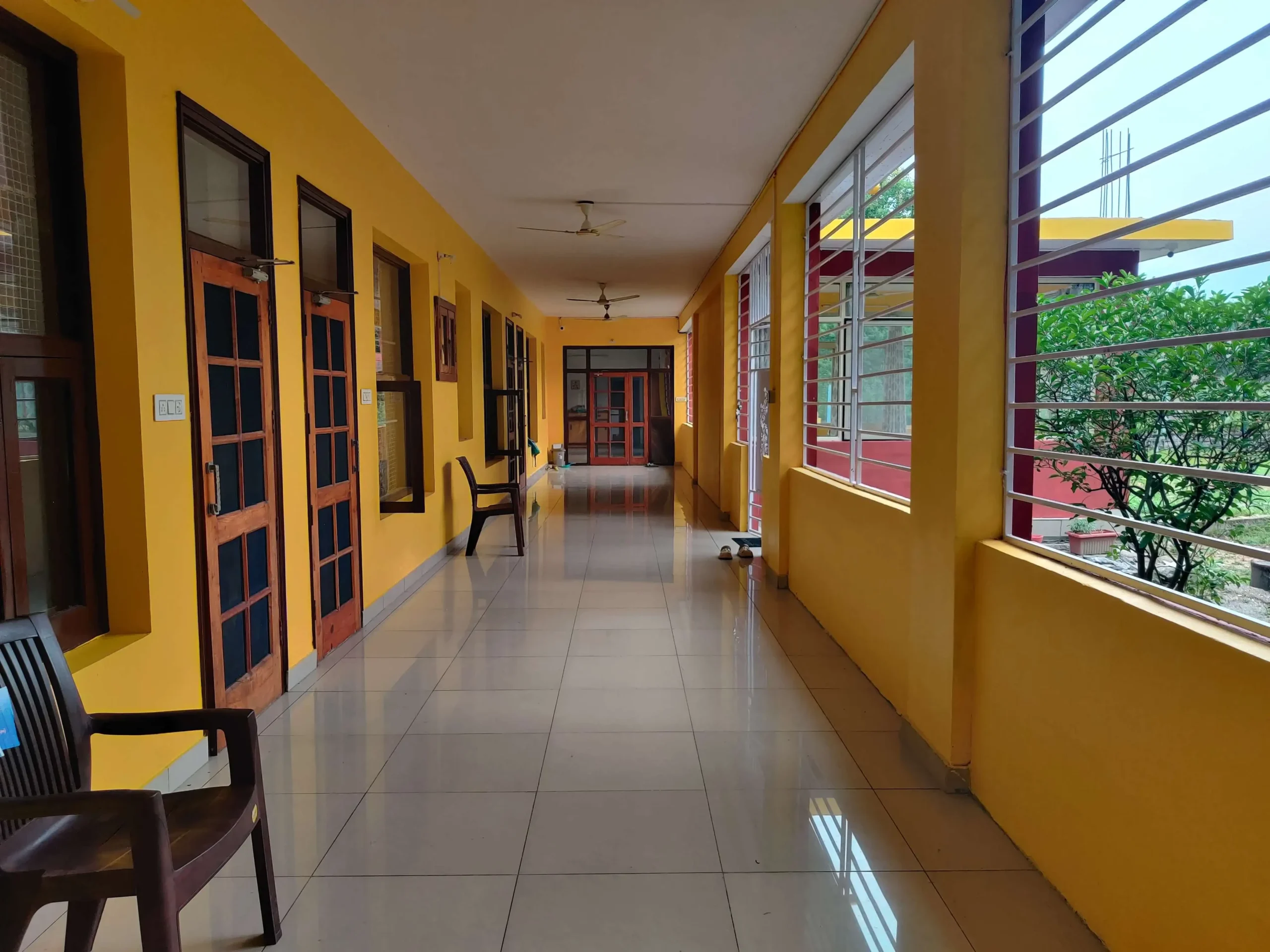
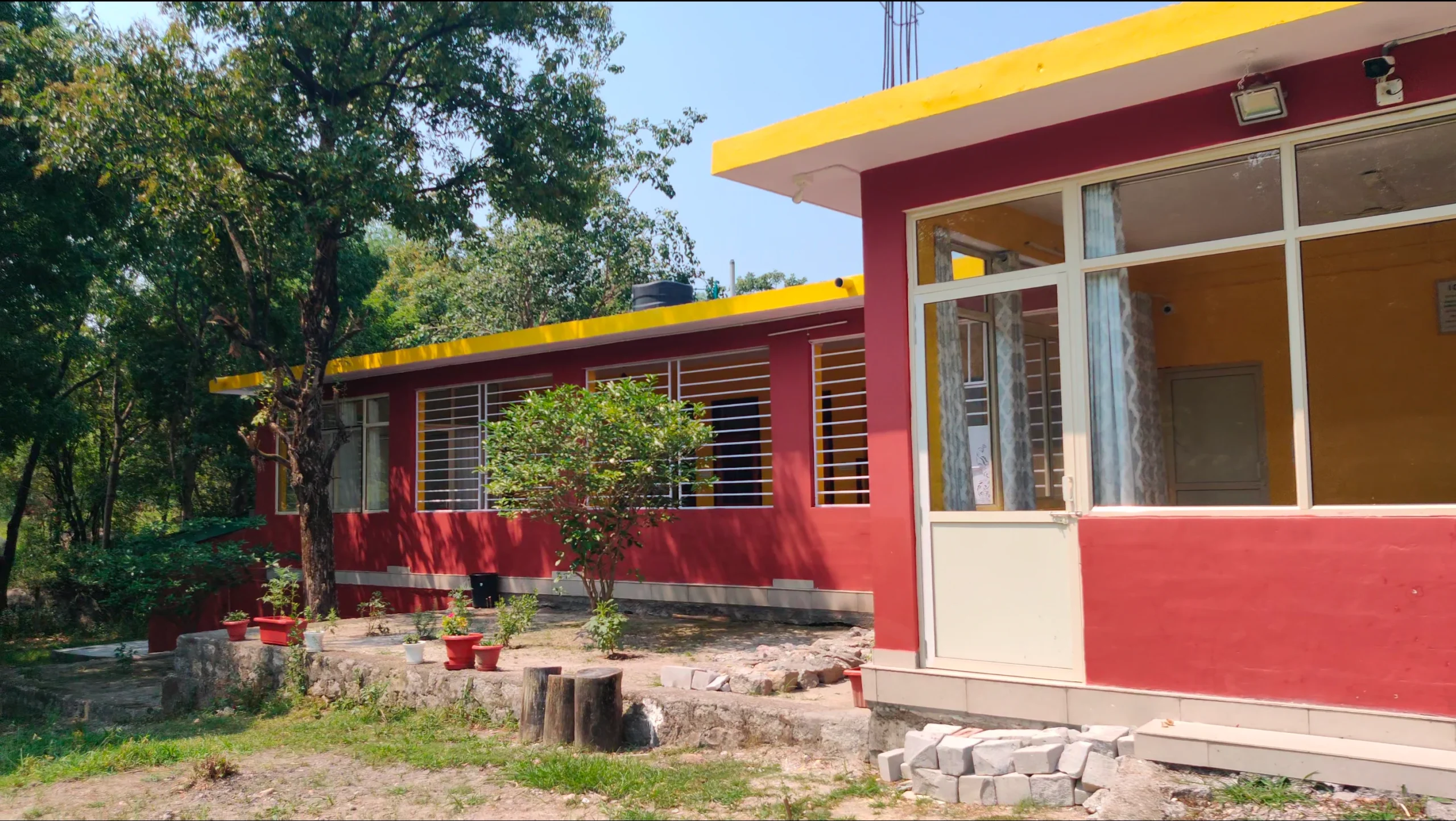
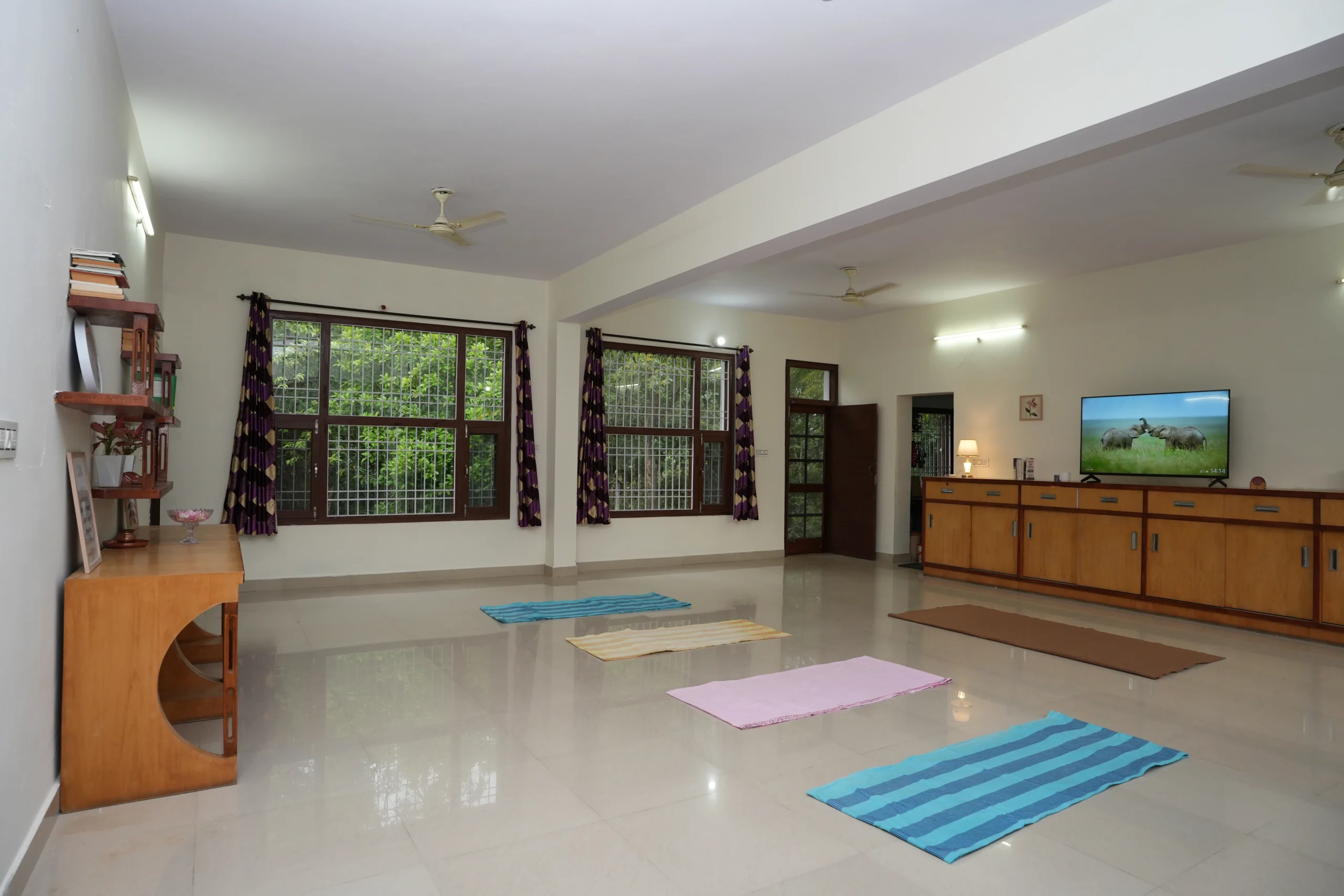
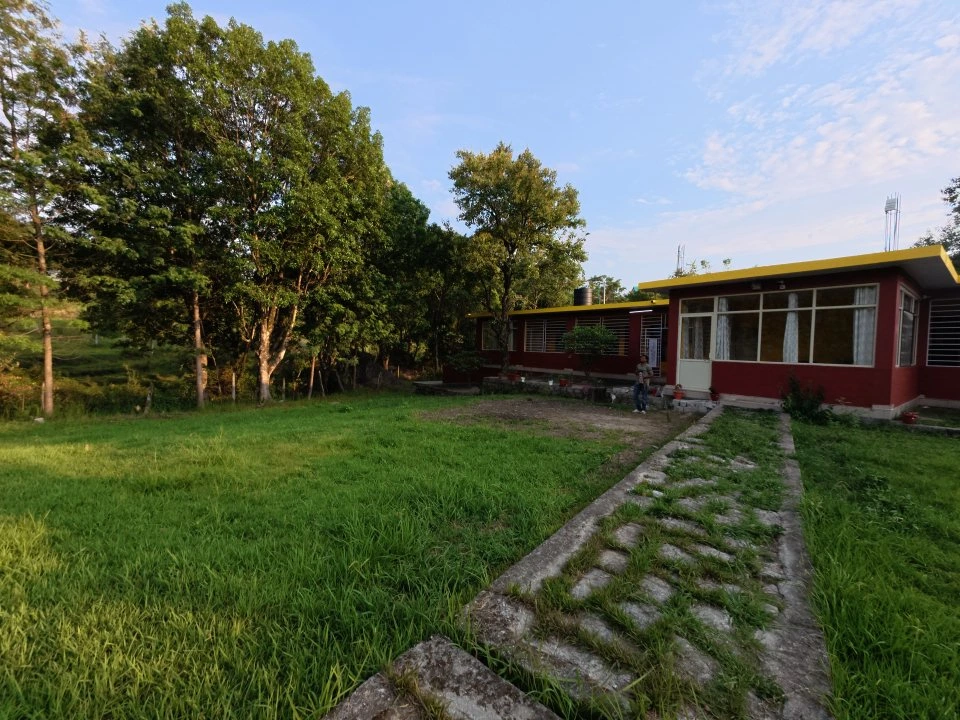
The centre is small and quiet, set in the hills away from the visibility of town. For most women the most useful thing it provides is several weeks of structured days and real company, which is what the phone had been standing in for.
Where Recovery Happens
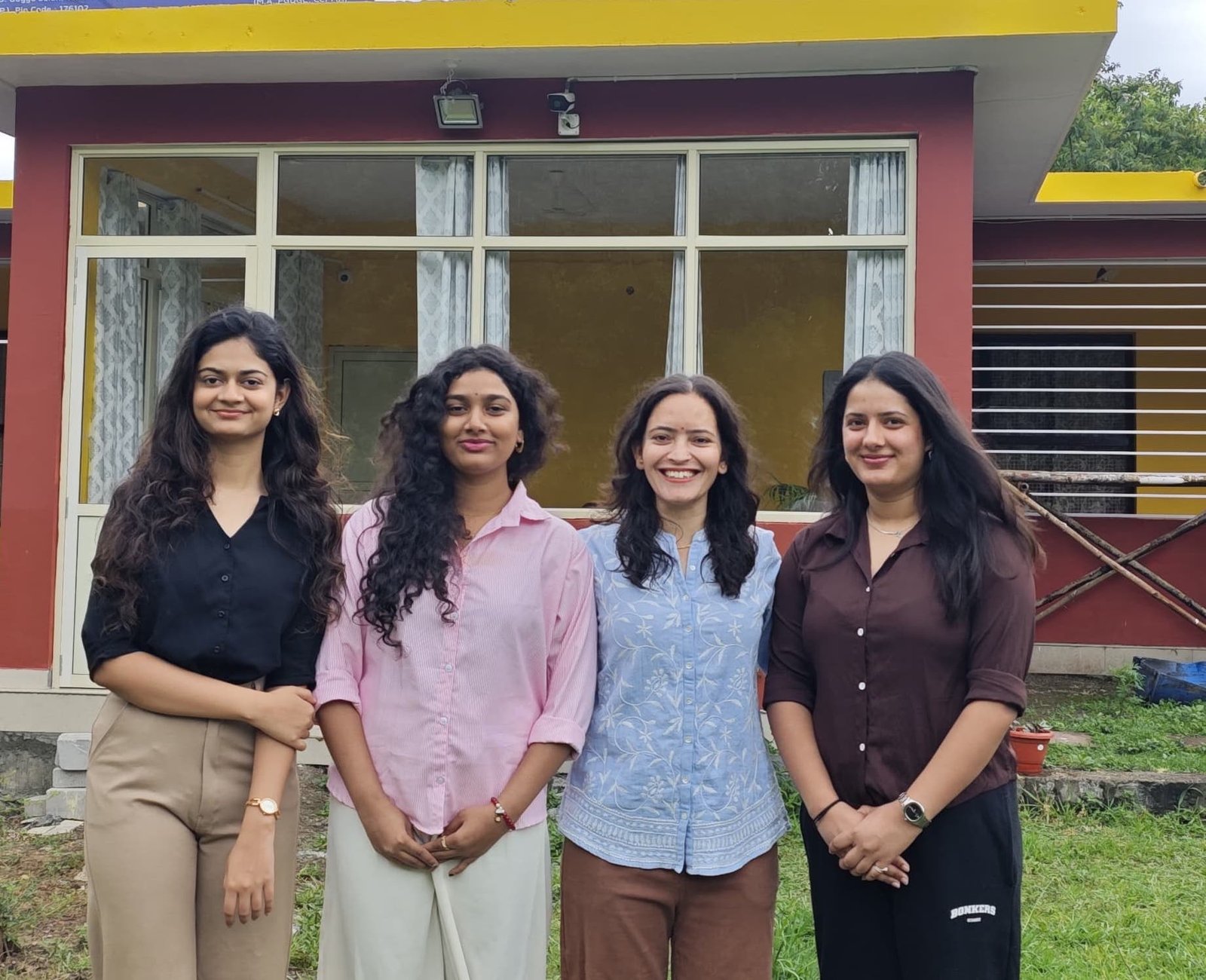
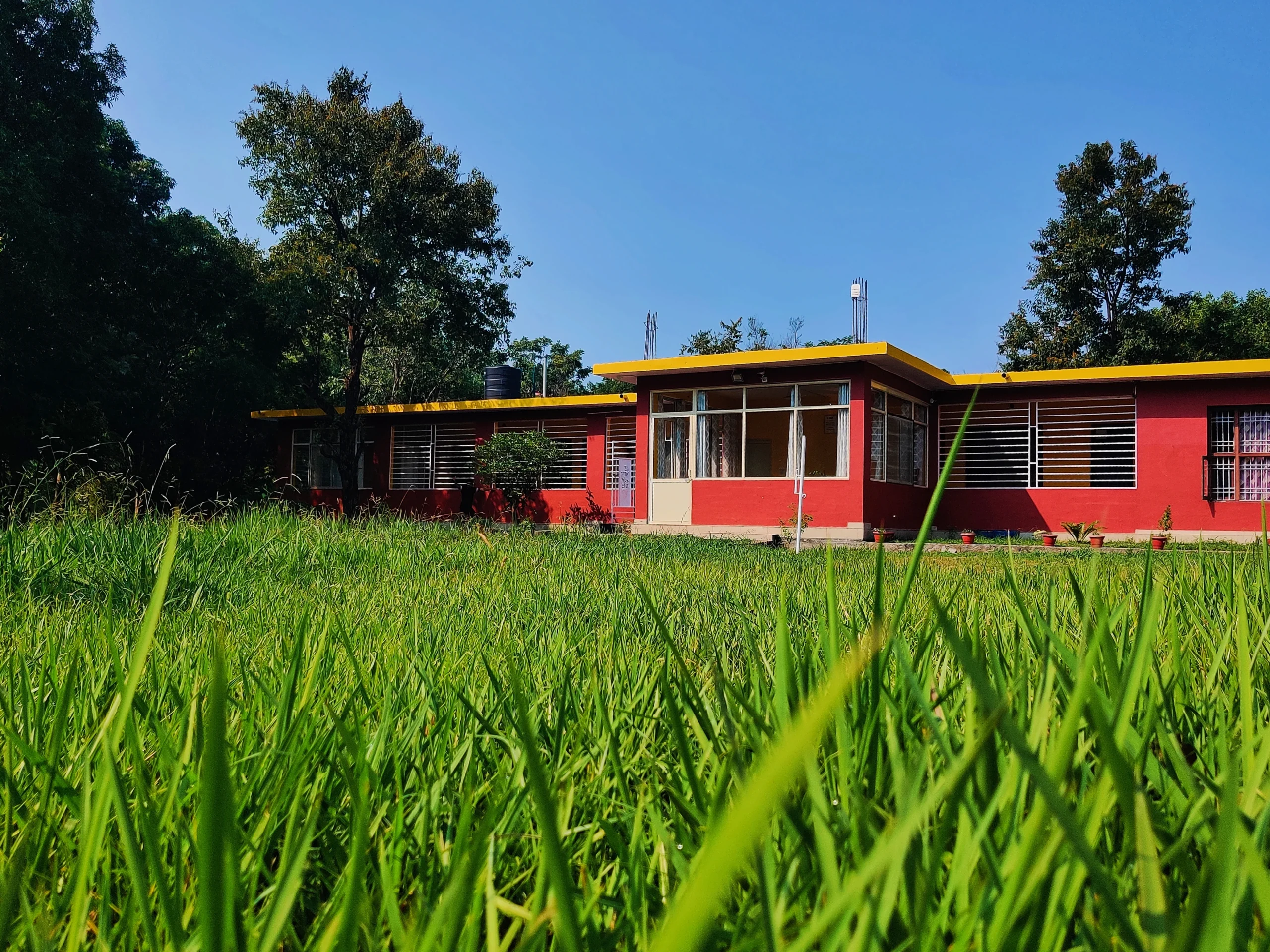
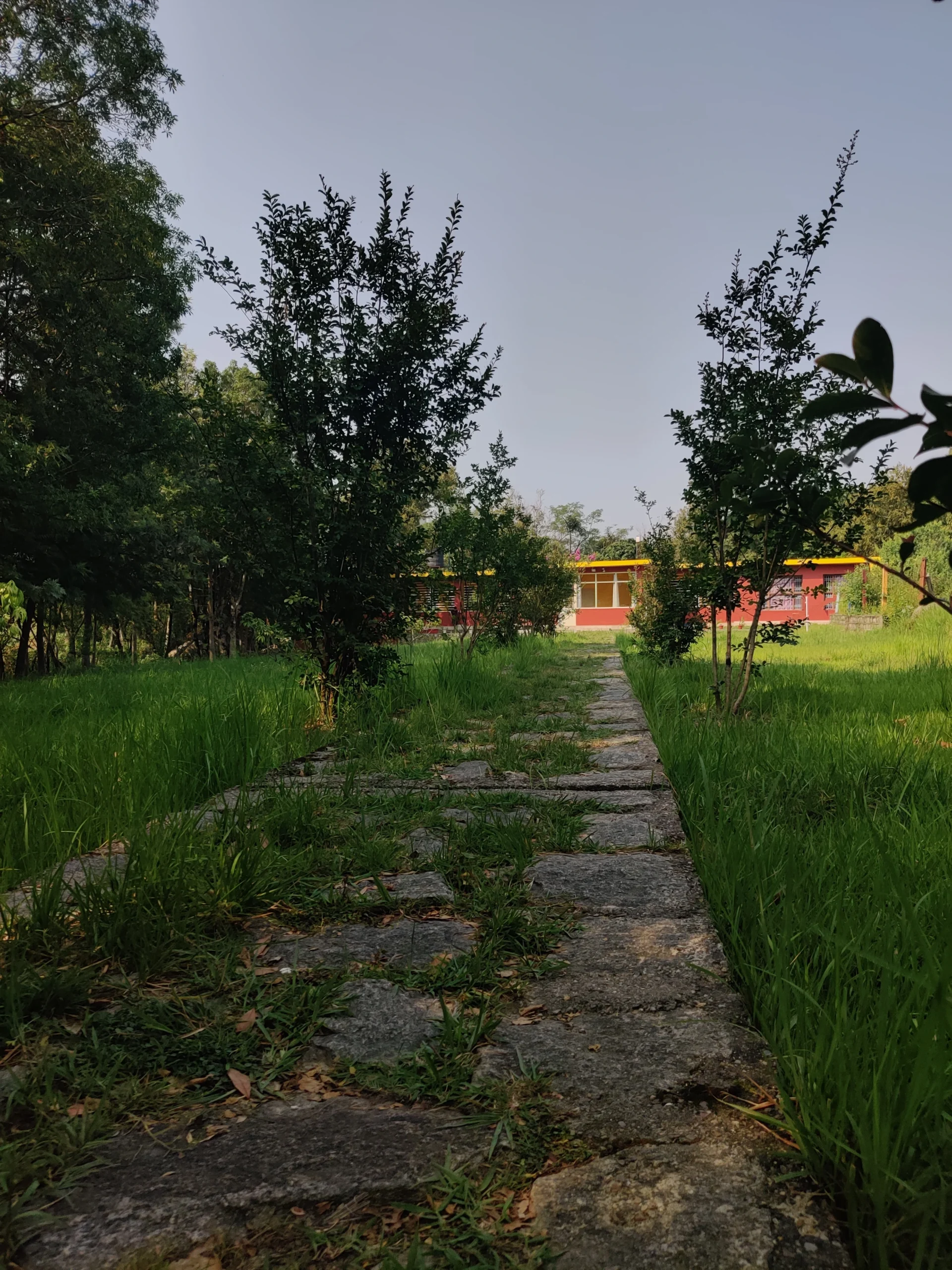
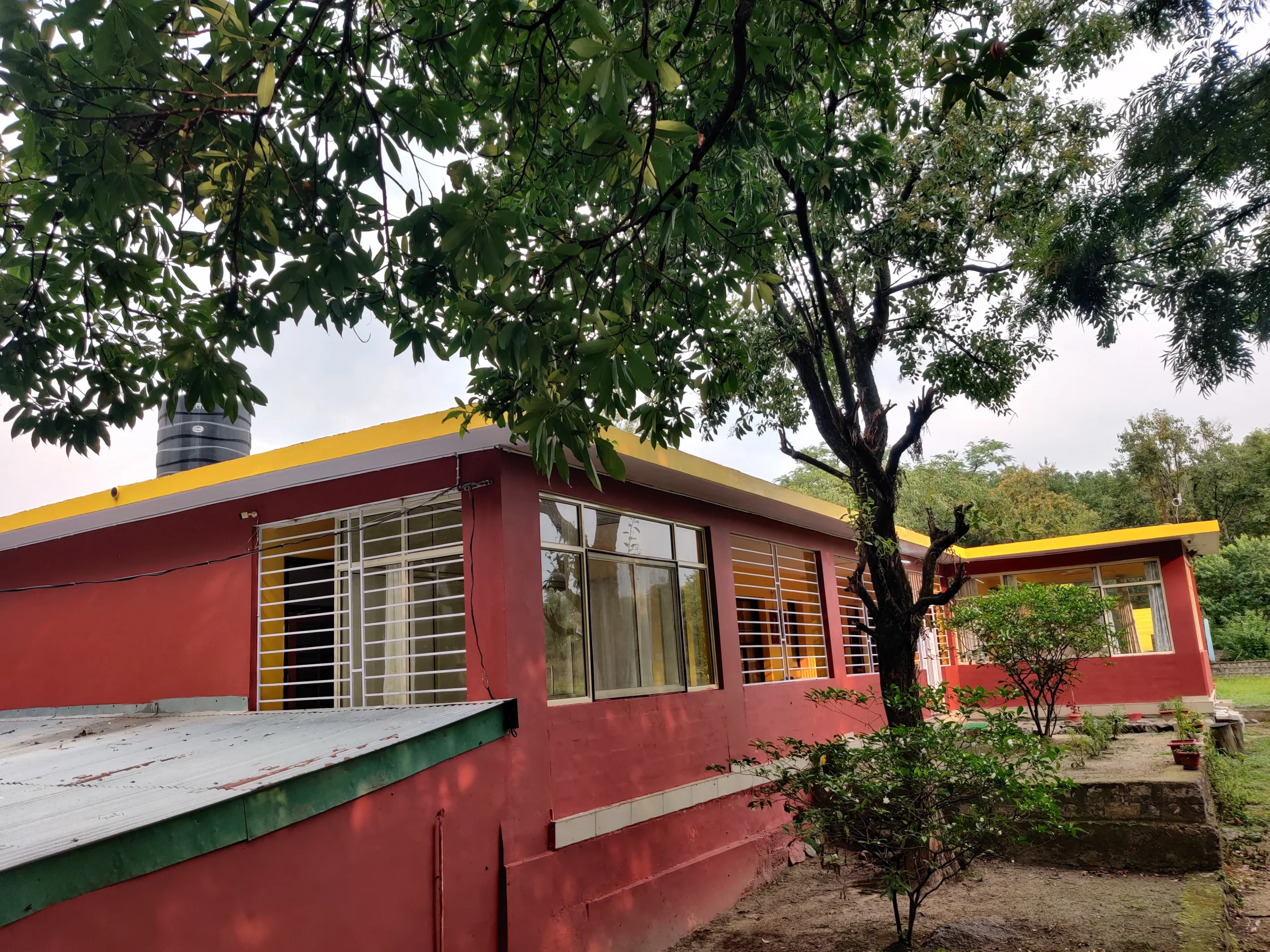
Our women-only residential space sits in the hills near Sullah, Palampur: quiet, green, and deliberately short on reasons to look at a screen.
What the First Month Actually Looks Like
Reducing compulsive use is uncomfortable in a specific and predictable way. Knowing the shape of it in advance is most of what stops women abandoning the attempt in week one.
Days 1 to 4
Restlessness and a constant reaching for a phone that is not there. Boredom arrives suddenly and feels far worse than expected. This is the hardest stretch and it is short.
Week 1 to 2
Sleep improves first and usually noticeably. Attention span begins to return. Many women report a low, flat mood in this window as the constant stimulation drops away.
Week 3
The automatic reach fades. Reading, conversation and sitting still become possible again. This is also when overconfidence causes most people to quietly relax the rules.
Week 4 Onward
Use becomes chosen rather than automatic. The aim was never zero, and by this point most women are using the same apps deliberately and feeling entirely different afterwards.
Slipping back for a few days does not undo the month. It is information about which trigger was underestimated, and the plan absorbs it rather than starting over.
Vaishalya Wellness: Women's Rehab & Wellness Centre
Residential care in Palampur, Himachal Pradesh. Private online counselling for women anywhere in India.
-
AddressMohal, Gugga Saloh Rd, Tehsil Sullah, Palampur, Distt. Kangra,
Himachal Pradesh 176102 - Phone & WhatsApp +91 82194 74936 · +91 70181 48449
-
Enquiry HoursMonday to Saturday, 10:00 AM to 5:00 PM
Residential care operates 24/7 - RegistrationAsha Bhupender Charitable Trust · Reg. No. 2025/238/4/186
Frequently Asked Questions
Is social media addiction a real diagnosis?
No. Neither the ICD-11 nor the DSM-5 recognises social media addiction. The ICD-11 includes Gaming Disorder under code 6C51, and the DSM-5 lists Internet Gaming Disorder in Section III as a condition requiring further research rather than an established diagnosis. The clinical concept in use is problematic social media use. Research applying the DSM-5 gaming criteria to social media has found high diagnostic accuracy, and studies comparing the two report no significant difference in core symptoms, social impairment or clinical severity. The difficulty is well documented even though it has not been formally named.
How many hours a day counts as too much?
There is no threshold, and hours are deliberately not one of the clinical features. Assessment looks at four things: whether you can control when you start and stop, what the use is taking priority over, whether it continues despite clear harm, and whether it is causing real distress or impairment. A woman running a business from Instagram may use it for five hours a day without difficulty, while another may use it for ninety minutes and feel worse after every one of them.
Do I have to delete my accounts?
No, and for most women that is the wrong target. These accounts often carry work, income, family contact and genuine friendship, so permanent abstinence is neither realistic nor necessary. Treatment aims at controlled, intentional use. Evidence supports structured, repeated breaks with a plan attached rather than a single act of deletion, which typically collapses within weeks and teaches nothing that survives reinstalling.
Is social media actually causing depression and anxiety, or is it the other way round?
This is genuinely unsettled and serious researchers disagree. One position holds that image-based platforms produced a real deterioration in mental health, most sharply among adolescent girls, supported by work showing social media contributing to lower appearance esteem through thin-ideal internalisation and body comparison. The other holds that the correlations are modest and largely reflect young people who already have mental health difficulties using these platforms more heavily. Clinically we treat both possibilities as live, because usually both are happening at once.
Why is it so hard to stop even when I want to?
Because you are working against deliberate design rather than a lack of discipline. Unpredictable rewards, which is the most powerful reinforcement schedule known in behavioural psychology, combine with infinite feeds that remove any natural stopping point, autoplay that begins the next thing before you can choose it, notifications that restart the loop, and social approval metrics that attach your sense of worth to numbers other people control. Changing the environment works far better than trying harder.
What is the first thing you would change?
Sleep, in almost every case. It is the least contested harm and the most immediately fixable. Getting the phone out of the bedroom, setting a fixed cut-off time and using a separate alarm clock produces measurable change within a fortnight for most people. That early result is usually what makes the rest of the work possible, because short sleep worsens mood and impulse control, which makes the next night's scrolling harder to interrupt.
Do I need to stay at the centre?
Almost never for this alone. Online counselling across India is the right starting point for most women and is usually the only step needed. Residential care is indicated where compulsive use sits alongside significant depression, anxiety, disordered eating or total exhaustion, or where sustained online harassment has made home feel unsafe.
My teenage daughter is on her phone constantly. Should I take it away?
Confiscation used on its own has a poor record. It removes her entire social world in one move and reliably produces concealment rather than change, while damaging the relationship you will need later. Evidence supports working with parents alongside the young person. Household rules that apply to everyone, such as no phones in bedrooms overnight, work better than penalties aimed at one person. Watch sleep, eating, withdrawal from friends and mood after use rather than the hours alone.
What if the problem is what I am seeing rather than how long I spend?
Then that is the clinical priority. Sustained exposure to appearance-focused or pro-eating-disorder content, or to harassment and abuse, is harm in its own right and managing your own screen time will not resolve it. Where restriction, purging or compulsive exercise is present, the eating disorder is treated first. Where images have been shared without consent or harassment is ongoing, we treat it as a safeguarding matter.
Will my family be told?
Nothing is disclosed to a spouse, parent or any other person without your explicit consent. We will speak to family members about the difficulty in general terms if you wish, but we will not confirm whether you are our client or share information about you. The only limit is the one any responsible clinician holds, where there is serious risk to life.
How long does treatment take?
Most women notice a change in sleep within the first fortnight and a change in the automatic reaching by around week three. Structured psychological treatment usually runs across a few months of weekly sessions, longer where depression, anxiety or disordered eating is being treated alongside it. Slipping back for a few days is expected and does not undo the progress.
Is a digital detox enough?
On its own, usually not. Evidence for structured, repeated breaks with a plan is reasonable, and digital detox interventions appear to help most for people with higher baseline symptom severity. Evidence for a single weekend or week away producing lasting change is weak. Without addressing what the use was doing for you, and without something to occupy the reclaimed hours, the behaviour returns within weeks.
Medical disclaimer. This page is for general information and does not constitute medical advice, diagnosis or treatment. Social media addiction is not a recognised diagnosis in either the ICD-11 or the DSM-5, and this page describes problematic social media use as currently understood. Vaishalya Wellness is not a crisis service or emergency medical establishment. If you are having thoughts of harming yourself, please contact Tele MANAS on 14416, free and available 24 hours a day, or attend your nearest hospital. Support for women facing violence, abuse or online harassment is available on the national women's helpline, 181, and for anyone under 18 on Childline, 1098.

About Vaishalya Wellness
Set in the quiet foothills of the Dhauladhar range in Palampur, Vaishalya Wellness is a women only rehabilitation and recovery centre. We offer a safe, private and dignified space for women seeking professional help with addiction, trauma and mental health, guided by clinical care and genuine compassion.
A women only residential facility in Himachal Pradesh.
Registration No: 2025/238/4/186
What We Treat
Additional Info
Contact
Call us +91 82194 74936 +91 70181 48449
Mohal, Gugga Saloh Rd,Tehsil Sullah, Palampur,
Himachal Pradesh 176102 Get directions
© 2026 Vaishalya Wellness. All rights reserved.
Privacy Policy