




- Resources
- Volunteer
- Internship
- Our approach
- FAQ
Nicotine Addiction Treatment
for Women in Himachal Pradesh
A women-only residential de-addiction and wellness centre in Palampur, offering structured, evidence-based support for cigarette, bidi, hookah, vape and smokeless tobacco dependence.
Nicotine is one of the most heavily used and most under-treated addictive substances in India. It rarely announces itself the way alcohol or opioids do - there is no dramatic collapse, no obvious crisis. It simply becomes part of the day, until stopping feels impossible.
At Vaishalya Wellness, a women-only residential centre run under the Asha Bhupender Charitable Trust, we treat nicotine dependence as a genuine clinical condition - not a bad habit, and not a failure of willpower.
Quick AnswerOverview - Nicotine Addiction Treatment in Himachal Pradesh
Nicotine addiction is a chronic, relapsing dependence driven by nicotine's action on α4β2 nicotinic acetylcholine receptors in the brain's reward pathway. Effective treatment combines behavioural therapy (CBT, motivational interviewing, relapse-prevention planning) with pharmacological support where clinically indicated (nicotine replacement therapy, bupropion or varenicline, prescribed and supervised by a physician).
Withdrawal typically begins 4–24 hours after the last use, peaks around day 3, and settles over 3–4 weeks. Cravings and psychological triggers can persist far longer, which is why structured aftercare matters more than the quit date itself.
Vaishalya Wellness provides this care in a women-only residential setting at Mohal, Gugga Saloh Road, Sullah, Palampur - with flexible stays, one-to-one counselling, group work, yoga and Ayurvedic-inspired nutrition.
If you use smokeless tobacco - khaini, gutka, zarda, paan with tobacco - you are still nicotine dependent. In India, smokeless products account for a large share of tobacco use among women, and the oral-health consequences are severe. The same treatment pathway applies.
Contact Us
Quitting nicotine can feel like losing a companion you never chose. It is tied to your morning, your breaks, your grief, your boredom, your friendships. At Vaishalya Wellness, our nicotine de-addiction programme is built to hold all of that - not just the chemistry.
We understand that a woman's relationship with tobacco in Himachal Pradesh is rarely simple. It may be hidden. It may be shared with a spouse. It may have begun as a way to cope with domestic stress, caregiving fatigue, or untreated anxiety. Our approach goes deeper than a quit date because the reasons underneath it usually do.
Under the guidance of counselling psychologist Leena Mehta, Chairperson of the Asha Bhupender Charitable Trust, we combine evidence-based psychological therapy with nature-based recovery, structured routine and genuine privacy.
What Is Nicotine Addiction?
Clinically classified as Tobacco Use Disorder in the DSM-5 and nicotine dependence in the ICD-11, nicotine addiction is a chronic, relapsing condition in which repeated nicotine exposure changes the structure and sensitivity of the brain's reward circuitry.
Inhaled nicotine reaches the brain in roughly ten seconds. It binds to nicotinic acetylcholine receptors - principally those containing the α4 and β2 subunits - and triggers dopamine release in the mesolimbic pathway. With repetition, the brain upregulates these receptors. The result is tolerance: the same cigarette does less, while its absence does more.
This is why "just stopping" fails so often. By the time most women seek help, nicotine is no longer producing pleasure. It is simply preventing withdrawal.
Most Common Signs of Nicotine Dependence
Dependence is not defined by how much you use, but by how much control you have lost over it. Clinicians look for a consistent pattern across three domains.
A useful clinical marker is the time to first use after waking. Reaching for nicotine within 30 minutes of getting up is one of the strongest single indicators of physiological dependence.

Risk Factors for Developing Nicotine Dependence
Nicotine dependence is multifactorial. Genetic variation in nicotine metabolism, early age of first use, co-occurring anxiety or depression, chronic stress, household tobacco use and easy local availability all raise risk substantially.
For women in rural and semi-rural Himachal Pradesh, additional factors often apply: normalised household use, use as a socially permitted coping mechanism, limited privacy in which to seek help, and the strong stigma attached to a woman admitting she uses tobacco at all.
Dependence also travels with other conditions. It is significantly more common in people living with depression, anxiety disorders, alcohol use disorder and severe mental illness - which is why we assess mental health alongside nicotine use, never in isolation.
Assessment at Vaishalya Wellness includes a structured clinical interview, a dependence-severity screen such as the Fagerström Test for Nicotine Dependence (FTND), a mental-health screen, and a review of previous quit attempts to identify what has and has not worked for you.
The Nicotine Withdrawal Timeline
Nicotine withdrawal is uncomfortable but, unlike alcohol or benzodiazepine withdrawal, it is not medically dangerous in itself. Knowing the shape of it - and knowing it ends - is one of the strongest predictors of getting through the first fortnight.

Onset
Cravings begin. Irritability, restlessness and difficulty concentrating appear. Blood nicotine falls and receptors that have adapted to constant stimulation start to signal their absence.
Peak Intensity
Symptoms usually peak around the third day: strong cravings, anxiety, low mood, disrupted sleep, headache, increased appetite and heightened emotional reactivity. This is where most unsupported quit attempts fail.
Gradual Easing
Physical symptoms begin to lift. Sleep and concentration start to normalise. Cravings become shorter and less frequent, though still situational - triggered by tea, meals, stress or company.
Physical Resolution
Most acute withdrawal symptoms taper off over three to four weeks. Appetite changes and low mood may persist a little longer and are actively managed in programme.
Psychological Recovery
The chemistry has largely settled; the habit has not. Cue-driven cravings can surface for months. This phase is where relapse-prevention skills, routine and aftercare do the real work.
Common Withdrawal Symptoms We Manage
How Nicotine Affects Women's Health
Tobacco harms everyone, but several consequences are specific to - or amplified in - women. These are not scare tactics. They are the clinical reasons we encourage women not to postpone treatment.
Fertility & Pregnancy
Smoking impairs ovulatory and tubal function and accelerates the loss of ovarian follicles, which cannot be replaced. In pregnancy it raises the risk of placenta previa, placental abruption, premature rupture of membranes and preterm delivery.
Earlier Menopause
Menopause occurs on average one to four years earlier in women who smoke. Nicotine and related compounds accelerate ovarian ageing and disrupt oestrogen and other reproductive hormones.
Bone Density & Fracture Risk
Smoking is an established risk factor for osteoporosis, with lower bone mineral density and a higher risk of hip fracture, particularly after menopause.
Cardiovascular Risk
Women who smoke face elevated cardiovascular risk. Combining smoking with combined oral contraceptives produces a dose-dependent increase in the risk of heart attack and stroke.
Oral & Oesophageal Cancer
Smokeless tobacco raises oral cancer risk by roughly 1.8 to 5.8 times and oesophageal cancer by 2.1 to 3.2 times. Areca nut and betel quid with tobacco are the leading contributors among Indian women.
Oral Submucous Fibrosis
Long-term smokeless tobacco and areca nut use causes OSMF - progressive stiffening of the oral tissues with restricted mouth opening and clear malignant potential.
Mental Health Interaction
Nicotine briefly relieves withdrawal-driven anxiety, which is easily misread as stress relief. Sustained cessation is associated with improved anxiety and mood outcomes, not worse ones.
Second-Hand Exposure
Household smoking exposes children and non-smoking family members to the same carcinogens, with documented respiratory consequences in young children.
When Should I Seek Professional Help to Quit?
The decision does not require you to hit a crisis point. Nicotine rarely produces one until the damage is already done, which is precisely the problem.
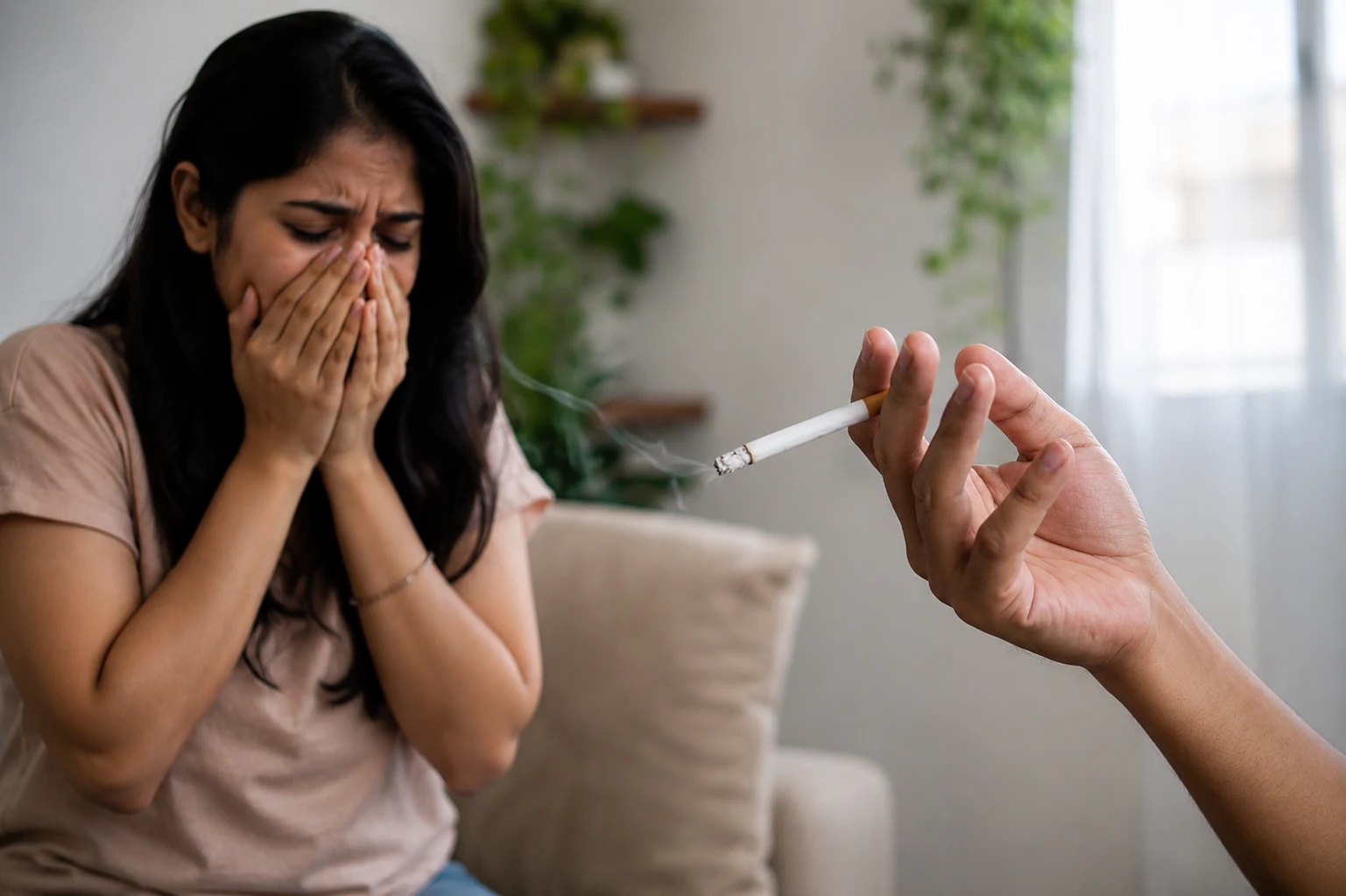
Professional support is warranted if you have made two or more serious quit attempts without lasting success, if you use nicotine within thirty minutes of waking, if you continue despite a diagnosed respiratory, cardiac, oral or reproductive health problem, or if you find yourself hiding your use from the people closest to you.
It is also warranted when nicotine is doing a job that something else should be doing - managing panic, numbing grief, absorbing anger, or getting you through a difficult marriage. In those cases, treating the tobacco alone will not hold.
For families: watch for repeated failed attempts, defensiveness when the subject is raised, escalating use during stressful periods, and physical signs such as persistent cough, mouth ulcers or restricted mouth opening.
Evidence-Based Treatment Options for Nicotine Addiction
The strongest outcomes come from combining behavioural therapy with pharmacological support. Neither works as well alone. At Vaishalya Wellness we build a layered plan around your dependence severity, medical history and previous attempts.
Cognitive Behavioural Therapy
CBT identifies the thoughts and situations that precede use, challenges the beliefs that sustain it ("I can't cope without it"), and systematically replaces the behaviour. It is the most robustly evidenced psychological treatment for tobacco dependence.
Motivational Interviewing
A non-confrontational method for resolving ambivalence. Rather than arguing you into quitting, MI helps you articulate your own reasons - which predict outcomes far better than external pressure does.
Nicotine Replacement Therapy
Patches, gum and lozenges deliver controlled nicotine without combustion or carcinogens, blunting withdrawal while behavioural work proceeds. Combination NRT (patch plus a fast-acting form) outperforms single-form NRT.
Prescription Pharmacotherapy
Where clinically appropriate, varenicline or bupropion may be prescribed and supervised by a physician. Trial evidence places varenicline's six-month abstinence around 33%, versus roughly 19–27% for bupropion or single-form NRT and 13% for placebo.
Group Therapy
Women-only process groups reduce the isolation and shame that surround female tobacco use in Himachal Pradesh, and provide accountability that individual sessions alone cannot.
Family Counselling
Where the client consents and it is clinically appropriate, family sessions address household triggers, shared use, and how relatives can support recovery without policing it.
Yoga, Breathwork & Ayurveda
Daily guided yoga, pranayama and mindfulness directly target craving-related arousal. Ayurvedic-inspired, clean nutrition supports appetite regulation and sleep through the withdrawal window.
Relapse-Prevention Planning
A written, rehearsed plan mapping your specific high-risk situations, early warning signs, coping responses and the exact people to contact - built before discharge, not after a slip.
A note on vaping. E-cigarettes are prohibited in India under the Prohibition of Electronic Cigarettes Act, 2019. They are not a treatment we recommend or supply. Where vaping is the presenting dependence, it is treated as nicotine dependence like any other.
What Levels of Care Are Available?
Treatment must be matched to dependence severity and personal circumstance. Vaishalya Wellness offers a stepped continuum, so a woman can enter at the level she actually needs rather than the only one on offer.
Outpatient Counselling & Structured Quit Support
For women with mild to moderate dependence who can quit while living at home. Weekly individual sessions build the quit plan, identify triggers, establish substitution behaviours and provide accountability through the first critical month. Available in person in Palampur or online across Himachal Pradesh.
Where medication is indicated, we coordinate with a physician for prescription and monitoring.
Residential Wellness Stay (Women Only)
Our core offering for women whose home environment makes quitting unrealistic - where tobacco is present in the household, where privacy is scarce, or where nicotine sits on top of untreated anxiety, grief or burnout.
Stays are flexible: 15 days, one month, or longer. The day is structured with individual counselling, guided group work, yoga and mindfulness, nature-based activity and clean, Ayurvedic-inspired meals. The environment is deliberately low-stimulation and work-from-home friendly.
This is not a luxury retreat. It is a purposeful, affordable, structured healing space built around consistency and real recovery.
Dual-Diagnosis Care for Co-Occurring Conditions
Nicotine dependence frequently coexists with depression, anxiety disorders, alcohol use disorder or trauma-related conditions. Treating one and ignoring the other reliably produces relapse.
Where a co-occurring condition is present, we assess and address both concurrently, coordinating with psychiatric services where medical management is required. If detoxification from another substance is clinically necessary, we will refer to and work alongside appropriate medical facilities.
Step-Down & Continuing Care
After a residential stay, intensity reduces gradually rather than stopping abruptly. Continuing care includes scheduled follow-up sessions, WhatsApp check-in support between appointments, progress tracking and a rehearsed relapse-prevention plan.
Most relapse occurs in the first three months after discharge. This phase is designed specifically for that window.
Community & Subsidised Access
Through the Asha Bhupender Charitable Trust (Reg. No. 2025/238/4/186), free and subsidised counselling is available to women from underserved communities in Himachal Pradesh who cannot afford private care.
If cost is the barrier, tell us. It should not be the reason you do not get treatment.
What Is the Admissions and Assessment Process?
The process begins with a confidential phone call to +91 82194 74936 or +91 70181 48449. This first conversation runs both ways - you ask what you need to ask, and we gather enough to judge whether our programme genuinely fits your situation.
A brief pre-admission screen is conducted over the phone. If residential care is not the right level for you, we will say so and point you toward what is.
On arrival, you undergo a full assessment with our counselling team: tobacco history and quantity, dependence severity, previous quit attempts and what derailed them, mental-health screening, relevant medical history, and your own goals. Nobody is asked to justify themselves.
Fees, stay length and what to bring are confirmed in writing before you travel. There are no undisclosed charges.

How Is a Personalised Quit Plan Created?
Following assessment, your primary counsellor builds an individual plan under the clinical supervision of Leena Mehta, Counselling Psychologist and Chairperson of the Asha Bhupender Charitable Trust.
The plan sets a quit approach - abrupt cessation or a structured taper - based on your dependence severity and history. It specifies whether pharmacological support is indicated, maps your personal trigger profile, and schedules individual sessions, group work and wellness activity across the stay.
It is a working document, reviewed continuously and adjusted as your response becomes clear. A plan that ignores what is actually happening in week two is not a plan.
Crucially, it integrates your goals. For one woman that is her daughter's wedding. For another it is a persistent cough. For another it is simply wanting one part of her life back under her own control. All three are clinically valid.
How Does a Women-Only Setting Protect Privacy?
In Himachal Pradesh, a woman admitting to tobacco use carries a social cost that a man's does not. Privacy is not a comfort feature here. It is the reason many women get treatment at all.
Vaishalya Wellness is a women-only residential space, deliberately located away from the noise and visibility of town. Admissions are confidential. Client identity is never disclosed, and no client is photographed or named in any of our material without explicit written consent.
Our staff are trained in professional confidentiality and ethical practice. What is said in a session stays in that session, subject only to the standard limits any responsible clinician would apply where there is risk to life.
The environment is small, quiet and low-stimulation - fresh air, hill surroundings, structured routine, and space to think without being watched.
How Are Families Involved in Recovery?
Nicotine dependence sits inside a household, not just inside a person. If tobacco is used openly at home, or if the stress driving the use is domestic in origin, family involvement changes outcomes significantly.
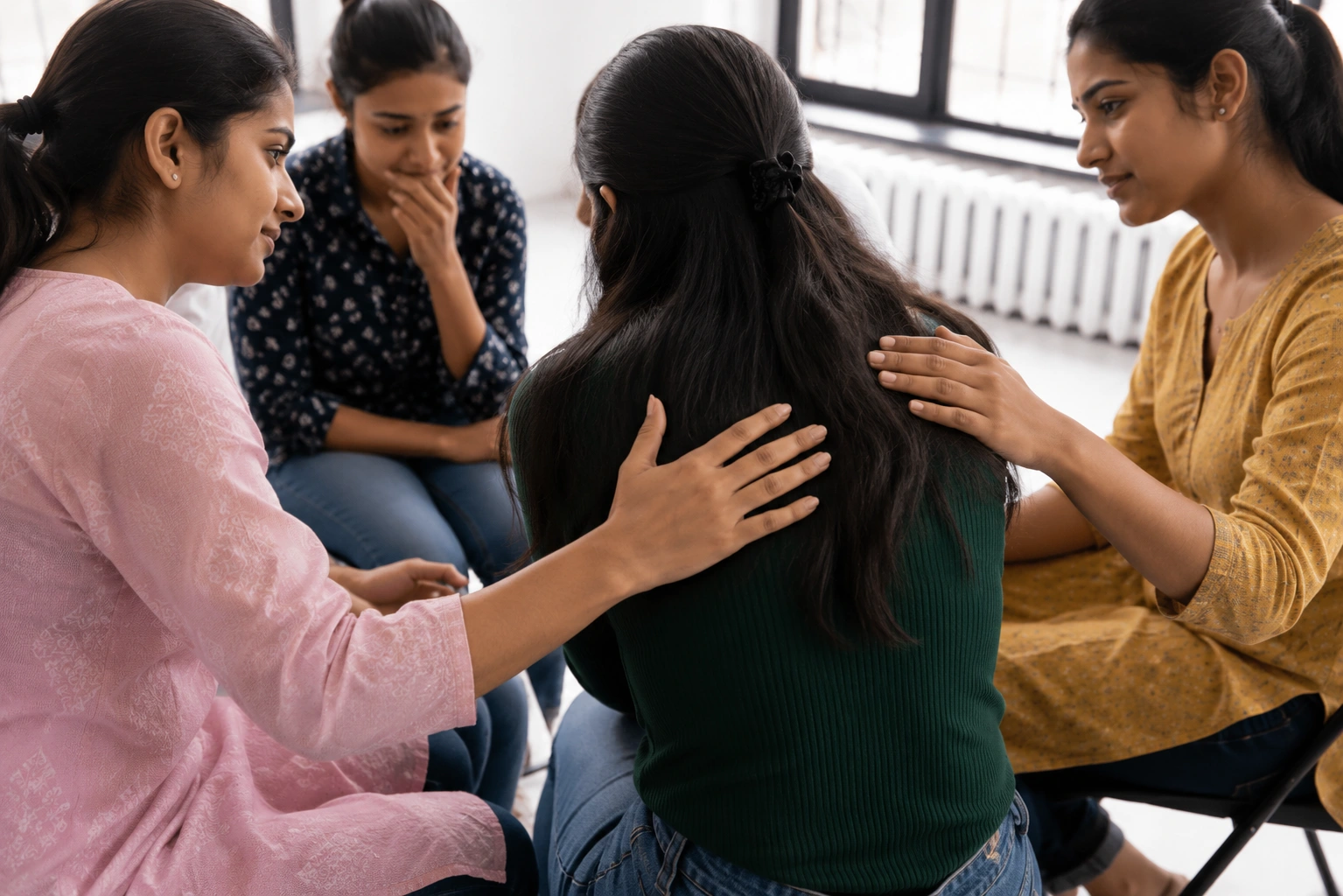
Where the client consents and the treatment team judges it appropriate, we offer facilitated family sessions. These provide a structured space to improve communication, set boundaries and address the household patterns that quietly maintain use.
We also provide psychoeducation to relatives: what withdrawal actually looks like, why irritability in week one is physiology rather than character, why surveillance and shaming reliably backfire, and what genuinely useful support looks like day to day.
Family sessions are always at the client's discretion. No relative is given access to session content without her consent.
Where Recovery Happens
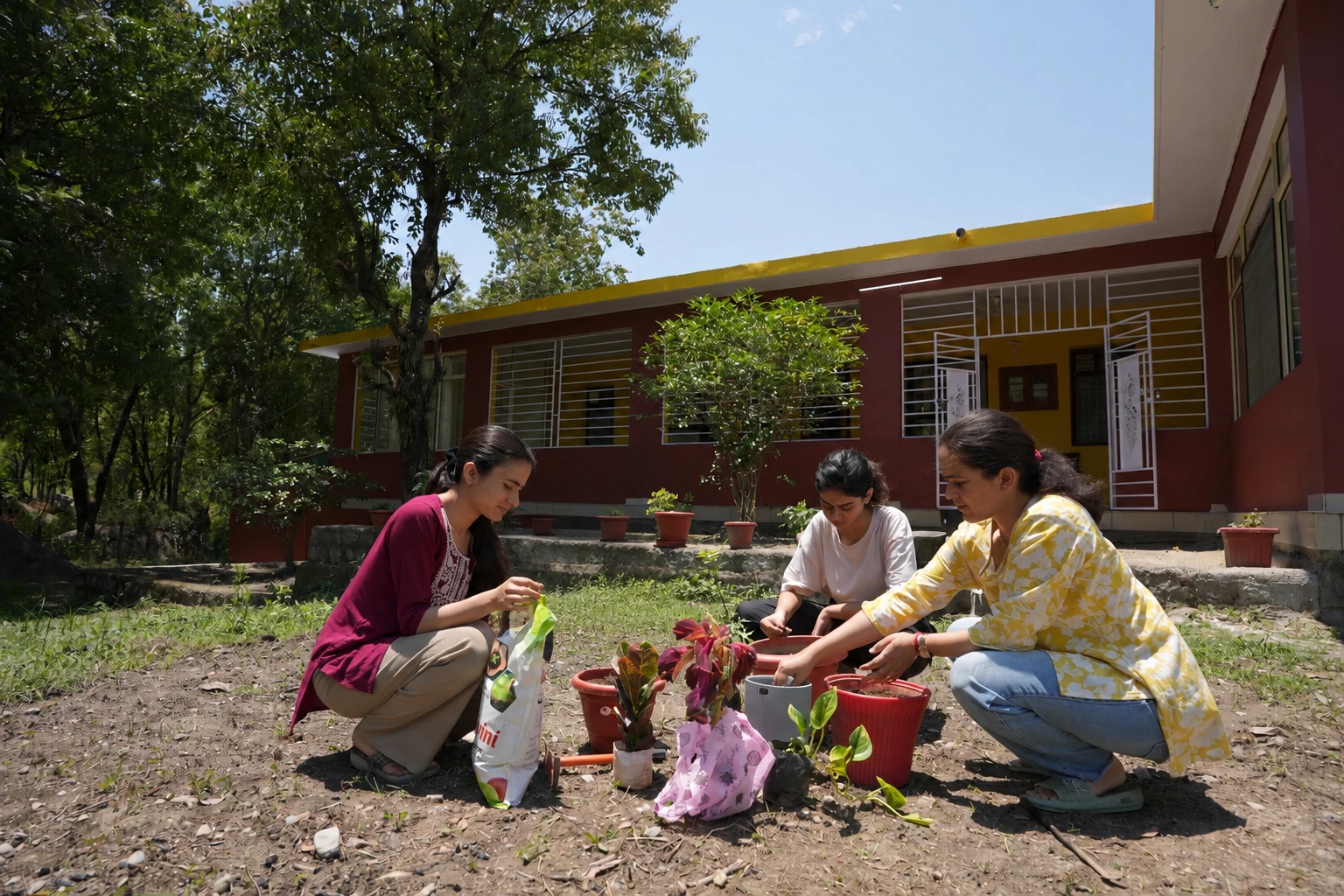
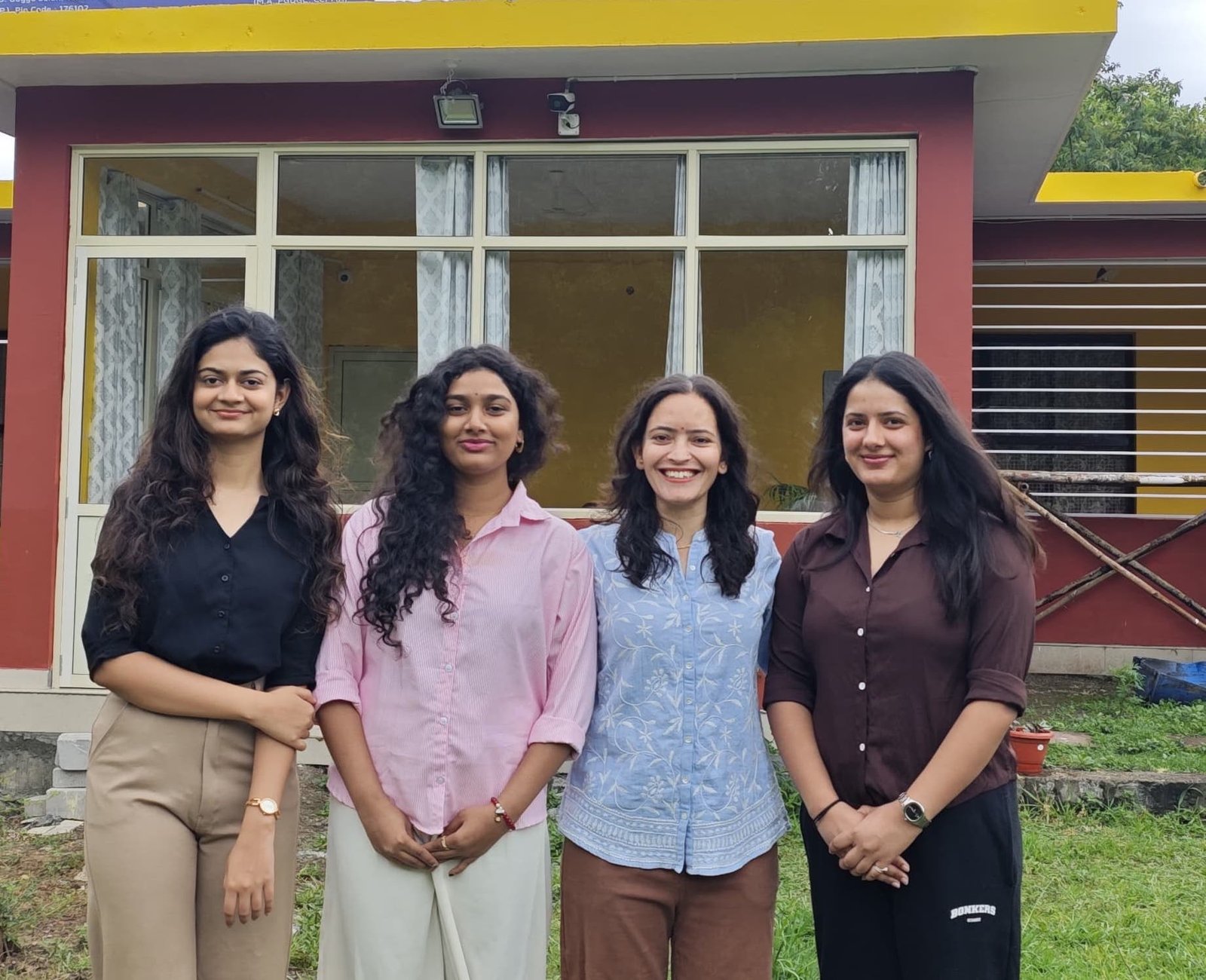
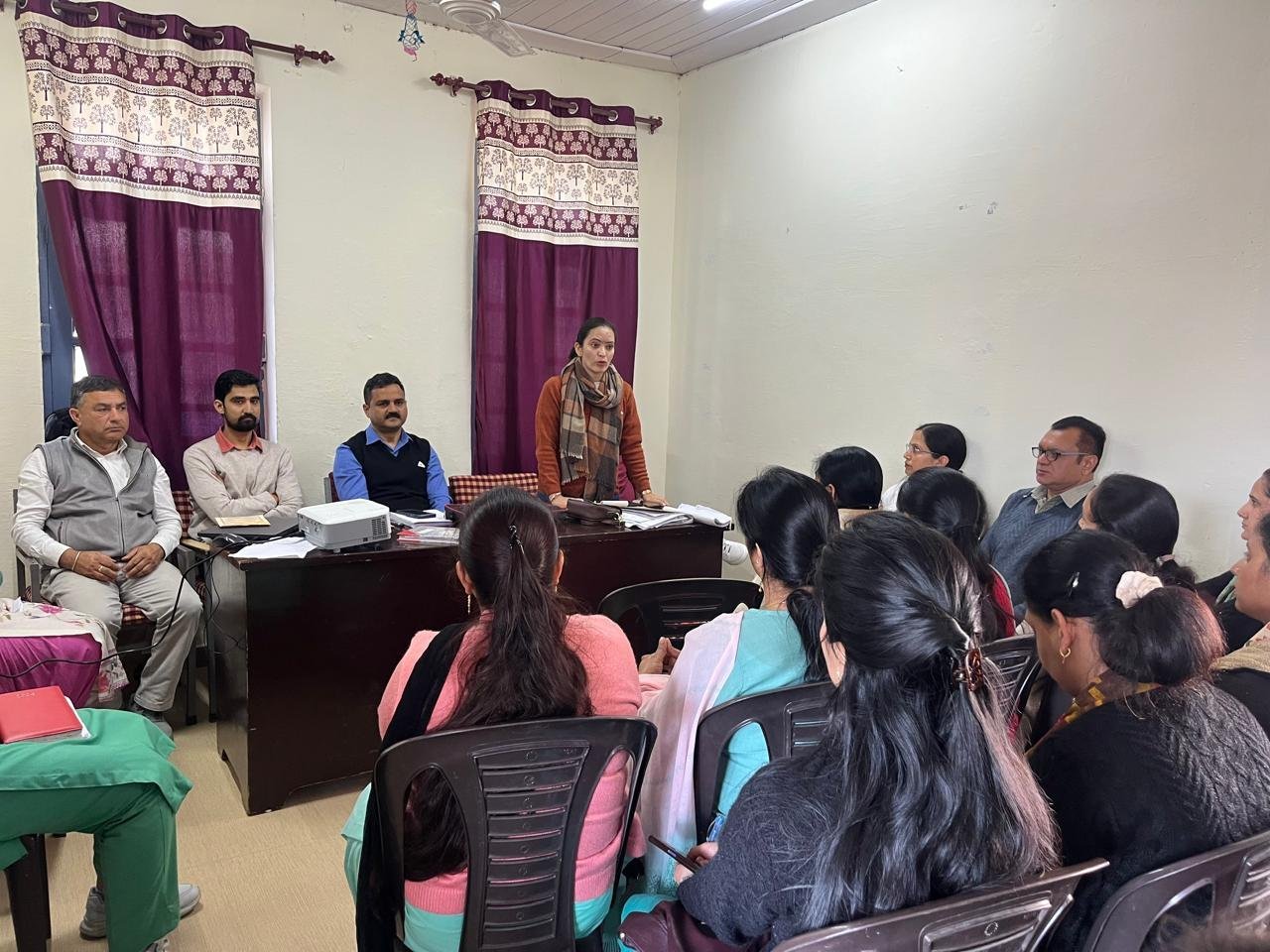
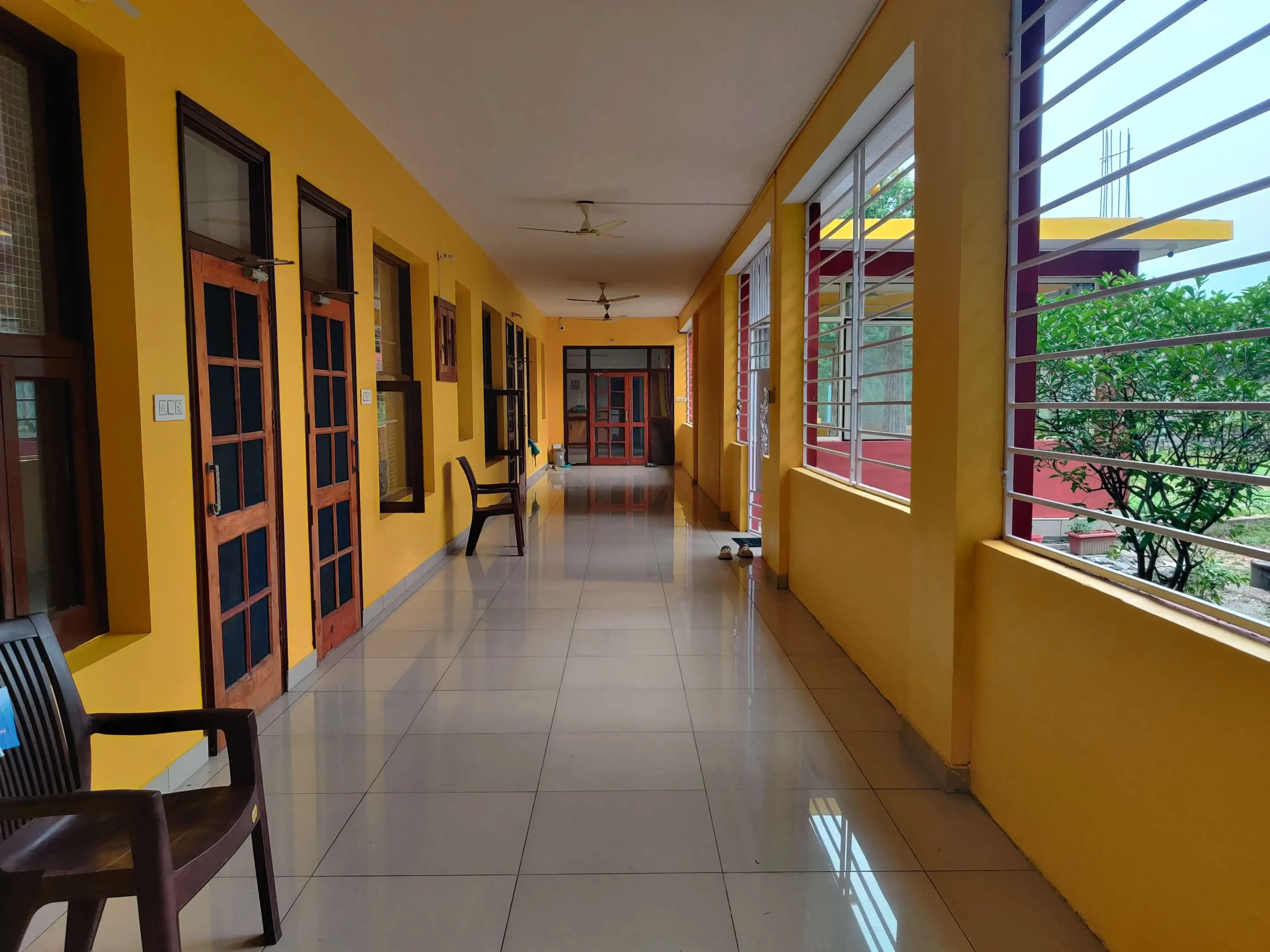
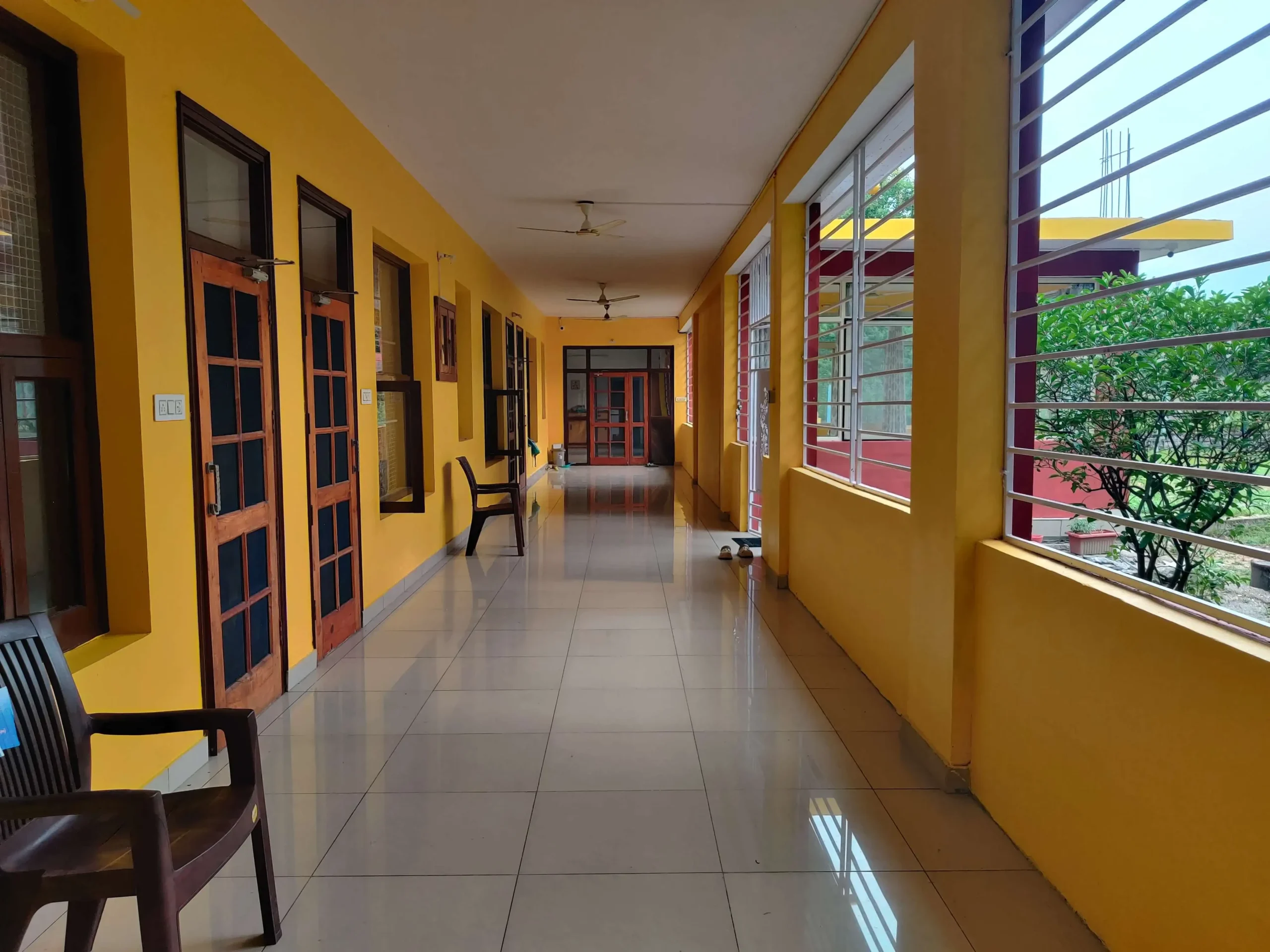
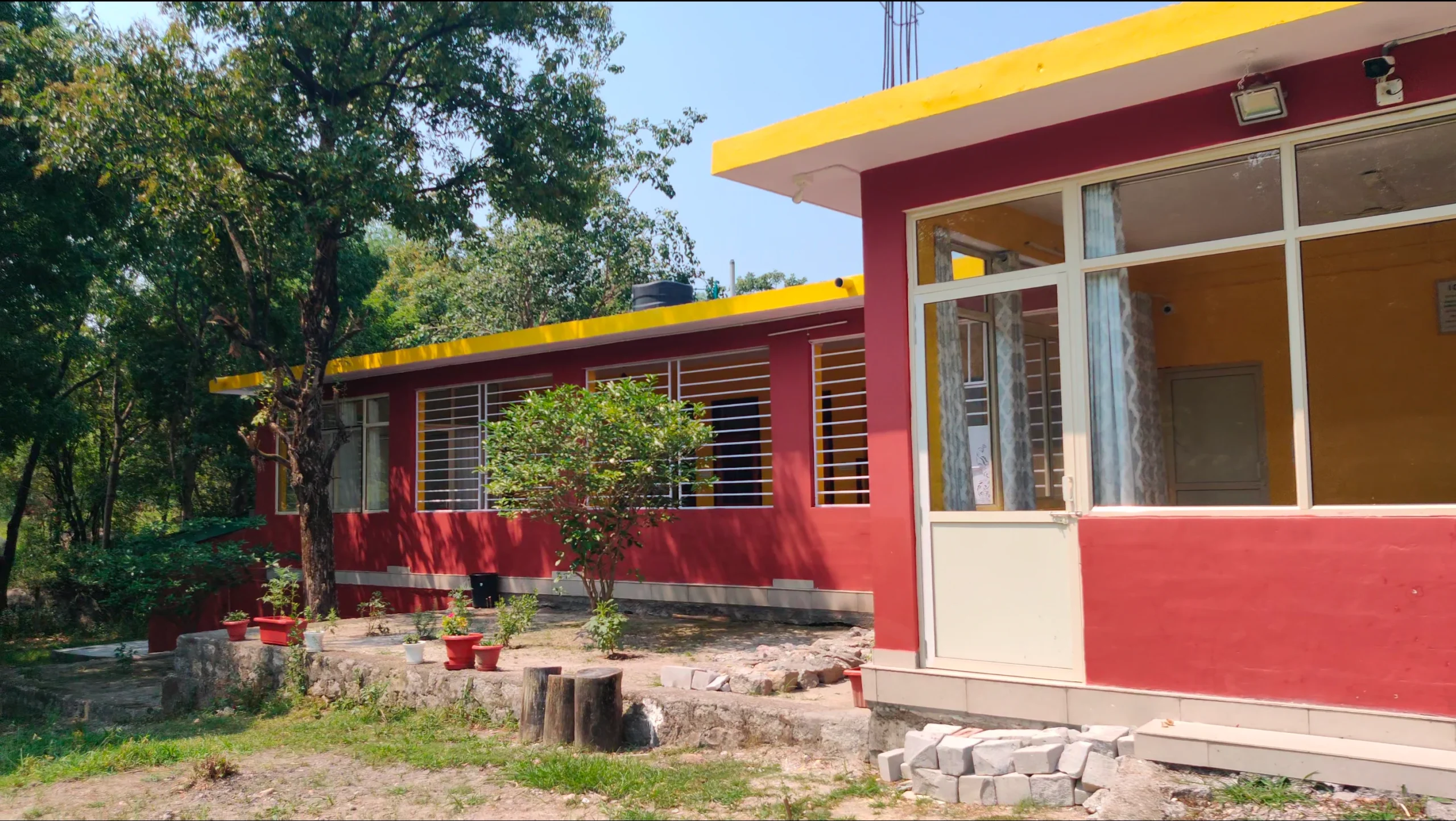
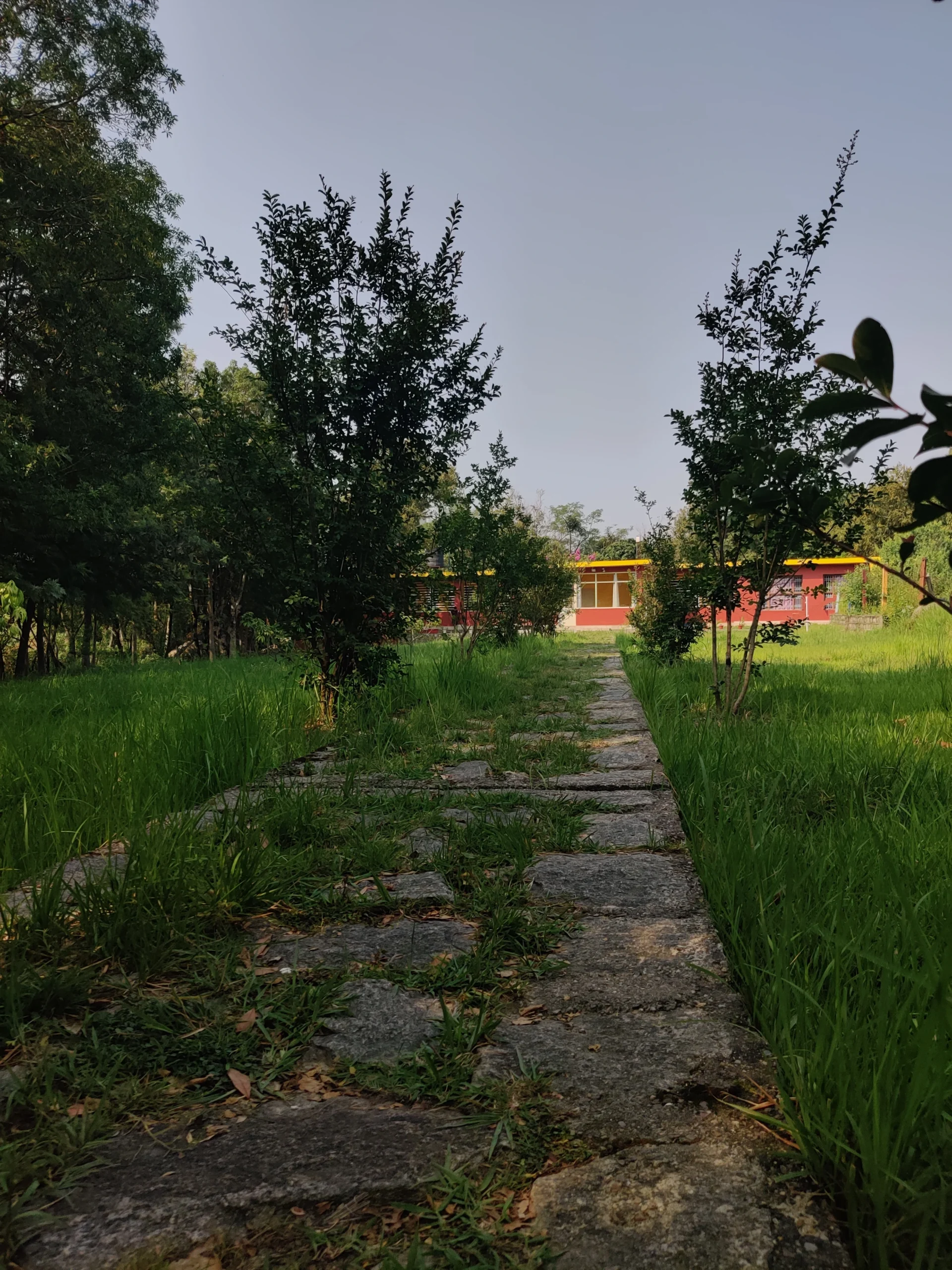
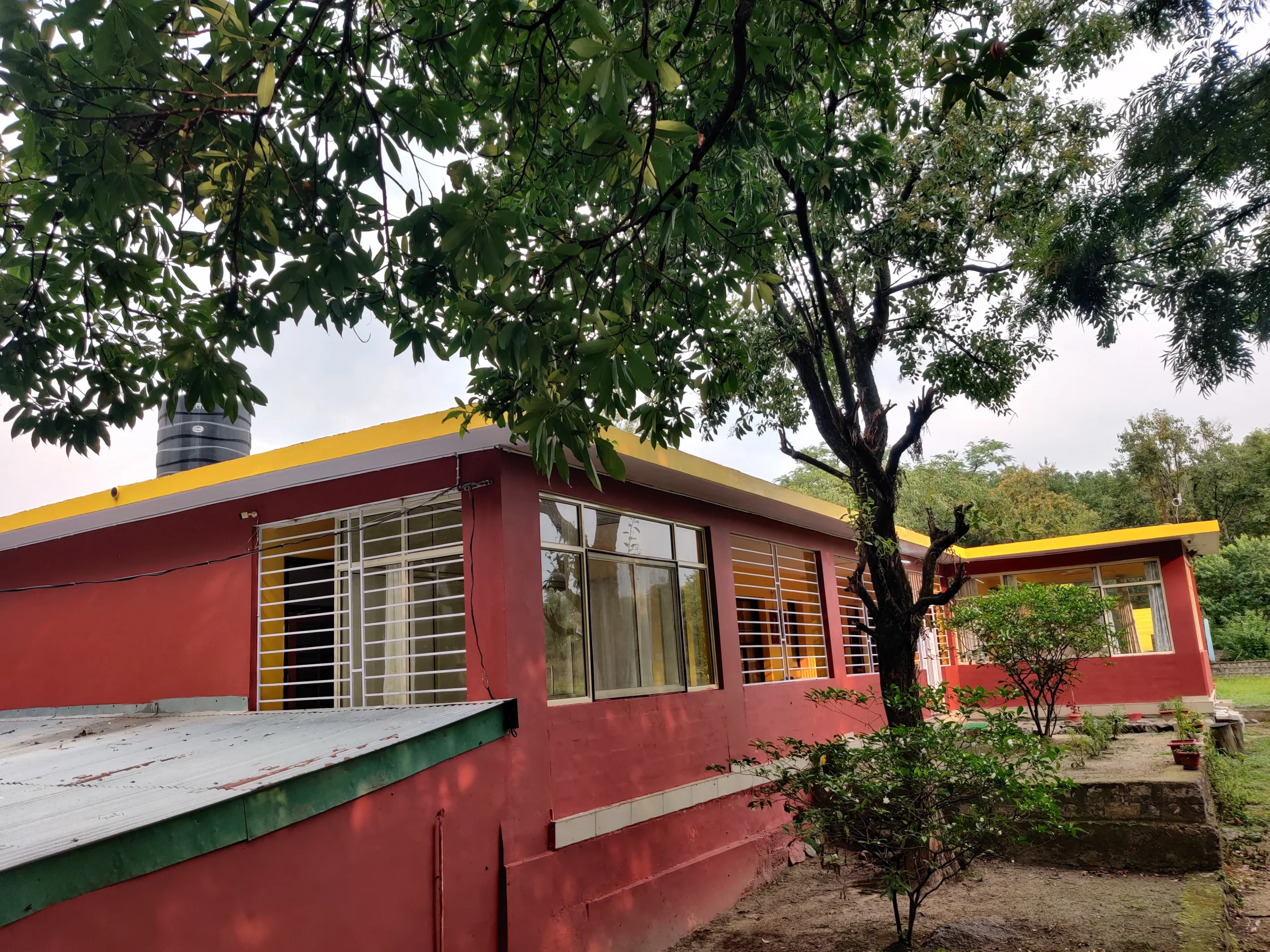
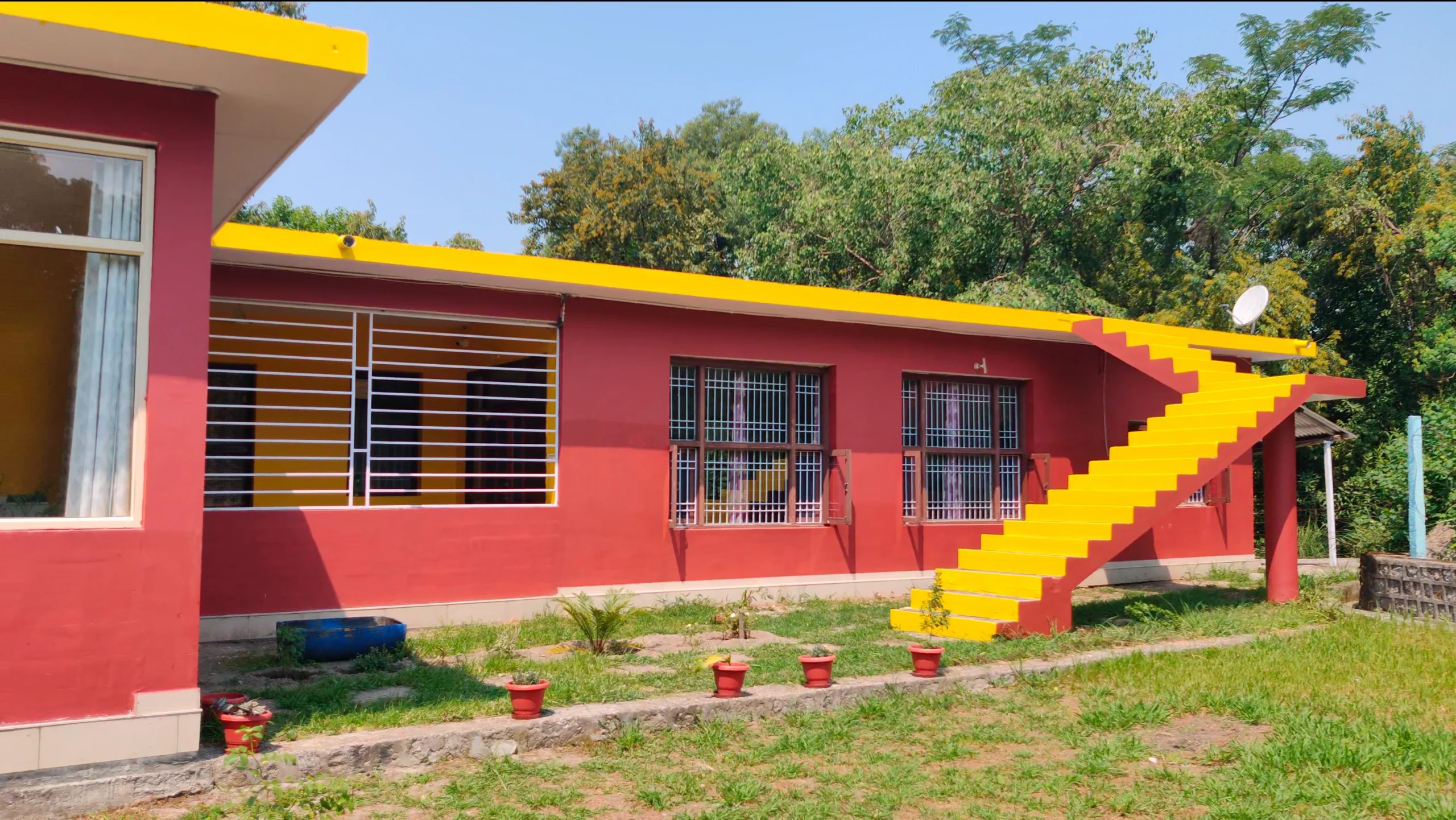
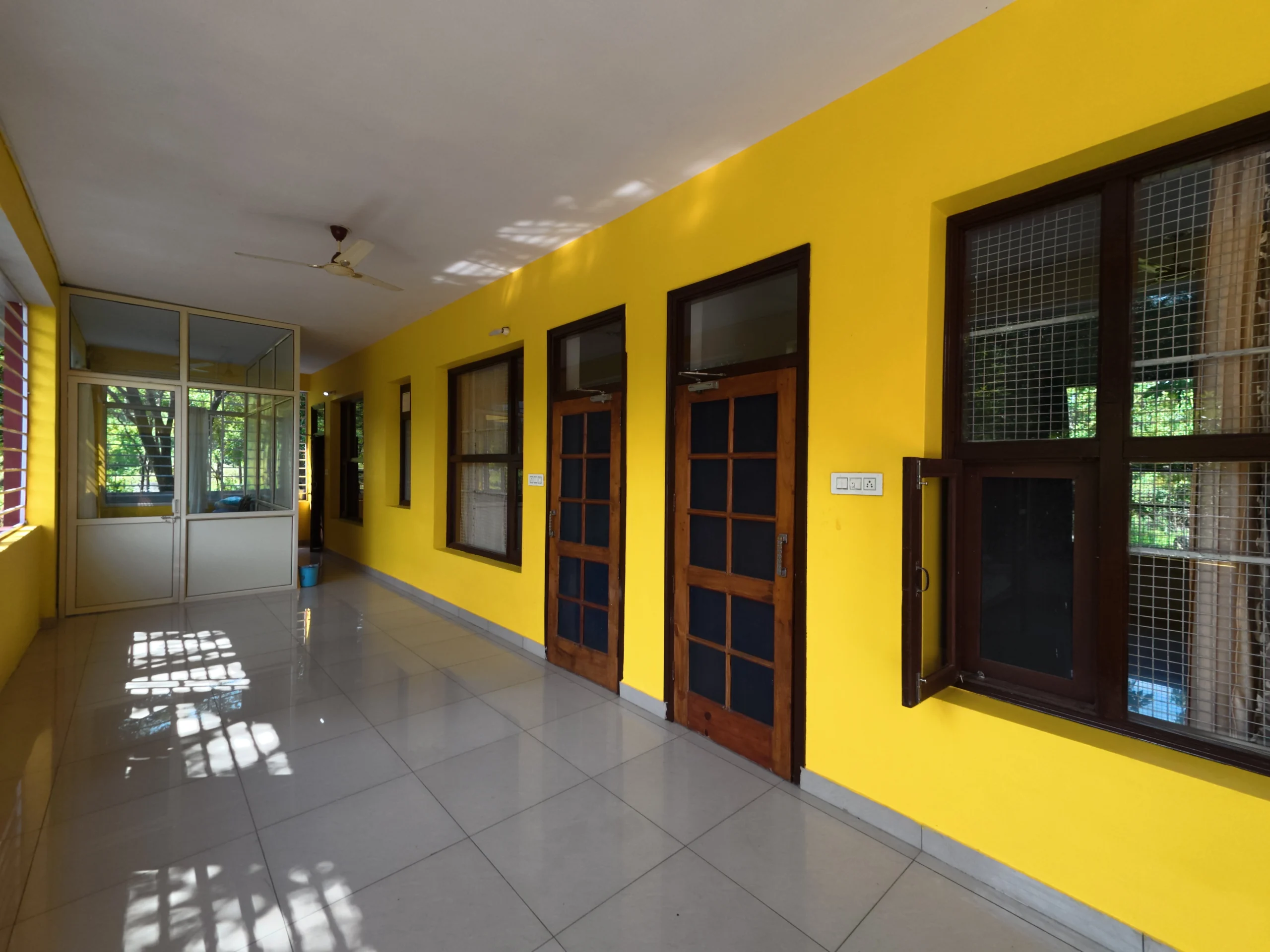
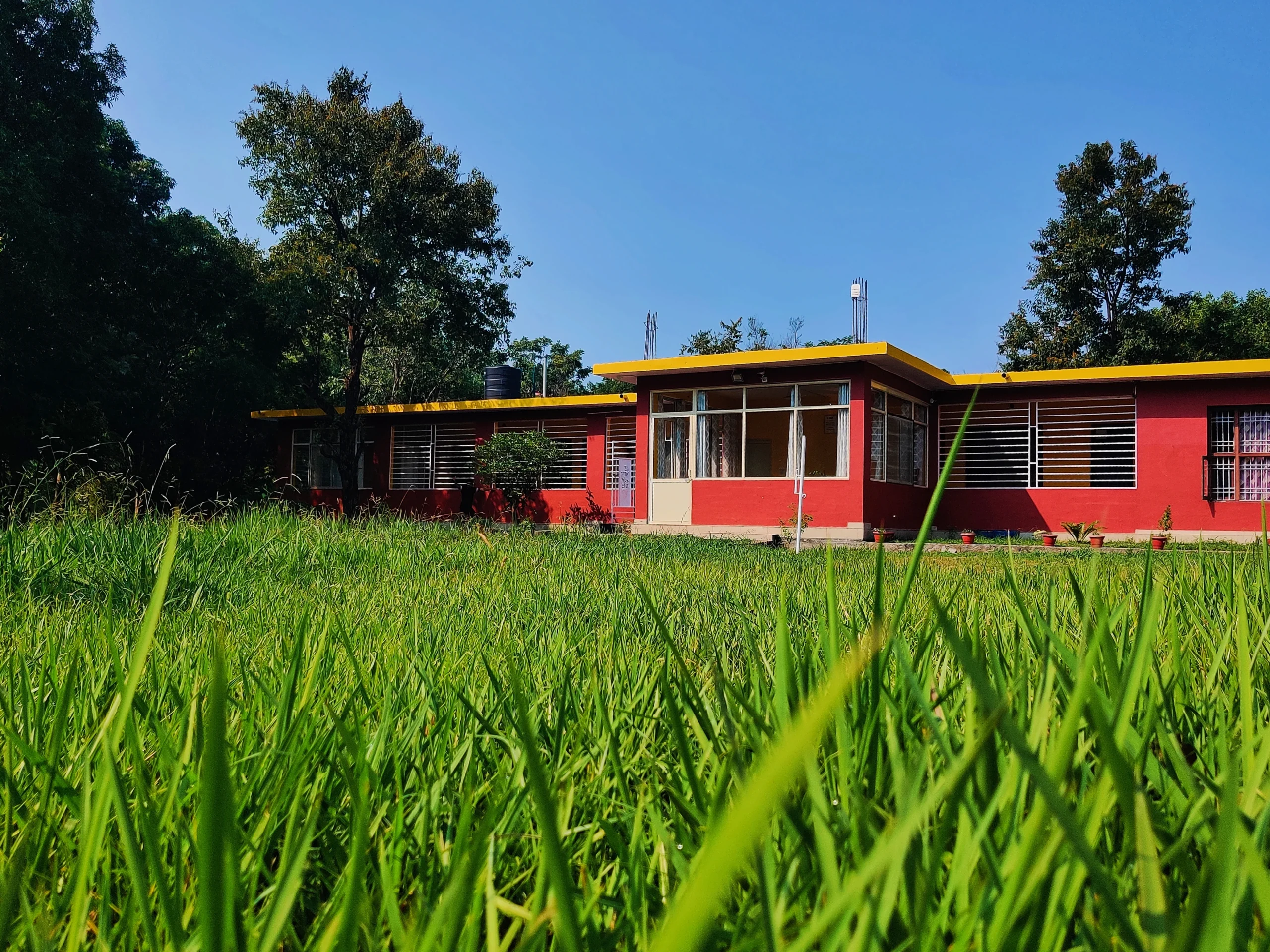
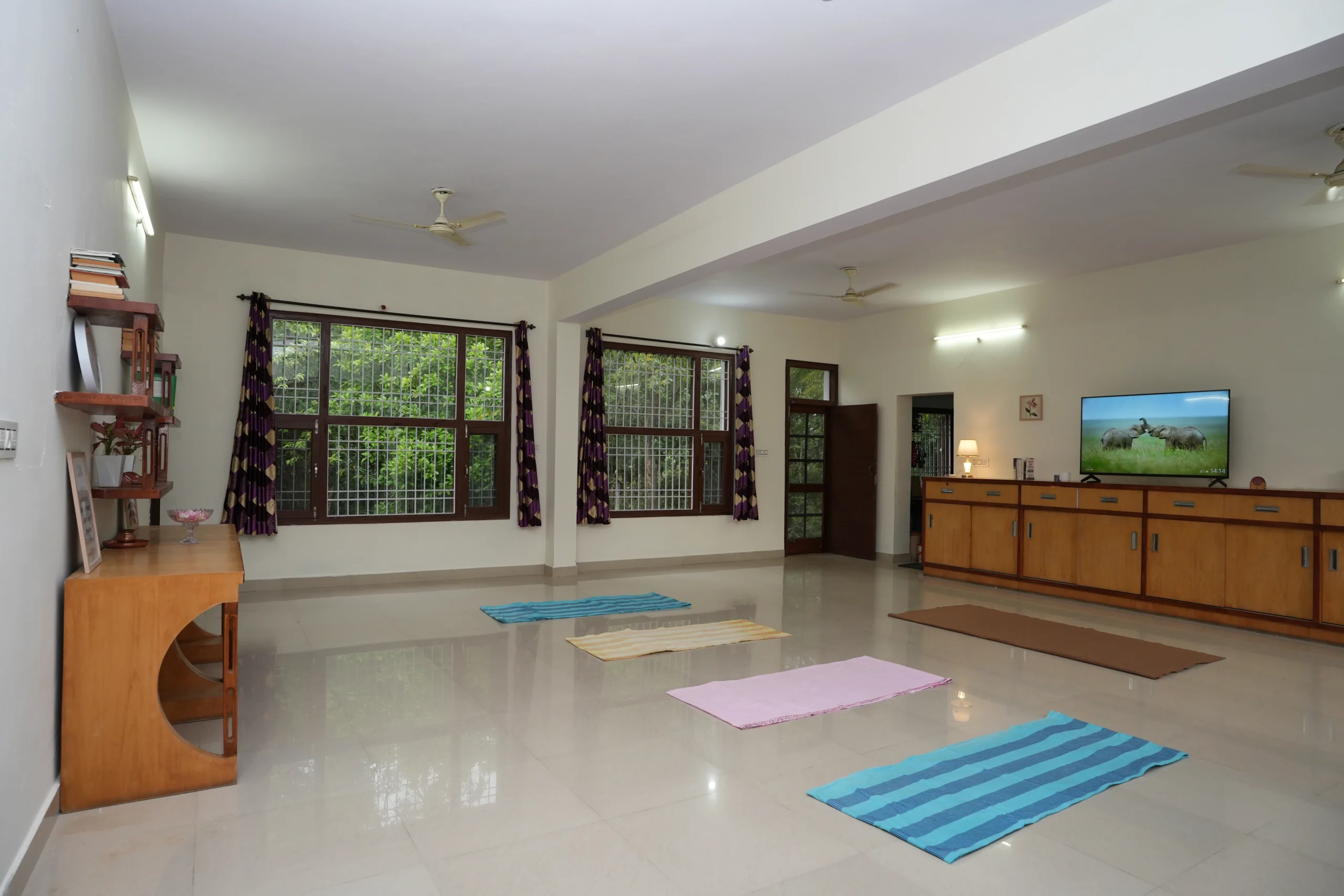
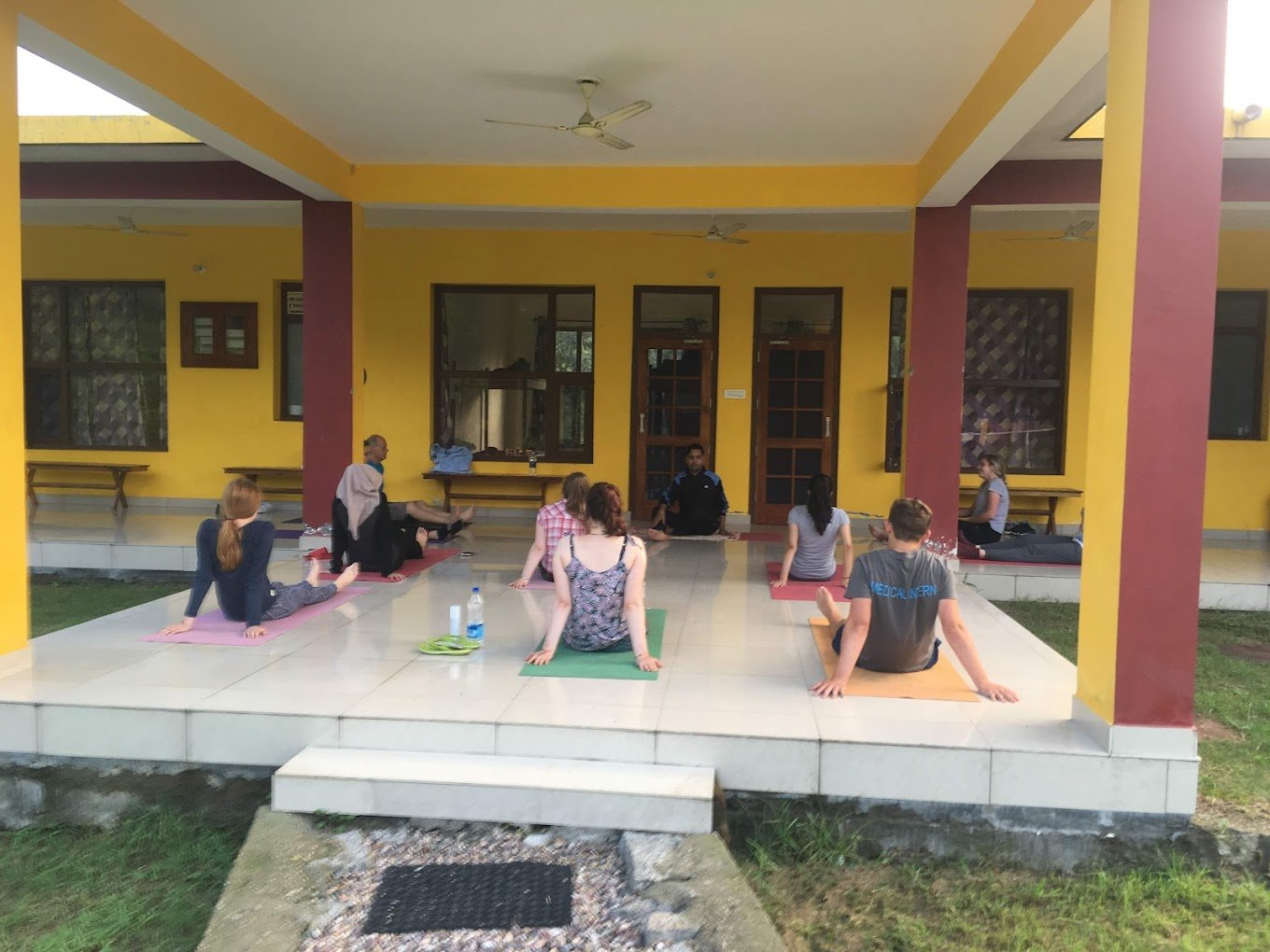
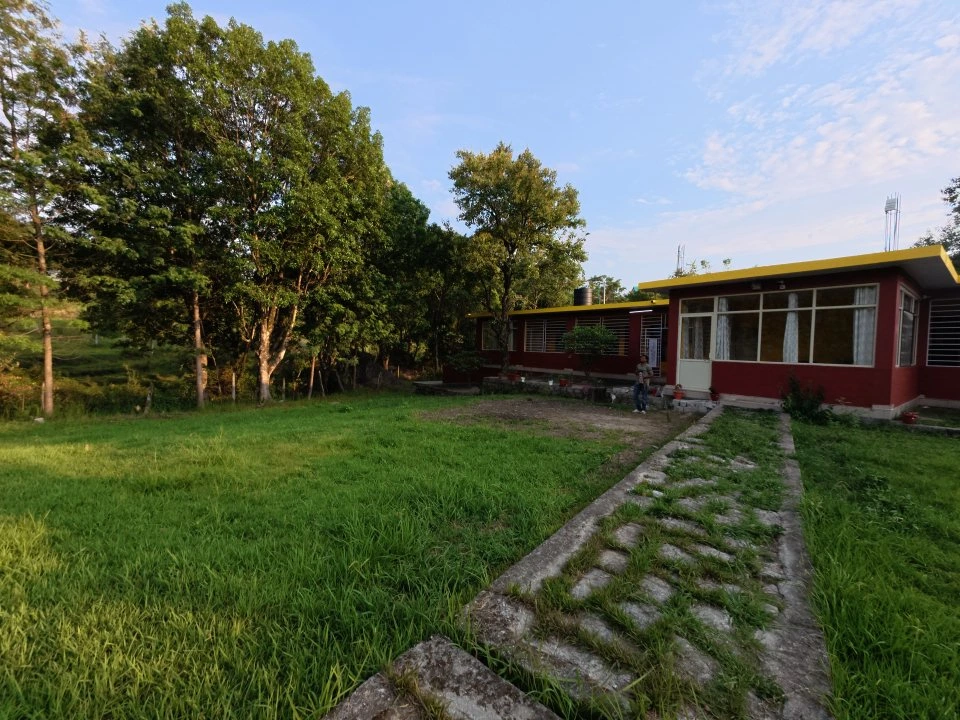
Our women-only residential wellness space sits in the hills near Sullah, Palampur - quiet, green, and deliberately removed from the pressures that make quitting at home so difficult. These are photographs of the centre itself and its grounds.
Why Aftercare Decides Whether You Stay Quit
Completing a programme is the start of a phase, not the end of one. Nicotine dependence is a relapsing condition, and most relapse happens in the first three months after treatment - long after the physical withdrawal has resolved.
Before discharge, your counsellor and case manager build a written, rehearsed aftercare plan with you. Four components do most of the work.
A lapse is not a failure of the plan - it is information the plan should absorb. Clients are explicitly told to come back after a slip rather than disappear because of it.
Vaishalya Wellness - Women's Rehab & De-Addiction Centre
Confidential admissions for women across Palampur, Dharamshala, Kangra, Baijnath, Sullah and the wider Himachal Pradesh region.
-
AddressMohal, Gugga Saloh Rd, Tehsil Sullah, Palampur, Distt. Kangra,
Himachal Pradesh 176102 - Phone & WhatsApp +91 82194 74936 · +91 70181 48449
-
Enquiry HoursMonday to Saturday, 10:00 AM – 5:00 PM
Residential care operates 24/7 - RegistrationAsha Bhupender Charitable Trust · Reg. No. 2025/238/4/186
Frequently Asked Questions
What treatment is available for nicotine addiction in Himachal Pradesh?
Treatment ranges from outpatient counselling and structured quit support to women-only residential care. At Vaishalya Wellness in Palampur we combine cognitive behavioural therapy, motivational interviewing, group and family work, yoga and mindfulness, and - where clinically indicated - nicotine replacement therapy or physician-prescribed medication such as bupropion or varenicline. Free telephonic support is also available nationally through the National Tobacco Quitline on 1800-11-2356.
How long does nicotine withdrawal last?
Withdrawal usually begins 4 to 24 hours after the last use, peaks around the third day, and tapers over three to four weeks. Cue-driven cravings can continue for months afterwards, which is why relapse-prevention planning and aftercare matter more than the quit date itself.
IsI seem to be encountering an error. Can I try something else for you?

About Vaishalya Wellness
Set in the quiet foothills of the Dhauladhar range in Palampur, Vaishalya Wellness is a women only rehabilitation and recovery centre. We offer a safe, private and dignified space for women seeking professional help with addiction, trauma and mental health, guided by clinical care and genuine compassion.
A women only residential facility in Himachal Pradesh.
Registration No: 2025/238/4/186
What We Treat
Additional Info
Contact
Call us +91 82194 74936 +91 70181 48449
Mohal, Gugga Saloh Rd,Tehsil Sullah, Palampur,
Himachal Pradesh 176102 Get directions
© 2026 Vaishalya Wellness. All rights reserved.
Privacy Policy