




- Resources
- Volunteer
- Internship
- Our approach
- FAQ
Chitta Rehab in Himachal Pradesh
Chitta & Heroin Addiction Treatment
- Chitta is street heroin, an illegal opioid that acts on brain systems tied to pain, reward, and breathing. Because its strength and adulterants change from batch to batch, it can cause rapid dependence and a high risk of overdose.
- Vaishalya Wellness runs a women-only chitta rehab in Himachal Pradesh that can include medically supervised detox, residential treatment, structured day support, aftercare, and crisis stabilisation, with each level of care matched to clinical need and recovery goals.
- Evidence-based treatment here integrates CBT, DBT, and trauma-focused therapy with dual diagnosis support, structured daily programming, personalised timelines, and clear guidance on fees and aftercare planning.
Overview — Chitta Rehab in Himachal Pradesh
Chitta, also called smack, is the name used across Himachal, Punjab, and the wider North Indian belt for low-purity heroin that is usually smoked on foil. It has spread widely through Kangra and the surrounding districts, and women who become dependent often face stigma that keeps them from asking for help.
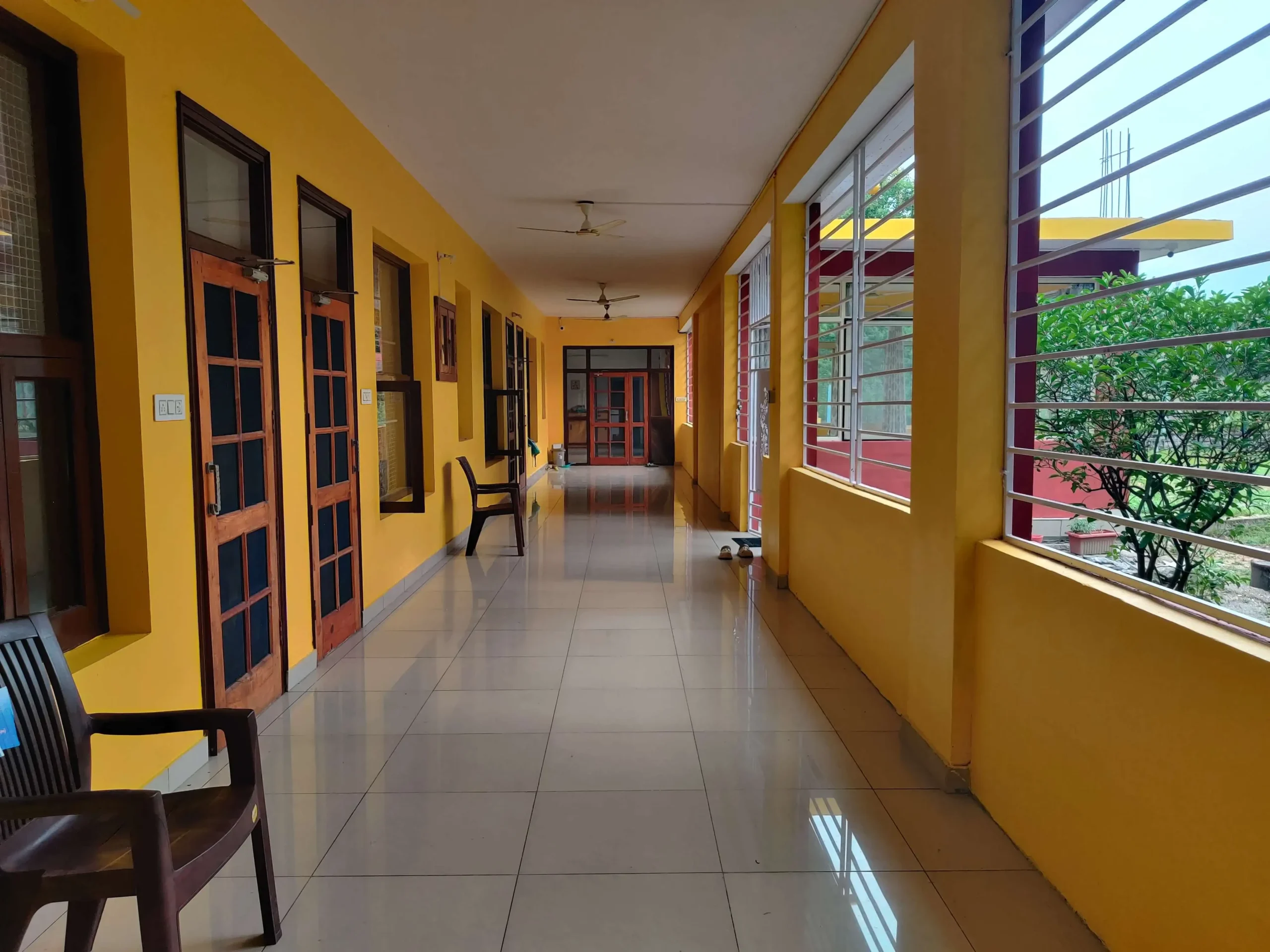
Our programme exists to remove that barrier. Vaishalya Wellness is a residential women's rehabilitation centre near Palampur, operating under Asha Bhupender Trust with Registration No. 2025/238/4/186, with clinical protocols supervised by Dr. Nitin Sharma.
Talk to Us
Chitta Rehab & Addiction Treatment for Women in Himachal
For a woman facing chitta dependence, reaching for help can feel like stepping into the unknown. You may be exhausted from trying to hold it together, frightened of withdrawal, or carrying shame that makes it hard to say out loud what is really happening. If that is where you are, you deserve support that feels steady, human, and safe.
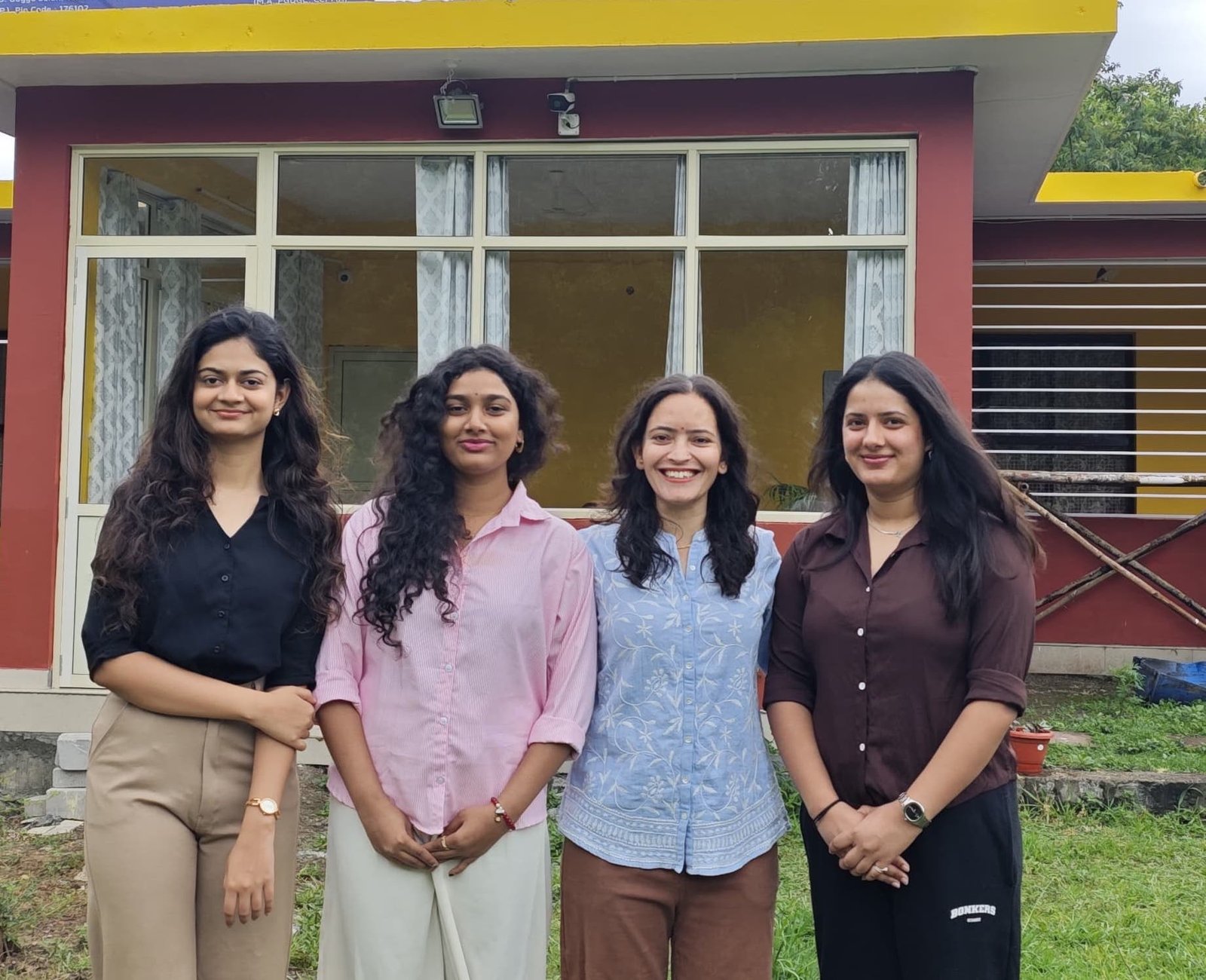
At Vaishalya Wellness we keep our setting intentionally private and our care intentionally personal. You are met by a dedicated medical and counselling team that takes the time to understand what led you here and what you need to move forward. With individualised treatment planning and evidence-based therapies, our chitta rehab is built to help you stabilise, heal, and start rebuilding a life worth staying present for.
Chitta Addiction and Overdose Risk
What Is Chitta and How It Affects the Brain and Body
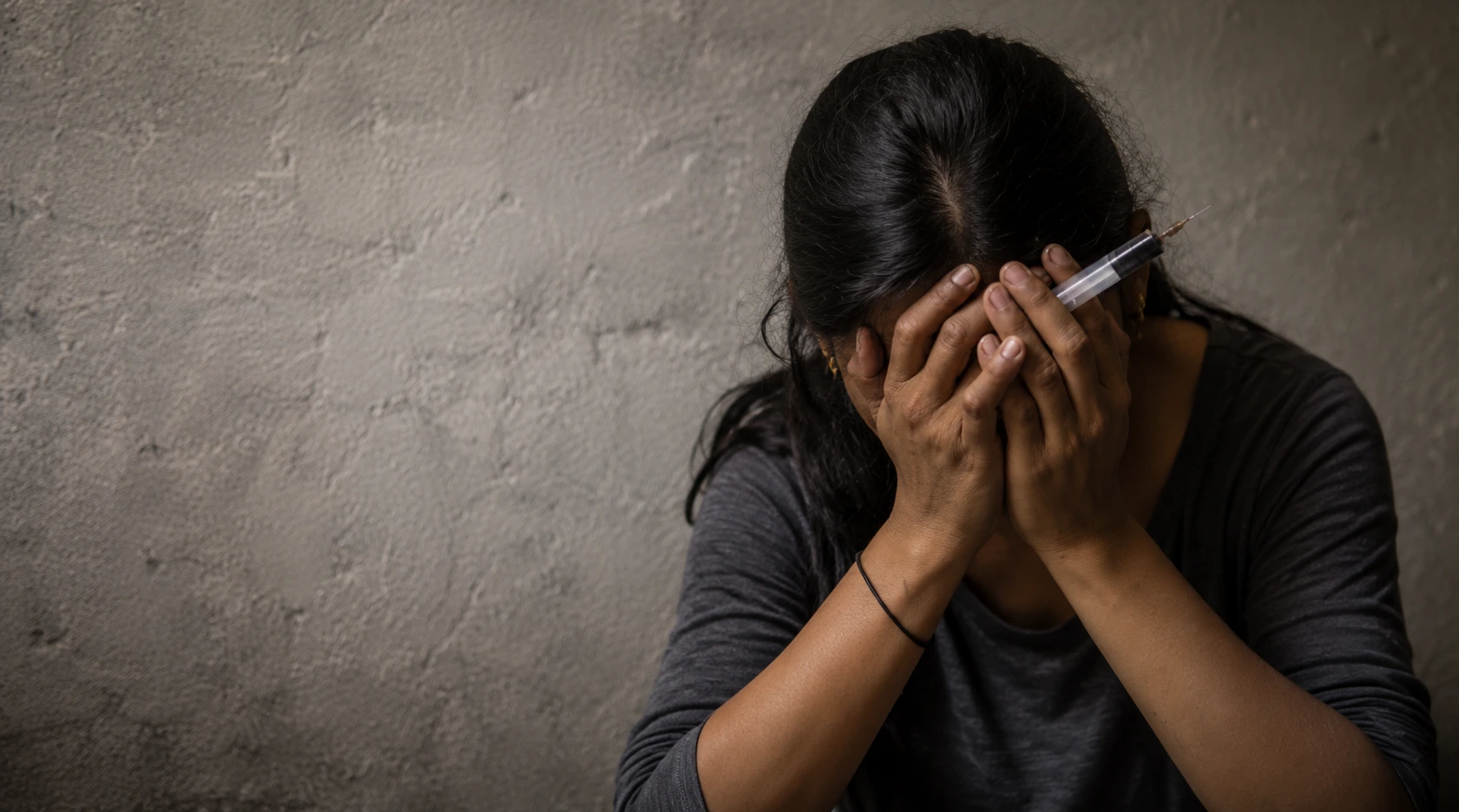
Chitta is street heroin, an illegal opioid derived from morphine, which itself comes from the opium poppy. In North India it is most often smoked on foil or added to a cigarette, though it can also be snorted or injected.
Once it enters the body, chitta crosses rapidly into the brain and binds to opioid receptors that control pain, pleasure, and breathing. This produces an intense rush followed by heavy sedation, which is what makes the drug so powerfully reinforcing after only a few uses.
How Chitta Addiction Can Develop Quickly
Addiction to chitta can develop quickly because of how strongly it affects the brain's reward system. Repeated use trains the brain to associate the drug with relief and pleasure, while reducing its ability to regulate pain, mood, and stress on its own. Over time the body becomes physically dependent, meaning she needs chitta just to feel normal and avoid withdrawal.
Many women who use chitta also misuse prescription painkillers, sleeping tablets, alcohol, or other drugs at the same time. These combinations can be very dangerous and greatly increase strain on the brain and body, raising the risk of dependence and medical complications.
Why Chitta Overdose Is So Common and So Dangerous
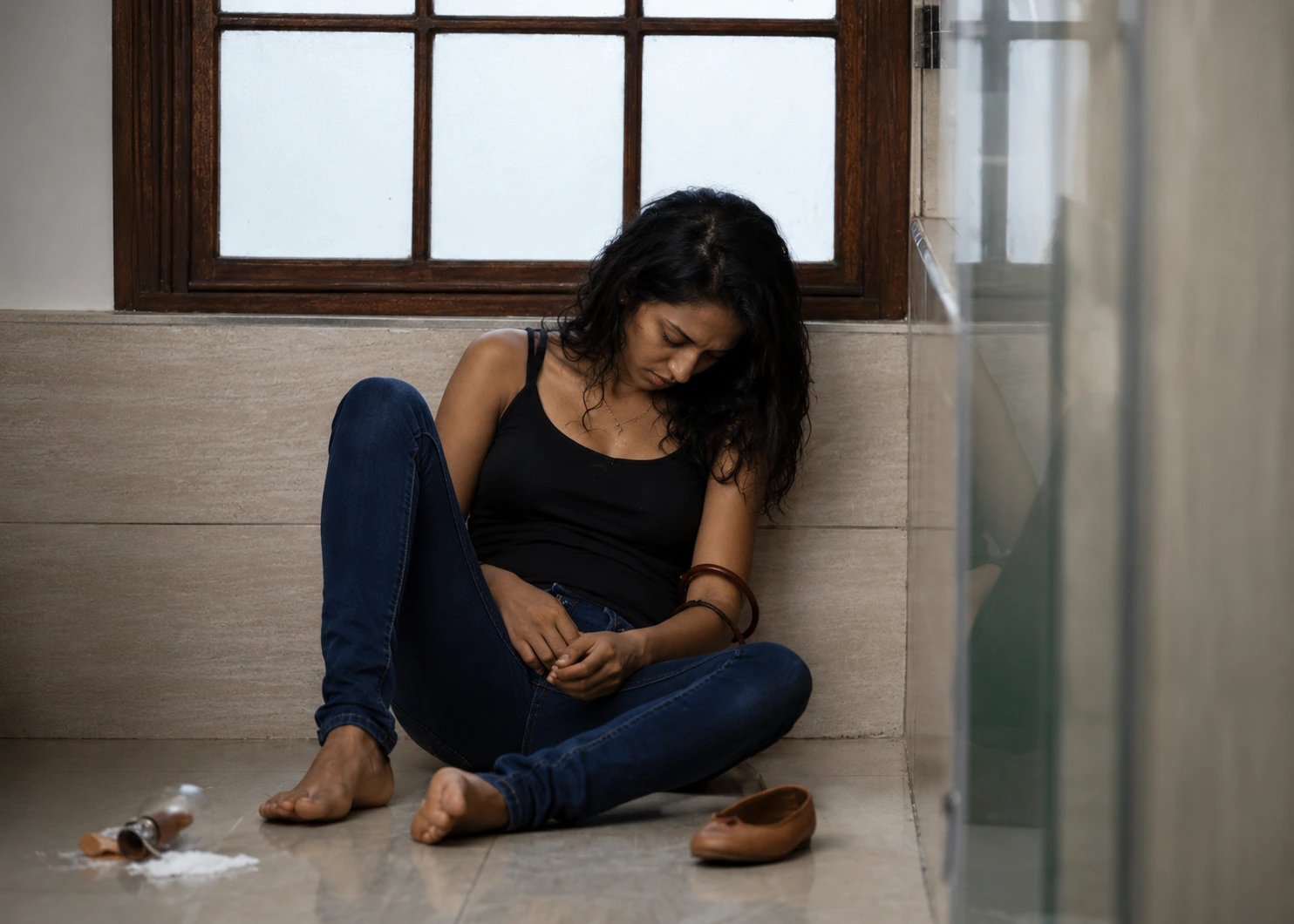
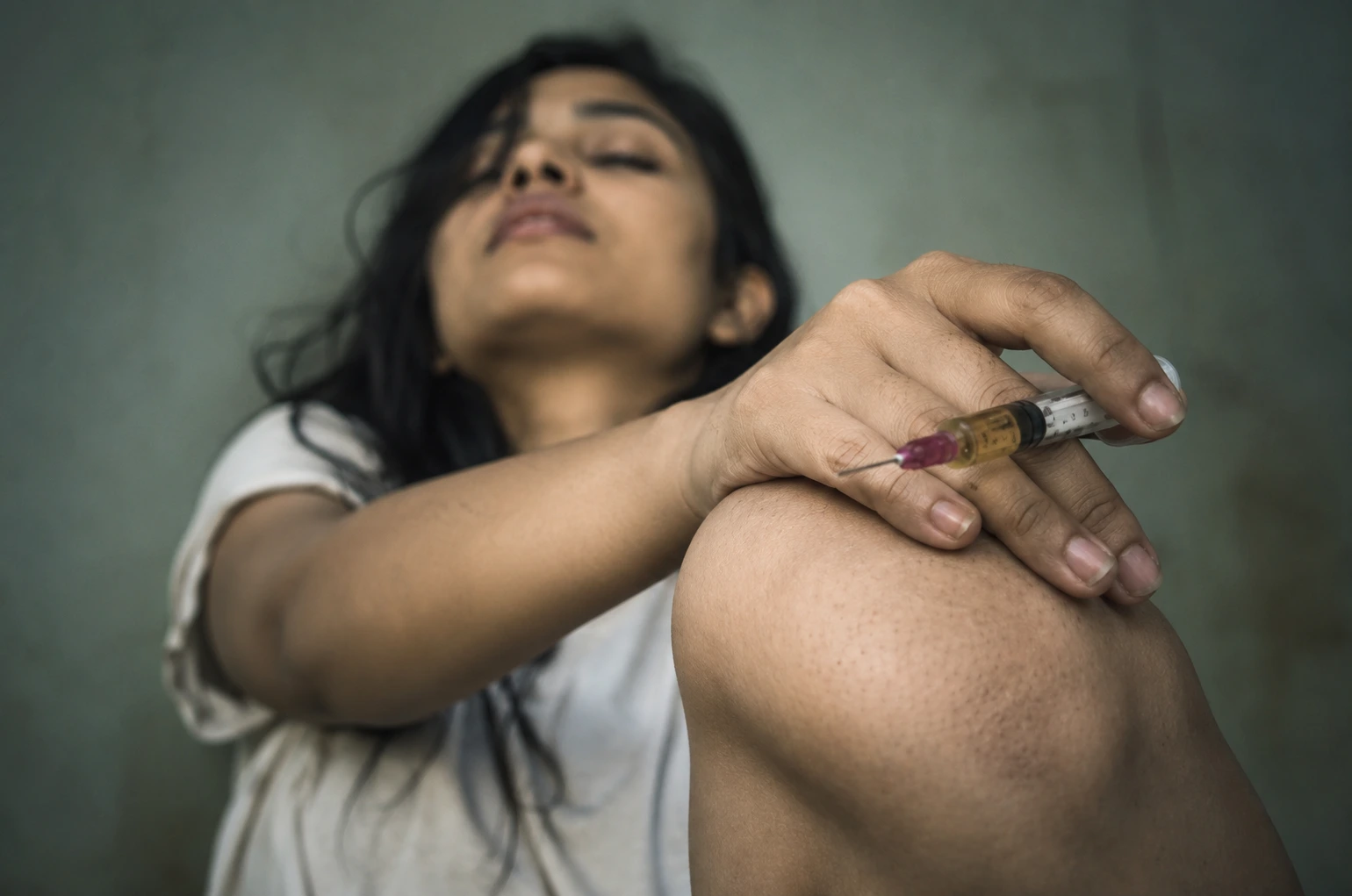
Overdose is a common and serious danger with chitta use. One major reason is that it is sold illegally, so there is no control over the quality or strength of what is in each packet. Two packets bought a week apart can be completely different in potency.
It is also frequently cut with other substances, and in some regions with synthetic opioids that are far more potent than heroin. Even a small amount can suppress breathing to the point of death. Because a person cannot see or measure what is in each dose, the risk of accidental overdose stays high every single time chitta is used.
What Does a Comprehensive Chitta Addiction Treatment Programme Involve?
A comprehensive chitta addiction treatment programme involves integrated care that addresses physical withdrawal, the psychological side of substance use, and any co-occurring mental health conditions.
At Vaishalya Wellness, our approach begins with a medically supervised detox and transitions into a personalised residential treatment plan. We focus on providing clinically grounded support in a private, women-only environment.
Treatment Begins With Medical Detox
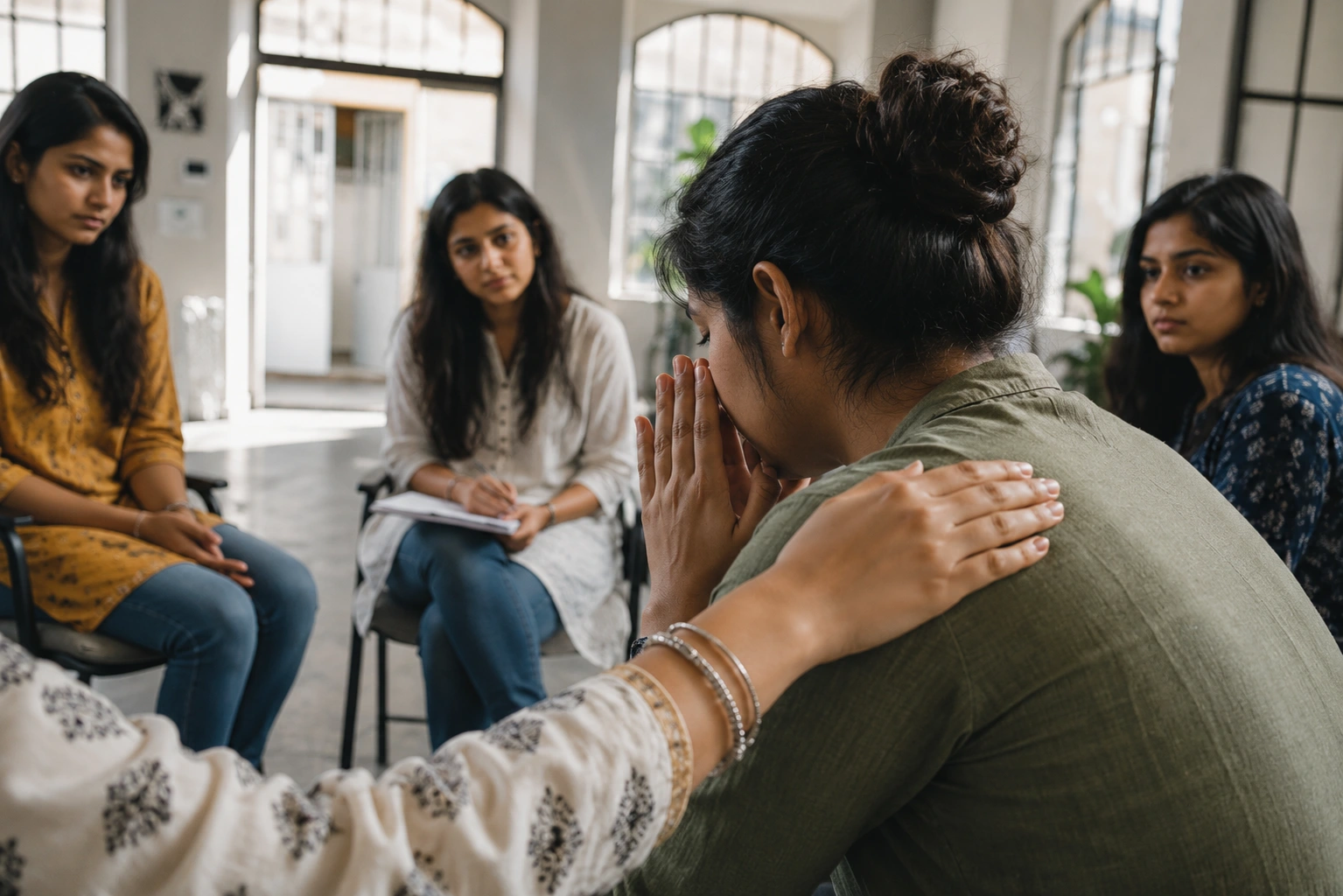
The first step is a safe, medically supervised detox. Our medical and nursing team monitors withdrawal symptoms around the clock to protect your safety and manage discomfort as chitta leaves the body. This process provides the stability needed to begin the deeper work of residential treatment.
Dr. Nitin Sharma may incorporate medication-assisted treatment to reduce cravings and ease withdrawal symptoms. This medical support is a key part of our treatment options, designed to make detox as comfortable as possible and to create a secure foundation for the next phase of care.
A Tailored Treatment Plan Addresses Individual Needs
Following detox you enter our residential programme, where we build a plan around your specific needs. With a deliberately small resident census, our staff-to-resident ratio ensures you receive genuinely personalised attention from our multidisciplinary team. We work with you to identify personal triggers and address the underlying patterns behind chitta use.
Your plan integrates evidence-based therapies with individual and group therapy sessions. We also incorporate holistic services, including yoga, pranayama, meditation, and creative work, to support your overall wellbeing. This approach helps you build practical skills for a meaningful life in recovery.
Dual Diagnosis Care Is Integrated Into Your Recovery
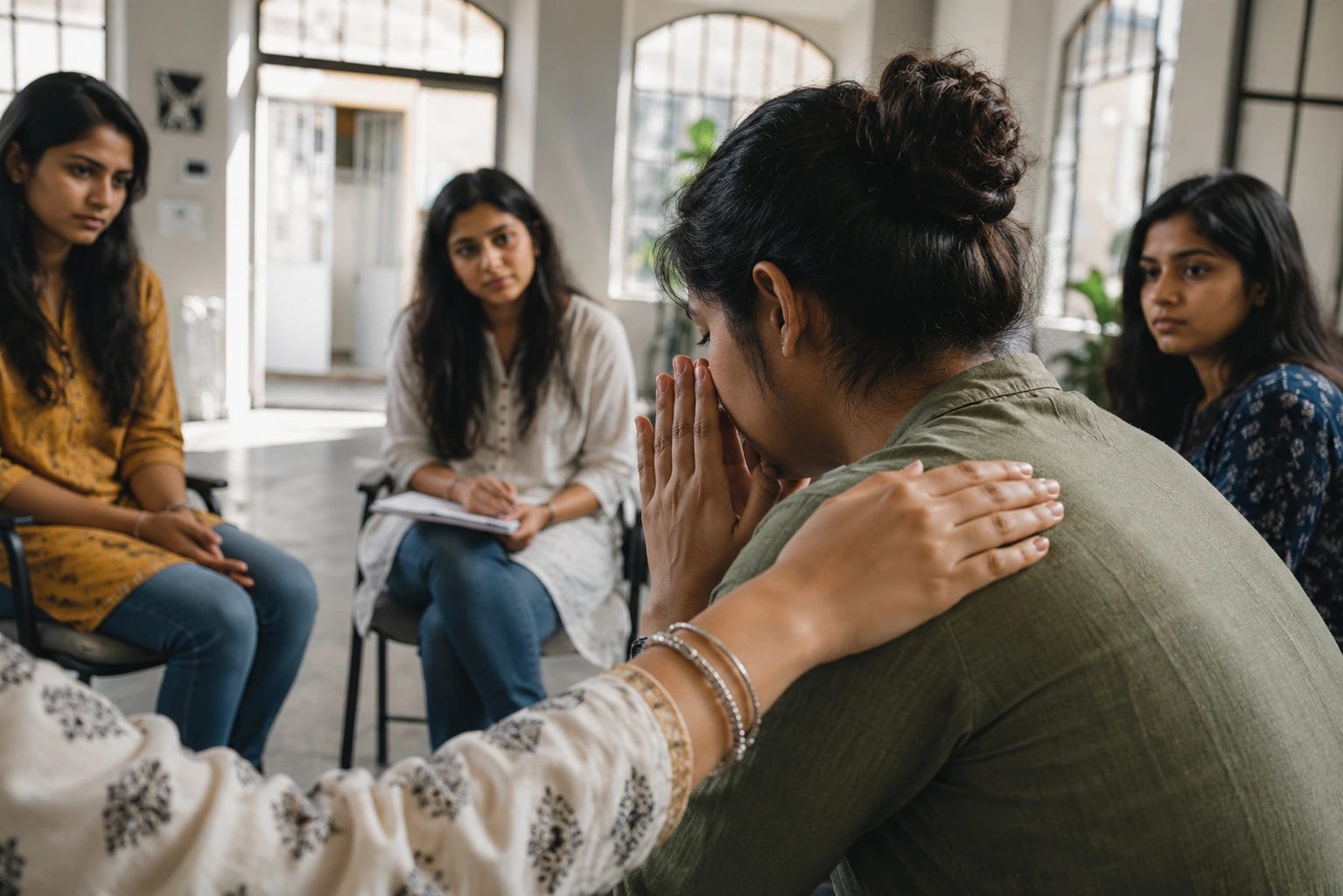
Chitta use often co-occurs with mental health conditions such as depression, anxiety, and trauma. Our centre is equipped to provide integrated dual diagnosis care, addressing both the substance use disorder and any underlying mental health challenges at the same time. This comprehensive approach is essential for sustainable change.
Our clinicians and psychiatric support provide one-to-one therapy and medication management for co-occurring disorders. By treating the whole person rather than just the symptoms of addiction, we help you heal the root causes of pain. This focus on integrated care supports a more stable and resilient recovery.
Levels of Care for Substance Use Disorder Available at Vaishalya Wellness
Rehabilitation centres offer several levels of care for chitta addiction. The right fit depends on withdrawal risk, the severity of use, mental health needs, and how stable the home environment is.
At Vaishalya Wellness we provide a full continuum of care and tailor each treatment plan to your needs and recovery goals, with programming designed to address substance use disorder alongside co-occurring mental health conditions.
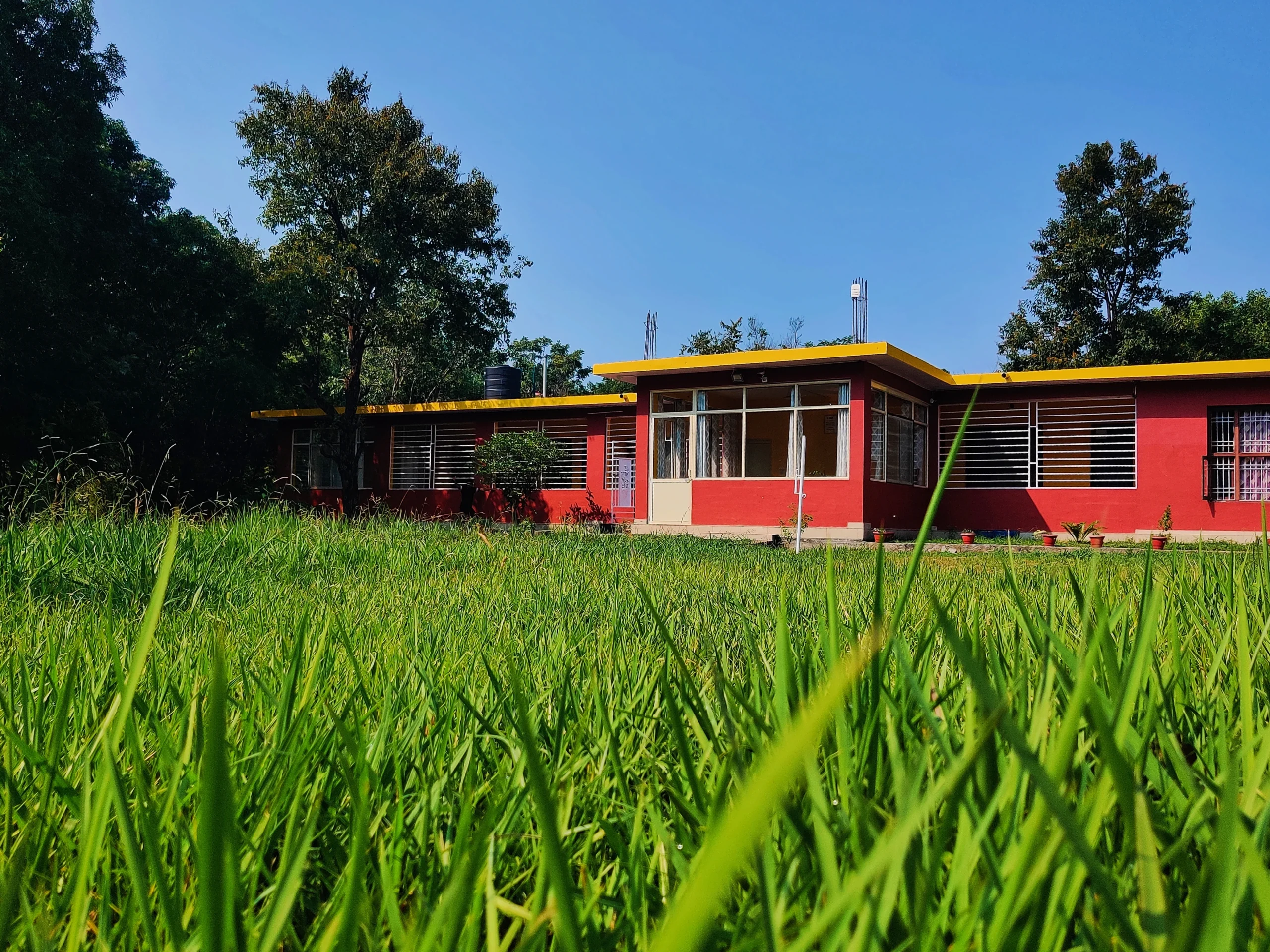
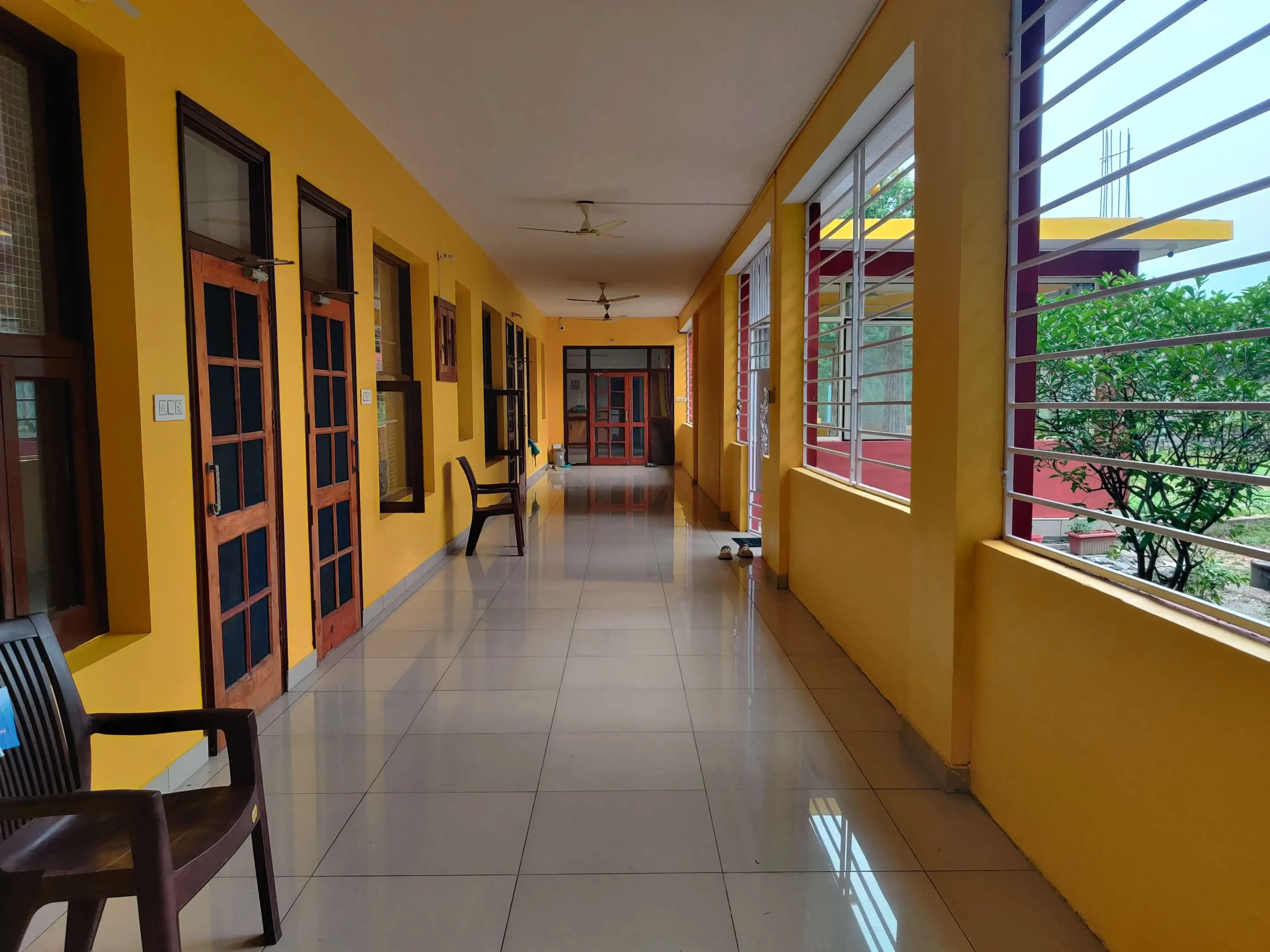
Residential treatment, also called inpatient rehab, provides a structured therapeutic environment with round-the-clock support after detox. This level of care gives you space to step away from daily stressors and focus completely on healing, with continuous support from a professional medical team. Our centre offers this care in a discreet, women-only setting with a small resident census.
A structured day programme offers intensive therapy several days a week while you return home in the evenings. It suits women who have completed residential care and are rebuilding routines, or those with milder dependence and a genuinely supportive home. Sessions include individual counselling, group work, relapse prevention planning, and regular medical review.
A substance-free, structured living arrangement can support recovery during and after treatment. It is often used as a step-down option, especially for women transitioning out of residential care or for those who want additional stability and accountability. Living in a sober environment reduces exposure to triggers, supports healthier routines, and creates day-to-day structure while therapy continues.
We also provide immediate crisis intervention, offering rapid medical support and stabilisation for women experiencing acute emotional distress, relapse risk, or a mental health emergency. This service is designed to help you regain safety and stability quickly, then transition into the most appropriate next level of care.
Vaishalya Wellness Programmes Use Evidence-Based Therapies
Our approach to chitta addiction treatment integrates several therapeutic modalities to support your recovery. These therapies are delivered through a combination of individual sessions, group therapy, and process groups.
Cognitive Behavioural Therapy (CBT)
We use CBT to help you identify and change harmful thought patterns that can fuel chitta use and interfere with recovery.
Dialectical Behaviour Therapy (DBT)
DBT helps build skills for emotional regulation and distress tolerance, especially in moments when cravings, stress, or strong emotions feel hard to manage.
Trauma Therapy and EMDR
For women who have experienced trauma or violence, our team incorporates EMDR and other trauma-informed methods to facilitate healing in a way that prioritises your safety and autonomy.
Mindfulness and Grounding Work
Structured mindfulness, breathwork, and grounding practice help you process emotionally activating experiences while prioritising pacing, safety, and readiness throughout.
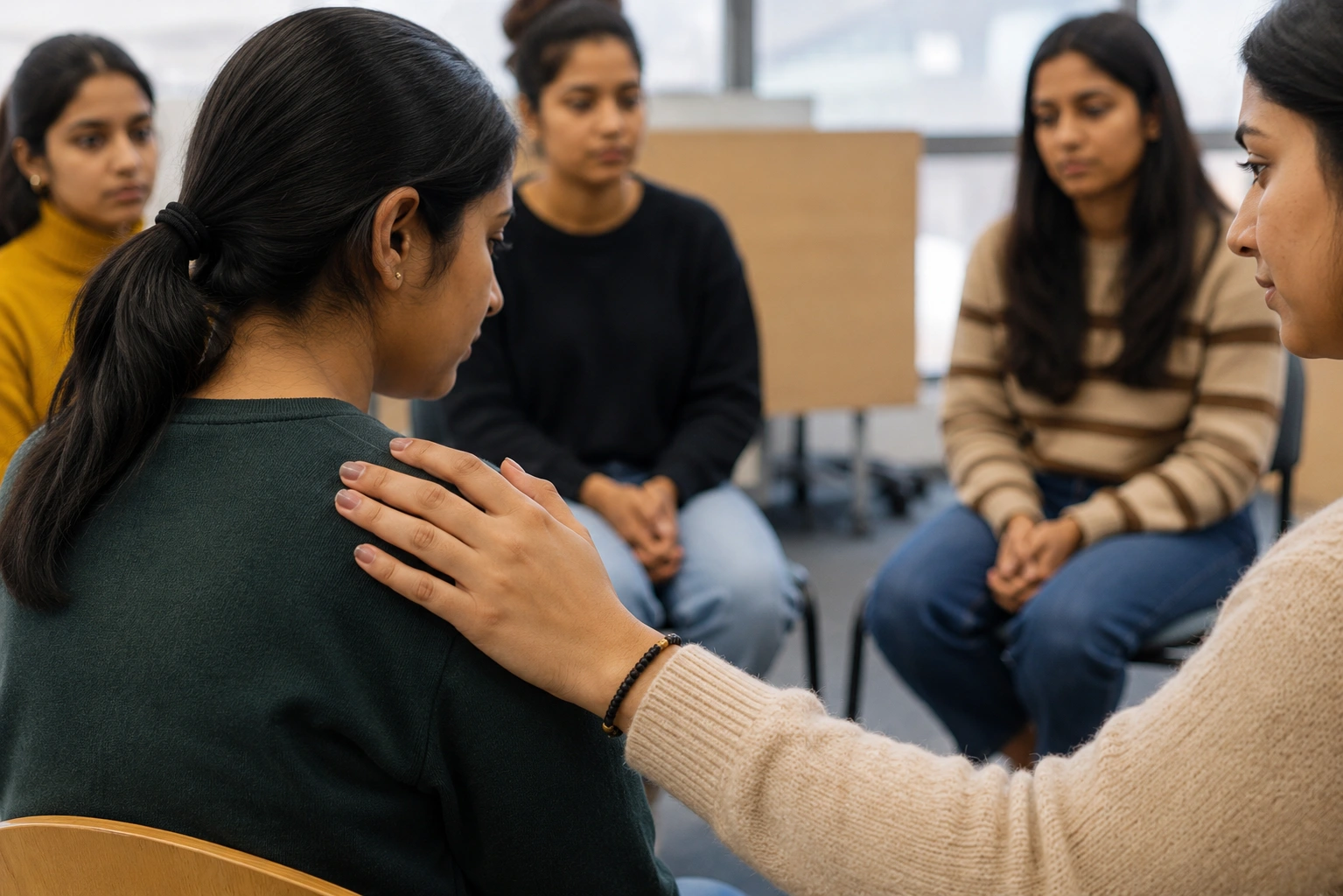
Treatment Timelines Are Personalised at Vaishalya Wellness
The length of a rehab programme is not predetermined, it is based on medical need and progress. Many residents begin with a stay of 30 to 60 days, which provides the time needed to stabilise medically after detox and begin engaging in deeper therapeutic work. This initial phase focuses on building trust, identifying triggers, and establishing a foundation for recovery.
For women navigating complex challenges, such as a co-occurring mental health diagnosis or a long history of chitta use, a longer stay of 90 days or more may be recommended. This extended time allows for more intensive work on behavioural change and skill-building. As you prepare for discharge, our team develops a comprehensive aftercare plan that may include a structured day programme or sober living so that ongoing support is in place.
A Daily Schedule Balances Medical Care and Wellness
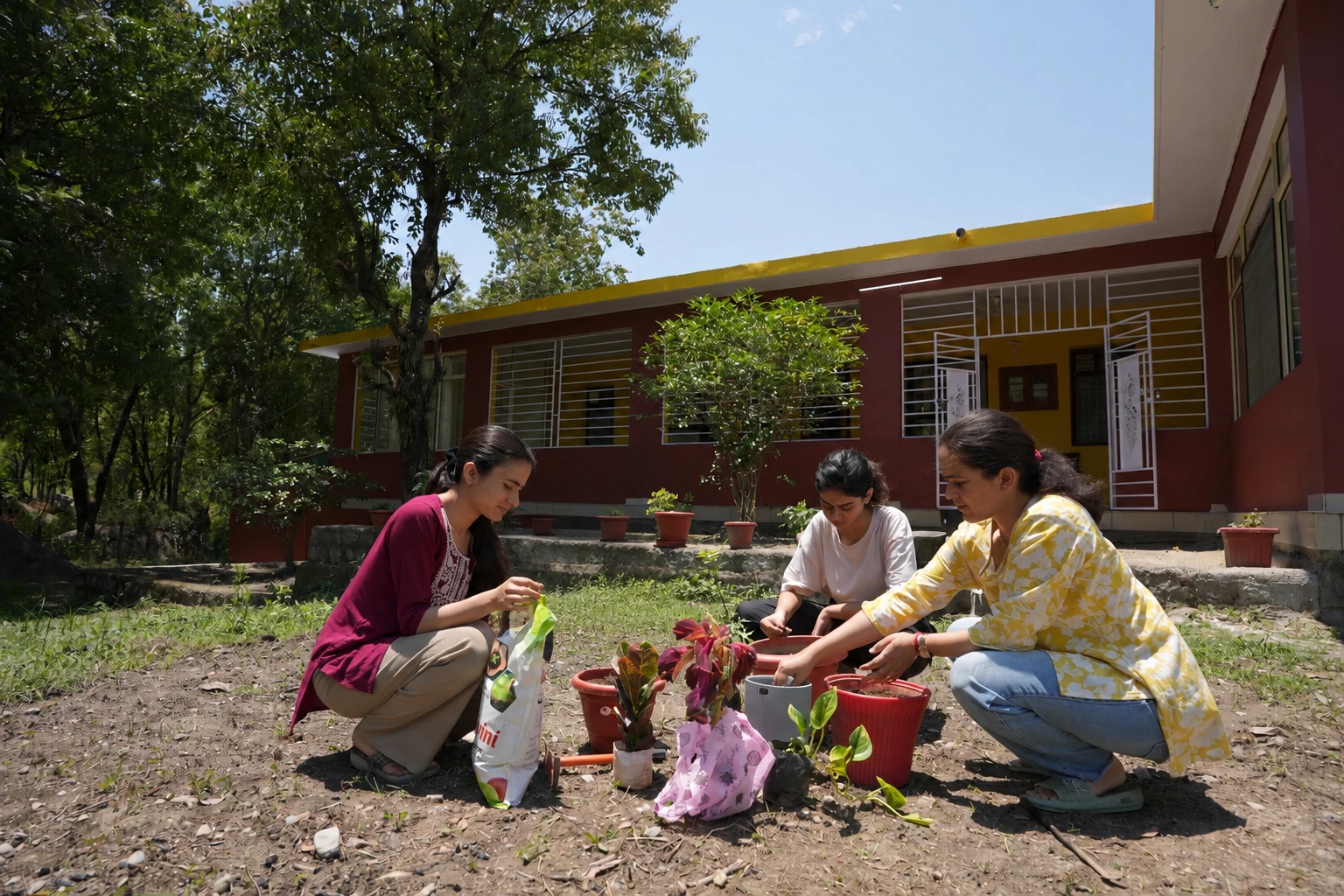
A typical day in our residential centre is structured to promote healing for mind and body. Mornings begin with yoga and pranayama in the open air, followed by a fresh, nutritious breakfast and then medical programming such as individual therapy with your counsellor or a group session. These sessions provide a safe, supportive space to process experience and gain insight from peers who understand.
Afternoons and evenings balance core clinical work with holistic and experiential services that support overall wellbeing. Your schedule may include meditation, guided walks through the Kangra valley, or physical activity to help restore health.
We also offer creative outlets like art therapy and music groups, along with skill-building and vocational sessions to help you reconnect with life beyond treatment in a healthy, supportive way.

How Does Vaishalya Wellness Address Costs and Payment?
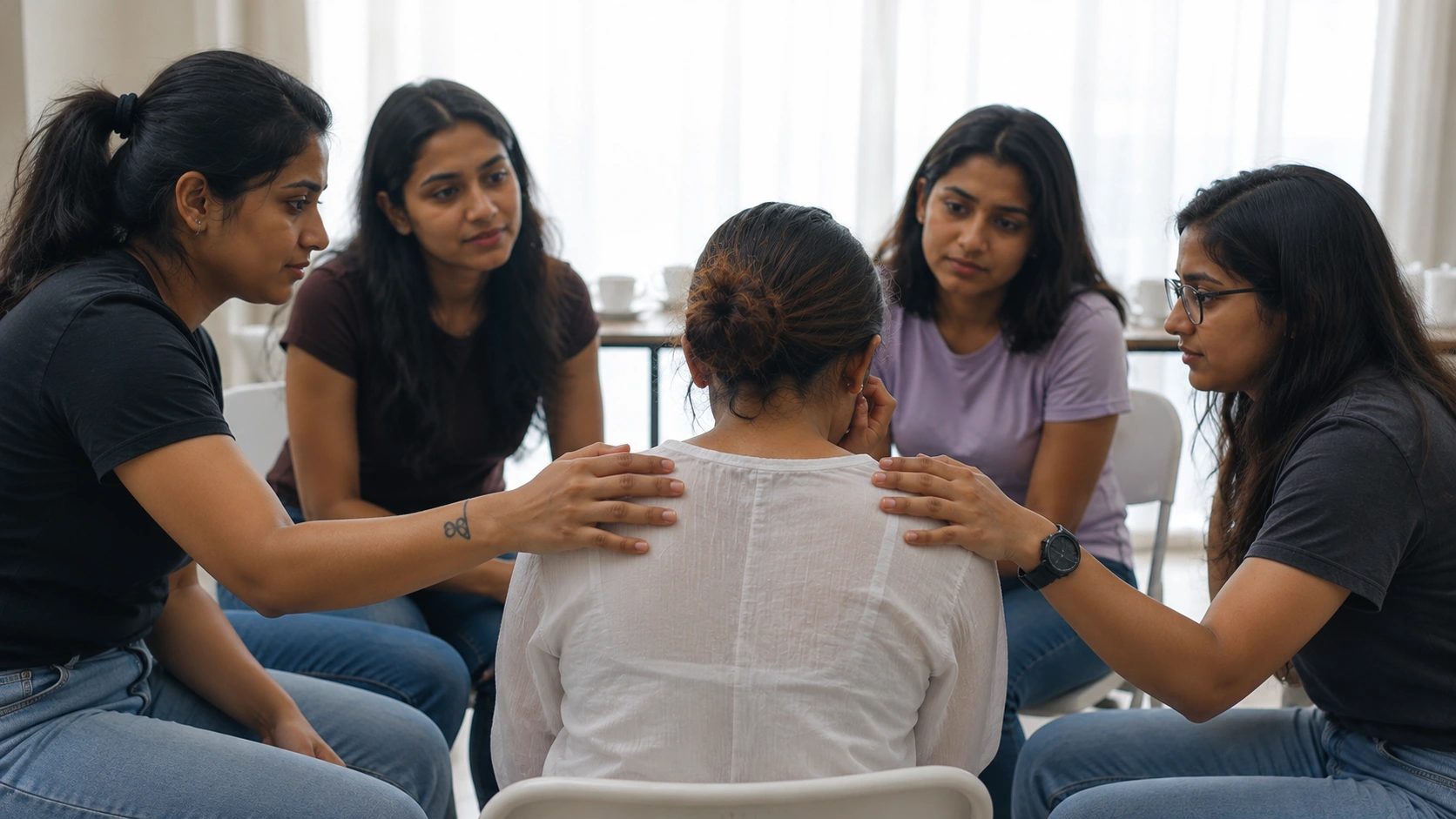
Understanding the Cost of Treatment
The cost of chitta addiction treatment varies based on the level of care, programme duration, and the specific services included. Residential programmes that provide accommodation and round-the-clock support differ in cost from day programmes. We believe in financial transparency and provide clear information about the investment in your care.
Navigating these details can feel complex, but our team is here to help you find a path forward. We offer personalised consultations to review your options without pressure or judgement. Our goal is to ensure you have the information you need to make a decision that aligns with both clinical need and financial circumstances.
Payment Options and Support for Families
We discuss the full fee structure openly before admission, including what is covered for detox, residential stay, medication, therapy, and aftercare, so families are not surprised by additional costs later.
For families who need it, we can discuss instalment arrangements. Because Vaishalya Wellness operates under Asha Bhupender Trust, a portion of our capacity is reserved for women from low-income households who could not otherwise access residential care. Speak to our admissions team to understand what may be available in your situation.
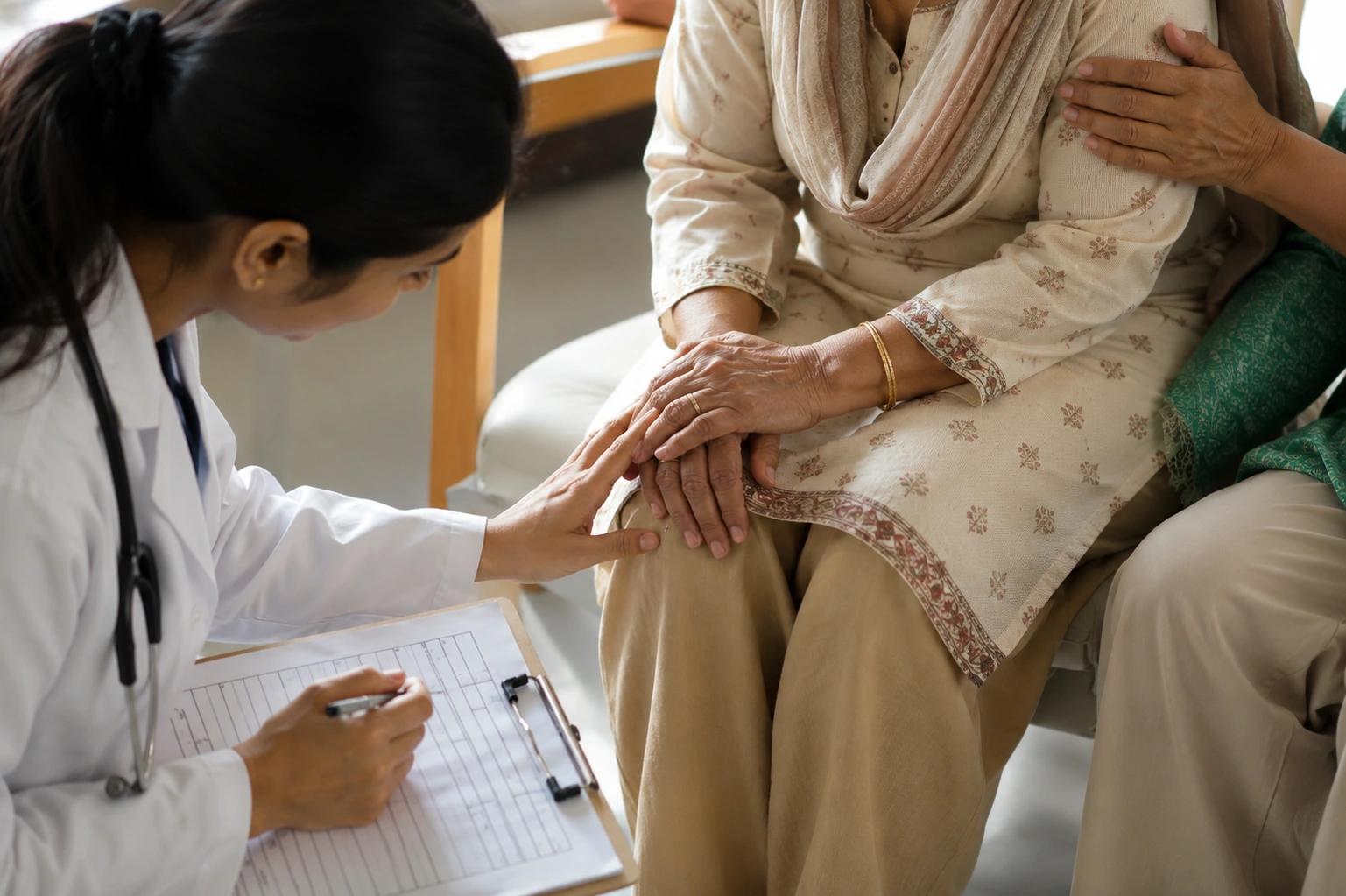
Our Commitment to High Standards of Care
Choosing a registered and properly supervised rehabilitation centre ensures you receive care that meets high standards for safety and clinical quality. These credentials signify that a programme is professionally overseen and adheres to evidence-based practice. This verification provides important peace of mind when making a decision about treatment for yourself or a loved one.
Vaishalya Wellness operates under Asha Bhupender Trust with Registration No: 2025/238/4/186, and our clinical protocols are supervised by Dr. Nitin Sharma.
We are a dedicated women-only facility. Every part of the campus, from staffing to daily routine to visitor policy, is designed so that women can recover without the safety concerns that come with mixed-gender settings.
These commitments reflect our belief that dignity is not an add-on to clinical care. They ensure that every aspect of your treatment, from initial assessment to aftercare plan, is held to a consistent professional standard.
Find a Personalised Chitta Rehab in Himachal Pradesh
Taking the first step toward recovery can feel impossible when you are weighed down by addiction, but you do not have to carry that burden alone. At Vaishalya Wellness we believe every woman deserves compassionate, personalised care that honours her story and supports lasting change.
By choosing a programme like our chitta rehab in Himachal you gain access to medical expertise, a nurturing environment, and a team committed to your long-term wellbeing. We are ready to help you begin this journey, whenever you are ready to take that brave first step.
Frequently Asked Questions
Yes. Dual diagnosis care addresses both chitta addiction and co-occurring mental health conditions together. These programmes combine therapy with psychiatric support to treat both aspects at the same time rather than one after the other. Vaishalya Wellness offers integrated dual diagnosis care for women facing this combination.
Medication-assisted treatment uses prescribed medication, under medical supervision, to reduce cravings and ease the physical severity of opioid withdrawal. It makes the detox phase far more tolerable and lowers the chance of leaving treatment early. It is always combined with counselling and therapy rather than used on its own, and every plan is reviewed individually by our medical team.
Expect a full medical and psychological assessment on arrival, followed by supervised detox with round-the-clock monitoring. Once you are stable, the day settles into a structured routine of individual counselling, group sessions, yoga and meditation, nutritious meals, and rest. Family contact is arranged in a planned way, and your team builds an aftercare plan with you before discharge.
Most residents stay 30 to 60 days, and 90 days or more is recommended where there is a co-occurring mental health condition or a long history of use. Detox itself usually takes 7 to 10 days, but recovery work continues well beyond that. We do not fix a length in advance; it is reviewed with you as progress is assessed.
Yes. Vaishalya Wellness is a dedicated women's rehabilitation centre operating under Asha Bhupender Trust, Registration No. 2025/238/4/186, at Mohal, Gugga Saloh Road, Sullah, Tehsil Palampur, Himachal Pradesh 176102. Admissions, staffing, and daily programming are all structured for women's safety and privacy.
References
- World Health Organization. Opioid overdose — fact sheet on opioid dependence, overdose risk, and naloxone. who.int
- National Institute on Drug Abuse. Heroin DrugFacts — how heroin acts on opioid receptors, tolerance, and dependence. nida.nih.gov
- Ministry of Social Justice and Empowerment, Government of India. Magnitude of Substance Use in India — national survey on opioid use prevalence. socialjustice.gov.in
- National Institute of Mental Health and Neuro Sciences (NIMHANS). Clinical practice guidelines for the management of opioid use disorders.
- World Health Organization. Guidelines for the psychosocially assisted pharmacological treatment of opioid dependence.
This page is intended for general information and public awareness. It is not a substitute for a clinical assessment by a qualified medical professional.
Contact Us
Reach Vaishalya Wellness
Confidential enquiries, seven days a week. Speak to our admissions team about chitta detox, residential rehab, or simply what you have been noticing at home.
Vaishalya Wellness · A unit of Asha Bhupender Trust · Registration No: 2025/238/4/186
Medical content reviewed by Dr. Nitin Sharma. This page is for information only and is not a substitute for a clinical assessment.

About Vaishalya Wellness
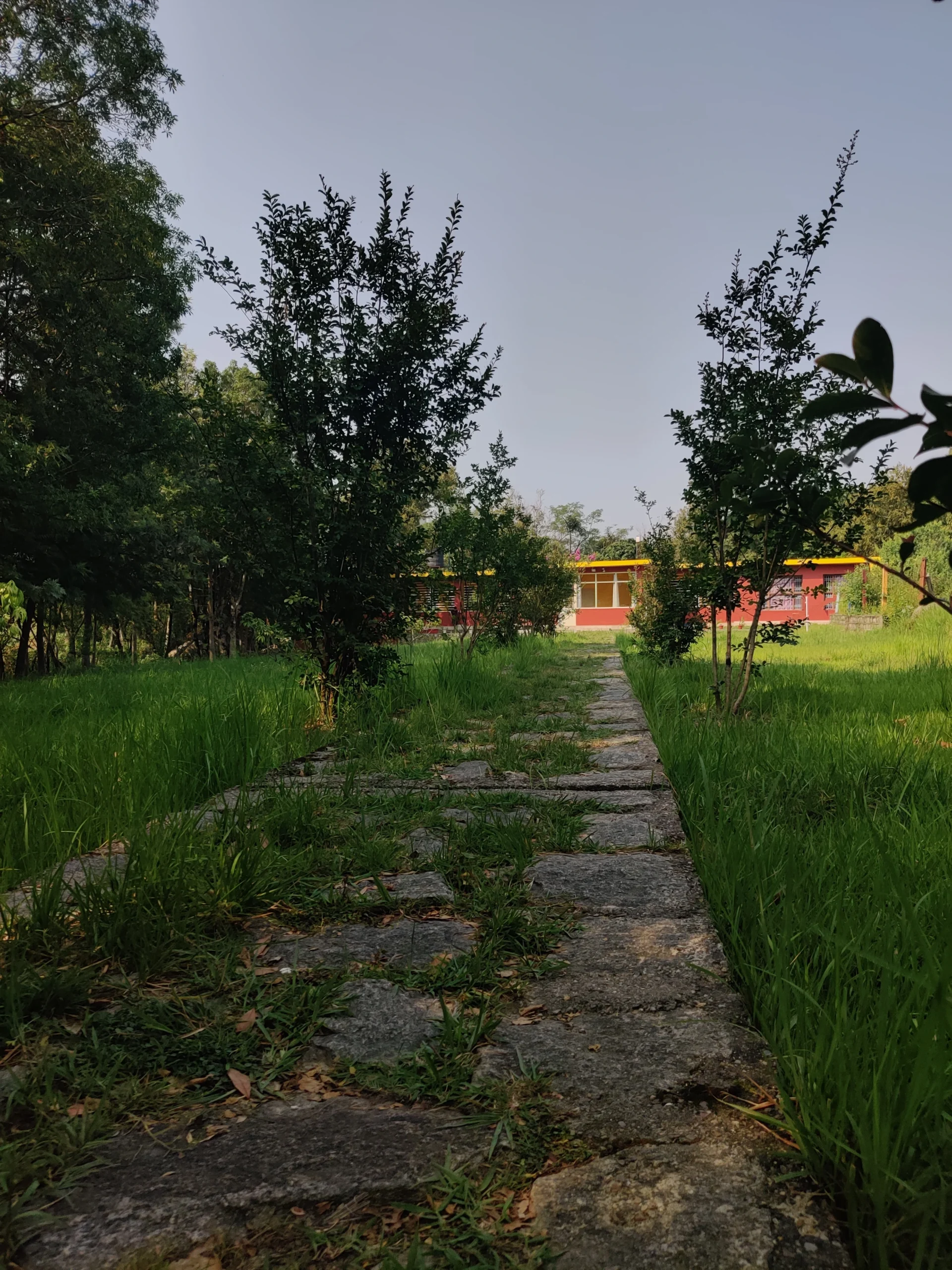
Set in the quiet foothills of the Dhauladhar range in Palampur, Vaishalya Wellness is a women only rehabilitation and recovery centre. We offer a safe, private and dignified space for women seeking professional help with addiction, trauma and mental health, guided by clinical care and genuine compassion.
A women only residential facility in Himachal Pradesh.
Registration No: 2025/238/4/186
What We Treat
Additional Info
Contact
Call us +91 82194 74936 +91 70181 48449
Mohal, Gugga Saloh Rd,Tehsil Sullah, Palampur,
Himachal Pradesh 176102 Get directions
© 2026 Vaishalya Wellness. All rights reserved.
Privacy Policy