


- Resources
- Volunteer
- Internship
- Our approach
- FAQ
Home›Chitta Withdrawal Symptoms…
Chitta (Heroin) Withdrawal Symptoms in Women
On this page
This page explains chitta addiction in women: what chitta actually is, why it is more dangerous than families are told, how to recognise it, what withdrawal looks like hour by hour, and how treatment works at our women-only centre in Palampur, Himachal Pradesh.
Chitta has moved through Punjab and Himachal Pradesh faster than any substance in living memory, and the assumption that it is a young man's problem is wrong. Women use chitta too. They are simply never seen doing it, and there is almost nowhere in the region that will take them.
We are a women-only residential centre. Every resident is a woman, the clinical and counselling staff are women, and nobody outside the team is told she is here.
Speak to us confidentially: +91 82194 74936 or +91 70181 48449.
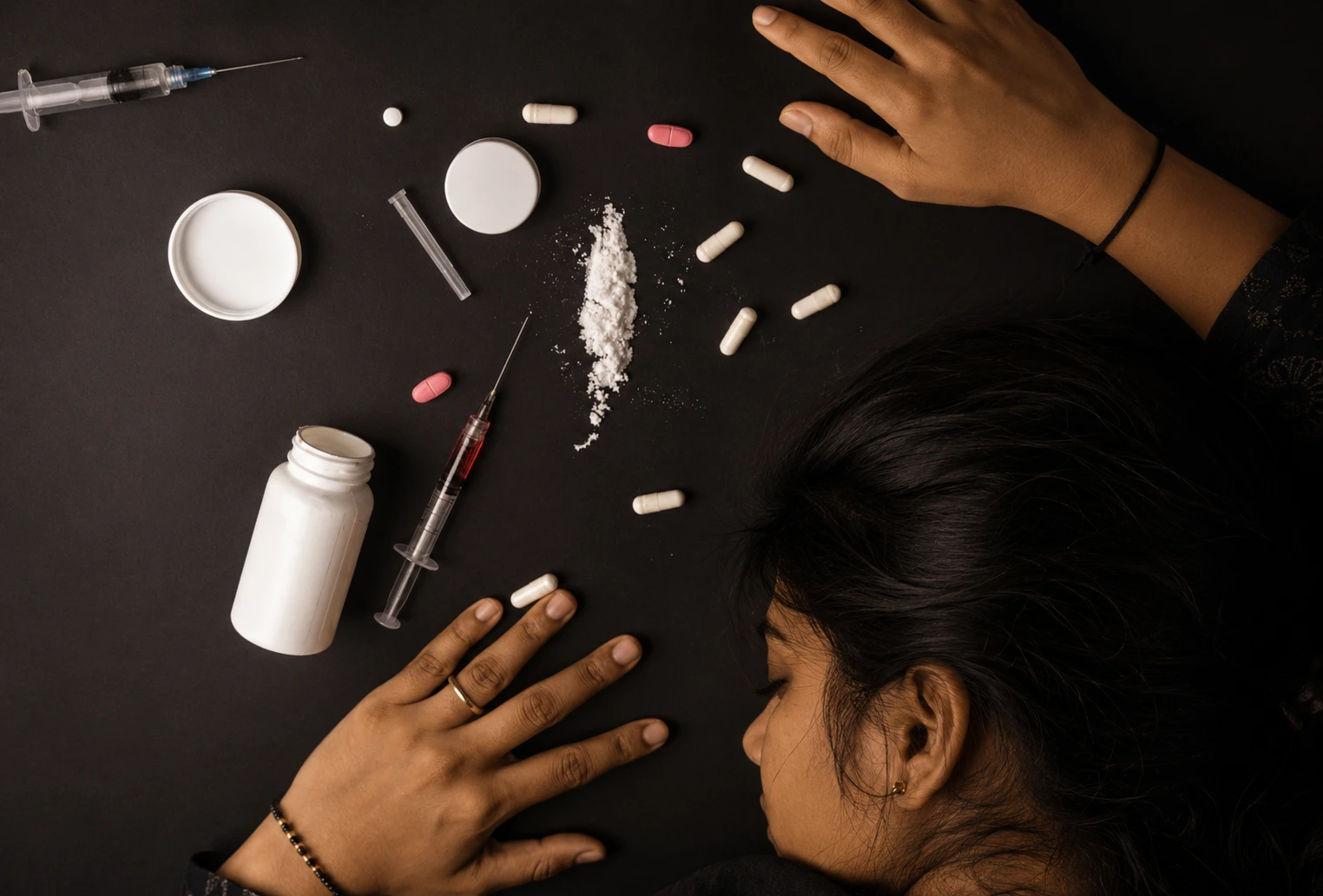
Chitta is the street name used across Punjab, Himachal Pradesh, Haryana and Jammu for a white or off-white powder sold as heroin. It is rarely pure. It is usually cut with unknown adulterants and sometimes with other synthetic opioids, which is why its strength varies enormously from one packet to the next and why overdose is so common.
Withdrawal begins roughly 6 to 12 hours after the last dose, peaks between 24 and 72 hours, and physical symptoms largely settle within 5 to 7 days. Cravings and disturbed sleep continue for weeks or months after that.
Opioid withdrawal is rarely fatal by itself, but it should still be medically supervised, because dehydration is dangerous, relapse during withdrawal is close to certain without support, and tolerance falls fast during a break, which makes the first dose after a gap the most likely one to kill.
Request a Confidential Call
Share as little or as much as you like. A senior member of our team will call you back. Nothing is shared with anyone outside the clinical team, and no police or legal report is made.
The word itself
What Is Chitta, and Is It the Same as Heroin?
Chitta means white in Punjabi. It is the street name for the white or off-white powder sold as heroin across Punjab, Himachal Pradesh, Haryana, Chandigarh and Jammu, and it has become the common word for it in almost every household in the region that has been touched by this.
Medically, chitta is an opioid, and it acts on the same receptors as heroin, morphine and prescription painkillers. But treating chitta as simply heroin misses what makes it so dangerous in practice.
What is sold as chitta is almost never pure. It is cut with whatever is cheap and available, and batches vary wildly in strength. A woman who has used the same quantity for months can take an identical amount from a new source and stop breathing. Neither she nor the person selling it knows what is actually in the packet.
That unpredictability is the reason chitta kills people who thought they had it under control, and it is the reason stopping needs medical help rather than willpower.
The real risk
Why Chitta Is More Dangerous Than Families Are Told
Every family we speak to has heard some version of "she has it under control" or "it is only smoking, not injecting". Here is what actually governs the risk.
Nobody Knows the Strength
Purity varies from packet to packet and from seller to seller. The same measure that was tolerable last week can be an overdose this week. There is no way to judge it by looking.
Nobody Knows What Else Is In It
Adulterants are added to bulk it out, and other synthetic compounds sometimes appear in the supply. These change how it behaves in the body and how dangerous it is.
Tolerance Builds Very Fast
The amount needed climbs steeply within weeks. Use that began as occasional becomes daily and expensive far faster than with alcohol, and stopping is physically much harder.
Tolerance Also Falls Very Fast
After a few days without it, the body's tolerance drops sharply. Returning to the old dose after a gap, a jail stay, a hospital admission or a failed detox is the single most common way people die.
The Route Escalates
Smoking commonly moves to injecting as tolerance rises and money runs short. Shared equipment brings HIV and hepatitis C into a household that has no idea it is at risk.
The Secrecy Is Total
Because possession is a criminal matter and the shame is enormous, families hide it from each other, from doctors and from us. Late presentation is the norm, not the exception.
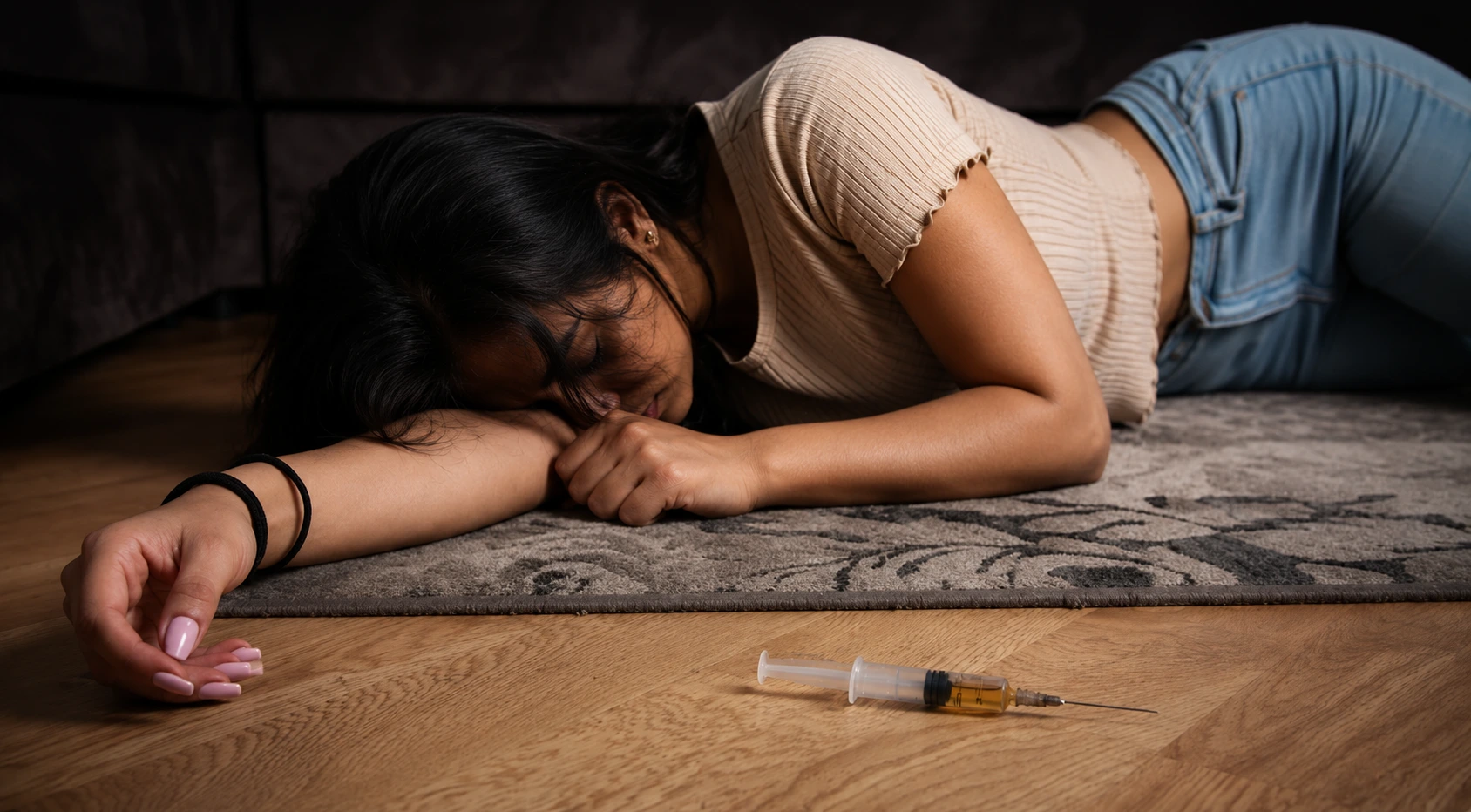
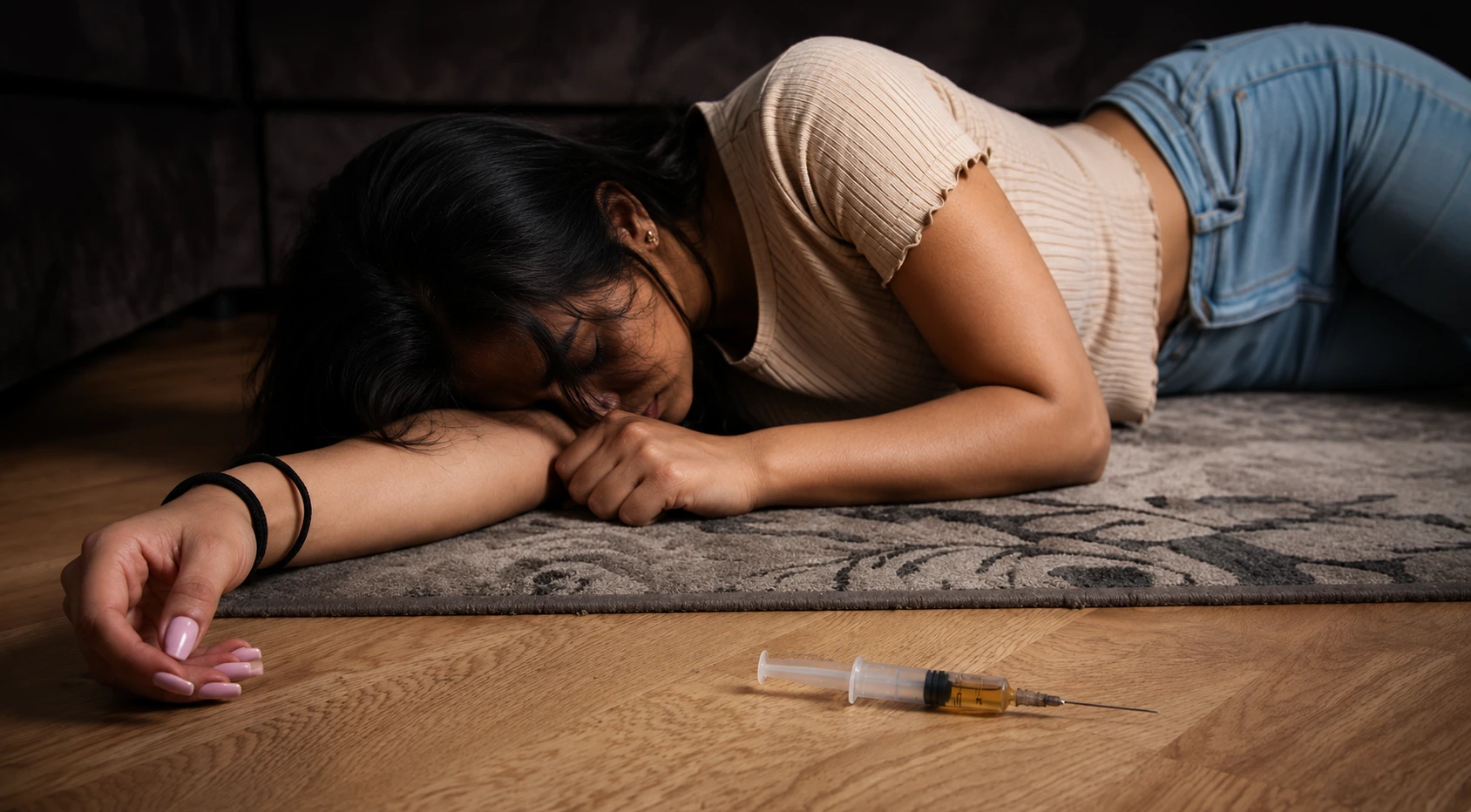
If someone cannot be woken, is breathing very slowly or noisily, has blue or grey lips or fingertips, or has pinpoint pupils and limp limbs, this is an opioid overdose. Call for an ambulance immediately, put her on her side so she cannot choke, and stay with her. Do not wait to see whether she sleeps it off. Naloxone reverses opioid overdose and is stocked by hospitals and many de-addiction services in Punjab and Himachal Pradesh.
Women and chitta
The Women Nobody Counts
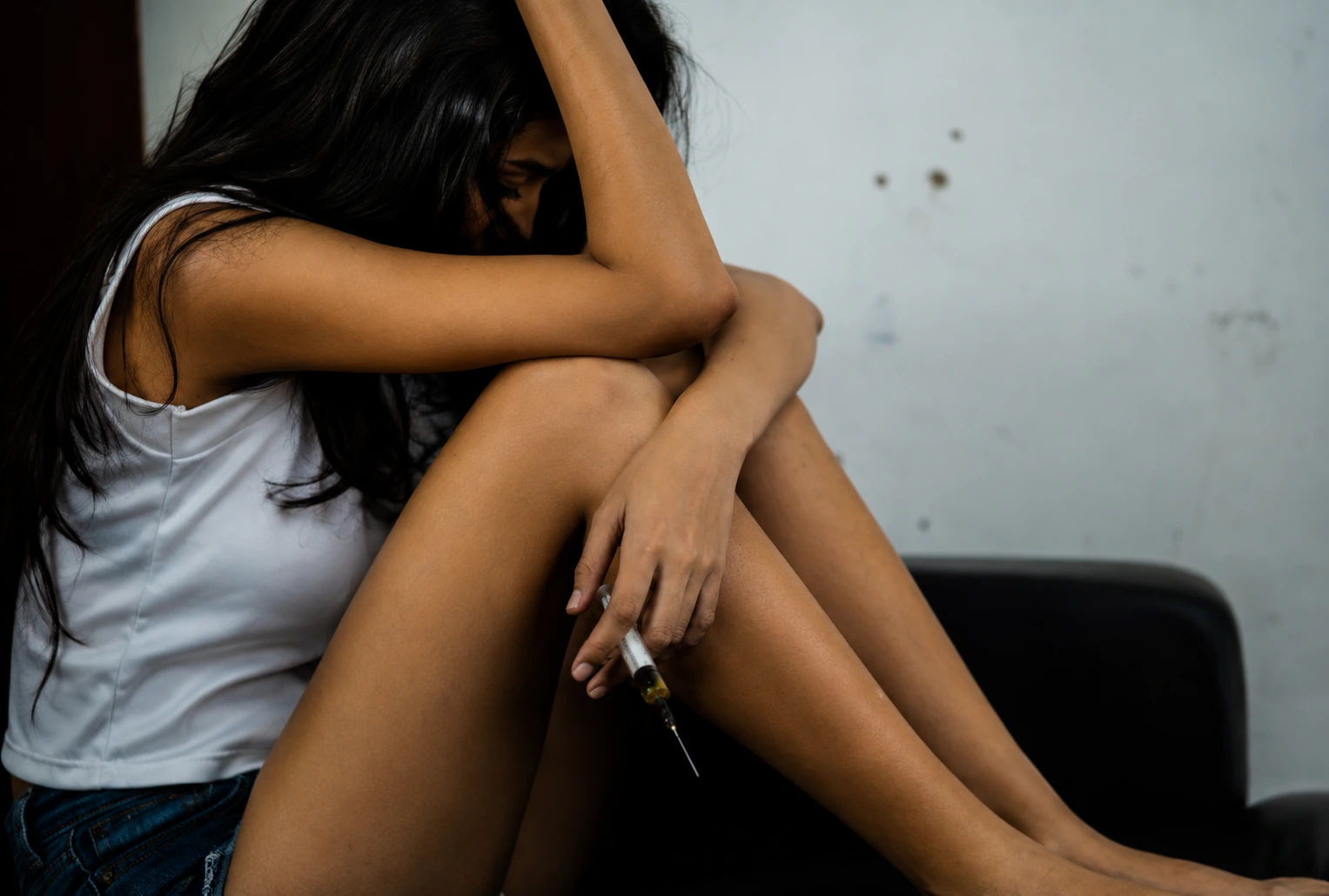
Chitta is discussed publicly as a crisis among young men. Ask anyone working in de-addiction across Punjab or Himachal and they will tell you women are using too, in numbers nobody can state with confidence, because women almost never come forward.
The pattern we see repeatedly is this. She was introduced to it by a husband or a partner who was already using, and often supplied by him. Use stayed at home and invisible. As money ran out, she became the one exposed to exploitation to keep the supply coming, which is a part of the story families almost never learn and which she carries alone.
Meanwhile the few de-addiction beds in the region are in mixed or male-only facilities. Families will not send a daughter or a wife to one, and they are right not to want to. So she stays at home and gets worse.
That gap is the reason this centre exists. A woman with chitta dependence needs the same medical treatment as a man, delivered somewhere she is safe and where nobody is told.
Recognising it
Signs of Chitta Use in a Woman
Opioid use looks different from alcohol. There is no smell, and between doses she may seem entirely normal, which is why families often suspect for months without being sure.
The Eyes and the Nodding
Pupils reduced to pinpoints regardless of the light, then very wide in withdrawal. Drifting off mid-sentence, head dropping, then surfacing again.
A Rigid, Unexplained Routine
She must go out at particular times and becomes agitated if prevented. The day is organised around something she will not name.
Cycles of Flu Without Fever
Running nose, watering eyes, yawning, sweating, gooseflesh and aching limbs that arrive on a schedule and vanish completely within an hour of her going out.
Money and Gold Disappearing
Household cash short, jewellery missing, small items sold, borrowing from relatives with explanations that do not hold together.
Marks and Covering Up
Full sleeves in summer, marks or bruising on the arms, hands or feet, and burnt foil, small foil squares or ash appearing around the house.
She Withdraws From Everyone
Contact with family and friends thins out, appetite and weight fall away, self-care stops, and a new circle appears that nobody in the family has met.
If this is describing someone in your family, please call before confronting her. How the first conversation goes often decides whether she accepts treatment or disappears further into it, and we can talk you through it.
Withdrawal
Signs and Symptoms of Chitta Withdrawal
Chitta withdrawal resembles a severe flu combined with significant emotional distress. It begins as the body starts clearing the opioid, and it is the reason so many women who genuinely want to stop cannot manage it alone.
Physical Symptoms That Need Medical Management
These are not usually life threatening on their own. The danger is that the discomfort becomes unbearable, she returns to use to stop it, and her tolerance has already fallen.
Psychological Symptoms Treated Alongside
The timeline
Chitta Withdrawal, Hour by Hour
Withdrawal follows a predictable shape. Knowing it removes most of the fear, and it explains why the third day is the one that breaks people who try to do this alone at home.
6 to 12 hours
Onset
The first signs arrive quickly, and most women describe this stage as unpleasant but manageable.
- Restlessness and anxiety
- Muscle and joint aching
- Running nose, watering eyes, yawning
- Sweating and difficulty sleeping
24 to 72 hours
Peak
The hardest window, and the point at which nearly every unsupported attempt at home collapses.
- Vomiting, diarrhoea and stomach cramps
- Gooseflesh, chills alternating with sweats
- Wide pupils, fast pulse, raised blood pressure
- Overwhelming cravings and severe agitation
Day 5 to 7
Settling
Physical symptoms fade. Appetite and energy begin to return, though sleep stays poor.
- Stomach symptoms resolve
- Aches and sweating ease
- Exhaustion and flat mood
- Cravings still strong and unpredictable
Weeks to months
The Long Tail
Sleep, mood and motivation take far longer to recover than the body does. This is where most relapses happen.
- Persistent insomnia
- Low mood and no sense of pleasure
- Irritability and poor concentration
- Cravings triggered by places and people
Opioid withdrawal is rarely fatal on its own, which is why families are often told to let her ride it out at home. That advice ignores two things. Vomiting and diarrhoea at the peak cause dehydration and electrolyte loss that can become dangerous, particularly if she is already underweight or unwell. And the moment tolerance drops, any relapse carries a real risk of fatal overdose at a dose she used to take without trouble.
The process
The Process of a Medically Supervised Detox
Three things determine whether a chitta detox is safe: the setting it happens in, what is being done about the symptoms, and whether anyone is watching for the complications that turn discomfort into an emergency.

Long-term effects
What Sustained Chitta Use Does to the Body
Beyond overdose, prolonged opioid use causes damage that is easy to miss because it accumulates quietly.
Brain and Mood
The reward system is reshaped, so ordinary things stop giving pleasure. Depression, anxiety and flattened motivation are the norm and can persist for months into recovery.
Gut and Nutrition
Opioids slow the gut severely. Chronic constipation, poor appetite, weight loss and vitamin deficiency follow, and the resulting malnutrition slows everything about recovery.
Body and Immunity
Hormonal disruption, irregular or absent periods, reduced bone density, dental damage, and infections at injection sites. Immunity falls, so illnesses last longer and hit harder.
Pregnancy
Opioid use in pregnancy risks the baby being born dependent and needing treatment. Abrupt withdrawal is also dangerous, so this needs specialist care urgently rather than a decision to stop alone.
Treatment
Medically Supervised Chitta Detox at Vaishalya
Detox here begins with a full assessment on the day of admission: how long she has been using and by what route, quantity, other substances, previous withdrawals, physical health, mental health and current risk. That assessment sets the medication plan.
Opioid withdrawal is treated, not endured. Under Dr. Nitin Sharma, MBBS, the medical approach may include:
- Opioid substitution or a supervised taper where clinically indicated, which is the established treatment for opioid dependence worldwide and dramatically reduces the misery of the peak
- Non-opioid medication for the autonomic symptoms: sweating, agitation, raised pulse and blood pressure
- Symptomatic treatment for nausea, vomiting, diarrhoea, cramps and pain
- Fluids, electrolytes and nutrition, which matter more in opioid withdrawal than most people realise
- Sleep support through the weeks when insomnia is at its worst
- Relapse-prevention medication discussed after the acute phase, not during it
All prescribing is individual and decided by our medical team. Nothing on this page should be used to plan a withdrawal at home.

After the first week
Detox Is Not Treatment for Chitta Addiction
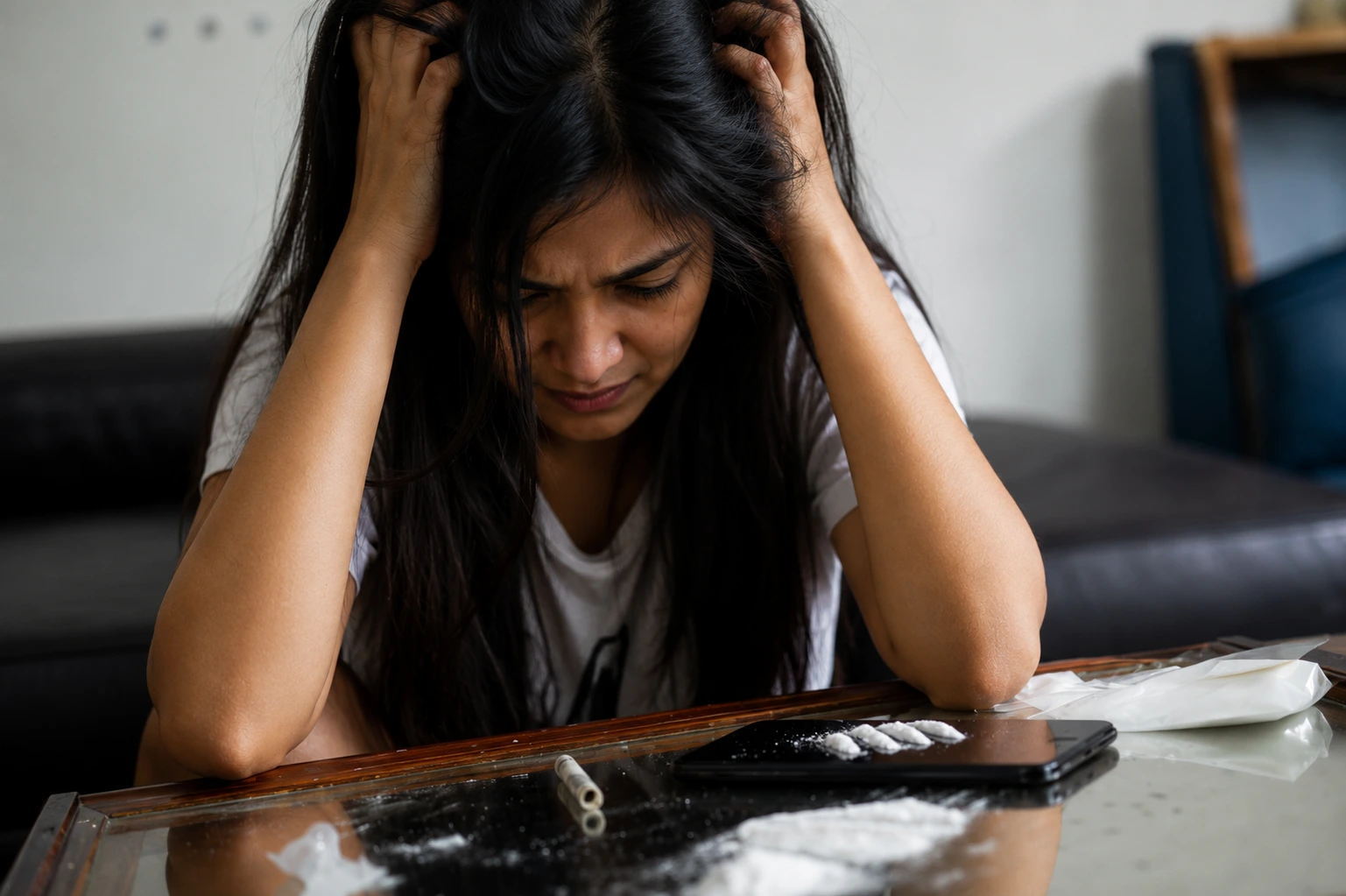
With opioids this is not a slogan, it is the central clinical fact. A detox that is not followed by treatment leaves a woman with no drug in her system, no tolerance, every original problem intact and a body that has learned exactly how good chitta feels. That is the highest-risk configuration there is.
So detox at Vaishalya is the opening week of a programme, not a service on its own. What follows:
- Individual counselling with female counsellors, and group work with other women
- Treatment of the depression, anxiety or trauma underneath, which with chitta is present far more often than not
- Yoga, breathing practice, Ayurvedic support and food cooked on site, to rebuild sleep and physical health
- Testing and onward referral where there is any risk of blood-borne infection
- Family sessions where she consents, because a household that understands relapse responds very differently to one that does not
- Vocational and skills support, so that going home is not a return to the same dependence on the same people
Supportive care
The Part That Is Not Medication
Alongside the prescribed treatment, a great deal of what makes withdrawal survivable is unglamorous and practical.
Non-addictive medication is offered for insomnia, nausea and muscle pain. Psychiatric support is available for the anxiety and depression that intensify sharply during this week. Fluids and rehydration are monitored rather than assumed.
Food matters more than people expect. Meals are cooked on site and kept light and frequent while the gut recovers, then built up as appetite returns. Most women arriving with chitta dependence are significantly undernourished, and correcting that changes how the rest of recovery goes.
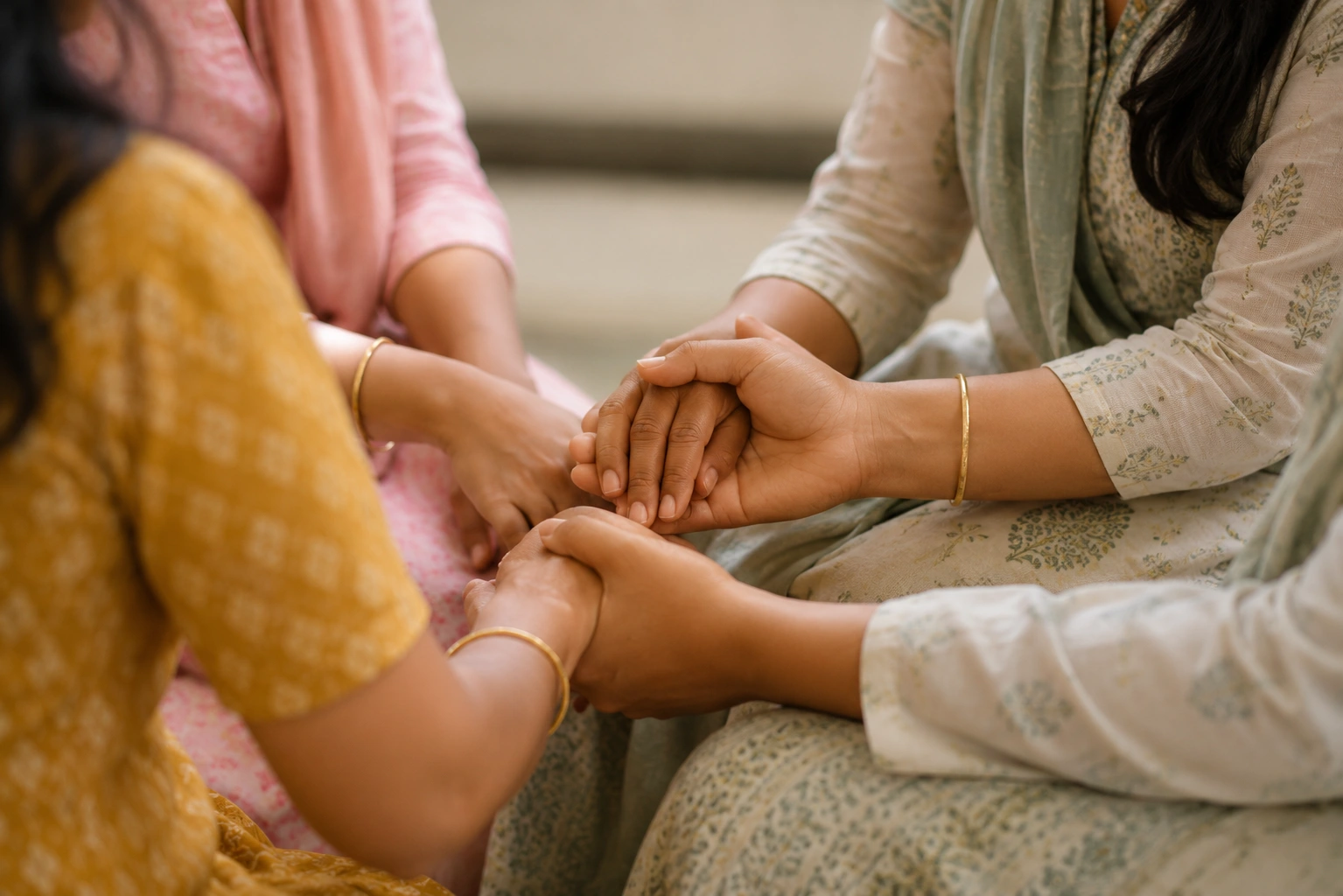
And she is not left alone with it. Female staff are present through the nights, which are the worst part, and that alone is the difference between a woman getting through day three and a woman going home.
Preparing for what comes after
How Detox Prepares Her for Long-Term Recovery
Two pieces of work start during detox rather than after it, because leaving them until discharge is leaving them too late.
Integrated Treatment for Co-Occurring Conditions
Chitta use is very often connected to depression, anxiety or post-traumatic stress, and among the women we treat a history of abuse or prolonged fear at home is common rather than exceptional.
We screen for these from the beginning rather than treating the drug and discovering the rest later. Support is trauma-informed and delivered by female counsellors, at her pace, and never before she is physically stable enough for it.
Treating the opioid dependence while leaving the reason for it untouched is how a woman ends up back here in six months.
Overdose Prevention
After detox her tolerance is a fraction of what it was. If she uses again at the dose she is used to, it can kill her. This is the single most important thing a family can understand, and most families have never been told it.
So we explain it directly, to her and to whoever is taking her home, and we build it into the discharge plan: what relapse risk looks like, what to do if it happens, and how to recognise an overdose.
Naloxone reverses opioid overdose. It is stocked by hospitals and de-addiction services across Punjab and Himachal Pradesh, and any family living with this should know where their nearest supply is.
Evidence-Based Therapies Used in Treatment
What follows detox is the part that actually changes the outcome. These are the approaches used at Vaishalya, all delivered by female counsellors.
Cognitive Behavioural Therapy
Identifies the thoughts, beliefs and situations that keep chitta use going, then builds practical alternatives to reach for instead.
Dialectical Behaviour Therapy
Builds distress tolerance and emotional regulation, so that craving and stress stop leading automatically to use.
Trauma-Focused Therapy
Reduces the intensity of distressing memories and triggers that fuel use. Done slowly, with consent, and never before she is stable.
Motivational Interviewing
Strengthens her own reasons for change instead of arguing her into it. Useful where she has arrived under family pressure.
Relapse Prevention Programming
Maps her actual triggers, teaches her to recognise early warning signs, and gives her a written plan for when risk rises.
Medication-Assisted Treatment
Clinically indicated medication to reduce withdrawal distress and cravings, so she can engage in therapy rather than endure the week.
Yoga, Ayurveda and Physical Recovery
Daily practice, breathing work, Ayurvedic support and food cooked on site, to rebuild sleep and physical health. Alongside medical treatment, not instead of it.
Group and Family Work
Group sessions with other women, and family sessions where she consents, so the household she returns to understands relapse instead of punishing it.
How to Start Treatment
One confidential call is the whole of the first step. In urgent cases admission can happen the same day.
Call Us
Speak to a senior member of the team in Hindi, Punjabi or English, about yourself or about your wife, daughter or sister. No report is made to anyone.
Medical Assessment
Substance history, route of use, physical and mental health and current risk are reviewed to decide the right level of care and the right medication plan.
Admission and Arrival
A date is agreed and we explain what to bring and how to reach Palampur. On arrival the medical team completes final checks and treatment begins the same day.
Families reach us from across Kangra, Mandi, Una, Hamirpur, Bilaspur, Solan, Shimla, Kullu and Chamba, and from Punjab, Haryana, Chandigarh, Jammu and Delhi.
Registration, Governance and Standards
Vaishalya Women's Wellness Centre operates under Registration No. 2025/238/4/186. Clinical oversight is provided by Dr. Nitin Sharma, MBBS, who leads medical assessment and the treatment plan for every woman admitted.
We work alongside Asha Bhupender Charitable Trust, which delivers mental health awareness, counselling and community rehabilitation across Himachal Pradesh under the chairpersonship of Smt. Leena Kumari.
This page is general information and is not a diagnosis or a substitute for medical advice. Where a woman's condition requires care beyond our scope, we arrange transfer to an appropriate hospital rather than treating beyond it.
References and Further Reading
The clinical information on this page reflects established guidance on opioid dependence and withdrawal.
- World Health Organization. Guidelines for the Psychosocially Assisted Pharmacological Treatment of Opioid Dependence
- Ministry of Social Justice and Empowerment, Government of India, with NDDTC, AIIMS. Magnitude of Substance Use in India, the national household survey on substance use
- Ministry of Social Justice and Empowerment. Nasha Mukt Bharat Abhiyaan, the national campaign for a drug-free India
- National Institute on Drug Abuse (NIDA), United States. Research on heroin, opioid withdrawal and medication-assisted treatment
- National Toll-Free Drug De-Addiction Helpline, Government of India. 14446, available in multiple languages
If you are outside our area or cannot reach us, the national helpline above can direct you to your nearest de-addiction service.
Chitta and Heroin Addiction FAQs
What is chitta and is it the same thing as heroin?
Chitta means white in Punjabi and is the street name used across Punjab, Himachal Pradesh, Haryana, Chandigarh and Jammu for the white powder sold as heroin. Pharmacologically it is an opioid and acts like heroin. In practice it is rarely pure: it is cut with unknown adulterants and its strength varies enormously between batches, which is why overdose is so common among people who believed they knew their dose.
Is there a chitta rehab for women in Himachal Pradesh?
Yes. Vaishalya Women's Wellness Centre in Mohal, near Palampur in the Kangra valley, is a women-only residential centre treating chitta and heroin dependence alongside alcohol and other addictions. All residents are women and the nursing and counselling staff working with them are women. Most de-addiction beds across Himachal are in mixed or male-only facilities, which is precisely the gap this centre was set up to fill.
Do you take women from Punjab, Haryana, Chandigarh and other states?
Yes. We admit women from anywhere in India. Families travel to us regularly from Punjab, including Amritsar, Tarn Taran, Gurdaspur, Ferozepur, Jalandhar, Ludhiana and Patiala, and from Haryana, Chandigarh, Jammu, Uttarakhand and Delhi, as well as from across Himachal Pradesh. For many families from Punjab the distance is part of the appeal, because treatment happens somewhere nobody knows them. Call us and we will advise on the journey to Palampur.
How long does chitta withdrawal last?
Withdrawal usually begins six to twelve hours after the last dose, peaks between twenty-four and seventy-two hours, and the physical symptoms largely settle within five to seven days. Disturbed sleep, low mood and cravings continue for weeks or months after that, which is why treatment does not end when detox does.
Is chitta withdrawal dangerous? Can she just stop at home?
Opioid withdrawal is rarely fatal by itself, but stopping at home is still a bad idea. Vomiting and diarrhoea at the peak cause dehydration that can become serious. Almost nobody gets through the third day unsupported. And once tolerance has fallen, a relapse at the old dose carries a genuine risk of fatal overdose. Medically supervised detox exists to treat the symptoms rather than let her endure them, and to hold her through the window where she would otherwise go back.
What medicines are used to treat chitta addiction?
Depending on the individual assessment, treatment may involve opioid substitution or a supervised taper, non-opioid medication for the autonomic symptoms, and symptomatic treatment for nausea, cramps, pain and insomnia, alongside fluids and nutrition. Relapse-prevention medication is considered after the acute phase. All prescribing is decided by our medical team for each woman individually.
Will the police or anyone else be informed?
No. We are a treatment service, not a reporting one. We do not confirm to any caller whether a particular woman is a resident, and information is shared with family only with her consent, except where there is an immediate risk to her safety. Fear of legal consequences keeps a great many families from seeking help, and it should not.
She is pregnant and using chitta. What should we do?
Please call immediately and do not attempt to stop it at home. Abrupt opioid withdrawal in pregnancy carries risk to the pregnancy as well as to her, and it needs coordinated obstetric and addiction management. We will assess the situation and either admit with the appropriate medical arrangements or refer directly to a hospital that can provide them. This is urgent, and it is not a situation to wait on.
She refuses to admit there is a problem. What can the family do?
Call us before you confront her. Denial is close to universal with chitta, and a badly handled confrontation usually drives a woman further into secrecy or out of the house entirely. We will talk through what to say, what not to say, and how to make treatment feel like something she can accept rather than a punishment being arranged behind her back.
Contact
We Can Help Her Through Chitta Withdrawal
Taking the first step is daunting, particularly with a substance that carries this much fear and this much shame. We are not here to judge anybody. We are here to treat her.
Phone: +91 82194 74936 / +91 70181 48449
WhatsApp: +91 70181 48449
Address:
Vaishalya Women's Wellness Centre
Mohal, Gugga Saloh Road
Tehsil Sullah, Palampur
Himachal Pradesh 176102
Send a Confidential Message
We reply personally. Your details are not added to any mailing list and no report is made to anyone.
Chitta Does Not Have to Be the End of Her Story
A women-only residential centre in the Kangra valley treating chitta and heroin dependence, with medical supervision, female staff and complete confidentiality.
About Vaishalya Wellness
Set in the quiet foothills of the Dhauladhar range in Palampur, Vaishalya Wellness is a women only rehabilitation and recovery centre. We offer a safe, private and dignified space for women seeking professional help with addiction, trauma and mental health, guided by clinical care and genuine compassion.
A women only residential facility in Himachal Pradesh.
Registration No: 2025/238/4/186
What We Treat
Additional Info
Contact
Call us +91 82194 74936 +91 70181 48449
Mohal, Gugga Saloh Rd,Tehsil Sullah, Palampur,
Himachal Pradesh 176102 Get directions
© 2026 Vaishalya Wellness. All rights reserved.
Privacy Policy