




- Resources
- Volunteer
- Internship
- Our approach
- FAQ
Chitta Addict Signs
Chitta & Heroin Addiction Treatment
Chitta addict signs can include changes in behaviour, mood, and physical functioning, and they often overlap with opioid withdrawal symptoms such as flu-like discomfort, disturbed sleep, and strong cravings. Because these signs are not diagnostic on their own, a clinical assessment can help clarify whether chitta use, opioid dependence, or another condition is driving what you are noticing, and whether urgent care is needed. Vaishalya Wellness provides structured evaluation and medically supervised support for women that can connect suspected chitta use to detox planning and next-step treatment, including residential care and follow-up options.
Overview — Chitta Addict Signs
Chitta is the street name used across Himachal Pradesh, Punjab, and much of North India for low-purity, adulterated heroin that is usually smoked on foil or mixed into a cigarette. Because it is cheap and easy to hide, families often only recognise the signs months after use has begun.
The signs cluster into four groups: physical (pinpoint pupils, nodding off, weight loss, constant cold-like symptoms), behavioural (secrecy, missing money, new friend circles, foil and burnt spoons), psychological (irritability, flat mood, anxiety between doses), and social (withdrawal from family, dropped studies or work).
A single sign proves nothing. A pattern that builds over weeks, especially when it repeats in a cycle tied to money and disappearance, is the signal to seek an assessment.
Talk to Us
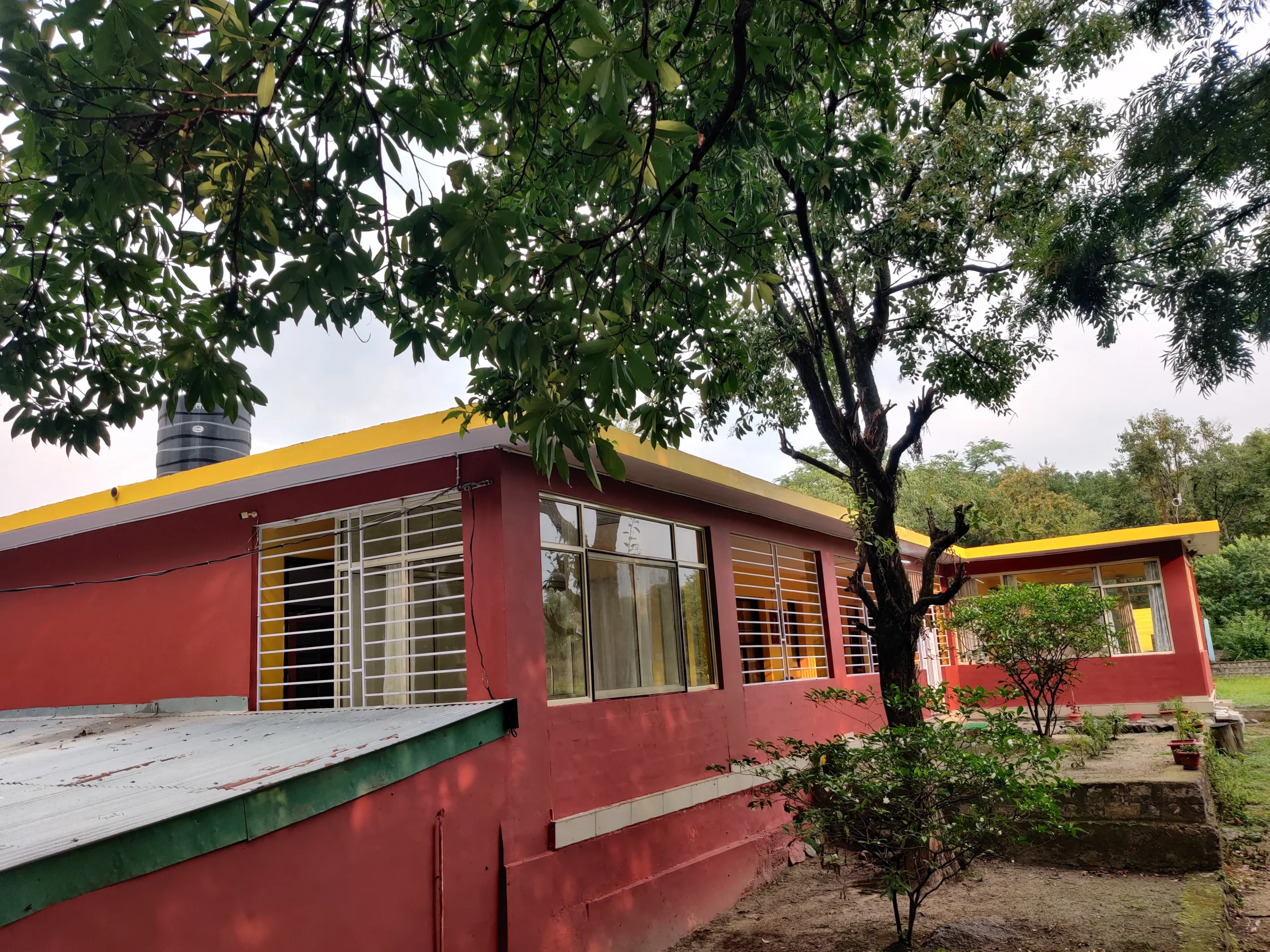
Recognising the subtle changes in behaviour, mood, and physical health can be the first step toward helping a daughter, sister, or wife who may be using chitta. It is common to feel uncertain, ashamed, or overwhelmed, but understanding the signs can bring clarity and open the door to real support.
Vaishalya Wellness offers a compassionate, clinically informed approach to identifying and addressing chitta addict signs through personalised care plans and private, structured support. Our team is trained to guide women toward sustainable recovery in a discreet, women-only environment in the hills of Palampur, Himachal Pradesh.
Run under Asha Bhupender Trust, our programme is built for families who need a safe place to start, not judgement.
What Are the Signs and Symptoms of Chitta Withdrawal?
The signs of chitta withdrawal include a range of physical and psychological symptoms that can begin within hours of the last dose. These effects often feel like a severe flu, but they are accompanied by intense cravings and significant emotional distress.
Stages of Chitta Withdrawal
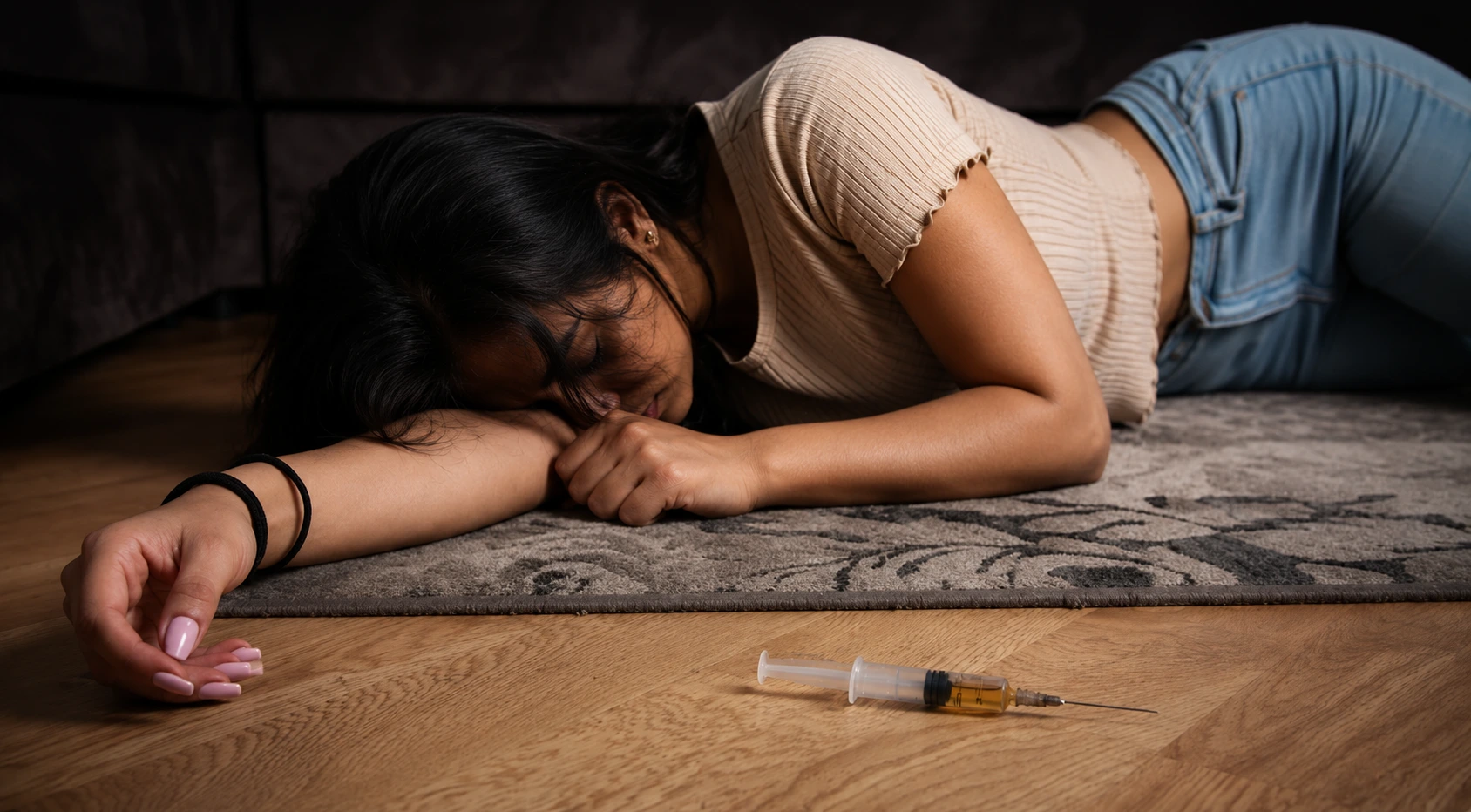
Early Withdrawal Symptoms Emerge Within 24 Hours
The first signs of withdrawal typically begin within 6 to 12 hours of the last dose of chitta, starting with restlessness, anxiety, muscle aches, yawning, and sweating. As the body continues to react to the absence of the opioid, she may also experience nausea, diarrhoea, and other forms of gastrointestinal distress. Cravings intensify sharply during this period, adding to the emotional and physical discomfort.
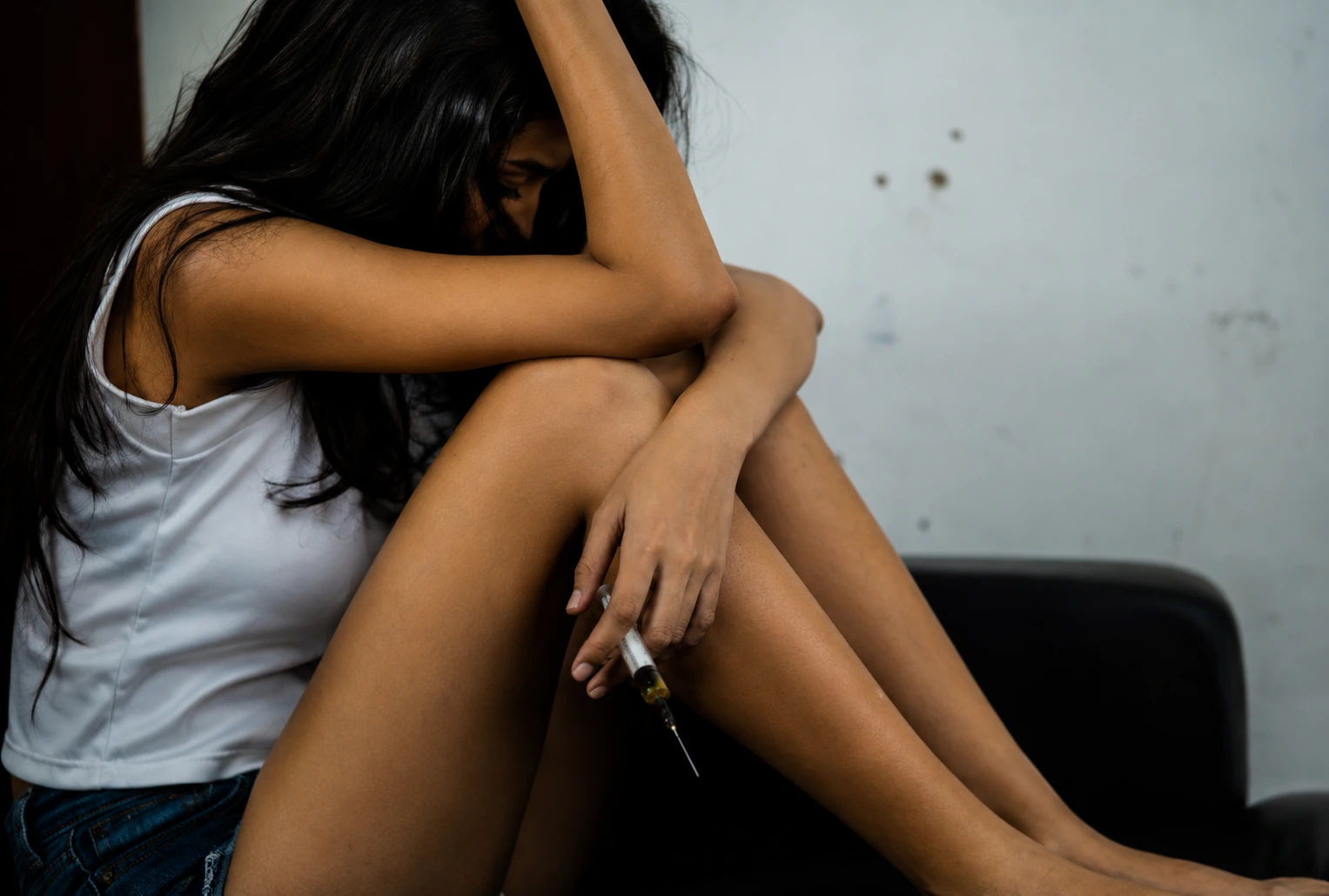
Symptoms Typically Peak Between Days Three and Five
Between the third and fifth day, withdrawal symptoms often reach their most intense point, which can include severe nausea, body aches, chills, and emotional distress. The physical and mental exhaustion during this stage presents significant risk, as dehydration, electrolyte loss, and other complications can arise without proper medical care. This is usually the most challenging phase of the detox process.

Acute Physical Symptoms Subside After the First Week
By the end of the first week, most of the acute physical symptoms of withdrawal begin to lessen, providing a real sense of relief. However, psychological challenges such as anxiety, low mood, and cravings can persist as the mind and body continue to heal. It is normal for energy levels, appetite, and sleep patterns to remain irregular during this time.
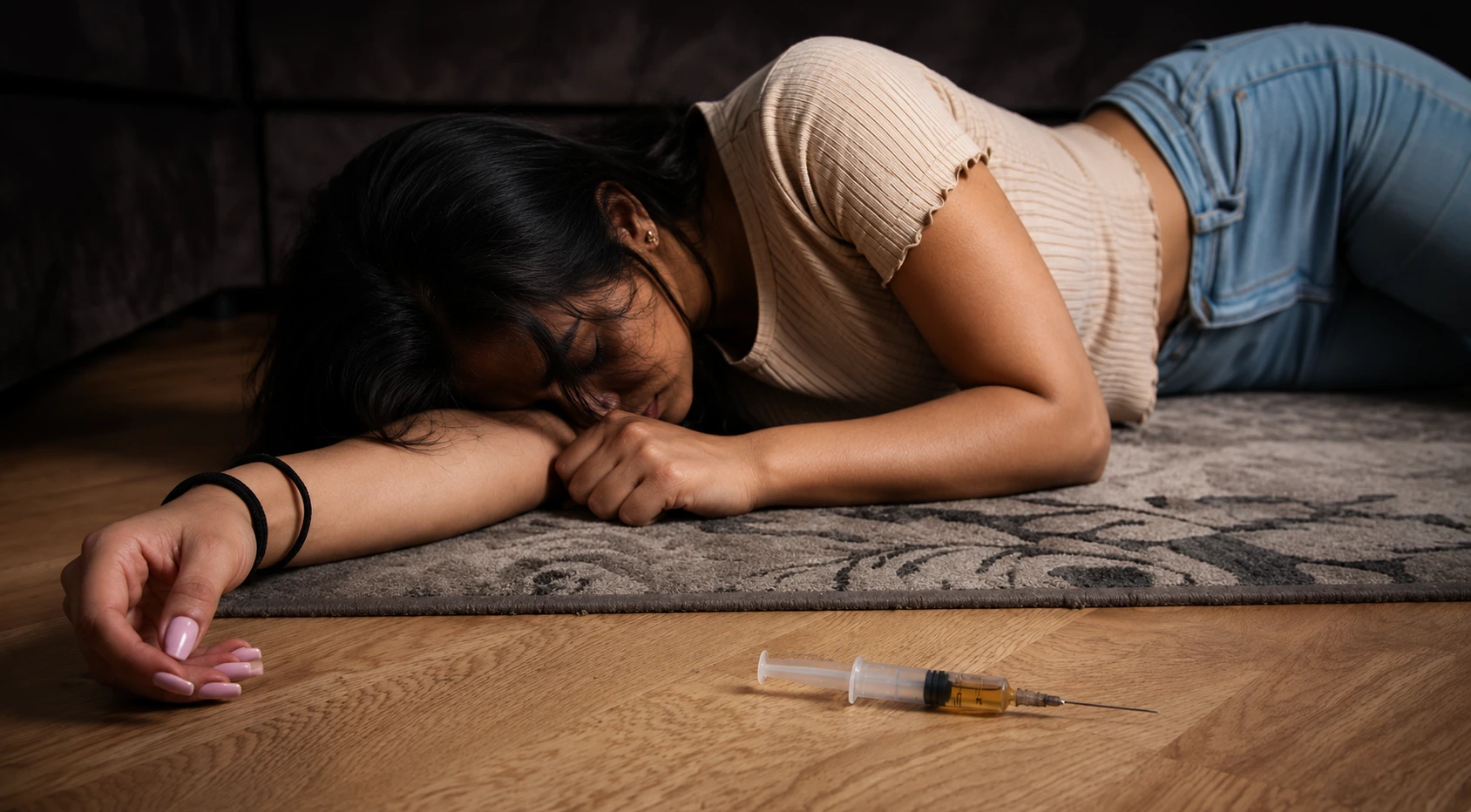
Post-Acute Withdrawal Can Involve Lingering Symptoms
After the acute phase, some women experience Post-Acute Withdrawal Syndrome (PAWS), which involves lingering symptoms that can last for weeks or months. These may include mood swings, irritability, insomnia, mental fog, and persistent cravings that appear unexpectedly. Understanding that this is a normal part of overcoming chitta addiction is essential for long-term recovery.
How Does Supervised Detox Address the Symptoms and Risks of Chitta Withdrawal?
Supervised detox addresses the symptoms and risks of chitta withdrawal by providing continuous medical monitoring and clinical support in a safe, structured environment. This professional oversight helps manage the effects of withdrawal, reduces the risk of complications, and provides a stable foundation for beginning recovery. At Vaishalya Wellness, our team works under the direction of Dr. Nitin Sharma to guide you through this critical first step with compassionate, personalised care.
Before treatment begins, our medical staff conducts a thorough assessment of medical history, the substances used, how chitta is being taken, and any co-occurring conditions. This evaluation allows us to create an individualised plan that prioritises safety and comfort. We determine the most appropriate level of care to manage specific symptoms and prepare you for the next phase of recovery.
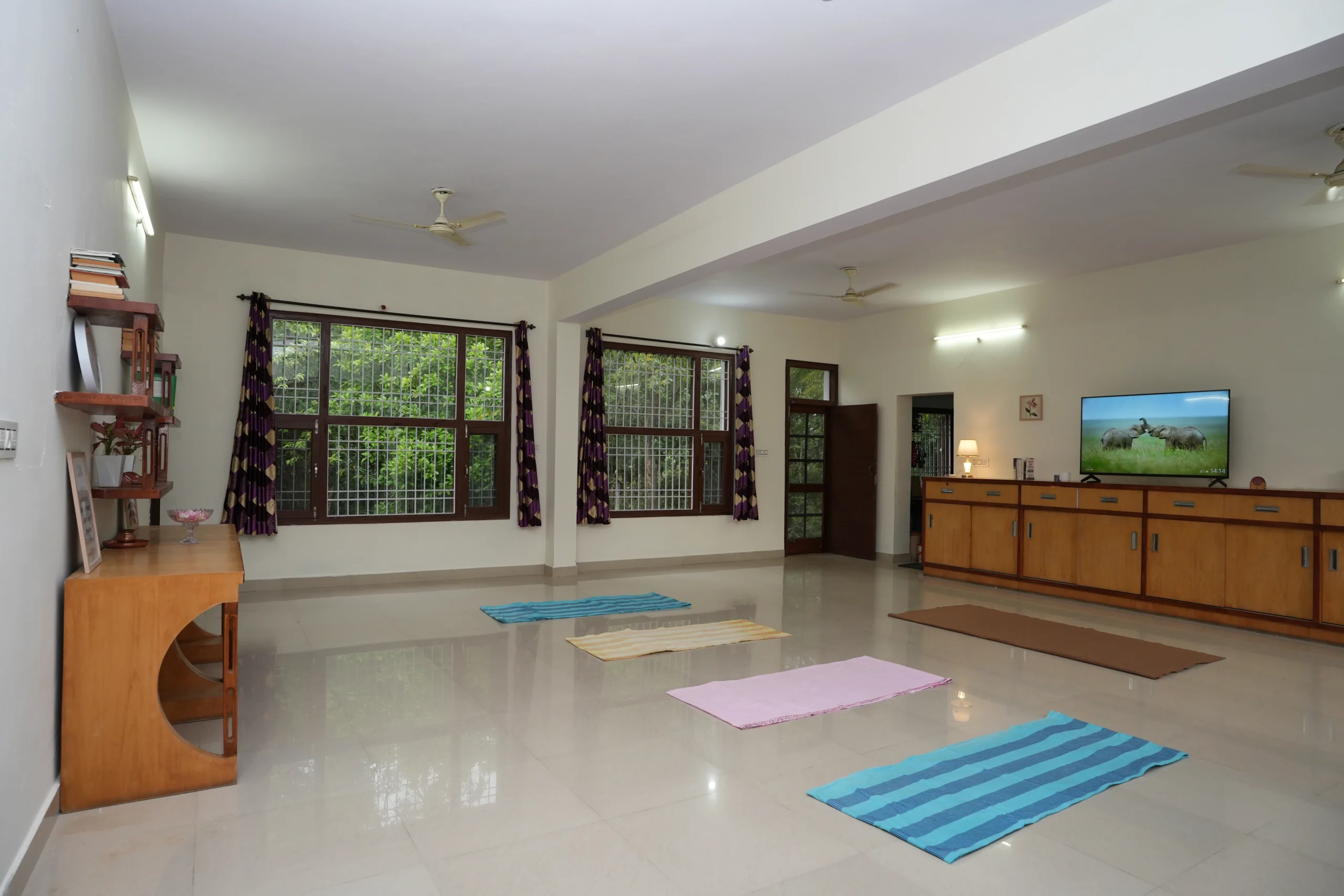
Our medically supervised detox programme provides round-the-clock monitoring by trained nursing staff under the direction of our medical team. For most women this takes place within our residential setting in Palampur, ensuring immediate support is always available. For individuals with milder symptoms and a stable home environment, a structured outpatient plan may be an alternative, though we rarely recommend it for chitta dependence.
Attempting to stop chitta at home usually means facing peak symptoms without medical support. Repeated vomiting and diarrhoea can cause dehydration and dangerous electrolyte imbalances. Severe insomnia and agitation raise the risk of self-harm, and untreated pain and cravings make relapse highly likely within the first 72 hours.
The most serious risk is what happens after a failed home detox. Tolerance drops quickly, so returning to the previous quantity of chitta can cause a fatal overdose. Supervised withdrawal removes that gap by keeping care continuous.
Seek emergency help right away if there is slow or shallow breathing, blue-tinged lips or fingertips, unresponsiveness, chest pain, seizures, persistent vomiting with no fluid intake for more than 12 hours, confusion, or any talk of self-harm.
Pregnancy changes the picture entirely. Opioid withdrawal during pregnancy can put the pregnancy at risk, so it should never be attempted without immediate medical supervision. Call us on 82194 74936 and we will help you plan the safest route.

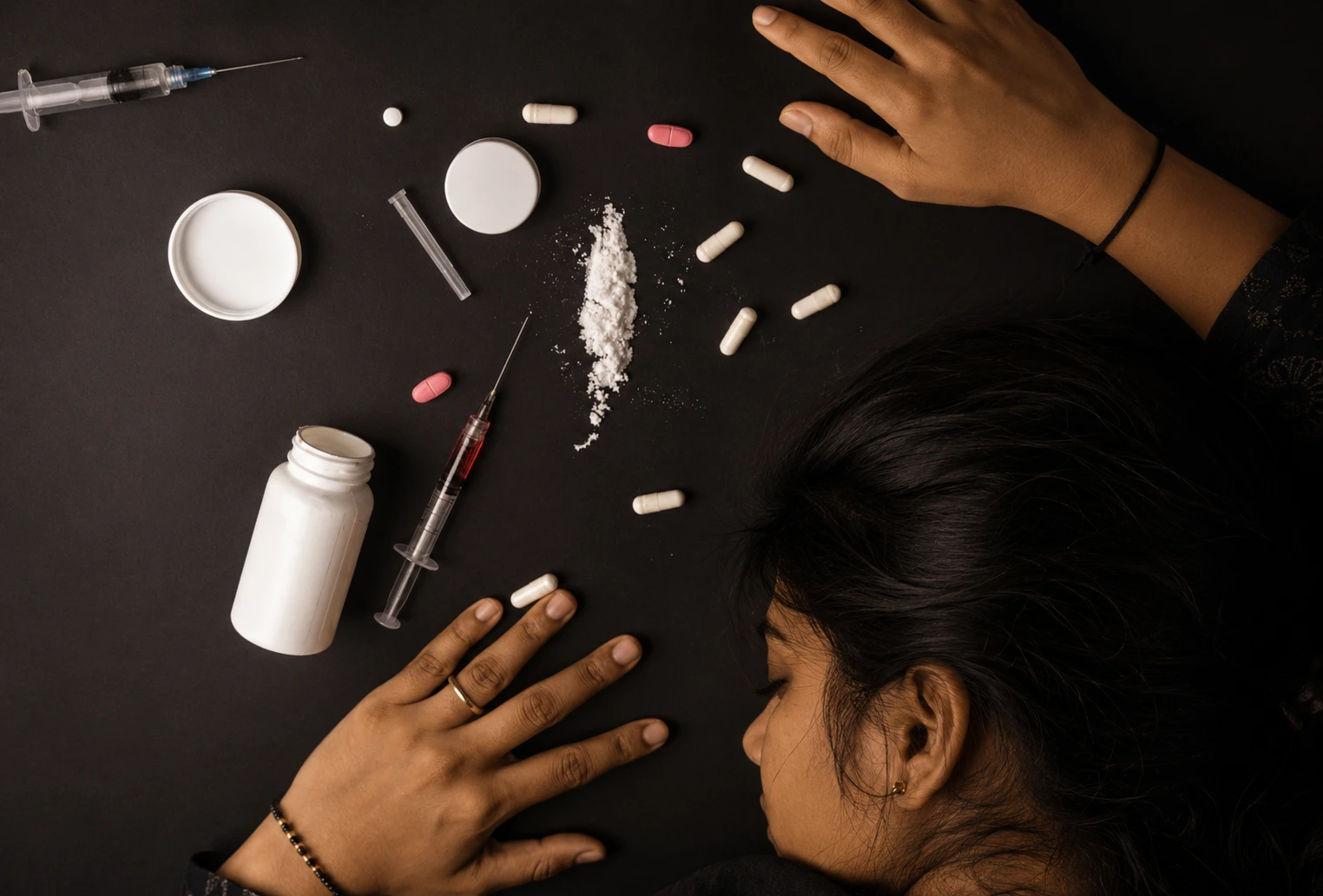
How Does Supervised Detox Help Manage the Symptoms of Chitta Withdrawal?
Supervised detox helps manage the physical and psychological symptoms of withdrawal through continuous medical monitoring and personalised clinical care.
At Vaishalya Wellness, our team uses a combination of appropriate medication and holistic support to protect safety and comfort. This approach creates a stable foundation for addressing the underlying causes of chitta use disorder rather than only treating the surface symptoms.
Medication Can Reduce Withdrawal Severity
Our medical team may use specific medications to ease the effects of chitta withdrawal. As part of a supervised Medication-Assisted Treatment plan, these can help reduce cravings and manage the intense physical and psychological dependence associated with adulterated heroin. This intervention is designed to make the initial phase of recovery genuinely manageable.
Dr. Nitin Sharma oversees all detox protocols, beginning with a comprehensive assessment to understand specific health needs. Based on that evaluation, we determine the most appropriate course of action, which may include non-opioid options for managing anxiety, cramps, nausea, and sleep disturbance.
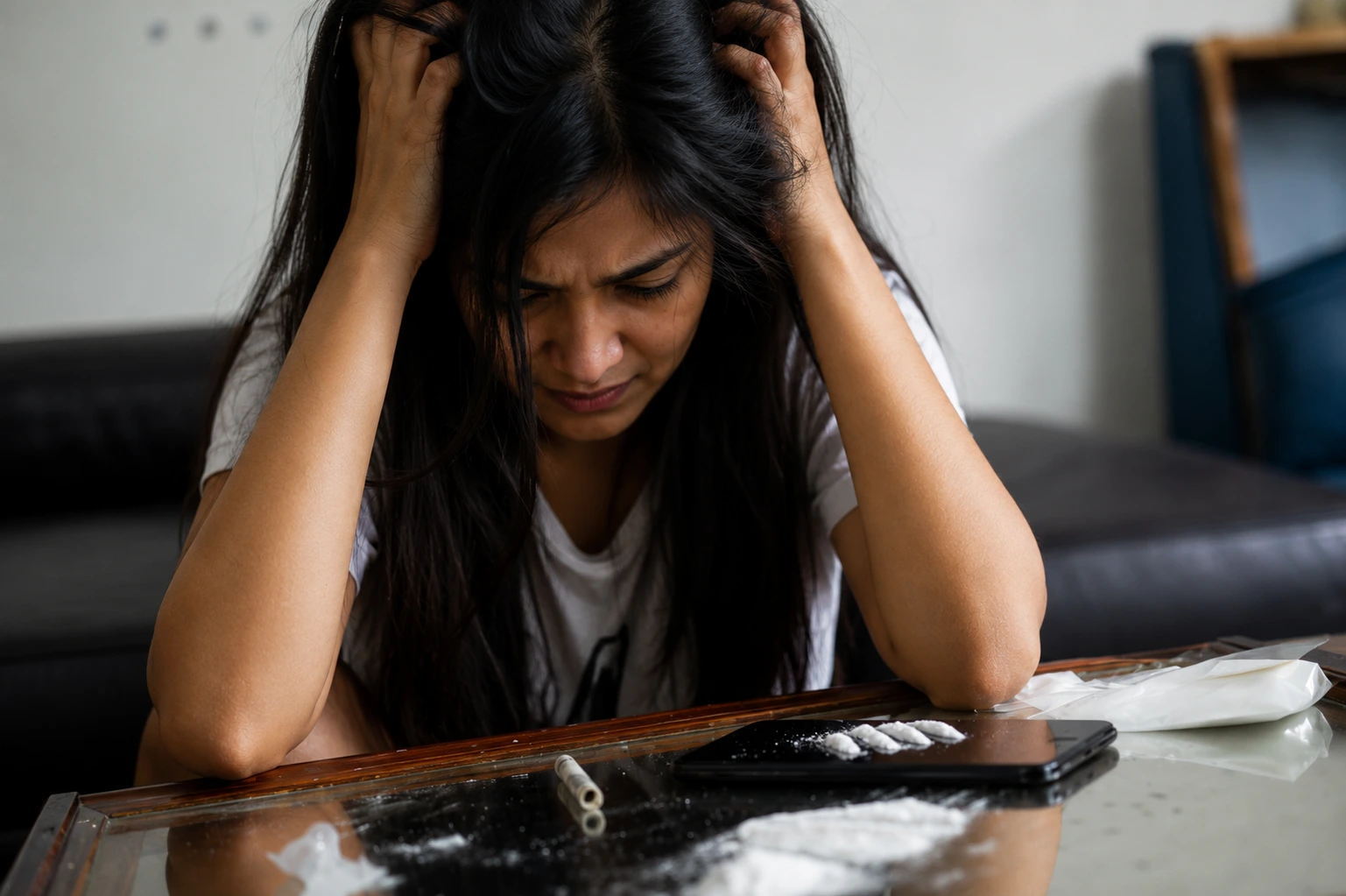

Holistic Support Stabilises Physical Health
Symptoms of chitta withdrawal, such as vomiting and diarrhoea, can lead to dehydration and deplete the body of essential nutrients. We address this immediately with hydration support to help you stabilise. Our kitchen prepares nutrient-dense, easily digestible sattvic meals designed to restore energy and support physical healing.
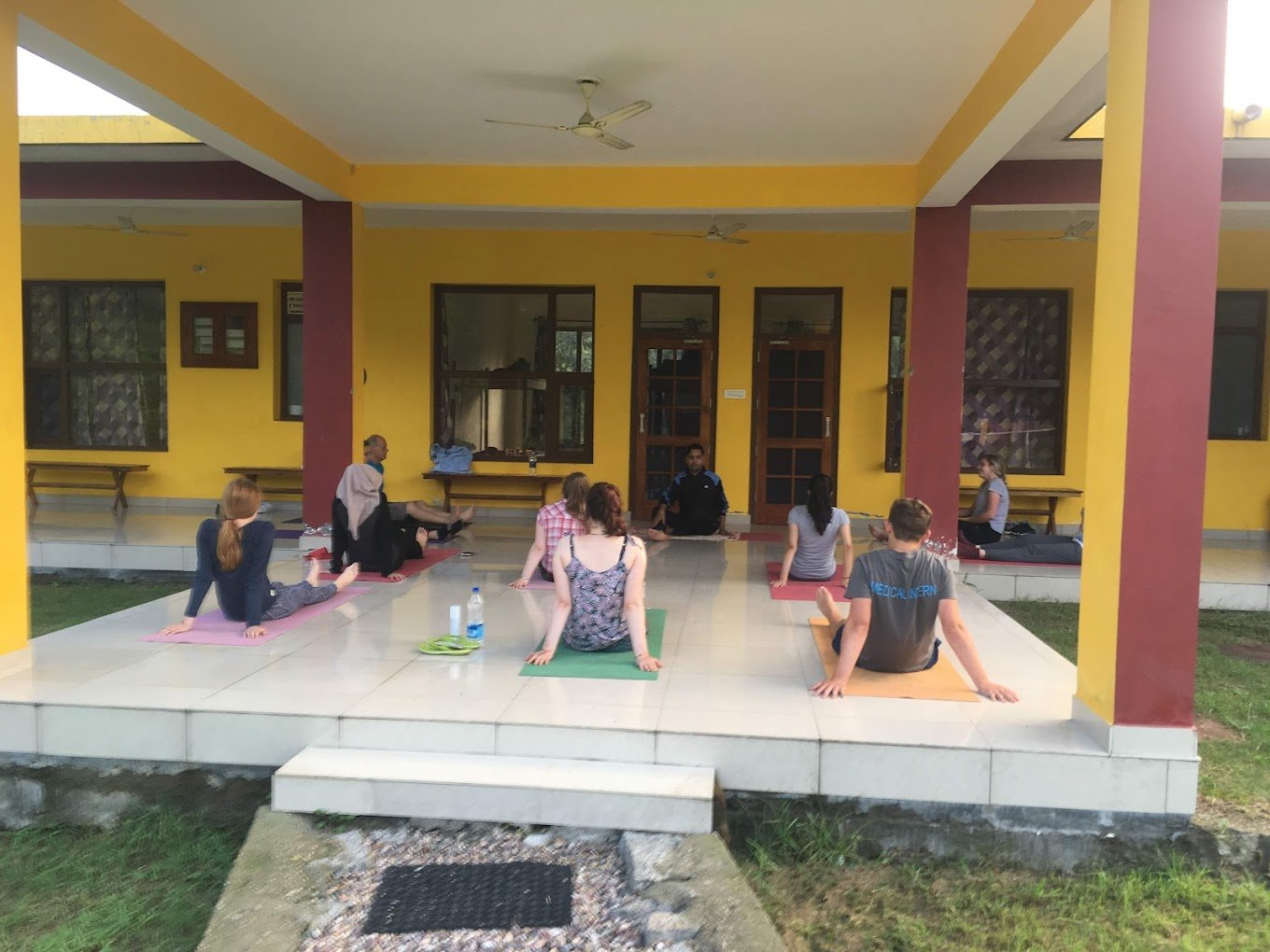
Beyond nutrition, we integrate holistic services to calm the nervous system and ease physical discomfort. Gentle yoga, pranayama, meditation, and guided walks through the Kangra valley complement clinical care by addressing the physical stress that accompanies withdrawal.
How Does Treatment Address the Risks of Chitta Withdrawal and Co-Occurring Disorders?
At Vaishalya Wellness, treatment addresses these risks by providing integrated dual diagnosis care for mental health conditions and comprehensive aftercare planning to manage the effects of chitta withdrawal. We develop a personalised plan to support stability as the body and mind adjust, focusing on building skills and providing resources for long-term healing.
Support for Co-Occurring Mental Health Conditions
Co-occurring conditions like depression, anxiety, and PTSD are common with chitta use, as the substance is often used to cope with emotional pain, trauma, or domestic violence. We screen for these conditions from the start of care to ensure they are not overlooked during recovery. Addressing these underlying issues is a critical part of preventing relapse and building a foundation for a meaningful life.
Our approach to dual diagnosis is compassionate and trauma-informed, recognising the connection between addiction and underlying pain. With a small resident census and a women-only setting, our clinicians provide the personalised attention needed to feel safe and understood.
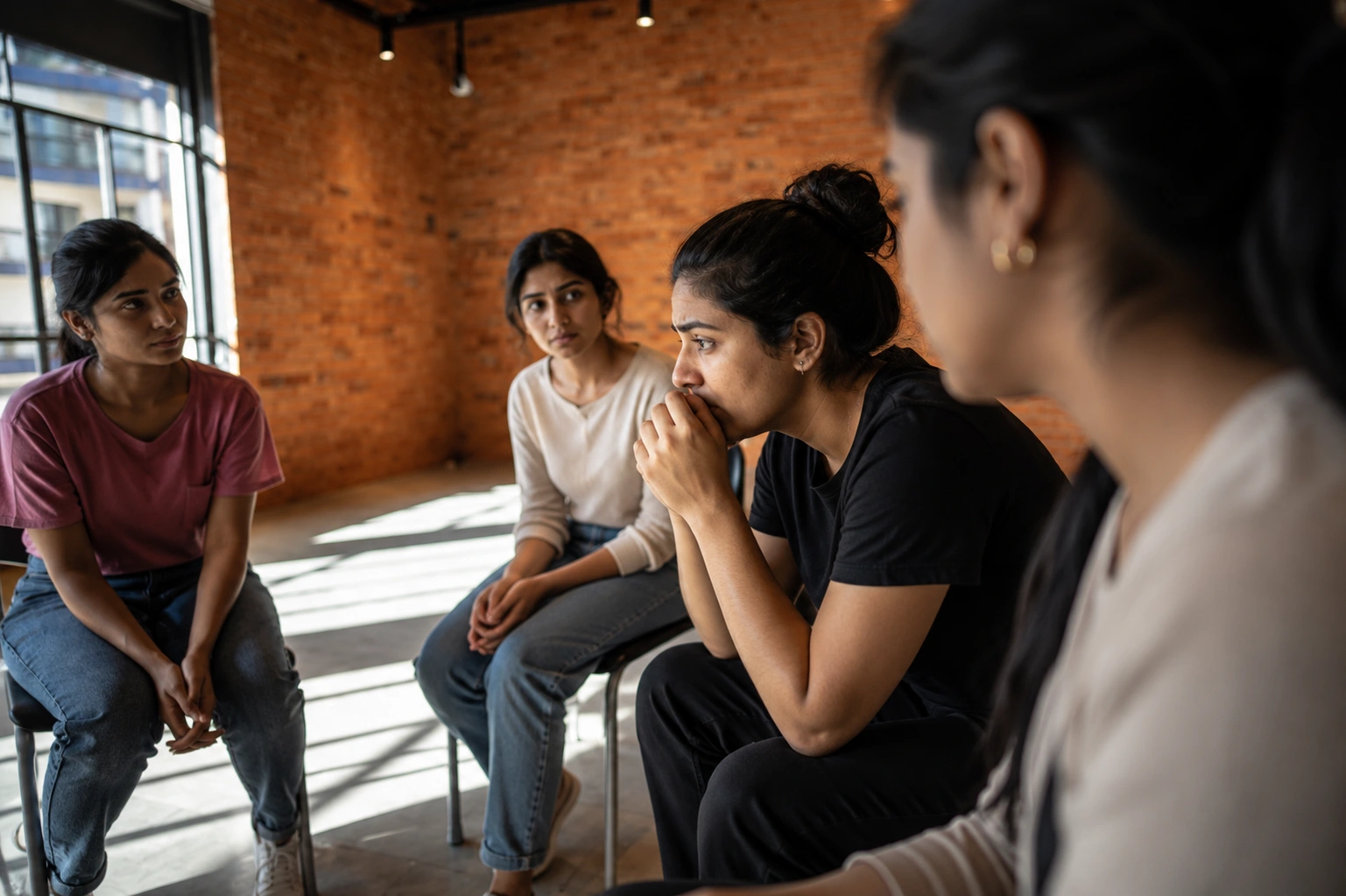
Integrated Care for Substance Use and Mental Health
Our multidisciplinary team provides integrated treatment, addressing substance use and mental health needs simultaneously. Your tailored plan will include evidence-based modalities like Cognitive Behavioural Therapy (CBT), Dialectical Behaviour Therapy (DBT), and trauma-focused work. These therapies are delivered through individual sessions, process groups, and family therapy when appropriate.
This coordinated care ensures treatment is cohesive, helping you explore the drivers behind chitta use while building new coping strategies. Medical programming is integrated with holistic services such as yoga, meditation, and art therapy, to support wellbeing and provide a healing experience that addresses you as a whole person.
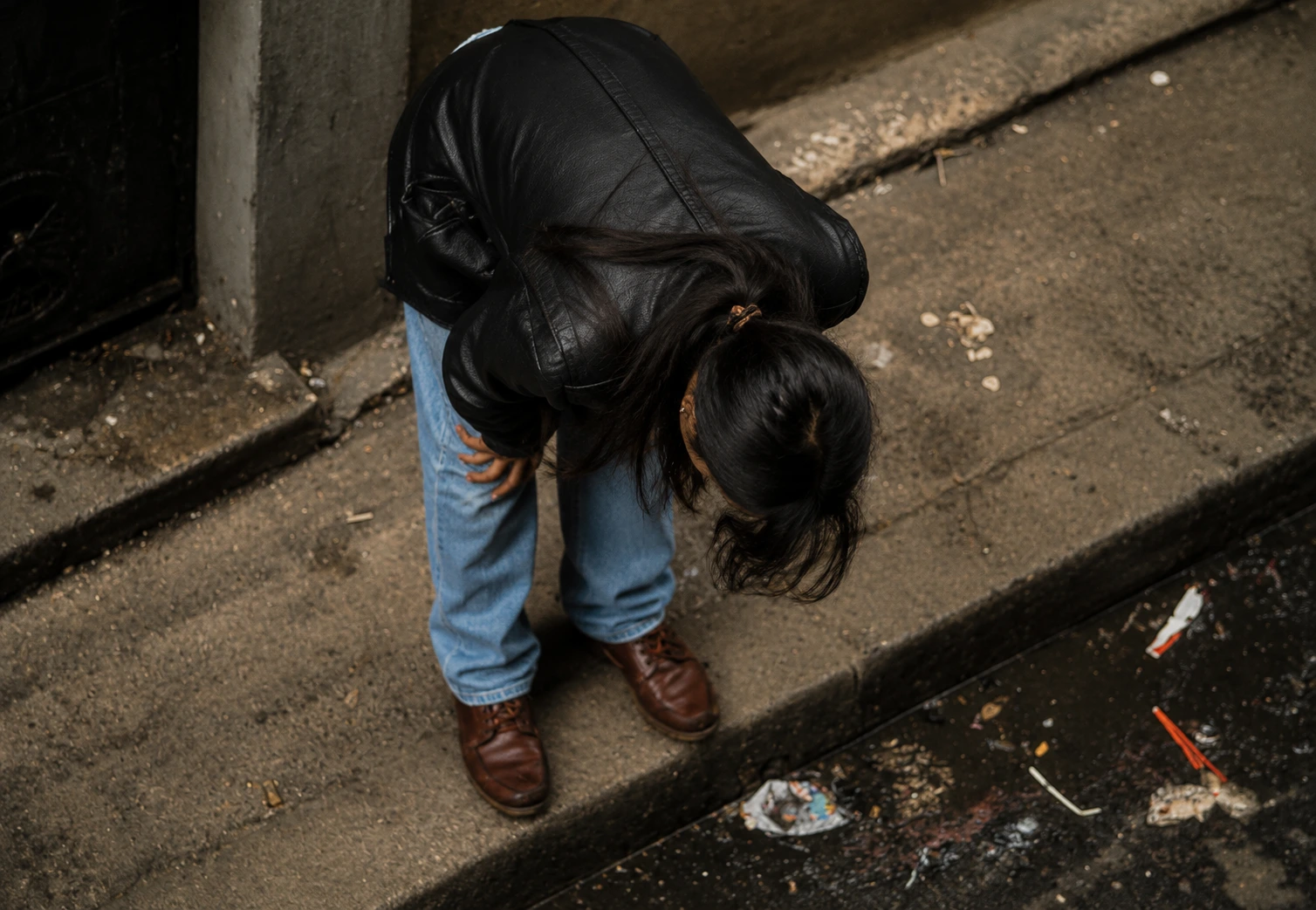
Managing Overdose Risk After Detox
A significant risk after detox is lowered tolerance to opioids, which means returning to previous levels of chitta use can be life-threatening. We educate residents and their families on the warning signs of an overdose and the critical importance of safety during this vulnerable period. Understanding these risks is a key component of relapse prevention and aftercare planning.
As part of comprehensive discharge planning, our team provides education on harm reduction. This includes guidance on naloxone, a medication that can reverse an opioid overdose, so that you and your family are prepared. That readiness provides a crucial layer of safety and peace of mind during the transition from residential care back home.
Levels of Care After Chitta Detox at Vaishalya Wellness
After detox, many women need more than symptom relief to reduce the risk of withdrawal and overdose and to address the patterns that keep chitta use going. Residential treatment provides a structured setting with daily medical support to help stabilise addiction symptoms, build coping skills, and work through the long-term effects of chitta.
As stability returns, a structured day programme can provide ongoing therapy and accountability while you return to family, study, or work and the real-world triggers that can lead back to chitta use.
Furthermore, a sober, recovery-focused living environment can help when home is not yet supportive, helping you maintain routines and reduce exposure to people or places tied to chitta, even after cravings and common withdrawal symptoms have eased.

Why Consider Vaishalya Wellness for Chitta Addiction Treatment
Registration, Oversight, and External Verification
When someone is struggling with chitta addiction, the situation can escalate quickly from withdrawal and overdose risk to longer-term harm tied to opioid use disorder, so the credibility and oversight behind a programme matter.
Vaishalya Wellness operates under Asha Bhupender Trust with Registration No: 2025/238/4/186. Clinical protocols are supervised by Dr. Nitin Sharma, and our detox and treatment pathways follow accepted opioid dependence guidelines rather than informal practice.
We are a dedicated women-only facility. Every part of the campus, from staffing to daily routine, is designed so that women can recover without the safety concerns that come with mixed-gender settings.
A Multidisciplinary Team Built for Complex Needs
Chitta addiction can affect both the body and mental health, and withdrawal can raise relapse risk, especially when symptoms disrupt sleep, mood, and decision-making.
Our team includes a medical director, clinical psychologist, counsellors, nursing staff, a yoga and wellness instructor, and a nutritionist, supported by programme leadership and alumni. This mix helps coordinate care across detox, mental health needs, and the transition into ongoing treatment so residents are not managing the process alone.
Therapy and Clinical Services That Support Recovery and Relapse Prevention
Our clinical services are structured to address the causes and risk factors that can keep someone dependent on chitta, while also supporting stabilisation after detox so residents stay engaged through treatment and reduce the likelihood of returning to use.
Individual therapy: One-to-one sessions 1 to 2 times per week with a dedicated counsellor to address the drivers of chitta use and build practical coping skills.
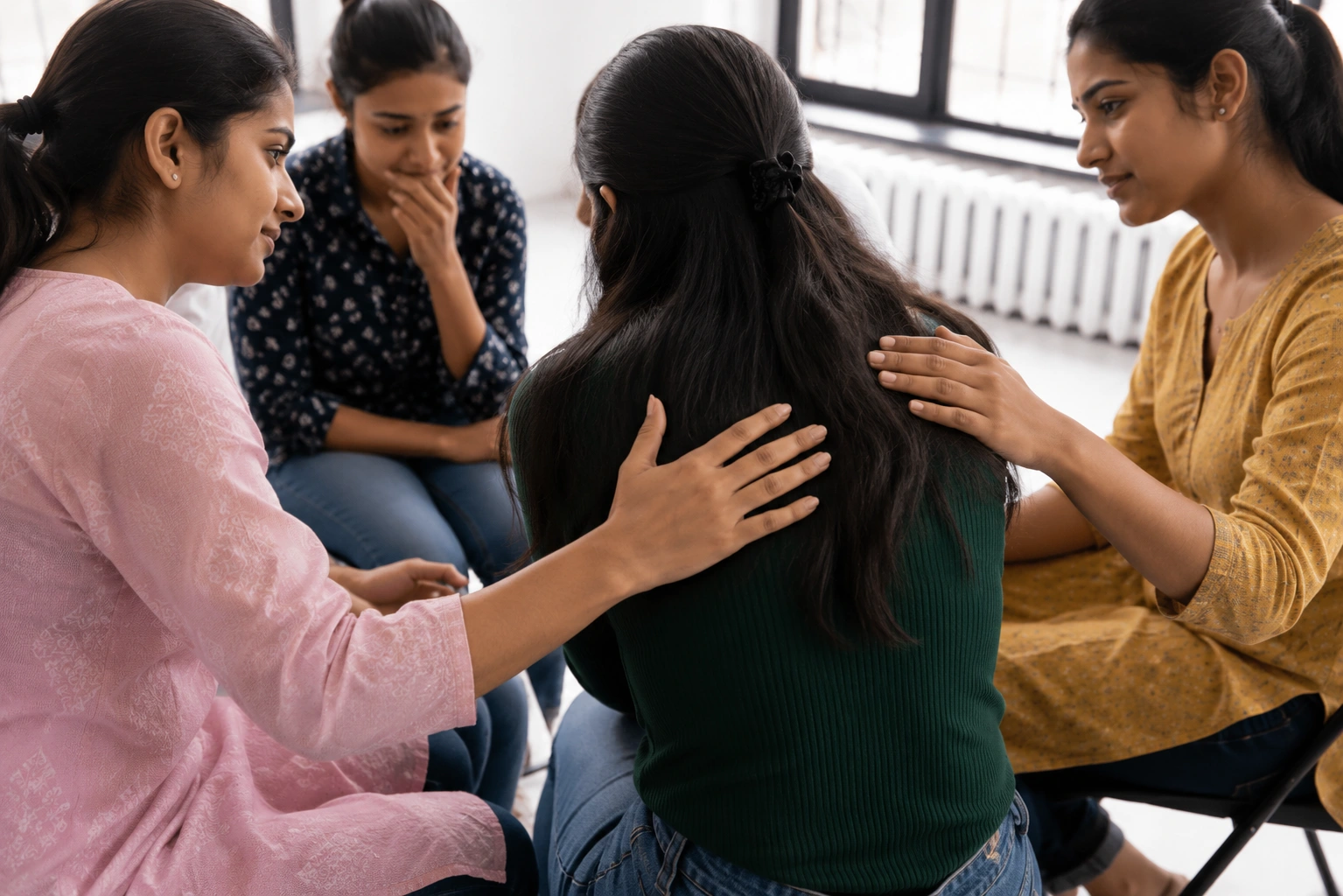
Group therapy: Facilitated sessions that reduce isolation, reinforce recovery skills, and help residents process the effects of chitta addiction with peer support.
Process groups: Structured therapeutic groups that focus on patterns behind substance use, emotional regulation, and relapse risk during early recovery.
Family therapy: Available when clinically appropriate to help families respond to the signs of chitta use, rebuild trust, and support long-term recovery planning.
Chitta Addiction Treatment Costs and Payment
To provide clarity, our admissions team offers a confidential, no-obligation discussion of programme fees before you commit to anything. We are committed to helping families understand exactly what is included for medically necessary detox and residential treatment.
The total cost of care depends on factors such as the recommended level of care, length of stay, and the specific medical services provided. We walk you through every potential out-of-pocket cost so there are no surprises, and we can discuss instalment options for families who need them. We believe financial transparency is an essential part of feeling supported in the decision to seek help.
Call 82194 74936 or 70181 48449 to speak with admissions.
We Can Help You Overcome Chitta Use at Vaishalya Wellness
You have made it this far, and that takes real courage. If you are recognising chitta addict signs in yourself or someone you care about, know that help is available and healing is possible. At Vaishalya Wellness we offer a safe, compassionate, women-only space where you are seen not as a diagnosis, but as a person deserving of dignity, support, and a fresh start.
Whether you are unsure where to begin or ready to take the next step, reaching out is a powerful act of hope. You do not have to face this alone. There is a community waiting to support you every step of the way.
Frequently Asked Questions
Common signs include pinpoint pupils, nodding off mid-conversation, sudden weight loss, constant cold-like symptoms, and burn marks on foil, spoons, or fingers. Behavioural signs are often clearer: money and jewellery going missing, new secretive friendships, long unexplained absences, and sharp irritability that settles suddenly after she has been alone. No single sign confirms use, but a repeating pattern is worth an assessment.
Chitta withdrawal symptoms include muscle and bone aches, chills, sweating, nausea and vomiting, diarrhoea, a running nose, yawning, sleep difficulties, intense cravings, and mood changes such as anxiety or irritability. These symptoms can be challenging, but professional support manages them effectively and safely.
Symptoms usually begin 6 to 12 hours after the last dose, peak between days three and five, and the acute phase settles over 7 to 10 days. Some women then experience post-acute symptoms such as low mood, disturbed sleep, and intermittent cravings for several weeks or months. Duration varies with how long chitta has been used, quantity, and overall health.
For chitta dependence we strongly recommend it. Medical detox manages pain, dehydration, and sleep loss safely, and it substantially reduces the risk of relapse and post-detox overdose. Withdrawal during pregnancy, or alongside other substances or a mental health condition, always requires medical supervision.
It is rarely successful and carries real risk. Peak symptoms are difficult to tolerate without medication, dehydration can become dangerous, and cravings usually lead back to use within the first few days. The biggest danger is reduced tolerance after a partial detox, which makes overdose more likely. A supervised setting removes that gap.
Yes. We screen every resident for depression, anxiety, PTSD, and trauma history at intake, and treat these alongside chitta dependence rather than afterwards. Integrated dual diagnosis care is delivered through individual therapy, process groups, and psychiatric review where needed.
Yes. Vaishalya Wellness is a dedicated women's rehabilitation centre operating under Asha Bhupender Trust, Registration No. 2025/238/4/186, located at Mohal, Gugga Saloh Road, Sullah, Tehsil Palampur, Himachal Pradesh 176102. Admissions, staffing, and daily programming are all structured for women's safety and privacy.
Reach Vaishalya Wellness
Confidential enquiries, seven days a week. Speak to our admissions team about chitta detox, residential care, or simply what you have been noticing at home.
Vaishalya Wellness · A unit of Asha Bhupender Trust · Registration No: 2025/238/4/186
Medical content reviewed by Dr. Nitin Sharma. This page is for information only and is not a substitute for a clinical assessment.

About Vaishalya Wellness
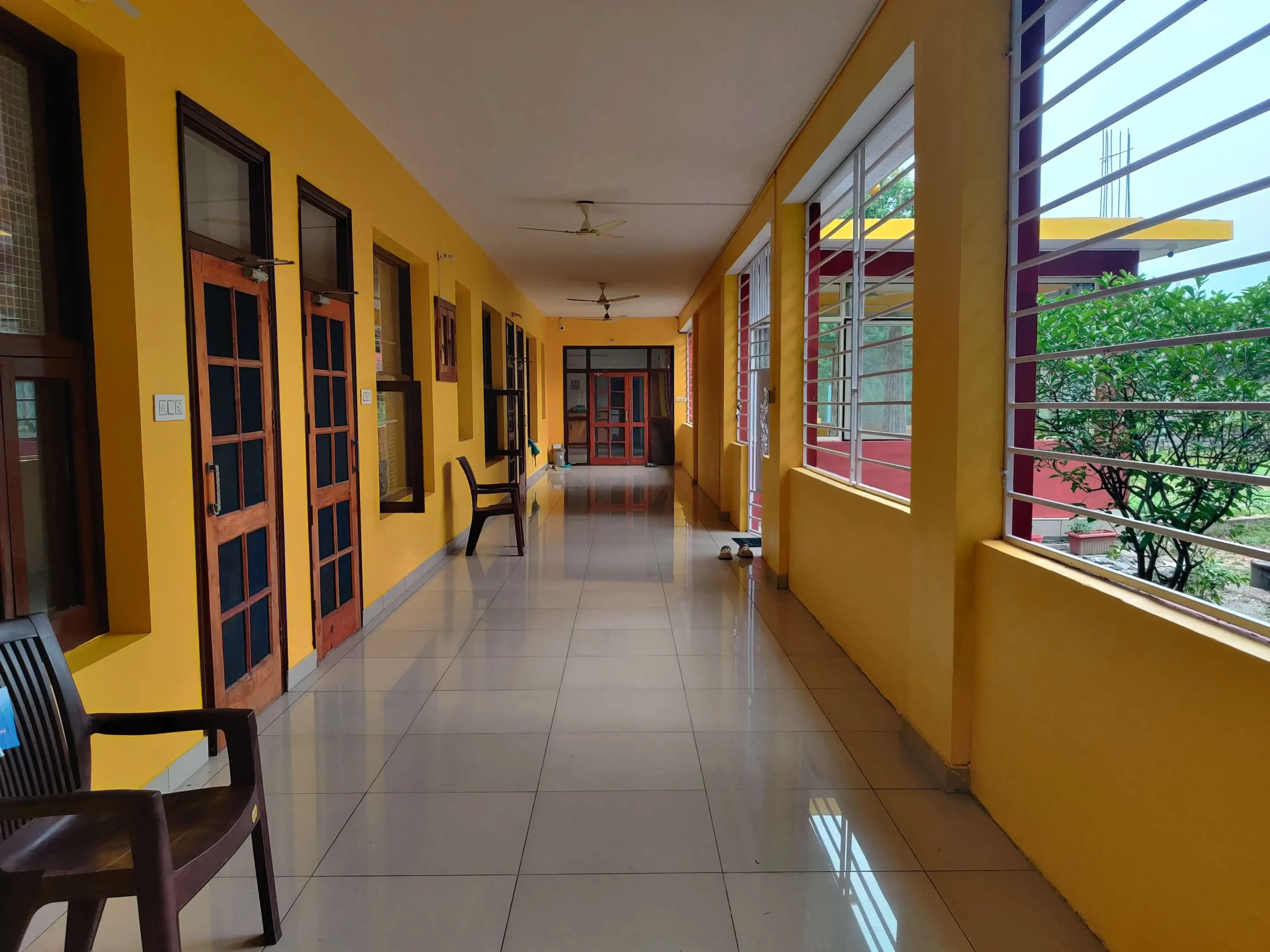
Set in the quiet foothills of the Dhauladhar range in Palampur, Vaishalya Wellness is a women only rehabilitation and recovery centre. We offer a safe, private and dignified space for women seeking professional help with addiction, trauma and mental health, guided by clinical care and genuine compassion.
A women only residential facility in Himachal Pradesh.
Registration No: 2025/238/4/186
What We Treat
Additional Info
Contact
Call us +91 82194 74936 +91 70181 48449
Mohal, Gugga Saloh Rd,Tehsil Sullah, Palampur,
Himachal Pradesh 176102 Get directions
© 2026 Vaishalya Wellness. All rights reserved.
Privacy Policy