



- Resources
- Volunteer
- Internship
- Our approach
- FAQ
Bipolar Disorder Treatment
for Women in Himachal Pradesh
A women-only residential mental health and wellness centre in Palampur, offering structured, evidence-based care for bipolar I, bipolar II and cyclothymic disorder, through mood episodes, stabilisation and long-term relapse prevention.
Bipolar disorder is rarely understood correctly the first time. It is often mistaken for depression alone, for a personality trait, or simply for "moodiness", while the highs, the crashes and the exhausting in-between are quietly reshaping a woman's work, relationships and sense of self.
At Vaishalya Wellness, a women-only residential centre run under the Asha Bhupender Charitable Trust, we treat bipolar disorder as the serious, treatable neuropsychiatric condition it is, not a character flaw, and not something to simply wait out.
Quick AnswerOverview: Bipolar Disorder Treatment in Himachal Pradesh
Bipolar disorder is a chronic mood disorder marked by episodes of mania or hypomania (elevated, expansive or irritable mood with high energy) alternating with episodes of depression. It is classified under ICD-11 as Bipolar Type I (6A60), Bipolar Type II (6A61) or Cyclothymic Disorder (6A62), and in DSM-5-TR under the bipolar and related disorders category.
Effective treatment combines pharmacological management, mood stabilisers such as lithium, anticonvulsants or atypical antipsychotics, prescribed and monitored by a psychiatrist, with structured psychological care: psychoeducation, cognitive behavioural therapy, interpersonal and social rhythm therapy, and family-focused work.
A manic episode lasts at least 7 days (or any duration requiring hospitalisation); hypomania lasts at least 4 days; a depressive episode typically persists 2 weeks or longer. Between episodes, many women reach periods of stability, euthymia, which sustained treatment is designed to protect and extend.
Vaishalya Wellness provides this care in a women-only residential setting at Mohal, Gugga Saloh Road, Sullah, Palampur, with flexible stays, psychiatric coordination, one-to-one counselling, group work, yoga and structured daily routine.
If you have been treated only for depression and it has never fully held, or medication has ever seemed to trigger a period of unusual energy, elation or irritability, it is worth being assessed specifically for bipolar disorder. Misdiagnosis as unipolar depression is common and can delay the right treatment for years.
Contact Us
Living with bipolar disorder often means living with unpredictability, not knowing whether the next weeks will bring a surge of energy and ideas, a depressive collapse, or, if you are fortunate, steady ground. At Vaishalya Wellness, our approach is built around restoring that ground and helping you stay on it.
We understand that a woman's experience of bipolar disorder in Himachal Pradesh is rarely straightforward. It may have been misdiagnosed for years as depression, anxiety or "stress". It may be entangled with marriage, caregiving, pregnancy or menopause. It may carry a stigma that makes even naming the diagnosis feel dangerous.
Under the clinical guidance of counselling psychologist Leena Mehta, Chairperson of the Asha Bhupender Charitable Trust, and in coordination with consulting psychiatrists for medication management, we combine evidence-based psychological therapy with structured routine, nature-based recovery and genuine privacy.
What Is Bipolar Disorder?
Bipolar disorder is a chronic, relapsing mood disorder characterised by episodes of mania or hypomania, episodes of depression, and, in many women, periods of relative stability between them. It is a disorder of mood regulation, not simply a disorder of low mood.
Clinicians distinguish three principal forms. Bipolar I disorder involves at least one full manic episode, often but not always accompanied by depressive episodes. Bipolar II disorder involves at least one hypomanic episode and at least one major depressive episode, without full mania. Cyclothymic disorder involves numerous periods of hypomanic and depressive symptoms that do not meet full criteria for either, persisting for two years or more.
Bipolar II is frequently underdiagnosed in women because hypomania rarely feels like a problem at the time, it can feel like unusual productivity, confidence or sociability, and is often remembered only in hindsight, once the depressive episode that follows has already taken hold.
Recognising the Two Poles
Bipolar disorder is defined by mood episodes, not by mood alone. Clinicians look for a distinct change from a woman's usual functioning, sustained over days to weeks, across three symptom clusters.
A useful clinical marker is a clear, sustained shift from your usual self, noticed by you or by people close to you, that affects sleep, judgement or functioning for days at a time, in either direction.

Risk Factors for Developing Bipolar Disorder
Bipolar disorder is strongly heritable. Having a first-degree relative, a parent or sibling, with bipolar disorder substantially raises lifetime risk compared with the general population, and family history is one of the single strongest predictors clinicians look for.
Onset typically occurs in late adolescence or early adulthood, though it can present earlier or later. Disrupted sleep, major life stress, substance use and significant hormonal shifts, puberty, pregnancy, the postpartum period and perimenopause, can each trigger or worsen episodes.
For women in rural and semi-rural Himachal Pradesh, additional factors often compound the picture: limited access to a psychiatrist for accurate diagnosis, strong stigma around mental illness, pressure to hide symptoms from in-laws or a spouse, and a tendency for early manic or hypomanic symptoms to be dismissed as "stress" or "just her nature" rather than assessed.
The postpartum period deserves particular attention: women with bipolar disorder face a markedly elevated risk of a manic, mixed or psychotic episode in the weeks after childbirth, and a first manic episode can itself appear for the first time postpartum.
Assessment at Vaishalya Wellness includes a structured clinical interview, a detailed mood and episode history, screening for co-occurring anxiety, substance use or trauma, and coordination with a consulting psychiatrist for formal diagnosis and medication planning where indicated.
The Course of Bipolar Disorder
Bipolar disorder does not move in a straight line, and no two women's course of illness looks identical. Understanding the general pattern, and knowing that stability is a realistic, sustainable goal, is central to staying engaged with treatment.

Prodrome
Subtle shifts often appear before a full episode: sleeping less without tiredness, racing or slowing thoughts, withdrawal or unusual sociability. Learning to recognise your own personal warning signs is one of the most protective skills in treatment.
Mania, Hypomania or Depression
A distinct episode emerges, elevated or irritable mood with reduced need for sleep and impulsivity, or a depressive episode with low energy, hopelessness and withdrawal. This is when medication review and close clinical support matter most.
Bringing the Episode Down
With medication adjustment, sleep regulation, a low-stimulation environment and structured routine, acute symptoms gradually settle. This phase is closely monitored, since abrupt changes in medication or routine can prolong instability.
Stable Mood
A period of stable, "usual" mood between episodes. This is not the end of treatment, it is the stage where maintenance medication, therapy and routine do the quiet work of preventing the next episode.
Relapse Prevention
Because bipolar disorder is a lifelong, relapsing condition, long-term maintenance treatment, consistent sleep, and a rehearsed action plan for early warning signs are what protect stability over years, not just through the current episode.
Common Symptoms We Help Manage
How Bipolar Disorder Affects Women Specifically
Bipolar disorder affects women and men in roughly equal numbers overall, but its course, triggers and misdiagnosis pattern differ meaningfully by sex. These differences shape how we assess and treat it.
Postpartum Risk
Women with bipolar disorder face a substantially elevated risk of a manic, mixed or psychotic episode in the weeks after childbirth. Pre-conception planning and close postpartum monitoring meaningfully reduce this risk.
Hormonal Cycling
The menstrual cycle, pregnancy and perimenopause can all influence mood stability. Some women notice a clear pattern between hormonal shifts and the onset of episodes, which is worth tracking and discussing with your treatment team.
Higher Rates of Depressive & Mixed Episodes
Women with bipolar disorder tend to spend more time in depressive and mixed states, and experience rapid cycling more often than men, patterns that require careful, individualised medication planning.
Misdiagnosis as Depression
Because hypomania often goes unreported, many women are treated for unipolar depression for years before bipolar disorder is recognised, and antidepressants given without a mood stabiliser can sometimes trigger or worsen manic symptoms.
Thyroid & Metabolic Links
Thyroid dysfunction is more common in women with bipolar disorder and can itself mimic or worsen mood symptoms, which is why thyroid screening is part of a thorough assessment.
Co-Occurring Anxiety
Anxiety disorders are common alongside bipolar disorder and, if untreated, can complicate mood stabilisation and increase the intensity of both manic and depressive symptoms.
Relational & Occupational Impact
Untreated episodes can strain marriages, caregiving responsibilities and work. Around two in three adults with current bipolar disorder in India report meaningful disability at work or socially, a burden that consistent treatment substantially reduces.
Stigma & Isolation
The word "bipolar" carries particular stigma in many Indian households, which can delay diagnosis, discourage medication adherence and isolate women exactly when consistent support matters most.
When Should I Seek Professional Help?
Bipolar disorder does not require a hospitalisation to justify seeking care. In fact, the earlier an accurate diagnosis is made, the more manageable the illness tends to be over a lifetime.
Professional assessment is warranted if you have experienced distinct periods of unusually elevated, irritable or high-energy mood lasting days, alongside reduced need for sleep or impulsive decisions; if you have been treated for depression that has never fully responded; if antidepressant treatment has ever seemed to trigger unusual energy or agitation; or if you experience recurring, cyclical mood episodes.
Seek help urgently if there are thoughts of self-harm or suicide, signs of psychosis such as unusual beliefs or hearing things others do not, or a new or worsening mood episode in the weeks after childbirth.
For families: watch for sudden shifts in sleep, spending or judgement, uncharacteristic risk-taking, withdrawal and hopelessness, and any talk of self-harm. These deserve a direct, calm conversation and professional assessment, not a wait-and-see approach.
Evidence-Based Treatment Options for Bipolar Disorder
The strongest outcomes come from combining psychiatric medication management with structured psychological therapy and routine. Neither works as well alone. At Vaishalya Wellness we build a layered plan around your diagnosis, episode history and personal circumstances.
Psychiatric Medication Management
Mood stabilisers such as lithium, anticonvulsants (for example valproate or lamotrigine) or atypical antipsychotics form the foundation of treatment. These are always prescribed and monitored by a consulting psychiatrist, with regular review of dose, side effects and blood levels where relevant.
Psychoeducation
Understanding your own diagnosis, personal warning signs, medication rationale and the role of sleep and routine is one of the most protective interventions in bipolar care, and forms the backbone of every treatment plan we build.
Cognitive Behavioural Therapy
CBT helps identify and challenge the distorted thinking that accompanies both depressive and manic states, and builds concrete coping strategies for early warning signs before they become full episodes.
Interpersonal & Social Rhythm Therapy
IPSRT stabilises the daily rhythms, sleep, waking, meals and activity, that directly influence mood in bipolar disorder, and addresses the interpersonal stresses that often accompany episode onset.
Family-Focused Therapy
Where the client consents, structured family sessions build communication skills, reduce relapse-triggering conflict, and help relatives distinguish illness symptoms from character, a distinction that changes how households respond.
Women-Only Group Therapy
Process groups reduce the isolation and stigma many women feel around a bipolar diagnosis, offer shared coping strategies, and build accountability for the daily habits that protect stability.
Sleep & Routine Regulation
A fixed daily schedule for waking, meals, activity and sleep is one of the most evidence-backed non-pharmacological tools for preventing relapse, and is built into the structure of every day at Vaishalya Wellness.
Relapse-Prevention Planning
A written, rehearsed plan mapping your personal early warning signs, high-risk periods, coping responses and exact people to contact, built before discharge, with your family involved where appropriate.
A note on medication. All psychiatric medication at Vaishalya Wellness is prescribed and monitored by a qualified consulting psychiatrist. We do not adjust or withdraw mood-stabilising medication without medical supervision, and we coordinate directly with your existing psychiatrist wherever one is already involved in your care.
What Levels of Care Are Available?
Bipolar disorder needs treatment matched to where you currently are, stable and needing maintenance support, mid-episode and needing intensive stabilisation, or newly diagnosed and needing a clear starting plan. Vaishalya Wellness offers a stepped continuum across all three.
Outpatient Counselling & Maintenance Support
For women who are diagnosed and relatively stable, but need regular psychological support, medication-adherence coaching and relapse-prevention planning alongside their psychiatrist. Weekly or biweekly sessions in person in Palampur or online across Himachal Pradesh.
We coordinate closely with your prescribing psychiatrist; we do not replace psychiatric medication management.
Residential Wellness Stay (Women Only)
Our core offering for women navigating a difficult episode, a new diagnosis, or a home environment that makes stabilisation unrealistic, where stress, conflict or lack of privacy consistently undermine routine and sleep.
Stays are flexible: 15 days, one month, or longer. The day is structured around consistent sleep and wake times, individual counselling, guided group work, yoga and mindfulness, nature-based activity and calm, low-stimulation surroundings. Medication is coordinated with a consulting psychiatrist throughout.
This is not a psychiatric hospital and does not provide acute crisis or emergency psychiatric care. It is a structured, affordable residential space for stabilisation and skill-building once acute risk has been medically assessed.
Dual-Diagnosis Care for Co-Occurring Conditions
Bipolar disorder frequently coexists with anxiety disorders, substance use, thyroid dysfunction or trauma-related conditions. Treating the mood disorder alone while ignoring these reliably undermines stability.
Where a co-occurring condition is present, we assess and address both concurrently, coordinating with psychiatric and medical services where required, including for any necessary substance detoxification.
Step-Down & Continuing Care
After a residential stay, intensity reduces gradually rather than stopping abruptly. Continuing care includes scheduled follow-up sessions, WhatsApp check-in support, mood tracking and a rehearsed relapse-prevention plan shared, with consent, with a trusted family member.
The months immediately after an episode are a known higher-risk window. This phase is designed specifically to protect stability through it.
Community & Subsidised Access
Through the Asha Bhupender Charitable Trust (Reg. No. 2025/238/4/186), free and subsidised counselling is available to women from underserved communities in Himachal Pradesh who cannot afford private mental health care.
If cost is the barrier, tell us. A bipolar diagnosis should not go unmanaged because of it.
What Is the Admissions and Assessment Process?
The process begins with a confidential phone call to +91 82194 74936 or +91 70181 48449. This first conversation runs both ways, you ask what you need to ask, and we gather enough to judge whether residential care, outpatient support, or urgent psychiatric referral is the right fit.
A brief pre-admission screen is conducted over the phone, including a direct check for current safety risk. Where acute crisis, active psychosis or immediate risk to life is present, we will guide you toward emergency psychiatric care first, rather than admission to us.
On arrival, you undergo a full assessment with our counselling team, coordinated with a consulting psychiatrist: mood and episode history, current medication, previous diagnoses and treatment attempts, family history, and your own goals for care. Nobody is asked to justify herself.
Fees, stay length and what to bring are confirmed in writing before you travel. There are no undisclosed charges.

How Is a Personalised Treatment Plan Created?
Following assessment, your primary counsellor builds an individual plan under the clinical supervision of Leena Mehta, Counselling Psychologist and Chairperson of the Asha Bhupender Charitable Trust, in coordination with a consulting psychiatrist for medication decisions.
The plan documents your diagnosis type, bipolar I, bipolar II or cyclothymic disorder, your personal early warning signs for both poles, current medication and monitoring needs, and schedules individual sessions, group work, IPSRT-based routine building and wellness activity across the stay.
It is a working document, reviewed continuously and adjusted as your response becomes clear. A plan that ignores what is actually happening this week is not a plan.
Crucially, it integrates your goals. For one woman that is returning to work with confidence. For another it is planning a pregnancy safely. For another it is simply learning to trust her own mood again. All three are clinically valid starting points.
How Does a Women-Only Setting Protect Privacy?
In Himachal Pradesh, a bipolar diagnosis carries a social cost that can shape a woman's marriage prospects, standing in the household and professional reputation. Privacy is not a comfort feature here, it is often the reason a woman is able to seek accurate diagnosis and consistent treatment at all.
Vaishalya Wellness is a women-only residential space, deliberately located away from the noise and visibility of town. Admissions are confidential. Client identity is never disclosed, and no client is photographed or named in any of our material without explicit written consent.
Our staff are trained in professional confidentiality and ethical practice. What is said in a session stays in that session, subject only to the standard limits any responsible clinician would apply where there is risk to life.
The environment is small, quiet and low-stimulation, fresh air, hill surroundings, structured routine, and space to stabilise without being watched or judged.

How Are Families Involved in Recovery?
Bipolar disorder affects a household, not just an individual. Relatives often see the earliest warning signs of an episode before the person experiencing it does, which makes family involvement one of the most protective factors in long-term stability.
Where the client consents and the treatment team judges it appropriate, we offer facilitated family sessions. These build a shared, accurate understanding of the diagnosis, agree on a practical response plan for early warning signs, and reduce the criticism, surveillance or fear-driven conflict that can itself trigger relapse.
We also provide psychoeducation to relatives: why irritability or withdrawal is a symptom rather than a choice, why medication adherence matters even when a woman feels well, why "she seems fine now" is not the same as stable, and what genuinely useful support looks like day to day.
Family sessions are always at the client's discretion. No relative is given access to session content without her consent.
Where Recovery Happens
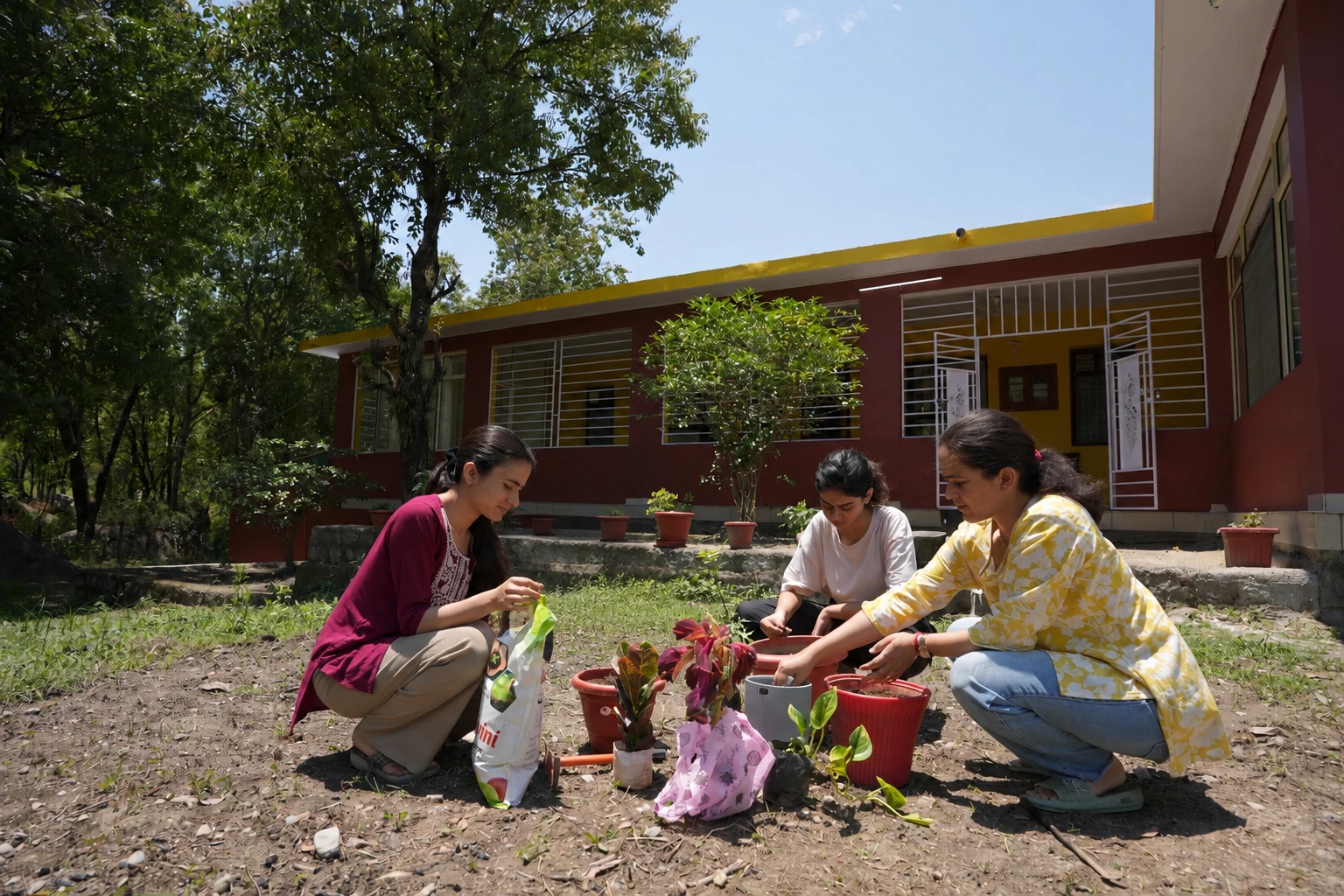
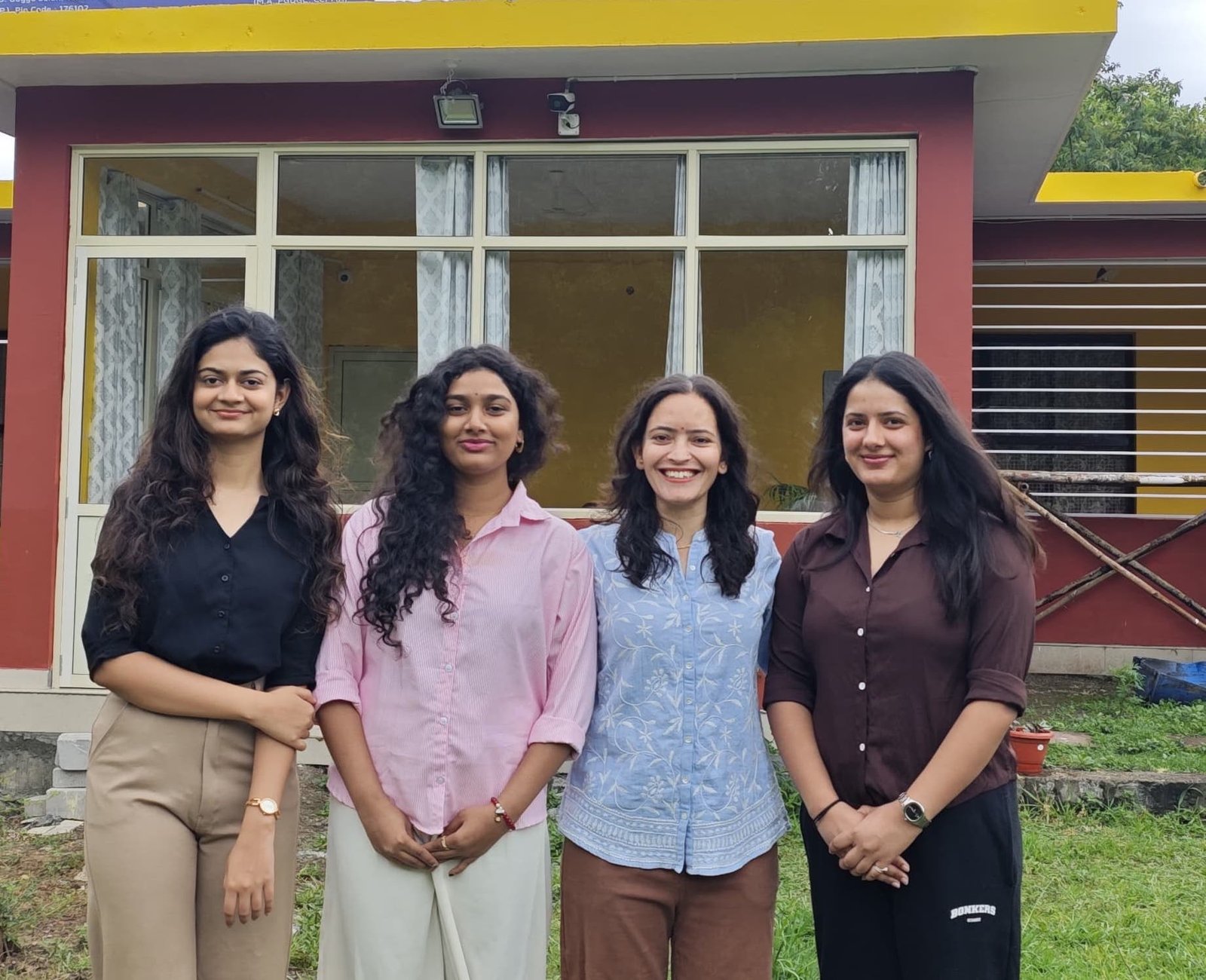
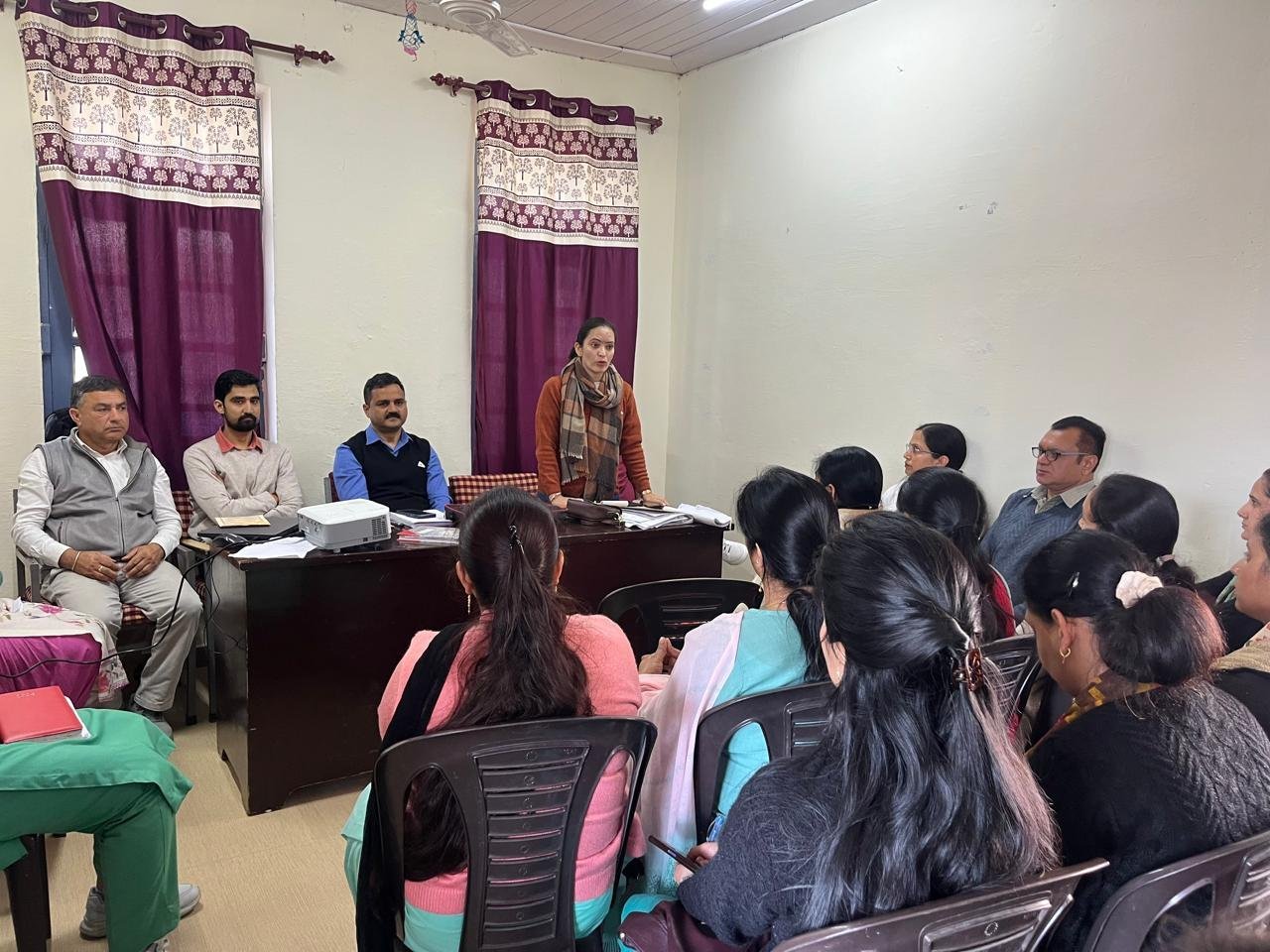
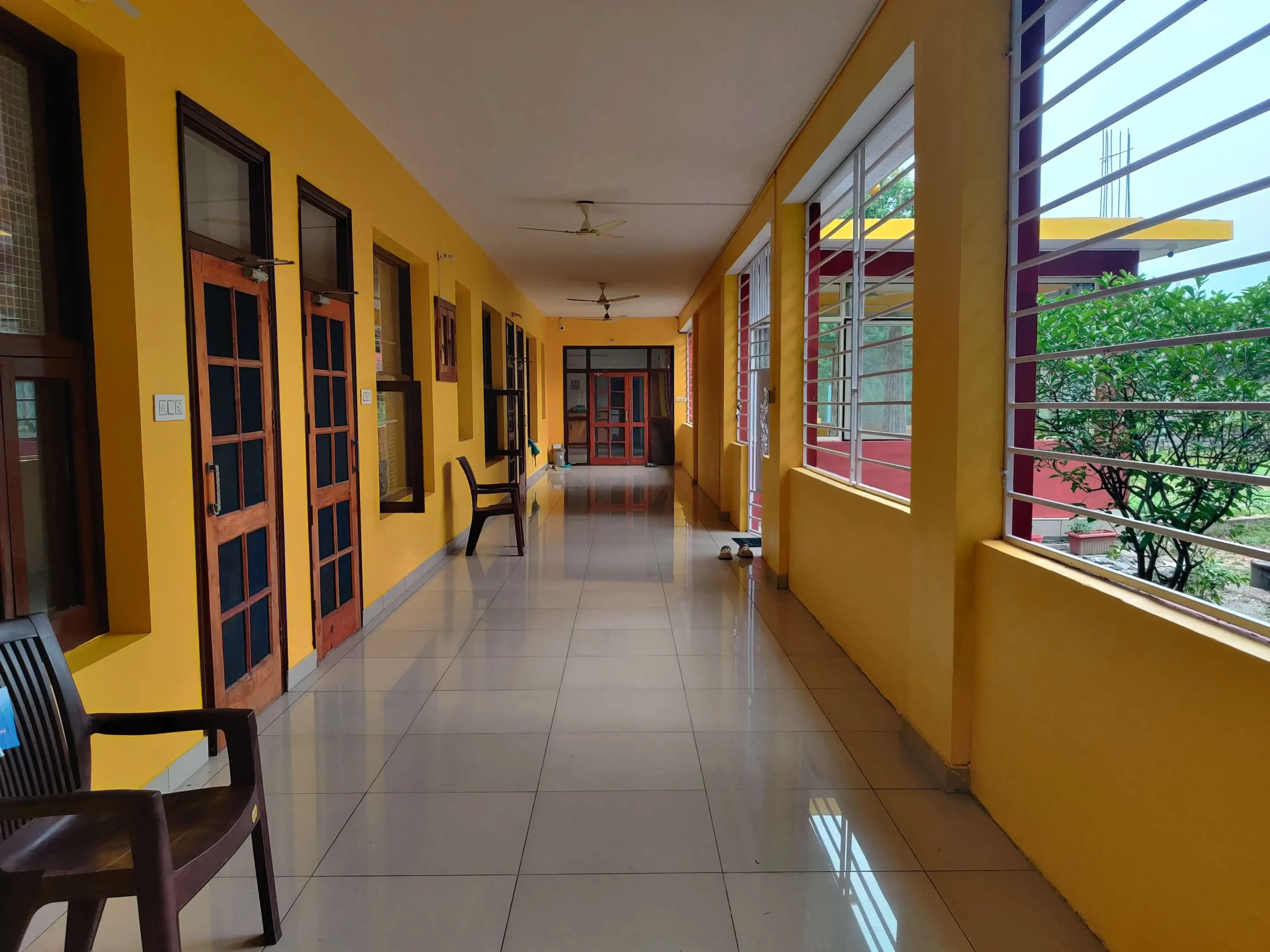
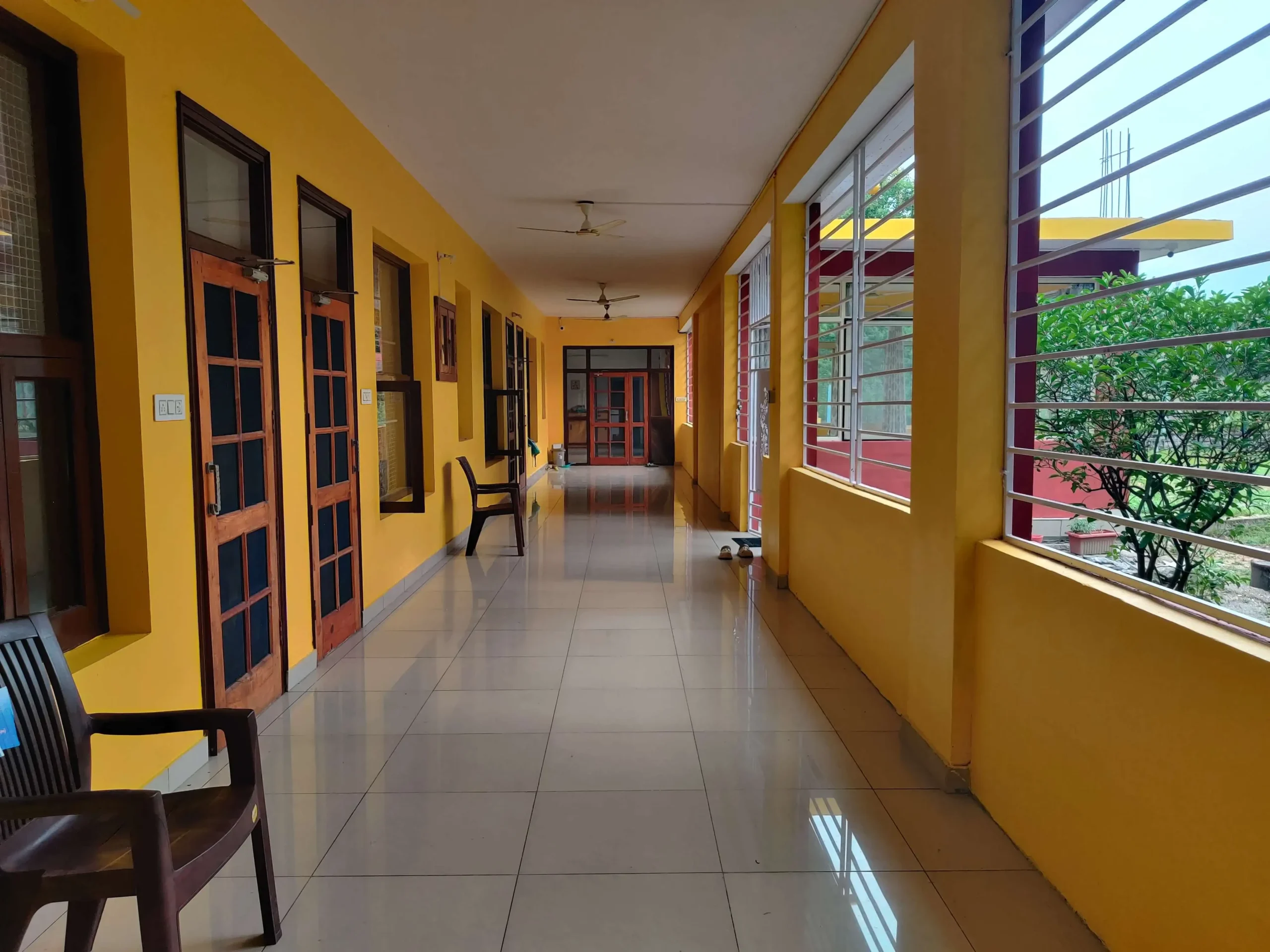
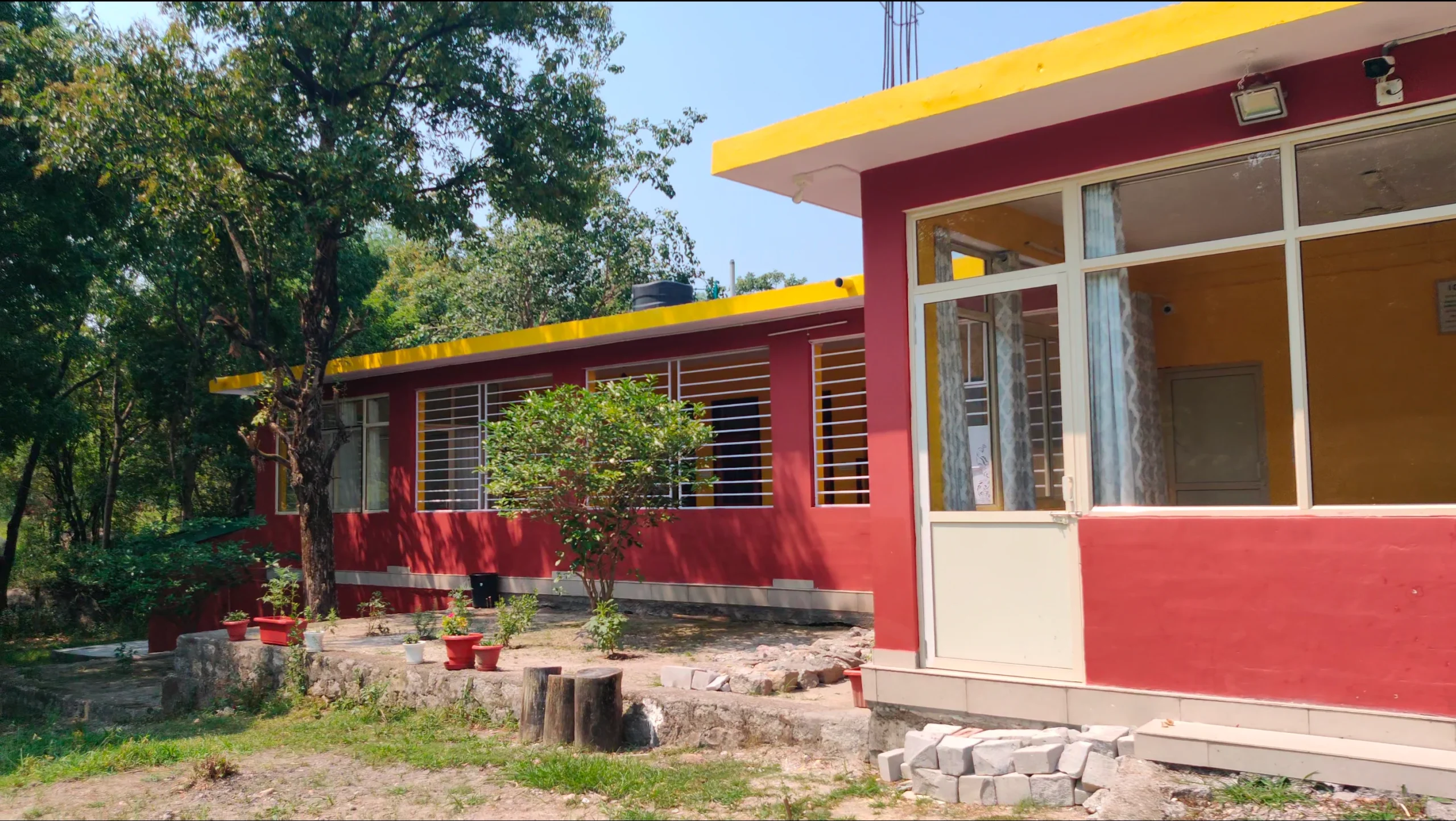
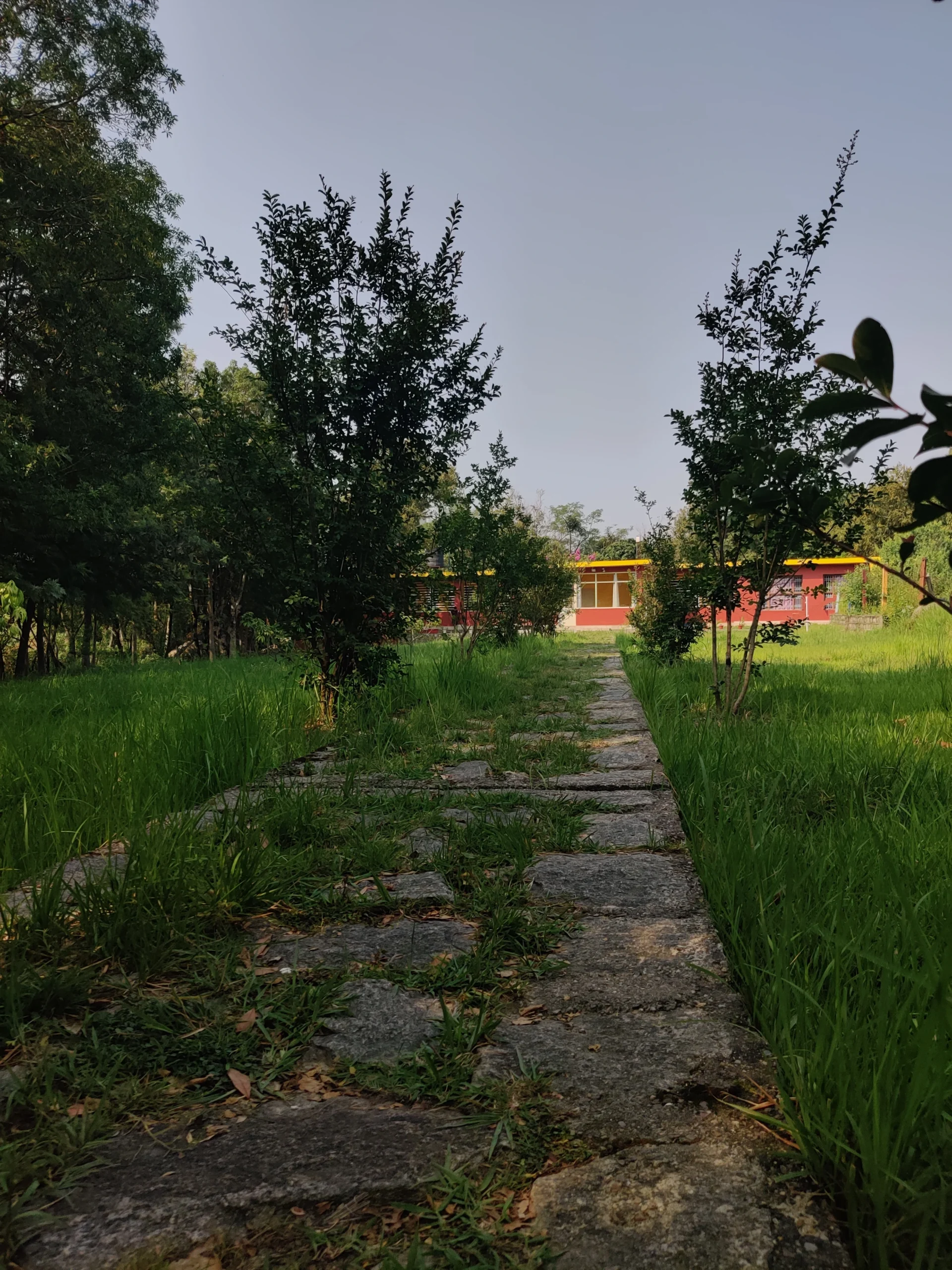
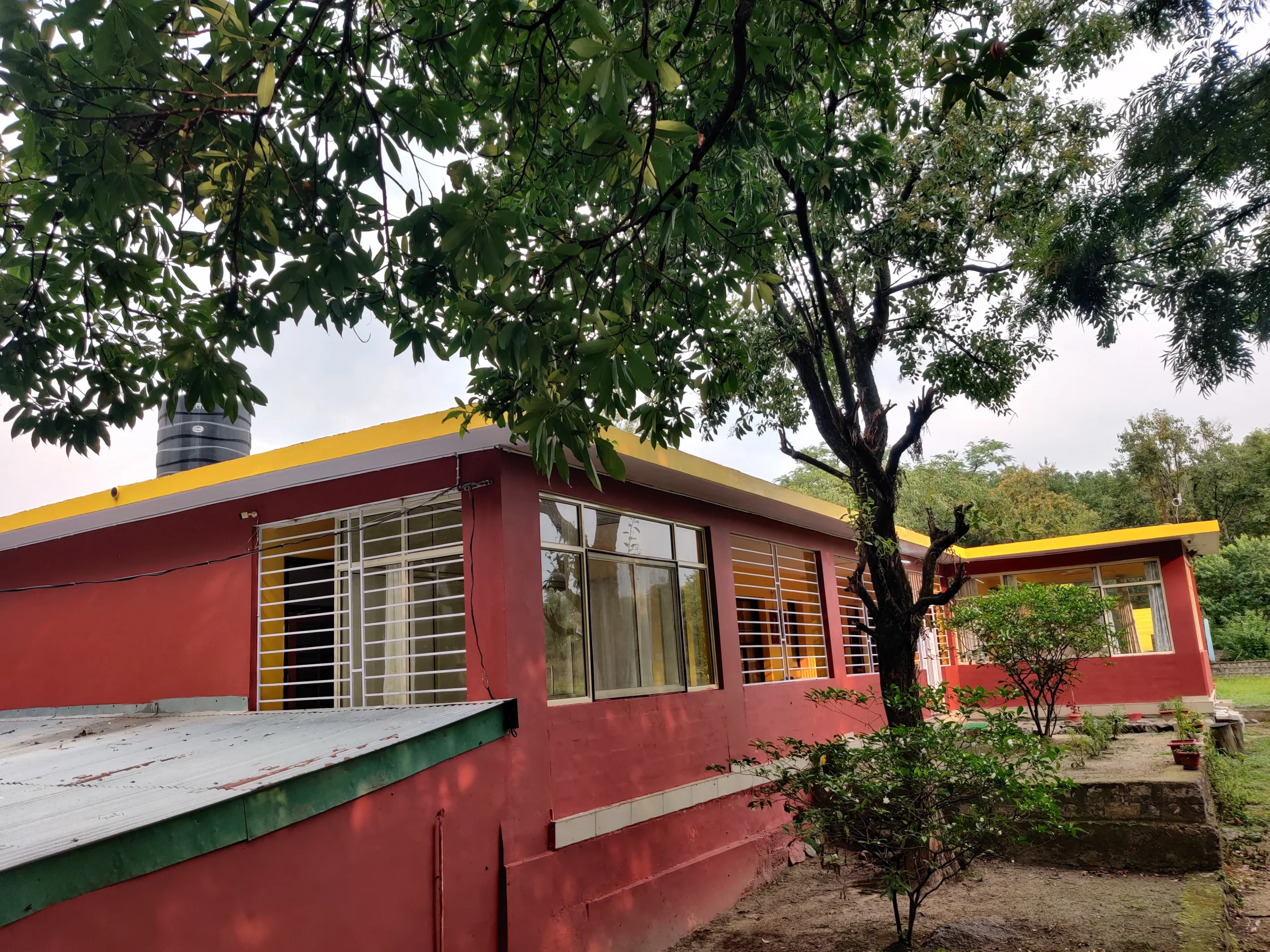
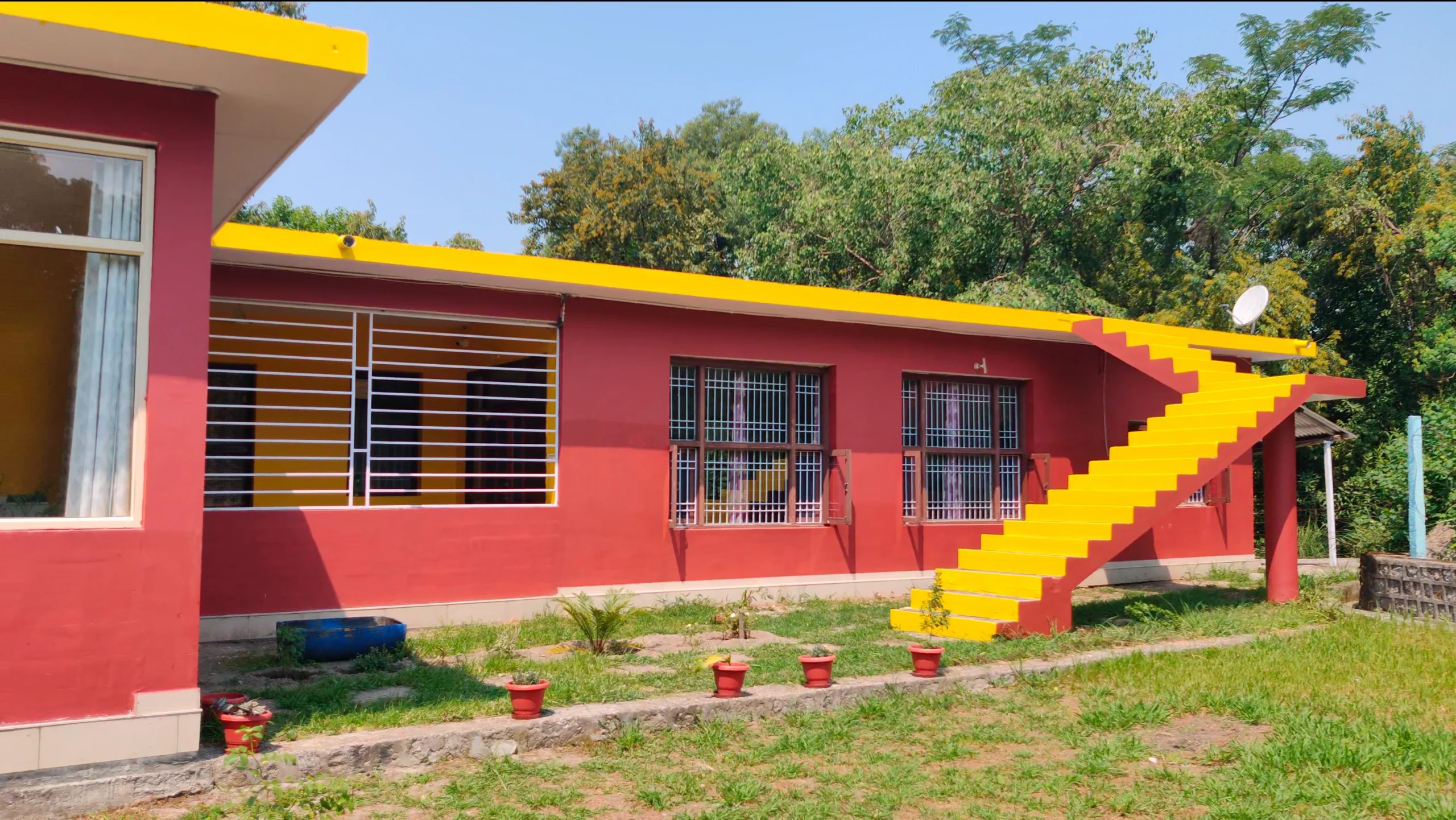
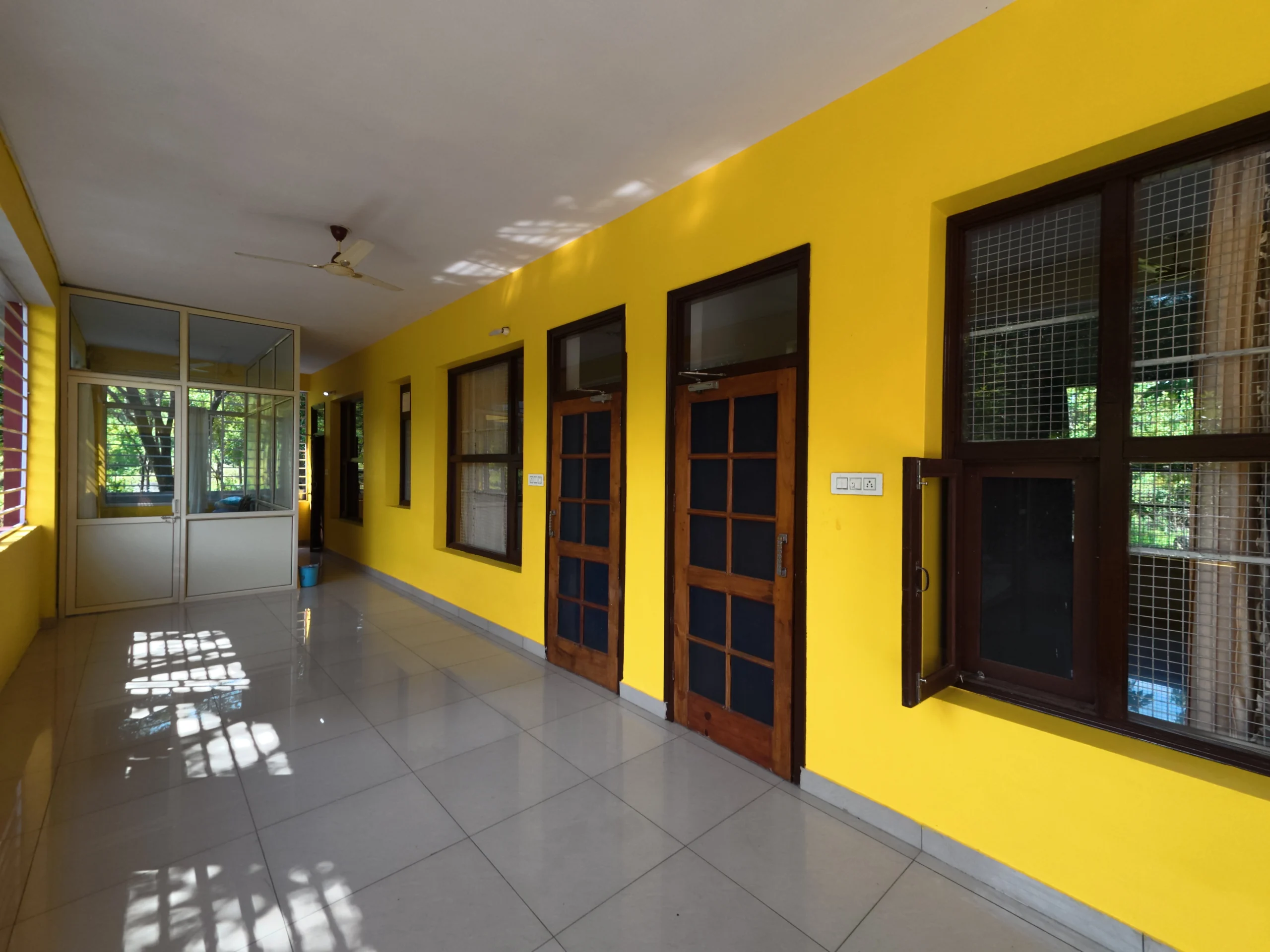
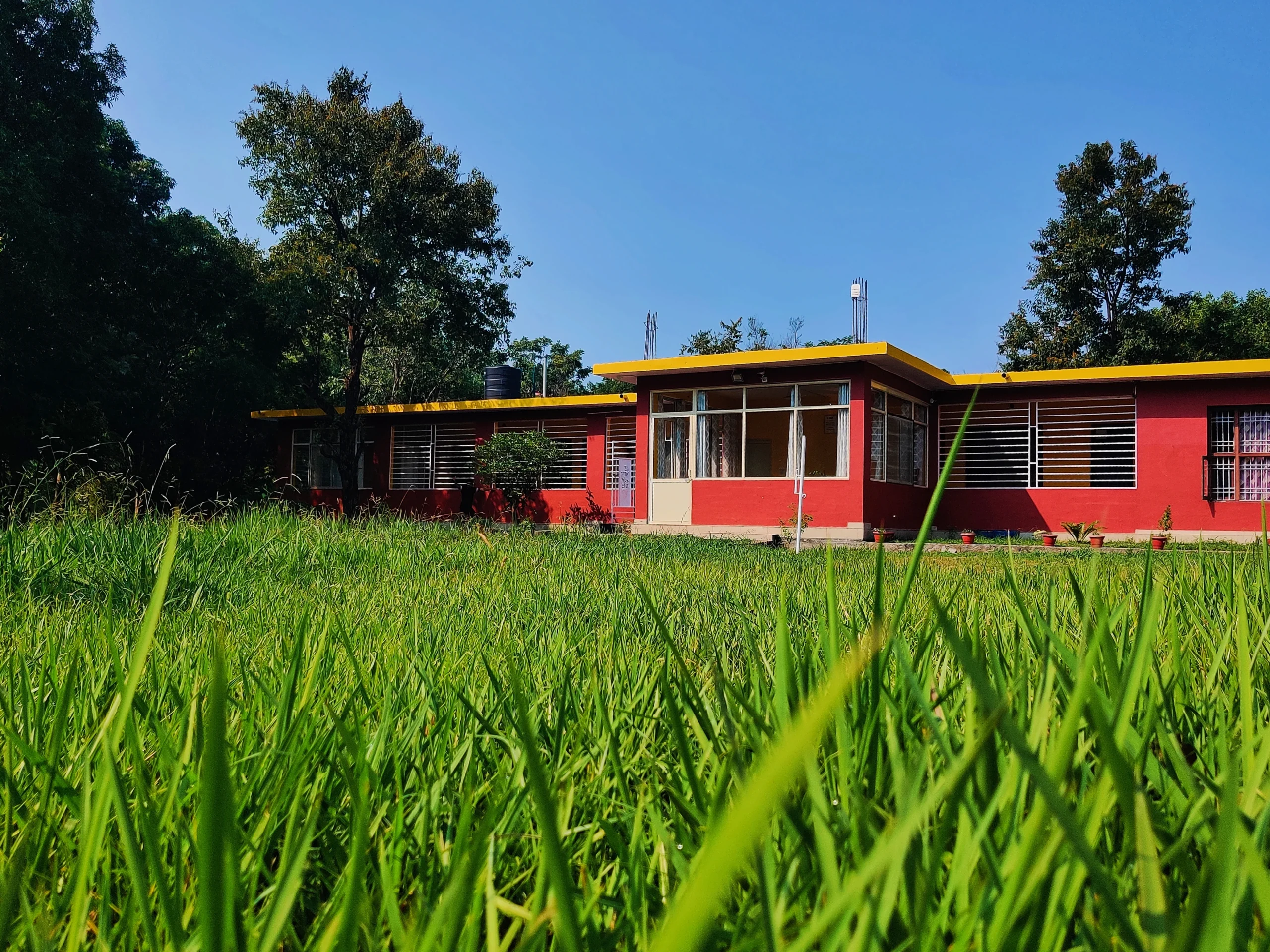
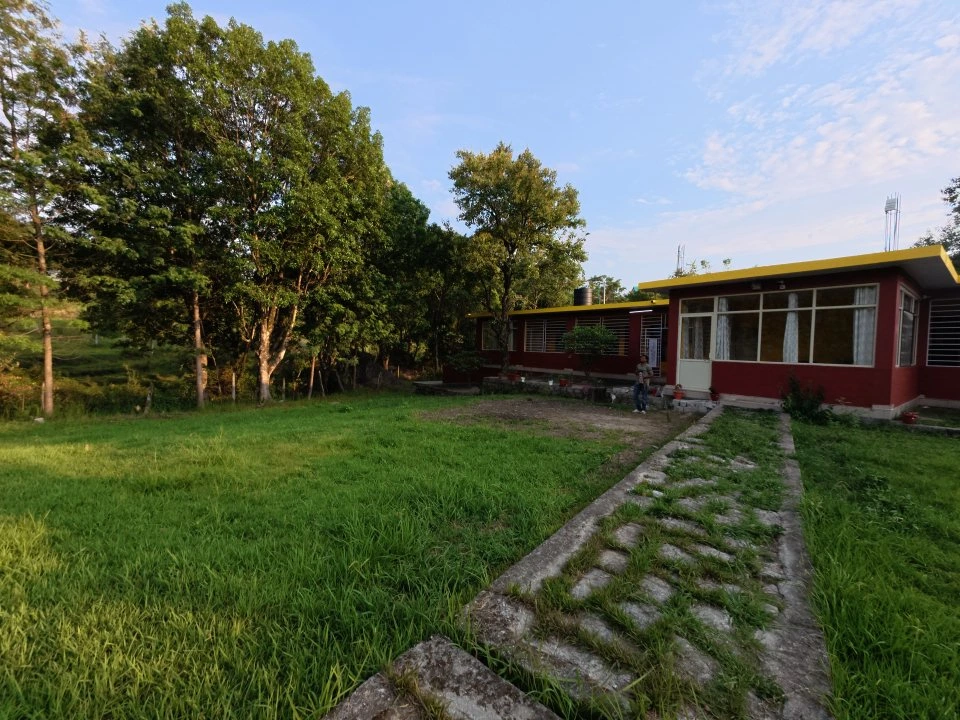
Our women-only residential wellness space sits in the hills near Sullah, Palampur, quiet, green, and deliberately removed from the pressures that make mood stabilisation at home so difficult. These are photographs of the centre, its grounds and its group programme.


Why Aftercare Decides Whether Stability Holds
Completing a residential stay is the start of a phase, not the end of one. Bipolar disorder is a lifelong, relapsing condition, and the months after an episode, when things feel calmest, are exactly when maintenance treatment matters most.
Before discharge, your counsellor and case manager build a written, rehearsed aftercare plan with you, coordinated with your psychiatrist. Four components do most of the work.
A relapse is not a failure of the plan, it is information the plan should absorb. Clients are explicitly told to reach out at the first warning sign rather than wait for a full episode to develop.
Vaishalya Wellness: Women's Mental Health & Rehab Centre
Confidential admissions for women across Palampur, Dharamshala, Kangra, Baijnath, Sullah and the wider Himachal Pradesh region.
-
AddressMohal, Gugga Saloh Rd, Tehsil Sullah, Palampur, Distt. Kangra,
Himachal Pradesh 176102 - Phone & WhatsApp +91 82194 74936 · +91 70181 48449
-
Enquiry HoursMonday to Saturday, 10:00 AM – 5:00 PM
Residential care operates 24/7 - RegistrationAsha Bhupender Charitable Trust · Reg. No. 2025/238/4/186
Frequently Asked Questions
What treatment is available for bipolar disorder in Himachal Pradesh?
Treatment ranges from outpatient counselling and maintenance support to women-only residential care. At Vaishalya Wellness in Palampur we combine psychoeducation, cognitive behavioural therapy, interpersonal and social rhythm therapy, group and family work, yoga and structured routine, alongside psychiatric medication management coordinated with a consulting psychiatrist. Free telephonic support is also available nationally through the KIRAN mental health helpline on 1800-599-0019.
What is the difference between bipolar I, bipolar II and cyclothymic disorder?
Bipolar I involves at least one full manic episode lasting seven days or more, or any duration requiring hospitalisation. Bipolar II involves at least one hypomanic episode (a milder, shorter elevated state) and at least one major depressive episode, without full mania. Cyclothymic disorder involves numerous hypomanic and depressive symptoms that do not meet full criteria for either, persisting for two years or more.
Is bipolar disorder the same as depression?
No. Depression involves persistent low mood without episodes of mania or hypomania. Bipolar disorder involves both poles. This distinction matters clinically: antidepressant medication given without a mood stabiliser can sometimes trigger or worsen manic symptoms in someone with unrecognised bipolar disorder, which is why accurate diagnosis matters before treatment begins.
Can bipolar disorder be cured?
Bipolar disorder is a chronic, lifelong condition rather than one that is "cured", but it is highly manageable. With consistent medication, structured therapy and routine, most women achieve long periods of mood stability and full functioning. Treatment is ongoing rather than time-limited, similar to management of other chronic health conditions.
Is the centre only for women?
Yes. Vaishalya Wellness is a women-only residential wellness and mental health space. This is a deliberate clinical and cultural decision: the stigma around a bipolar diagnosis is often more severe for women in Himachal Pradesh, and privacy is frequently the deciding factor in whether a woman seeks and continues treatment.
Do you provide psychiatric medication?
Psychiatric medication for bipolar disorder is prescribed and monitored by a qualified consulting psychiatrist, with whom our counselling team coordinates closely. We provide the structured psychological therapy, routine-building and daily support that work alongside medication, not medication management in isolation.
How long is a residential stay?
Stays are flexible, commonly 15 days, one month, or longer depending on where you are in your illness course, co-occurring conditions and personal circumstances. The appropriate length is agreed during assessment and reviewed as you stabilise.
Will my family or employer be told?
No. Admission and session content are confidential. Family members are involved only with your consent and where the treatment team judges it clinically appropriate. No client is named or photographed in any of our material without explicit written permission.
Is pregnancy or the postpartum period a special concern for bipolar disorder?
Yes. Women with bipolar disorder face a notably elevated risk of a manic, mixed or psychotic episode in the weeks after childbirth, and medication decisions around pregnancy and breastfeeding require careful psychiatric planning. We strongly encourage pre-conception discussion with your psychiatrist and closer monitoring through pregnancy and the postpartum period.
What does treatment cost, and is financial support available?
Vaishalya Wellness is deliberately positioned as an affordable, structured healing space rather than a luxury retreat. Fees depend on stay length and level of care and are confirmed in writing before you travel. Through the Asha Bhupender Charitable Trust, free and subsidised counselling is available to women from underserved communities who cannot afford private care.
What should I do if someone I love is in a manic or depressive crisis right now?
If there is any immediate risk to life, suicidal intent, self-harm, or severe psychosis, go to the nearest hospital emergency department or call India's mental health helpline, KIRAN, on 1800-599-0019, available 24/7. Once acute risk has been medically addressed, call us to discuss ongoing stabilisation and longer-term care.
Medical disclaimer. This page is for general information and does not constitute medical advice, diagnosis or treatment. Bipolar disorder must be diagnosed and medication must be prescribed and monitored by a qualified psychiatrist. Vaishalya Wellness is not a crisis service or emergency psychiatric facility and does not manage acute psychiatric emergencies. If you or someone you know is in immediate danger, is experiencing active suicidal thoughts, or is showing signs of psychosis, please go to your nearest hospital emergency department immediately. Free, confidential national mental health support is available 24/7 through the KIRAN helpline, 1800-599-0019.

About Vaishalya Wellness
Set in the quiet foothills of the Dhauladhar range in Palampur, Vaishalya Wellness is a women only rehabilitation and recovery centre. We offer a safe, private and dignified space for women seeking professional help with addiction, trauma and mental health, guided by clinical care and genuine compassion.
A women only residential facility in Himachal Pradesh.
Registration No: 2025/238/4/186
What We Treat
Additional Info
Contact
Call us +91 82194 74936 +91 70181 48449
Mohal, Gugga Saloh Rd,Tehsil Sullah, Palampur,
Himachal Pradesh 176102 Get directions
© 2026 Vaishalya Wellness. All rights reserved.
Privacy Policy