




- Mental health & addiction
- Resources
- Volunteer
- Internship
- About
- Self test
- What to bring
- Contact us
- Mental health & addiction
- Resources
- Volunteer
- Internship
- Our approach
- FAQ
- About
- Self test
- What to bring
- Contact us
The programme
Twelve steps,
one day at a time.
Not twelve tasks to finish. Twelve honest conversations a woman has with herself, in order, at her own pace, in a room of women who have sat in the same chair.
- 01 to 03
- Surrender
- 04 to 09
- Repair
- 10 to 12
- Practice
-
01
Honesty
Saying out loud that it has stopped being a choice
The first step is admitting the substance is running the show and that daily life has come apart around it. Nobody is asked to confess to a room on day one. It usually starts with one sentence to one counsellor, and that sentence is often the first true thing a woman has said in months.
-
02
Hope
Believing that steadiness is possible again
This step asks you to accept that something larger than your own willpower can bring you back to yourself. For some women that is faith. For others it is the group, the routine, the hills, or simply the evidence of women a few months ahead who are sleeping through the night again. Any of those count.
-
03
Surrender
Handing over the part you cannot manage alone
A decision, not a feeling. You agree to stop negotiating with the addiction on your own terms and let the programme, your counsellor, and your own understanding of a higher power carry the weight for a while. Women often describe this as the first night they slept without arguing in their head.
-
04
Courage
Writing your own history without flinching
A written inventory of resentments, fears, relationships, and the parts you would rather leave out. We give you a structured format and as many weeks as it takes. For many women this is where old trauma surfaces, so a therapist sits alongside the process rather than after it.
-
05
Integrity
Telling one other person the whole of it
You read your inventory aloud to one trusted person, usually your counsellor or sponsor, in a closed room. Nothing said here is recorded or repeated to family. Shame loses most of its grip the moment it is spoken and the other person does not leave.
-
06
Willingness
Becoming ready to let the old patterns go
Seeing a pattern is not the same as being ready to give it up. Some habits kept you safe once. This is the quiet work of deciding which of them you are genuinely willing to release, and admitting the ones you are still holding on to.
-
07
Humility
Asking for help to change instead of forcing it
Character does not change by clenching your jaw. This step is a daily practice of asking, through prayer, meditation, or plain honest words, for what you named in step six to be lifted, and then behaving as though help is on the way.
-
08
Reflection
Naming the people your addiction reached
A plain list of those you have hurt, and a willingness to put things right with each of them. Women often put their own name on that list, and we encourage it. You are not asked to contact anyone at this stage, only to be honest about who belongs on the page.
-
09
Amends
Repairing what can be repaired, carefully
Direct amends, made in person or in writing, wherever doing so will not cause fresh harm to that person or anyone else. Timing matters enormously, so no woman here makes an amends without working it through with her counsellor first. Some amends are made in behaviour over years rather than in a conversation.
-
10
Discipline
Checking in with yourself every single day
A short daily inventory, usually written before bed. What went well, where you were resentful, dishonest, or afraid, and what needs putting right tomorrow. Small corrections made quickly are what stop a difficult week from becoming a relapse.
-
11
Awareness
Making room every morning for something quiet
Prayer, meditation, breathwork, or a silent half hour before the valley wakes up. The form is yours to choose. The point is a daily habit of listening rather than reacting, which is the single skill most women say they carried home with them.
-
12
Service
Turning around and holding the door open
Carrying what you have learned to the next woman who walks in frightened, and living these principles in ordinary places: your marriage, your work, your kitchen at eleven at night. Many of our alumnae come back to share at group, and it does as much for them as for the women listening.
Step one can begin with a phone call.
Speak to us on 82194 74936The twelve steps originate with Alcoholics Anonymous. Vaishalya is not affiliated with, endorsed by, or operated by Alcoholics Anonymous or Narcotics Anonymous. The wording above is our own, describing how we apply these principles in our programme.
About Vaishalya Wellness
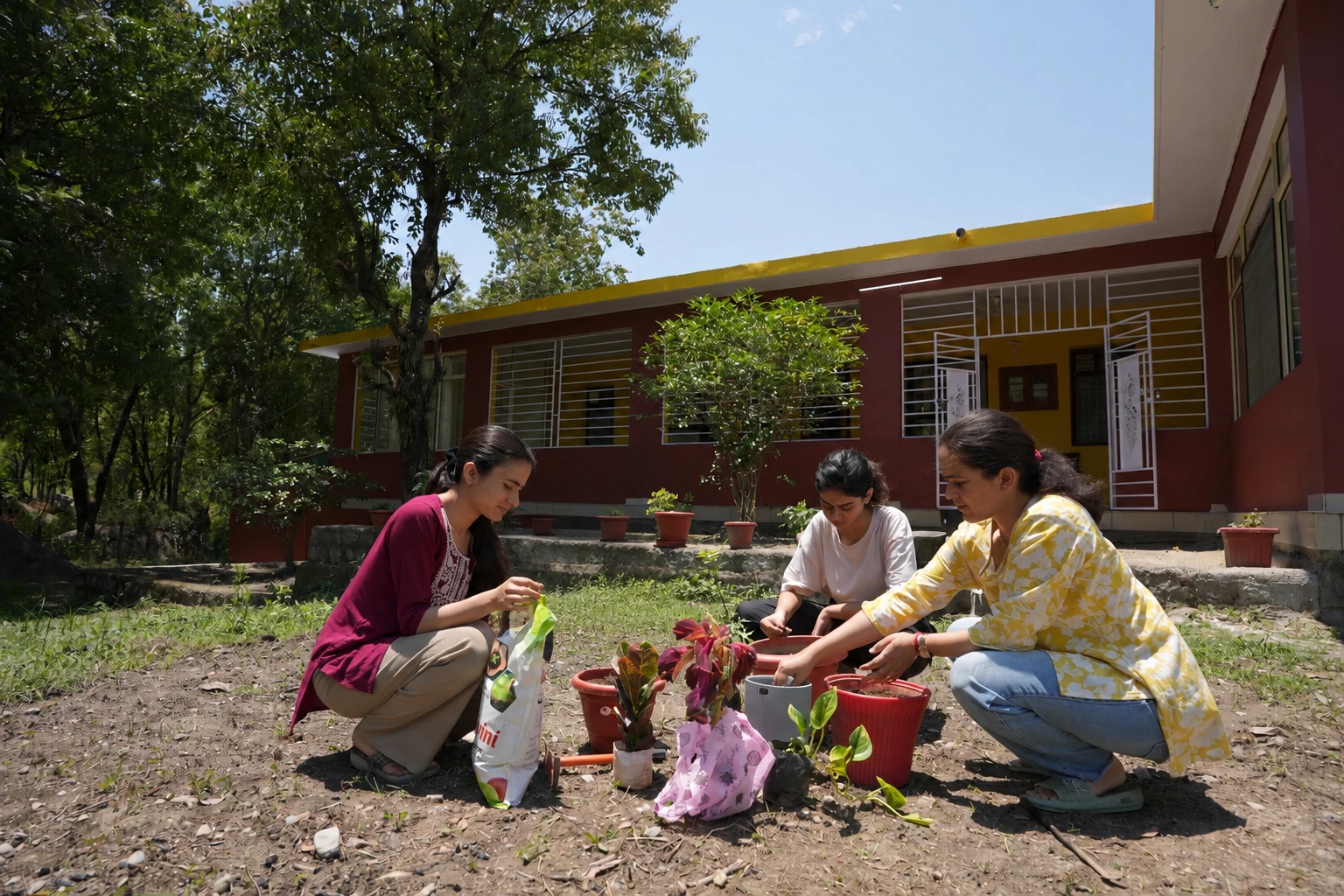
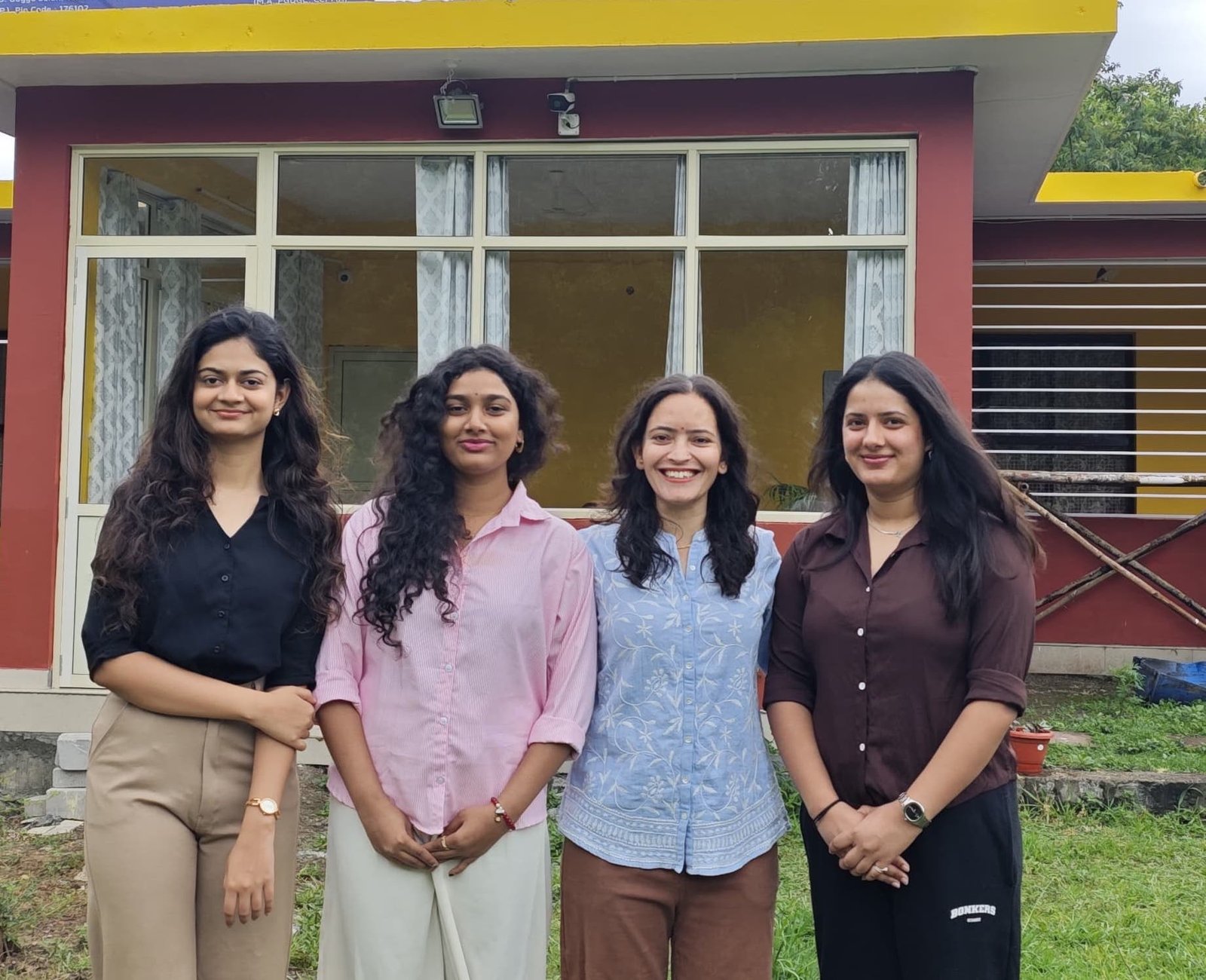
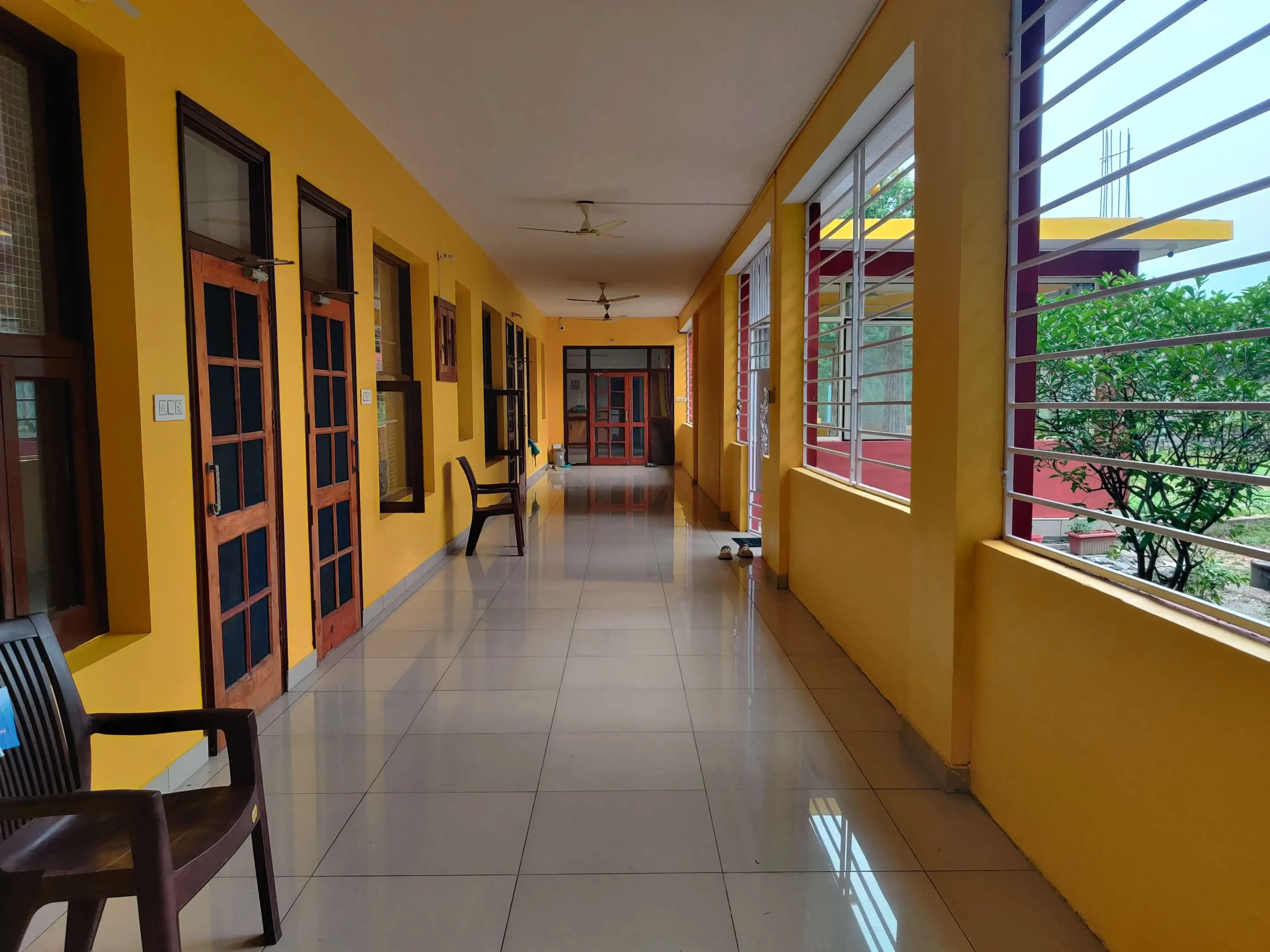
Set in the quiet foothills of the Dhauladhar range in Palampur, Vaishalya Wellness is a women only rehabilitation and recovery centre. We offer a safe, private and dignified space for women seeking professional help with addiction, trauma and mental health, guided by clinical care and genuine compassion.
A women only residential facility in Himachal Pradesh.
Registration No: 2025/238/4/186
What We Treat
Additional Info
Contact
Call us +91 82194 74936 +91 70181 48449
Mohal, Gugga Saloh Rd,Tehsil Sullah, Palampur,
Himachal Pradesh 176102 Get directions
© 2026 Vaishalya Wellness. All rights reserved.
Privacy Policy