



- Resources
- Volunteer
- Internship
- Our approach
- FAQ
Anxiety & Depression
Treatment for Women
Structured, evidence-based care for depression, anxiety disorders, postnatal depression and burnout. Women-only residential treatment in Palampur, Himachal Pradesh, and private online counselling across India.
If you need to speak to someone right now, free 24 hour support is available across India.
Tele MANAS 14416
KIRAN 1800 599 0019
Women's Helpline 181
Depression is not sadness and anxiety is not worry. Everyone has been sad and everyone has worried. What brings women to us is different: a flatness that will not lift, a fear that has no object, a body that will not settle, and a growing suspicion that this is simply who you are now.
It is not who you are. Both conditions are among the most treatable in medicine, and most women improve substantially with the right support.
Quick AnswerOverview: Anxiety and Depression Treatment for Women in India
Depression, clinically Major Depressive Disorder, is a mood disorder marked by persistent low mood and loss of interest or pleasure lasting at least two weeks, together with changes in sleep, appetite, energy, concentration and self-worth. Anxiety disorders are a group of conditions including generalised anxiety disorder, panic disorder, social anxiety and specific phobias, defined by excessive fear that persists beyond the situation causing it.
The two occur together far more often than separately. India's National Mental Health Survey found a 12 month prevalence of 3.41 per cent for anxiety disorders, and roughly one in twenty Indians has experienced depression. Women show consistently higher rates of both.
Treatment is well established. Cognitive behavioural therapy and behavioural activation are first-line psychological treatments, with graded exposure central to anxiety work. Where symptoms are moderate to severe, antidepressant medication prescribed by a psychiatrist is combined with therapy rather than used instead of it.
Vaishalya Wellness provides this in a women-only residential setting in Palampur, Himachal Pradesh, and through private online counselling nationwide.
The biggest problem in India is not treatment, it is access. The National Mental Health Survey found a treatment gap of over 80 per cent for common mental disorders. Most women who could recover never receive any care at all. If you are reading this, you are already ahead of that statistic.
Contact Us
What Depression Actually Is
Clinically known as Major Depressive Disorder, depression is defined by persistent low mood or a loss of interest and pleasure in things you previously enjoyed, present most of the day, nearly every day, for at least two weeks, and representing a change from how you normally are.
That second symptom, anhedonia, is the one people miss. Many women are not crying. They are simply unable to feel anything much about a wedding, a promotion or their own children, and they assume that means they are cold rather than unwell.
Alongside mood, the diagnosis requires a cluster of other changes: disturbed sleep, altered appetite or weight, fatigue that rest does not fix, difficulty concentrating or deciding, restlessness or slowing, and feelings of worthlessness or disproportionate guilt.
In India it frequently presents physically first. Persistent headaches, body pain, digestive trouble and exhaustion send women to a physician long before anyone asks about mood, and normal test results are then read as proof that nothing is wrong.
What Anxiety Disorders Are
Anxiety becomes a disorder when the fear is out of proportion to the situation, persists after the situation has passed, and starts making decisions for you. The specific pattern matters, because the treatment differs.
- Generalised anxiety disorder: continuous worry across many areas of life, difficult to control, with restlessness, muscle tension, irritability and disturbed sleep
- Panic disorder: sudden surges of intense fear with racing heart, breathlessness, chest pain, dizziness and a conviction that you are dying, often followed by fear of the next attack
- Social anxiety disorder: intense fear of being judged or humiliated, leading to avoidance of gatherings, phone calls, speaking up or eating in front of others
- Specific phobias: disproportionate fear of a particular object or situation, powerful enough to reorganise daily life around avoiding it
- Health anxiety: persistent fear of serious illness that reassurance and normal test results relieve only briefly
Anxiety is a physical condition as much as a mental one. Palpitations, chest tightness, breathlessness, trembling, nausea and dizziness are not imagined. They are a stress response firing when no threat is present.
Why Anxiety and Depression Usually Arrive Together
They are treated as separate diagnoses, but in practice most women have both. The overlap is so routine that treating one while ignoring the other is among the most common reasons treatment fails.
The sequence is usually recognisable. Prolonged anxiety is exhausting. Exhaustion narrows life. A narrowed life removes the things that used to lift your mood. Low mood then makes the anxiety harder to challenge, and the loop closes.
This is why our assessment screens for both regardless of which one you came in describing, and why treatment plans nearly always address both at once.
Sources: National Mental Health Survey of India 2015 to 2016, NIMHANS. Postpartum figure from a systematic review and meta-analysis of Indian studies.
The Most Common Symptoms
Symptoms cluster in three domains. Women often notice the third long before they consider that the first two might be the cause.
If you are having thoughts of ending your life, please treat that as a reason to reach out today rather than something to manage alone. Tele MANAS on 14416 is free, confidential and staffed 24 hours a day. You do not need to be in crisis to call, and you do not need to have a plan to deserve support.
How Anxiety Shows Up in the Body
A great many women are investigated for cardiac or thyroid problems before anyone considers anxiety. The symptoms are real, measurable and physical. They are produced by a stress response activating when there is nothing to run from.
Physical causes are ruled out first, not dismissed. Thyroid dysfunction, anaemia, vitamin B12 and vitamin D deficiency all mimic depression and anxiety, and all are common in Indian women. Where these have not been checked, we will ask you to have them checked before we conclude anything.
Why Women Are Affected Differently
Women show consistently higher rates of depression and anxiety disorders than men, in India and internationally. Some of that is hormonal, some social, and a good deal of it is both at once.
Postnatal Depression
A meta-analysis of Indian studies puts postpartum depression at roughly 22 per cent of mothers, with higher rates in rural and disadvantaged populations. Documented risk factors include financial difficulty, domestic violence, marital conflict, lack of support from a husband, and the birth of a female child.
Perimenopause
Women with no previous history of depression are substantially more likely to experience a depressive episode during the menopausal transition. Symptoms are frequently attributed to age or temperament and left untreated for years.
Premenstrual Disorders
Premenstrual dysphoric disorder produces severe mood disturbance in the luteal phase and is associated with markedly elevated rates of suicidal thinking. It is a recognised disorder, not ordinary premenstrual discomfort, and it responds to treatment.
Thyroid, Anaemia, Deficiency
Hypothyroidism, iron deficiency anaemia and vitamin B12 or D deficiency are common in Indian women and each mimics depression closely. Physical screening is part of assessment rather than an afterthought.
Caregiving Load
Unbroken responsibility for children, in-laws, household and often paid work, with little rest and less acknowledgement, produces a distinct exhaustion that is repeatedly misread as laziness or a bad attitude.
Violence and Coercion
Domestic violence, financial control and emotional abuse are strongly associated with depression and anxiety in women. Where these are present, treating the symptoms without addressing safety is neither effective nor responsible.
Permission to Be Unwell
Many women cannot stop functioning long enough to recover. There is no cover for their role at home, and asking for rest is treated as a character failing. This is a clinical obstacle, not an excuse, and we plan around it.
Sleep Disruption
Poor sleep both causes and worsens depression and anxiety, and women's sleep is disproportionately broken by infant care, elder care and household demand. Sleep is treated as a target in its own right, not a side effect.
When Should I Seek Professional Help?
The clinical threshold is function, not severity as you judge it. You do not have to be unable to get out of bed to qualify for treatment, and waiting until you are makes recovery slower.
- Symptoms have persisted most days for two weeks or more
- Work, study, parenting or running a household has become noticeably harder
- You are withdrawing from people you would normally want to see
- Sleep or appetite has changed and stayed changed
- You are relying on alcohol, cannabis, tobacco or sedatives to get through the day or the night
- Physical investigations keep coming back normal while you keep feeling unwell
- People close to you have noticed a change before you did
Seek help the same day if you are having thoughts of ending your life, thoughts of harming yourself, or if you feel unable to keep yourself safe. Tele MANAS on 14416 is free and available at any hour.
For new mothers: if low mood, anxiety or difficulty bonding with your baby has lasted more than two weeks after birth, that is postnatal depression and it is treatable. It is not a reflection of your love for your child.
Evidence-Based Treatment
Depression and anxiety are among the best-understood conditions in mental health, with decades of trial evidence behind the treatments below. Most women improve substantially. That is a realistic expectation, not encouragement.
Cognitive Behavioural Therapy
The best-evidenced psychological treatment for both conditions. CBT identifies the thinking patterns that maintain low mood and fear, tests them against evidence rather than argument, and changes the behaviour that keeps them alive.
Behavioural Activation
Depression removes motivation before it removes capability, so waiting to feel like doing something means never doing it. Behavioural activation reverses the order: scheduled, graded activity first, with mood following rather than leading.
Graded Exposure
The core of anxiety treatment. Avoidance is what converts fear into a disorder, so recovery involves approaching feared situations in planned, manageable steps until the alarm stops firing. Uncomfortable, structured and highly effective.
Interpersonal and Supportive Therapy
Where the episode is anchored in grief, role transition, marital conflict or isolation, work focuses on those relationships and transitions directly rather than on thinking styles alone.
Mindfulness and Yoga
Mindfulness-based approaches have good evidence in preventing depressive relapse and in reducing anxious arousal. Daily guided yoga and pranayama are part of the residential programme and are used as clinical tools, not decoration.
Sleep Intervention
Sleep is treated as a primary target. Structured behavioural work on sleep improves mood and anxiety independently, and untreated insomnia is one of the strongest predictors of relapse after recovery.
Medication, Where Indicated
For moderate to severe depression and for several anxiety disorders, antidepressant medication prescribed and monitored by a psychiatrist is combined with therapy. We coordinate that referral. Medication is never a substitute for the psychological work.
Relapse Prevention
Depression recurs, and knowing your own early warning signs is the single most useful thing you leave treatment with. Every client finishes with a written, rehearsed plan for what to do when they first appear.
On antidepressants. They are not sedatives, they are not addictive in the way sleeping tablets are, and taking them does not mean you will be on them for life. They also do not work instantly, typically needing two to four weeks. Stopping abruptly causes discontinuation symptoms, so any change should be made with the prescribing psychiatrist rather than alone.
What Recovery Actually Looks Like
Women often expect a single moment where the weight lifts. It rarely happens that way, and expecting it can make genuine progress feel like failure.
Sleep and Body First
Physical symptoms usually shift before mood does. Sleep steadies, appetite returns, the constant physical tension eases. You may not feel happier yet.
Function Before Feeling
You start doing things again before you want to. This is the expected order with behavioural activation, not a sign that treatment is not working.
Interest Returns
Small flickers of wanting something. A conversation you enjoy. An hour you did not spend monitoring yourself. These arrive unevenly and are easy to miss.
Setbacks Are Normal
Bad days recur throughout recovery and do not undo progress. What changes is how long they last and how much they frighten you.
What Levels of Care Are Available?
Most women with depression or an anxiety disorder do not need residential care. The right level depends on severity, safety and whether recovery is possible in the environment you are currently living in.

Online Counselling Across India
Weekly individual sessions conducted privately from wherever you are. Appropriate for mild to moderate depression and most anxiety disorders, and often the only step needed. No travel, no admission, and nothing anyone in your household has to be told.
In-Person Outpatient Counselling
Individual sessions at our Palampur practice for women across the Kangra region who prefer to meet face to face. Where medication is indicated, we coordinate a psychiatric referral and work alongside the prescribing doctor.
Residential Wellness Stay (Women Only)
Indicated where symptoms are severe, where several previous attempts at outpatient treatment have not held, where exhaustion is total, or where home life makes recovery impossible because there is no space in which to be unwell.
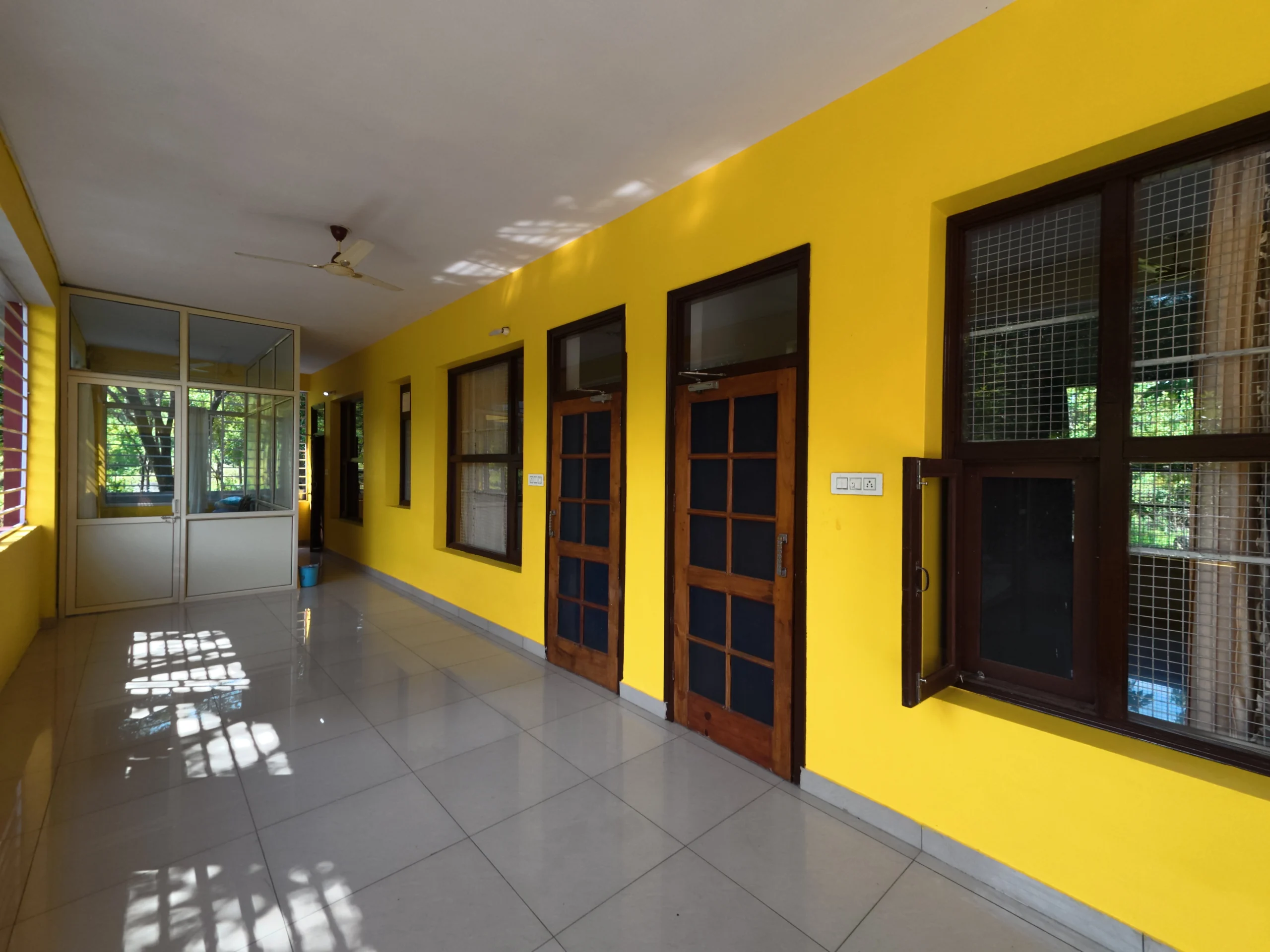
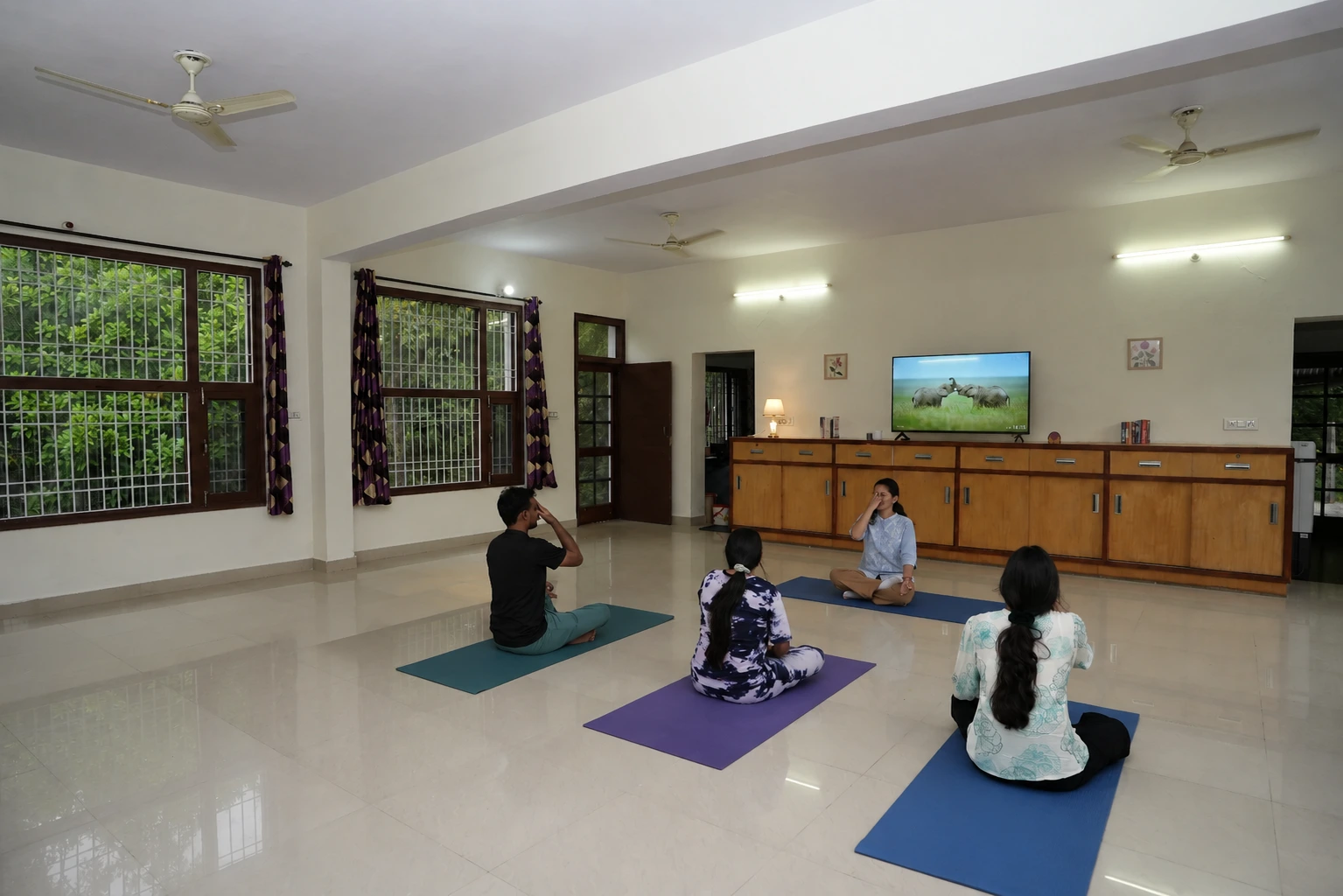
The day is structured deliberately, because structure is itself therapeutic in depression: individual counselling, guided group work, yoga and mindfulness, nature-based activity, clean Ayurvedic-inspired meals and a protected sleep routine.
Stays are flexible at 15 days, one month or longer. For many women the most valuable thing the stay provides is simply permission to stop for a while.
Postnatal Care
Support for mothers experiencing postnatal depression or anxiety, with treatment planned around feeding, infant care and the practical reality that a new mother cannot simply disappear for a month.
Where breastfeeding is ongoing and medication is being considered, that decision is made with a psychiatrist rather than guessed at, and we will always tell you what is and is not known.
Co-Occurring Substance Use
Alcohol, cannabis, tobacco and sedatives are commonly used to manage anxiety and low mood, and each makes both conditions worse over time. Where a substance use disorder is present alongside depression or anxiety, both are treated together rather than in sequence.
Community and Subsidised Access
Through the Asha Bhupender Charitable Trust (Reg. No. 2025/238/4/186), free and subsidised counselling is available to women from underserved communities in Himachal Pradesh who cannot afford private care.
If cost is the barrier, tell us. It should not be the reason you go untreated.
What Happens When You Get in Touch?
The first call is short. You will not be asked to prove that your difficulties are serious enough, and you will not be diagnosed over the phone.
A full assessment follows. It covers symptom history and duration, previous episodes and what helped or did not, sleep, appetite and energy, any relevant physical investigations, alcohol and substance use, your current safety, and what is happening in your life around all of it.
Structured measures such as the PHQ-9 for depression and the GAD-7 for anxiety may be used to establish a baseline. Their purpose is to make progress visible later, when your own memory of how bad things were will have blurred.
If we are not the right service for you, or if psychiatric care should come first, we will say so and help you get there rather than admit you anyway.
How Is a Personalised Plan Created?
Your plan is built by your primary counsellor under the clinical supervision of Leena Mehta, Counselling Psychologist and Chairperson of the Asha Bhupender Charitable Trust.
It sets which condition is driving the other, since treating anxiety first when depression is leading, or the reverse, wastes weeks. It defines the therapy approach, the sleep protocol, the activity schedule, and whether a psychiatric opinion on medication is needed.
It also accounts for what you are going back to. A plan that assumes an hour of free time a day is useless to a woman who does not have ten minutes, and a plan that ignores an unsafe home is worse than useless.
Progress is reviewed with the same measures used at intake. If the plan is not working we change the plan, rather than concluding that you are not trying hard enough.
A Women-Only Space, Deliberately
Mental illness carries a particular cost for women in India. A diagnosis can be used against her in a marriage, in a custody dispute, or in a family that has already decided she is difficult. That risk is real and it is the reason many women stay silent for years.
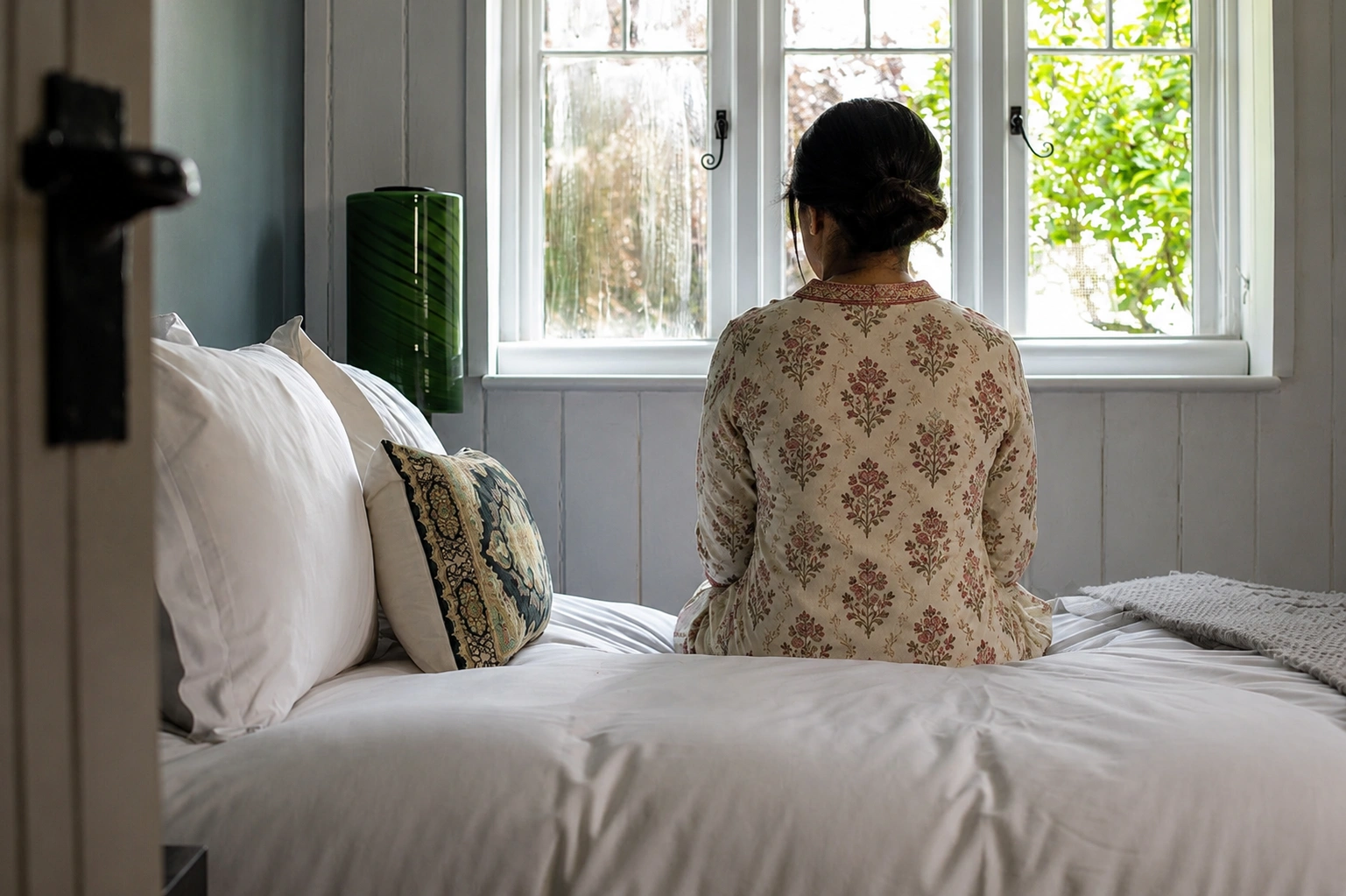
Vaishalya Wellness is women-only by design. Admissions are confidential. No client is named or photographed in any of our material without explicit written consent, and nothing is disclosed to a spouse or relative without your permission.
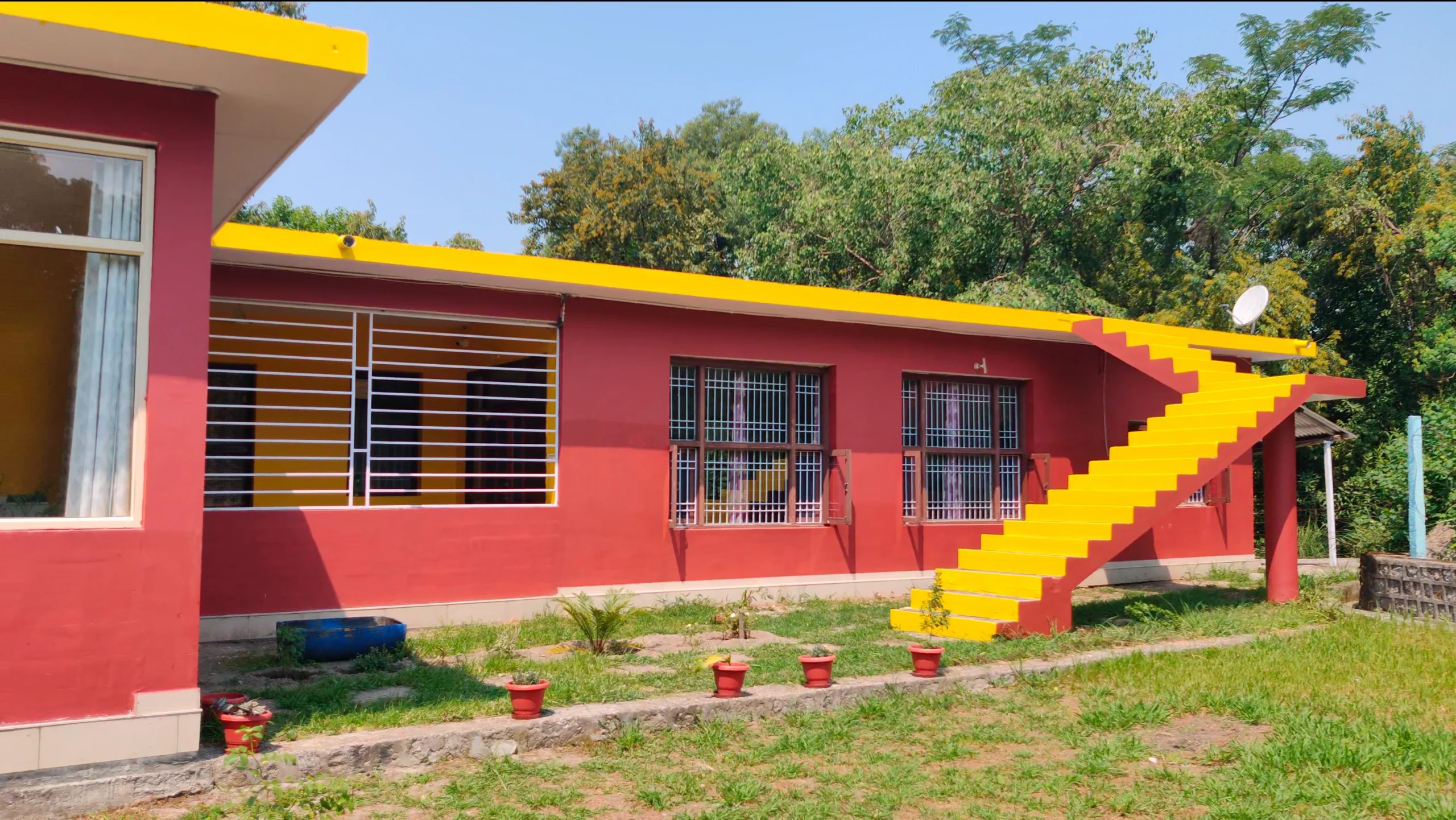
The centre is small, quiet and set in the hills away from the visibility of town. For a woman who has not had an uninterrupted night or an unclaimed hour in years, that alone does a measurable amount of the work.
If You Are Reading This for Someone Else
Husbands, parents and daughters find this page too. What you do matters, and some of the most well-intentioned responses are the least useful.
Responses That Tend to Work
Naming what you have noticed without diagnosing it. "You have not been sleeping and you seem exhausted" lands better than "you are depressed".
Taking something off her list. Practical relief from responsibility is worth more than most encouragement.
Offering to help her find support, and to go with her to the first appointment if she wants that.
Staying present through the slow part. Recovery takes months, and support that disappears after week two is common.
Responses That Reliably Fail
Telling her to think positively, or that others have it worse. She already knows, and it adds guilt to the illness.
Framing it as ungratefulness for a good home, a good husband or healthy children. Depression is not caused by circumstances being insufficiently good.
Treating counselling as an admission of family failure, or something to hide from relatives.
Waiting for her to ask. Depression removes exactly the initiative required to ask for help.
We are glad to speak with family members about the condition in general terms and about how to be useful. We will not confirm whether a particular woman is our client, and we will not share information about her. If she is an adult, the decision to seek treatment is hers.
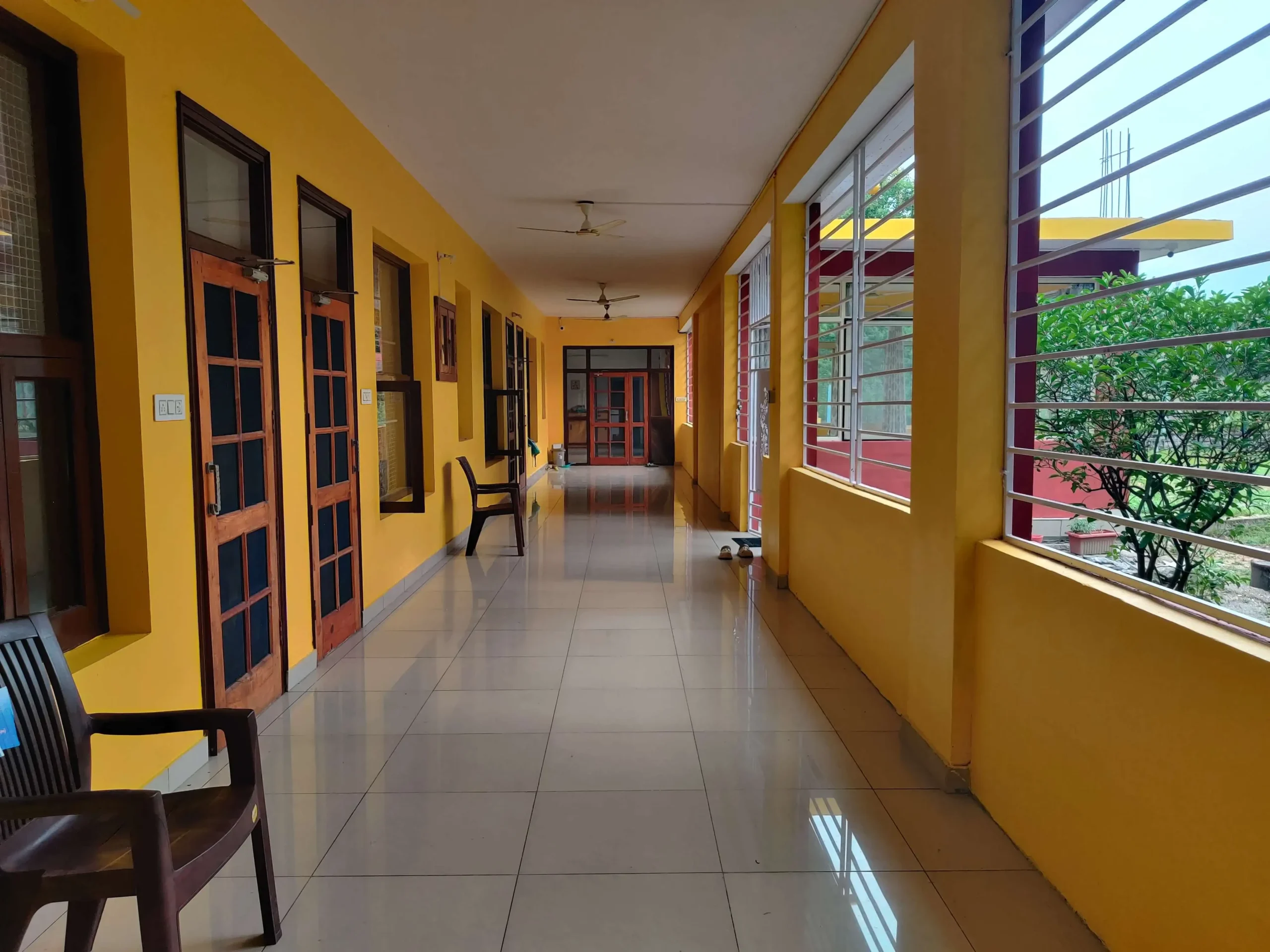
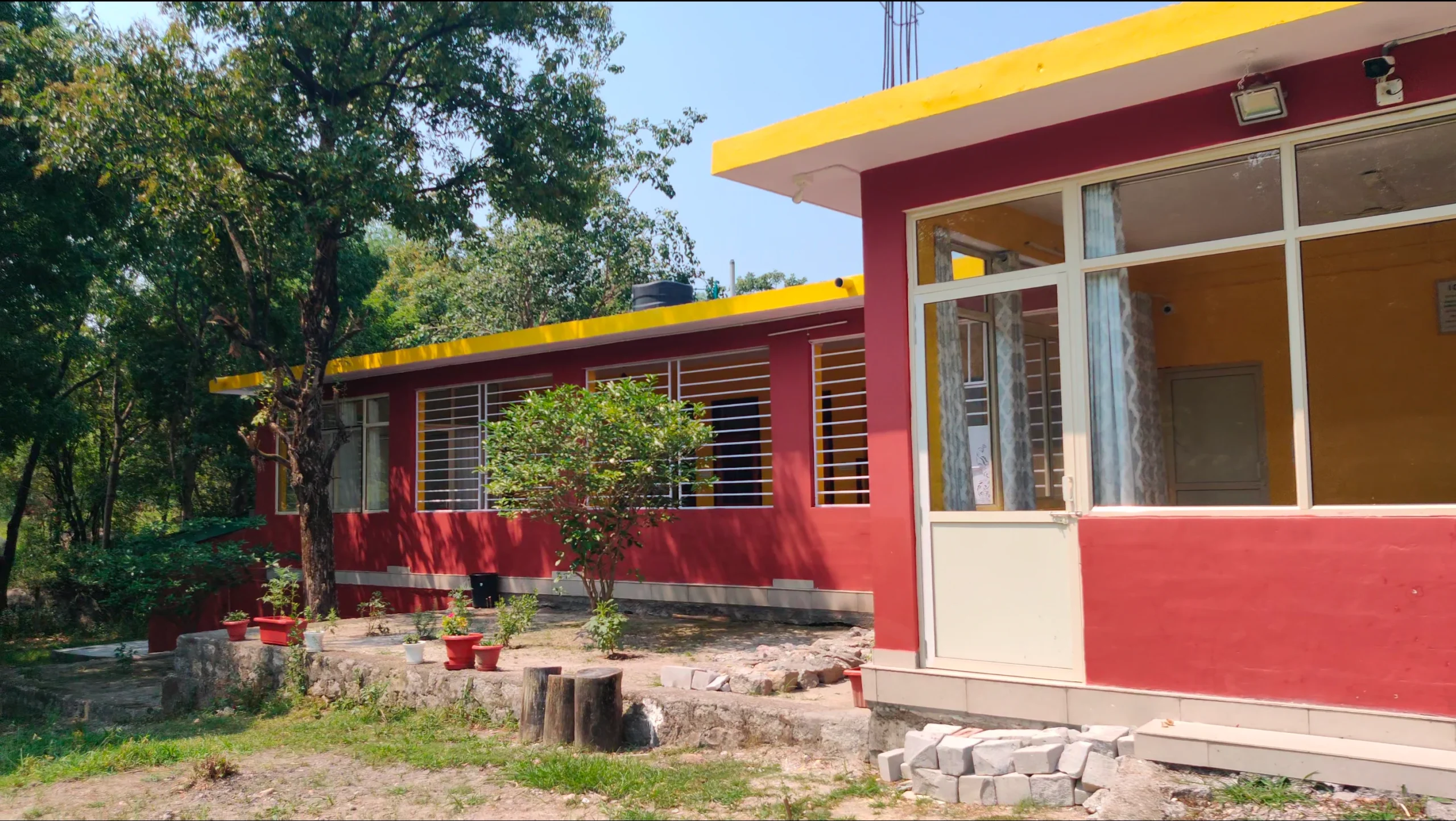
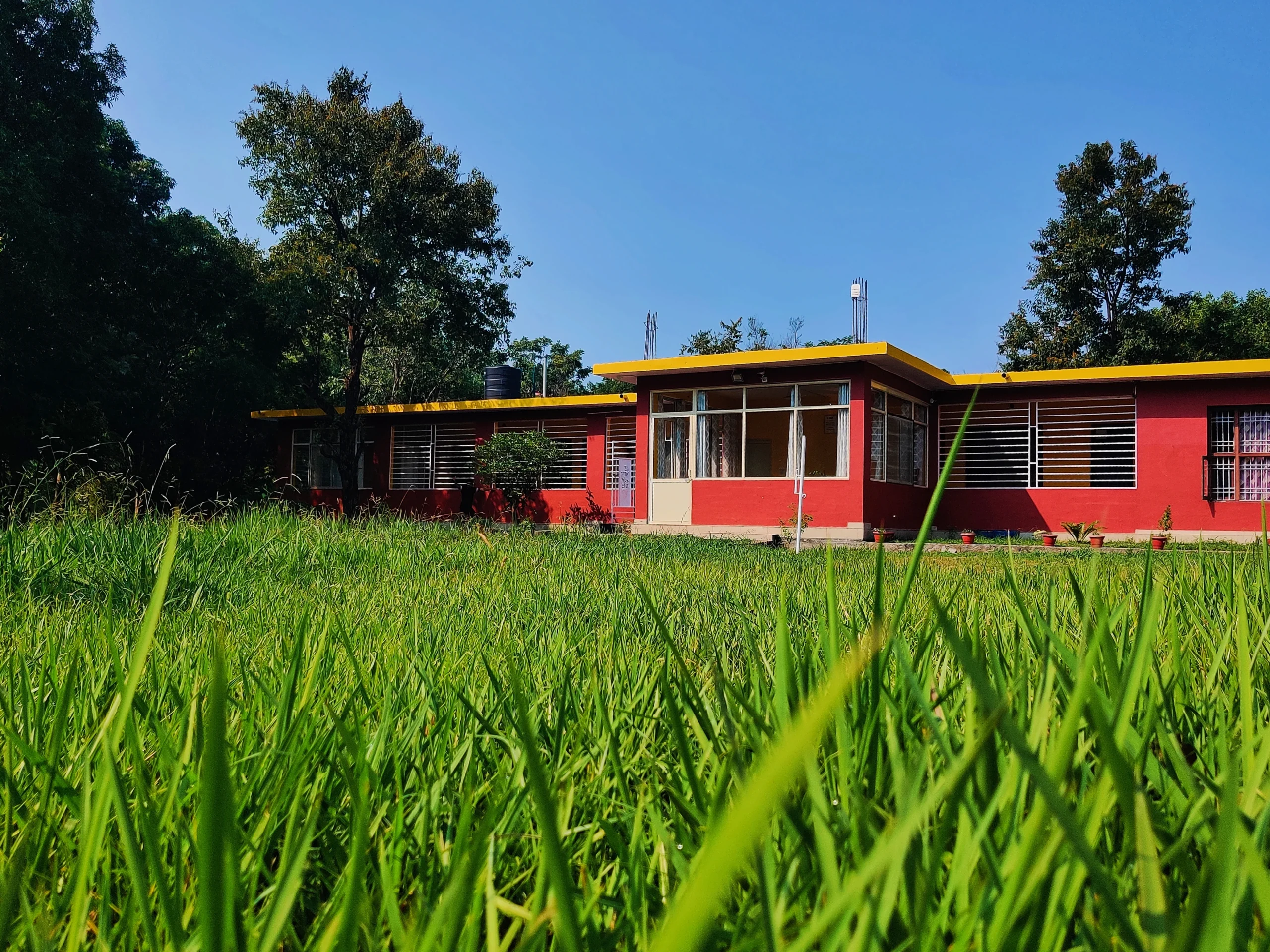
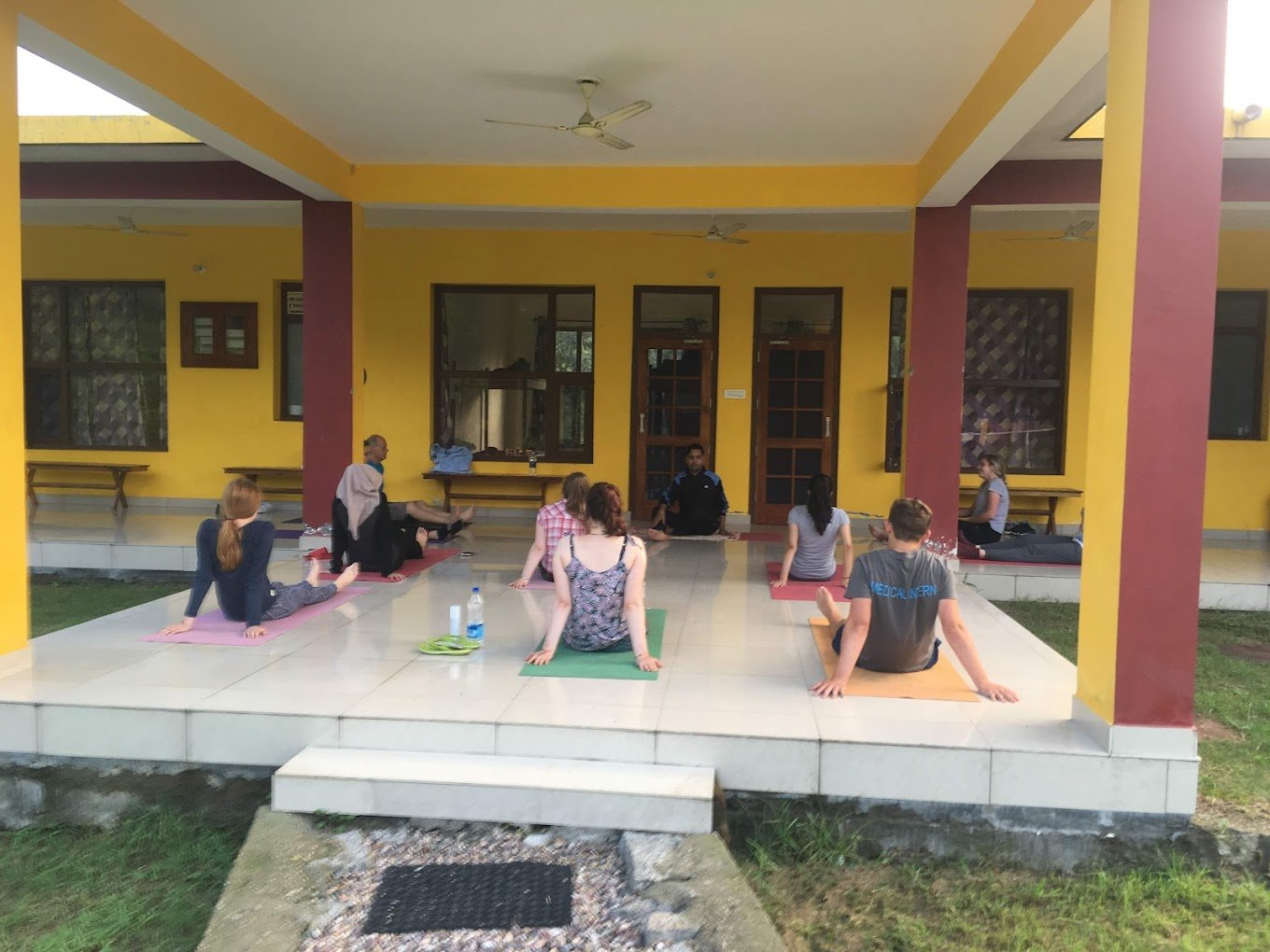
Where Recovery Happens
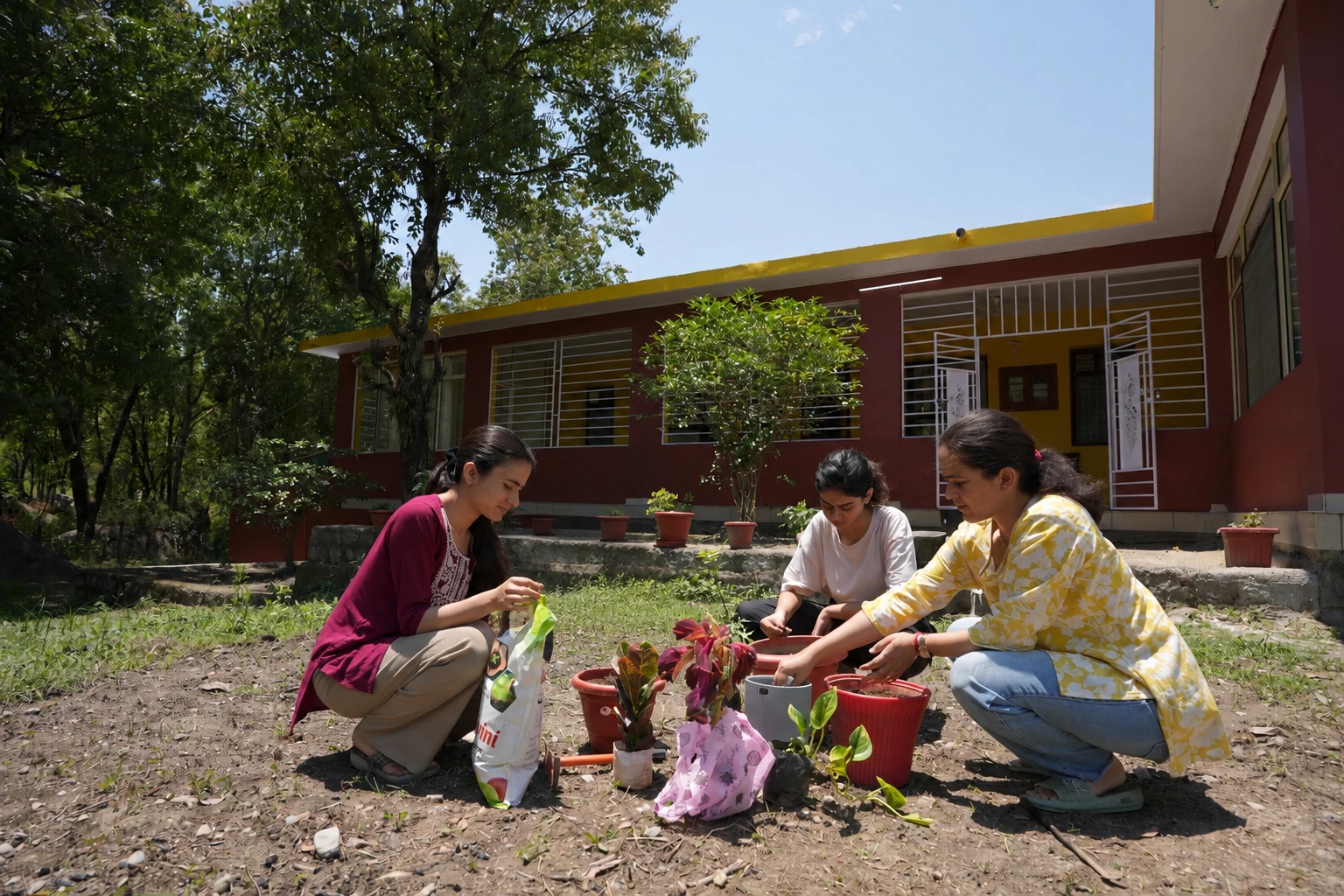
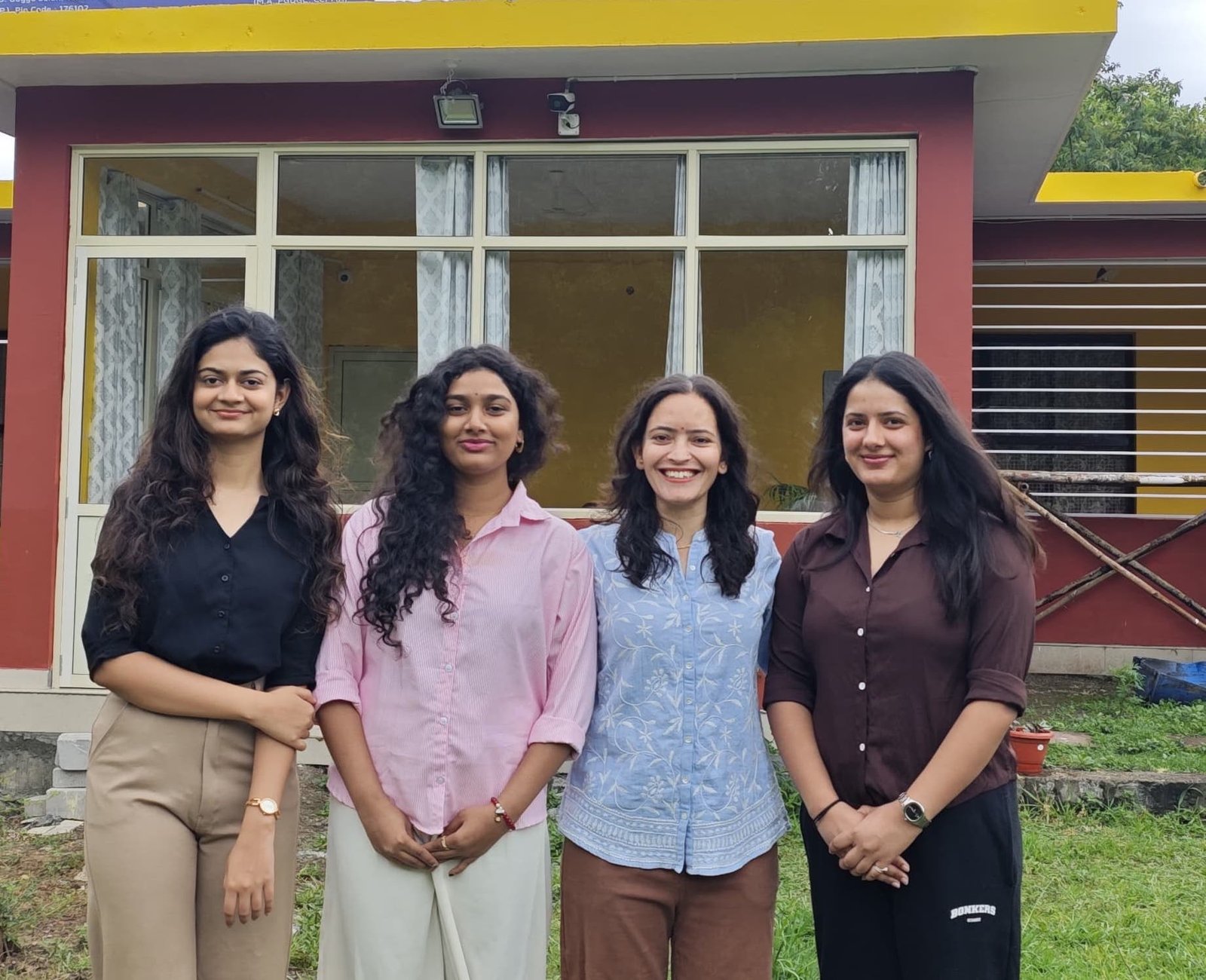
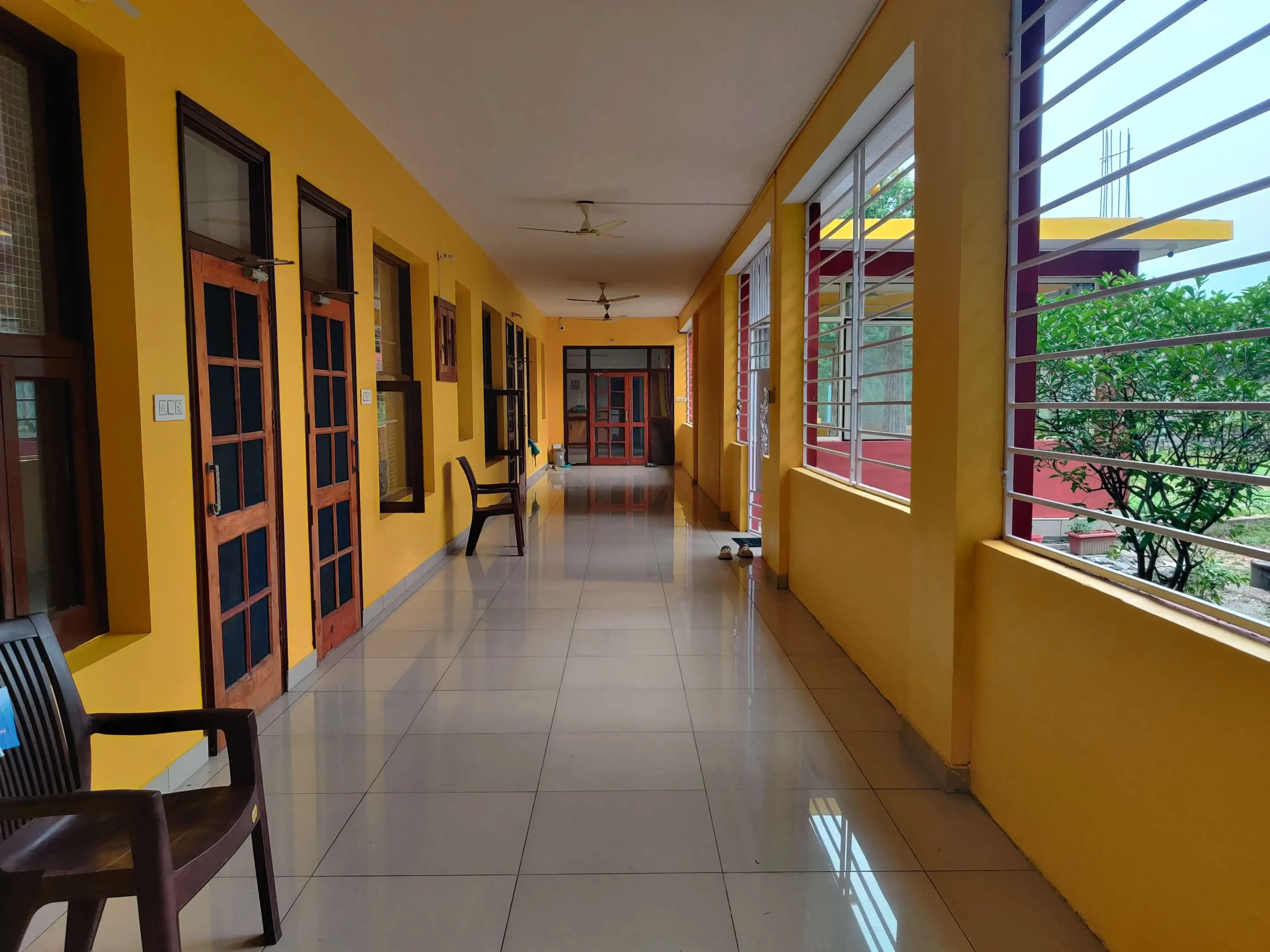
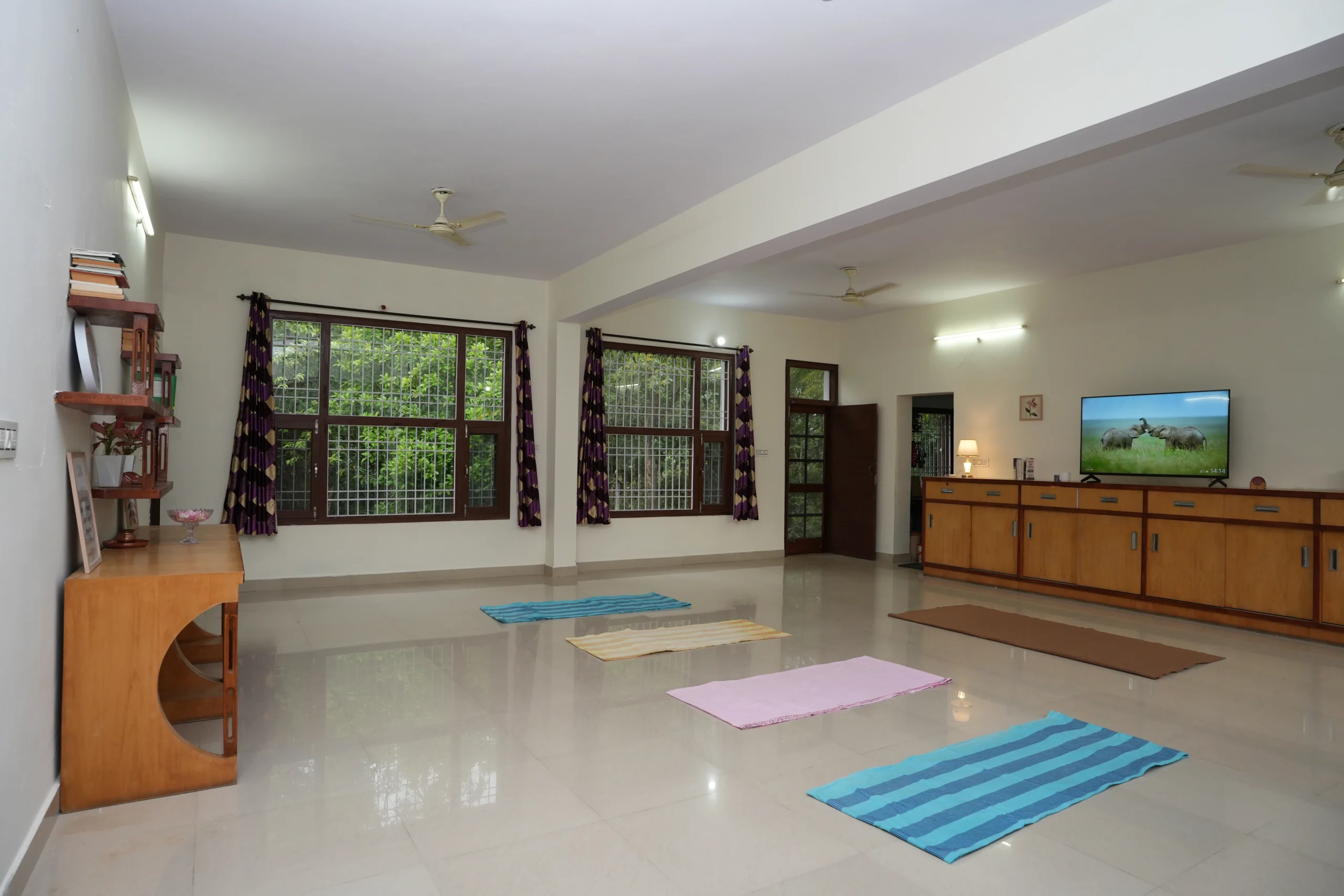
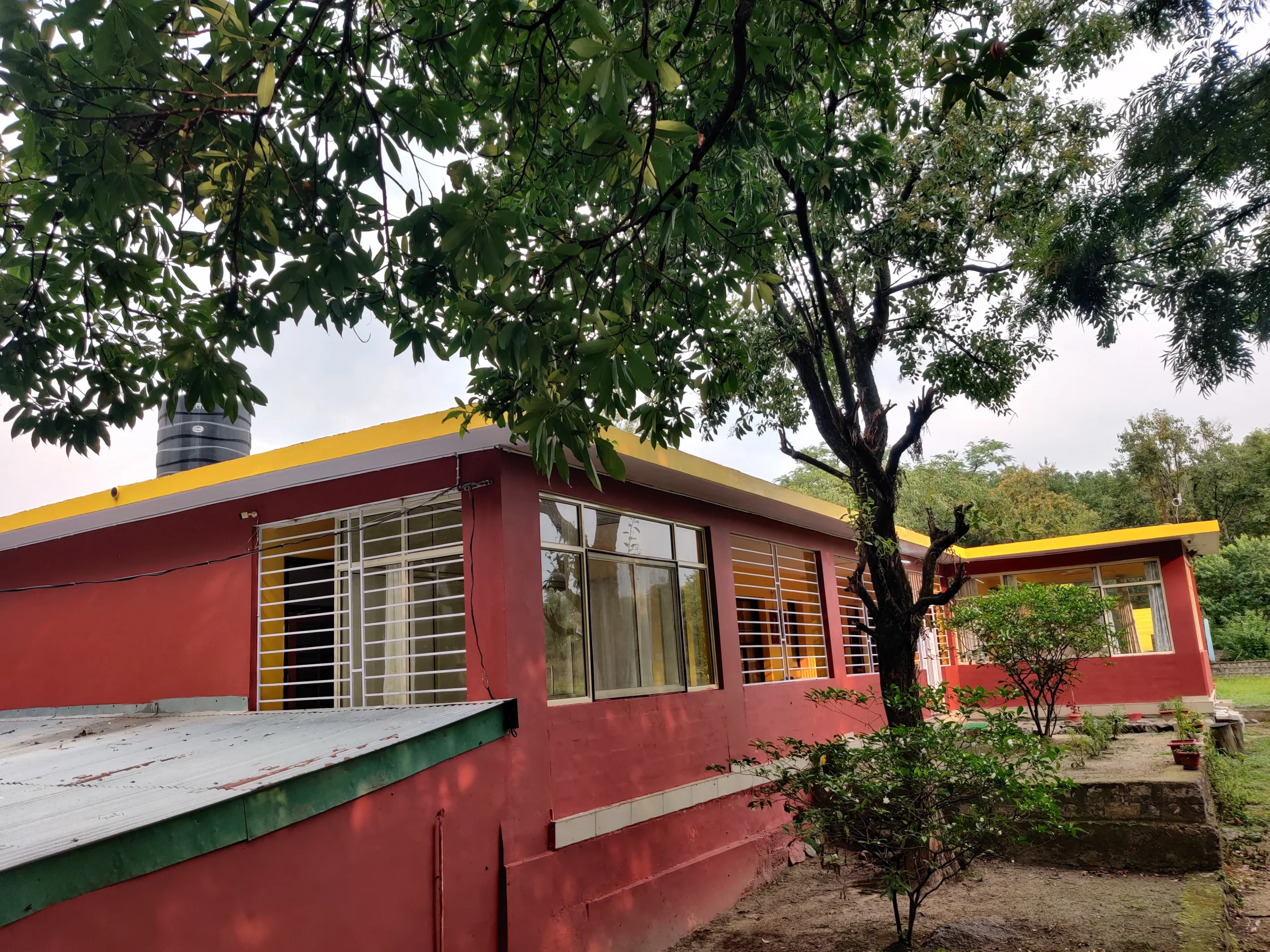
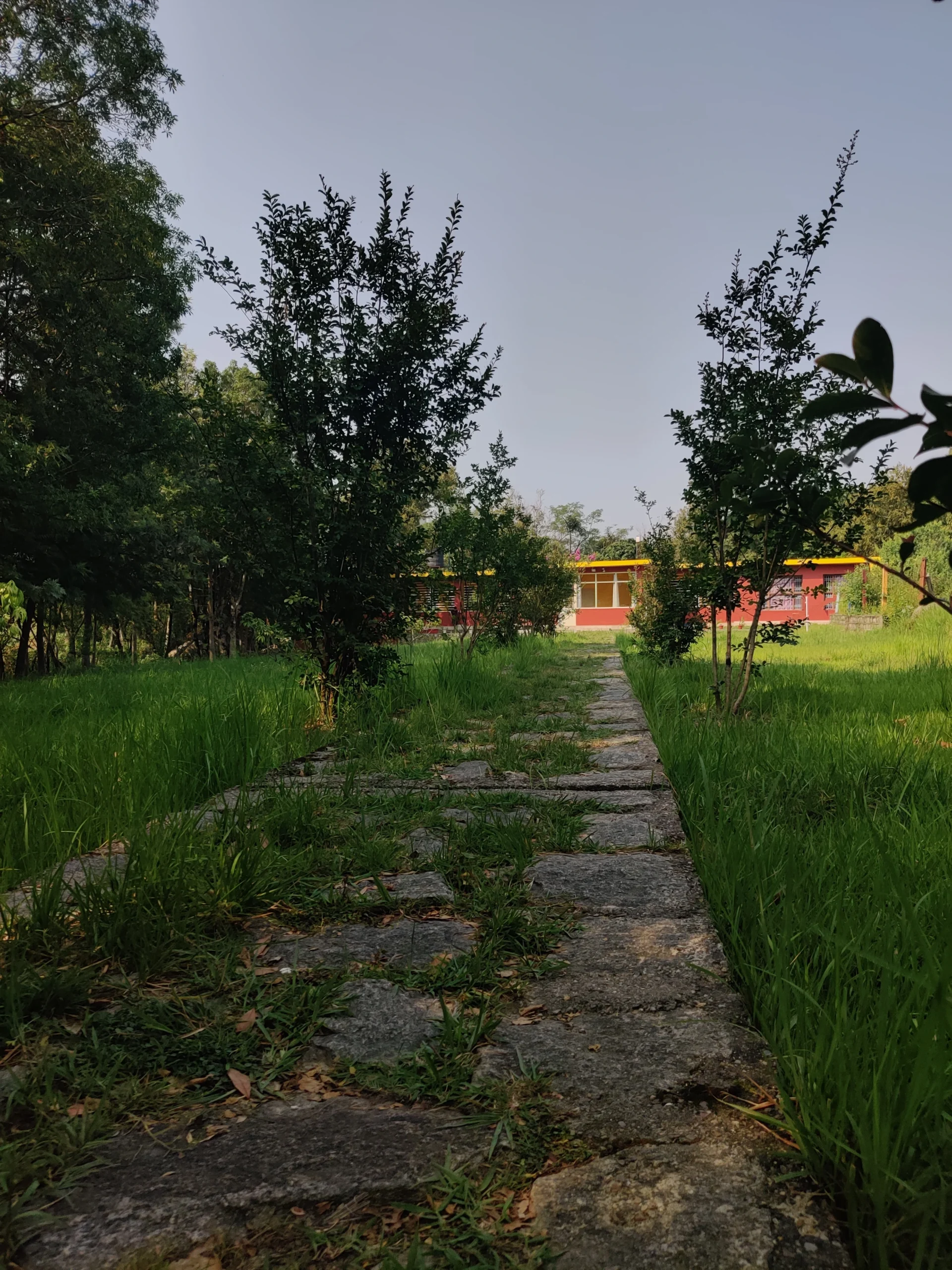
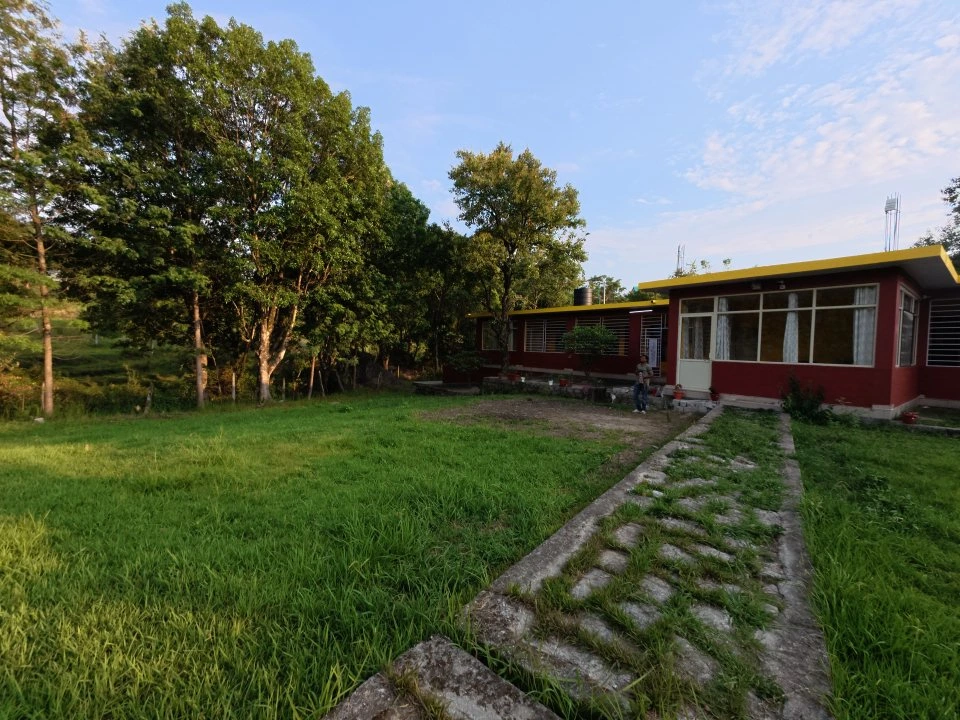
Our women-only residential space sits in the hills near Sullah, Palampur: quiet, green, and deliberately removed from the demands that make rest impossible at home.
Staying Well Afterwards
Depression has a real tendency to recur, and anxiety disorders return under pressure. Neither fact is a reason for pessimism. It is a reason to leave treatment with a plan rather than with relief.
- Your early warning signs, written down. Most women have a recognisable pattern, often sleep or withdrawal first. Catching it at week one is a different problem from catching it at month three.
- Protected sleep. The most reliable single predictor of relapse, and the first thing to go when life gets busy again.
- Scheduled activity that has no purpose. Rest that has to be justified is not rest. This is often the hardest change for Indian women to hold.
- Continued medication where prescribed. Stopping antidepressants as soon as you feel better is one of the most common causes of relapse. Any change belongs with the psychiatrist.
- One person who knows. Not necessarily family. A counsellor is enough.
- A named point of contact. Someone you can reach without explaining your history again from the start.
Vaishalya Wellness: Women's Rehab & Wellness Centre
Residential care in Palampur, Himachal Pradesh. Private online counselling for women anywhere in India.
-
AddressMohal, Gugga Saloh Rd, Tehsil Sullah, Palampur, Distt. Kangra,
Himachal Pradesh 176102 - Phone & WhatsApp +91 82194 74936 · +91 70181 48449
-
Enquiry HoursMonday to Saturday, 10:00 AM to 5:00 PM
Residential care operates 24/7 - Urgent Support, Any HourTele MANAS 14416 · KIRAN 1800 599 0019
- RegistrationAsha Bhupender Charitable Trust · Reg. No. 2025/238/4/186
Frequently Asked Questions
How do I know if it is depression and not just a difficult phase?
The clinical threshold is duration and function. Depression involves persistent low mood or loss of interest and pleasure, present most of the day nearly every day for at least two weeks, together with changes in sleep, appetite, energy, concentration or self-worth, and it represents a change from how you normally are. A difficult phase lifts when the circumstance changes. Depression does not lift when the circumstance improves, which is often the clearest sign.
Can anxiety cause physical symptoms like chest pain and palpitations?
Yes, and they are genuinely physical rather than imagined. Palpitations, chest tightness, breathlessness, trembling, sweating, nausea, dizziness and muscle pain are produced by a stress response activating when there is no threat. Many women are investigated for cardiac or thyroid problems first. Those investigations are worth doing, because thyroid dysfunction, anaemia and vitamin B12 or D deficiency all mimic anxiety and depression and are common in Indian women.
How common are depression and anxiety in India?
India's National Mental Health Survey of 2015 to 2016 found a 12 month prevalence of 3.41 per cent for anxiety disorders, and reported that roughly one in twenty Indians has experienced depression. Women showed higher rates of both mood and anxiety disorders than men. The survey also found a treatment gap of over 80 per cent for common mental disorders, meaning most people who need care never receive any.
Do I need medication, or is counselling enough?
For mild to moderate depression and for many anxiety disorders, psychological treatment alone is often sufficient. For moderate to severe depression, the combination of therapy and antidepressant medication generally works better than either alone. Medication is prescribed and monitored by a psychiatrist, not by a counsellor, and we coordinate that referral. It is never a substitute for the psychological work.
Are antidepressants addictive?
Antidepressants are not addictive in the way sedatives or sleeping tablets are. They do not produce craving or a high, and taking them does not mean you will need them for life. They typically take two to four weeks to work. Stopping suddenly can cause discontinuation symptoms, so any change to the dose or ending treatment should be planned with the prescribing psychiatrist rather than done alone.
Is postnatal depression different from ordinary tiredness after childbirth?
Yes. Brief low mood in the first days after birth is common and usually settles within two weeks. Postnatal depression persists beyond that and involves low mood, anxiety, guilt, difficulty bonding with the baby and often intrusive frightening thoughts. A meta-analysis of Indian studies puts postpartum depression at roughly 22 per cent of mothers. It is treatable, it is not a reflection of your love for your child, and it should not be waited out.
Can hormonal changes cause depression and anxiety?
Hormonal transitions are established periods of increased vulnerability. Women with no previous history of depression are substantially more likely to experience a depressive episode during the menopausal transition. Premenstrual dysphoric disorder produces severe mood disturbance in the days before menstruation and is associated with markedly elevated rates of suicidal thinking. Both are recognised clinical conditions and both respond to treatment.
Do I have to stay at the centre, or can I have counselling from home?
Most women do not need residential care. Online counselling is available across India and is appropriate for mild to moderate depression and most anxiety disorders. Residential care is indicated where symptoms are severe, where outpatient treatment has not held, where exhaustion is total, or where home life leaves no space in which to be unwell.
Will my family be told?
Nothing is disclosed to a spouse, parent or any other person without your explicit consent. We will speak to family members about the condition in general terms if you wish, but we will not confirm whether you are our client or share information about you. The only limit is the one any responsible clinician holds, where there is serious risk to life.
How long does treatment take?
Structured psychological treatment for depression or an anxiety disorder typically runs across several months of weekly sessions, though many women notice meaningful change earlier than that. Physical symptoms such as sleep and appetite usually improve before mood does. Where medication is involved, it generally takes two to four weeks to take effect and is continued for a period after recovery to reduce the risk of relapse.
Will depression come back?
Depression does have a tendency to recur, and anxiety disorders can return under pressure. This is a reason to leave treatment with a written relapse-prevention plan rather than a reason for pessimism. Knowing your own early warning signs, protecting sleep, continuing medication where prescribed and having one person you can contact make recurrence both less likely and far easier to manage when it happens.
Someone I love is depressed and will not seek help. What should I do?
Name what you have noticed without diagnosing it, take something practical off her list, and offer to help her find support including going with her to a first appointment. Avoid telling her to think positively, or that others have it worse, or framing it as ingratitude, all of which add guilt to the illness. Do not wait for her to ask, because depression removes exactly the initiative required to ask. If there is any risk to her life, contact Tele MANAS on 14416 or take her to the nearest hospital.
Medical disclaimer. This page is for general information and does not constitute medical advice, diagnosis or treatment. Antidepressant and anti-anxiety medication must be prescribed and monitored by a qualified psychiatrist. Vaishalya Wellness is not a crisis service, suicide helpline or emergency medical establishment. If you are having thoughts of ending your life or of harming yourself, please contact Tele MANAS on 14416 or the KIRAN mental health helpline on 1800 599 0019, both free and available 24 hours a day, or attend your nearest hospital. Support for women facing violence or abuse is available on the national women's helpline, 181. This is a sensitive subject. If any of it is affecting you personally, we are glad to help you find the right support, whether or not that turns out to be us.

About Vaishalya Wellness
Set in the quiet foothills of the Dhauladhar range in Palampur, Vaishalya Wellness is a women only rehabilitation and recovery centre. We offer a safe, private and dignified space for women seeking professional help with addiction, trauma and mental health, guided by clinical care and genuine compassion.
A women only residential facility in Himachal Pradesh.
Registration No: 2025/238/4/186
What We Treat
Additional Info
Contact
Call us +91 82194 74936 +91 70181 48449
Mohal, Gugga Saloh Rd,Tehsil Sullah, Palampur,
Himachal Pradesh 176102 Get directions
© 2026 Vaishalya Wellness. All rights reserved.
Privacy Policy