- Resources
- Volunteer
- Internship
- Our approach
- FAQ
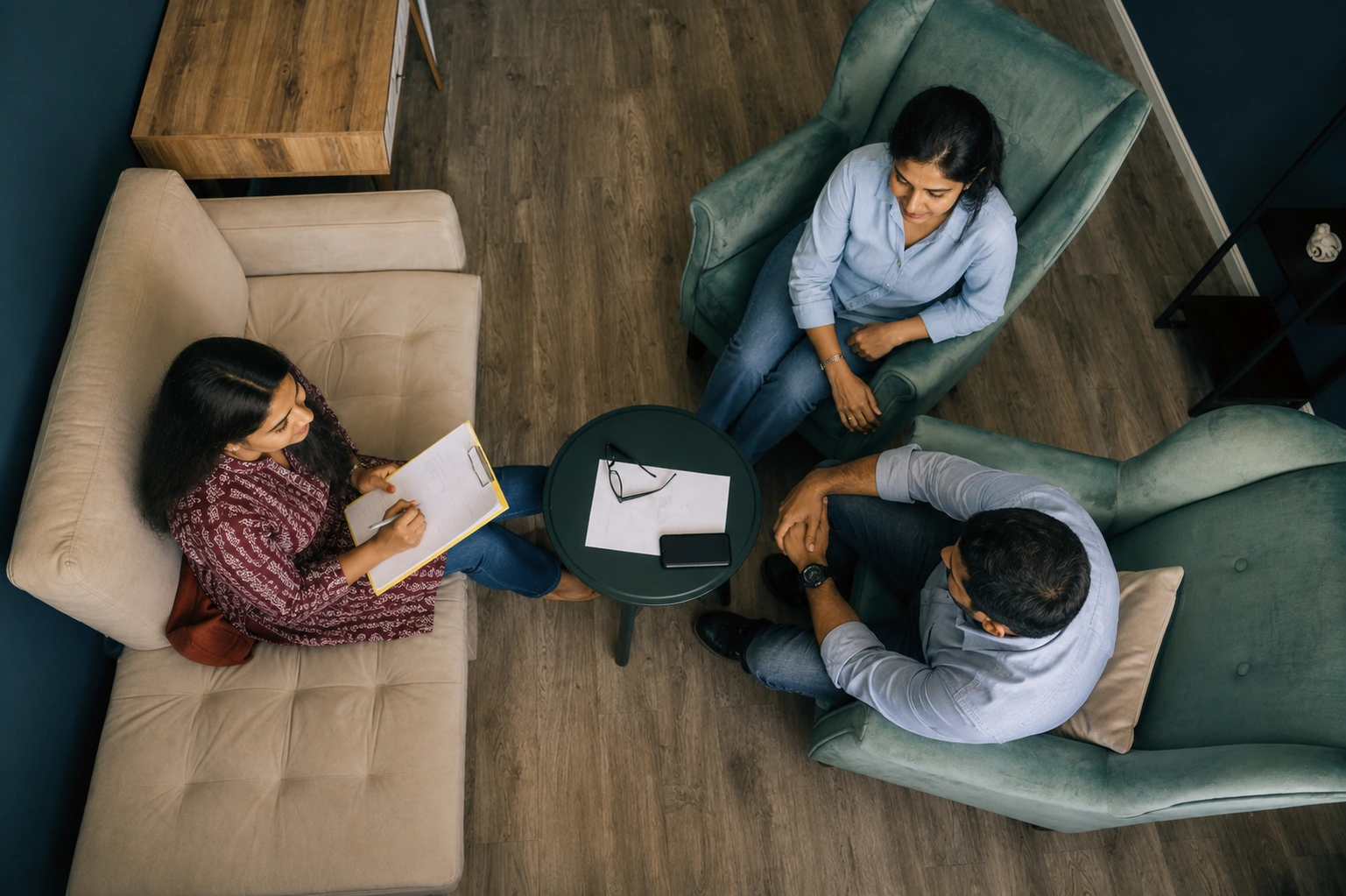
Bhang Addiction Treatment
for Women in Himachal Pradesh
A women-only residential de-addiction and wellness centre in Palampur, treating bhang, ganja and charas dependence with evidence-based therapy in a private, judgement-free setting.
Bhang occupies a strange place in Indian life. It is offered at Holi and Maha Shivratri, sold openly in licensed shops in several states, prepared at home as thandai or pakora, and handed to children by relatives who would never offer them alcohol.
That social permission is exactly what makes it difficult to recognise as a problem. Nobody stages an intervention over a drink that the temple queue is also drinking.
Quick AnswerOverview: Bhang Addiction Treatment in Himachal Pradesh
Bhang addiction is a form of Cannabis Use Disorder. Bhang is an edible or drinkable preparation of cannabis leaves and seeds; its active compound, THC, acts on CB1 cannabinoid receptors in the brain's reward, memory and motivation circuits. Repeated use downregulates these receptors, producing tolerance and a genuine withdrawal syndrome.
Withdrawal typically begins 24 to 72 hours after the last dose, peaks between day 2 and day 6, and resolves over two to four weeks, though sleep disturbance and vivid dreams can persist for six weeks or more.
There is no approved medication for cannabis use disorder anywhere in the world. Treatment is psychological: cognitive behavioural therapy, motivational enhancement therapy and contingency management are the established first-line approaches, supported by structured routine, sleep restoration and relapse-prevention planning.
Vaishalya Wellness delivers this in a women-only residential setting at Mohal, Gugga Saloh Road, Sullah, Palampur, with flexible stays and full confidentiality.
Bhang, ganja and charas are the same drug at different doses. They differ in which part of the plant is used and how much THC it carries, not in the receptor they act on. Dependence on any of them is treated along the same clinical pathway.
Contact Us
Most women who come to us for cannabis dependence did not arrive through a dramatic incident. They arrived because something quietly stopped working: concentration, motivation, sleep, the ability to feel interested in anything without it.
In Himachal Pradesh the plant grows wild across Kangra, Mandi and the Parvati valley, and bhang carries religious sanction that alcohol never has. For many women here it is the first substance they ever used, often handed to them by family, often before they were old enough to consent to it.
We do not treat that history as a character flaw. Under the guidance of counselling psychologist Leena Mehta, Chairperson of the Asha Bhupender Charitable Trust, we treat it as what it is: a treatable disorder with a well-mapped clinical pathway.
What Is Bhang Addiction?
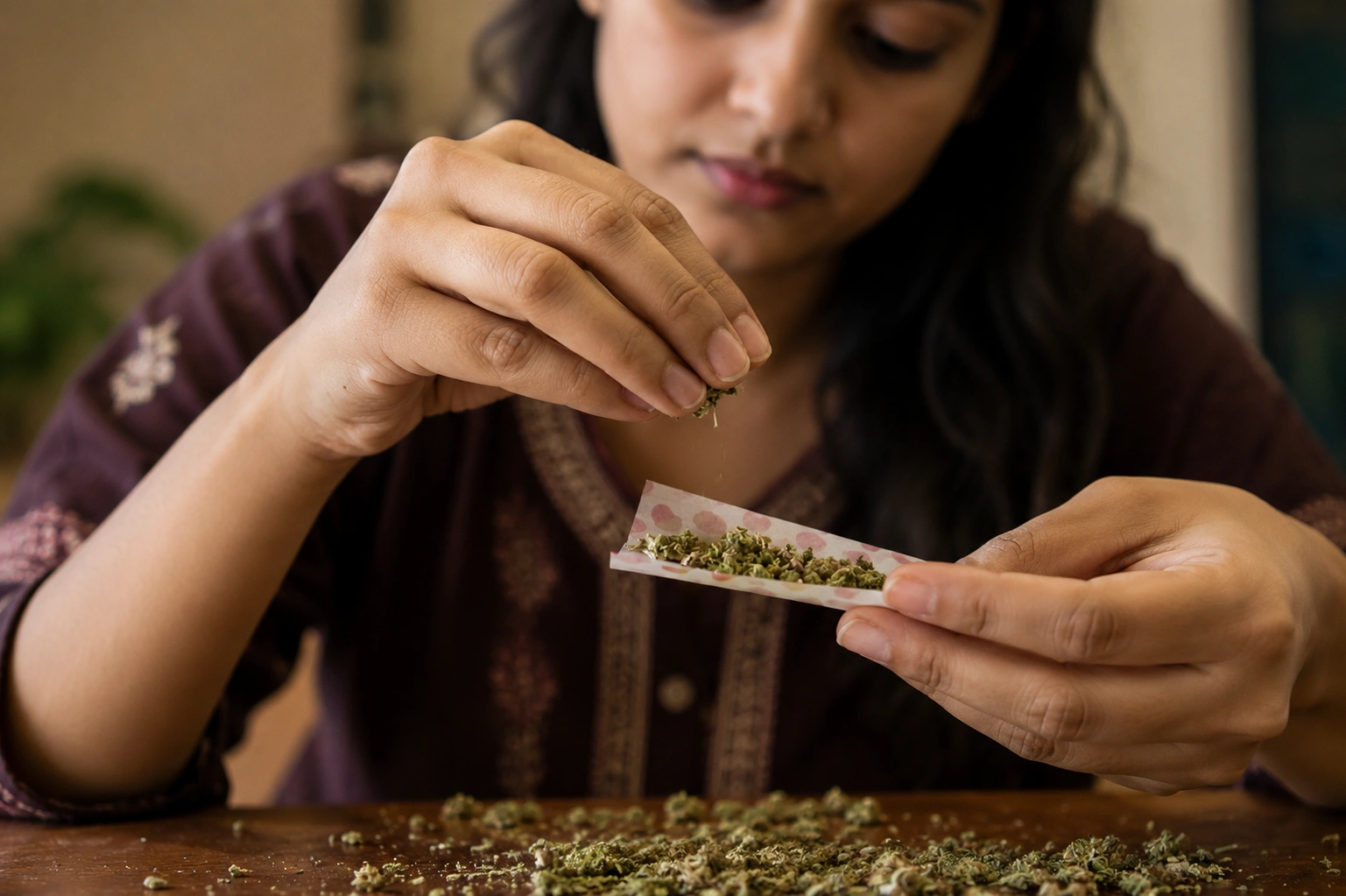
Bhang is a preparation of cannabis leaves and seeds, ground into a paste and consumed as a drink, sweet or savoury edible. Ganja is the flowering top; charas is the concentrated resin. All three deliver the same primary psychoactive compound, delta-9-tetrahydrocannabinol (THC).
THC binds to CB1 receptors in the endocannabinoid system, which is densely present in the hippocampus, prefrontal cortex, basal ganglia and cerebellum. This is why cannabis affects memory, judgement, motivation and coordination together rather than separately.
With sustained heavy use the brain downregulates CB1 receptors. That is tolerance. When intake stops, the now-underactive system produces the irritability, anxiety, insomnia and appetite loss recognised in the DSM-5 as cannabis withdrawal. Diagnostically the condition is Cannabis Use Disorder.
Why bhang catches people out. Eaten or drunk, THC passes through the liver first and is converted to 11-hydroxy-THC, a metabolite substantially more potent than THC itself. Oral onset is delayed 30 to 120 minutes and peaks around three hours, with effects lasting six to twelve hours. Because nothing seems to be happening, people take more, and the second dose lands on top of the first. This is the single most common route to an acute cannabis crisis in India.
Source: Magnitude of Substance Use in India, 2019. NDDTC, AIIMS for the Ministry of Social Justice and Empowerment.
Bhang Is Legal. That Does Not Mean It Is Harmless.
The Narcotic Drugs and Psychotropic Substances Act, 1985 defines cannabis in terms of charas (resin) and ganja (flowering tops). It expressly excludes the leaves and seeds when not accompanied by the flowering tops. Bhang, made from those leaves, therefore falls outside the NDPS Act, though it remains subject to individual state excise law, with some states licensing its sale and others banning it outright.
That exemption is a quirk of statutory drafting, not a finding about safety. The NDPS Act was written to accommodate a long-standing religious and cultural practice. It makes no claim about whether daily bhang consumption produces dependence, and the clinical evidence is clear that it does.
Families routinely tell us "it's only bhang, it's legal, it's given in the temple." All of that can be true while a woman is still meeting every diagnostic criterion for a substance use disorder.
Most Common Signs of Bhang Dependence
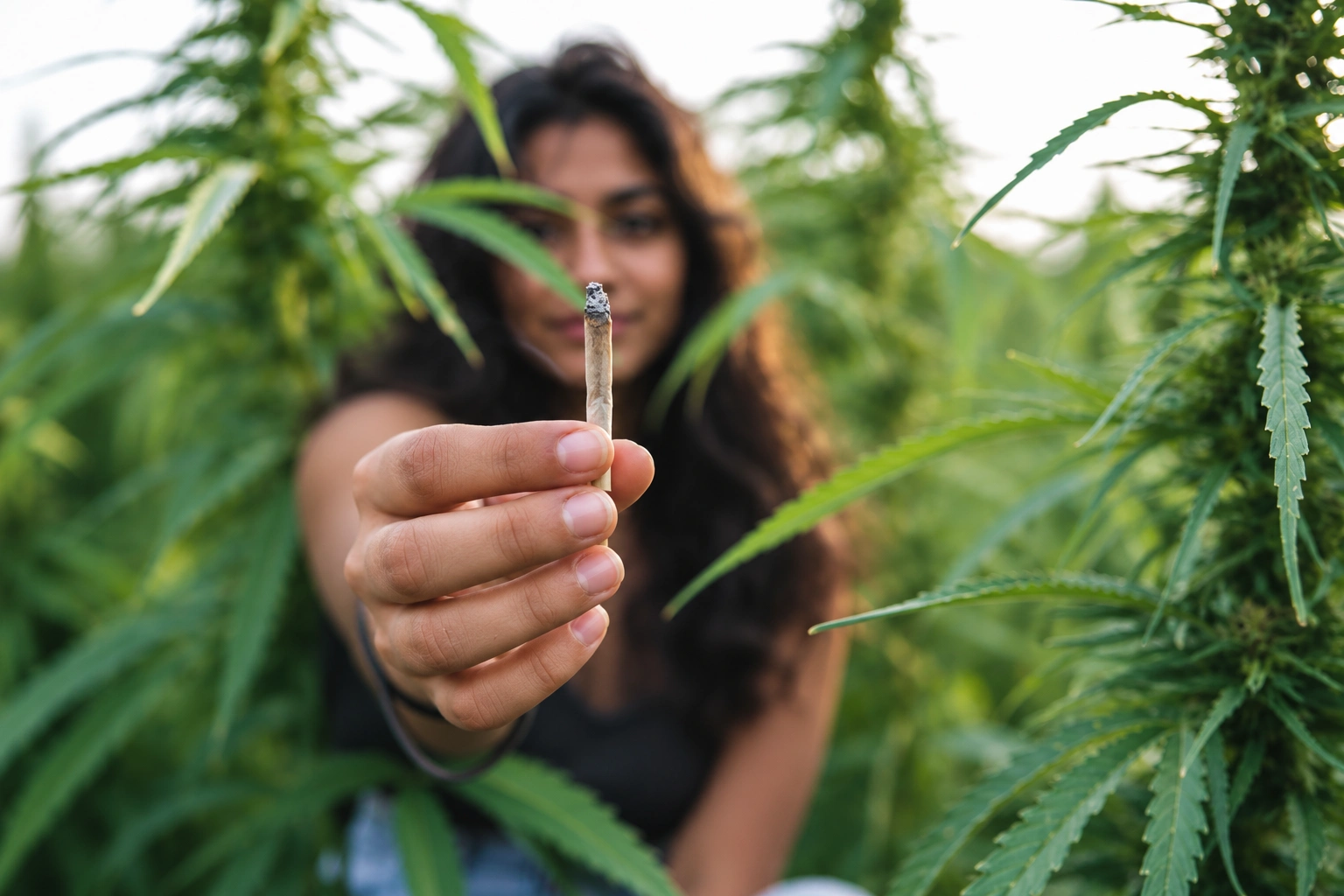
Cannabis dependence is rarely loud. It shows up as a slow narrowing of life rather than a crisis, which is why it is so often missed for years.
One question separates habit from dependence more reliably than quantity does: have you tried to cut down and been unable to? Repeated failed attempts to reduce are a core diagnostic criterion, and the reason self-discipline alone so rarely resolves it.
Risk Factors for Developing Cannabis Dependence
Early age of first use is the strongest single predictor. The brain's regulatory circuitry continues developing into the mid-twenties, and cannabis exposure during that window carries markedly higher risk of both dependence and psychiatric complications than adult-onset use.
Potency matters. Charas and modern high-THC ganja are far stronger than the material most families picture. Daily use of high-potency cannabis has been associated with roughly five times the odds of psychotic disorder compared with never using.
Untreated mental illness is the other major driver. Anxiety, depression, trauma and insomnia are all commonly self-medicated with cannabis, which relieves them briefly and worsens them over time.
Local factors compound all of this: wild cannabis growing freely across the district, near-zero cost, festival normalisation, and household use that makes abstinence socially awkward rather than supported.
Assessment at Vaishalya Wellness covers use history and route, quantity and frequency, previous attempts to stop, a full mental-health screen, and any co-occurring alcohol, tobacco or opioid use.
The Cannabis Withdrawal Timeline
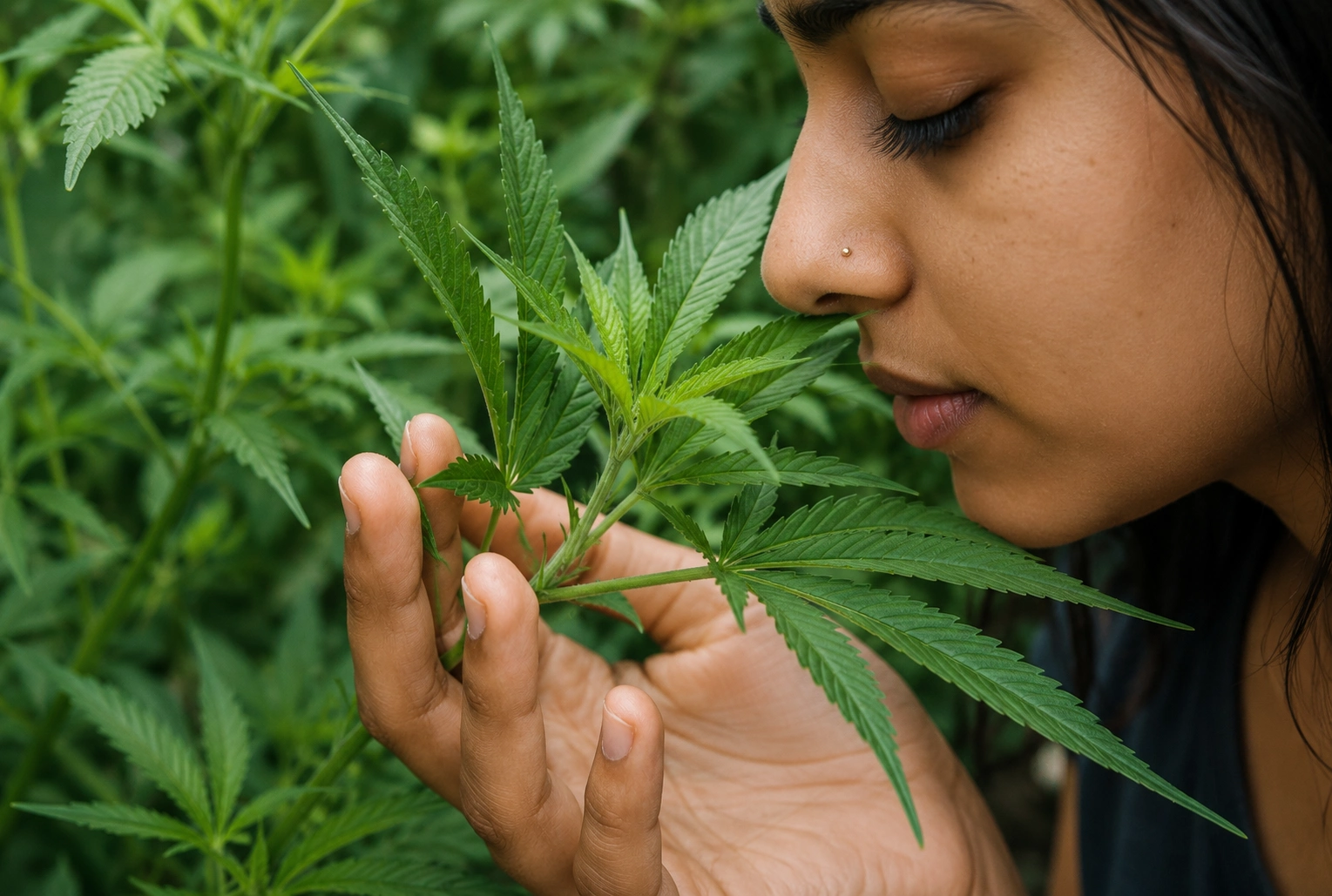
For decades cannabis was described as producing no withdrawal at all. The DSM-5 formally recognised cannabis withdrawal as a diagnosis, and anyone who has tried to stop after years of daily use already knew it existed. It is not medically dangerous, but it is the reason most unsupported attempts collapse in the first week.
Onset
Irritability, restlessness and anxiety appear. Appetite drops sharply. Sleep becomes difficult almost immediately. Because THC is fat-soluble and clears slowly, onset is later than with most other substances.
Peak Intensity
Symptoms reach maximum severity: anger and aggression, marked anxiety, low mood, night sweats, headache, tremor, abdominal discomfort and strikingly vivid dreams as suppressed REM sleep rebounds.
Gradual Resolution
Mood, appetite and concentration steadily improve. Most acute symptoms resolve within two to four weeks. Cravings become situational rather than constant, tied to particular people, places and times of day.
Sleep & Dreams
Disturbed sleep and intense dreaming are the most persistent symptoms and can continue for six weeks or longer. Sleep restoration is treated as a clinical priority, because exhaustion is a leading cause of relapse.
Cognitive Recovery
Attention, verbal memory and motivation continue improving over weeks to months of abstinence. Many women describe this phase as the point where they realise how much the drug had been costing them.
Withdrawal Symptoms We Manage
How Cannabis Affects Women's Health
Cannabis does not affect men and women identically. Several of the differences are clinically significant and are among the reasons we run a women-only programme.
Telescoping
Women progress from first use to diagnosable disorder, and from disorder to seeking treatment, faster than men. A shorter history does not mean a milder problem. It frequently means the opposite.
Pregnancy & Breastfeeding
THC crosses the placenta and is present in breast milk. Cannabis use in pregnancy is associated with lower birth weight and adverse neurodevelopmental outcomes. No safe level has been established.
Psychosis Risk
Cannabis use is associated with roughly twice the odds of psychotic outcomes overall, rising to around five times for daily high-potency use. Risk is highest with early-onset use and family history of psychosis.
Memory & Attention
THC acts directly on the hippocampus and prefrontal cortex. Verbal memory, attention and executive function are measurably impaired during heavy use, with recovery over weeks to months of abstinence.
Motivation & Drive
Blunted motivation, flattened ambition and social withdrawal are among the most common reasons women eventually seek help, and among the first things to return in recovery.
Cannabinoid Hyperemesis
Chronic heavy use can produce cyclical severe vomiting and abdominal pain, characteristically relieved by hot bathing. It is frequently misdiagnosed for years and resolves only on cessation.
Anxiety & Depression
Cannabis briefly relieves anxiety and reliably worsens it with sustained use. Where an underlying mood or anxiety disorder exists, treating only the cannabis leaves the driver untouched.
Stigma & Isolation
A woman using cannabis in Himachal Pradesh faces social judgement a man does not. That stigma delays help-seeking for years and is a clinical problem in its own right, not a side issue.
Cannabis, Psychosis and Mental Health
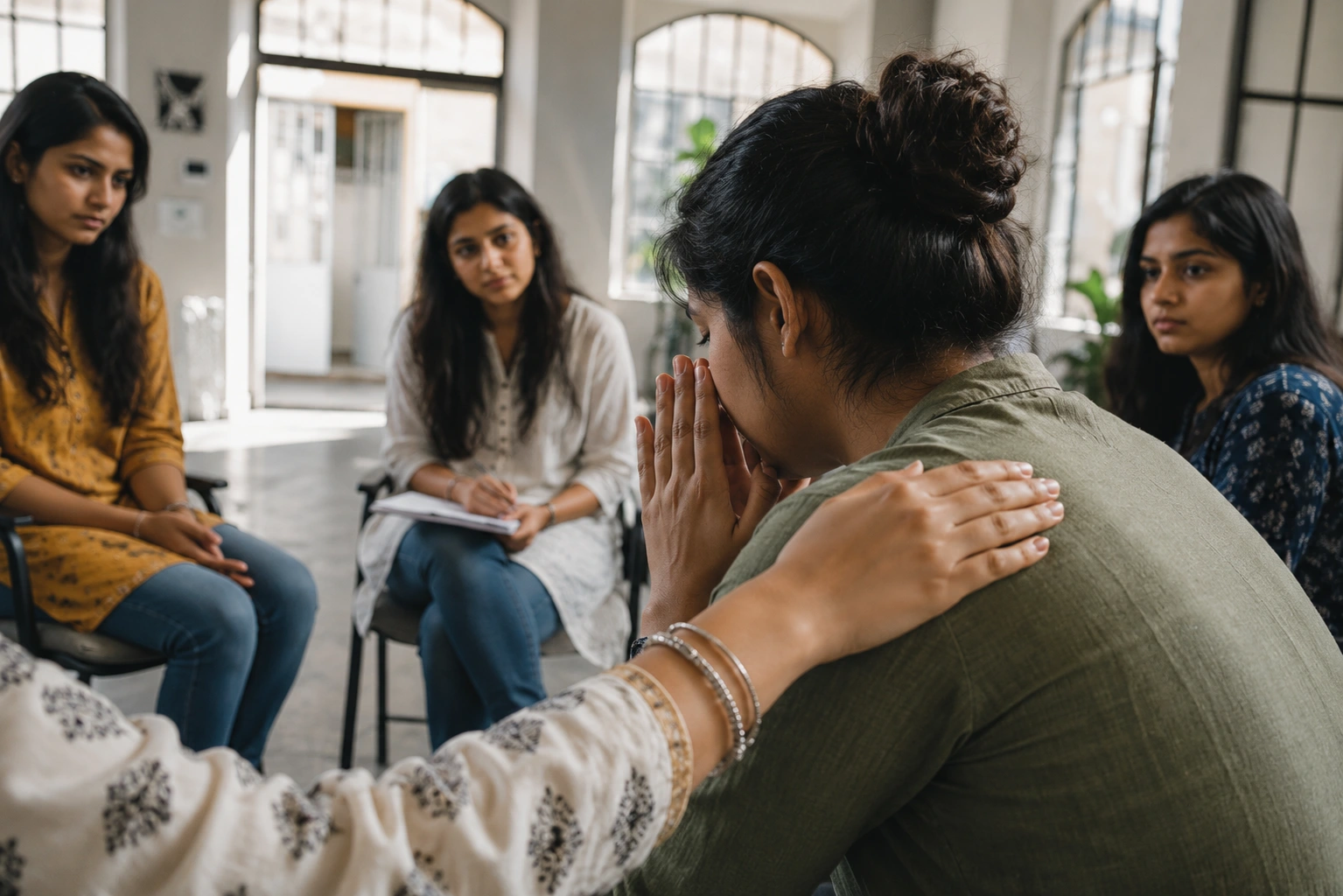
Most people who use cannabis will never develop a psychotic illness. But the association is one of the most consistently replicated findings in psychiatry, and it is not evenly distributed. Risk concentrates in people who started young, use daily, and use high-potency material such as charas.
Meta-analysis places the odds of psychotic outcomes at roughly twice that of non-users for any cannabis use. For daily high-potency use, case-control data from Europe put it near five times. A large Swedish conscript cohort found heavy users carried several times the risk of later schizophrenia.
Acute effects are more common than the chronic ones: transient paranoia, panic, derealisation and confusion, particularly after oral doses where the delayed onset leads to redosing. These usually resolve, but they are frightening and they are a legitimate reason to seek help.
At Vaishalya Wellness every admission includes a mental-health screen. Where psychotic symptoms, significant depression or an anxiety disorder are present, we coordinate with psychiatric services rather than treating the substance in isolation.
When Should I Seek Professional Help?
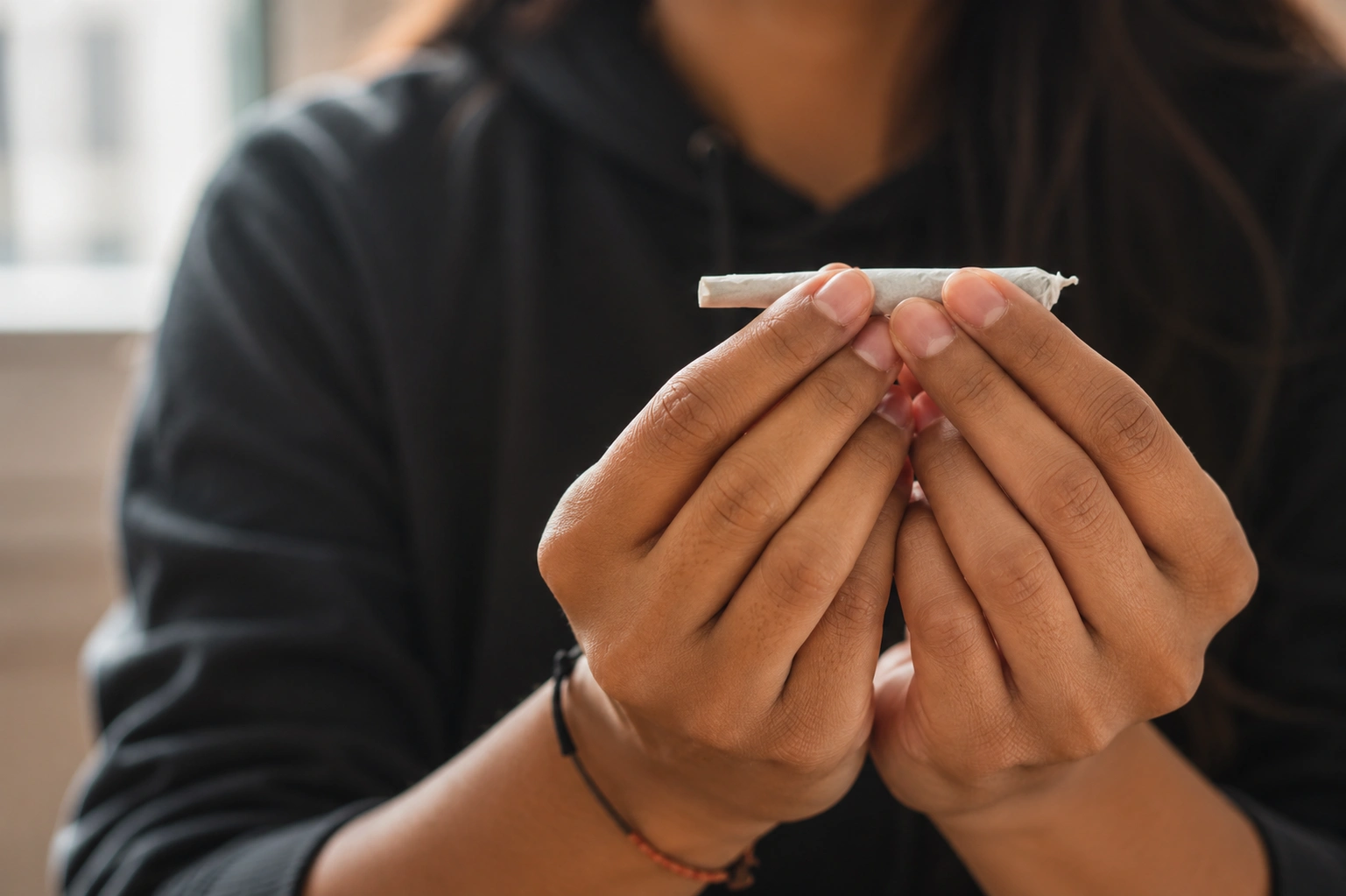
You do not need to have lost anything dramatic. With cannabis, the usual pattern is not collapse but gradual erosion, and erosion is easy to rationalise for years.
Seek help if you use most days, if you have tried to stop and could not, if you use before ordinary daily tasks rather than after them, or if you have experienced paranoia, panic or confusion during or after use.
Seek help sooner if cannabis is managing something else: sleeplessness, grief, an anxiety disorder, an unhappy marriage, or memories you would rather not have. In those cases stopping the cannabis without treating the driver almost always fails.
For families: the reliable signals are declining participation, defensiveness when the subject is raised, sleeping through the day, loss of interest in things she used to care about, and money or possessions going missing. Persistent vomiting with compulsive hot showers is a specific red flag that warrants medical assessment.
Evidence-Based Treatment for Bhang & Cannabis Dependence
There is no approved medication for cannabis use disorder in any country. Trials of cannabinoid agonists, CBD, gabapentin, N-acetylcysteine and antidepressants have produced inconsistent or modest results. That makes psychological treatment not one option among several, but the treatment.
Cognitive Behavioural Therapy
CBT maps the situations, thoughts and feelings that precede use, challenges the beliefs holding it in place, and builds alternative responses. Alongside motivational enhancement it is the best-evidenced psychosocial treatment for cannabis use disorder.
Motivational Enhancement Therapy
Ambivalence is the norm with cannabis, precisely because the harms are gradual. MET resolves it without confrontation, helping you articulate your own reasons for change rather than absorbing someone else's.
Contingency Management
Structured, tangible reinforcement for verified abstinence and treatment milestones. Combined with CBT and MET it produces the strongest outcomes currently available for this disorder.
Sleep Restoration
Insomnia is the longest-lasting withdrawal symptom and the most common trigger for resuming use. We treat it directly with sleep hygiene protocols, structured routine, evening breathwork and behavioural intervention.
Group Therapy
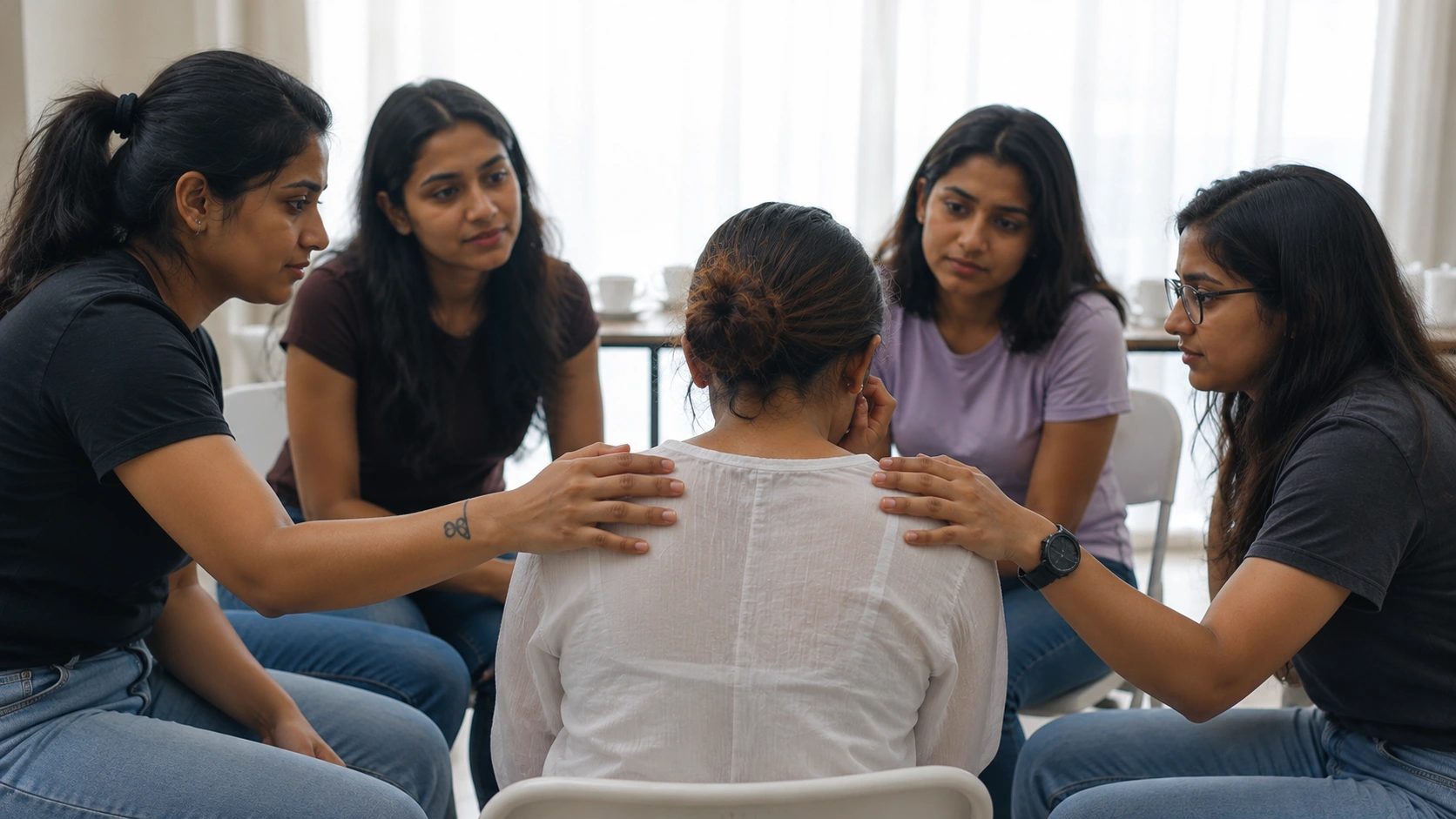
Women-only process groups counter the isolation and shame that keep cannabis use hidden in Himachal Pradesh, and provide the accountability that individual sessions alone cannot.
Family Counselling
Where the client consents, family sessions address household use, festival pressure and the "it's only bhang" framing that quietly sustains the problem.
Yoga, Breathwork & Ayurveda
Daily guided yoga, pranayama and mindfulness target craving-related arousal and restlessness. Clean, Ayurvedic-inspired nutrition supports appetite and weight recovery through the withdrawal window.
Co-Occurring Condition Care
Where anxiety, depression, psychotic symptoms or another substance use disorder is present, we assess and treat concurrently, coordinating with psychiatric services for medical management where required.
On "medical cannabis" as a substitute. Switching from bhang to another cannabis preparation does not treat dependence. It maintains it. Where a genuine medical indication exists, that is a decision for a treating physician, not a substitution strategy.
What Levels of Care Are Available?
Severity, home environment and co-occurring conditions decide the right level. Vaishalya Wellness runs a stepped continuum so a woman can enter where she actually needs to.
Outpatient Counselling & Structured Quit Support
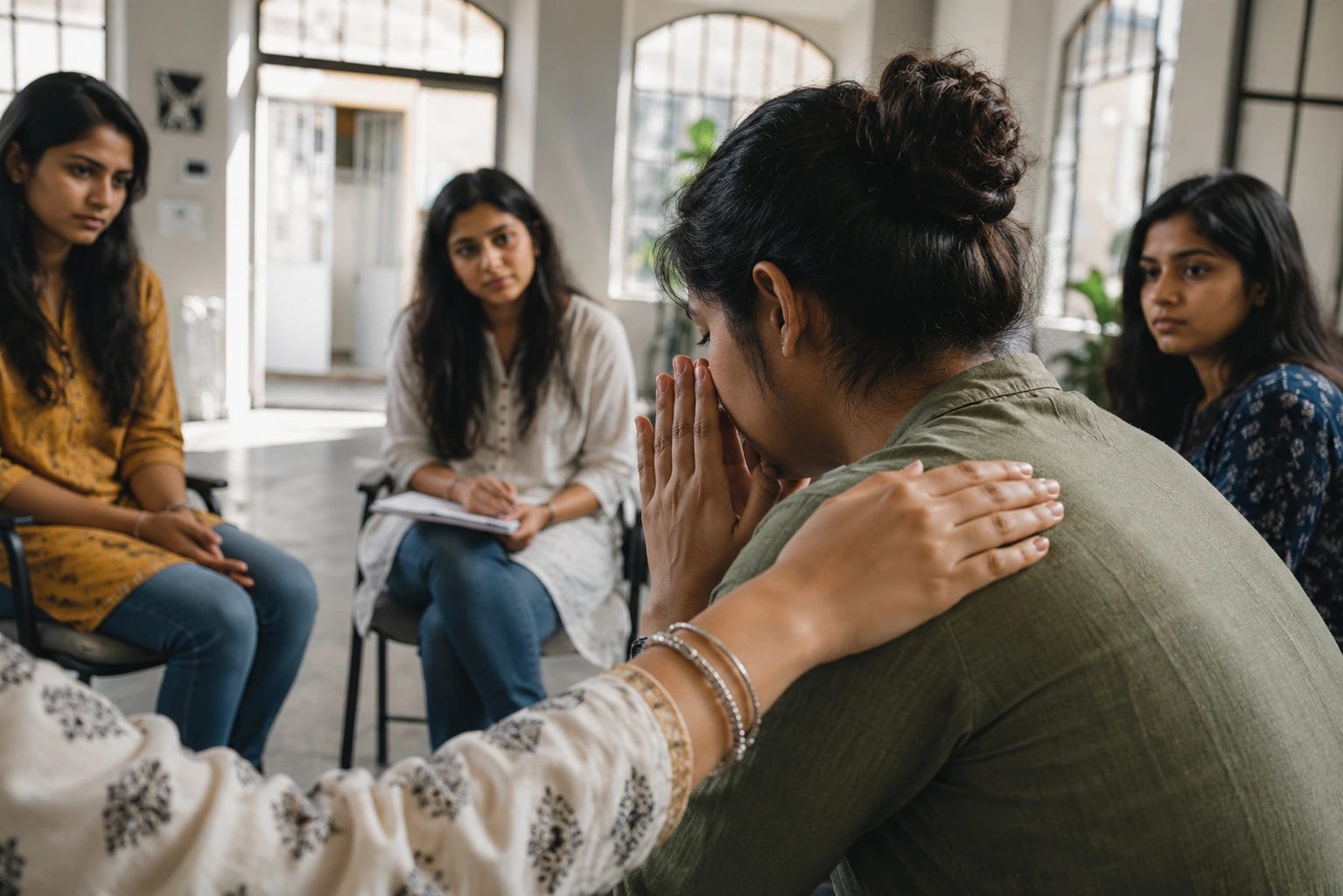
For mild to moderate dependence where home life can support abstinence. Weekly individual sessions build the quit plan, map triggers, restore sleep and provide accountability through the first critical month. Available in person in Palampur or online across Himachal Pradesh.
Residential Wellness Stay (Women Only)
Our core programme, and usually the right choice when cannabis is present in the household, when privacy at home is impossible, or when a woman has already tried and failed to stop on her own.
Distance from supply matters more with cannabis than with almost any other substance, because in this district it is free, wild and everywhere. Removing access for a few weeks does much of the work that willpower cannot.
Stays are flexible: 15 days, one month or longer. Days are structured around individual counselling, group work, yoga and mindfulness, nature-based activity and clean Ayurvedic-inspired meals, in a deliberately low-stimulation, work-from-home-friendly environment.
Dual-Diagnosis Care
Cannabis dependence commonly coexists with anxiety disorders, depression, trauma-related conditions and alcohol or tobacco use. Where psychotic symptoms are present, psychiatric involvement is essential and we coordinate accordingly.
Treating the cannabis while ignoring what it was managing is the most reliable route back to it.
Step-Down & Continuing Care
Intensity reduces gradually after a residential stay rather than stopping abruptly: scheduled follow-up sessions, WhatsApp check-in support between appointments, progress tracking and a rehearsed relapse-prevention plan.
The first three months after discharge carry the highest relapse risk. This phase exists specifically for that window, and for the festivals that fall inside it.
Community & Subsidised Access
Through the Asha Bhupender Charitable Trust (Reg. No. 2025/238/4/186), free and subsidised counselling is available to women from underserved communities in Himachal Pradesh who cannot afford private care.
If cost is the barrier, say so. It should not be the reason you go untreated.
What Is the Admissions and Assessment Process?
It starts with a confidential call to +91 82194 74936 or +91 70181 48449. You ask what you need to ask; we gather enough to judge whether this programme genuinely fits.
A short pre-admission screen happens over the phone. If residential care is not the right level for you, we will say so and point you to what is.
On arrival you complete a full assessment: use history, route and quantity, age of first use, previous attempts to stop and what derailed them, mental-health screening including any history of paranoia or psychotic symptoms, and your own goals. Nobody is asked to justify themselves, and nobody is lectured about a festival.
Fees, stay length and what to bring are confirmed in writing before you travel. There are no undisclosed charges.
How Is a Personalised Recovery Plan Created?
After assessment your primary counsellor builds an individual plan under the clinical supervision of Leena Mehta, Counselling Psychologist and Chairperson of the Asha Bhupender Charitable Trust.
The plan sets the cessation approach, schedules CBT and motivational work, defines the sleep protocol for the first fortnight, maps your specific trigger profile, and allocates group, family and wellness sessions across the stay.
It also names the things that will predictably test it: Holi, Shivratri, a particular relative, a particular friend group, the walk home past a particular field, then decides in advance what you will do about each.
The plan is reviewed continuously and adjusted to what is actually happening, not to what was expected in week one.
How Does a Women-Only Setting Protect Privacy?
In Himachal Pradesh a man who uses cannabis is often treated as unremarkable. A woman who does is not. That asymmetry is the single biggest reason women here delay treatment for years.
Vaishalya Wellness is a women-only residential space, located deliberately away from the visibility of town. Admissions are confidential. No client is identified, named or photographed in any of our material without explicit written consent.
Staff are trained in professional confidentiality and ethical practice. What is said in a session stays in that session, subject only to the limits any responsible clinician applies where there is risk to life.
The setting is small, quiet and low-stimulation: hills, fresh air, structured routine, and room to think without being observed or discussed.
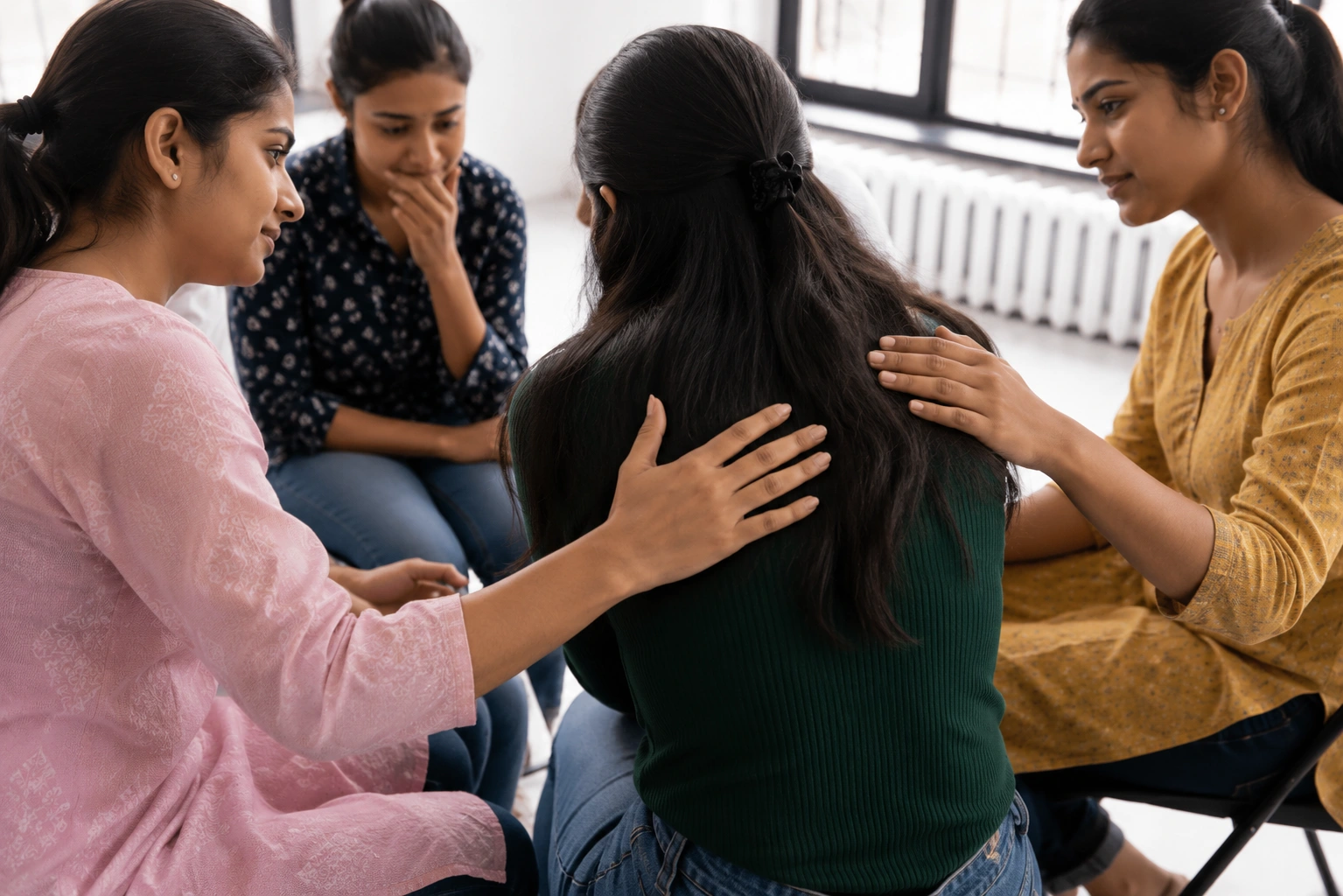
How Are Families Involved in Recovery?
With cannabis, family involvement is unusually decisive, because the substance is frequently in the house, and because the people offering it are often the same people hoping she will stop.
Where the client consents and the team judges it appropriate, we run facilitated family sessions covering household use, boundaries, and how to handle festivals without either isolating her or pretending the risk is not there.
We also provide psychoeducation: why bhang being legal is irrelevant to whether it is addictive, why irritability in week one is withdrawal rather than ingratitude, why surveillance backfires, and what genuinely useful support looks like day to day.
Family sessions are always at the client's discretion. No relative is given access to session content without her consent.
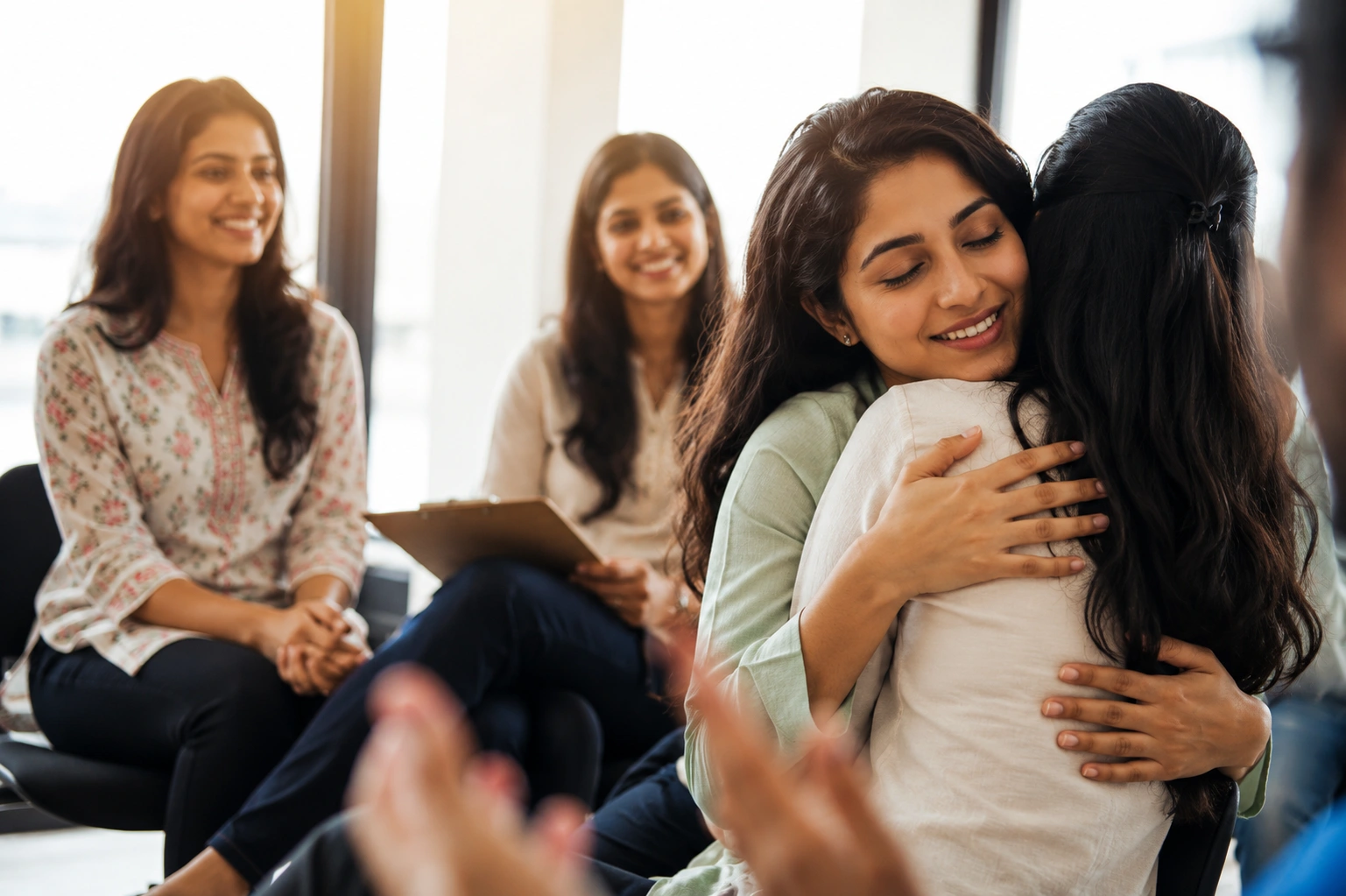
Recovery Happens in Company
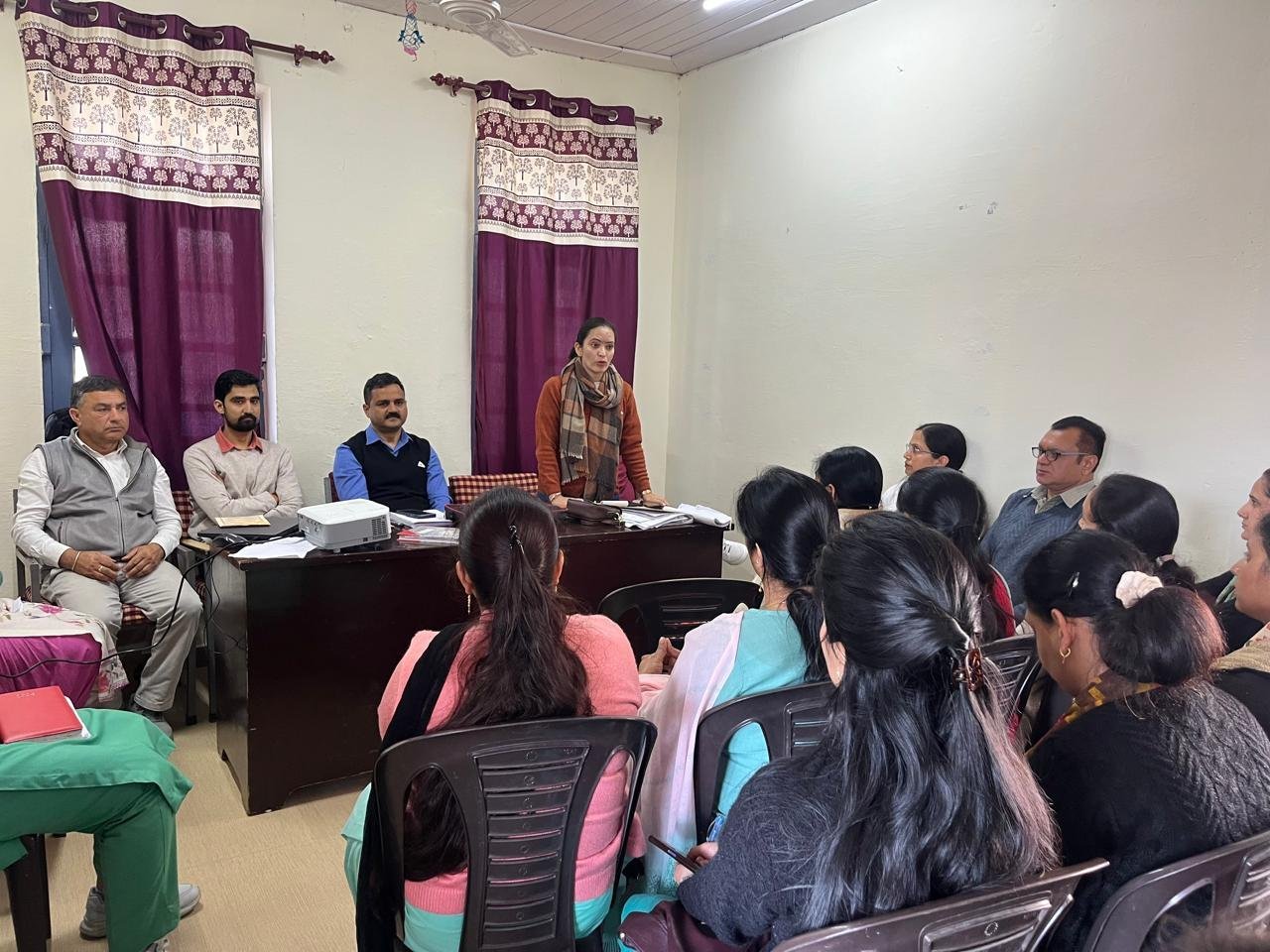
Cannabis dependence is isolating in a particular way. It removes the desire for company long before it removes the ability to have it. Group work is where that reverses.
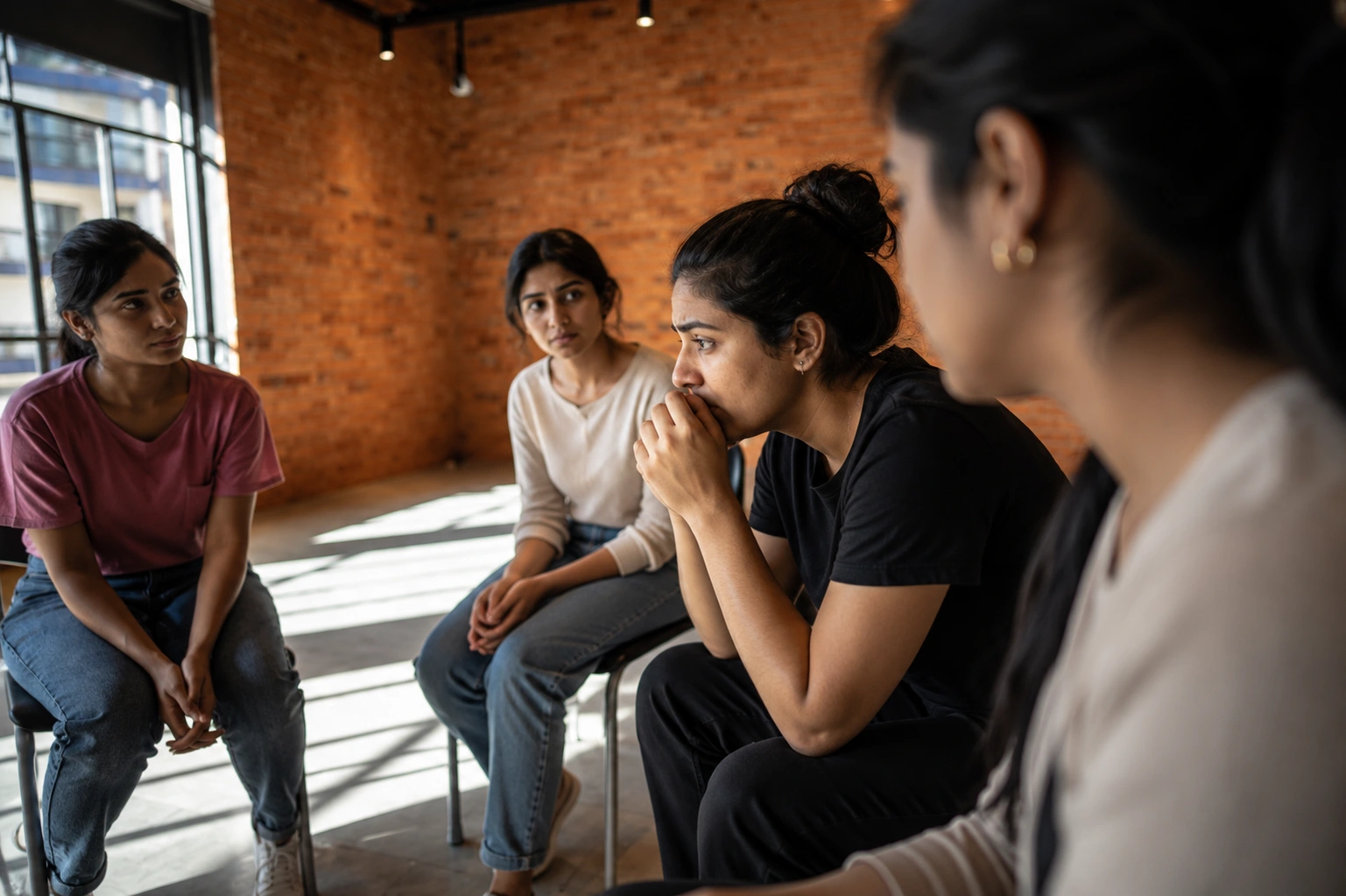
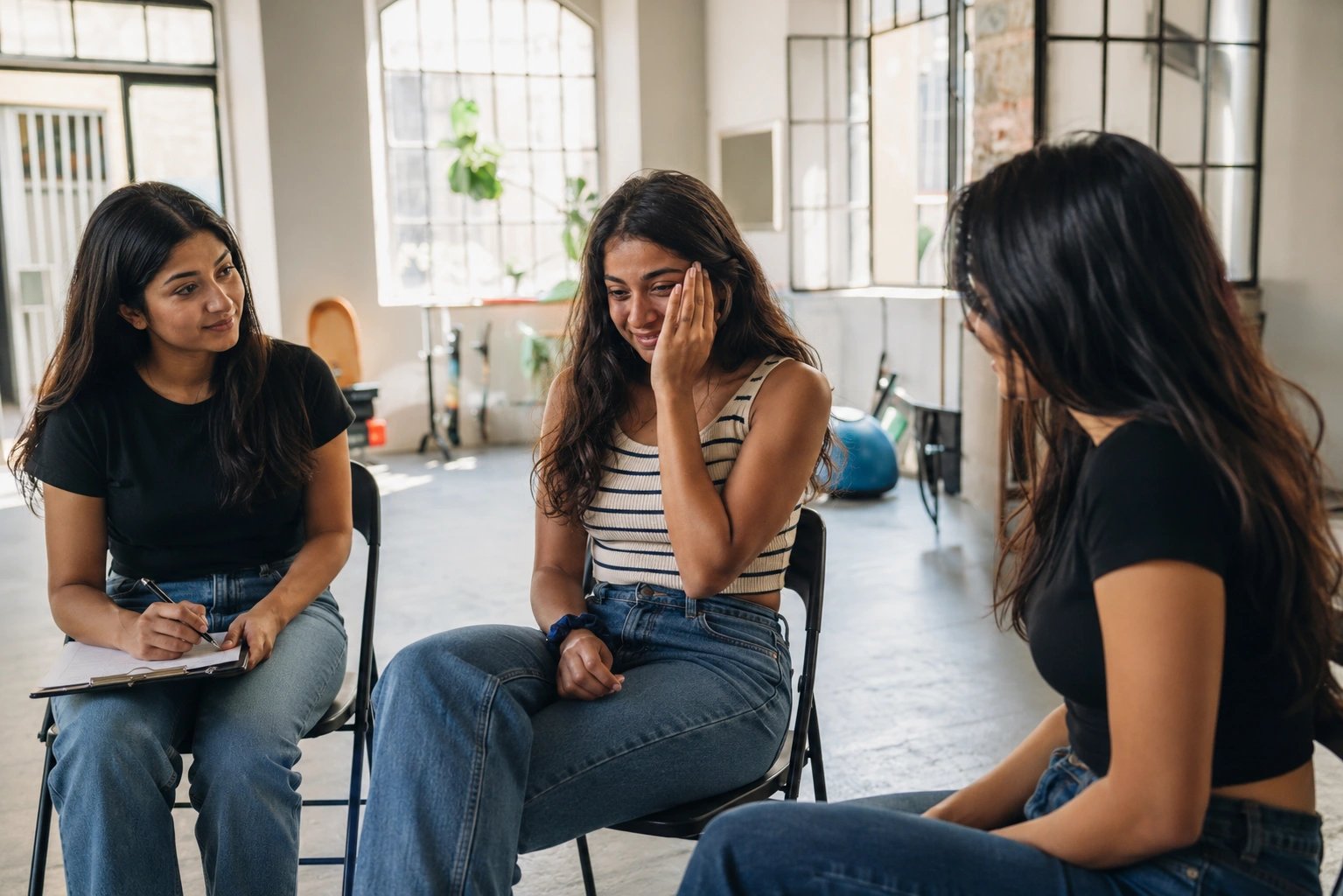
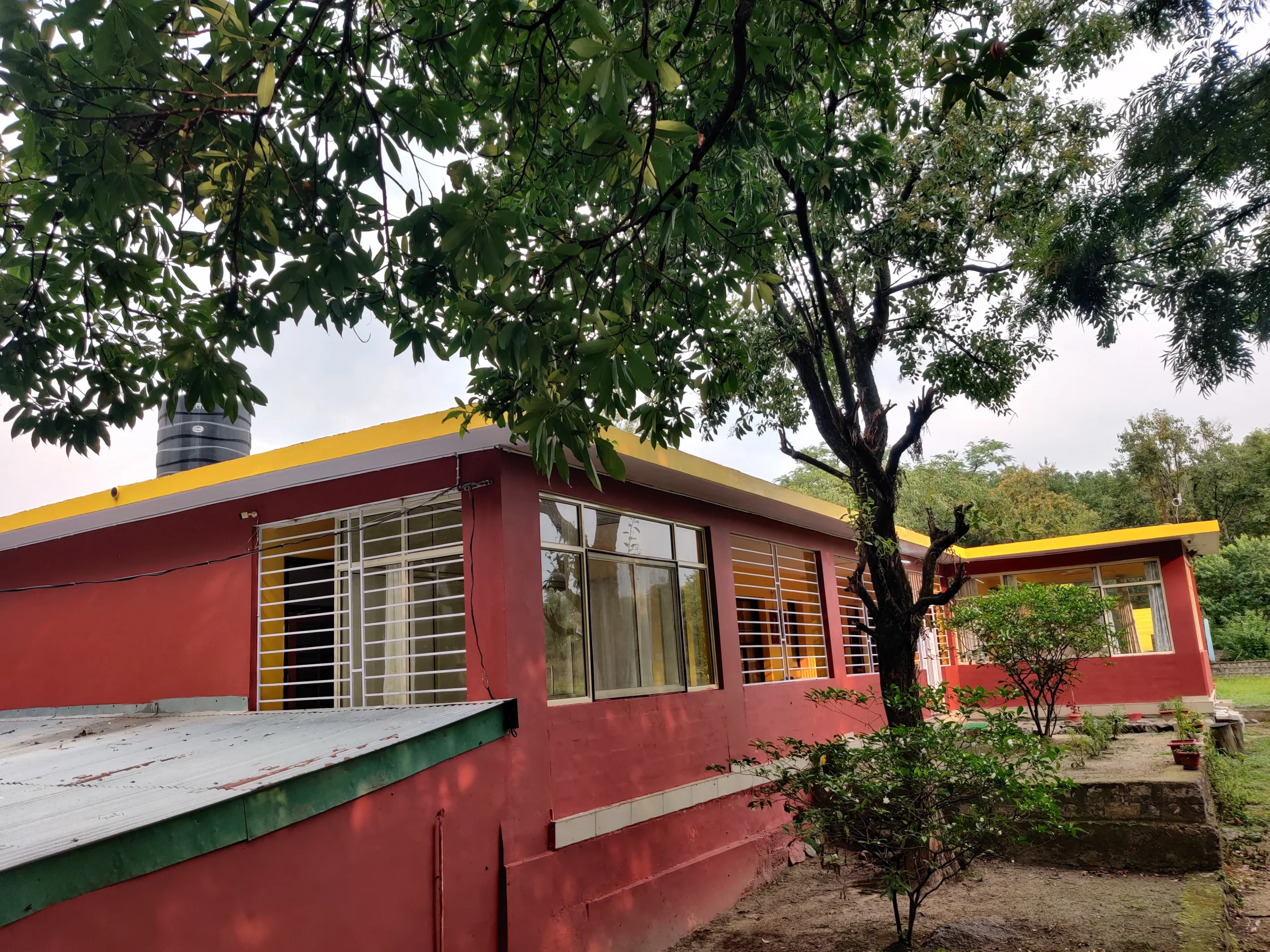
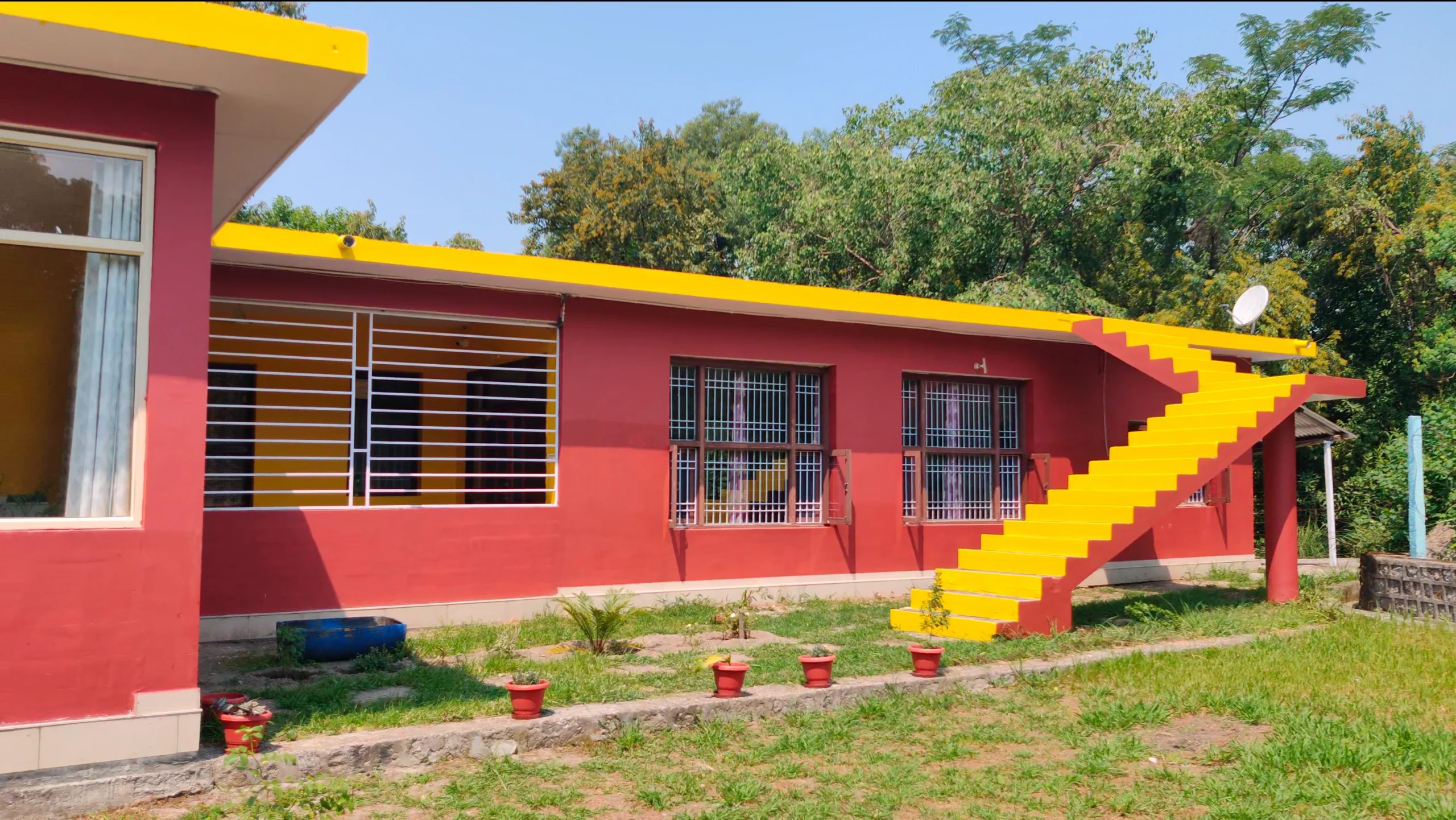
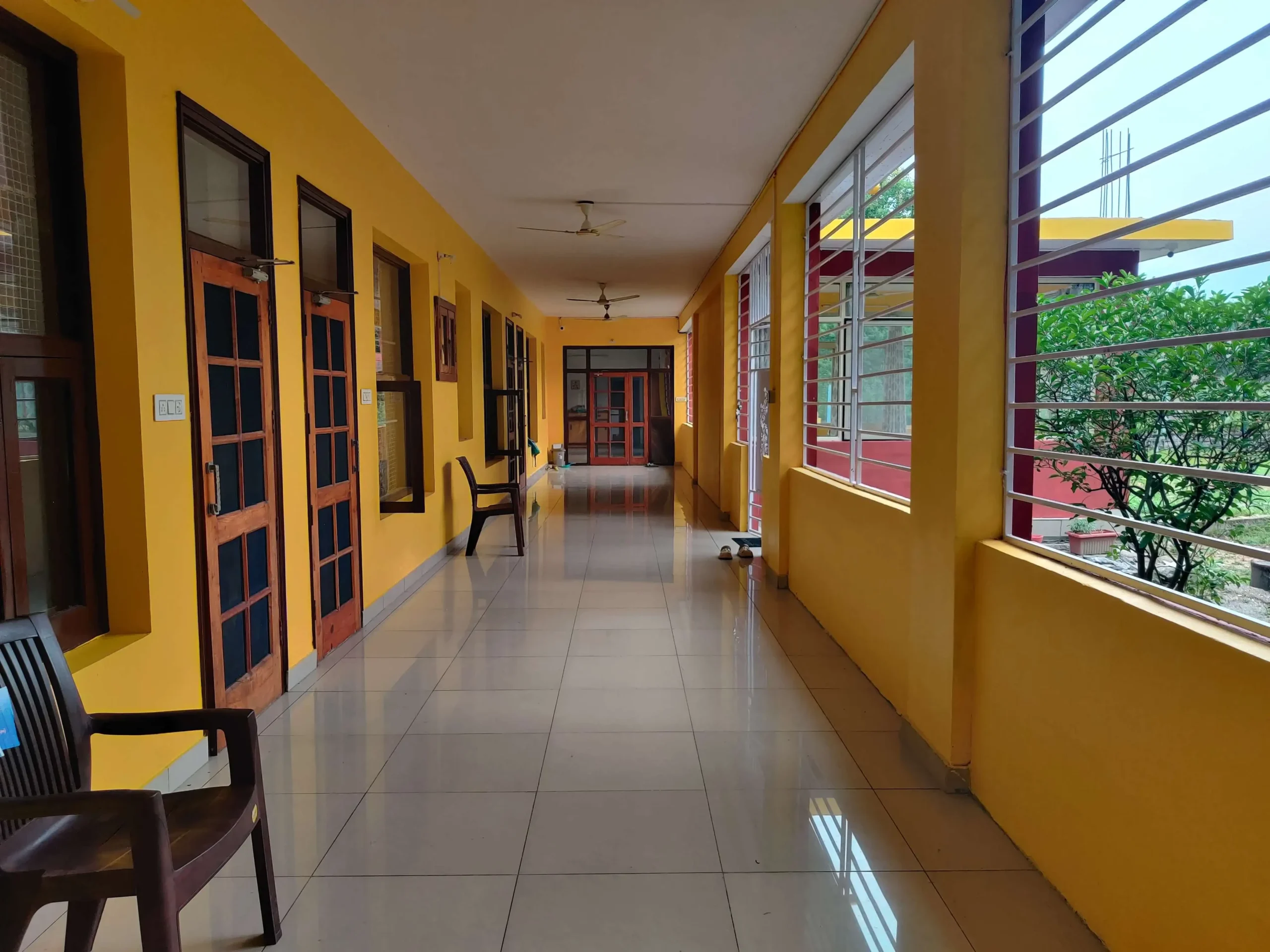
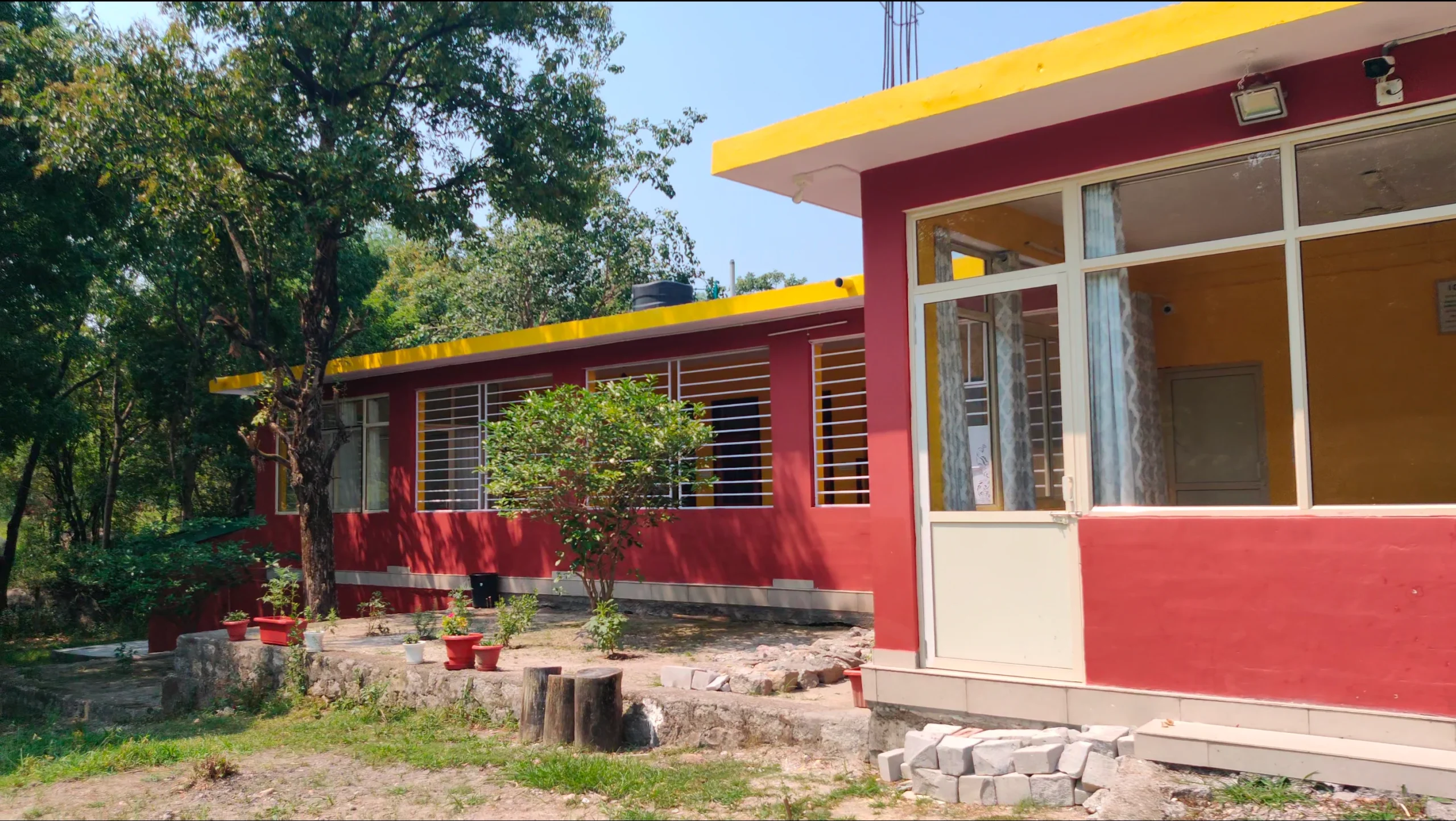
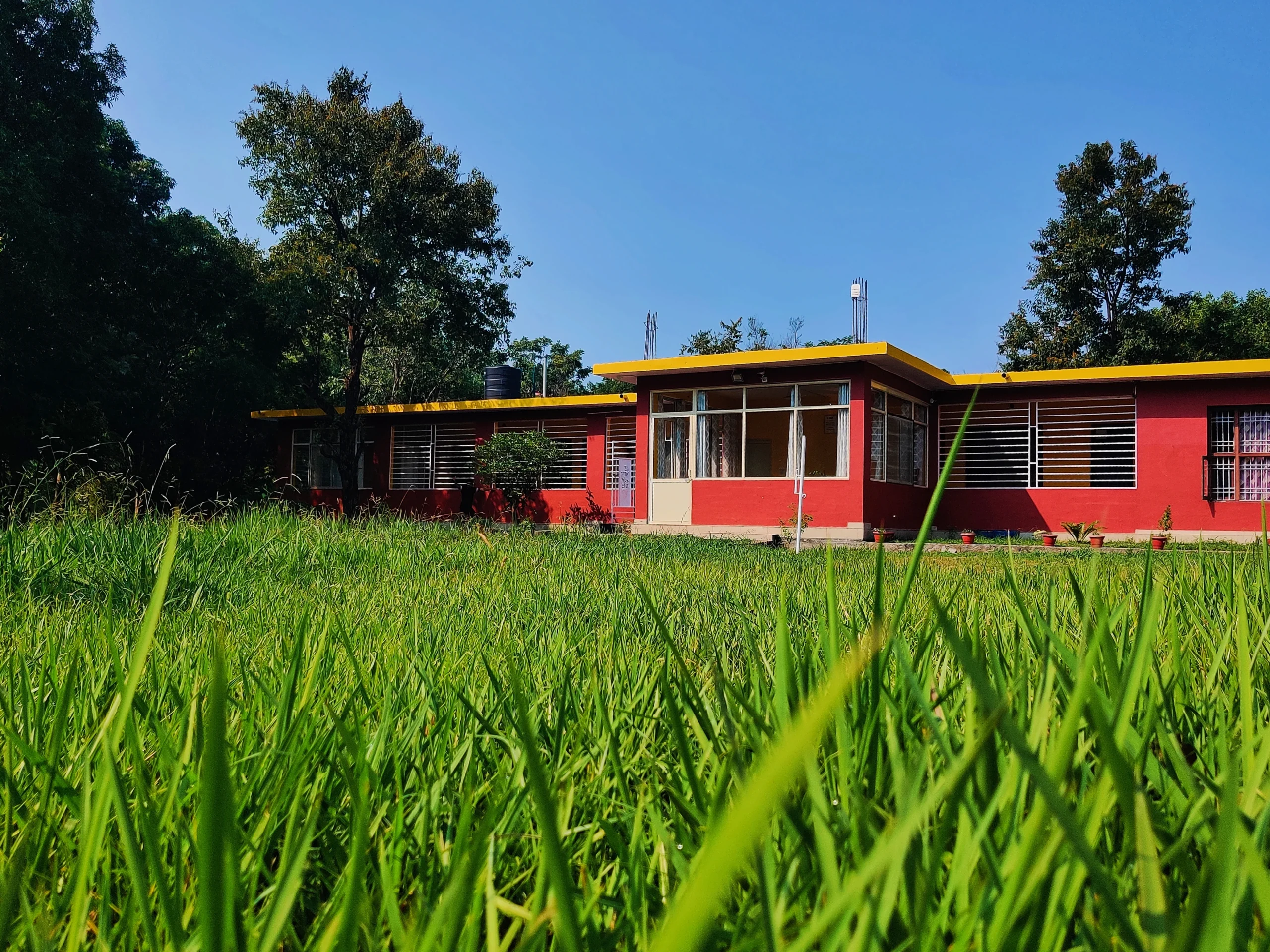
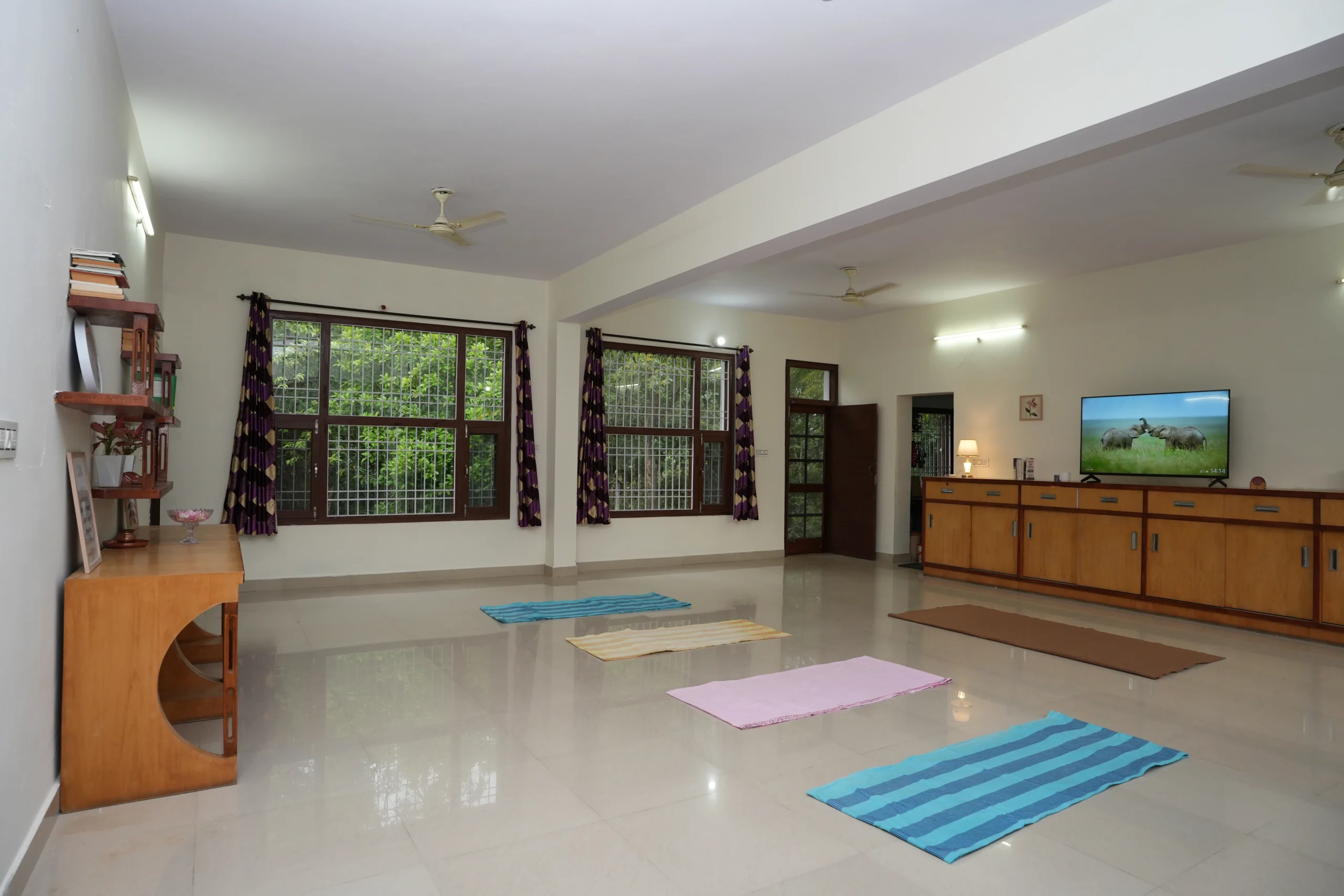
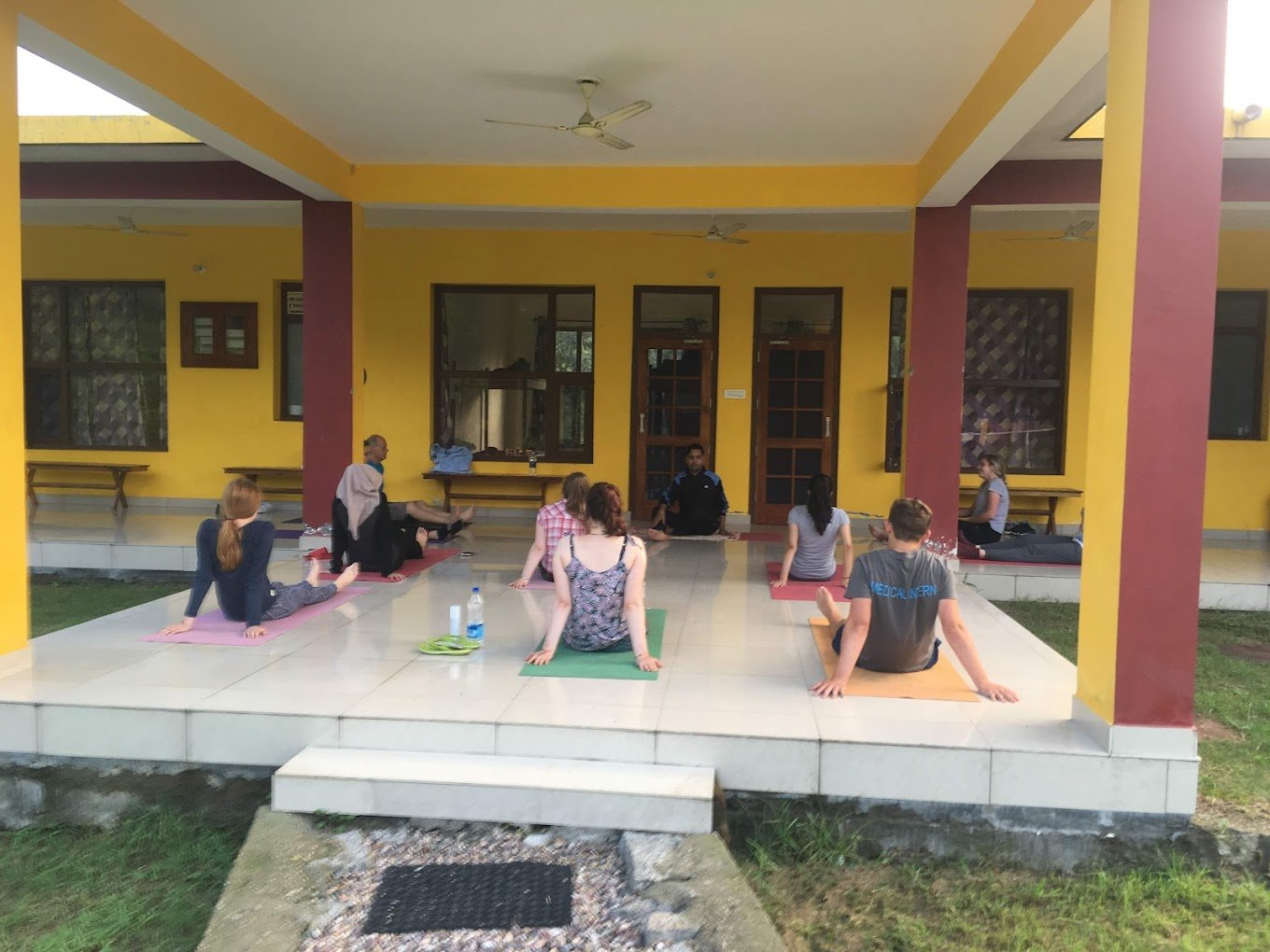
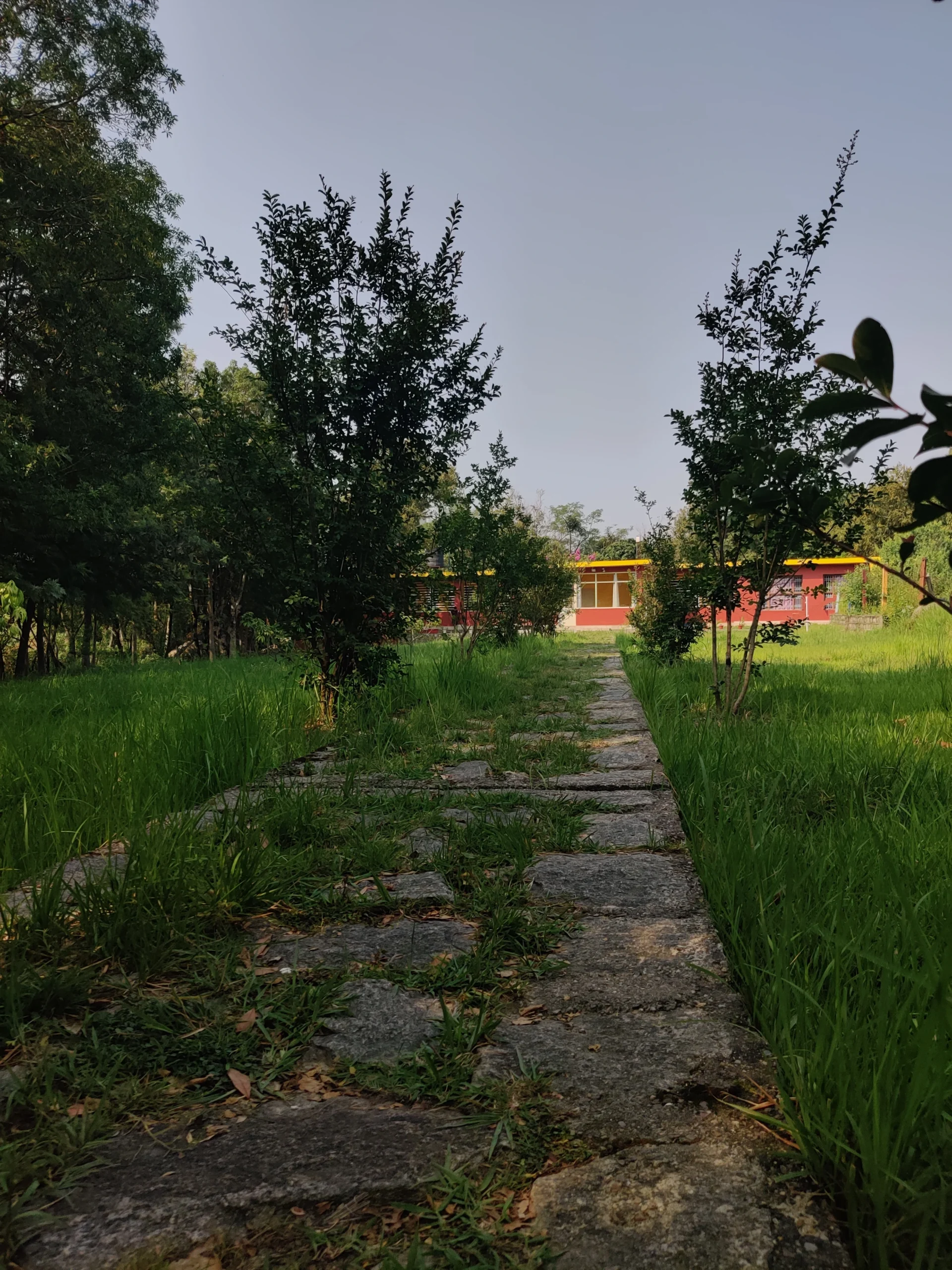
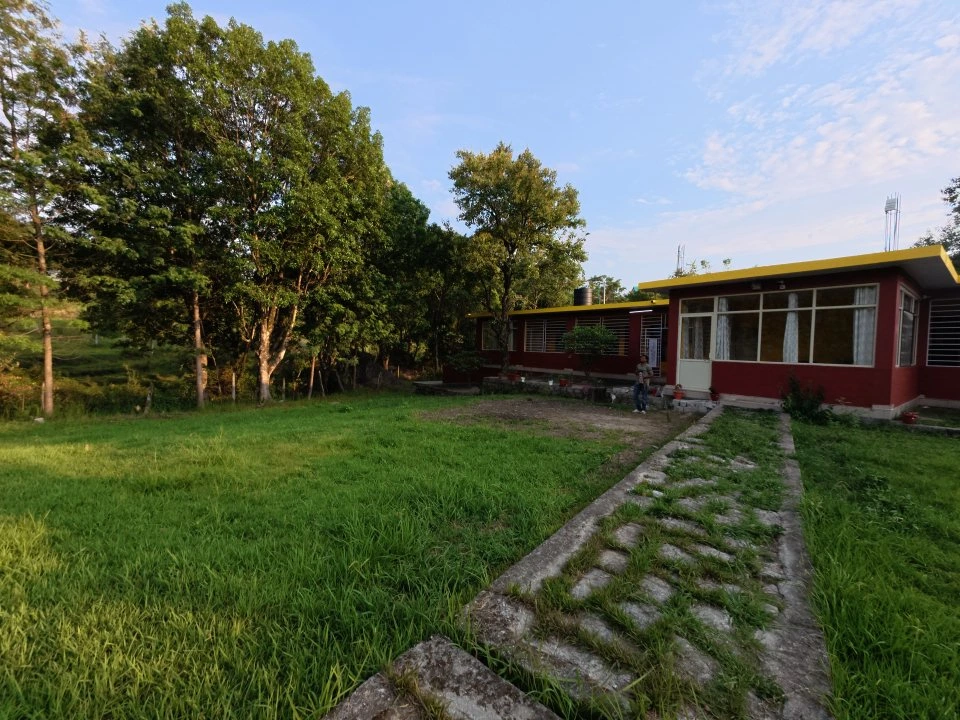
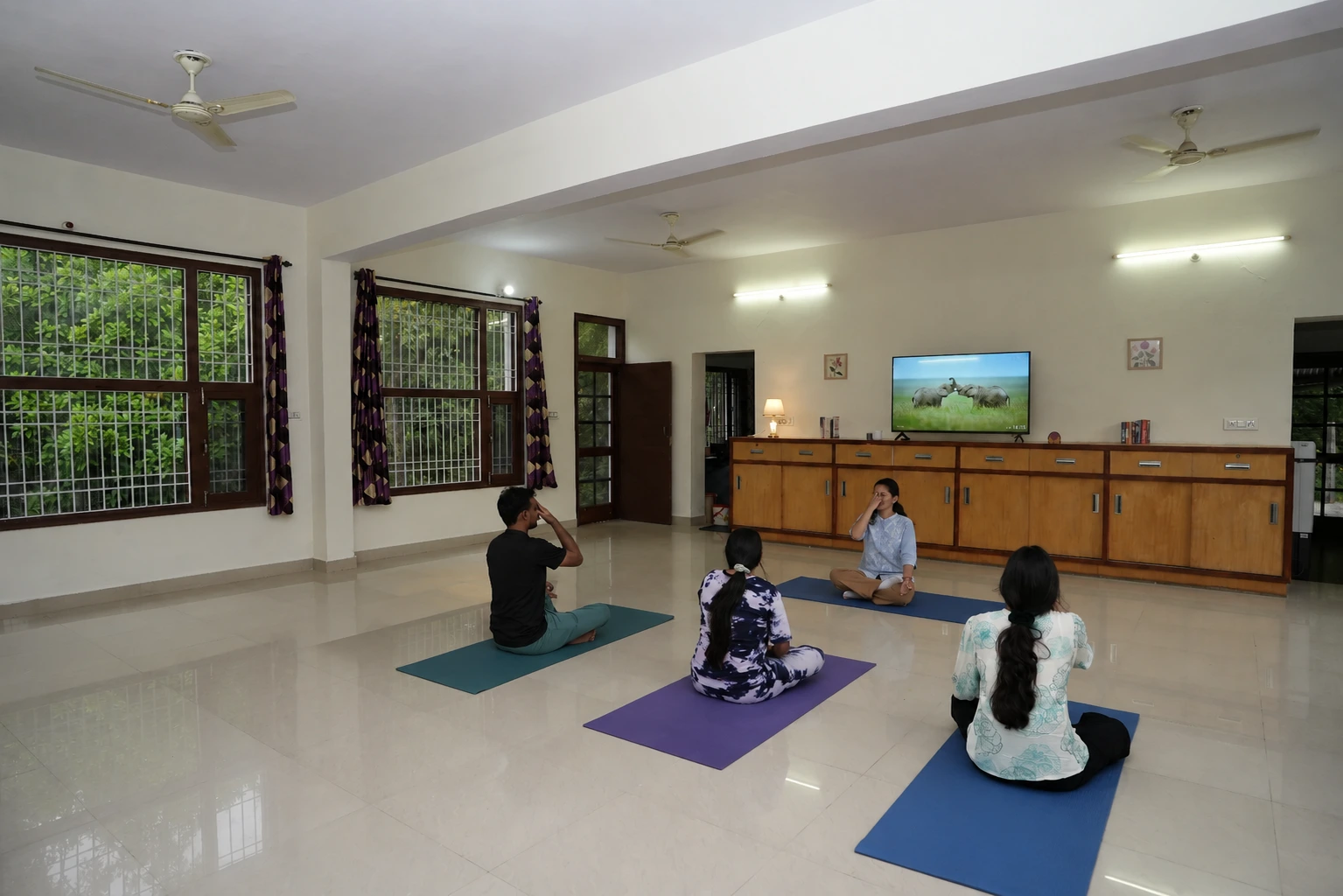
Where Recovery Happens
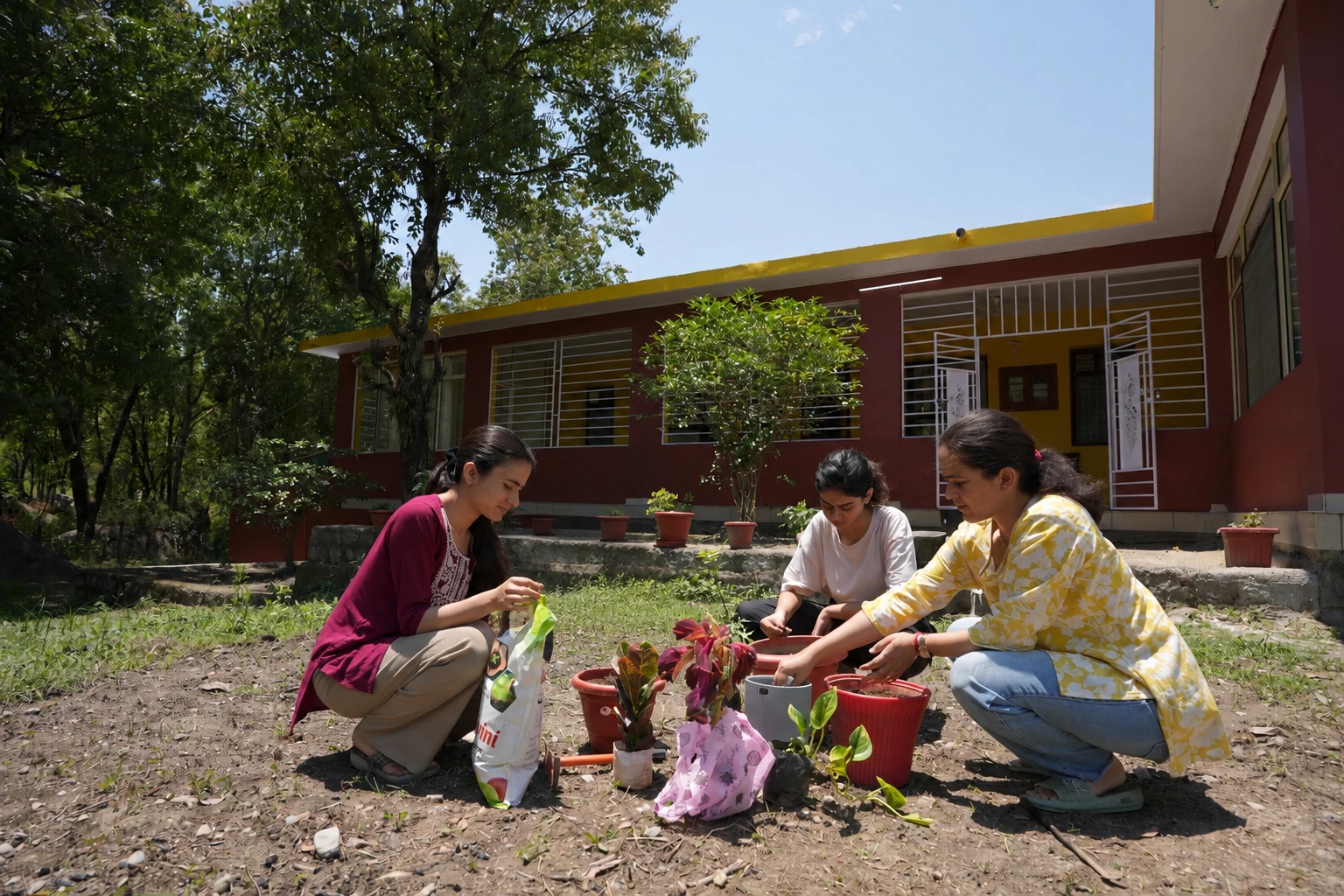
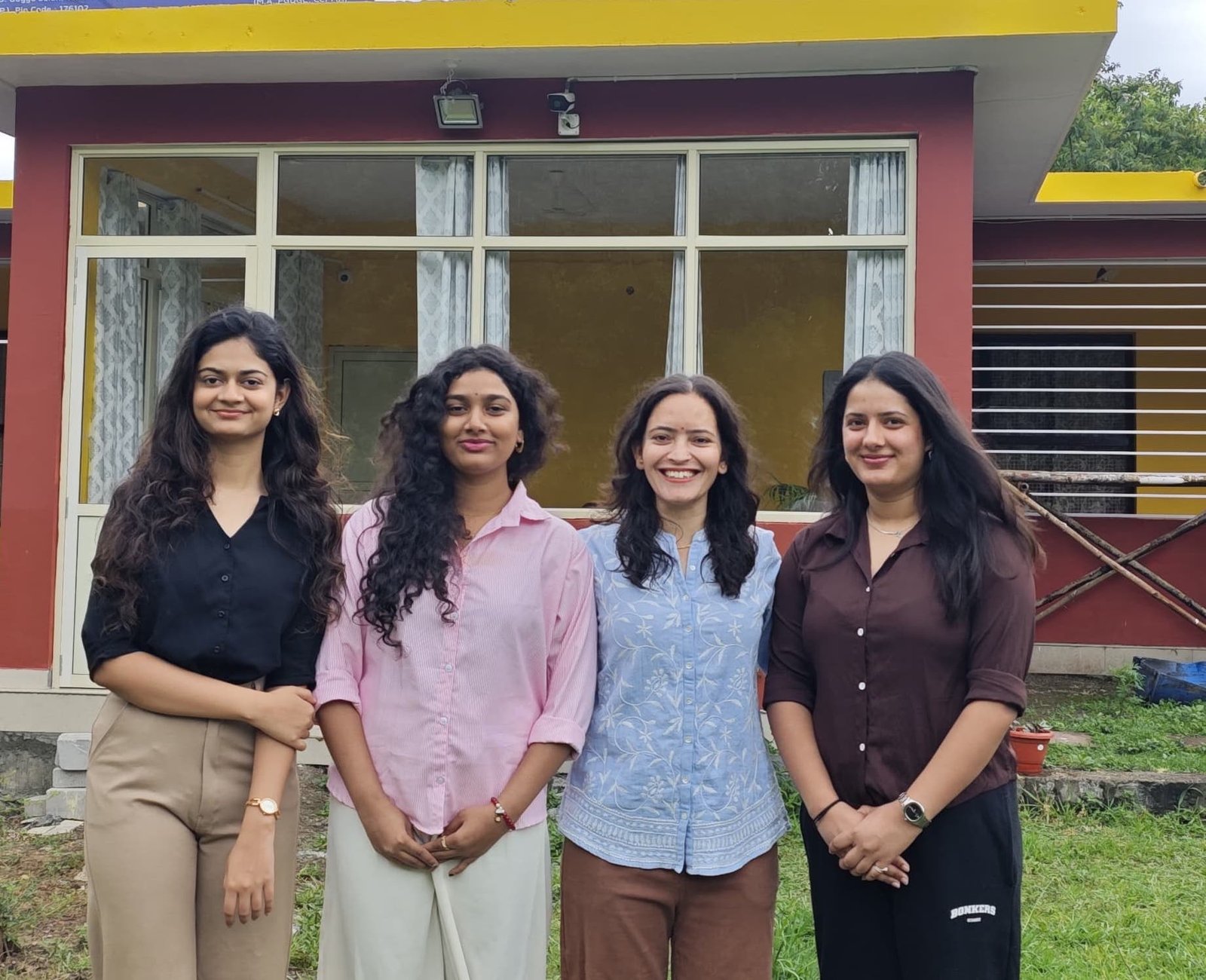
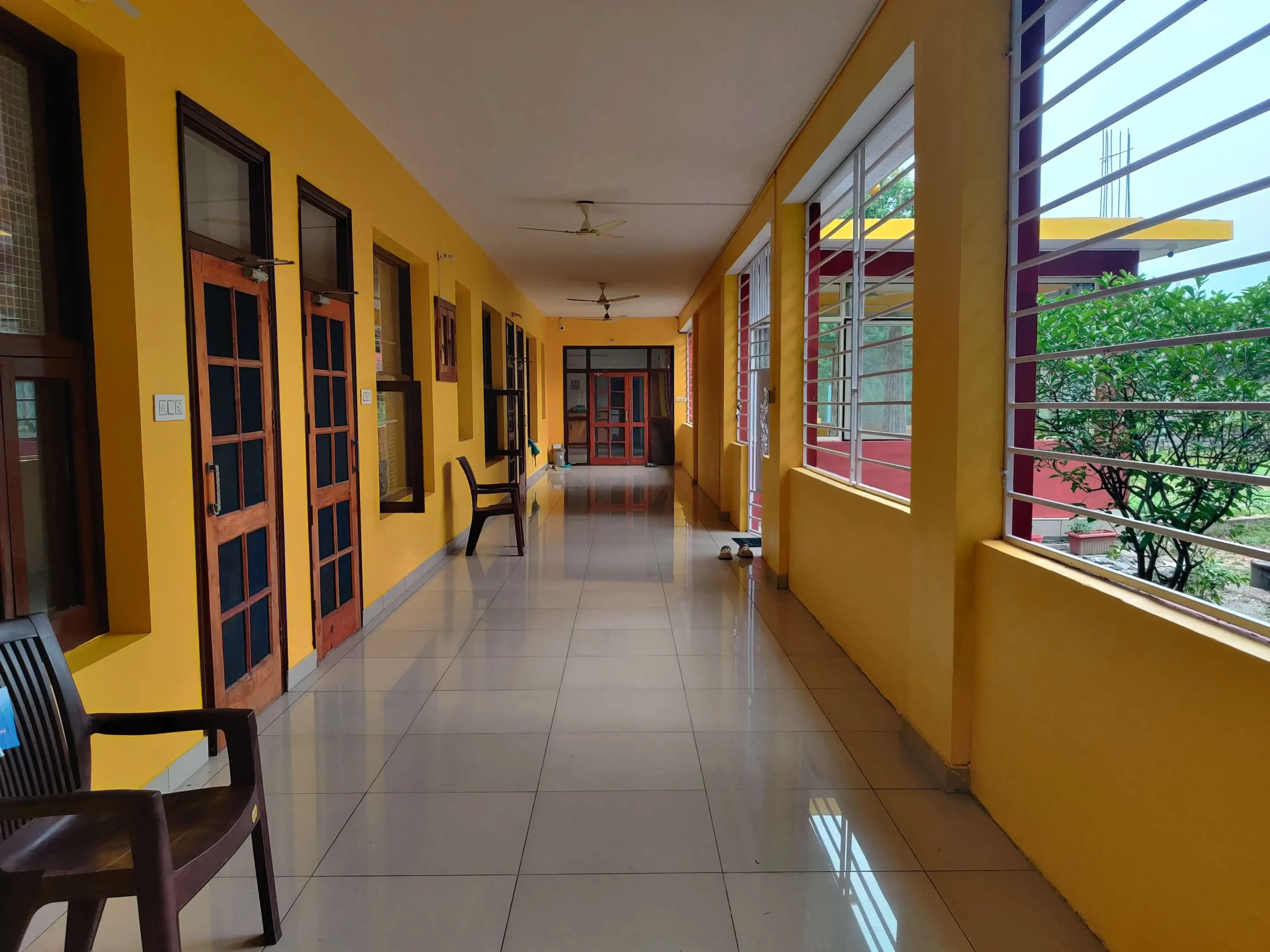
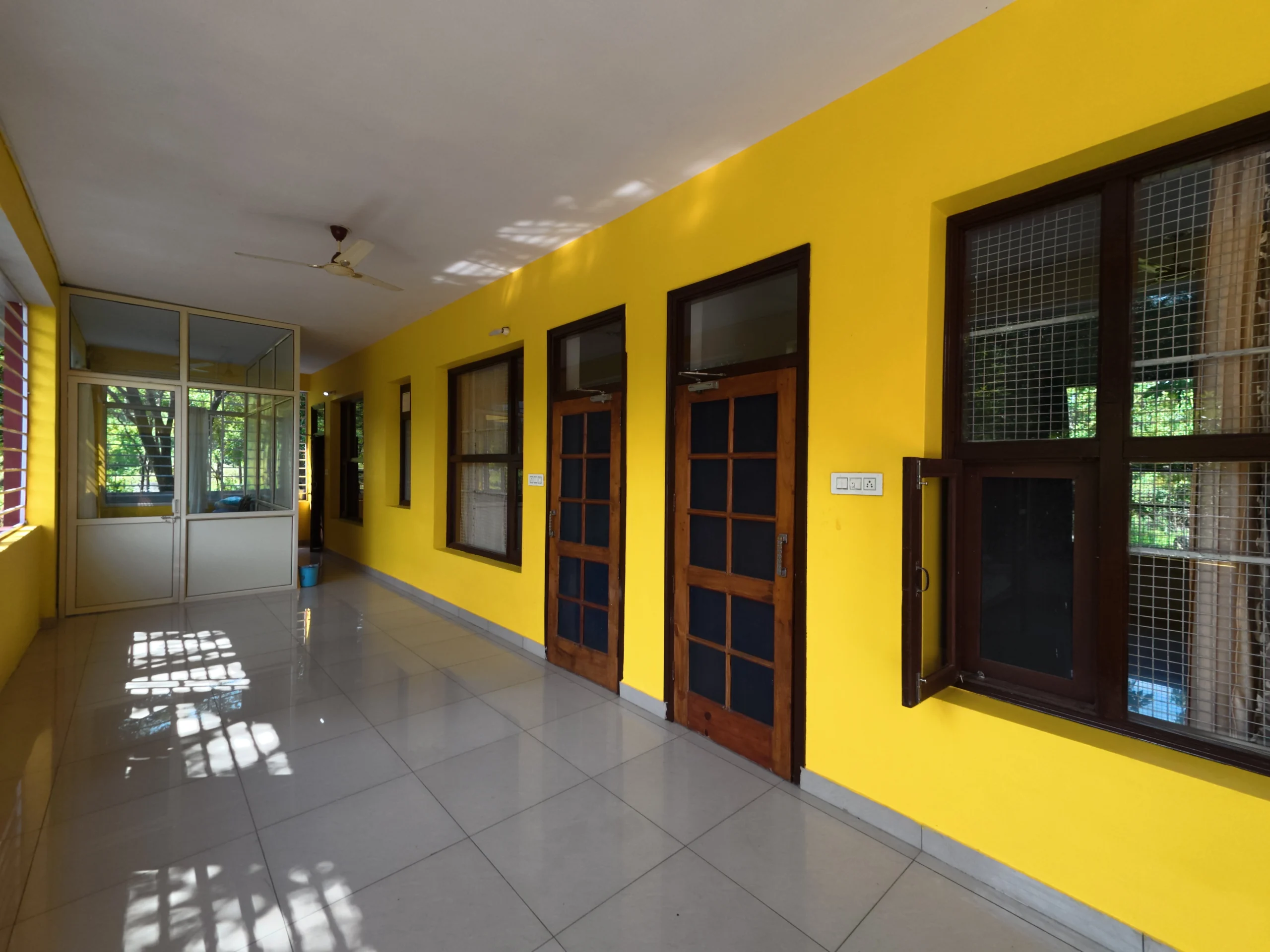
Our women-only residential space sits in the hills near Sullah, Palampur: quiet, green, and deliberately removed from the pressures that make stopping at home so difficult. These are photographs of the centre itself and its grounds.
Why Aftercare Decides Whether It Holds
Cannabis dependence is a relapsing condition and most relapse happens in the first three months after treatment, long after withdrawal has resolved, when the drug is once again free, legal and three fields away.
Before discharge your counsellor and case manager build a written, rehearsed aftercare plan with you. Four components do most of the work.
A lapse is information the plan should absorb, not proof it failed. Clients are explicitly told to come back after a slip rather than disappear because of one.
Vaishalya Wellness: Women's Rehab & De-Addiction Centre
Confidential admissions for women across Palampur, Dharamshala, Kangra, Baijnath, Sullah, Kullu, Mandi and the wider Himachal Pradesh region.
-
AddressMohal, Gugga Saloh Rd, Tehsil Sullah, Palampur, Distt. Kangra,
Himachal Pradesh 176102 - Phone & WhatsApp +91 82194 74936 · +91 70181 48449
-
Enquiry HoursMonday to Saturday, 10:00 AM to 5:00 PM
Residential care operates 24/7 - RegistrationAsha Bhupender Charitable Trust · Reg. No. 2025/238/4/186
Frequently Asked Questions
Is bhang actually addictive?
Yes. Bhang contains THC, the same psychoactive compound as ganja and charas, and produces the same dependence through the same CB1 receptor mechanism. The DSM-5 recognises both Cannabis Use Disorder and a distinct cannabis withdrawal syndrome. The 2019 national survey found roughly 72 lakh Indians need help for cannabis dependence. Being legal and culturally accepted does not change the pharmacology.
Bhang is legal in India, so why would anyone need treatment?
The NDPS Act, 1985 defines cannabis in terms of charas and ganja and excludes the leaves and seeds when not accompanied by flowering tops, which is why bhang falls outside it, though state excise laws still apply and some states ban it. That exemption reflects a long-standing cultural practice, not a finding that bhang is safe or non-addictive. Legality and dependence are separate questions; alcohol and tobacco are legal too.
How long does cannabis withdrawal last?
Symptoms usually begin 24 to 72 hours after the last dose, peak between day two and day six, and largely resolve within two to four weeks. Sleep disturbance and vivid dreams are the most persistent features and can continue for six weeks or longer. Cravings tied to specific situations can surface for months, which is why aftercare matters.
Is there a medicine to help me stop using cannabis?
No medication is approved anywhere in the world for cannabis use disorder. Trials of cannabinoid agonists, CBD, gabapentin, N-acetylcysteine and antidepressants have shown inconsistent or modest benefit. Treatment is psychological: cognitive behavioural therapy, motivational enhancement therapy and contingency management. Medication may still be prescribed by a physician for a co-occurring condition such as depression, anxiety or a psychotic illness.
Why do edibles and bhang drinks affect people so unpredictably?
Taken orally, THC passes through the liver first and is converted to 11-hydroxy-THC, a considerably more potent metabolite. Onset is delayed by 30 to 120 minutes, peaks around three hours, and effects last six to twelve hours. Oral bioavailability is low and highly variable. Because nothing seems to be happening at first, people take a second dose, and both doses then take effect together. This is the most common route to an acute cannabis crisis.
Can cannabis cause psychosis?
Most people who use cannabis do not develop a psychotic illness, but the association is well established. Meta-analysis places the odds of psychotic outcomes at roughly twice that of non-users; European case-control data put daily high-potency use near five times. Risk concentrates in people who started young, use daily, use high-potency material such as charas, and have a family history of psychosis. Transient paranoia, panic and confusion after use are far more common than chronic psychosis.
Is the centre only for women?
Yes. Vaishalya Wellness is a women-only residential wellness and de-addiction space. This is a deliberate clinical and cultural decision: the stigma attached to a woman using cannabis in Himachal Pradesh is significantly heavier than for a man, and a mixed setting stops many women from coming at all.
How long is a residential stay for cannabis dependence?
Stays are flexible, commonly 15 days, one month or longer, depending on severity, co-occurring conditions and home circumstances. Because cannabis in this district is free and locally available, distance from supply during the first weeks does a great deal of the work. The environment is work-from-home friendly, so some clients continue working during their stay.
Will my family or employer be told?
No. Admission and session content are confidential. Family members are involved only with your consent and where the treatment team judges it clinically appropriate. No client is named or photographed in any of our material without explicit written permission.
What does treatment cost, and is financial support available?
Vaishalya Wellness is positioned as an affordable, structured healing space rather than a luxury retreat. Fees depend on stay length and level of care and are confirmed in writing before you travel. Through the Asha Bhupender Charitable Trust, free and subsidised counselling is available to women from underserved communities who cannot afford private care.
I only use bhang at festivals. Is that a problem?
Occasional festival use is not, in itself, a disorder. Dependence is defined by loss of control, not by frequency alone. The questions worth asking are whether use has spread beyond festivals, whether you have tried to cut down and been unable to, and whether stopping produces irritability, anxiety or sleeplessness. If any of those is true, it is worth a conversation.
Do you offer online counselling for cannabis dependence?
Yes. Online individual counselling is available for women across Himachal Pradesh and beyond, and is often the right starting point for mild to moderate dependence where residential care is not needed. Sessions carry the same confidentiality as in-person appointments.
Medical disclaimer. This page is for general information and does not constitute medical advice, diagnosis or treatment. No medication is approved for cannabis use disorder; any medication for a co-occurring condition must be prescribed and monitored by a qualified physician. Vaishalya Wellness is not a crisis service or emergency medical establishment. If you are experiencing a psychiatric or medical emergency, or acute psychotic symptoms, please attend your nearest hospital. Free national support is available on the Ministry of Social Justice and Empowerment's de-addiction helpline, 14446.
About Vaishalya Wellness
Set in the quiet foothills of the Dhauladhar range in Palampur, Vaishalya Wellness is a women only rehabilitation and recovery centre. We offer a safe, private and dignified space for women seeking professional help with addiction, trauma and mental health, guided by clinical care and genuine compassion.
A women only residential facility in Himachal Pradesh.
Registration No: 2025/238/4/186
What We Treat
Additional Info
Contact
Call us +91 82194 74936 +91 70181 48449
Mohal, Gugga Saloh Rd,Tehsil Sullah, Palampur,
Himachal Pradesh 176102 Get directions
© 2026 Vaishalya Wellness. All rights reserved.
Privacy Policy