



- Resources
- Volunteer
- Internship
- Our approach
- FAQ
Sex & Pornography Addiction
Treatment for Women
Confidential, non-judgemental, trauma-informed care for compulsive sexual behaviour and problematic pornography use. Women-only residential treatment in Palampur, Himachal Pradesh, and private online counselling across India.
You Are Not Dirty. You Are Not Beyond Help.
Of every difficulty we treat, this is the one women wait longest to speak about. Not because it is rarer, but because in India a woman can admit to almost anything before she admits to this.
Nothing on this page is written to shame you. Sexual behaviour that has become compulsive is a recognised clinical problem with recognised treatment. It is not a verdict on your character, your morals, or your worth as a daughter, wife or mother.
If you have read this far, you have already done the hardest part.
Overview: Sex and Pornography Addiction Treatment in India
What is commonly called sex addiction or porn addiction is recognised by the World Health Organization as Compulsive Sexual Behaviour Disorder (CSBD), ICD-11 code 6C72. It is classified as an impulse control disorder, not as an addiction, and the American DSM-5 does not include it at all.
The diagnosis requires a persistent pattern, over roughly six months or more, of failing to control intense sexual impulses, where the behaviour becomes central to your life, repeated attempts to reduce it fail, and it continues despite clear harm or despite giving you little pleasure. Estimated prevalence in the general population is around 3 to 6 per cent.
Crucially, frequency alone is not a criterion, and the ICD-11 states explicitly that distress arising purely from moral judgement about your own sexuality is not sufficient for the diagnosis. That distinction matters enormously and we address it directly below.
Treatment is psychological. Cognitive behavioural therapy is the best-established approach, supported by acceptance and commitment therapy, mindfulness-based relapse prevention and trauma-informed work. No medication is approved for this condition anywhere in the world.
Vaishalya Wellness provides this in a women-only residential setting in Palampur, Himachal Pradesh, and through private online counselling nationwide.
Watching pornography in private is not a crime in India for an adult. Seeking help for it carries no legal consequence whatsoever. The legal position is set out plainly further down this page, because uncertainty about it stops people asking for support.
Contact Us

Is Sex or Porn Addiction a Real Condition?
Partly yes, and the honest answer is more useful to you than a confident one.
In 2019 the World Health Organization added Compulsive Sexual Behaviour Disorder to the ICD-11 as an impulse control disorder. Problematic pornography use is named within it as one way the disorder can present. So the difficulty is formally recognised, and you are not imagining it.
At the same time, the American Psychiatric Association considered and rejected a hypersexual disorder diagnosis for the DSM-5 in 2013, and it remains excluded. The WHO deliberately placed CSBD among impulse control disorders rather than among the addictions, because the evidence that it behaves like substance dependence is not settled.
We use the words "sex addiction" and "porn addiction" on this page because they are the words people search for and the words women use when they call us. Clinically, we treat the condition the ICD-11 describes, and we do not pretend the science is more certain than it is.
None of this changes what matters to you. If you cannot stop, and it is costing you your sleep, your marriage, your work or your self-respect, that is treatable regardless of which chapter of the manual it sits in.
Are You Addicted, or Are You Ashamed?
This is the single most important distinction on this page, and almost nobody makes it.
A substantial body of research finds that believing you are addicted to pornography predicts psychological distress far more strongly than how much pornography you actually use. The strongest driver of that belief is not frequency. It is moral incongruence: the gap between what you do and what you believe you should do. Religiosity and a culture of sexual purity reliably widen that gap.
In a country where a woman's respectability is treated as her defining asset, that gap can be enormous. We see women in genuine anguish over use that is, clinically, entirely unremarkable.
Compulsive Sexual Behaviour Disorder
You have tried repeatedly to stop and cannot. The behaviour has become the organising fact of your day. You continue even when it costs you sleep, money, safety, work or relationships. Often you no longer even enjoy it.
What helps: CBT, acceptance and commitment therapy, trauma-informed work, structured relapse prevention, treatment of any co-occurring depression, anxiety or trauma.
Distress From Moral Conflict
Your use is occasional or moderate and you retain control over it, but you believe it makes you a bad or impure person. The suffering is real and often severe, yet it comes from the judgement rather than from the behaviour.
What helps: shame-focused and values-based therapy, psychosexual education, self-compassion work. Treating this as an addiction usually deepens the shame and makes it worse.
The ICD-11 says this outright: distress that is entirely a consequence of moral judgements about sexual impulses or behaviour is not sufficient to diagnose Compulsive Sexual Behaviour Disorder. A careful assessment tells the two patterns apart. Getting it wrong in either direction does real harm, which is why we assess before we label.
What the Diagnosis Actually Requires
The ICD-11 sets three core features. All three must be present over an extended period, together with marked distress or real impairment in your personal, family, social or working life.
What is deliberately not on the list: how often you do it, whether you are married, whether you use pornography at all, whether your desire is higher than your partner's, and whether your family would approve. A high sex drive is not a disorder. Neither is a low one.
How This Presents Differently in Women
Most of what is written about sex and pornography addiction describes men. The research that does examine women finds a meaningfully different clinical picture, and treating women as though they were men with the same problem produces poor outcomes.
Trauma Is More Often Central
Childhood sexual abuse and physical neglect are strongly associated with compulsive sexual behaviour. In one study the link between severe childhood trauma and symptom severity held for women but not for men. Treating the behaviour without the history rarely holds.
Attachment, Not Just Appetite
Both attachment anxiety and attachment avoidance are associated with these symptoms. For some women the behaviour is a way to feel wanted; for others it is a way to stay at a safe emotional distance. The function differs, so the treatment must too.
Stress and Emotional Regulation
Neuroticism and vulnerability to stress appear to play a larger role in women's symptoms. The behaviour frequently operates as emotional regulation, surfacing during loneliness, conflict, exhaustion or grief rather than during desire.
Heavier Stigma, Harder Access
Women face greater stigma around compulsive sexual behaviour and have measurably more difficulty accessing treatment. In India that gap is wider still. This is a barrier to care, not a symptom, and it is one we designed the programme around.
Health and Safety Consequences
Women with these difficulties report greater worry about sexually transmitted infection and physical pain, and are more exposed to coercion, unsafe situations and unwanted pregnancy. Physical health screening is part of assessment where relevant.
Dissociation
Many survivors of sexual trauma describe feeling absent during the behaviour, watching themselves from outside, or losing hours without memory. Dissociation is a trauma response, not a lack of willpower, and it is treated as such.
Marriage and Family Pressure
For married women the fear is rarely only about the behaviour. It is about what disclosure would mean for the marriage, for custody of children, and for standing in the family. That fear is realistic and we plan around it rather than dismiss it.
Co-Occurring Conditions
Depression, anxiety disorders, trauma-related conditions, ADHD and substance use commonly sit alongside compulsive sexual behaviour. In a significant number of women, treating the co-occurring condition resolves much of the sexual difficulty on its own.

The Trauma Nobody Asked You About
A large proportion of the women we see for compulsive sexual behaviour have a history of sexual abuse, physical abuse or emotional neglect, most often in childhood, and most often never disclosed to anyone.
This is not a coincidence and it is not a character defect. Sexual compulsivity is one of the documented ways the body carries an experience the mind was never helped to process. For some women the behaviour recreates a situation in order to control it. For others it is the only reliable way to stop feeling anything at all.
You will not be asked to narrate your abuse to be admitted here, and you will never be asked to describe it in a group. Trauma work moves at the pace you set. Disclosure is never the price of treatment.
- Assessment includes a trauma history taken gently, in private, and only as far as you wish to go
- Stabilisation and emotional regulation skills come before any processing work
- Group sessions never require you to disclose sexual content or personal history
- Where specialist trauma treatment is indicated, we coordinate rather than improvise
Is Any of This Illegal in India?
Fear of legal consequence is one of the most common reasons women never seek treatment for this. In almost every case that fear is misplaced.
Private Viewing by an Adult
Watching adult pornography privately is not a criminal offence in India. Courts have recognised that an adult viewing such material in the privacy of their own space does not commit an offence. Seeking counselling for it carries no legal exposure at all.
Publishing or Transmitting
Publishing or transmitting obscene or sexually explicit material in electronic form is an offence under Sections 67 and 67A of the Information Technology Act, 2000. Sharing and distributing sit on a completely different legal footing from private viewing.
Material Involving Children
Any material involving a minor is a serious criminal offence under Section 67B of the IT Act and the POCSO Act, including viewing, downloading and storage. This is categorically different from everything else on this page and there is no lawful private space for it.
What We Can Keep Confidential
Everything you tell us in session is confidential, subject only to the limits any responsible clinician applies where there is risk to life. Any sexual interest involving minors is a distinct clinical and legal matter requiring specialist forensic assessment, and we will refer rather than treat it here.
This is general information, not legal advice. For advice on your specific circumstances, consult a qualified lawyer.

When Should I Seek Professional Help?
The threshold is not a number of hours or a number of partners. It is whether the behaviour has taken control of decisions you would otherwise make differently.
- You have set limits for yourself more than once and been unable to keep them
- You are losing sleep, missing work or withdrawing from people in order to make room for it
- You continue despite consequences you genuinely care about
- You have stopped enjoying it and cannot stop anyway
- You are taking risks with your safety, health or finances that you would not otherwise take
- You are using it to manage grief, anxiety, loneliness, anger or memories of abuse
- The secrecy has become a second full-time problem in its own right
And one more, which we take just as seriously: the shame alone has become unbearable. Even if your behaviour turns out to be clinically unremarkable, distress of that intensity deserves treatment. You do not have to qualify for a diagnosis to deserve support.
Evidence-Based Treatment
No medication is approved anywhere in the world for compulsive sexual behaviour disorder, and the pharmacological evidence base is genuinely weak. Treatment is psychological, and the goal is control and self-respect, not the elimination of your sexuality.
Cognitive Behavioural Therapy
The best-established treatment for this condition. CBT identifies the emotional states and situations that reliably precede the behaviour, interrupts the sequence, and builds alternatives that meet the same need without the same cost.
Acceptance and Commitment Therapy
ACT is gaining ground specifically here, because it targets psychological flexibility rather than symptom suppression. It is particularly effective where shame and self-loathing are driving the cycle, which for women is most of the time.
Trauma-Informed Therapy
Where abuse or neglect underlies the behaviour, treating the surface alone reliably fails. Stabilisation comes first, processing later, always at your pace, with specialist referral where indicated.
Mindfulness-Based Relapse Prevention
Structured practice in noticing an urge without acting on it. Urges rise and fall on a predictable curve, and learning to sit through one without obeying it is a skill that can be taught and rehearsed.
Emotion Regulation and DBT Skills
Distress tolerance, emotion regulation and interpersonal effectiveness, for women whose sexual behaviour functions primarily as a way of coping with unbearable feeling rather than as desire.
Shame and Values Work
Where distress is driven by moral conflict rather than compulsion, the treatment is different: self-compassion, accurate psychosexual education, and working out what you actually believe rather than what you absorbed.
Relationship and Couples Work
Offered only with your consent, at a pace you set. Whether, when and how much to disclose to a spouse is a decision with real consequences, and it is yours alone to make. We help you think it through, never make it for you.
Medication for Co-Occurring Conditions
No drug is approved for this disorder. Where depression, anxiety, ADHD or another condition is present, a psychiatrist may prescribe for that condition. SSRIs and naltrexone are sometimes used off-label in a stepped approach, always under medical supervision.
What This Treatment Is Not
Women arrive expecting to be corrected. It is worth saying clearly what we do not do.
What Levels of Care Are Available?
For this difficulty in particular, most women should not start with residential care. Being sent away can itself confirm the belief that you are too shameful to be around people.
Private Online Counselling (Usually the Right Start)
For most women this is the appropriate first step, and often the only step needed. Sessions are conducted privately from wherever you are, anywhere in India, with no travel, no admission and nothing for anyone to notice.
You may use a first name only. You are not obliged to appear on camera. Nobody in your household needs to know what the appointment is for.
In-Person Outpatient Counselling
Individual sessions at our Palampur practice for women in the Kangra region who prefer to meet face to face. Appointments are scheduled to minimise waiting-area contact, and the reason for your visit is never discussed outside the session room.
Residential Wellness Stay (Women Only)
Appropriate where compulsive sexual behaviour sits alongside significant trauma, depression, self-harm risk or a substance use disorder, or where the home environment is actively unsafe or makes any recovery impossible.
Stays are flexible: 15 days, one month or longer. The day is structured around individual counselling, guided group work that never requires sexual disclosure, yoga and mindfulness, nature-based activity and clean, Ayurvedic-inspired meals.
Admission is recorded as wellness and mental health care. No case file describes your presenting concern to anyone outside the clinical team.
Dual-Diagnosis and Trauma Care
Where depression, an anxiety disorder, post-traumatic stress, ADHD or a substance use disorder is present, we assess and treat concurrently and coordinate with psychiatric services where medication is indicated.
In a meaningful number of women, the compulsive behaviour eases substantially once the condition sitting underneath it is properly treated.
Step-Down and Continuing Care
Scheduled follow-up sessions, discreet check-in support between appointments, and a written relapse-prevention plan built before you finish rather than after a setback.
Contact is made only through the channel you nominate, at times you choose, and messages carry no identifying detail about what they concern.
Community and Subsidised Access
Through the Asha Bhupender Charitable Trust (Reg. No. 2025/238/4/186), free and subsidised counselling is available to women from underserved communities in Himachal Pradesh who cannot afford private care.
If cost is the barrier, tell us. It should not be the reason you go untreated.
Who Will Find Out?
For every other condition we treat, confidentiality is a professional standard. For this one it is the entire question, so here is exactly how it works.
You may enquire without giving your real name. Initials are enough to begin a conversation. We would rather speak to you anonymously than not speak to you at all.
What Happens When You Get in Touch?
The first conversation is short and it is not an interrogation. You will not be asked for details you are not ready to give, and you will not be asked to prove that your problem is serious enough.
We establish only what is needed to judge fit: roughly how long this has been going on, whether you have tried to stop, whether anything else is going on alongside it such as low mood or substance use, and whether you are safe.
A fuller assessment follows once you decide to proceed. It covers the ICD-11 criteria, a screen for depression, anxiety and trauma, and, importantly, an honest look at whether what you are experiencing is compulsion, moral distress, or some of both. We will tell you what we find even when it is not what you expected.
If we are not the right service for you, we will say so and point you somewhere better rather than admit you anyway.
How Is a Personalised Plan Created?
Your plan is built by your primary counsellor under the clinical supervision of Leena Mehta, Counselling Psychologist and Chairperson of the Asha Bhupender Charitable Trust.
It begins by establishing what the behaviour is actually doing for you. Regulating anxiety, filling loneliness, discharging anger, holding a trauma at arm's length and avoiding intimacy are all different functions, and they call for different treatment. Anything that ignores the function only removes the coping mechanism and leaves the reason intact.
From there the plan sets realistic goals in your own words rather than a moral standard borrowed from someone else, schedules individual and skills work, defines what you will do at the moments the urge is strongest, and decides how any relationship or disclosure question will be handled.
It is reviewed continuously. Where progress is not happening, we change the plan rather than conclude that you are not trying.
If You Are Reading This About Someone Else
Partners and parents find this page too, often after a discovery. What you do in the next few weeks matters more than you might expect.
Approaches That Tend to Work
Saying you have noticed she is struggling, without naming what you found, and offering to help her find support.
Getting your own counselling. Discovering this about a partner is genuinely painful and you deserve support in your own right, not only as her helper.
Accepting that she may already know, may already have tried to stop, and may be more frightened than you are.
Approaches That Reliably Fail
Confronting her in front of family. Public exposure produces concealment, not recovery, and for a woman in India it can destroy her life.
Monitoring software, phone checks and ultimatums. Surveillance moves the behaviour underground and replaces treatment with a game.
Framing it as a moral failure or a betrayal of her role as a wife or mother. Shame is the fuel here, not the cure.
We will speak to family members about the condition in general terms and about how to be useful. We will not confirm whether a particular woman is our client, and we will not pass on information about her. If she is an adult, the decision to seek treatment is hers.
A Women-Only Space, Deliberately
A mixed-gender programme is not a neutral setting for a woman with this history. Where trauma is often part of the picture and where the shame is already disproportionate, sharing a therapeutic space with men changes what can be said, and usually what is said is less.
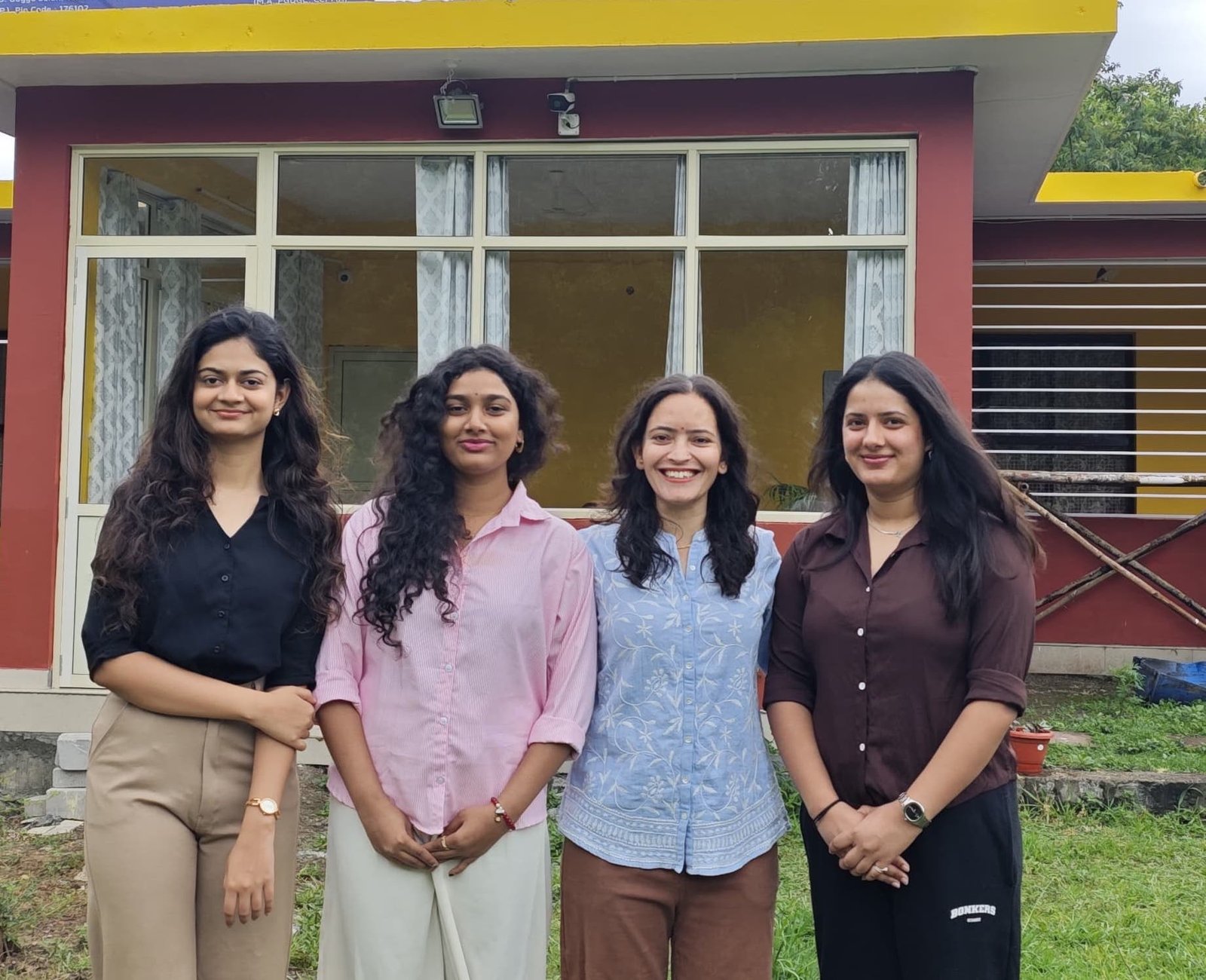
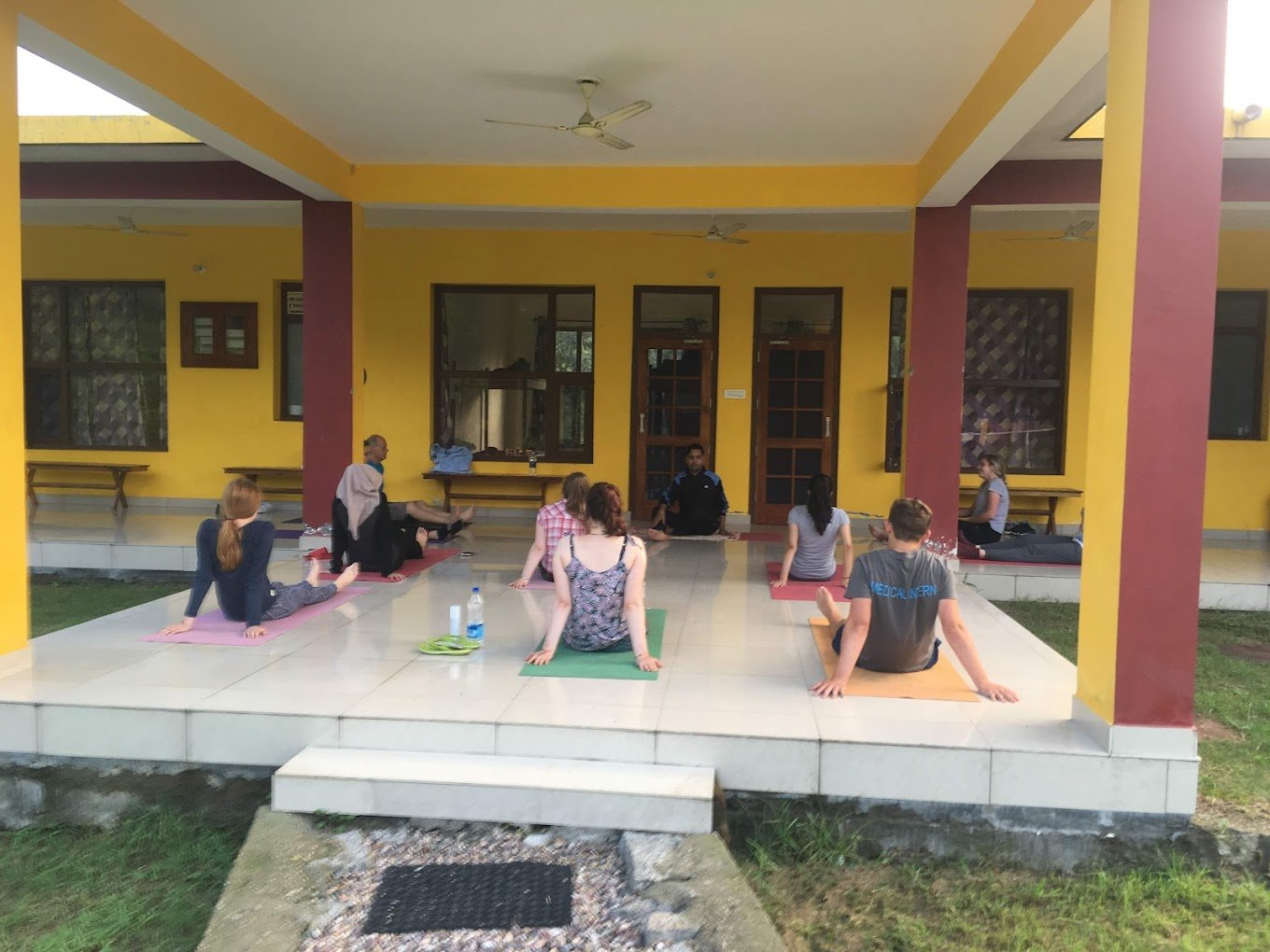
Vaishalya Wellness is women-only by design. The centre is small, quiet and located away from the visibility of town. No client is named or photographed in any of our material without explicit written consent, and group work never requires sexual disclosure.
Staff are trained in professional confidentiality and ethical practice. The women you meet here are working on many different things. Nobody is required to explain to anyone why they came.
Where Recovery Happens
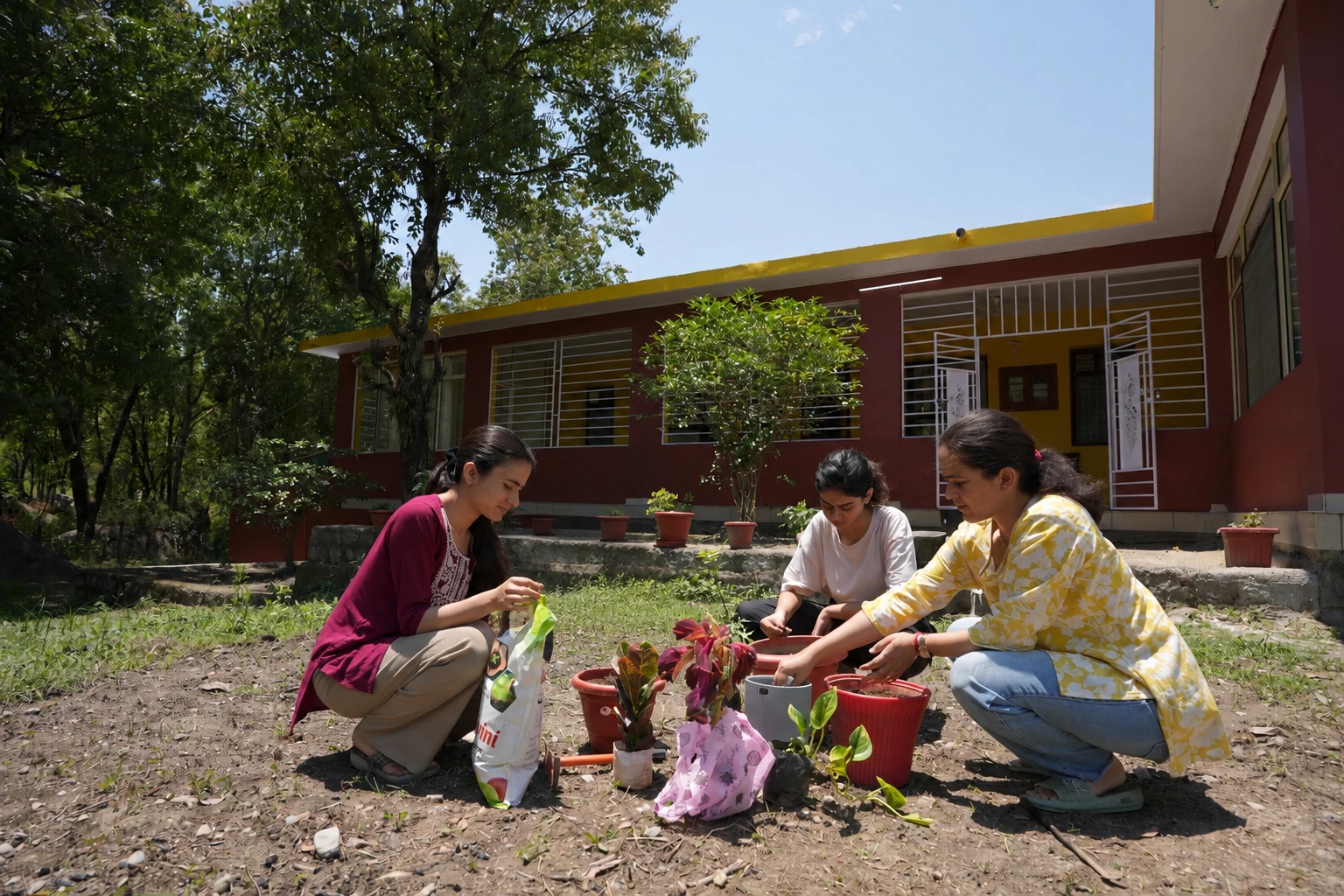
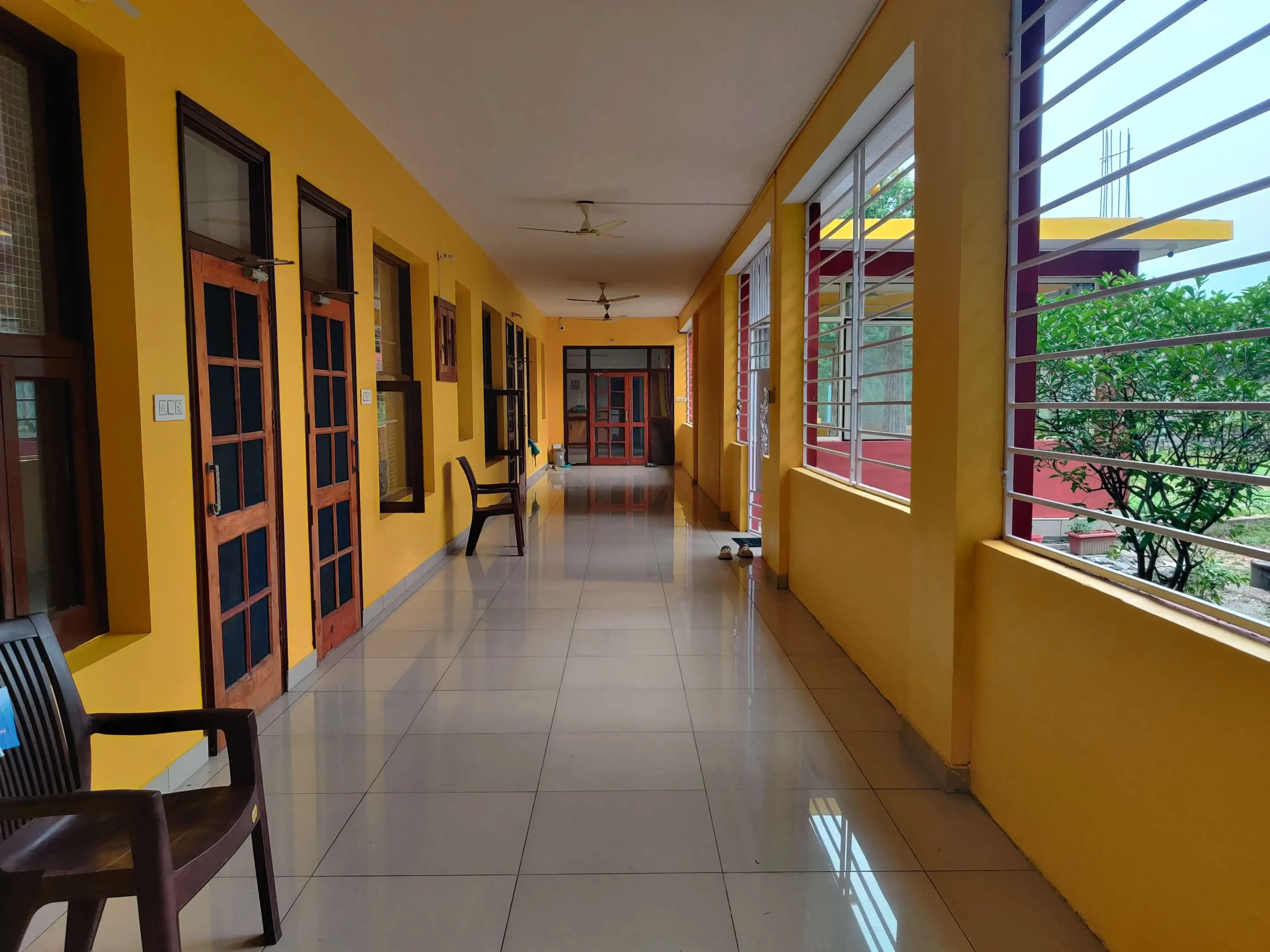
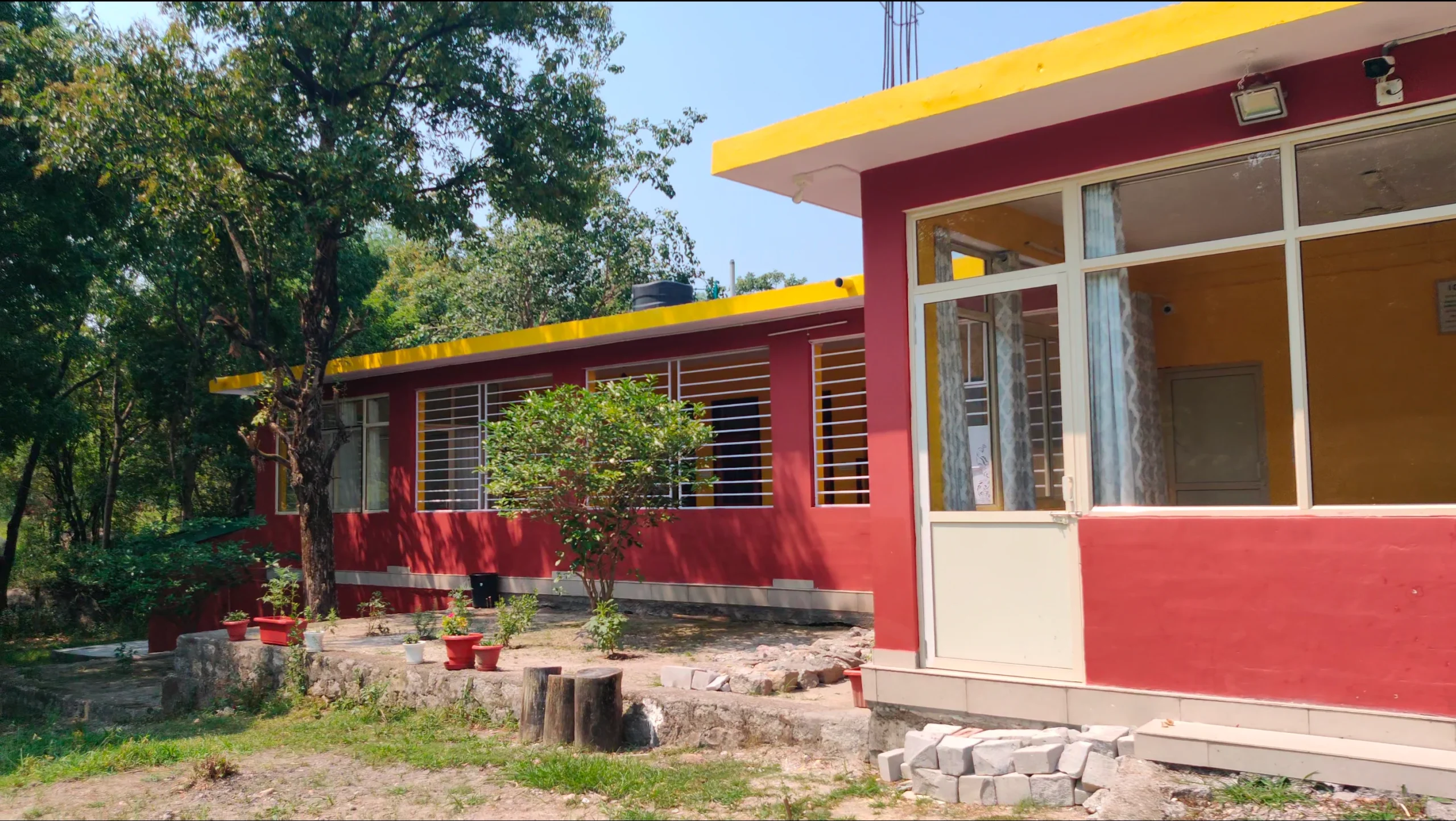
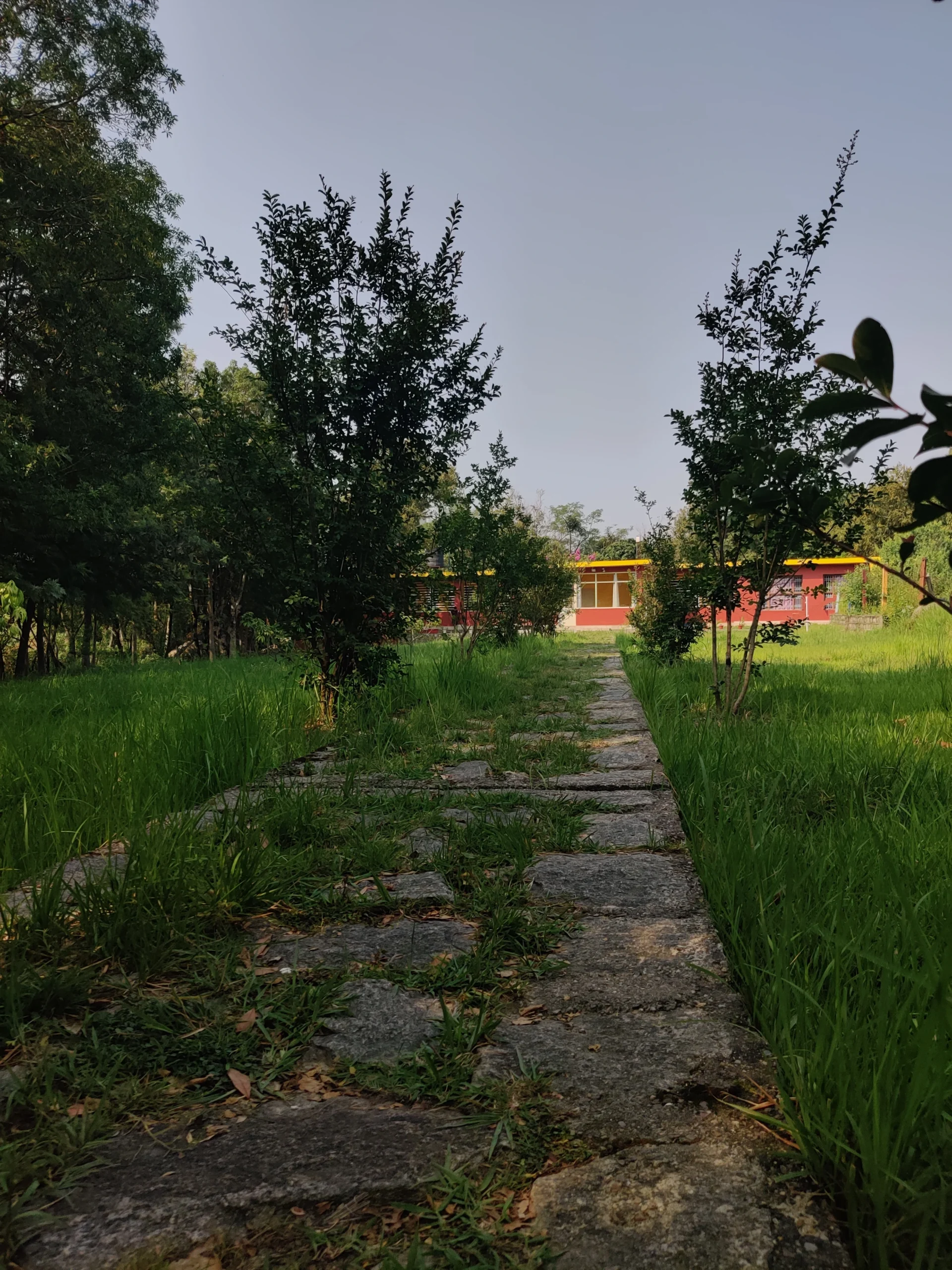
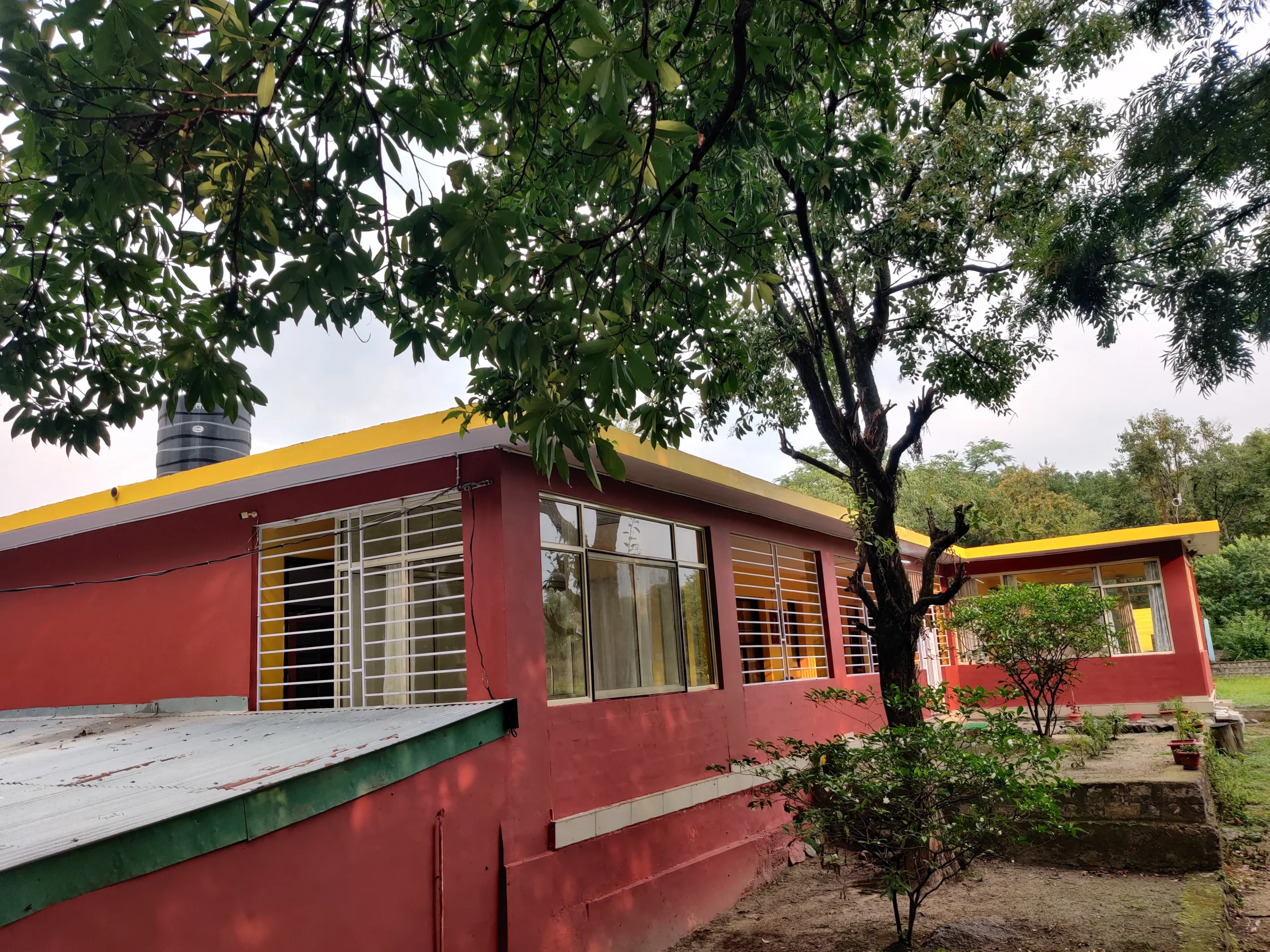
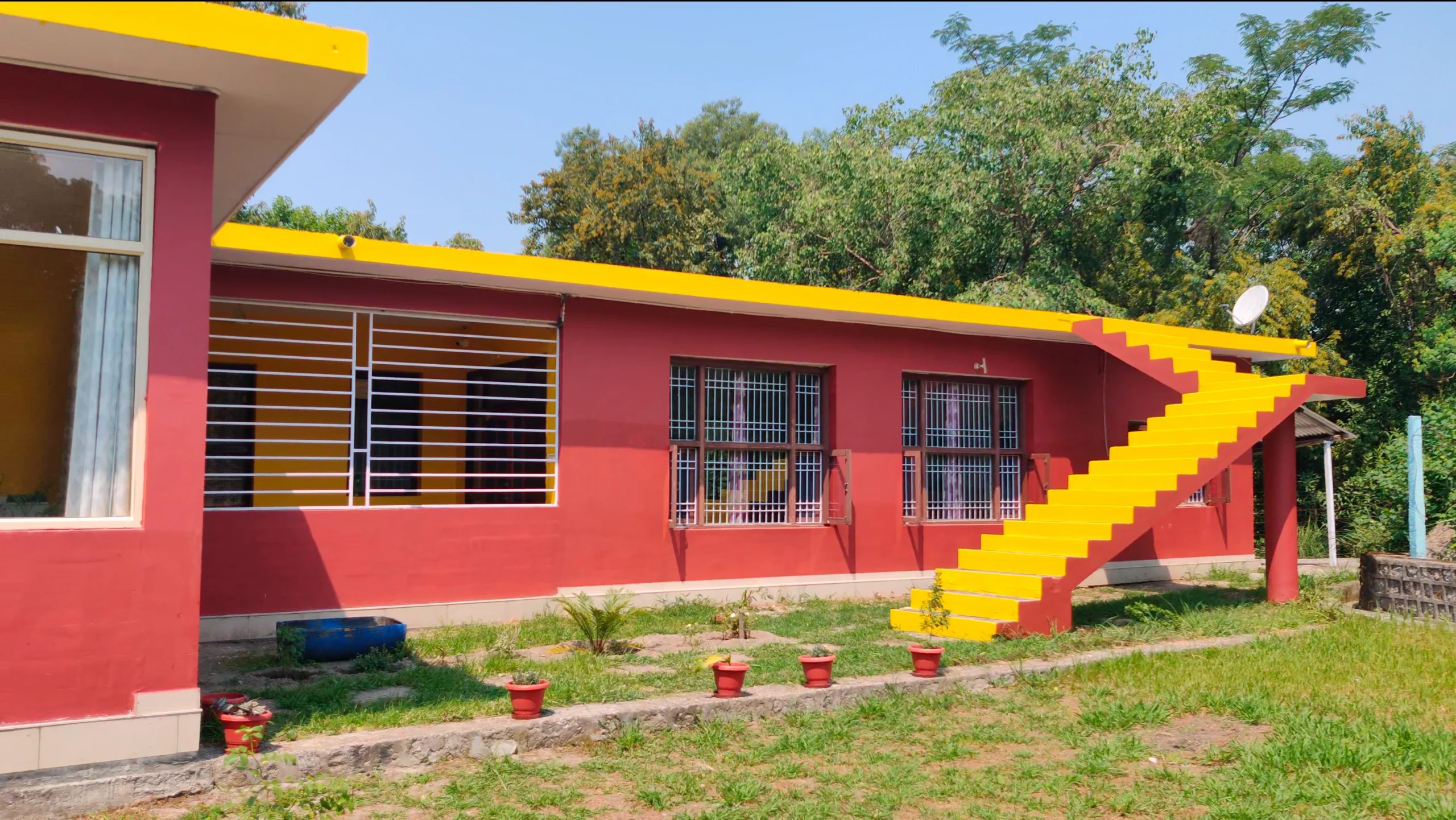
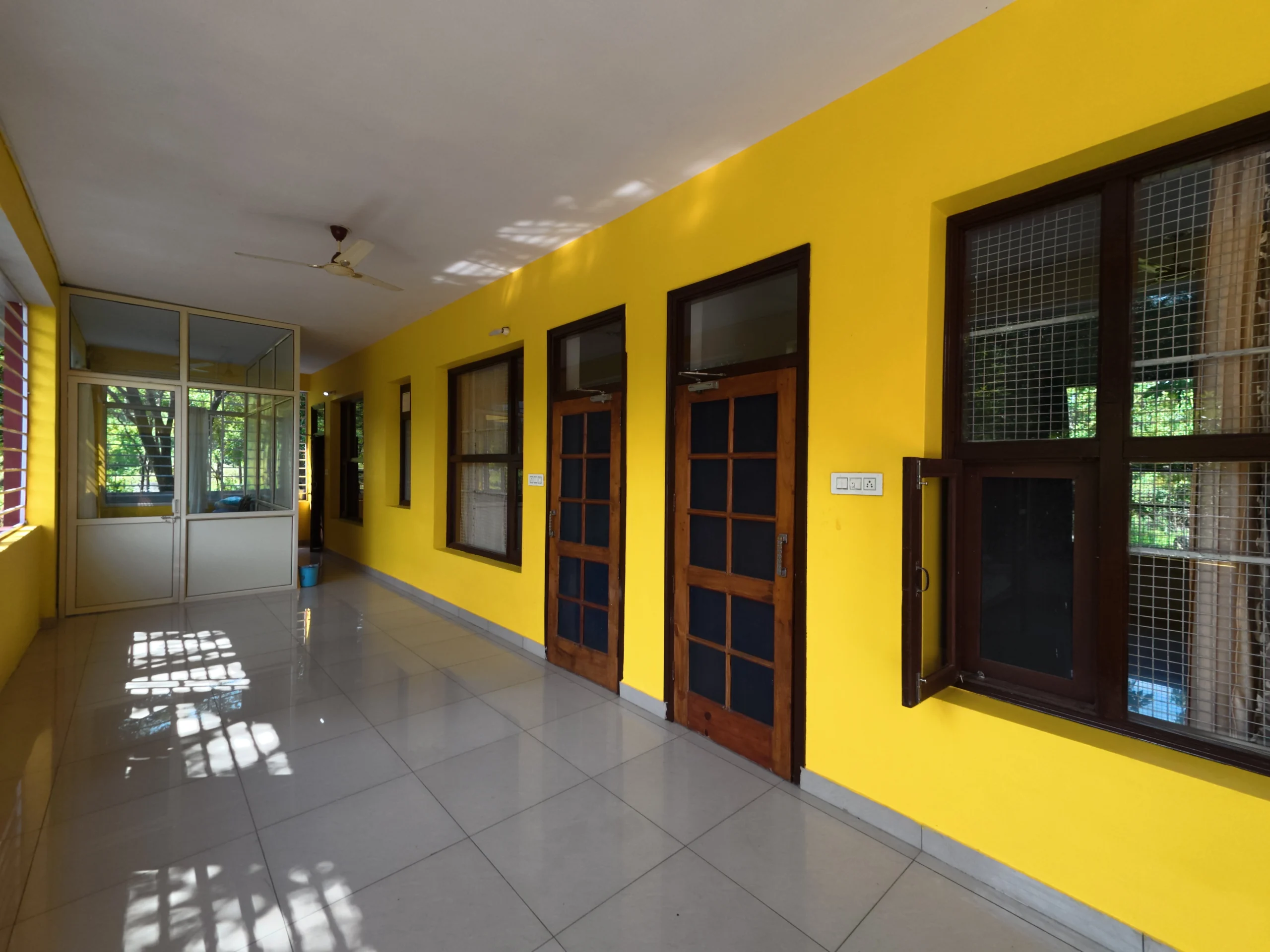
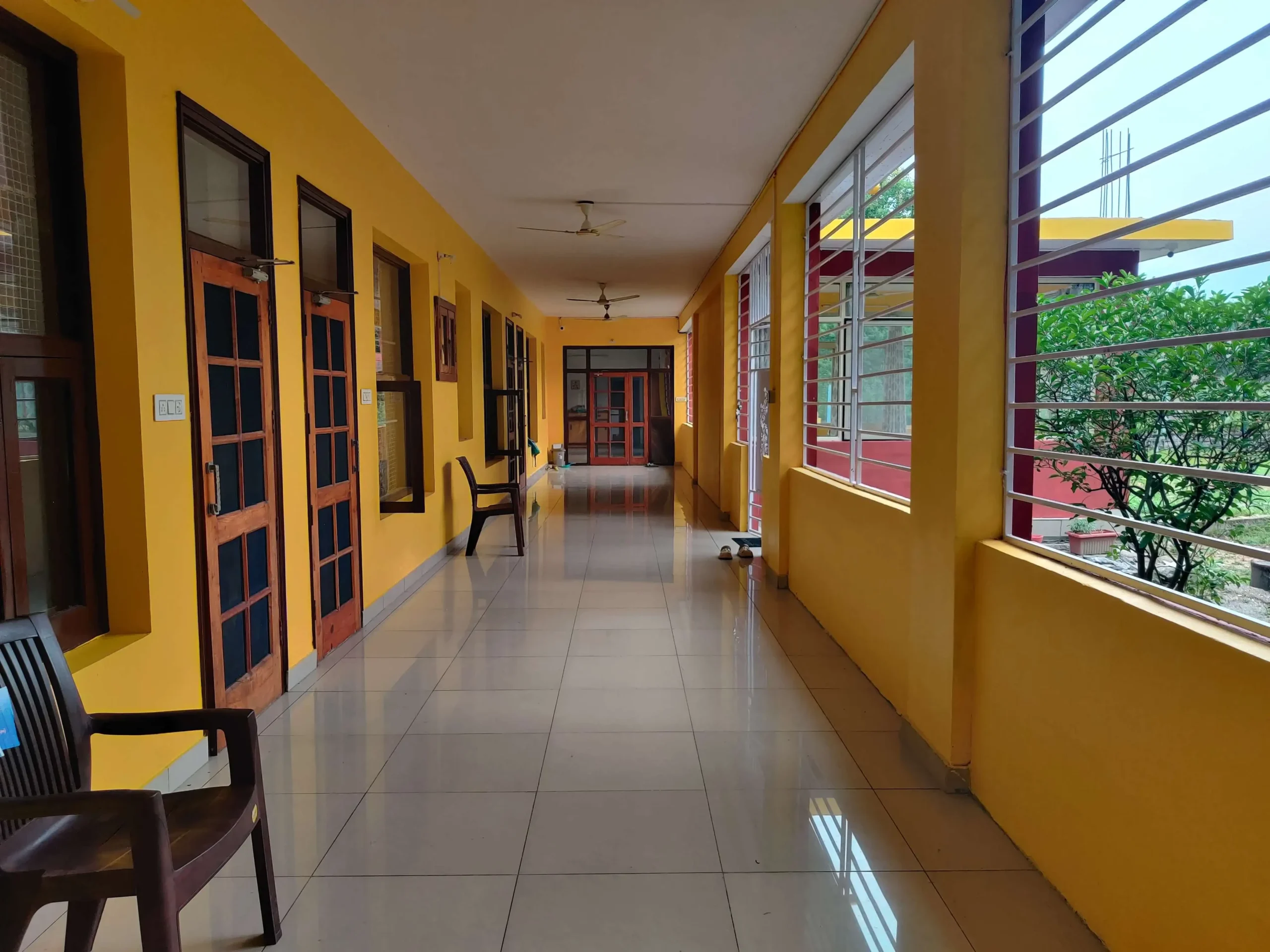
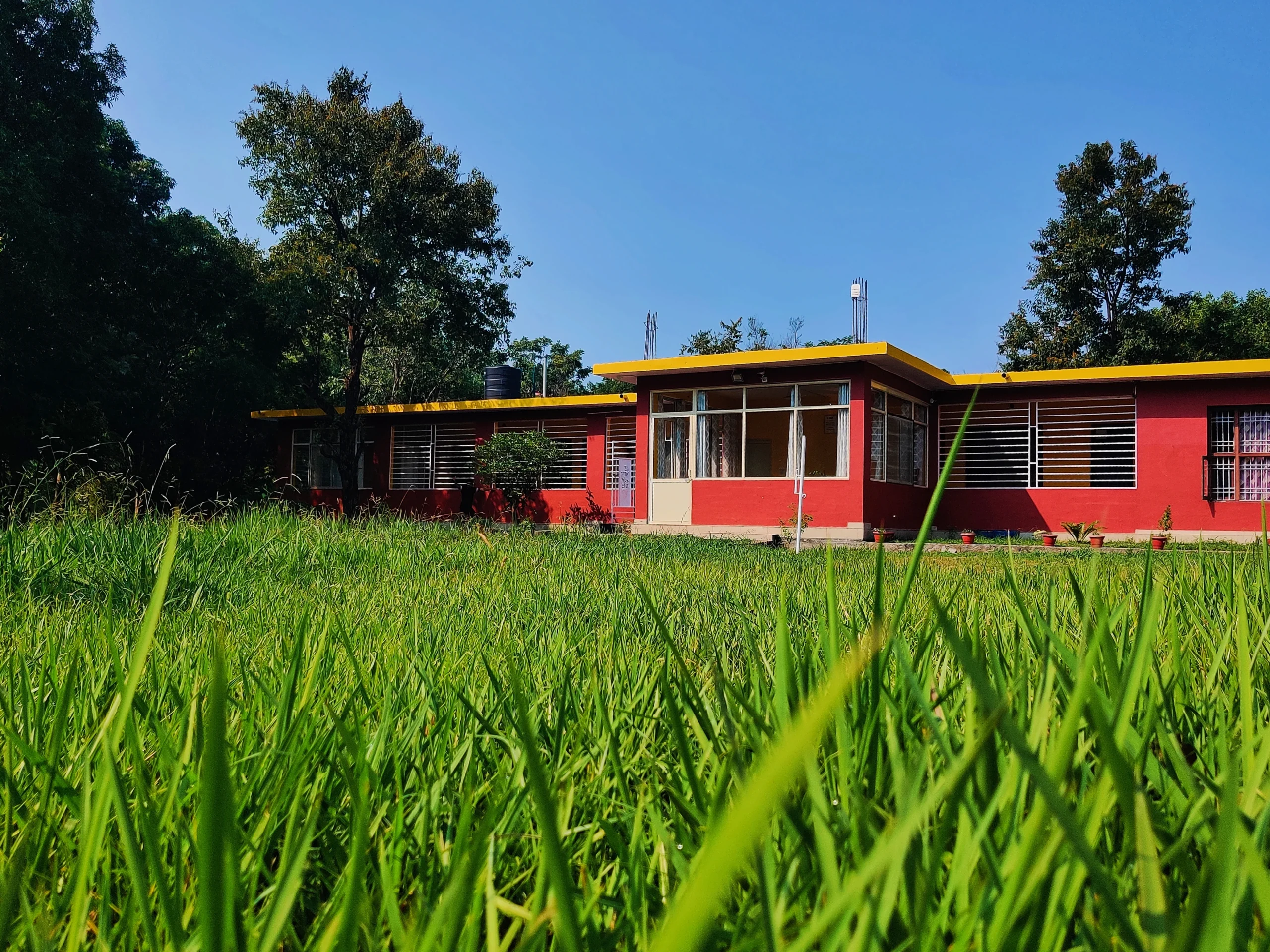
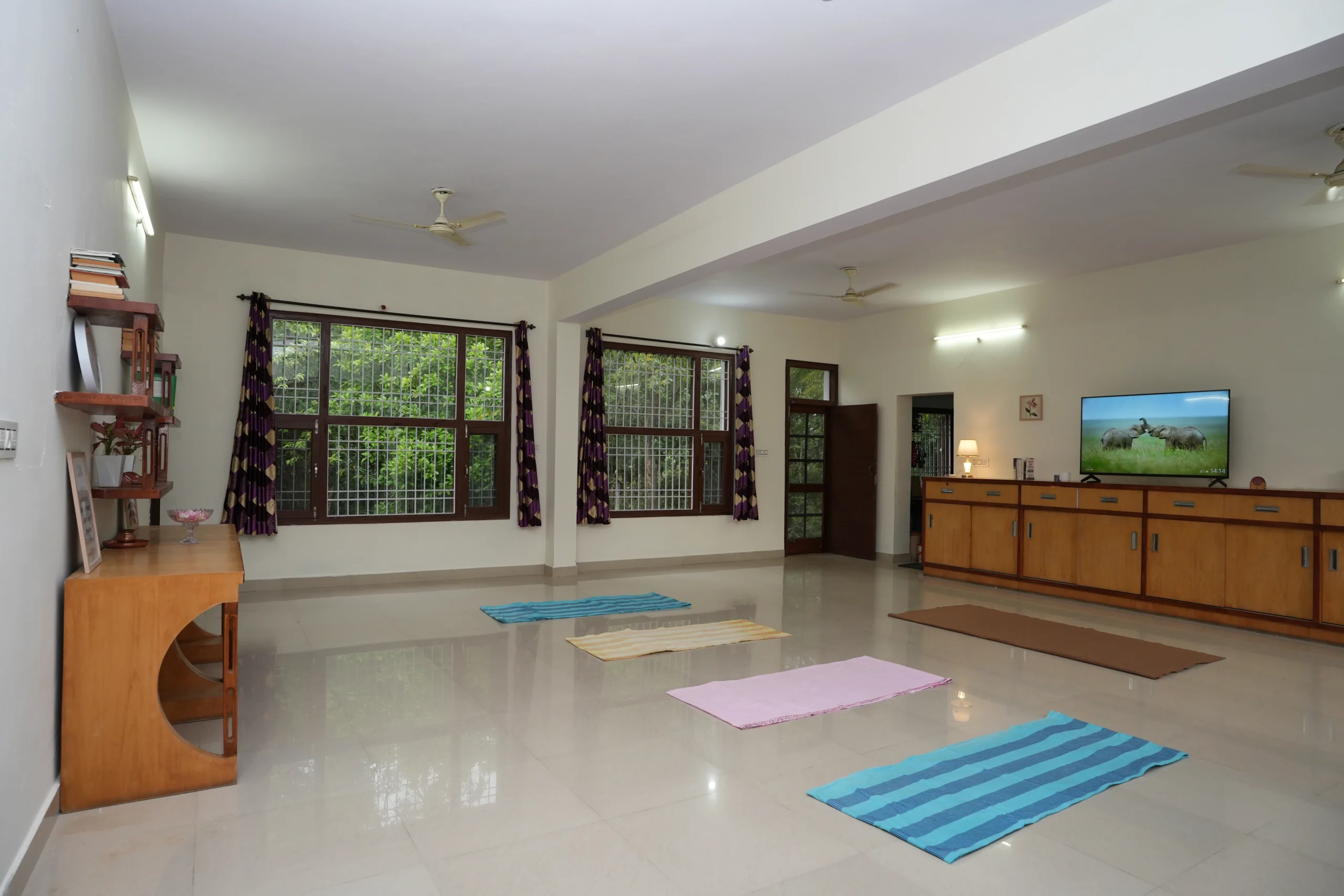
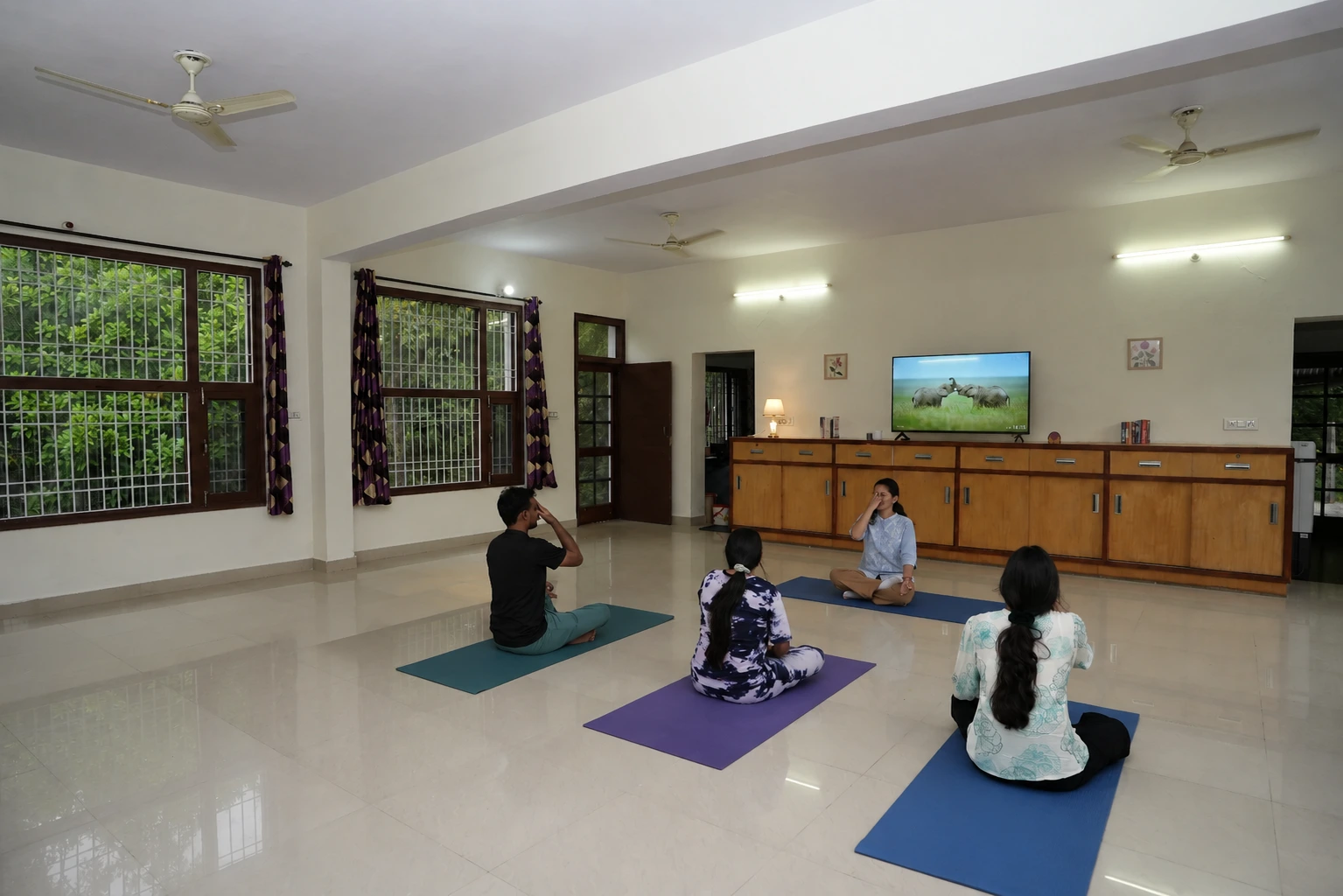
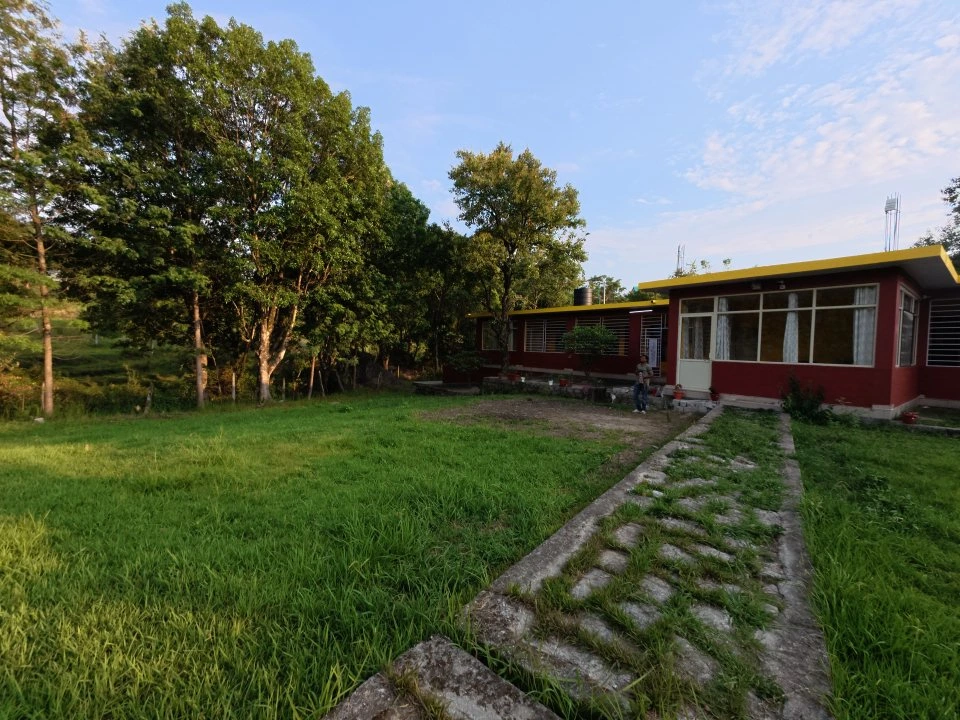
Our women-only residential space sits in the hills near Sullah, Palampur: quiet, green, and deliberately removed from the pressures that make honesty so difficult at home.
Staying Well Afterwards
Compulsive sexual behaviour relapses in the same conditions it began in: privacy, boredom, loneliness, exhaustion and unprocessed feeling. Those conditions do not disappear when treatment ends, so the plan has to survive contact with ordinary life.
A lapse is not a verdict. It is data the plan should absorb. Clients are told explicitly to come back after one rather than disappear because of it, and nobody here is surprised or disappointed when they do.
Vaishalya Wellness: Women's Rehab & De-Addiction Centre
Residential care in Palampur, Himachal Pradesh. Private online counselling for women anywhere in India. You may enquire using initials only.
-
AddressMohal, Gugga Saloh Rd, Tehsil Sullah, Palampur, Distt. Kangra,
Himachal Pradesh 176102 - Phone & WhatsApp +91 82194 74936 · +91 70181 48449
-
Enquiry HoursMonday to Saturday, 10:00 AM to 5:00 PM
Residential care operates 24/7 - RegistrationAsha Bhupender Charitable Trust · Reg. No. 2025/238/4/186
Frequently Asked Questions
Is sex addiction or porn addiction a real medical condition?
The World Health Organization recognises Compulsive Sexual Behaviour Disorder in the ICD-11 under code 6C72, classified as an impulse control disorder rather than an addiction. Problematic pornography use is named within it. However, the American DSM-5 considered and rejected a hypersexual disorder diagnosis in 2013 and still does not include it. So the difficulty is formally recognised, while the addiction model specifically remains scientifically contested.
How do I know if I am actually addicted or just feel guilty about it?
This is the most important question to ask and the two are genuinely different. Research consistently finds that believing you are addicted to pornography predicts distress far more strongly than how much you actually use, and the strongest driver of that belief is moral incongruence, the gap between your behaviour and your beliefs about it. The ICD-11 states explicitly that distress arising purely from moral judgements is not sufficient for the diagnosis. A proper assessment distinguishes compulsion from shame, and the two require different treatment.
How much is too much?
There is no threshold, and frequency is deliberately not a diagnostic criterion. What matters is control and consequence: whether you have repeatedly tried to reduce it and failed, whether it has become the central focus of your life at the cost of other things, and whether it continues despite real harm or despite no longer giving you any satisfaction.
Is watching pornography illegal in India?
Watching adult pornography privately is not a criminal offence in India. Publishing or transmitting obscene or sexually explicit material in electronic form is an offence under Sections 67 and 67A of the Information Technology Act, 2000. Any material involving a minor is a serious criminal offence under Section 67B of the IT Act and the POCSO Act, including viewing, downloading and storage. Seeking counselling for compulsive pornography use carries no legal consequence. This is general information and not legal advice.
Do women really get this, or is it a male problem?
Women do experience it. Most studies find higher rates in men, with one large German study reporting a lifetime prevalence of 4.9 per cent in men and 3.0 per cent in women, though some community samples find the genders more evenly represented. Women face greater stigma and more difficulty accessing treatment, so presentation rates understate how common it actually is. The clinical picture in women also differs, with trauma, attachment and stress regulation playing a larger role.
Is there a medicine for this?
No medication is approved anywhere in the world for compulsive sexual behaviour disorder, and the pharmacological evidence base is weak. Treatment is psychological, principally cognitive behavioural therapy, acceptance and commitment therapy, mindfulness-based relapse prevention and trauma-informed work. Where a co-occurring condition such as depression or anxiety is present, a psychiatrist may prescribe for that condition. SSRIs and naltrexone are sometimes used off-label in a stepped approach under medical supervision.
Will my husband or my family be told?
No. Nothing is disclosed to a spouse, parent or any other person without your explicit consent, and we will not act as a channel for a family member to monitor you. The only limit is the one any responsible clinician holds, where there is serious risk to your life or to another person, particularly a child, and we would tell you if that point were ever reached. You may also enquire using initials only.
Do I have to come and stay at the centre?
Usually not. For most women private online counselling is the appropriate starting point and often the only step needed. Residential care is indicated where compulsive sexual behaviour sits alongside significant trauma, depression, self-harm risk or a substance use disorder, or where the home environment makes recovery impossible.
Is the treatment going to tell me sex is wrong?
No. The goal is restored control and a sexuality you can live with, not the removal of your sexuality or compliance with anyone else's moral standard. Where abstinence is used it is a temporary clinical tool, never a moral goal. We do not practise or endorse any attempt to change sexual orientation or gender identity.
Will I have to talk about it in a group?
Never. Group sessions at Vaishalya Wellness do not require sexual disclosure or personal history. The women in a group are working on many different things and nobody is required to explain why they came. All work on this concern happens in individual sessions.
Is this connected to childhood abuse?
Often, though not always. Childhood sexual abuse and physical neglect are strongly associated with compulsive sexual behaviour, and one study found that link held for women specifically. This does not mean everyone with this difficulty was abused, and it does not mean you must have a trauma history to qualify for help. You will never be required to describe abuse in order to be treated.
My partner has this. What should I do?
Tell her you have noticed she is struggling and offer to help her find support, without confronting her in front of family. Avoid monitoring software, phone checks and ultimatums, which move the behaviour underground rather than ending it. Get counselling for yourself as well, because discovering this is genuinely painful and you deserve support in your own right. We will talk to family members about the condition in general terms, but we will not confirm whether someone is our client.
Medical and legal disclaimer. This page is for general information and does not constitute medical, psychological or legal advice, diagnosis or treatment. No medication is approved for compulsive sexual behaviour disorder; any medication for a co-occurring condition must be prescribed and monitored by a qualified physician. Vaishalya Wellness is not a crisis service or emergency medical establishment. If you are having thoughts of harming yourself, please contact the national mental health helpline Tele MANAS on 14416, or attend your nearest hospital. Support for women facing violence or abuse is available on the national women's helpline, 181. This is a sensitive subject and if any of it is affecting you personally, we are glad to help you find the right support, whether or not that turns out to be us.

About Vaishalya Wellness
Set in the quiet foothills of the Dhauladhar range in Palampur, Vaishalya Wellness is a women only rehabilitation and recovery centre. We offer a safe, private and dignified space for women seeking professional help with addiction, trauma and mental health, guided by clinical care and genuine compassion.
A women only residential facility in Himachal Pradesh.
Registration No: 2025/238/4/186
What We Treat
Additional Info
Contact
Call us +91 82194 74936 +91 70181 48449
Mohal, Gugga Saloh Rd,Tehsil Sullah, Palampur,
Himachal Pradesh 176102 Get directions
© 2026 Vaishalya Wellness. All rights reserved.
Privacy Policy