




- Resources
- Volunteer
- Internship
- Our approach
- FAQ
Relapse Prevention Programme in Himachal Pradesh
Relapse is a common part of many women’s recovery journeys not a sign of failure. At Vaishalya Wellness, our relapse prevention programme equips every woman with the awareness, coping tools, and support network she needs to protect the progress she has made.
Recovery from prescription drug, alcohol, or other substance dependence does not end on the last day of residential treatment it continues in the months and years that follow, back home, at family functions, during festivals, and through the ordinary stresses of daily life. Relapse prevention is the bridge between the structure of treatment and the reality of everyday living.
At Vaishalya Wellness, relapse prevention is not an afterthought tacked onto the end of a programme it is woven through every stage of care, from the first clinical assessment to the discharge plan we build together with each woman and her family. Our approach recognises that lapses, when they happen, are information, not verdicts, and that the right plan can turn a moment of risk into a moment of strength.
Our relapse prevention programme combines trigger-mapping, evidence-based coping skills training, family-inclusive planning, and structured aftercare so that recovery holds long after a woman leaves our centre in Palampur. Whether you are currently in treatment with us, have completed a programme elsewhere, or are supporting a loved one who is newly sober, our team can help build a plan suited to her specific triggers, home environment, and stage of recovery.
Confidential Enquiry

What Is a Relapse Prevention Programme?
A relapse prevention programme is a core part of comprehensive addiction treatment. It focuses on helping women who have completed detox or an initial treatment programme sustain their recovery and avoid returning to substance use once daily life resumes.
Relapse prevention is not only about willpower or abstinence in the moment it is a proactive, ongoing process. It involves learning to recognise personal triggers, building healthier coping responses, and putting in place a written, personalised plan for the moments when cravings or stress feel overwhelming. This plan accounts for each woman’s individual history, home environment, family dynamics, and recovery goals.
Because addiction is a chronic condition rather than a one-time event, relapse prevention is treated as ongoing care, not a single session. Our team stays connected with women well beyond their time in residential or outpatient treatment.
Substances Our Relapse Prevention Programme Addresses
Every woman’s relationship with substance use is different, so our relapse prevention planning is built around her specific history not a one-size-fits-all checklist.
Common Triggers We Help Women Recognise and Manage
A trigger is anything internal or external that raises the risk of returning to substance use. Learning to name a trigger early is often the difference between a passing craving and a full relapse.
How Relapse Prevention Supports Long-Term Recovery
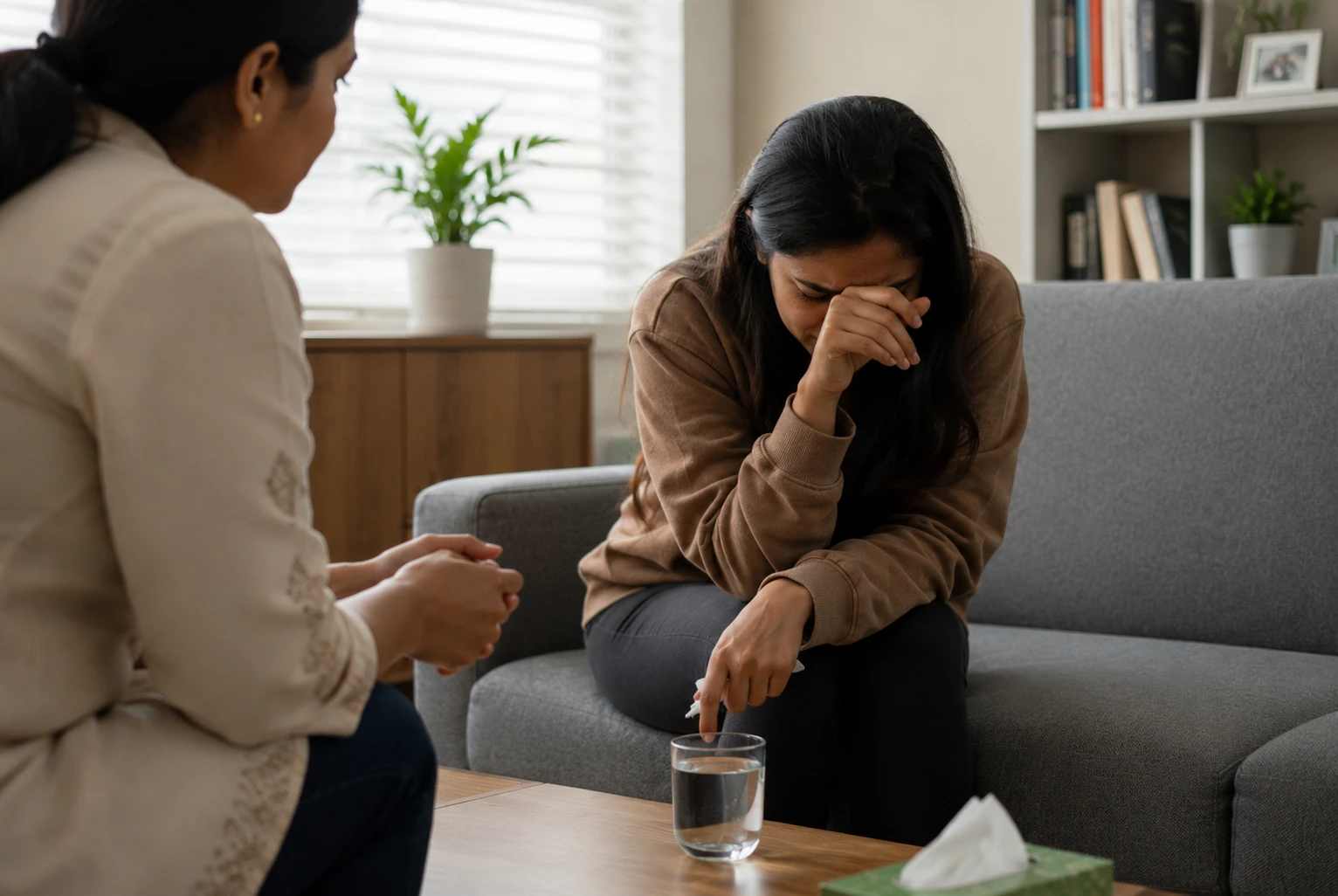
Relapse prevention strengthens every other part of the treatment we provide. At Vaishalya Wellness, it supports recovery in several concrete ways:
- Identifying triggers: Understanding the people, places, emotions, or situations most likely to raise risk, so they can be planned for rather than reacted to.
- Building healthier coping strategies: Replacing substance use as a coping tool with breathing techniques, movement, journaling, prayer or meditation, and creative outlets.
- Treating co-occurring mental health concerns: Addressing anxiety, depression, or trauma that often sit underneath substance use, so the underlying pain does not resurface unmanaged.
- Strengthening the support network: Connecting each woman with peers in recovery, her therapist, and family members who understand her journey.
- Creating a written relapse prevention plan: A concrete, personalised document outlining early warning signs and exact steps to take if risk increases.
- Supporting a stable home environment: Working with families on practical changes at home that reduce exposure to old triggers.
A Continuum of Relapse Prevention Care
Relapse prevention looks different at each stage of recovery. Our team meets each woman where she is.
Early Recovery Planning
Introduced during residential treatment identifying personal triggers, high-risk situations, and the first draft of a written relapse prevention plan before discharge.
Step-Down & Outpatient Support
Continued individual and group sessions through our IOP as a woman transitions home, with regular check-ins to review and adjust her plan as real-life situations arise.
Long-Term Aftercare
Ongoing family therapy, alumni check-ins, and crisis planning so support remains available well beyond the completion of a formal programme.
Recognising Relapse Before It Happens
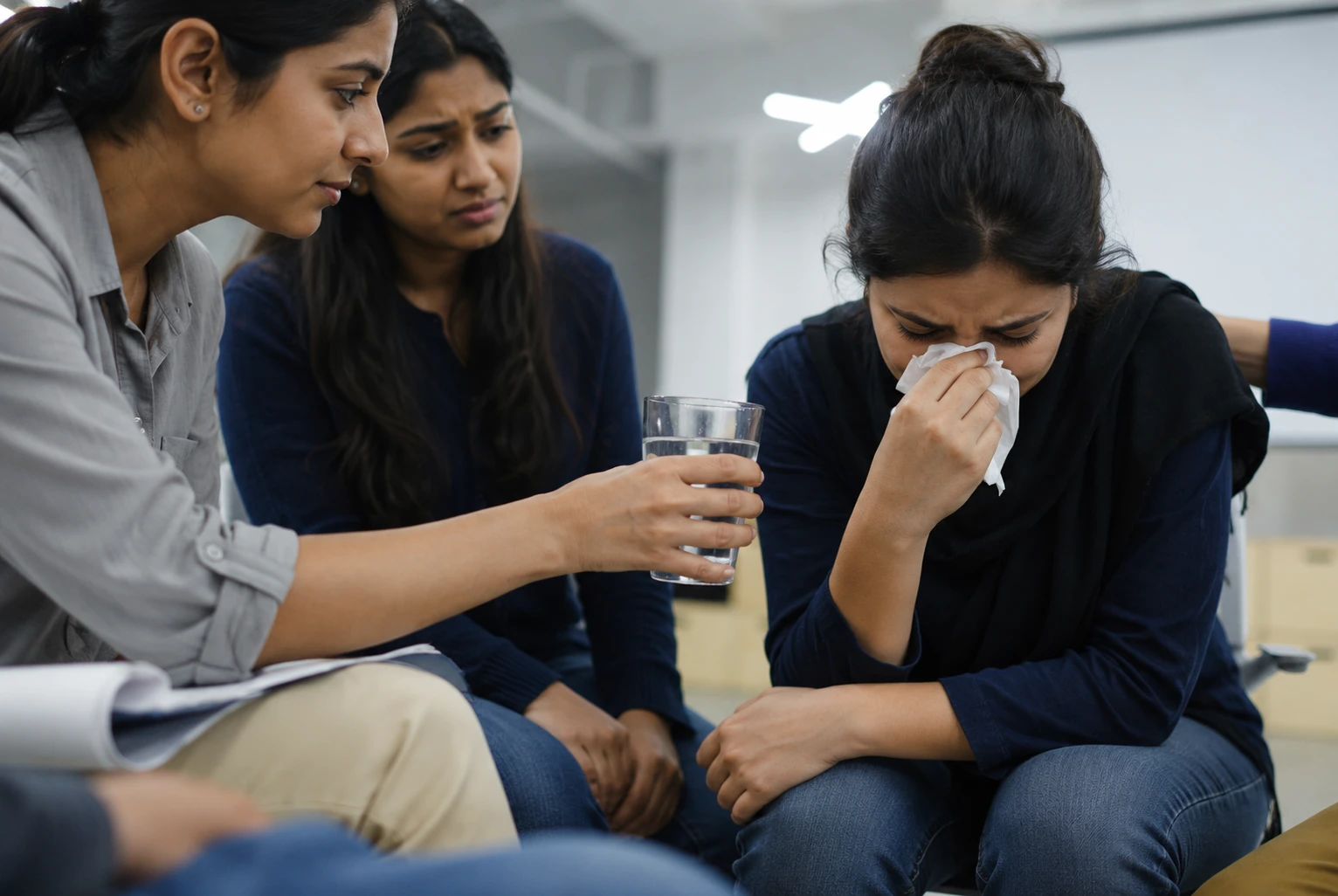
Relapse is rarely sudden it is usually a process that begins well before any substance is used again. We teach every woman and her family to recognise three overlapping stages:
- Emotional relapse: Bottling up feelings, isolating from support, skipping therapy or check-ins, and poor self-care often without any conscious thought of using yet.
- Mental relapse: A growing internal conflict part of the mind wants to stay sober, another part starts romanticising past use, minimising consequences, or planning around old triggers.
- Physical relapse: The actual return to substance use, which is far easier to prevent when the earlier two stages are caught in time.
Families are trained to notice early emotional and mental signs withdrawal, secrecy, mood swings, or a sudden drop in engagement with recovery routines and to respond with support rather than confrontation.
Benefits of Our Relapse Prevention Programme
Involving Family in the Relapse Prevention Plan
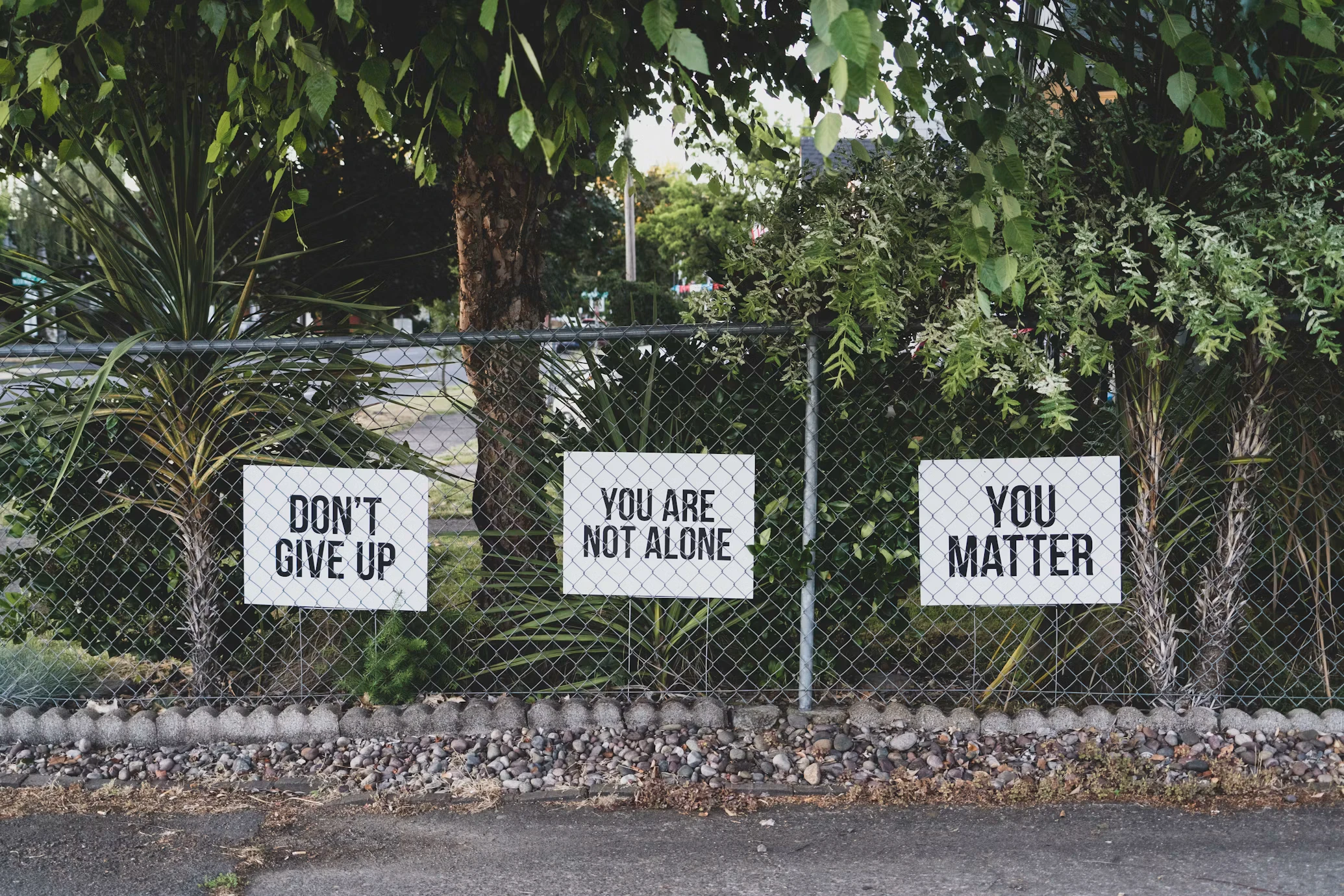
In the Indian family context, recovery rarely belongs to one person alone it is shared with parents, spouses, in-laws, and children. Our family therapy sessions help loved ones understand addiction as a medical condition, learn what genuinely helps versus what unintentionally enables relapse, and build a home environment where honesty is safe.
Before discharge, every woman leaves with a clear, written plan reviewed together with her family: her personal triggers, her coping strategies, who to call in a high-risk moment, and what steps her family should take if warning signs appear. This plan is treated as a living document, revisited and updated during aftercare check-ins.
Relapse Prevention FAQs
Begin Relapse Prevention Support Today
Whether you are preparing for discharge, supporting a loved one, or rebuilding a plan after a lapse, our team in Palampur is ready to help in complete confidence.
A Steady, Supportive Space for Ongoing Recovery
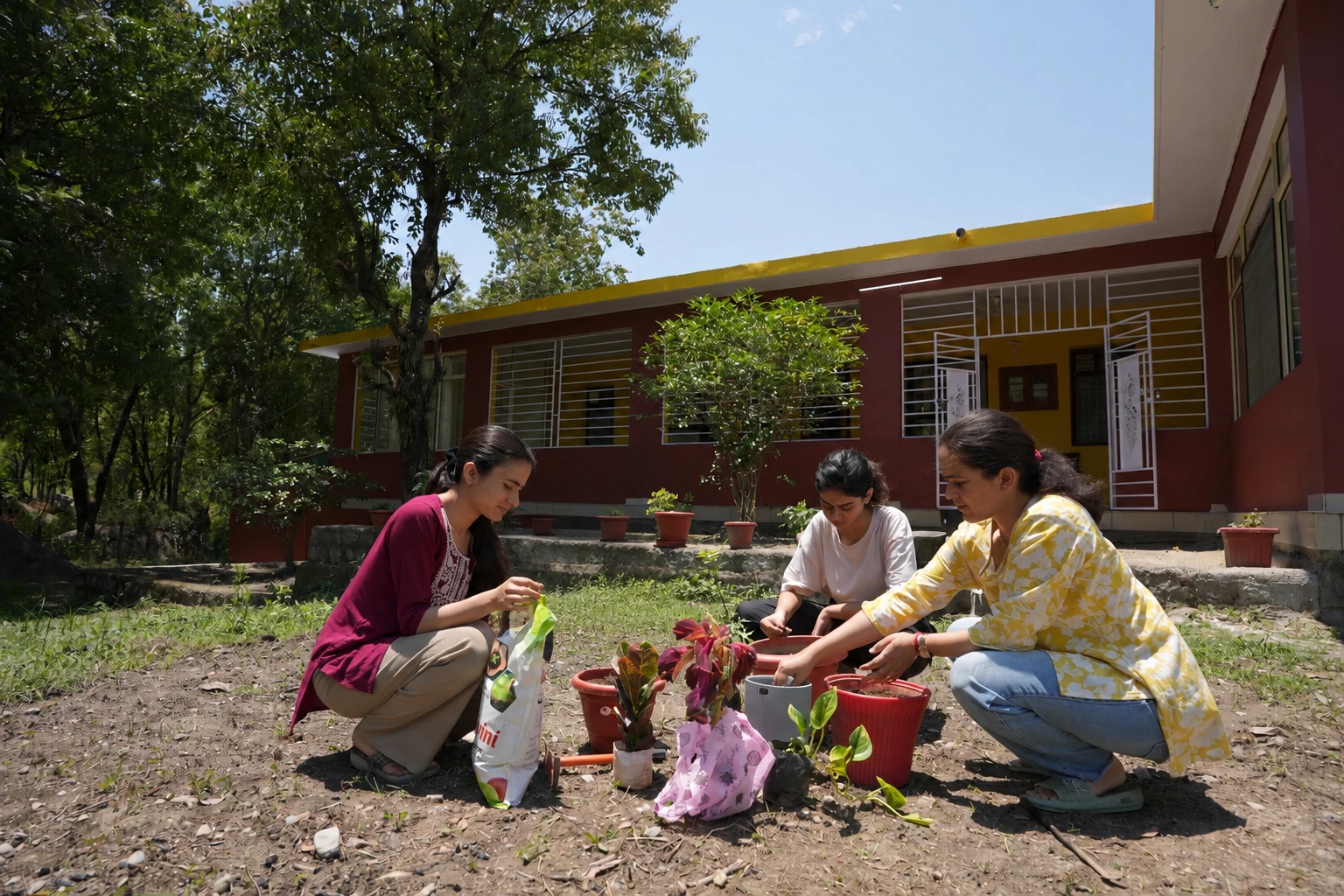
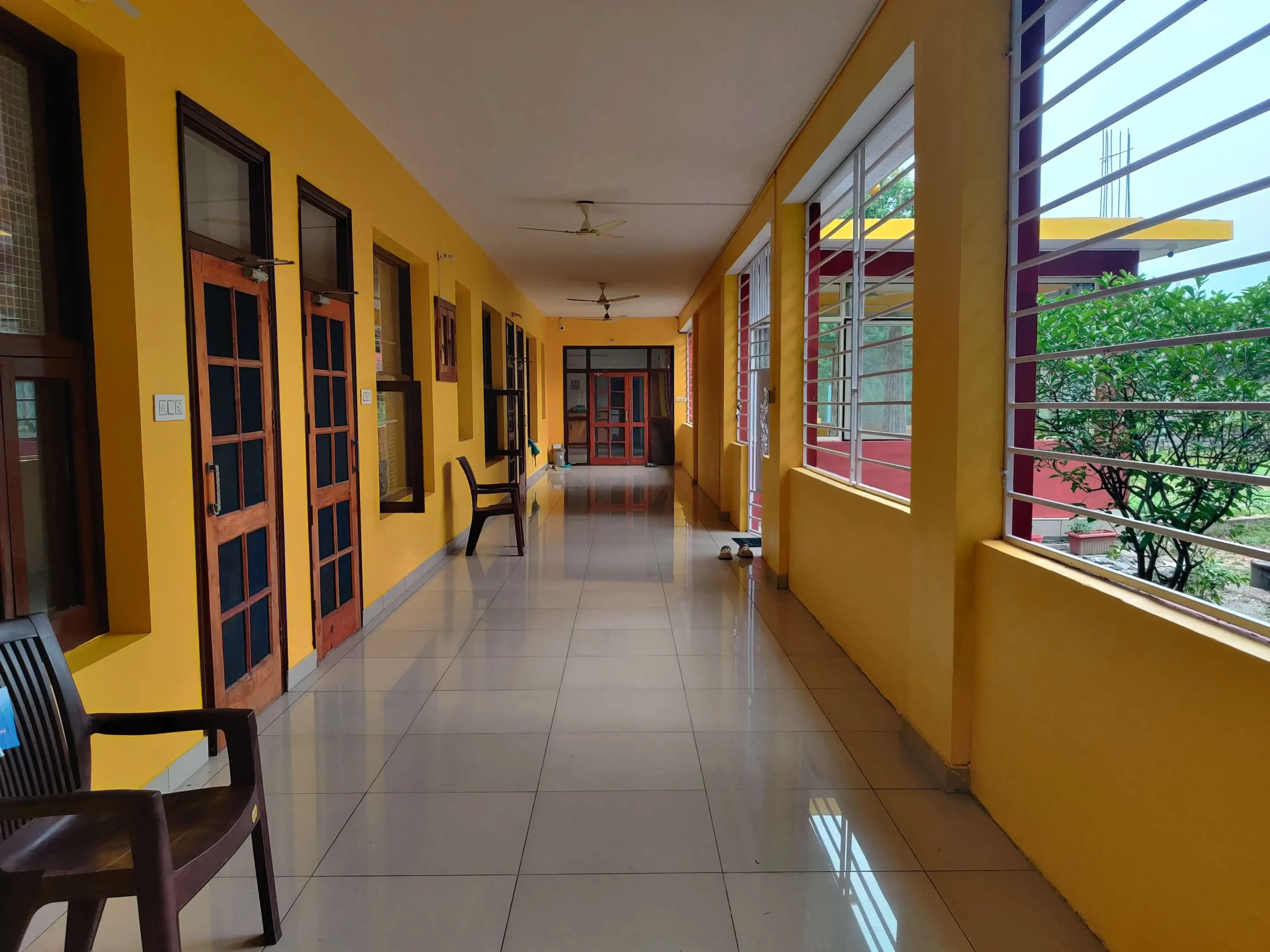
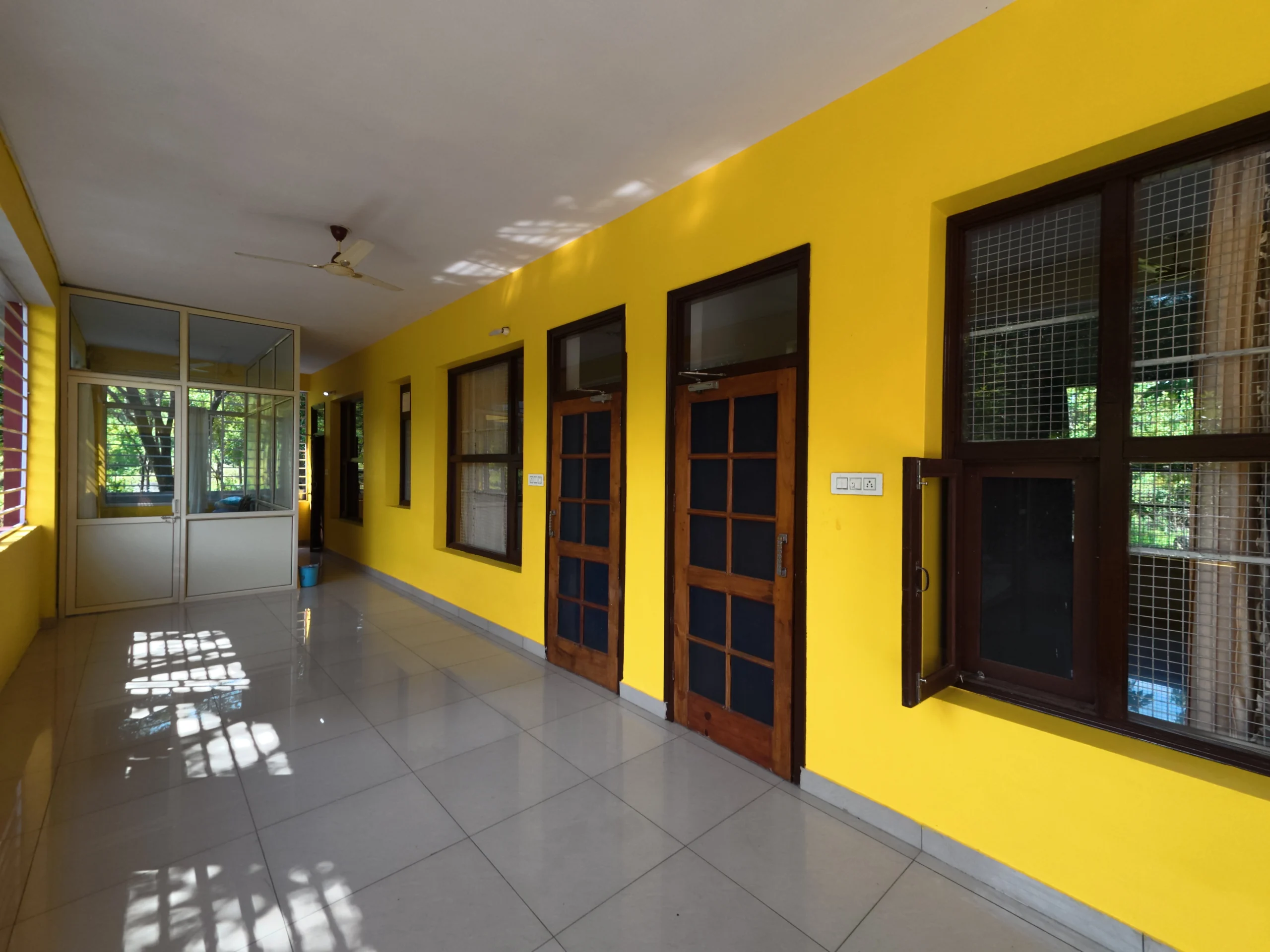
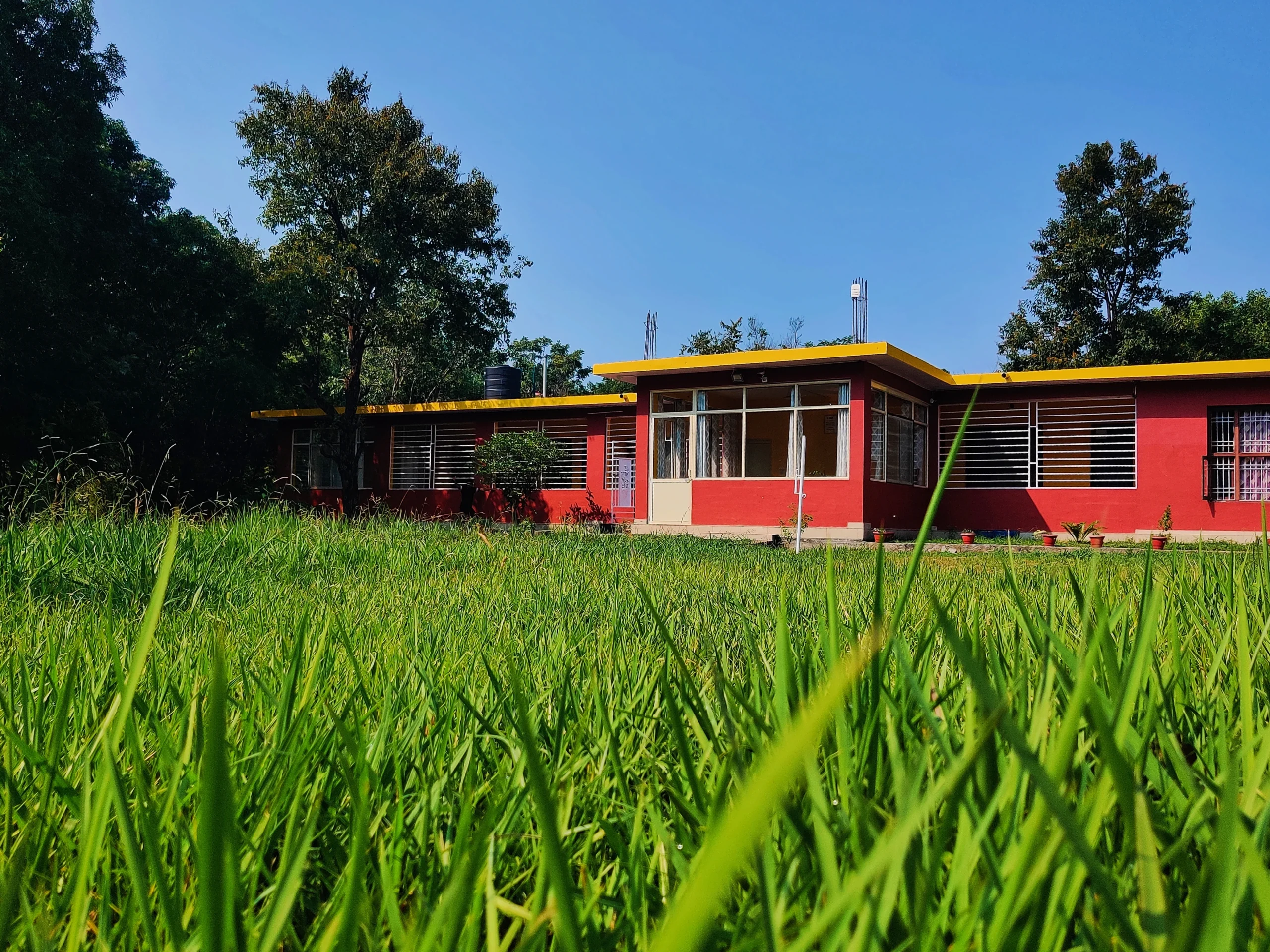
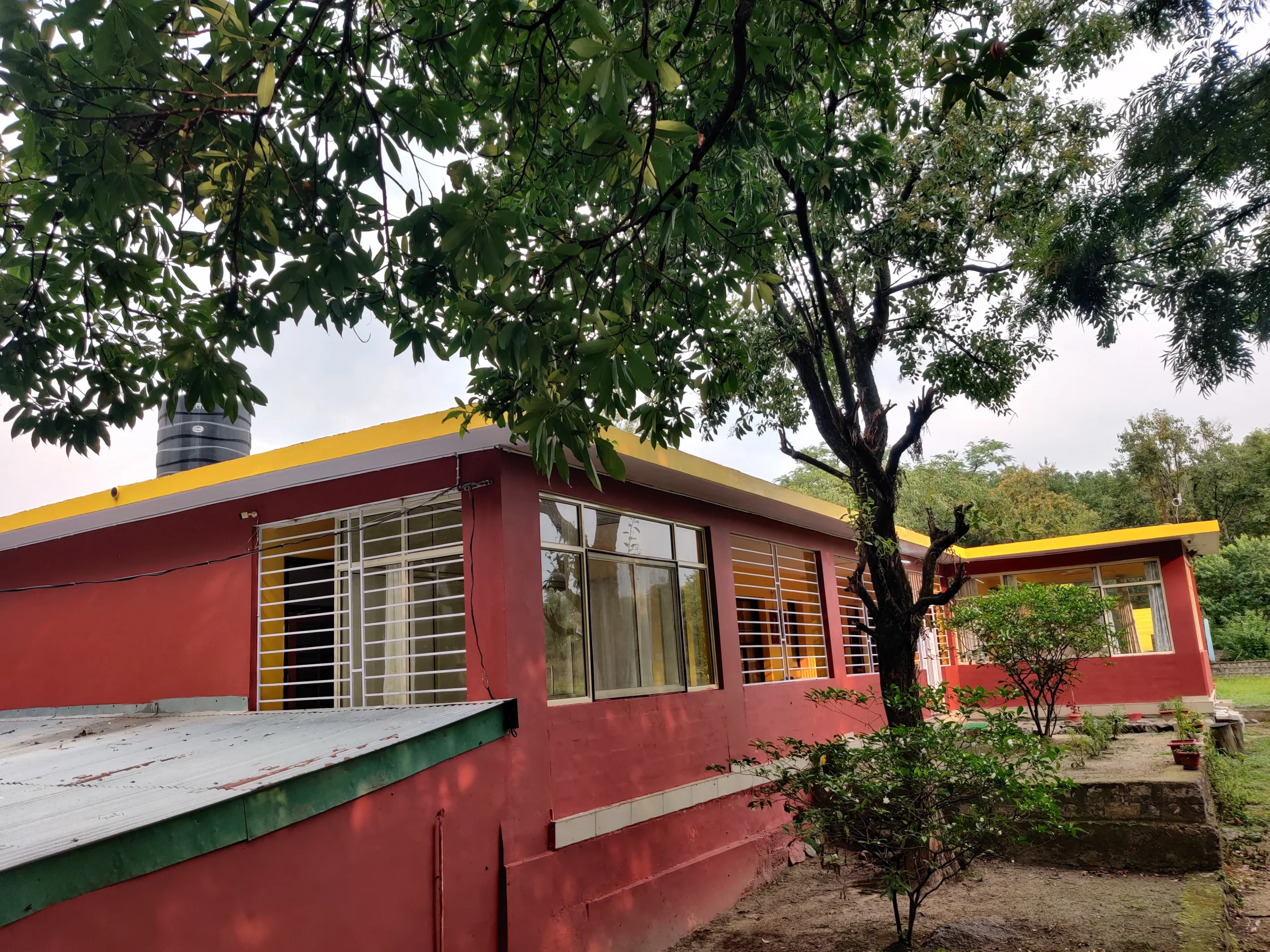
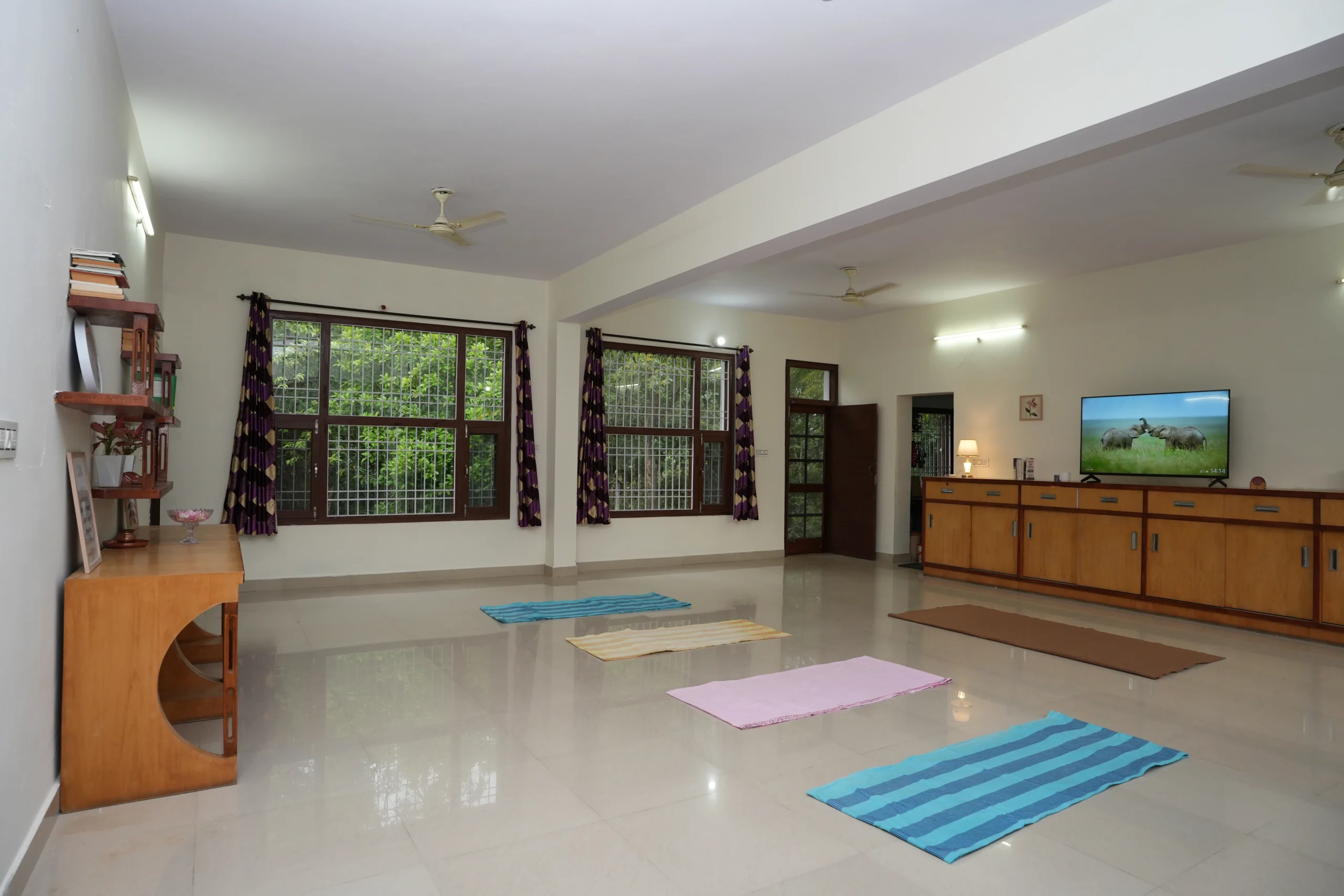
Relapse prevention works best in a calm, consistent environment. Vaishalya Wellness offers that steadiness in the quiet foothills of Palampur, Himachal Pradesh.



Recovery Is a Practice, Not a Finish Line
Asking for help with relapse prevention whether for the first time or after a setback takes real courage. It is often the decision that turns a difficult moment into lasting stability.
Vaishalya Wellness offers relapse prevention support in Himachal Pradesh through a clinically grounded, compassionate, women-only model. Our team provides personalised care in a private, serene environment focused on stability and long-term healing.
Find Vaishalya Wellness
Mohal, Gugga Saloh Rd, Tehsil Palampur, Sullah, Himachal Pradesh 176102
Phone: +91 82194 74936 / +91 70181 48449
Registration No: 2025/238/4/186