



- Resources
- Volunteer
- Internship
- Our approach
- FAQ
Cocaine Addiction Treatment
for Women in Himachal Pradesh
Cocaine Addiction
Cocaine addiction treatment at Vaishalya Women's Wellness Centre focuses on stabilising stimulant use, addressing cravings, and treating the co-occurring mental health conditions that so often drive relapse in women.
Effective care here combines structured assessment, therapy-led treatment, and step-down support rather than relying on detox alone. Treatment may include women-only residential rehab, one-to-one counselling, psychiatric review, and relapse prevention planning shaped around each woman's risk and stability.
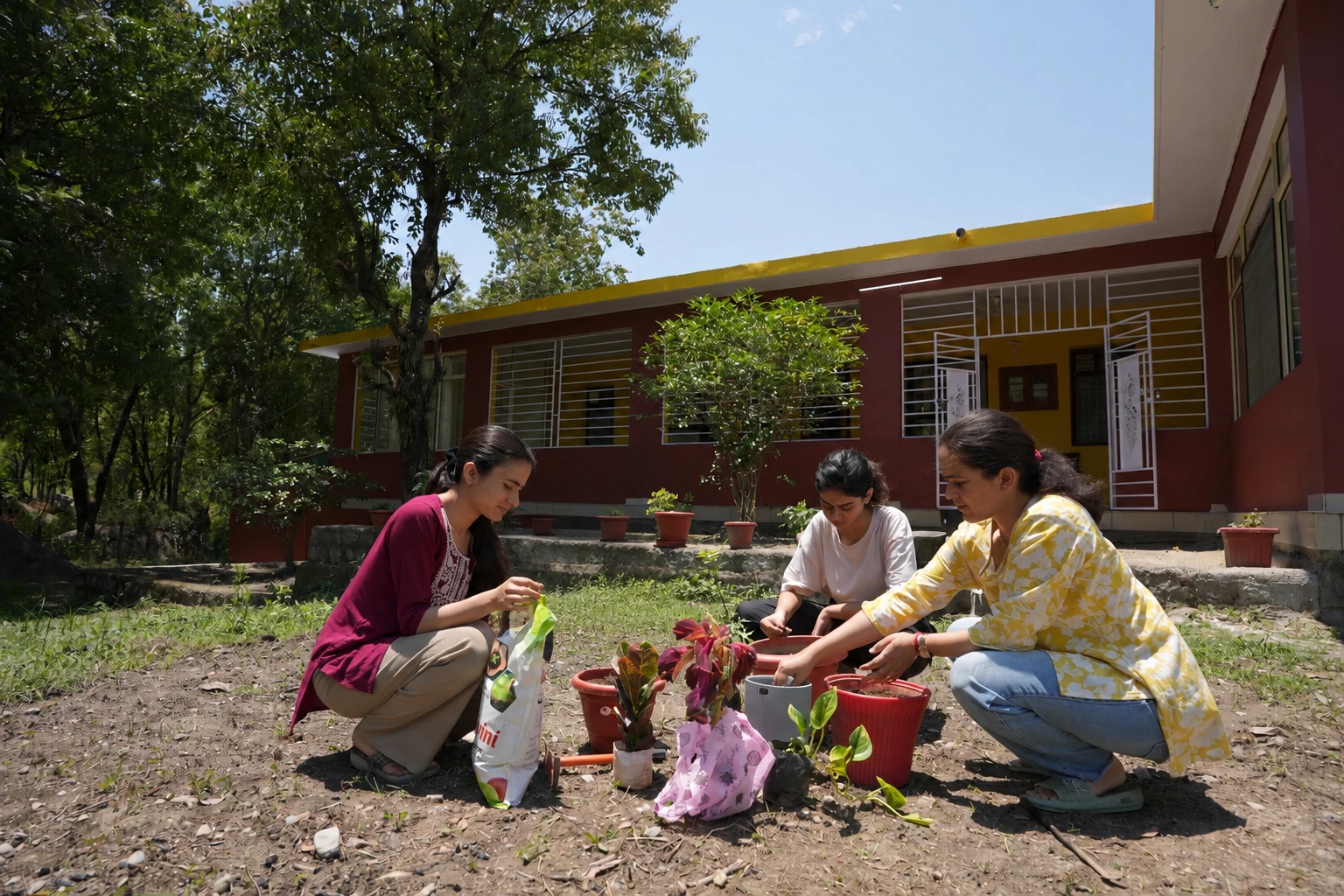
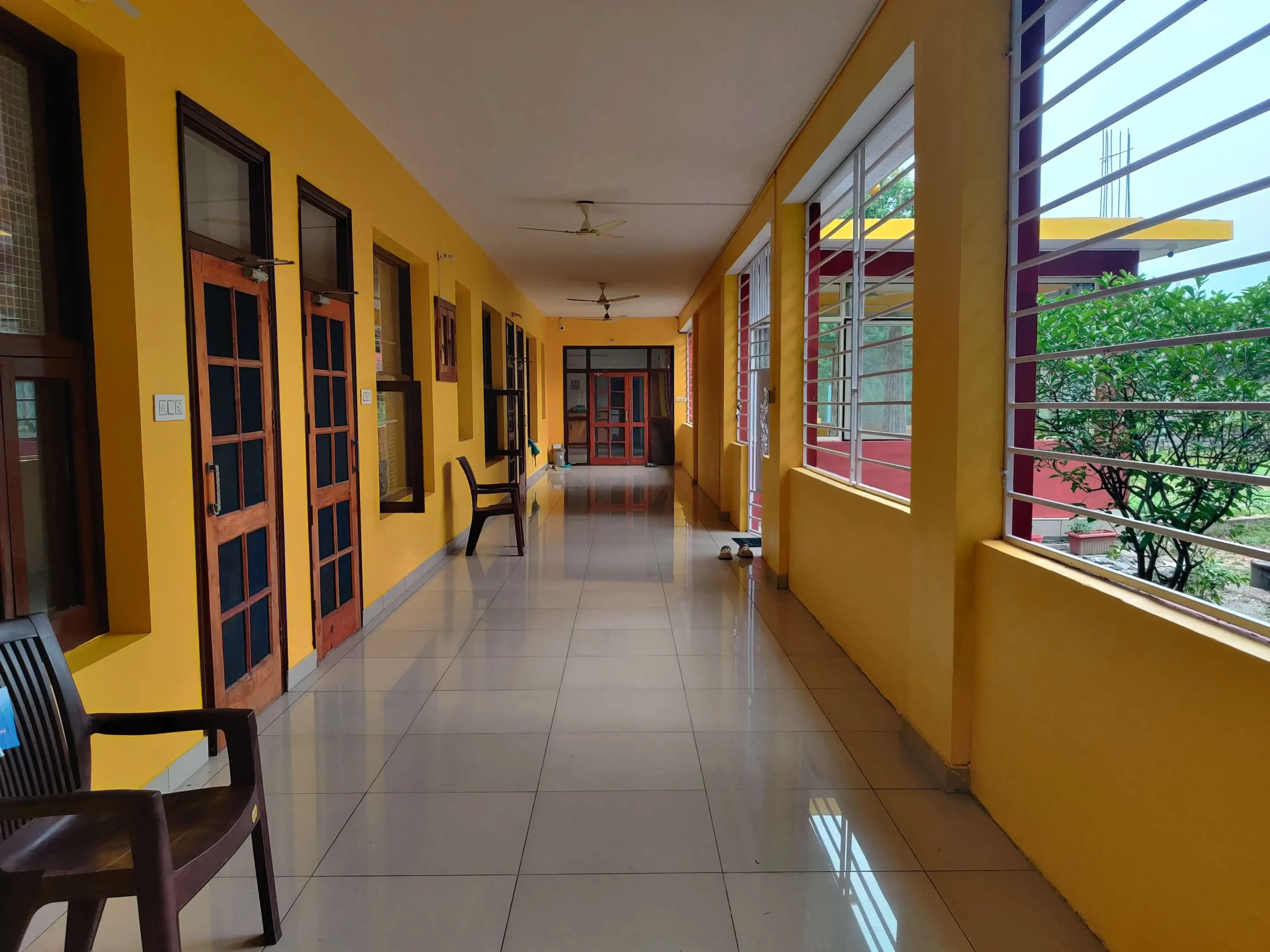
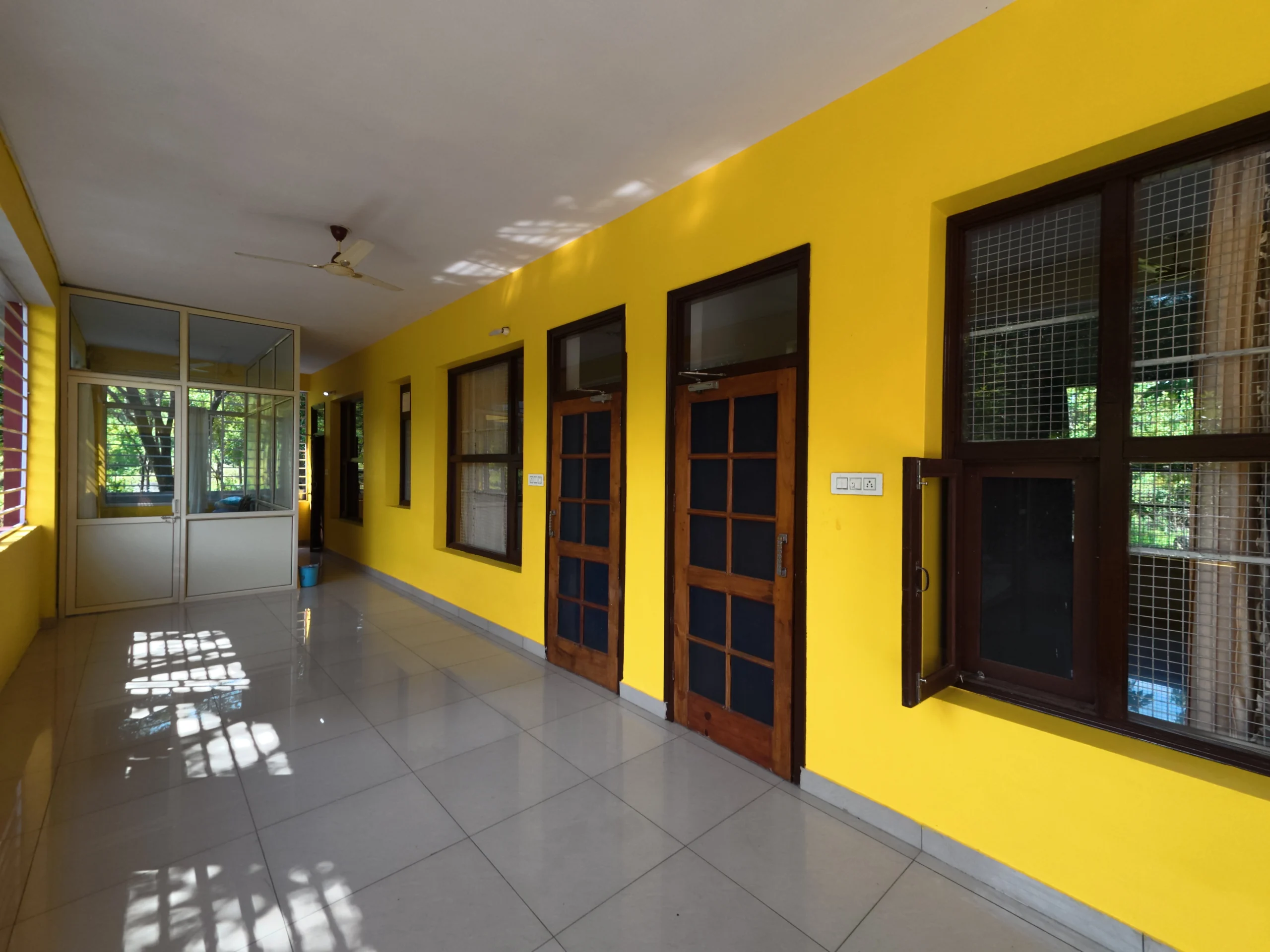
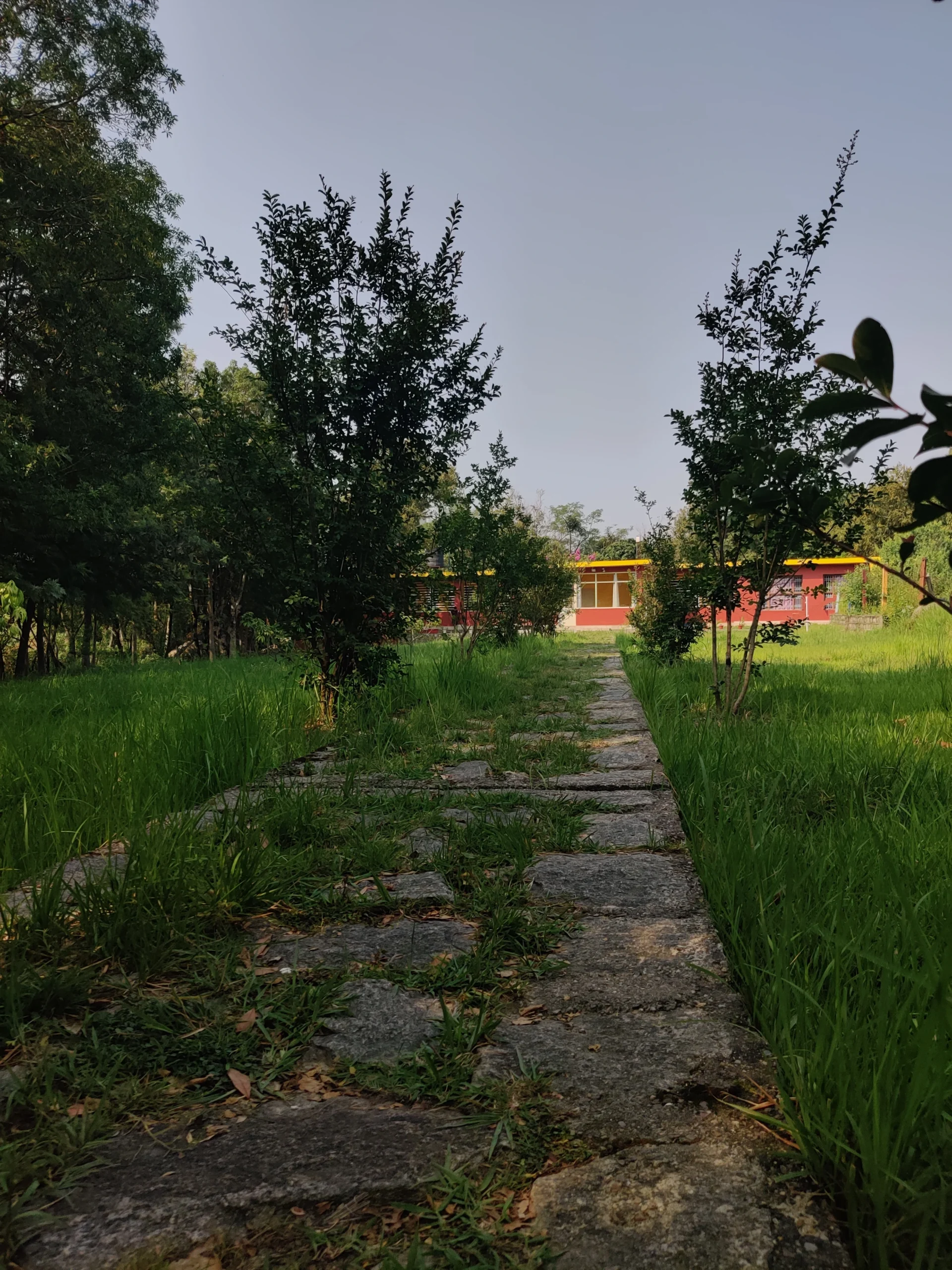
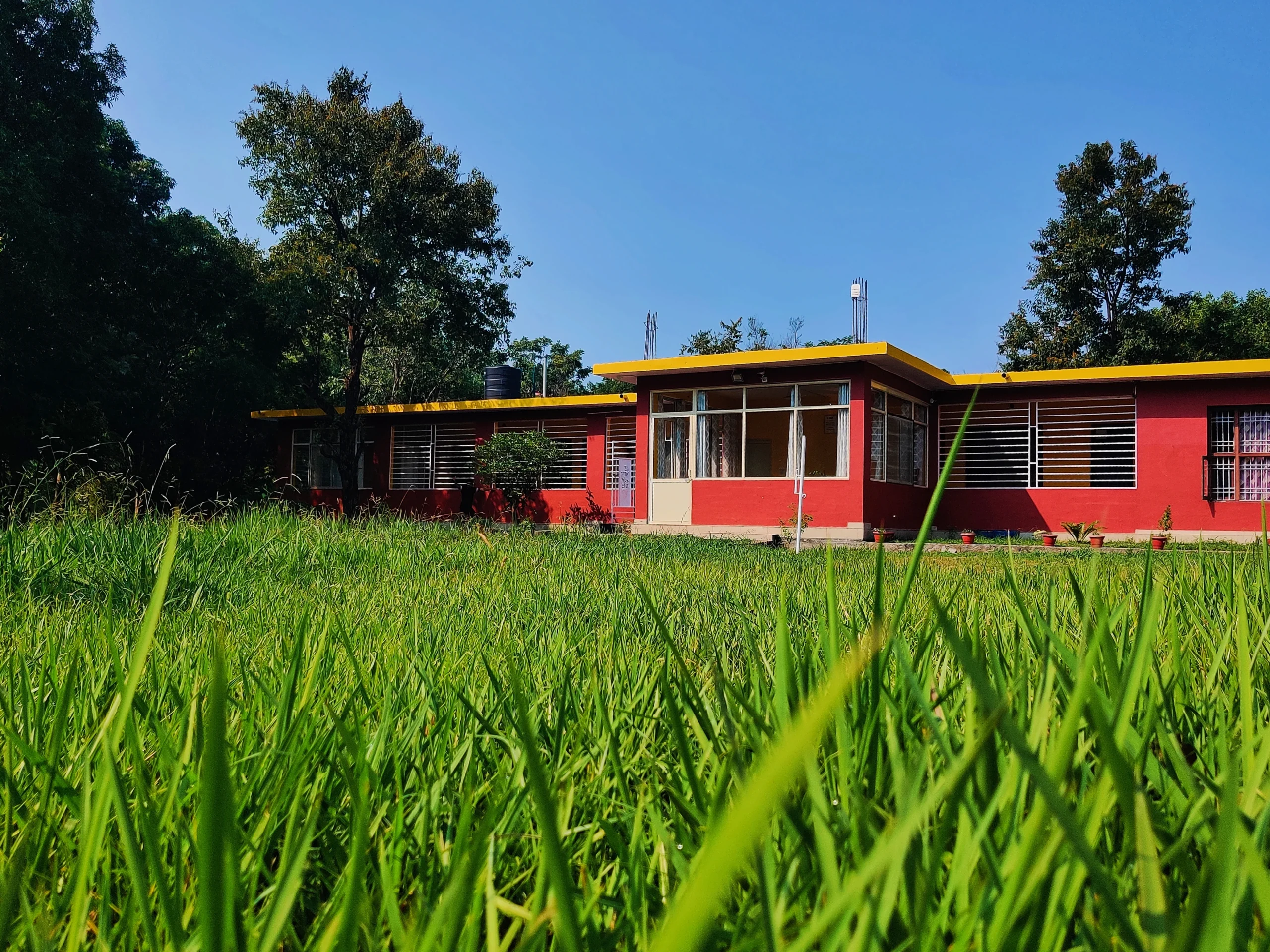
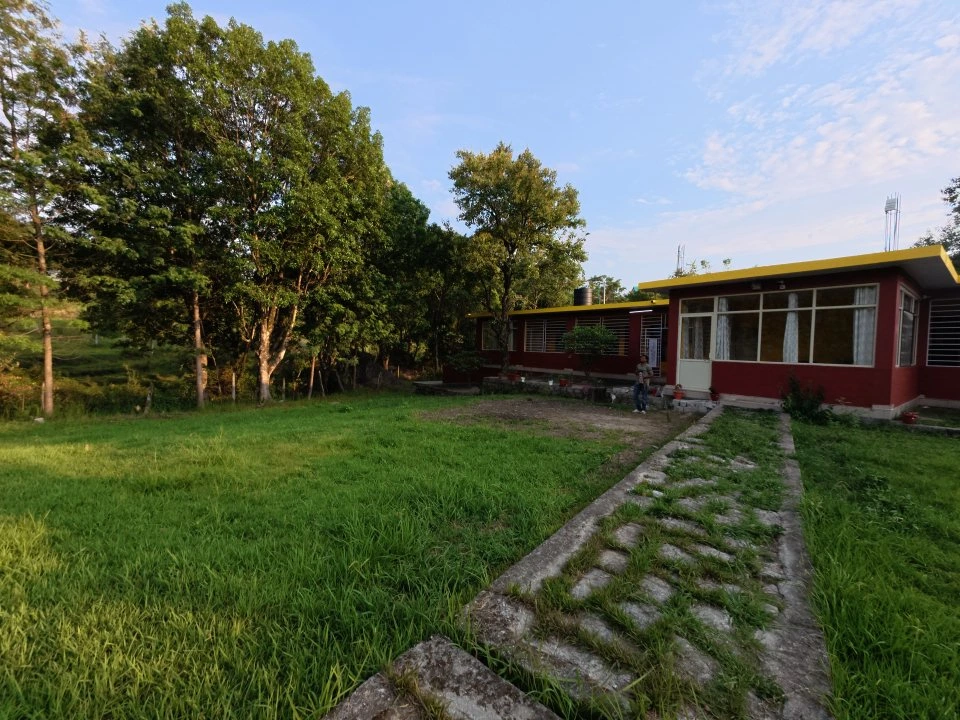
Set in the quiet hills of Palampur, Kangra, our residential programme gives women distance from triggers and a safe, private space to recover, something that is rarely available at home.
Overview
Cocaine is a short-acting stimulant. The high fades quickly and is followed by a crash, which pushes repeat use within a single session. For women, addiction often develops alongside anxiety, trauma, disordered eating, or exhaustion from caregiving, and it tends to be hidden for far longer because of stigma.
Our approach treats the substance use and the reasons behind it at the same time, in a women-only environment guided by qualified counselling and medical professionals.
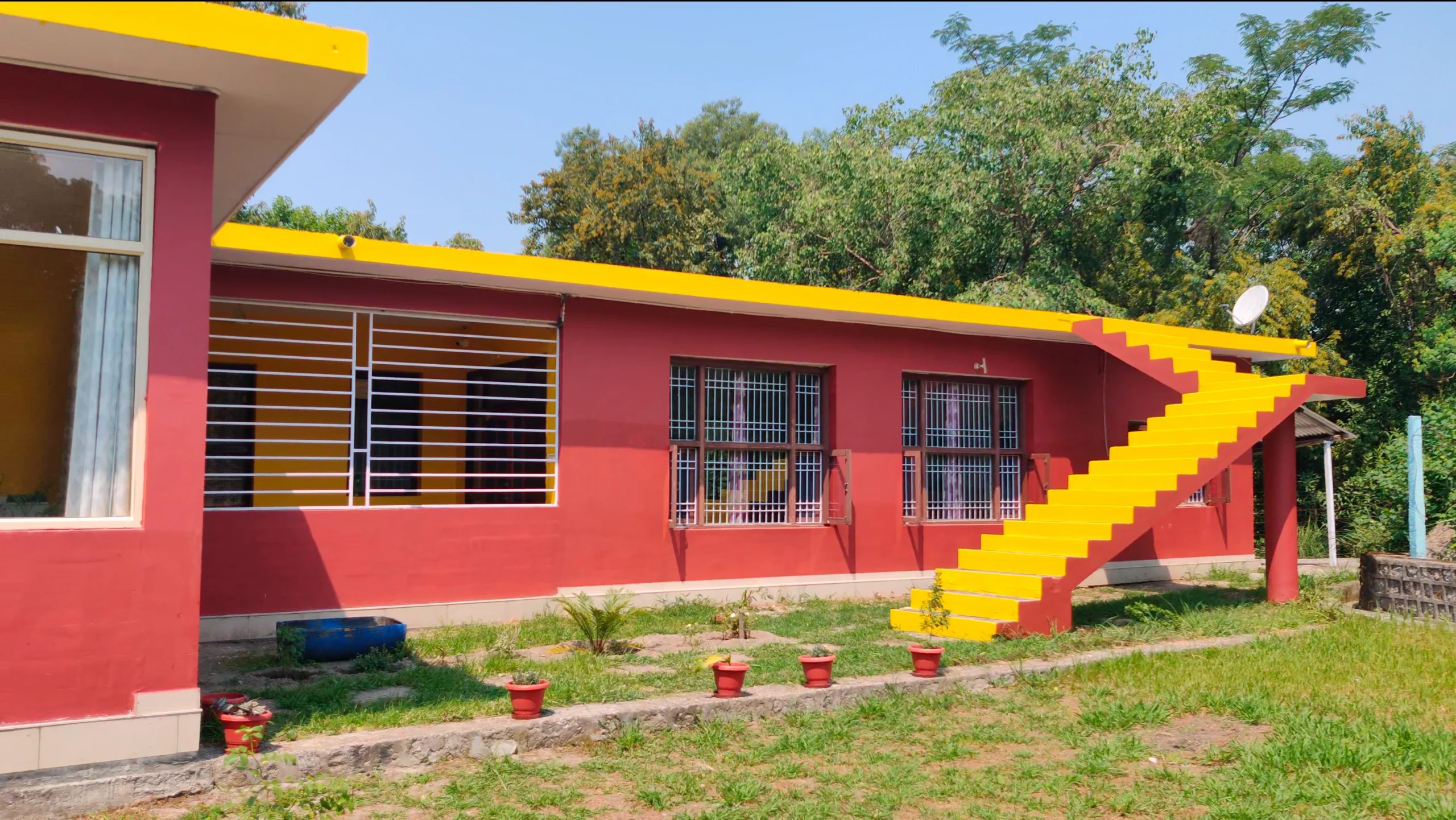
Cocaine is a powerful stimulant that affects dopamine, reward, and impulse control, which can create cycles of binge use followed by depression and intense cravings. Over time, judgment, mood regulation, and stress tolerance deteriorate, even in women who still feel they can "function" or stop whenever they choose.
Medical risks include heart rhythm disturbances and psychiatric instability, particularly during heavy or prolonged use. These risks increase sharply when cocaine is combined with alcohol or other substances, or when sleep loss and chronic stress compound the effects.
Through an integrated treatment model, our clinical team at Vaishalya works to address both the physiological effects of cocaine and the psychological factors that sustain use, including trauma, anxiety, and unresolved family conflict.
Understanding Cocaine
Use Disorder in Women
Cocaine use disorder is a diagnosable substance use condition marked by loss of control over use, continued use despite harm, and difficulty stopping even when motivation is high. The stimulant high is short-lived and followed by a crash that reinforces repeated use to relieve discomfort rather than to seek pleasure.
Psychological symptoms such as anxiety, paranoia, agitation, irritability, and depressed mood are common, especially during withdrawal or periods of abstinence. For many women these symptoms drive relapse unless they are addressed directly in treatment.
Because adulterated powders and pills are increasingly common in the illicit supply, overdose risk must be considered even when someone believes she is only using cocaine, particularly if the substance comes from an unknown source.

How Treatment Planning
Begins at Vaishalya
Cocaine addiction treatment starts with a structured medical and psychological assessment rather than a one-size-fits-all programme. The assessment evaluates substance use history, withdrawal symptoms, mental health status, medical risk, sleep patterns, menstrual and reproductive health, and stability at home.
From there, our clinicians determine the safest and most effective level of care. This decision is guided by medical need, not preference alone, particularly where there is polysubstance use, suicidality, stimulant-induced paranoia, or repeated relapse in less intensive settings.
Family involvement is arranged only with the woman's consent. Where domestic conflict or coercion is part of the picture, we plan around her safety first.
When Is Detox Part of a
Cocaine Treatment Programme?
Cocaine detox may be appropriate when stopping use leads to severe withdrawal or high relapse risk during early abstinence. Unlike alcohol or benzodiazepine withdrawal, cocaine withdrawal is rarely medically dangerous, but it can be emotionally intense and destabilising.
Cocaine withdrawal is primarily known for an intense crash and severe psychological distress. Symptoms often include fatigue, low mood, vivid dreams, increased appetite, slowed thinking, and powerful cravings. Monitoring and safety planning matter most when mood symptoms or suicidal thoughts emerge during the crash phase.
For many women, the hardest stretch lasts about five to seven days if left unsupported, which is one reason a structured residential setting makes a real difference early on.
Cocaine Addiction Treatment
Options in Himachal Pradesh
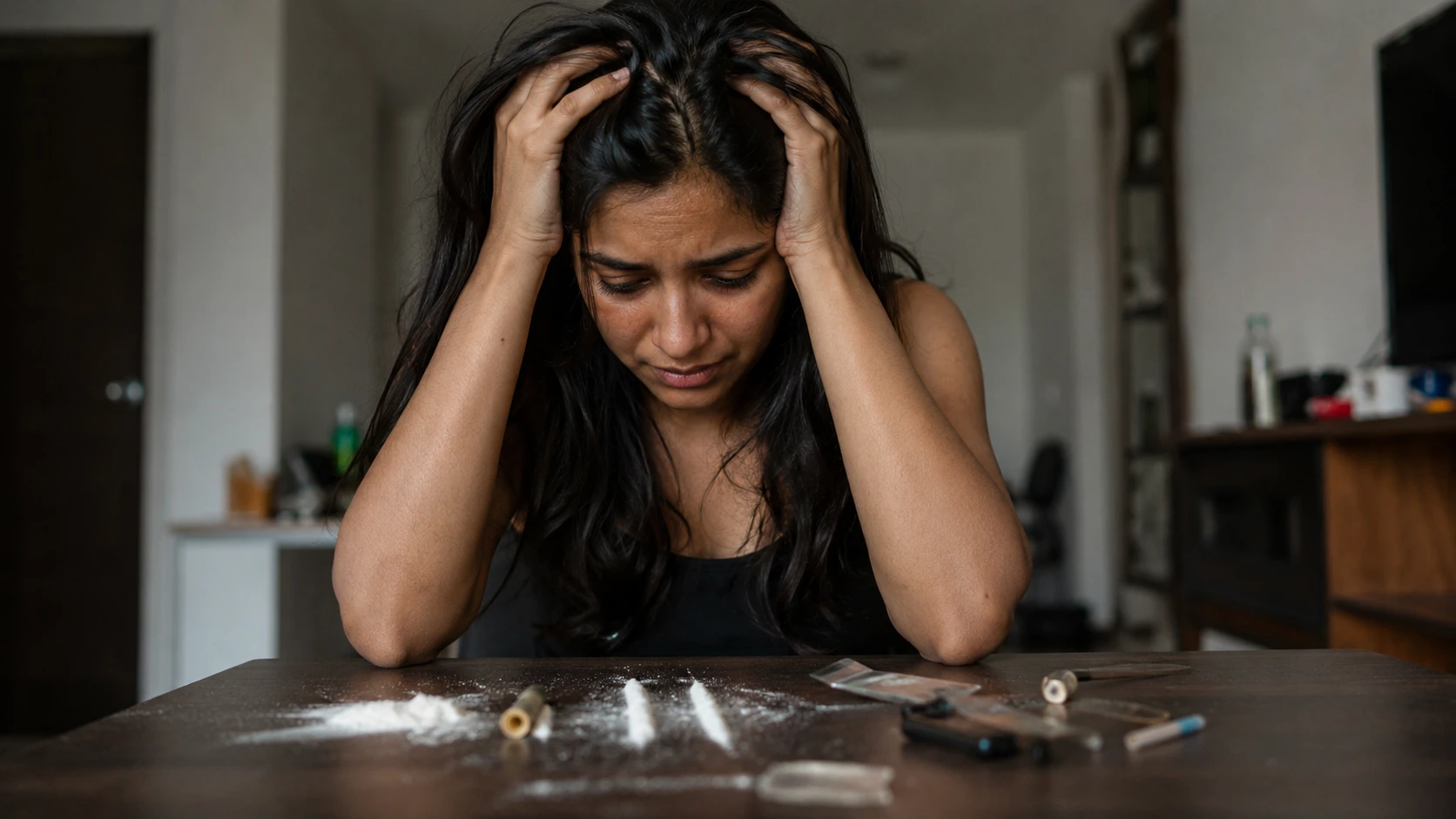
Treatment for cocaine addiction at our centre follows a stepwise model, beginning with stabilisation and moving toward increased independence as skills and stability improve. Stimulant use, including cocaine and methamphetamine, is strongly recommended for structured treatment because relapse risk is high and support usually needs to be firmer than people expect.
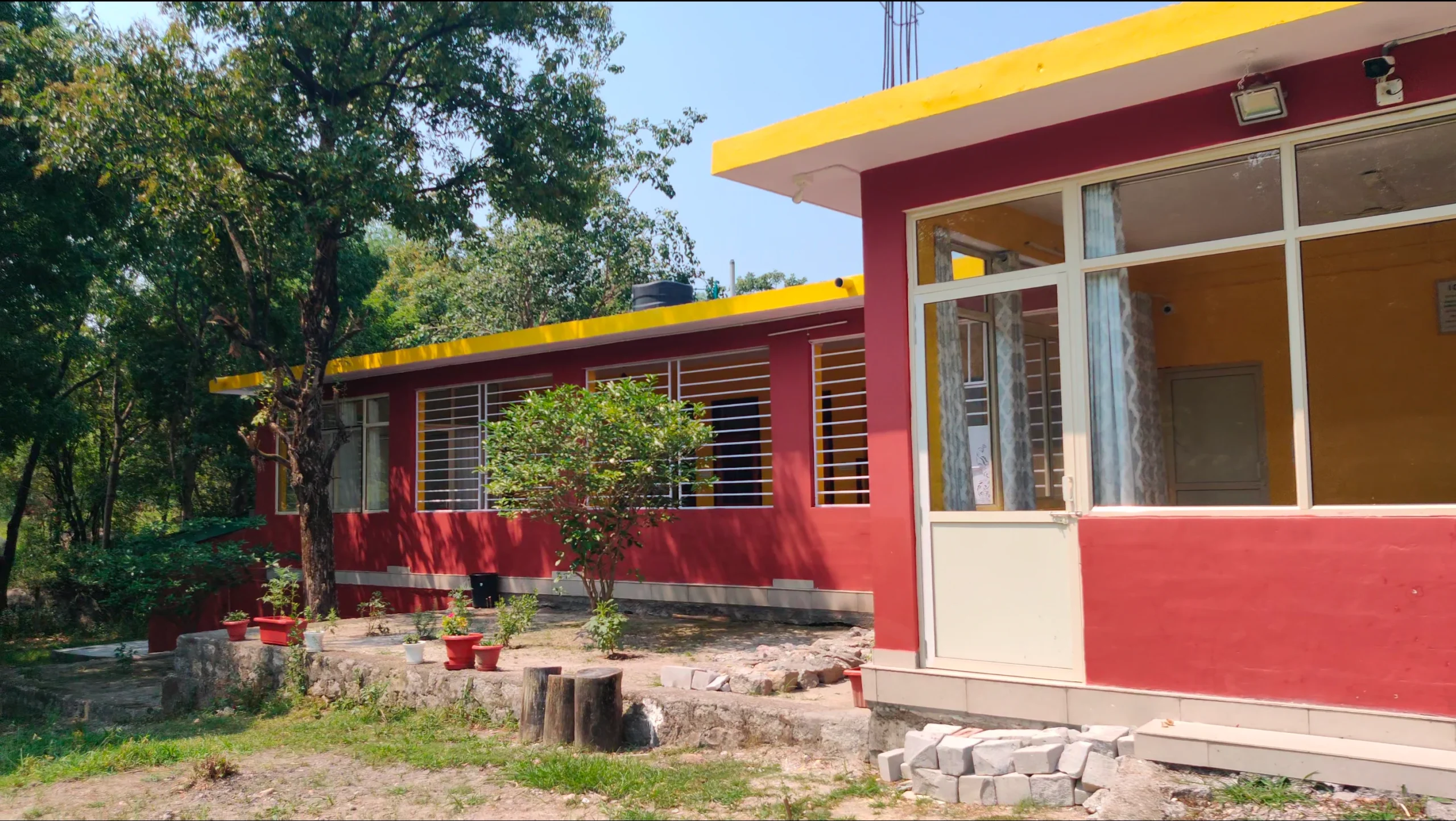
Residential Cocaine Rehab with Medical Monitoring
Women-only residential rehab provides a structured environment with reduced exposure to triggers and daily therapeutic support. This level of care is usually indicated when cocaine use is severe, relapse has been frequent, mental health symptoms are active, or support at home is unreliable or unsafe.
Daily therapy, medical monitoring, and recovery planning stabilise the patient while building a foundation for longer-term recovery. In many cases inpatient treatment is more effective for early-stage stability because it reduces access to the substance while sleep, appetite, and mood begin to recover.
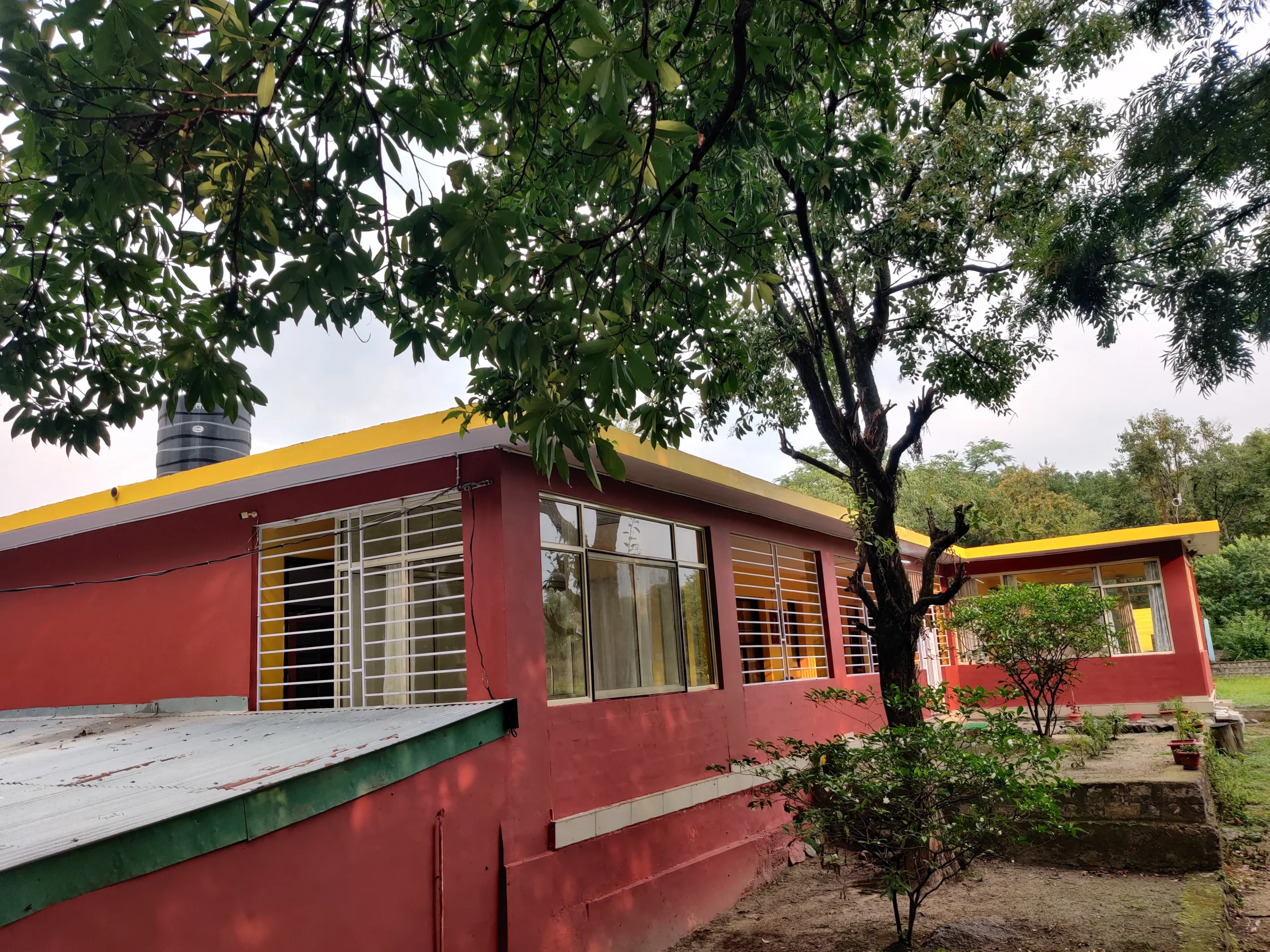
Extended Stay and Step-Down Support
Extended residential stays support early recovery by providing a substance-free environment with structure and peer accountability. This is often helpful when returning home would expose a woman to substance use, isolation, or unresolved conflict.
Flexible stay options of 15 days, one month, or longer let us match the length of care to real progress rather than a fixed timetable. Step-down planning bridges the gap between residential care and independent living, so recovery skills are practised gradually rather than under pressure.
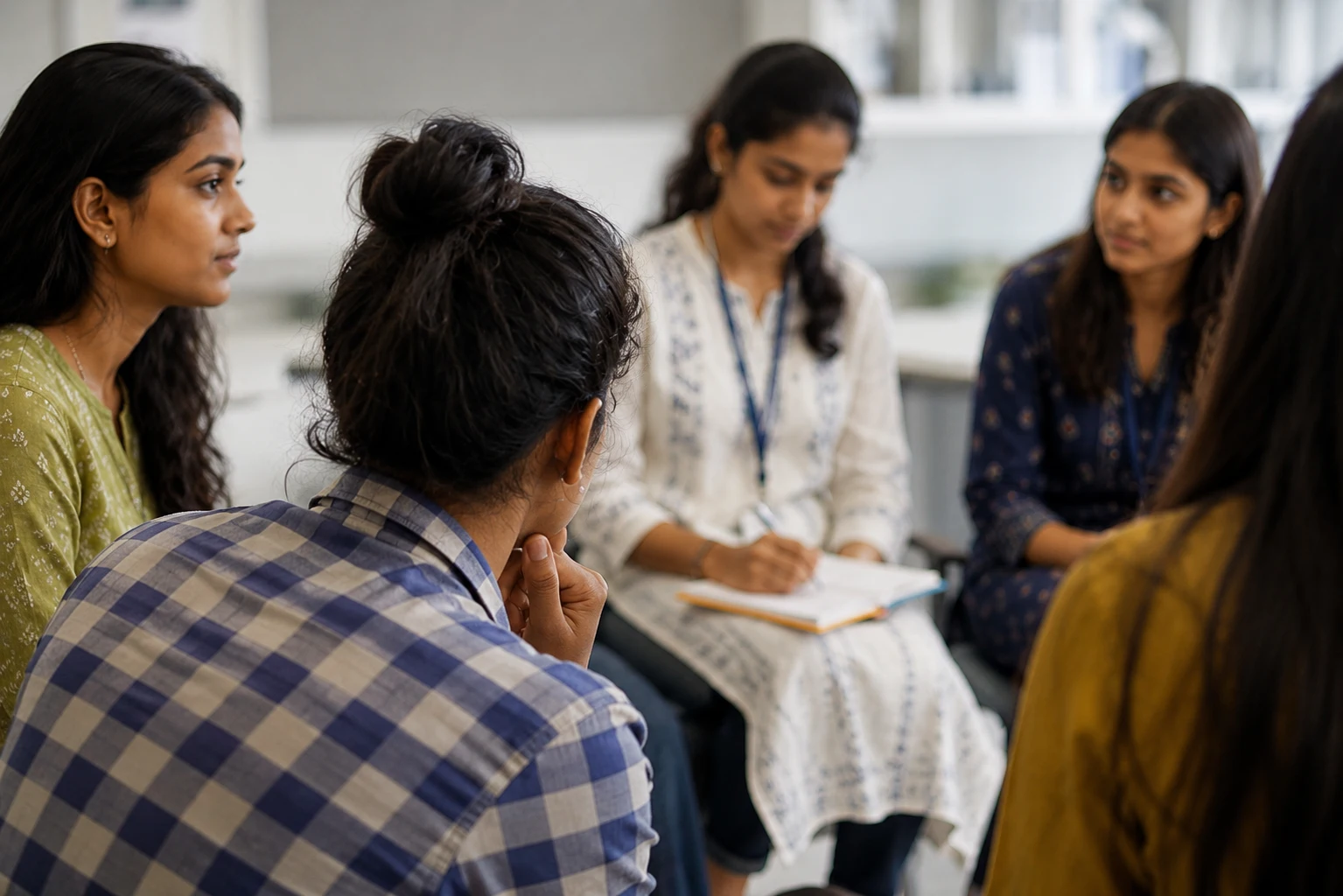
Outpatient Counselling and Aftercare
Outpatient counselling suits women whose use is caught earlier, whose home environment is stable, or who are stepping down from residential care. Sessions run in person at Palampur or securely online for women elsewhere in Kangra, Dharamshala, and across Himachal Pradesh.
Aftercare keeps the therapeutic relationship intact after discharge, which is consistently one of the strongest protective factors against relapse in stimulant use disorders.
Therapy-Based Cocaine Addiction Treatment
Because there are no medicines that directly treat cocaine addiction, effective care is therapy-driven and skills-based. A comprehensive approach works on the behavioural, psychological, and emotional aspects of addiction while supporting safety and long-term recovery.
At our women's rehabilitation centre in Palampur, therapy plays the central role in helping women understand patterns of use, respond differently to cravings, and build a sustainable path to recovery that addresses both substance use and co-occurring conditions.

Cognitive Behavioural Therapy (CBT)
Cognitive behavioural therapy helps women recognise the connection between thoughts, emotions, and behaviours associated with cocaine use. By identifying triggers and high-risk thinking patterns, CBT supports practical skill-building for managing cravings, stress, and interpersonal conflict.
This structured approach is widely used in residential and outpatient programmes because it strengthens relapse prevention skills and supports lasting recovery across different levels of care.

Contingency Management and Motivational Interviewing
Contingency management reinforces treatment engagement and abstinence through structured positive incentives, and it has strong evidence for stimulant use disorders including cocaine. It is particularly effective in early recovery when motivation fluctuates and cravings are intense.
Motivational interviewing complements this by helping women explore ambivalence, strengthen internal motivation, and stay engaged without shame or confrontation.
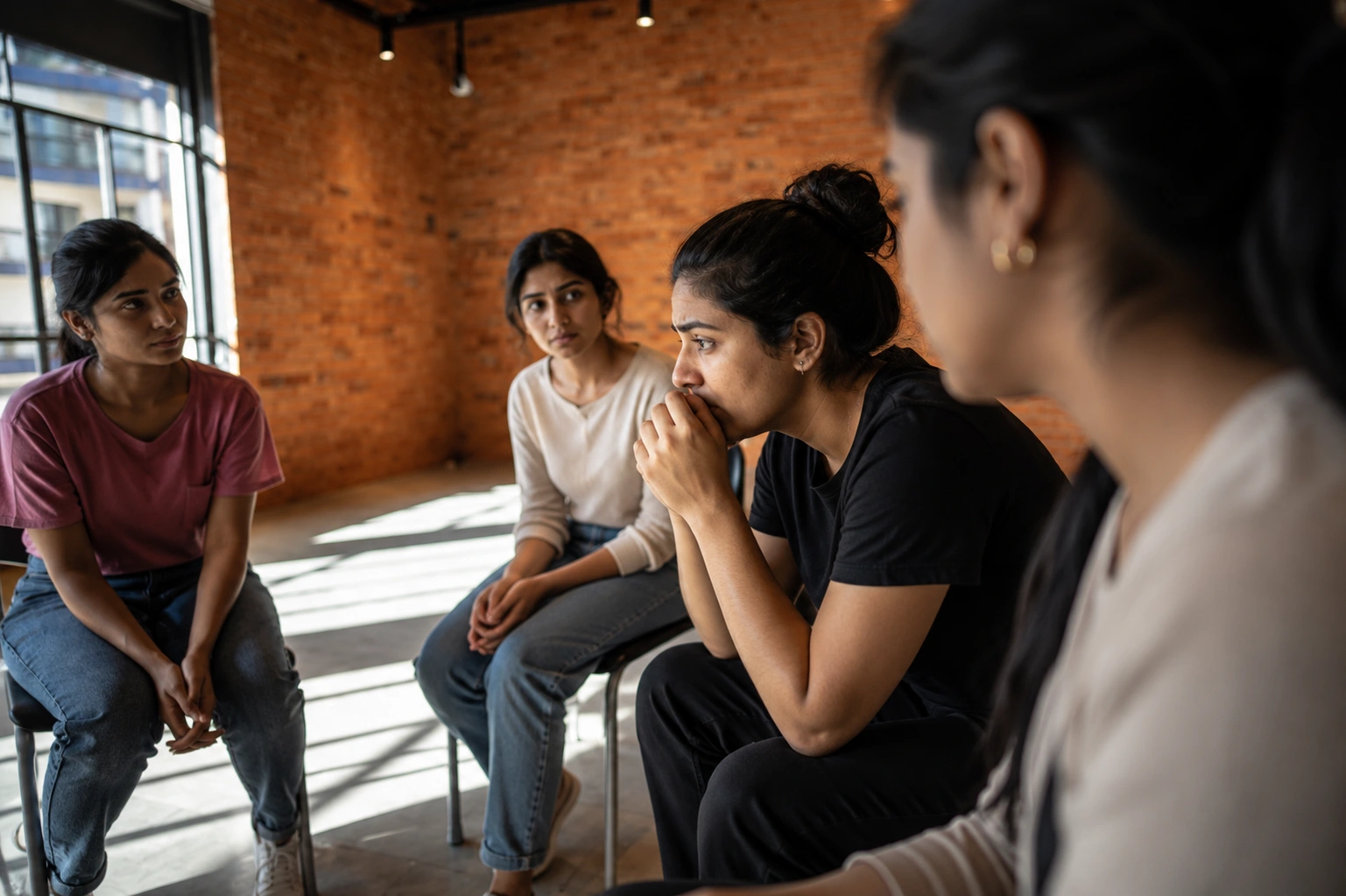
Dialectical Behaviour Therapy (DBT)
Dialectical behaviour therapy focuses on emotion regulation, distress tolerance, and impulse control, which are often disrupted in women grappling with cocaine addiction.
By building concrete coping skills, DBT supports both the psychological and physical aspects of addiction and helps reduce the behaviours that increase relapse risk during and after residential treatment.

Trauma-Focused Therapy and EMDR
Trauma-focused work, including EMDR, may be integrated into a cocaine treatment programme when trauma or unresolved stress is closely tied to substance use. For many women, cocaine use functions as a way to cope with past experiences that remain emotionally activating.
When clinically appropriate, this work processes trauma safely while supporting the broader treatment plan, addressing both addiction and the mental health factors that undermine recovery if left untreated.
Medication Support in Cocaine Treatment
While no medicines are approved specifically for cocaine addiction, medication support may still be used as part of addiction medicine to treat associated conditions. Medicines can help manage depression, anxiety, sleep disturbance, and other mental health disorders present alongside cocaine use.
Any medication is prescribed and reviewed by our consulting psychiatrist, coordinated with therapy, and started only once withdrawal symptoms have settled and it is medically appropriate.
Yoga, Mindfulness and Holistic Therapy
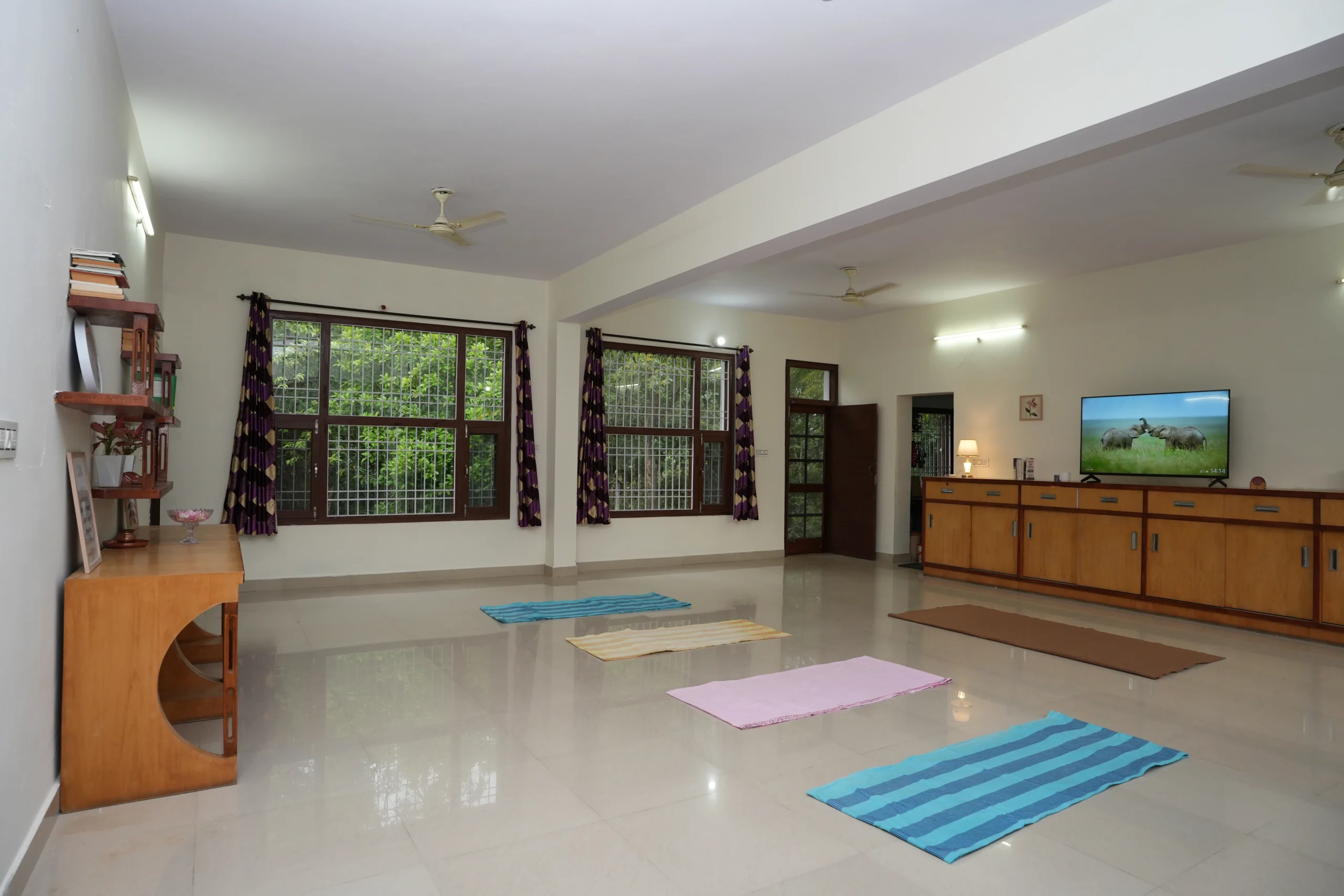
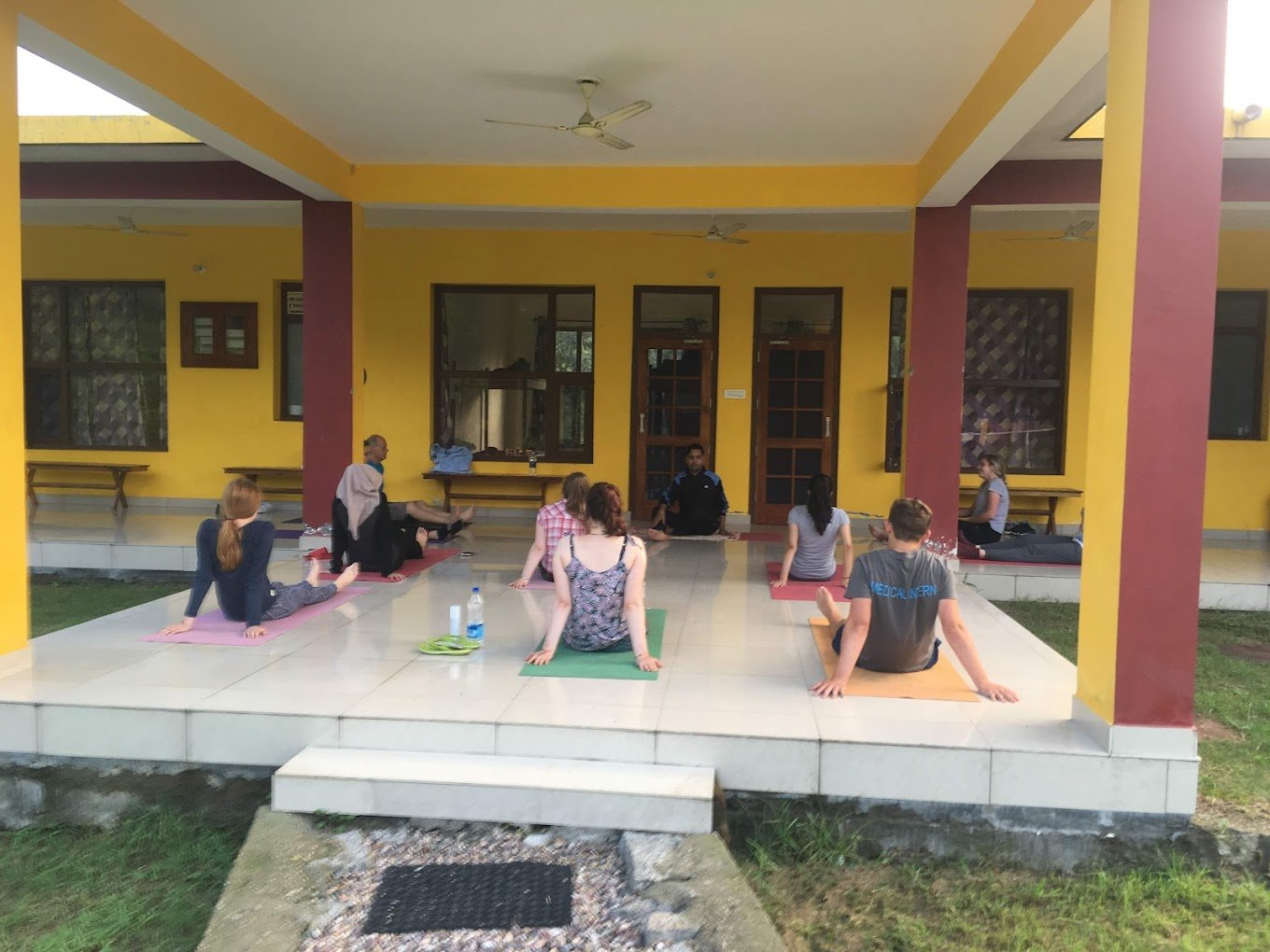
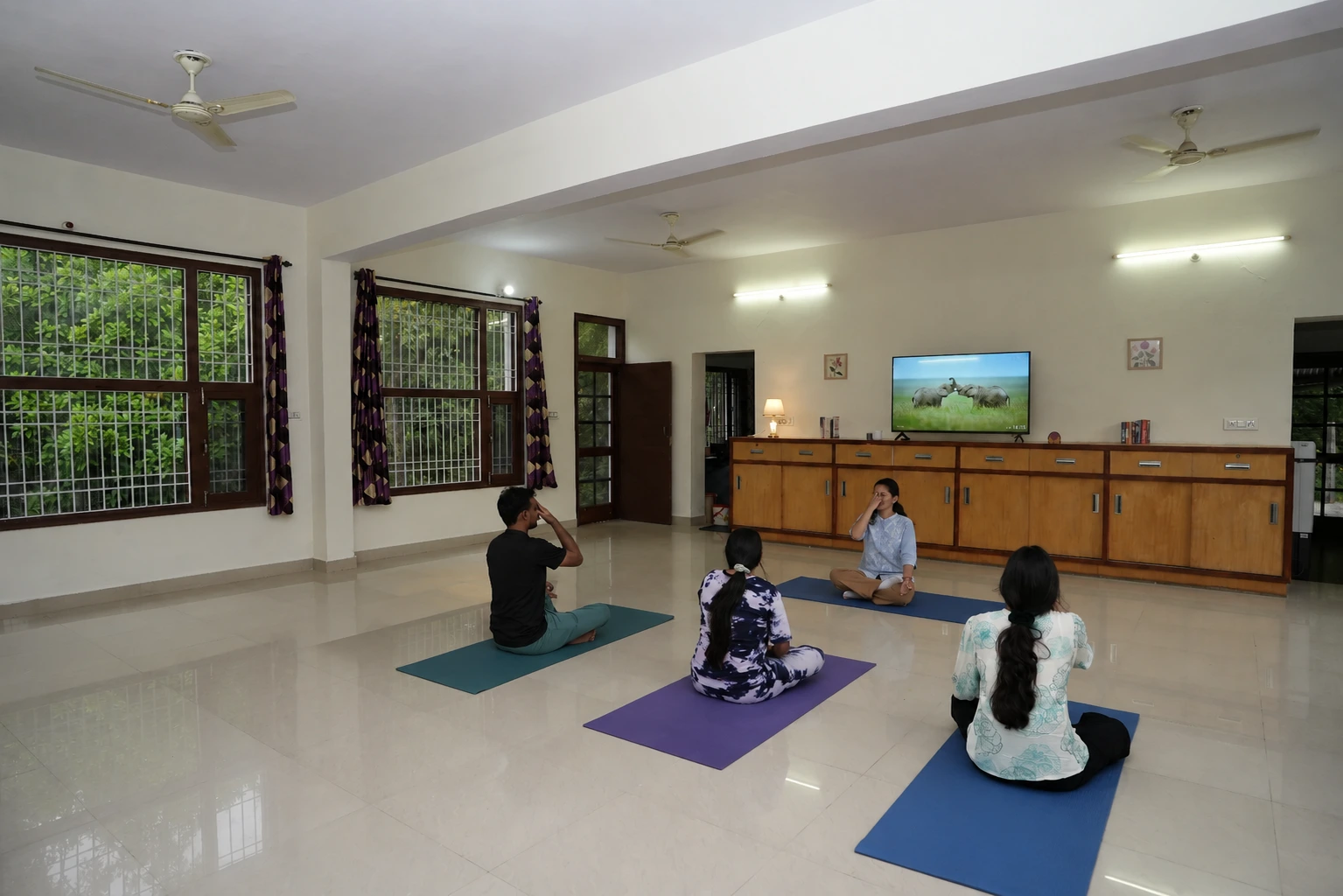
Daily yoga, breathwork, and guided mindfulness are built into the residential routine. These practices help regulate the stress response, improve sleep, and rebuild the body-awareness that heavy stimulant use erodes.
Alongside Ayurvedic-inspired nourishing meals and time outdoors in the Kangra valley, holistic care complements clinical therapy rather than replacing it, giving women steadier ground to do the harder psychological work.
Psychiatric and Dual
Diagnosis Care
Cocaine addiction frequently co-occurs with anxiety, depression, trauma-related symptoms, ADHD, bipolar spectrum conditions, and sleep disorders. Treating addiction without addressing these conditions commonly leads to relapse.
That is why our dual diagnosis care integrates psychiatric assessment, therapy, and medication management into a single treatment plan. The goal is stabilisation that supports recovery work rather than masking symptoms in isolation.
Assessment is led by our counselling psychologist alongside consulting psychiatrist Dr. Nitin Sharma, with reviews scheduled through the stay rather than at intake only.

How Long Cocaine
Rehab Takes
There is no fixed length of cocaine rehab that fits everyone. Duration depends on the severity of use, co-occurring mental health conditions, and how stable daily functioning becomes after early abstinence.
At Vaishalya, stays are commonly structured around 15 days, one month, or longer. Shorter stays can stabilise a crisis; longer stays give the therapy time to change patterns rather than just interrupt them.
We review progress with each woman regularly and extend or step down care based on what she is actually managing, not a predetermined discharge date.
Aftercare and
Relapse Prevention
Recovery from cocaine addiction does not end at discharge. Aftercare supports ongoing stability by maintaining therapy, monitoring mental health symptoms, and addressing stressors before they escalate.
Relapse can have severe effects on both physical and mental health, especially when tolerance shifts and judgment is impaired. This is why relapse prevention planning at Vaishalya focuses on triggers, routines, sleep, relationships, and high-risk situations, so setbacks are addressed early and safely.
Follow-up counselling is available in person at Palampur or online, and family sessions can be arranged where they support rather than complicate recovery.
Why Choose Vaishalya for Cocaine Addiction Treatment
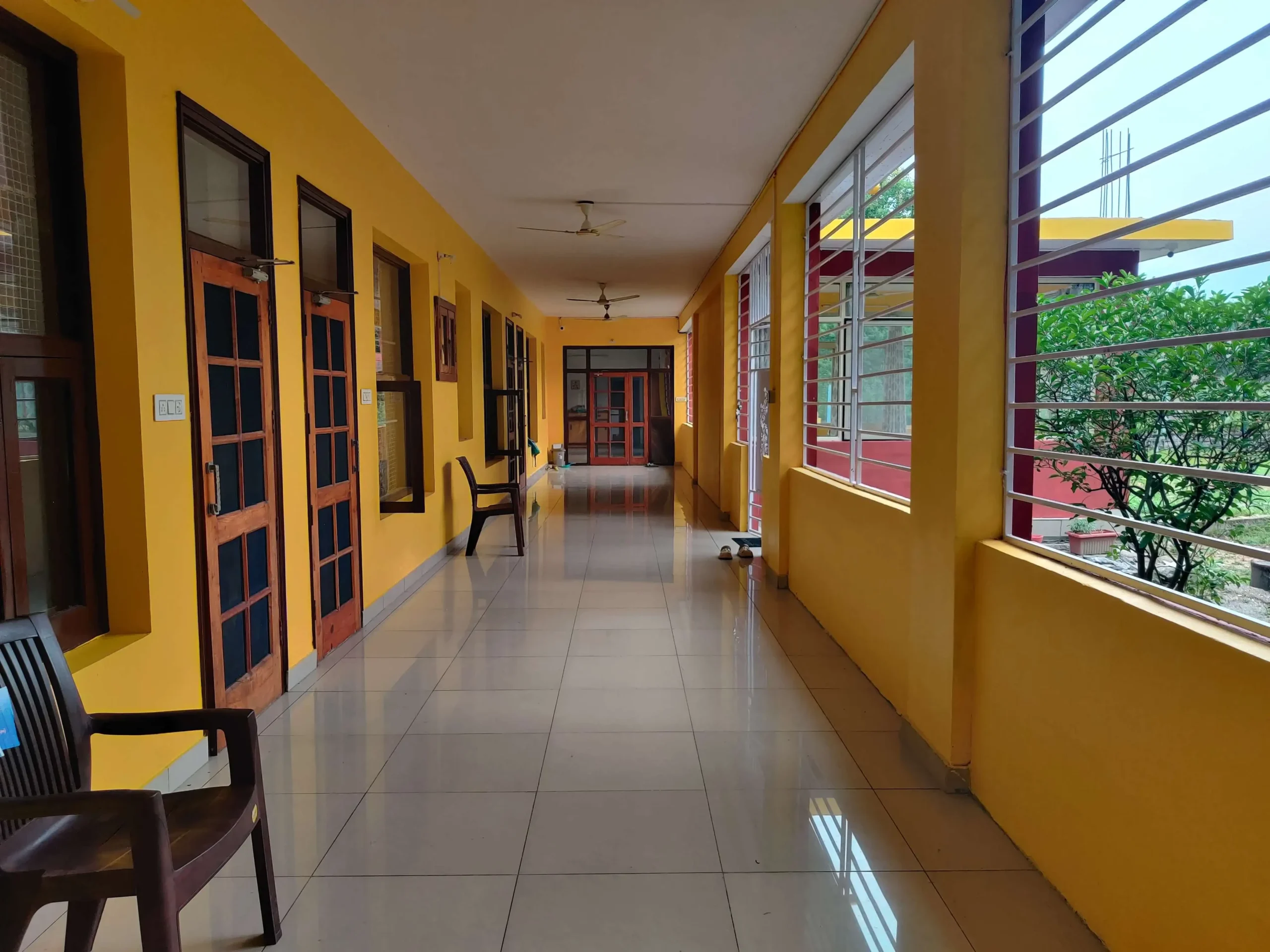
The cost of cocaine addiction treatment varies with severity, level of care, and length of stay. Vaishalya is deliberately positioned as a purposeful, affordable, structured healing space rather than a luxury retreat, with clear stay options of 15 days, one month, or longer.
Rather than focusing only on price, we help families understand exactly what a programme includes before admission. Subsidised places are available for women from underserved communities through the Asha Bhupender Charitable Trust.
Treatment records are kept confidential and information is shared only with the patient's authorisation. This allows women struggling with cocaine addiction to engage in treatment without fear of unnecessary exposure.
Clear confidentiality practices matter particularly for working professionals, mothers, and women concerned about family or community consequences. You can ask how records are stored, who has access, and how communication with family or outside providers is handled.
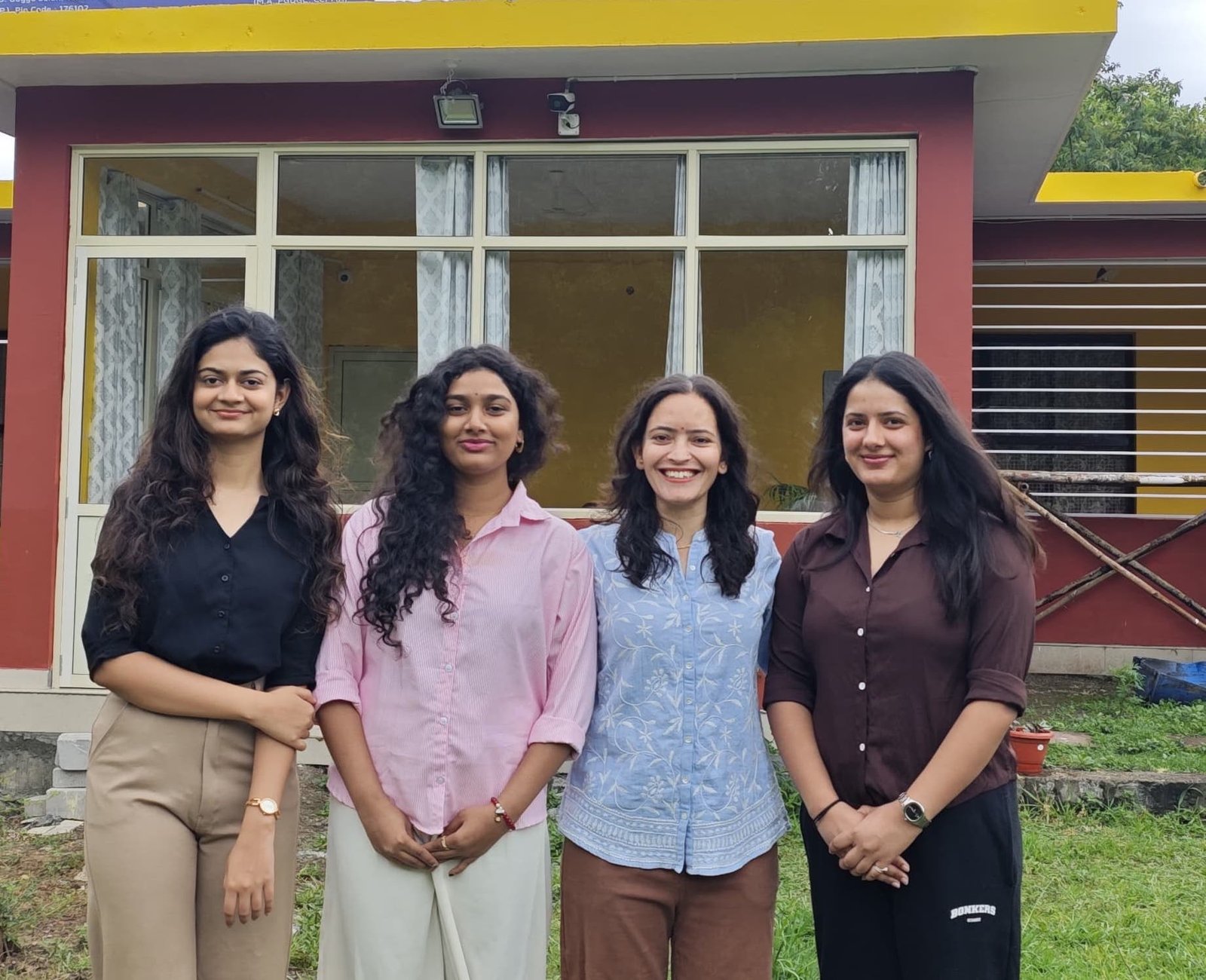
Care is delivered by a multidisciplinary team combining counselling psychology, psychiatric input from Dr. Nitin Sharma, nursing support, and yoga and wellness practitioners.
The residential space is women-only. For many women this is the deciding factor: it removes a layer of guardedness that makes honest therapeutic work possible far earlier in the stay.
The environment of a rehab programme influences engagement and emotional regulation during early recovery. Vaishalya offers a private, low-stimulation setting in peaceful natural surroundings designed to reduce stress and support participation in treatment.
Holistic elements such as daily yoga, mindfulness, nature-based healing, a structured daily routine, and Ayurvedic-inspired nourishing meals are integrated alongside clinical care. The centre is also work-from-home friendly for women who need to stay professionally active during a longer stay.
Vaishalya Women's Wellness Centre operates under Registration No. 2025/238/4/186, with clinical oversight from qualified counselling and medical professionals.
Our work sits alongside the Asha Bhupender Charitable Trust, which advances mental health awareness and rehabilitation access across Himachal Pradesh. Families are welcome to ask about qualifications, supervision, and clinical governance before admission.
Finding Cocaine Addiction
Treatment in Himachal Pradesh
Cocaine addiction can make women feel isolated, ashamed, or overwhelmed, especially when attempts to stop have not lasted. Needing help is simply a response to a condition that affects both brain function and emotional regulation.
If you are ready to explore cocaine addiction treatment in Palampur, Kangra, Dharamshala, or anywhere in Himachal Pradesh, speaking with a professional who understands stimulant addiction can help you clarify options and take a grounded next step.
Frequently Asked Questions
You may need cocaine addiction treatment if you have strong cravings, loss of control over how much or how often you use, withdrawal symptoms such as depression or fatigue, or continued use despite harm to your health, work, family, or relationships.
There is no single answer. Vaishalya offers residential stays of 15 days, one month, or longer, with the length matched to severity of use, co-occurring conditions, and how stable daily functioning becomes. Outpatient counselling and aftercare usually continue for several months afterwards.
A stay begins with a medical and psychological assessment, followed by a structured daily routine combining individual counselling, group sessions, yoga and mindfulness, nourishing meals, and rest. Psychiatric review is arranged where needed, and discharge planning starts well before you leave.
Yes. Vaishalya Women's Wellness Centre is a women-only residential space. This is a deliberate clinical decision: a private, women-only environment removes a significant barrier to disclosure and makes honest therapeutic work possible much earlier in treatment.
Cocaine withdrawal is rarely medically dangerous in the way alcohol or benzodiazepine withdrawal can be, but it is emotionally intense. Supervised support during the crash phase, monitoring for low mood and suicidal thoughts, and medical review for anyone using multiple substances are all part of our early-stage care.
Yes. Dual diagnosis care is integrated rather than separate. Anxiety, depression, trauma-related symptoms, ADHD, bipolar spectrum conditions, and sleep disorders are assessed and treated within the same plan, with psychiatric input from Dr. Nitin Sharma where medication is indicated.
Treatment is confidential and information is shared only with your authorisation. Family sessions are arranged with your consent and are planned around your safety, particularly where domestic conflict or coercion is part of the picture.
Our Centre
A Safe Place to Step Away and Heal
Reach Out
We Are Here Whenever
You Are Ready
Speak to our team in confidence. We can talk through what is happening, whether residential care is the right fit, and what a stay would involve, with no obligation.
-
Phone & WhatsApp+91 82194 74936+91 70181 48449
-
Enquiry HoursMonday to Saturday · 10:00 AM – 5:00 PMResidential admissions supported 24/7
Vaishalya Women's Wellness Centre · Registration No. 2025/238/4/186 · Clinically reviewed by Dr. Nitin Sharma
Vaishalya Women's Wellness Centre is not a crisis or suicide helpline. If you are having thoughts of suicide, please contact a crisis helpline or visit the nearest hospital immediately. This page is for information only and is not a substitute for individual medical advice.