






- Resources
- Volunteer
- Internship
- Our approach
- FAQ
Signs of Cocaine Addiction
Cocaine Addiction
Vaishalya Women's Wellness Centre provides cocaine addiction treatment in Himachal Pradesh that starts with a medical and psychological assessment and matches care to risk. Services include supervised stabilisation when needed, women-only residential treatment, one-to-one counselling, and step-down aftercare.
This page explains the signs of cocaine addiction, withdrawal symptoms and the typical crash timeline, when medical supervision is recommended, safety and overdose risks in an adulterated drug supply, why stimulant addiction carries a high relapse risk and often benefits from residential care, and how aftercare and group work support relapse prevention after discharge.
Overview
Cocaine use in women is frequently hidden for far longer than in men, because the stigma attached to it is heavier and the consequences at home are sharper. Signs are often read as stress, exhaustion, or a difficult phase before anyone considers a substance.
Recognising the pattern early is what makes treatment easier. Below we set out the physical and behavioural signs, what they mean, and what a safe next step looks like.

Understanding Cocaine
Addiction & How We Help
The signs of cocaine addiction often start small, then escalate in ways that feel frighteningly fast. When you are trying to make sense of what is happening, clarity matters, especially if safety is starting to feel uncertain. Here we explain common signs, the withdrawal crash, when medical supervision is recommended, and what effective treatment looks like in real life.
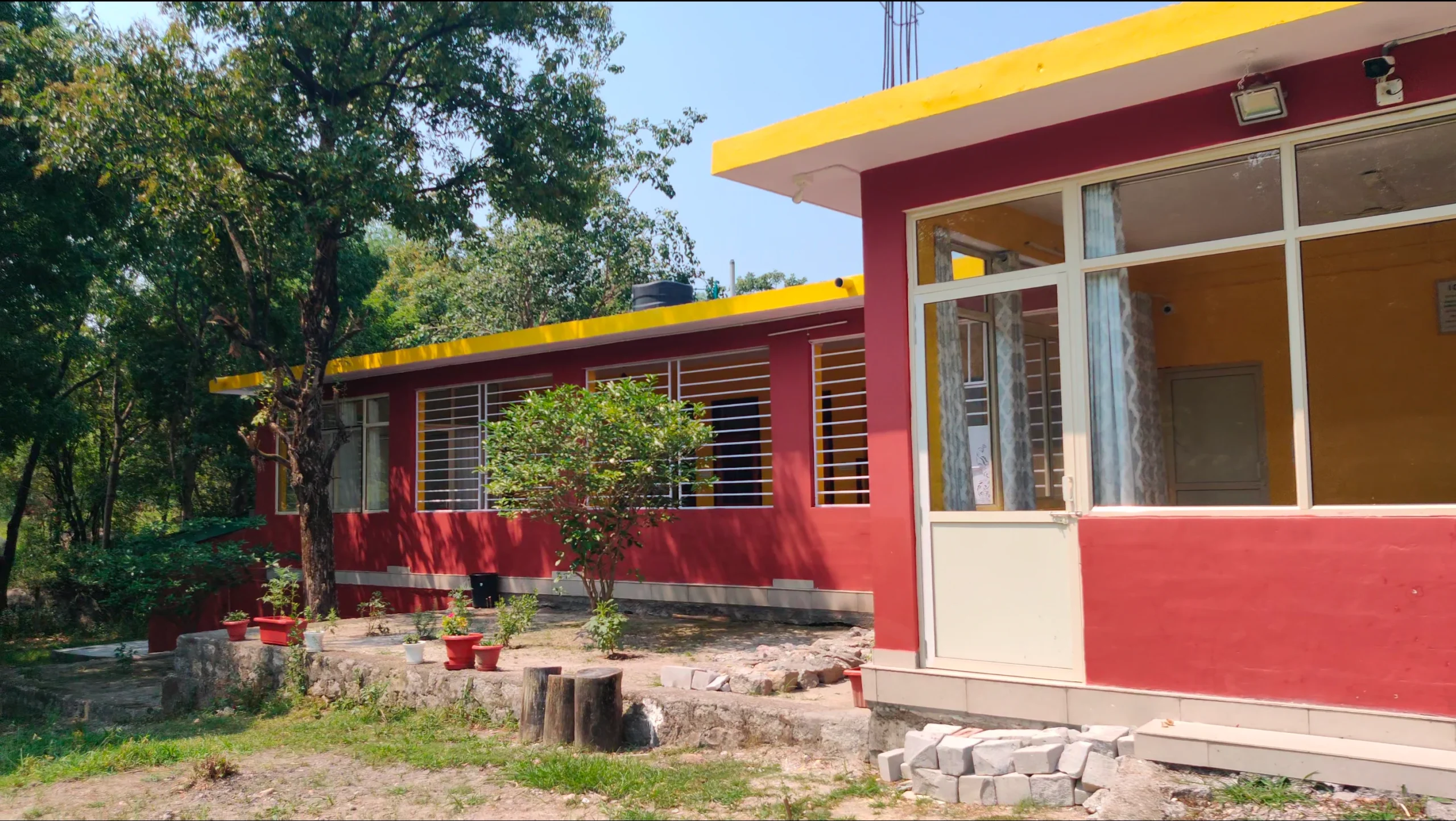
At Vaishalya Women's Wellness Centre in Palampur, our team provides medically informed care alongside evidence-based therapy in a discreet, women-only environment where you can exhale and focus on getting better.
What Is Cocaine
Use Disorder?
Cocaine use disorder is a medical diagnosis for a pattern of cocaine use that becomes compulsive and continues despite harm. Clinically it is described as the compulsive use of cocaine despite its medical, psychological, and behavioural consequences.
It is not a question of willpower or character. Repeated stimulant use changes how the brain weighs reward and risk, which is why stopping can feel impossible even when someone badly wants to and has every reason to.
In India, stimulant use among women is under-reported and under-treated. Many women reach a treatment centre only after years of hiding use, which is one reason a private, women-only setting makes such a difference to how honestly the first assessment goes.

How Cocaine Use Becomes Cocaine Addiction
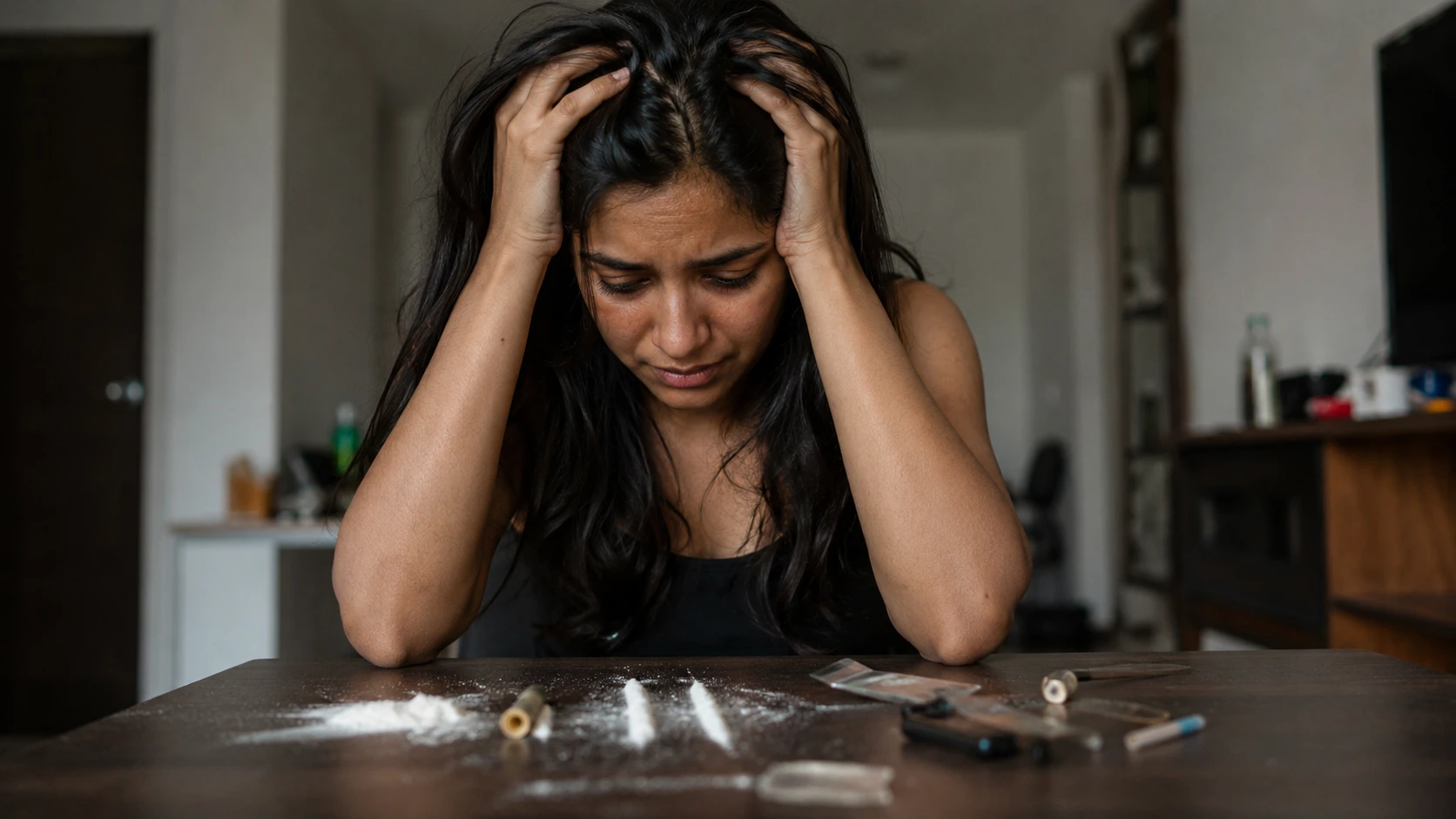
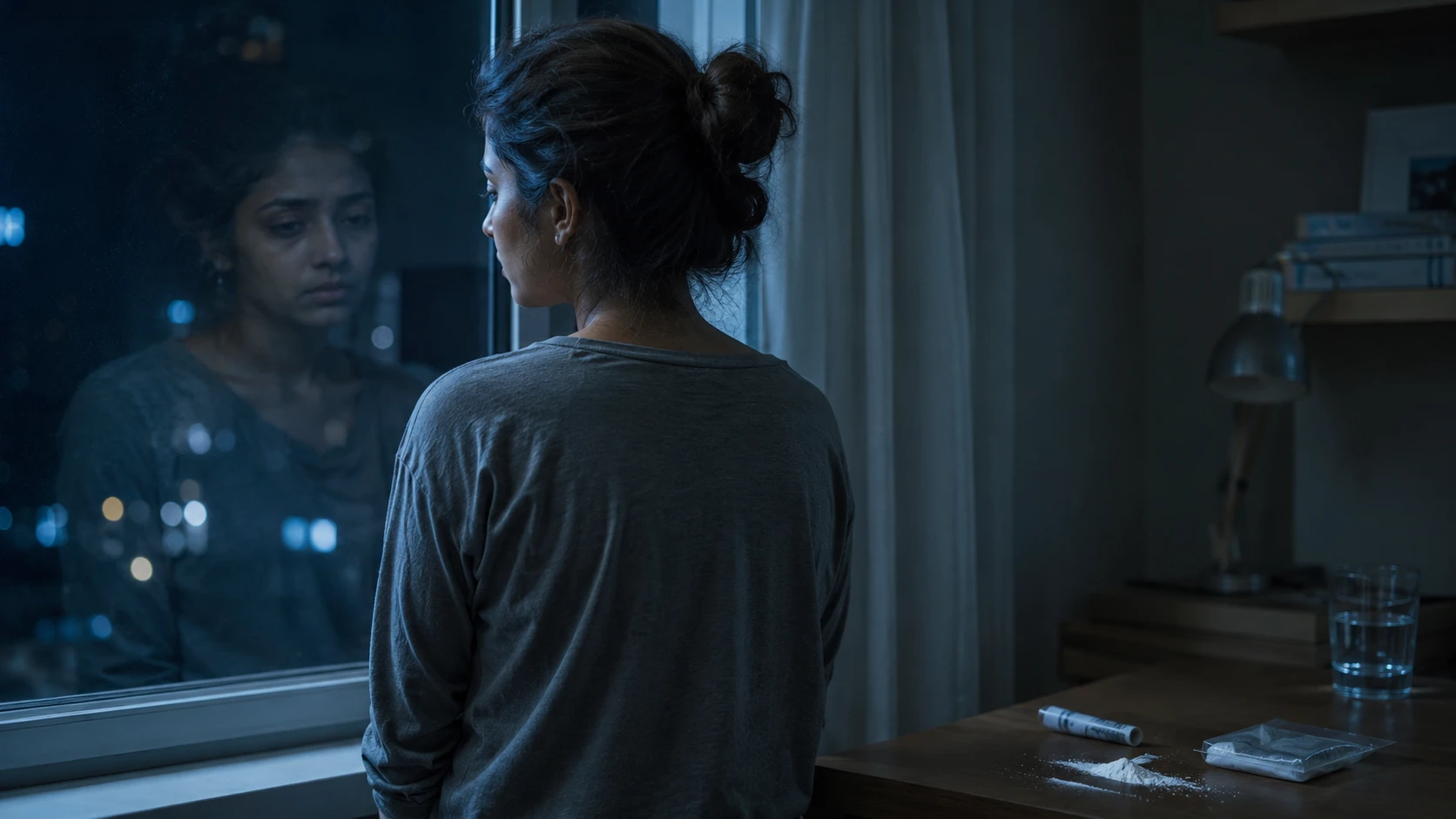
Some women start using cocaine to feel more energetic, more confident, or less stressed, often while carrying heavy work or caregiving loads. Early on it can feel like a choice that is easy to stop.
However, with repeated use tolerance rises and crashes feel worse. Cocaine can shift from something you do sometimes to something you feel you need in order to feel normal.
This progression can happen without warning, which is why many patients feel surprised by how quickly control slips.
Why Is Cocaine Addictive?
Cocaine creates a rapid dopamine surge in the brain's reward circuit, especially the ventral striatum including the nucleus accumbens, which makes the reward feel immediate and memorable.
Research shows that cocaine trains the brain to seek the drug again by directly interfering with how dopamine is regulated. In laboratory studies, cocaine consistently increases drug-seeking behaviour because the brain begins to associate it with fast, powerful relief or stimulation, even when negative consequences appear.
Common Symptoms of Cocaine Use
Seeing possible signs in yourself or someone you love can feel confusing and frightening. At first, changes can look like stress or a rough patch, then they start repeating in ways that are harder to explain away.
That is why our clinical team carries out a full assessment to identify what is actually happening, rule out urgent risks, and understand the role cocaine may be playing. From there we match each woman to the right level of care, so the plan fits the symptoms and the real-life context.
Physical Signs of Cocaine Use
- Frequent nosebleeds
- Nasal irritation
- Sniffing or congestion that does not resolve
- Weight loss
- Reduced appetite
- Enlarged pupils
- Fidgeting or restlessness
- Dental problems
Behavioural Signs of Cocaine Addiction
- Irritability
- Anxiety
- Agitation
- Paranoia, including during the crash after use
- Secrecy
- Isolation from family or friends
- Missing work or study
- Risk-taking that is out of character
Signs of Cocaine Use in Teens vs Adults
In teenage girls, warning signs may include sudden grade drops, new friend groups, conflict at home, and losing interest in sport or hobbies. In adult women, signs more often look like work problems, financial strain, withdrawal from family responsibilities, and escalating conflict in close relationships.
Signs of Cocaine Use in Teens vs Adults
What Are the Health Effects
of Cocaine Addiction?
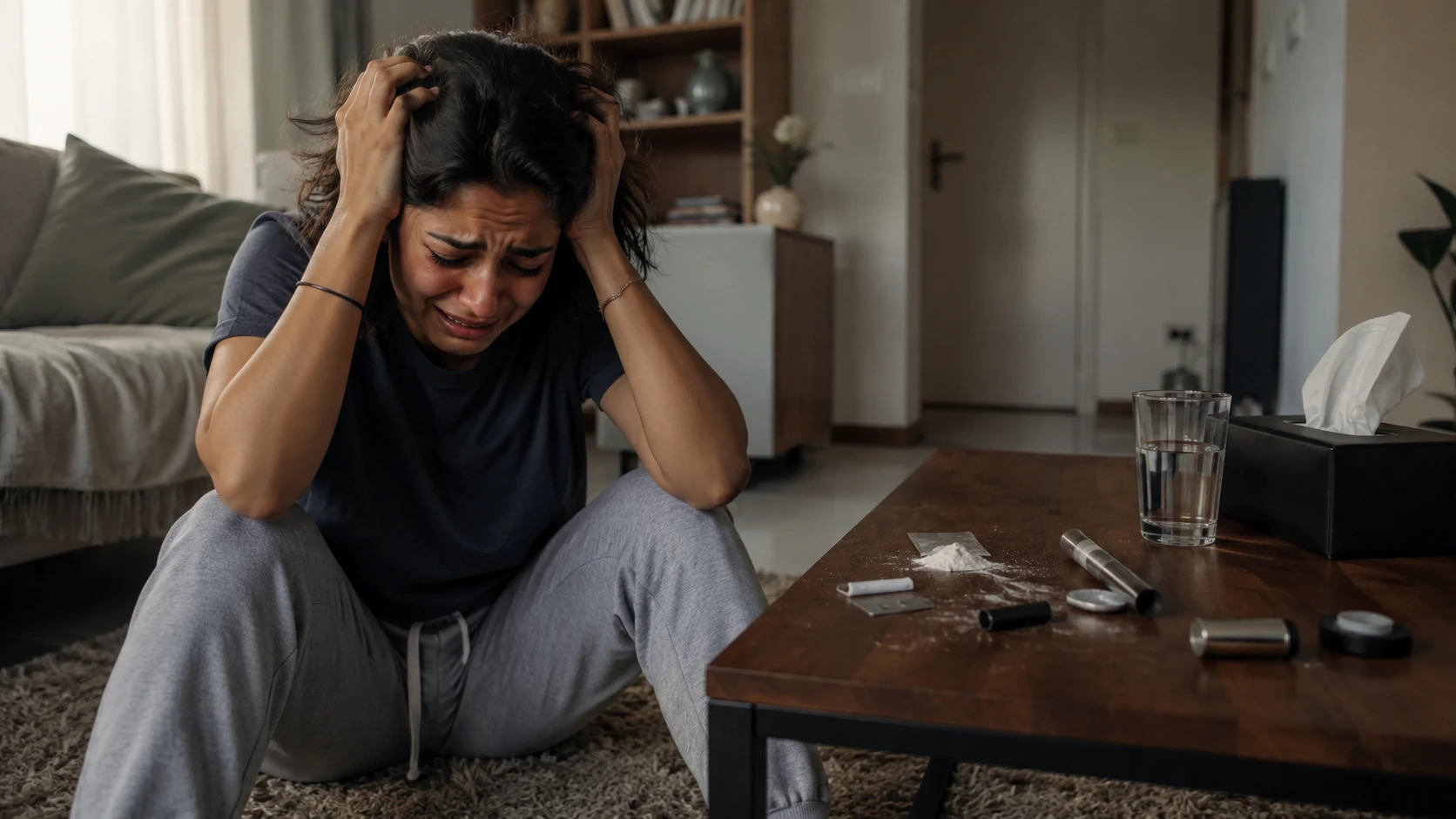
In the short term, the biggest risks come from how sharply cocaine pushes the nervous system into overdrive. Heart rate and blood pressure can spike, body temperature can rise, and judgment can drop. That mix increases the risk of dangerous cardiac events, stroke symptoms, severe agitation, and overdose.
Long term, cocaine addiction tends to shift from episodes into wear and tear. The cardiovascular system stays under repeated stress, which can contribute to persistent heart and blood vessel problems over time. Many women also notice longer-lasting changes in attention, memory, motivation, and mood.
How cocaine is used also changes risk. Snorting can damage nasal tissue and increase chronic irritation and nosebleeds, smoking can irritate and injure the lungs, and injection raises the risk of serious infections and other complications. In women, menstrual irregularity and pregnancy complications are additional concerns that need direct medical review.
When Is Cocaine Use
an Emergency?
Call 112 or go to the nearest hospital if there is chest pain or trouble breathing, seizure activity, fainting, signs of stroke, severe confusion or agitation, hallucinations or paranoia that feels out of control, or any suicidal thoughts. If you are unsure, call anyway.
Expect the dispatcher to ask your location, what is happening right now, whether the person is awake and breathing, and what substances may be involved. They may tell you to unlock the door, turn on the outside lights, and stay on the line.
While you wait, keep her as calm and safe as possible and remove anything sharp or risky. If she is very drowsy or vomiting, place her on her side.


What Are the Safety Risks
in the Current Drug Supply?
Adulteration is a real concern today. Powders and pills bought informally are frequently cut with unknown substances, and opioid contamination can be present even when someone does not intend to use opioids at all.
That risk can change fast, especially after a break in use, because tolerance drops and a relapse can hit much harder than expected. This is one of the reasons the period straight after a failed attempt to quit is so dangerous.
If there is any chance of polysubstance exposure or contamination, a medical assessment is the safer move before trying to stop on your own. It also affects what we screen for at admission, how we monitor you, and how we plan stabilisation and the next level of care.
How Long Can Cocaine
Withdrawal Last?
Cocaine withdrawal can begin within hours after the last use, and the first week is often the most unstable without support. Without treatment, many women cycle between trying to stop, crashing, and then returning to use to escape the emotional drop.
With treatment, the goal is to protect that early crash window and keep care moving forward instead of treating detox like the finish line. At Vaishalya the timeline usually starts with a medical and psychological assessment, then supervised stabilisation when needed, followed by residential treatment when a higher level of structure is the safest fit.
Residential stays are commonly around 15 days to one month, though some women need longer based on relapse history, mental health needs, or polysubstance exposure. After residential care the plan steps down into outpatient counselling, and aftercare then continues the work through ongoing therapy.


When Is Medical Supervision
Recommended at Vaishalya?
Medically supervised stabilisation is recommended when you cannot reliably stop or stay stopped, especially after heavy or prolonged cocaine use. It is also strongly advised where there is polysubstance use, possible contamination of the supply, or co-occurring mental health symptoms that raise safety risk.
At Vaishalya our team starts with a supervised assessment, then builds a plan that stabilises the patient. Once withdrawal symptoms have settled, medication support may be used where clinically appropriate, prescribed and reviewed by our consulting psychiatrist Dr. Nitin Sharma.
Because we are a women-only centre, monitoring during the crash phase happens in a setting where a woman is not managing her recovery alongside male patients, which matters a great deal to how safe the early days feel.
Should You Stop Using
Cocaine Without Help?
Trying to stop cocaine on your own often fails for one simple reason. The crash can feel unbearable. Cravings spike fast, and returning to use can feel like the quickest way to stop the emotional drop.
Cocaine withdrawal can have physical symptoms, but it is primarily known for its intense crash and severe psychological distress, including low mood that can become genuinely dangerous.
A medically supported setting gives a faster response if safety risks rise. It also keeps momentum into residential or outpatient care, which matters because the crash phase can last up to seven days for some people if left untreated.
How Does Dual Diagnosis
Treatment Work at Vaishalya?
Dual diagnosis treatment means we treat cocaine addiction and mental health needs at the same time, under one coordinated plan. This matters because untreated anxiety, depression, trauma symptoms, ADHD, bipolar spectrum symptoms, or sleep disorders make cravings louder and triggers harder to manage, which raises relapse risk.
We start with a supervised assessment to understand safety risks, substance use patterns, and the mental health symptoms that may be driving or worsening the cycle. Some concerns were present before cocaine use, while others develop or intensify during heavier use, and we account for both.
From there our team builds one integrated treatment plan that can include therapy and psychiatric support when clinically appropriate, plus medication planning when needed. Everything stays aligned under one team so adjustments happen quickly, with a clear rationale, and without splitting care into separate tracks.
What Evidence-Based Therapies Does Vaishalya Use for Cocaine Addiction?
We use therapy approaches that are well supported for stimulant recovery and relapse prevention, delivered in a women-only setting.
Cognitive behavioural therapy helps you spot the thoughts, triggers, and patterns that lead to cocaine use, then practise more reliable responses in real time.
Motivational interviewing works with ambivalence rather than against it, helping you strengthen your own reasons for change without shame or confrontation.
DBT builds emotion regulation, distress tolerance, and impulse control, which are the exact capacities that stimulant use erodes and that relapse tends to exploit.
Where trauma is closely tied to substance use, trauma-focused work including EMDR can process those memories safely once you are stable enough, addressing a driver that otherwise keeps pulling recovery backwards.
Medication support can be integrated when appropriate to address relapse risk and co-occurring needs, prescribed and reviewed by our consulting psychiatrist once stabilisation is complete and it is clinically indicated.
Daily yoga, breathwork, guided mindfulness, and Ayurvedic-inspired nourishing meals are built into the residential routine. These regulate the stress response and rebuild sleep, giving women steadier ground for the harder psychological work.
Aftercare and
Relapse Prevention
We build a clear step-down plan that supports accountability, reduces relapse risk, and gives you structure while you return to real-life responsibilities at home, at work, and with your children.
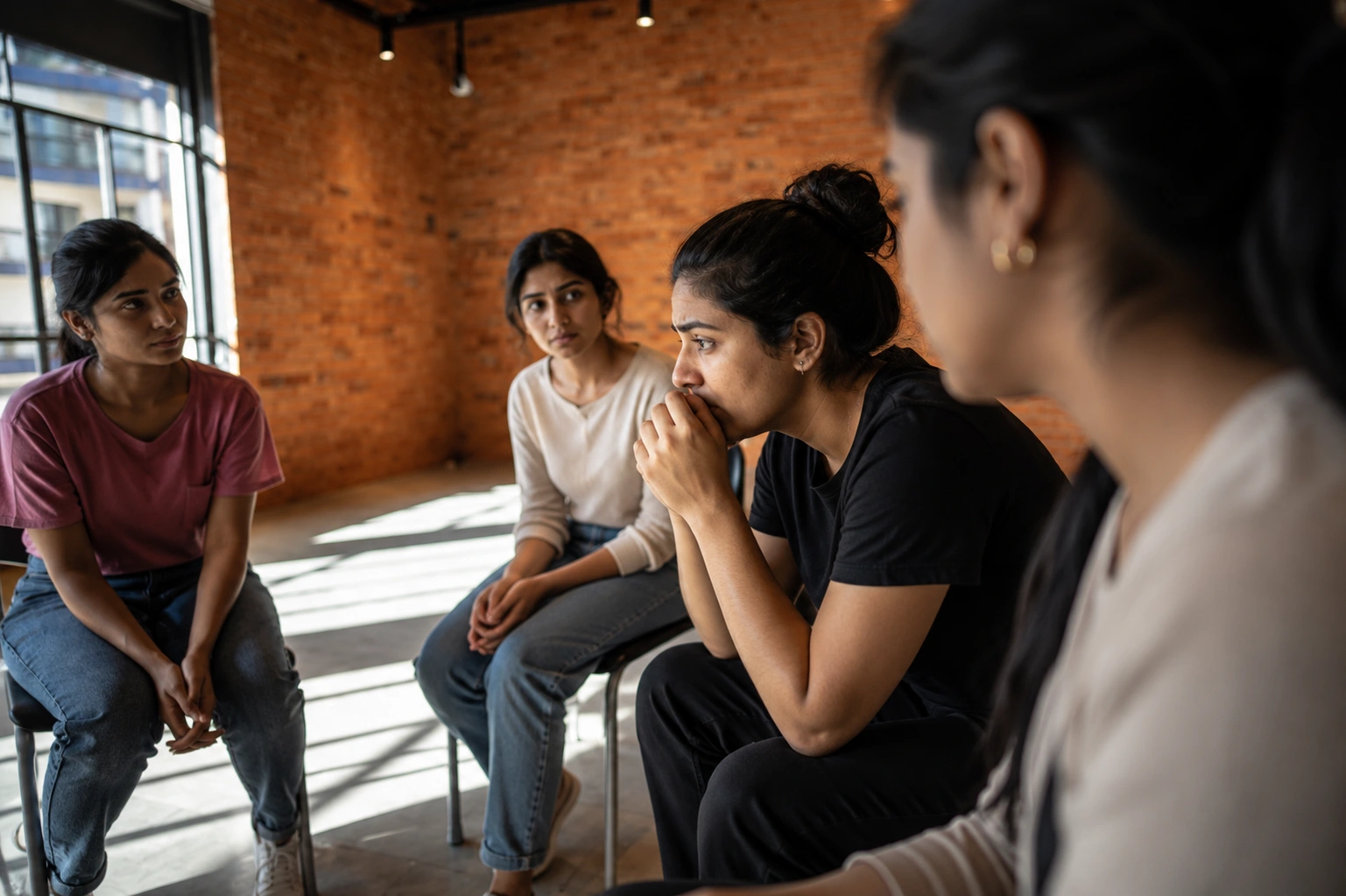
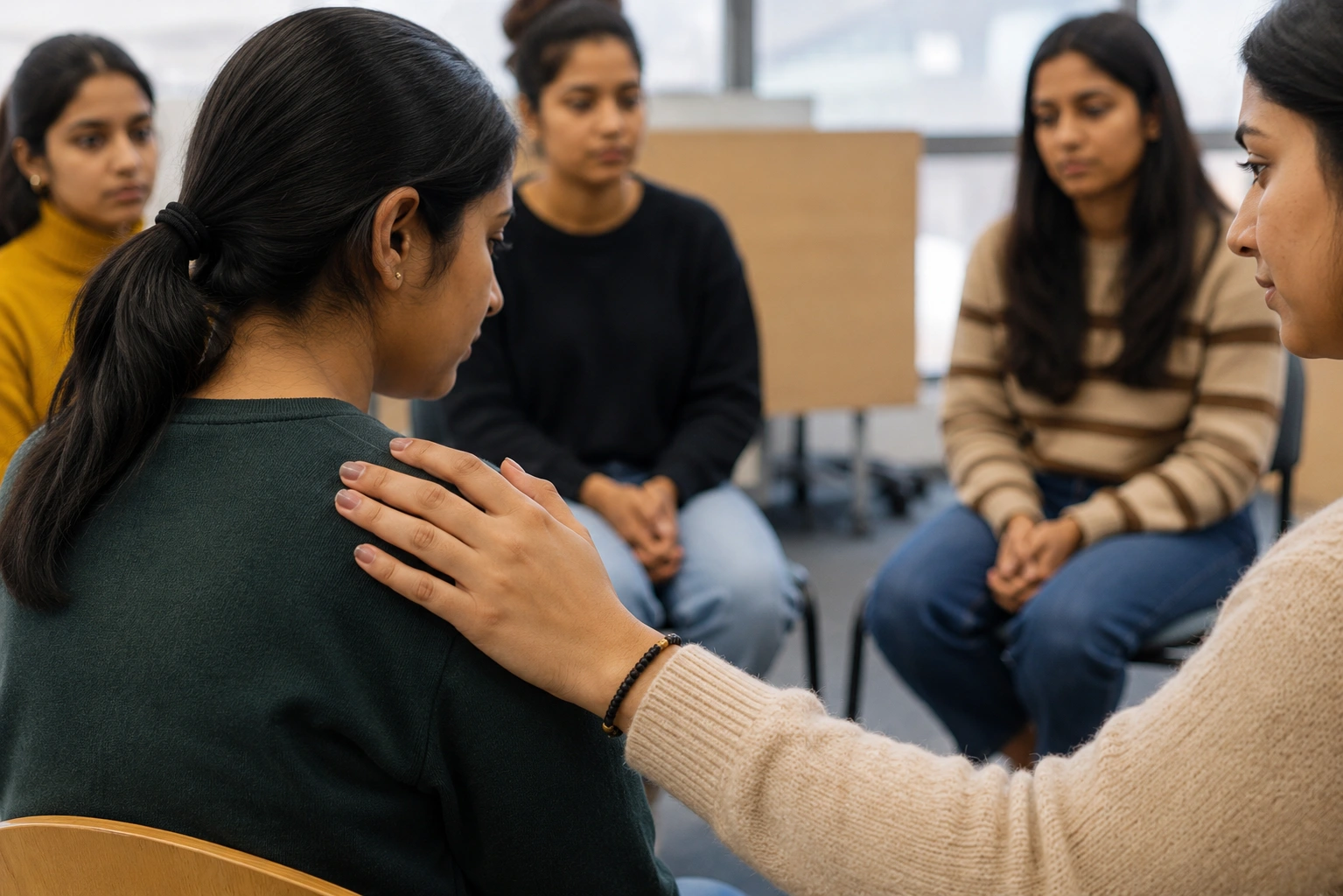
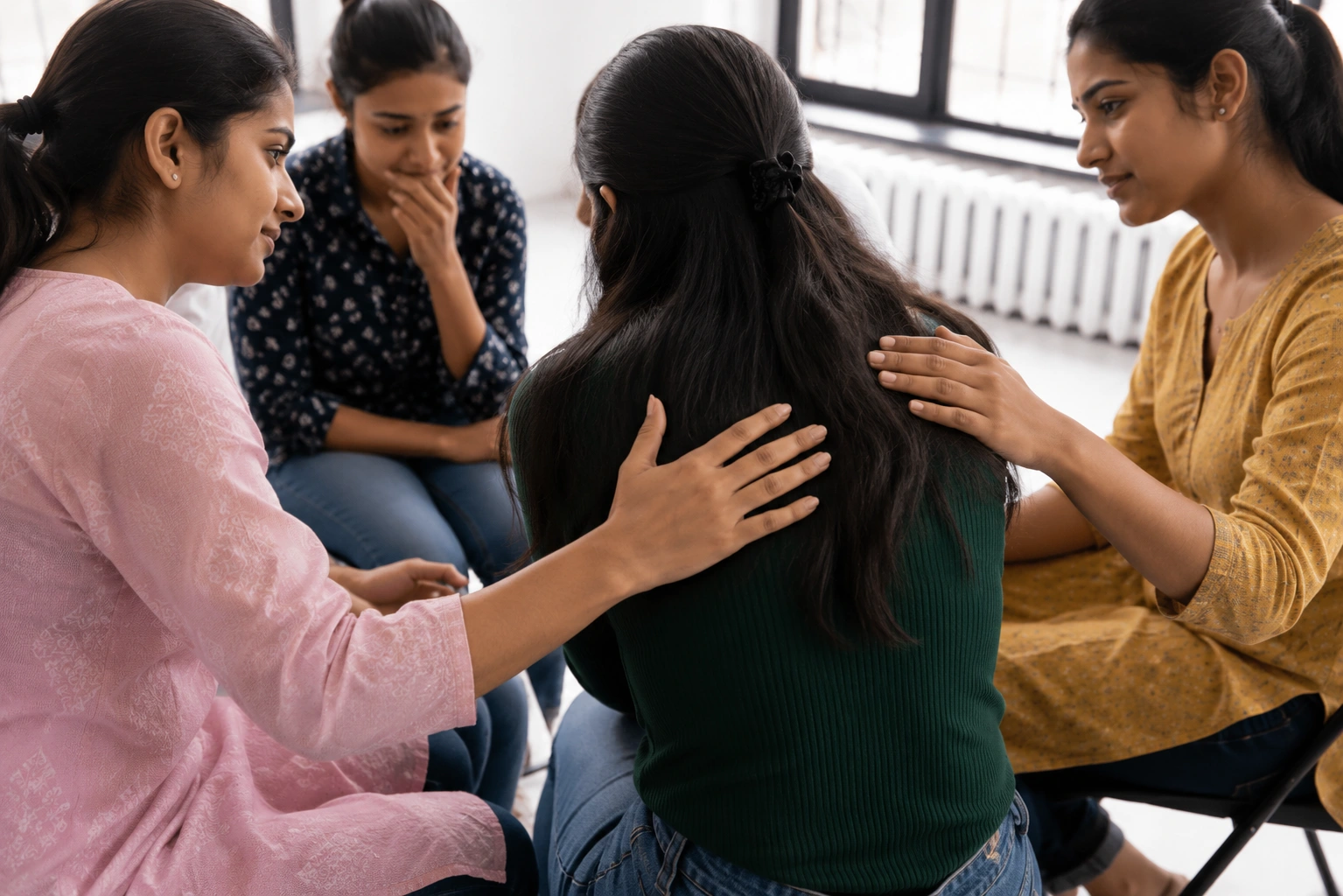
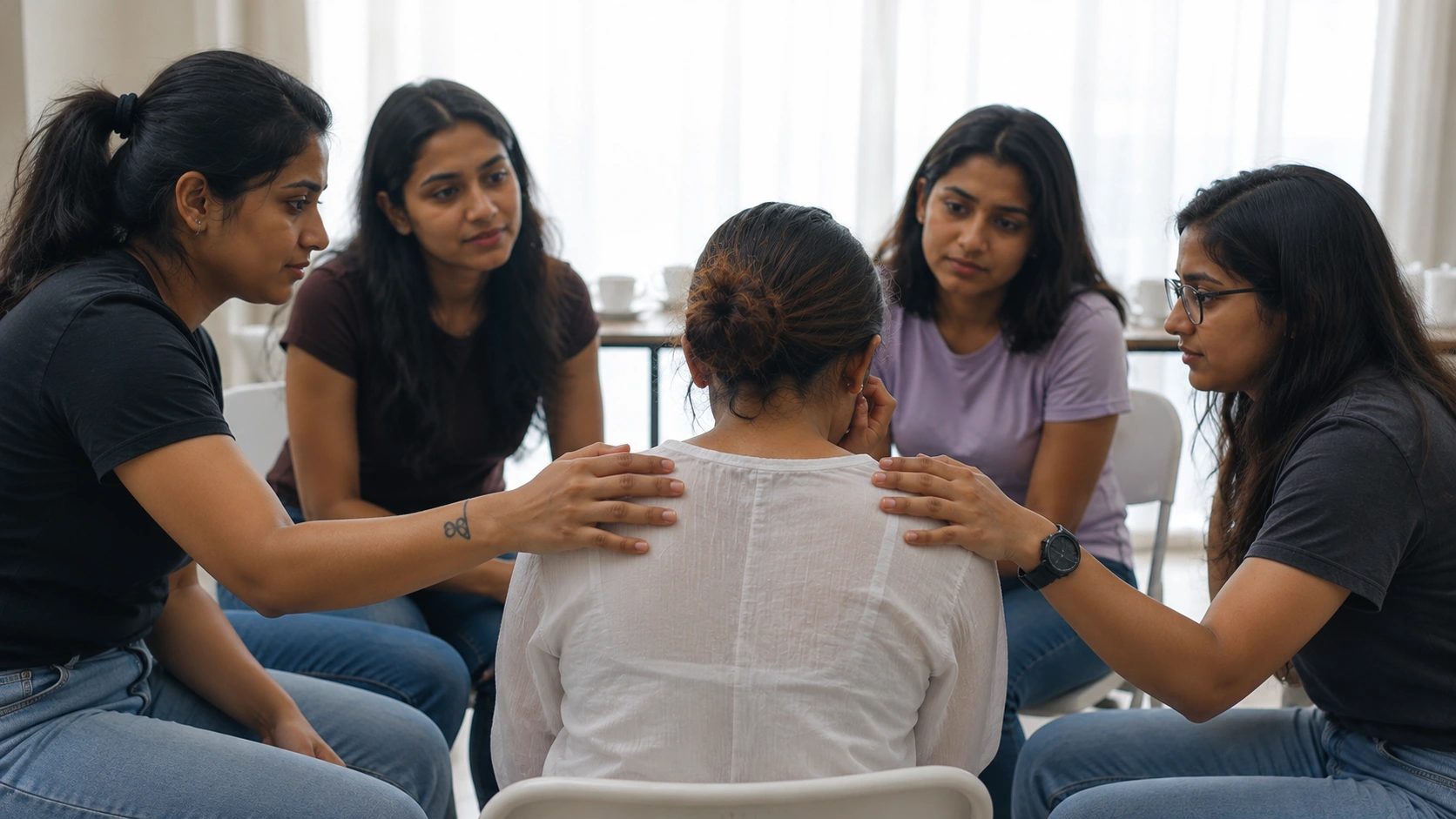
Group work is a core part of that continuity. It gives you a steady place to practise relapse prevention skills in real time, talk through triggers before they turn into decisions, and get feedback from clinicians and peers who understand what early recovery actually feels like.
Aftercare also depends on your own commitment to keep going. We help you carry forward the same evidence-based tools you used in treatment, so you have practical strategies you can use outside our centre.
Follow-up counselling runs in person at Palampur or securely online for women in Kangra, Dharamshala, and across Himachal Pradesh, so support stays active as independence increases.
Frequently Asked Questions
Common signs include cravings, loss of control over use, continued use despite harm, mood swings, sleep disruption, and behavioural changes such as secrecy or risk-taking. Physical signs can include nosebleeds, nasal irritation, weight loss, reduced appetite, enlarged pupils, restlessness, and dental problems.
Early on it often looks like a personality shift rather than a substance problem: unusual bursts of energy followed by heavy crashes, irritability, disturbed sleep, skipped meals, new secrecy about phone or money, and pulling away from people who would notice. Many women describe it as needing the substance to feel normal rather than to feel high.
Look for a repeating pattern rather than a single incident. Money that does not add up, unexplained absences, escalating conflict, secrecy about who she is with, and cycles of high energy followed by days of exhaustion are the usual cluster. You cannot diagnose from the outside, but you can raise it without accusation and offer to arrange a confidential assessment.
The first step is a medical and psychological assessment covering substance use history, withdrawal risk, mental health, sleep, and stability at home. From there we recommend a level of care. If residential is the safest fit, the early days focus on rest, monitoring during the crash phase, and settling into a structured daily routine before deeper therapeutic work begins.
Residential stays at Vaishalya are commonly 15 days, one month, or longer, matched to severity of use, co-occurring conditions, and how stable daily functioning becomes. Outpatient counselling and aftercare typically continue for several months after discharge.
Vaishalya is positioned as an affordable, structured healing space rather than a luxury retreat, with clear stay options so families know what a programme includes before admission. Subsidised places are available for women from underserved communities through the Asha Bhupender Charitable Trust. Call us and we will talk it through honestly.
Options include supervised stabilisation, women-only residential rehabilitation, individual and group counselling, dual diagnosis care with psychiatric input, yoga and holistic therapy, and outpatient aftercare. Most women move through several of these in sequence rather than choosing just one.
Vaishalya Women’s
Wellness Centre
A women-only residential space in Himachal Pradesh for emotional reset, structured de-addiction support, and natural healing.
- Phone & WhatsApp+91 82194 74936+91 70181 48449
- AddressMohal, Gugga Saloh Rd, Tehsil Sullah,
Palampur, Himachal Pradesh 176102 - Enquiry HoursMonday to Saturday · 10:00 AM – 5:00 PM
Registration No. 2025/238/4/186 · Clinically reviewed by Dr. Nitin Sharma

Vaishalya Women’s Wellness Centre is not a crisis or suicide helpline. If you are having thoughts of suicide, please contact a crisis helpline or visit the nearest hospital immediately. This page is for information only and is not a substitute for individual medical advice.