




- Resources
- Volunteer
- Internship
- Our approach
- FAQ
Cocaine Withdrawal Symptoms
Cocaine Addiction
- This page explains cocaine withdrawal symptoms, how they start after stopping or sharply reducing use, and key safety risks, including overdose when other substances are involved.
- Covers common symptoms such as the energy crash, appetite rebound, sleep disruption with vivid dreams, anxiety, low mood, slowed focus, and cravings, with possible longer-lasting symptoms for some women with cocaine use disorder.
- Outlines the support available at Vaishalya Women's Wellness Centre, including withdrawal management and supervised detox when clinically appropriate, followed by ongoing treatment and step-down care using evidence-based therapy and recovery support groups.
Overview
Cocaine withdrawal is rarely medically dangerous in the way alcohol or benzodiazepine withdrawal can be, but it is emotionally brutal. The crash is what sends most women back to using, not the physical symptoms.
Understanding what to expect, and when medical supervision is the safer choice, makes the first week far more survivable.
Treatment for
Cocaine Abuse
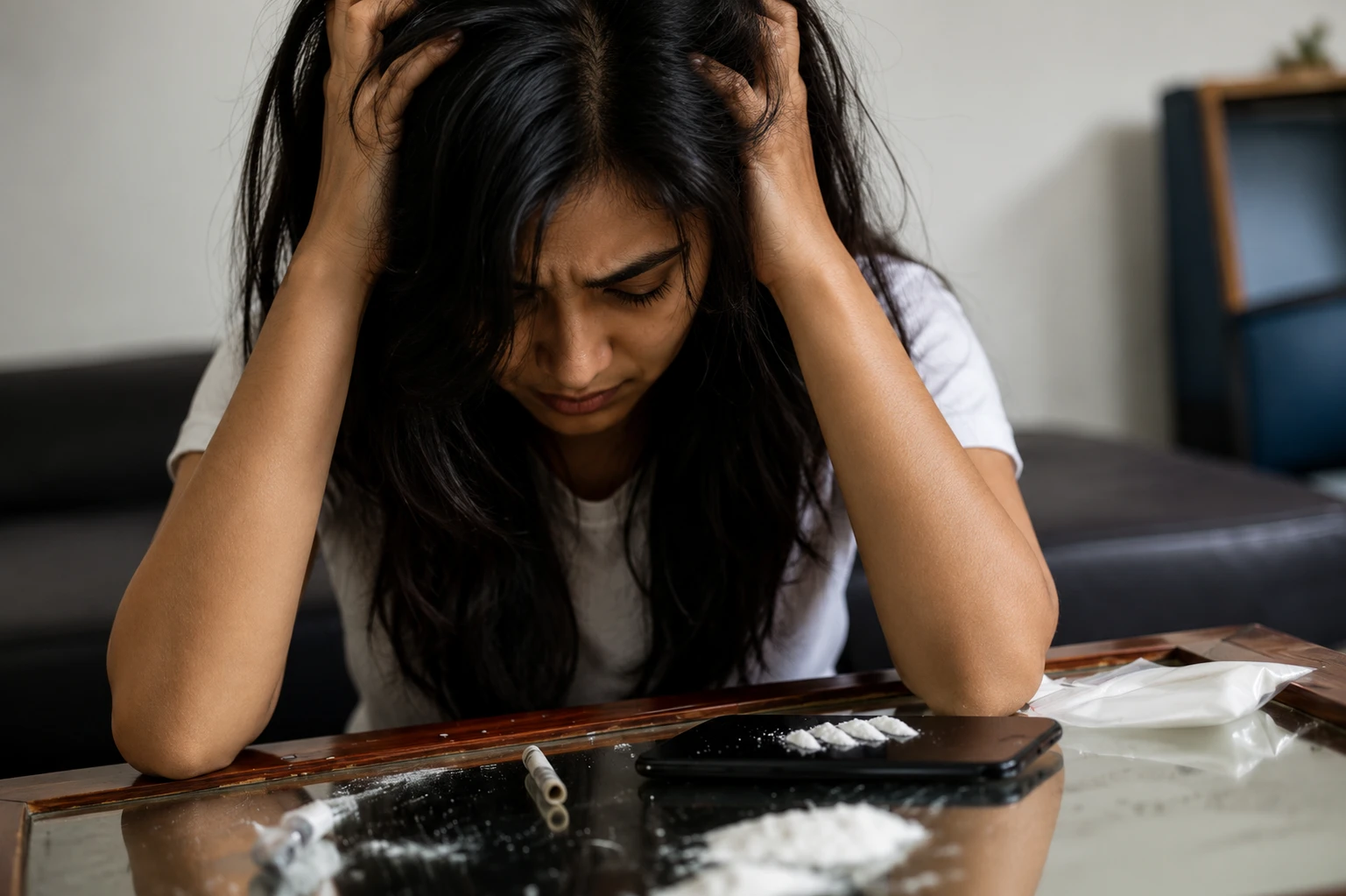
When cocaine starts shaping your days, your sleep, your mood, and your decisions, it can feel like you are losing your footing. If you are here for yourself or for someone you love, the fear and urgency behind that is understandable. Withdrawal can be intense, and it can disrupt judgment and self-trust quickly.
At Vaishalya Women's Wellness Centre in Palampur, care begins with a medical and clinical assessment. From there we recommend the level of support that fits each woman's withdrawal symptoms, her risks, and the realities of her home environment.
Why Cocaine Withdrawal
Symptoms Can Feel So Intense
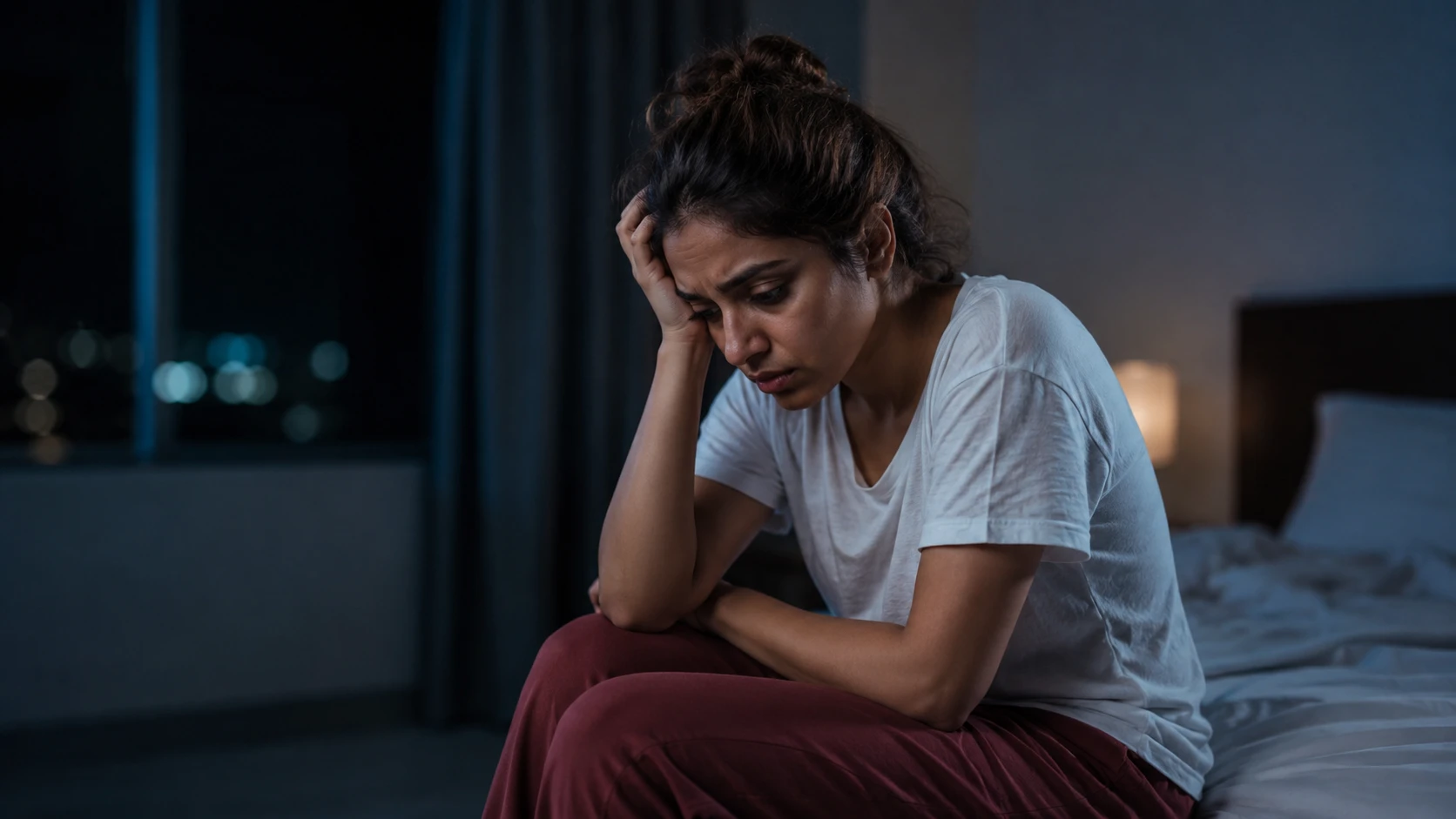
Cocaine withdrawal is often described as a crash because the change can feel sudden and draining. A woman can look composed on the outside while feeling internally slowed, emotionally exposed, and pulled toward using again simply to stop the uncomfortable drop.
Withdrawal is the set of symptoms that may emerge when cocaine use ends or decreases sharply. Most people notice the psychological effects most, particularly cravings and mood changes, although physical discomfort can also occur.
What drives the crash is rebound. Cocaine temporarily forces the brain and nervous system into a high stimulation state. When that input is removed, the body tries to rebalance, and the contrast can feel like the system has swung too far in the other direction.
Common Cocaine
Withdrawal Symptoms
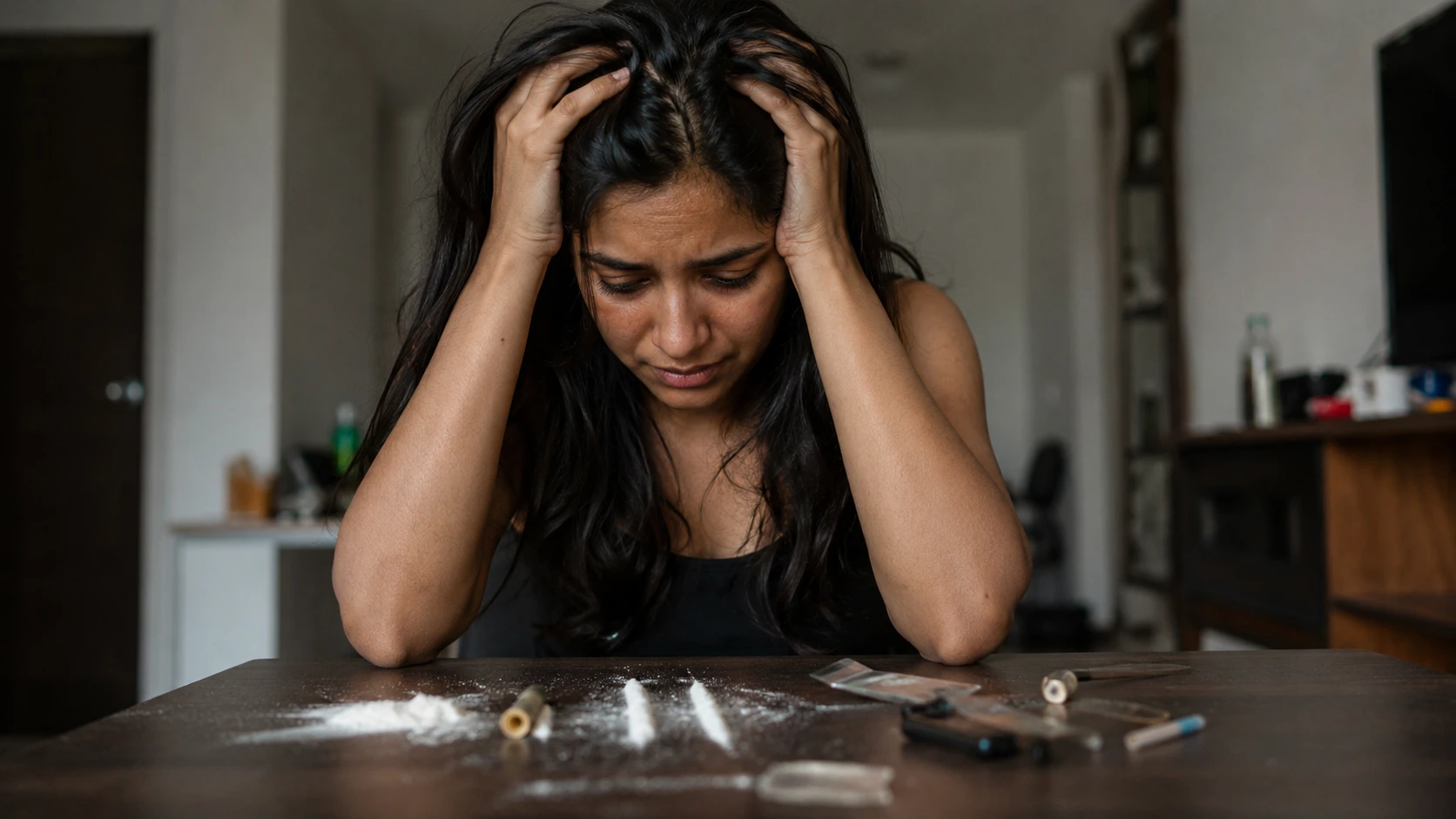
Cocaine withdrawal is usually dominated by psychological symptoms rather than strong physical withdrawal. Most women do not develop the severe body-based withdrawal seen with alcohol, benzodiazepines, or opioids, but they may still feel profoundly unwell due to mood and craving changes.
When physical symptoms do show up, they are often mild and nonspecific, such as fatigue, headaches, general aches, nausea or stomach upset, appetite changes, sweating, shakiness, and a sense of physical restlessness.
On the other hand, psychological symptoms may include:
- Strong urges to use that come in peaks and waves
- Irritability, agitation, or difficulty sitting still
- Anxiety or a persistent sense of tension
- Depressed mood, dysphoria, or hopelessness
- Slowed thinking, reduced focus, and mental fog
- Anhedonia, emotional flatness, or difficulty feeling pleasure
Timeline of Symptoms
of Cocaine Withdrawal
Symptoms can start within hours after the last use, and the course varies based on dose, frequency, duration of use, sleep deprivation, and whether other substances are involved.
Early on, many women describe a crash marked by heavy fatigue, low motivation, and a sharp drop in mood, with cravings that can still feel sudden and urgent.
Over the next one to two weeks, it is common to see fluctuating cravings, irritability, restlessness, appetite shifts, and difficulty concentrating, with some women feeling more emotionally sensitive than usual.
For some, recovery is not linear. Mood, drive, and cravings may improve, then return in waves over the following weeks, which is why step-down care is helpful after the acute phase.
If symptoms are left untreated, the most intense crash period can last about five to seven days for some women, and that early window is often when relapse risk is highest.

What Can Make Cocaine Withdrawal Harder
Withdrawal can feel more severe or more persistent when any of the following factors apply:
- Higher intensity or longer duration cocaine use
- Crack cocaine use or repeated binge cycles
- Polysubstance use
- Possible opioid exposure, including contamination of the supply
- Co-occurring mental health conditions
- High stress, poor sleep, or limited support at home
When opioids are involved, even unintentionally, the safety picture changes. That is why a medical assessment is often the safer first step before attempting to stop without support.
Is It Safe to Detox From
Cocaine at Home?
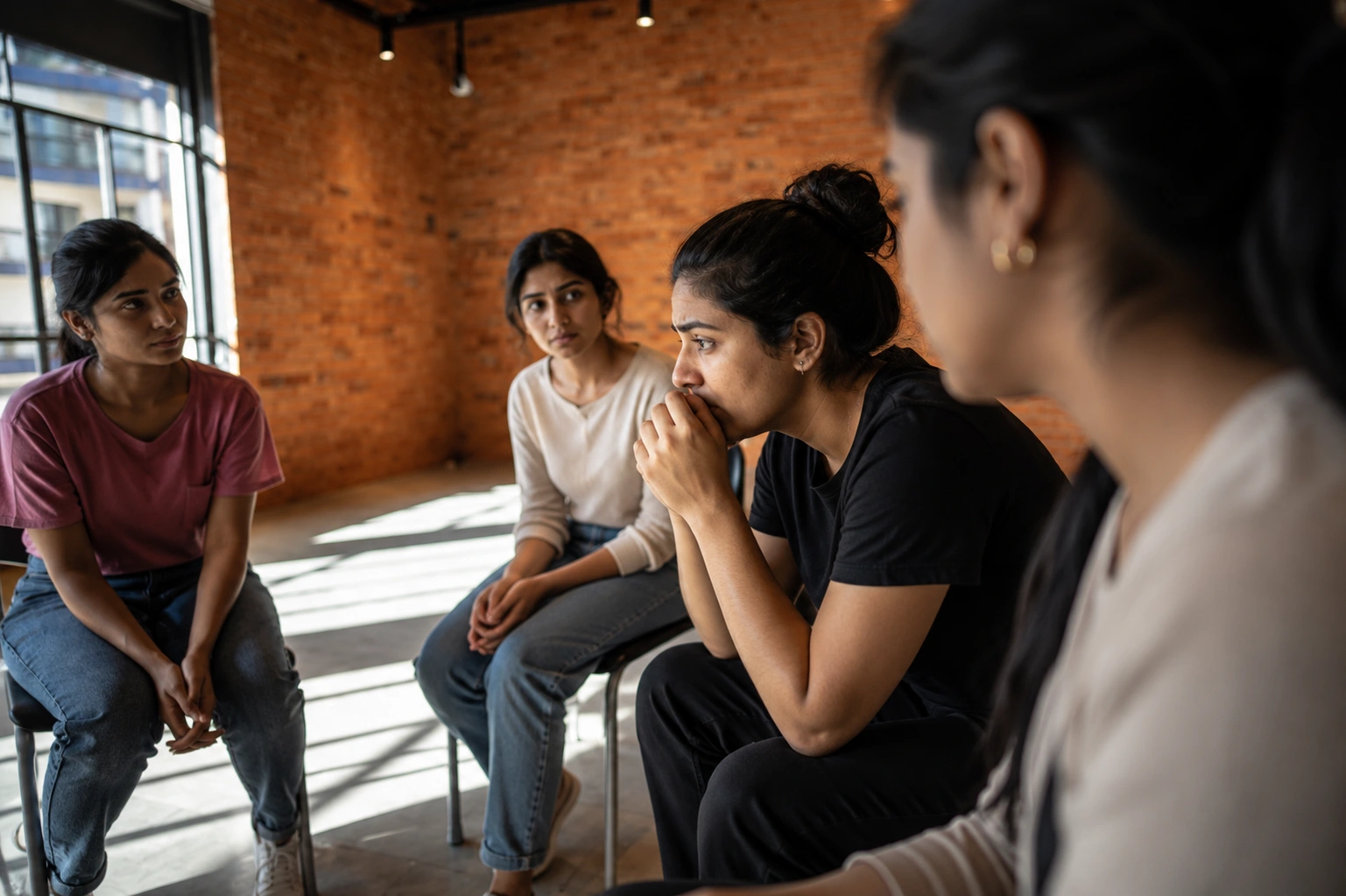
Some women try to stop cocaine use at home, especially when use has been brief, infrequent, and the home environment is stable. The bigger issue is safety during the highest risk days, including whether cravings, mood symptoms, or impulsivity make it hard to stay off cocaine.
Home detox becomes more risky when there is a history of serious mental health symptoms, when withdrawal has led to relapse before, or when other substances may be involved. Polysubstance exposure can shift symptoms quickly and can increase overdose risk.
For women in Himachal Pradesh there is often an additional factor: privacy at home may be limited, and the pressure of family or community scrutiny can make an honest attempt at stopping much harder. We often recommend residential care to avoid complications and setbacks.
Cocaine withdrawal is not typically medically dangerous in the same way alcohol withdrawal can be, but emergencies can still occur. Call 112 for chest pain, seizures, fainting or loss of consciousness, severe agitation that cannot be settled, or signs of psychosis.
During an emergency call, dispatchers commonly ask what is happening, when it began, and whether cocaine or other substances may be involved. If it is safe, stay with her, reduce stimulation in the environment, and follow instructions until help arrives.
If there are thoughts of self-harm or suicide, contact the national mental health helpline on 14416 (Tele-MANAS) for immediate crisis support, or go to the nearest hospital.
Powders and pills bought informally are frequently adulterated, and what is sold as cocaine may contain unknown substances. Opioid contamination is a genuine concern even when someone has no intention of using opioids.
Risk rises sharply after a break in use, because tolerance drops and a relapse can hit far harder than expected. The days immediately after a failed attempt to quit are among the most dangerous.
This is one reason we screen carefully at admission. What we monitor for, how closely we monitor, and how we plan stabilisation all change if there is any chance of polysubstance exposure.
Cocaine Detox at Vaishalya
Women's Wellness Centre
At Vaishalya, cocaine detox starts with a medically supervised assessment to understand the pattern of use, the amount used, overall health, medical issues, and behavioural health needs. Because withdrawal can occur quickly after you stop using, we monitor closely and tailor care to the symptoms and safety risks, including overdose concerns when mixed substances may be involved.
There is currently no approved medication that reliably treats acute withdrawal from cocaine itself. Even so, treatment can still be structured and clinically guided, with a focus on stabilisation, comfort, and careful monitoring of physical and mental symptoms as withdrawal occurs.
When appropriate, our consulting psychiatrist Dr. Nitin Sharma may prescribe medication to target specific withdrawal symptoms, and after stabilisation, further options may be considered based on fit and co-occurring needs.
Treatment Options After Cocaine Detox
Detox settles the acute crash. It does not, on its own, change the patterns that led to use. What follows detox is what determines whether recovery holds.
Evidence-Based Therapies
Used at Vaishalya
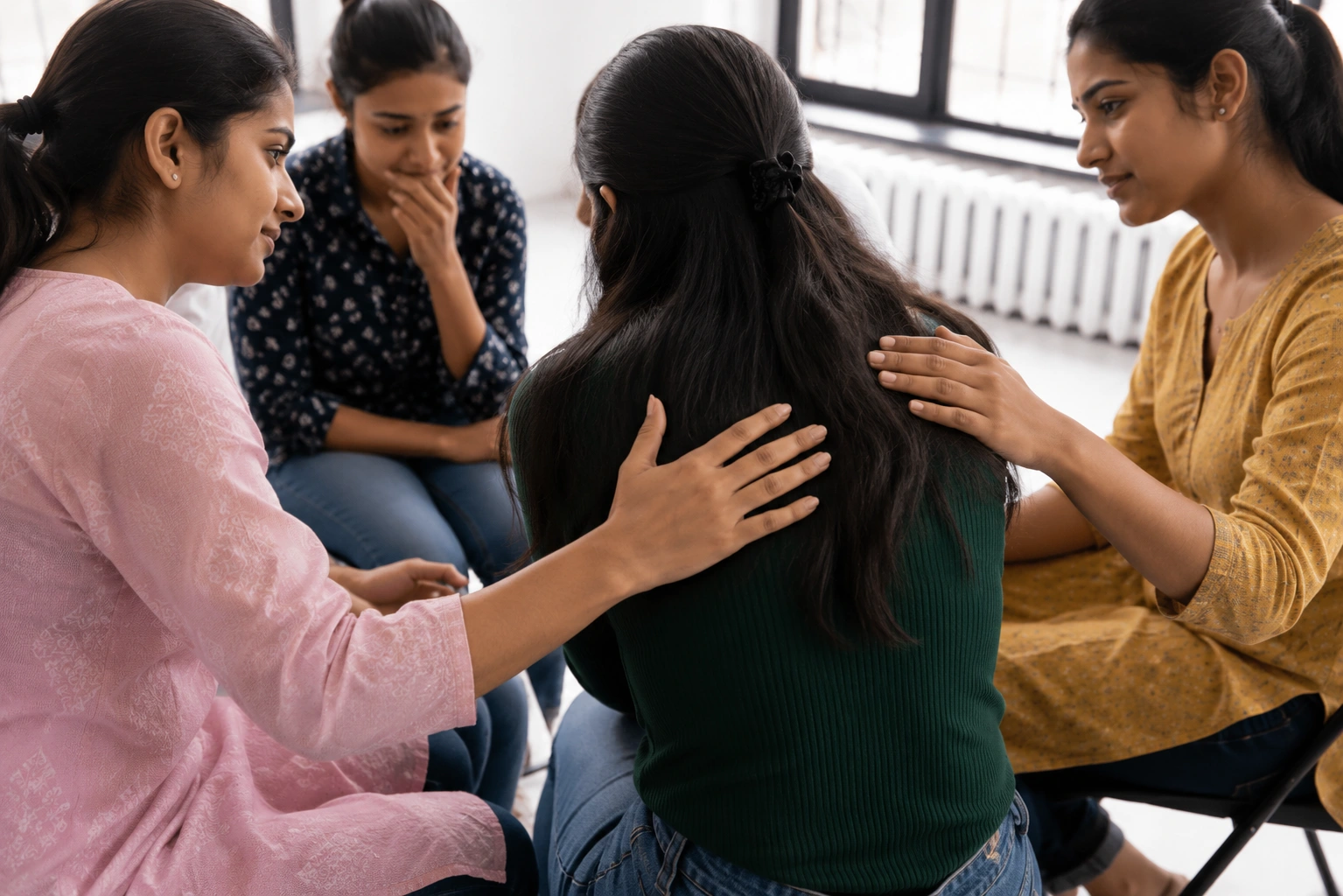
Therapy is central to recovery here. CBT and DBT are often used to build day-to-day stability, helping women manage triggers, cravings, and high-risk situations while strengthening distress tolerance and emotion regulation. Motivational interviewing supports change in a collaborative way that improves follow-through without confrontation.
When trauma is clinically relevant, and once a woman is stable enough, EMDR may be included. Where medication is appropriate, planning is integrated after stabilisation based on fit and co-occurring needs.
Alongside this, daily yoga, breathwork, mindfulness, and Ayurvedic-inspired meals form part of the routine, supporting sleep and stress regulation while the harder therapeutic work happens.
Dual Diagnosis Support
During Cocaine Withdrawal
Dual diagnosis care matters most when substance use and mental health symptoms reinforce each other. When mental health needs are untreated, cravings and triggers often become harder to manage, which increases relapse risk.
At Vaishalya, dual diagnosis support is integrated, meaning therapy, psychiatric care, and medication planning are coordinated across stabilisation, residential treatment, and outpatient care when appropriate.
Co-occurring concerns may include mood disorders, trauma-related symptoms, bipolar spectrum symptoms, ADHD, and sleep disorders. Some conditions precede cocaine use, while others emerge or intensify during heavy use. For women, perinatal mood changes and hormonal factors are also assessed rather than assumed away.
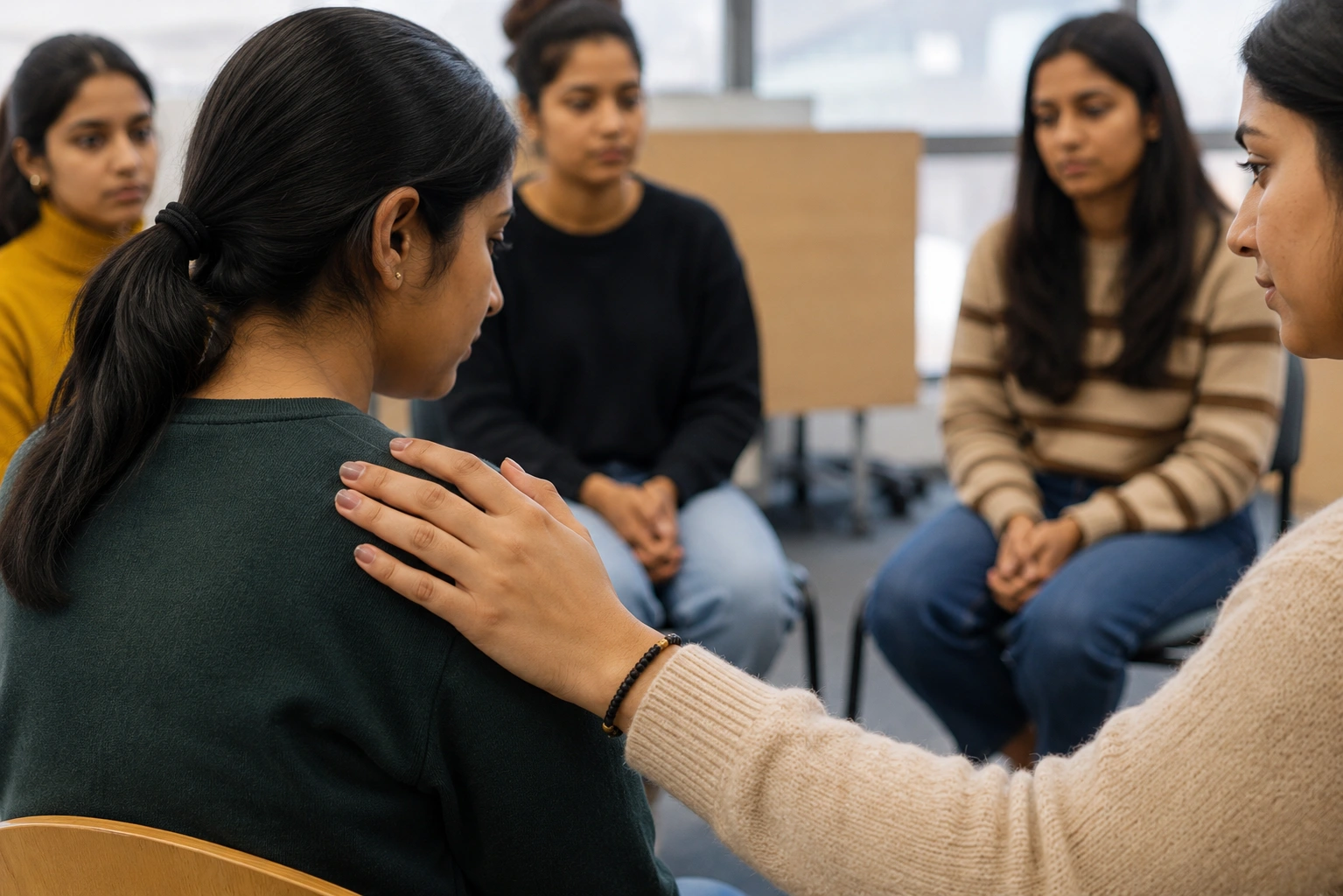
A Serene Environment and Holistic Support in Himachal Pradesh
Vaishalya is designed to reduce friction during cocaine addiction treatment, so women can focus on stabilising, engaging in therapy, and staying connected to care even when withdrawal symptoms fluctuate, or protracted symptoms show up later.
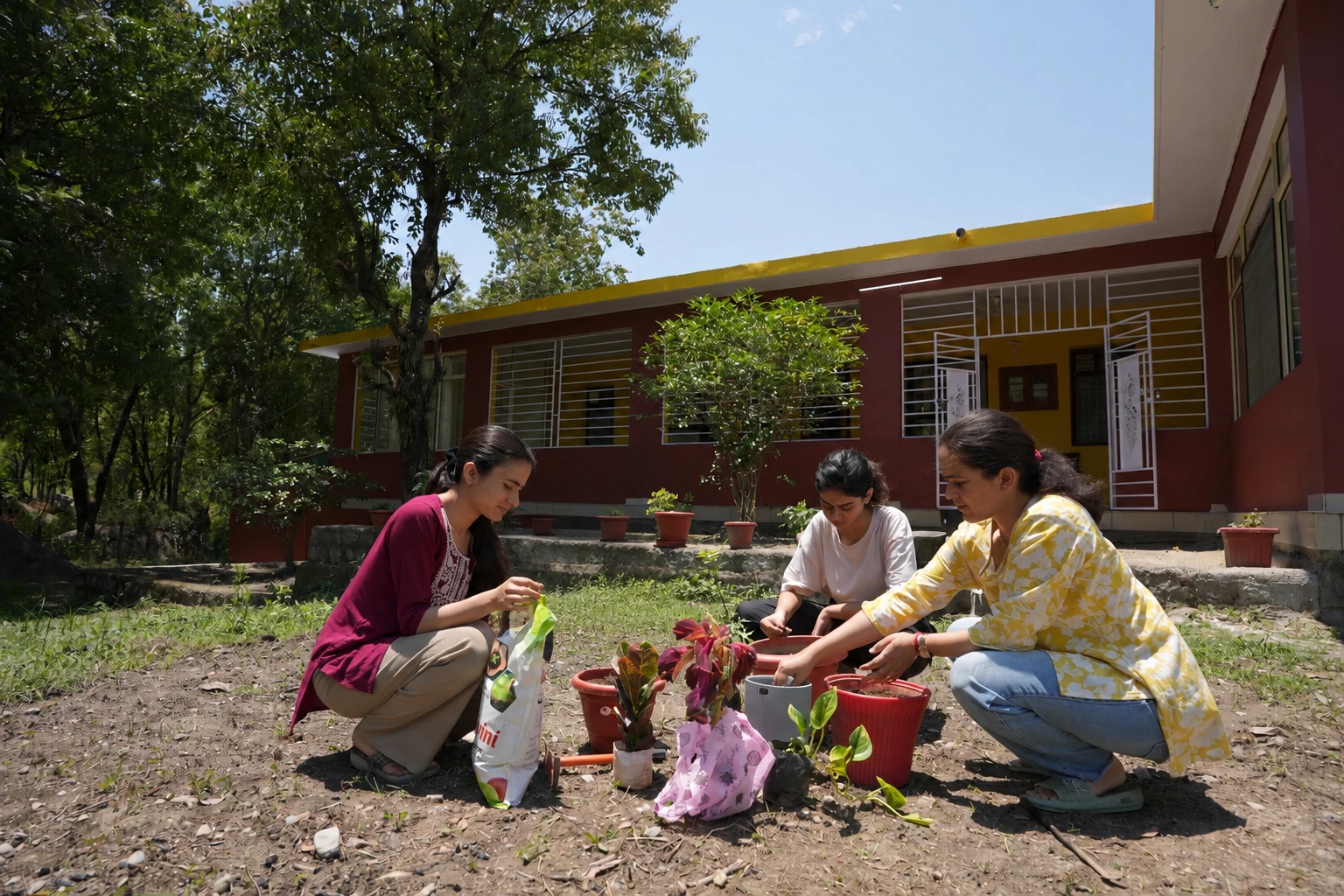
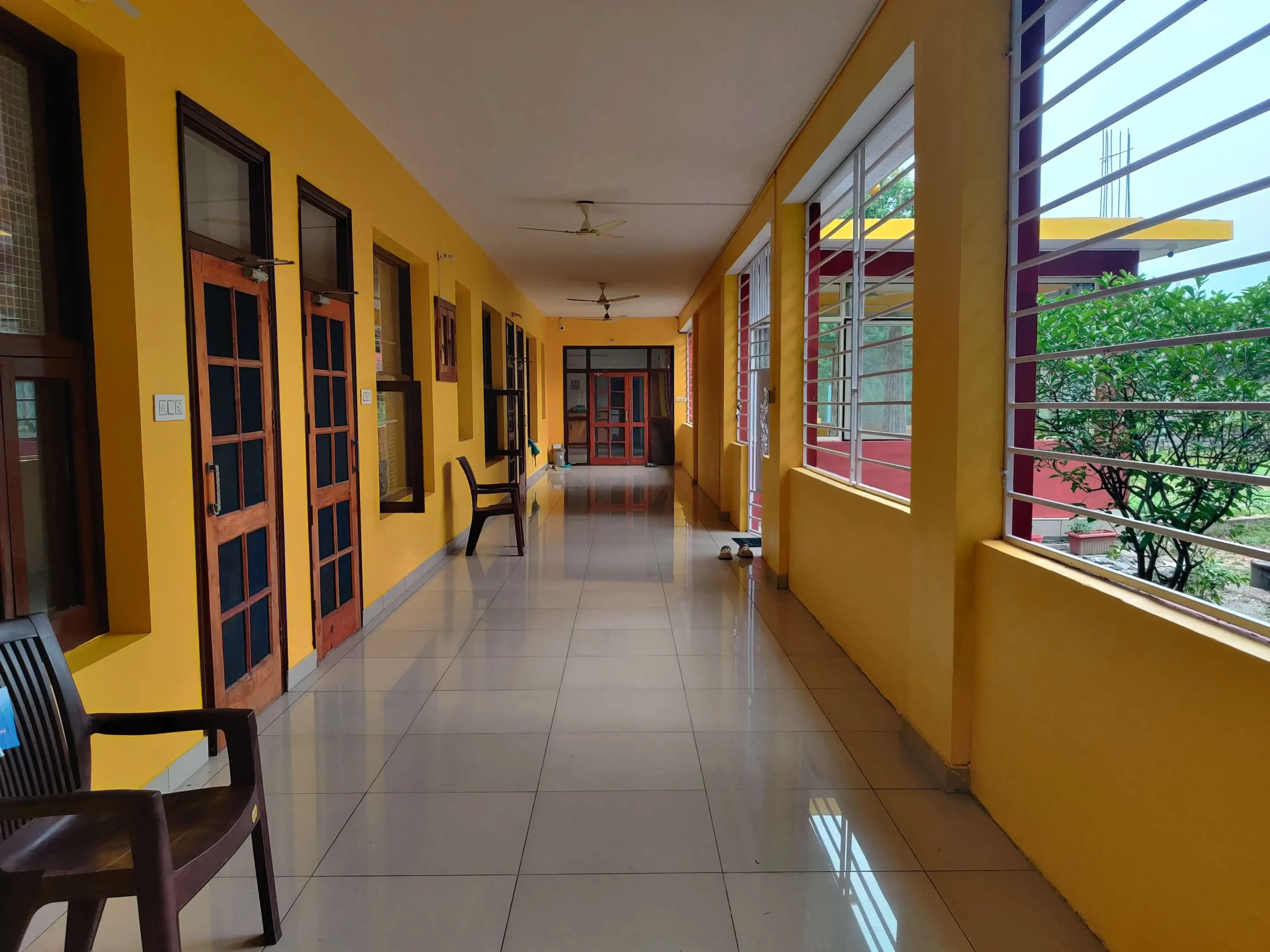
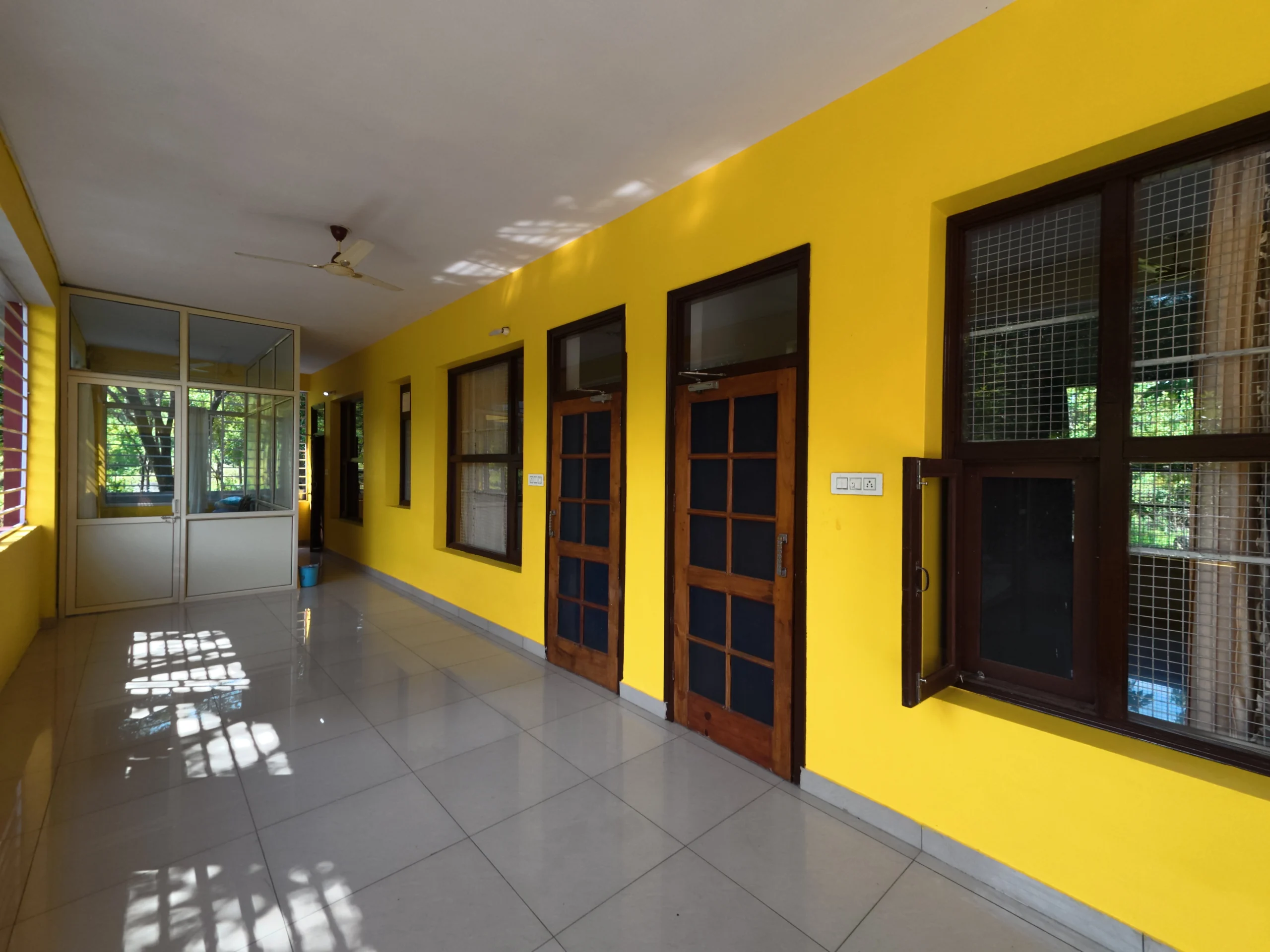
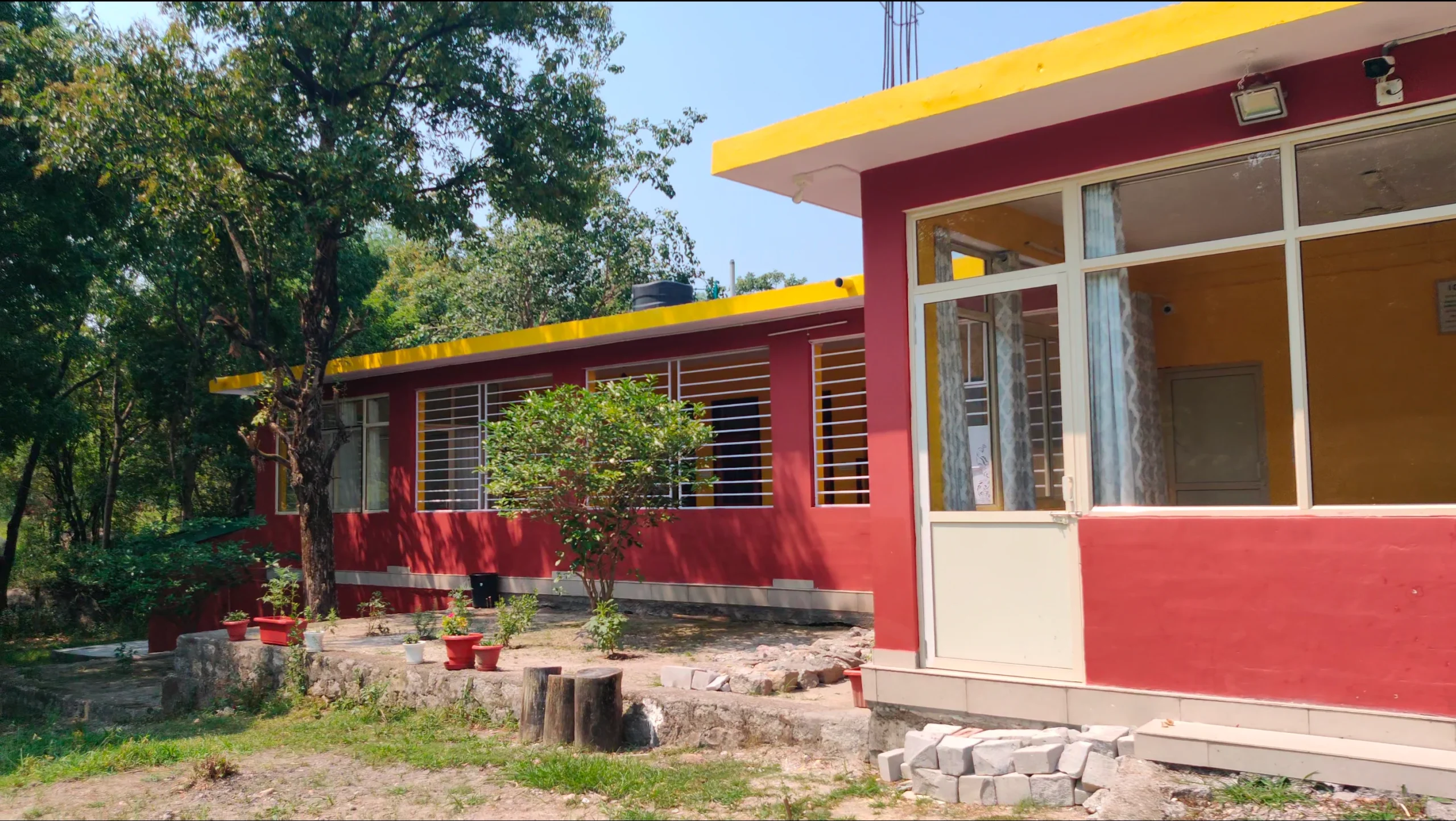
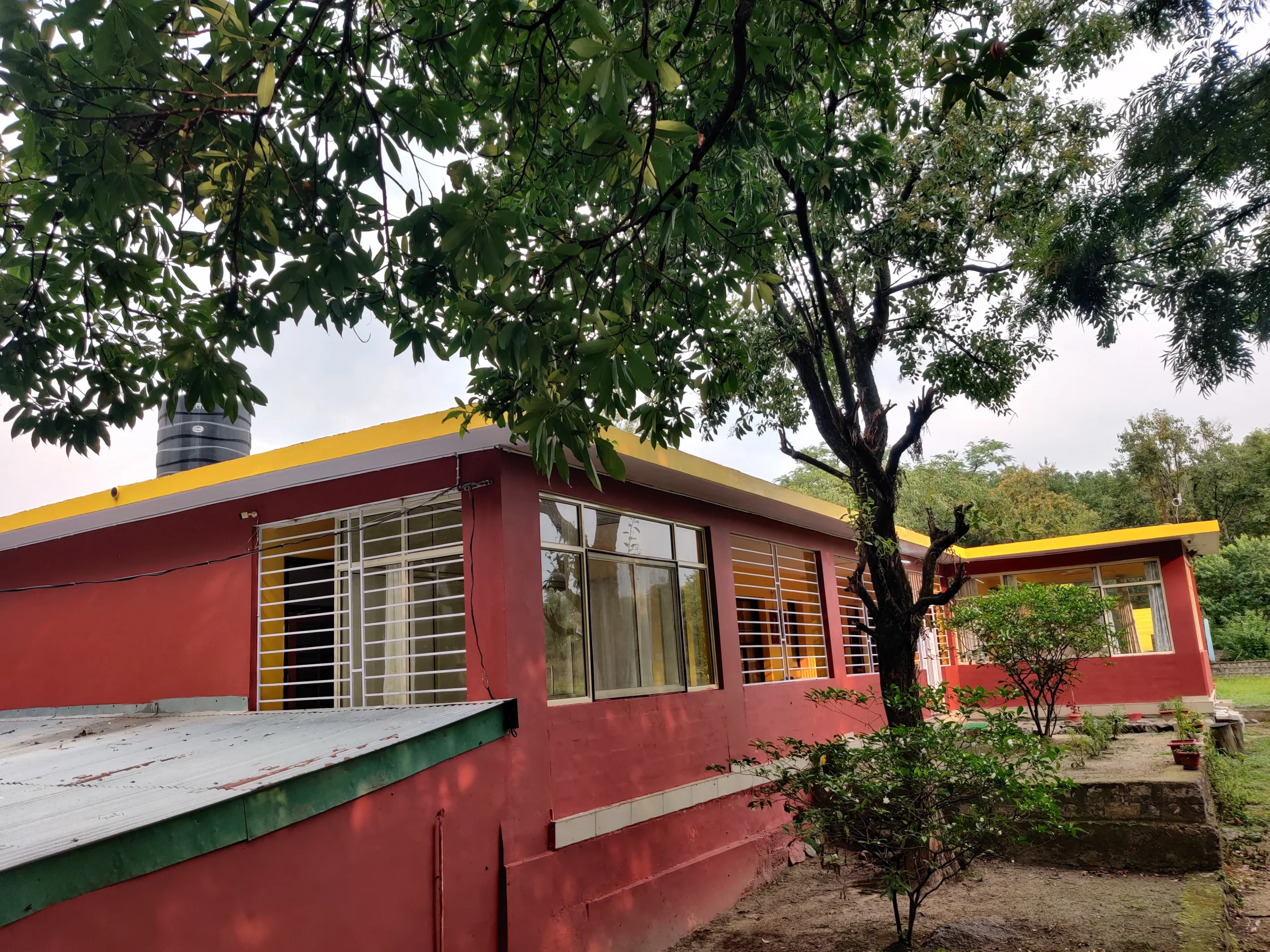
The residential setting in Mohal, Gugga Saloh pairs evidence-based treatment with a genuinely restorative environment. Women stay in a low-stimulation, women-only space with fresh mountain air, clean nourishing meals prepared daily, and a structured routine that removes the daily decisions that drain early recovery.
Comfort and decompression are built in through daily guided yoga and mindfulness, time outdoors in the Kangra valley, and a pace that allows real rest. The centre is also work-from-home friendly for women who need to stay professionally active during a longer stay.
This is not a luxury retreat. It is a purposeful, affordable, structured healing space focused on real recovery, simplicity, and consistency, while continuing structured clinical care for substance use and mental health needs.
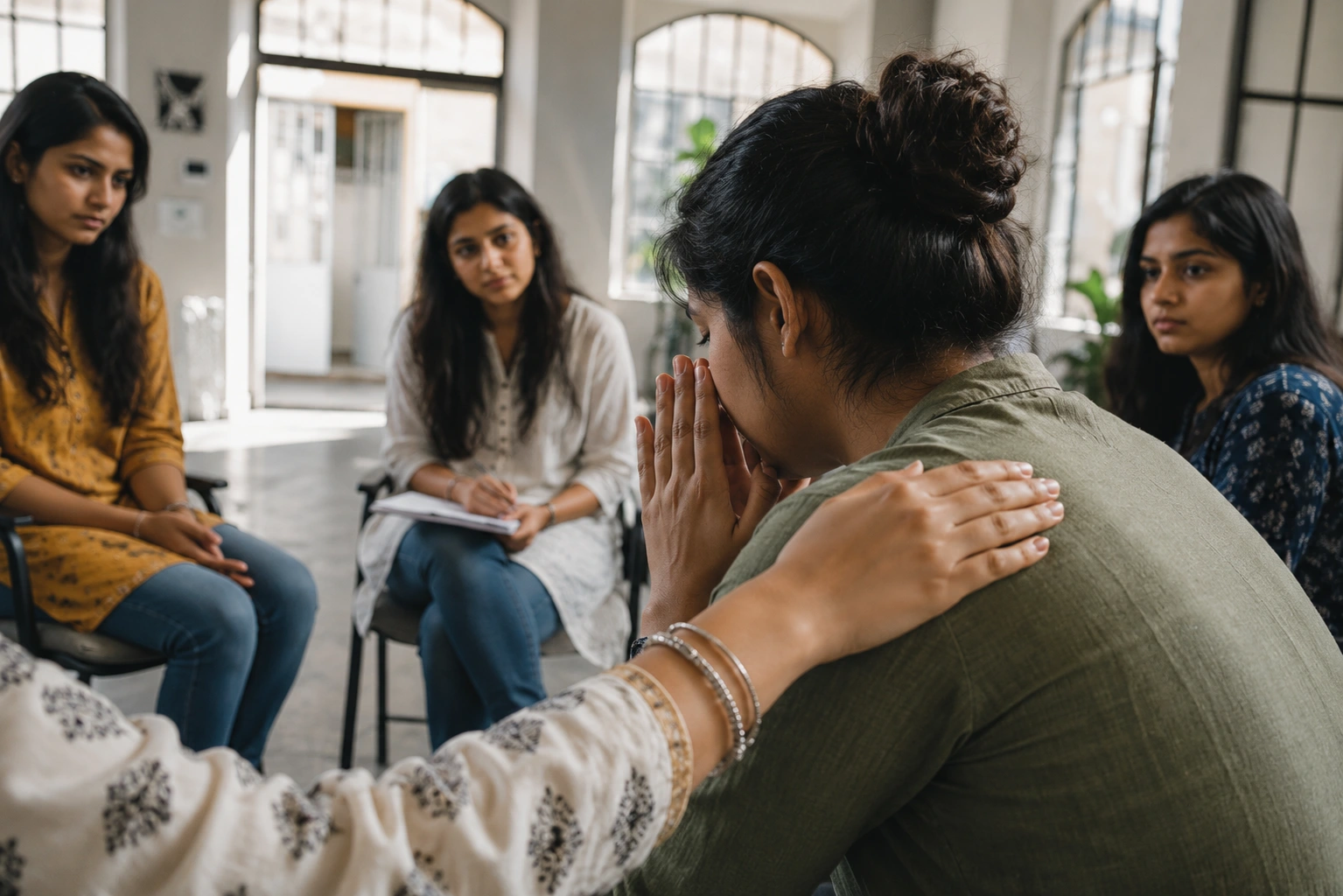
The Team Supporting Your
Cocaine Addiction Treatment
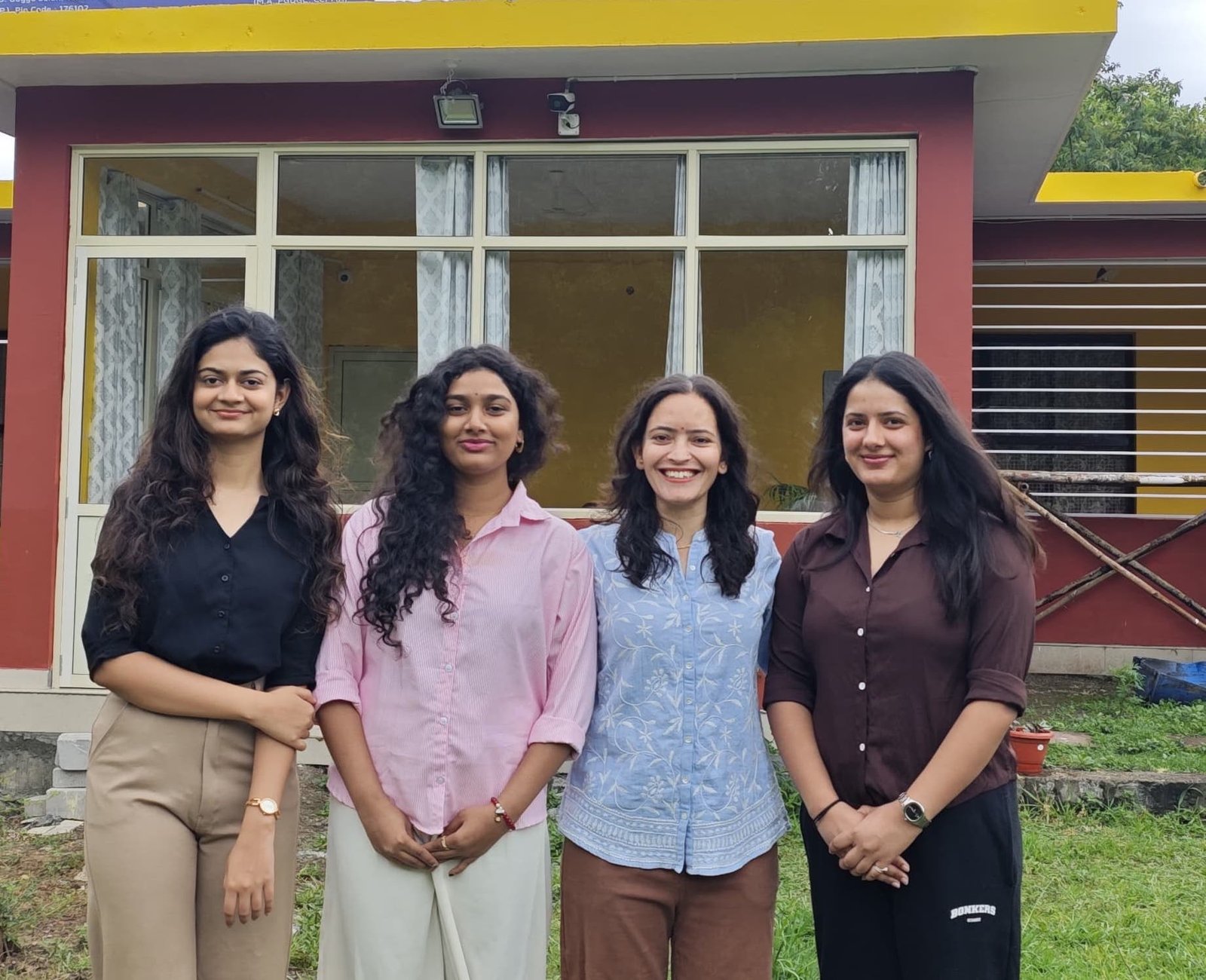
Vaishalya is supported by a multidisciplinary team covering medical oversight, psychiatric care, counselling psychology, nursing, and programme continuity.
Psychiatric support is led by Dr. Nitin Sharma, who reviews medication and co-occurring conditions throughout a stay rather than at intake alone. Counselling and clinical direction come from our psychology team, with the Centre operating under the guidance of the Asha Bhupender Charitable Trust.
All resident-facing care is delivered by women. For many of our residents this is the single factor that makes honest disclosure possible in the first week rather than the fourth.
This integrated structure helps keep care consistent across stabilisation, residential treatment, and step-down planning, without gaps in communication or follow-through.
Long-Term Recovery
at Vaishalya
Staying well usually depends on what happens after discharge and whether recovery supports remain in place as daily life resumes.
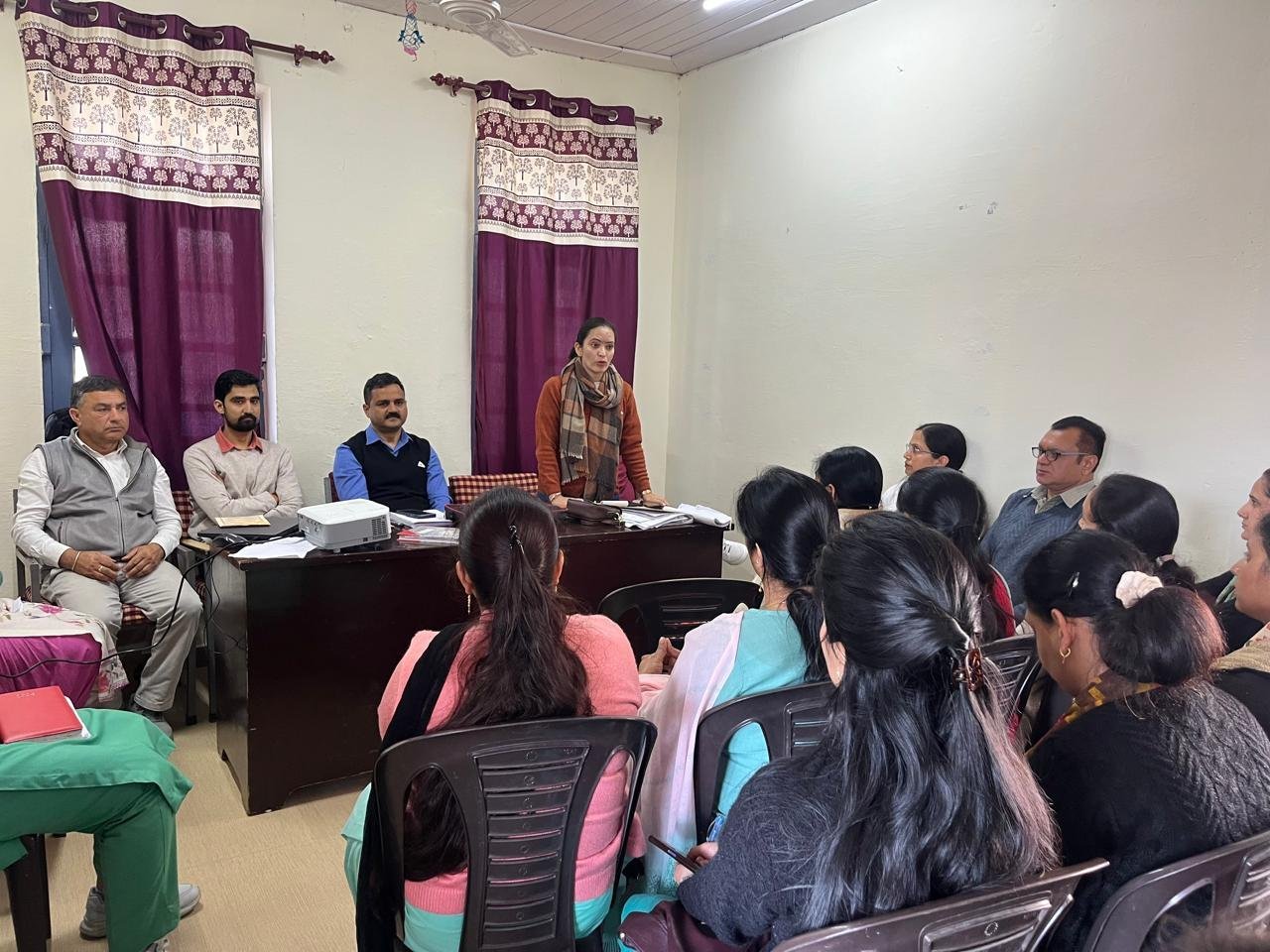
Aftercare planning can include individual therapy, process groups, and support groups that reinforce skills, accountability, and decision-making in real time. Family counselling may also be included to repair trust, improve communication, and strengthen the support system at home, arranged with each woman's consent and planned around her safety.
Step-down planning helps maintain structure while independence increases, so progress is supported by routine and community rather than willpower alone. Follow-up runs in person at Palampur or securely online for women across Kangra, Dharamshala, and the wider state.
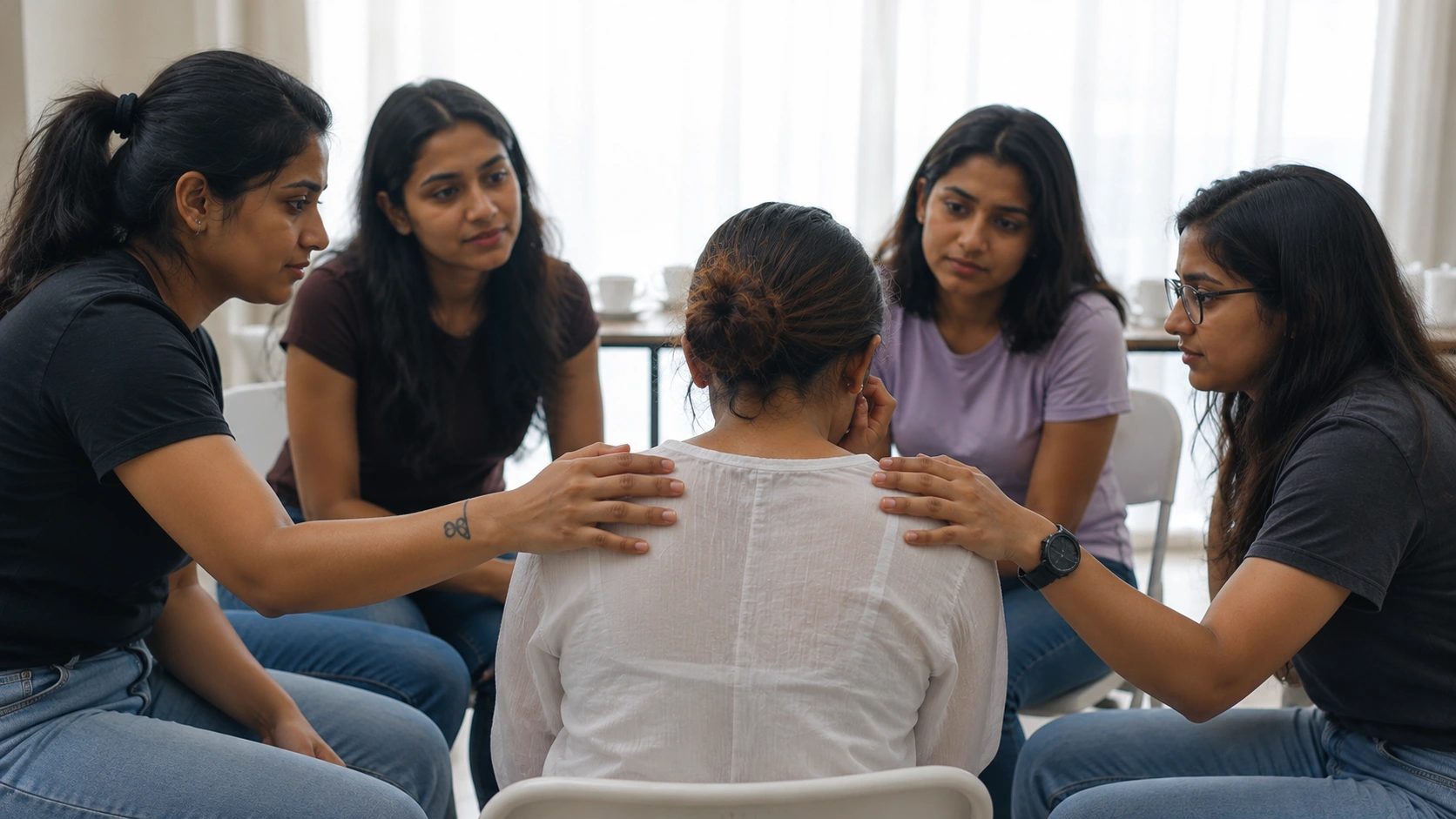
Find Help for Cocaine Addiction
in Himachal Pradesh
If withdrawal has started, you do not need to wait for things to escalate before getting clarity. A private conversation can help you understand what level of support is safest and most realistic.
Contact Vaishalya Women's Wellness Centre for a confidential assessment. Our team can review your detox needs, treatment options, and determine the next step that makes the most sense for you or someone you love. We are here to help whenever you are ready.
Frequently Asked Questions
Many women report a sharp energy crash, increased appetite, disrupted sleep with vivid dreams, anxiety, low mood, slowed thinking, and strong cravings. Some also notice headaches, agitation, restlessness, or paranoia, especially when sleep is poor or other substances are involved.
Symptoms can begin within hours of the last use. The most intense crash commonly lasts about five to seven days if untreated. Cravings, mood changes, and low motivation can continue in waves for several weeks, which is why step-down care matters after the acute phase.
Cocaine withdrawal is not typically dangerous in the way alcohol or benzodiazepine withdrawal can be. The real risks are severe low mood and suicidal thinking during the crash, and overdose on relapse once tolerance has dropped. Both are reasons to have supervision available.
There is no approved medication that reliably treats acute cocaine withdrawal itself. Medication can still help with specific symptoms such as sleep disruption, anxiety, or depression, and with co-occurring conditions. Anything prescribed is reviewed by our consulting psychiatrist.
Vaishalya is an affordable, structured healing space rather than a luxury retreat, with clear stay options of 15 days, one month, or longer so families understand what a programme includes before admission. Subsidised places are available for women from underserved communities through the Asha Bhupender Charitable Trust.
Detox settles the acute crash but does not change the patterns behind use. Most women move into residential treatment for daily therapy and structure, then step down into outpatient counselling and aftercare. That continuity is what protects against relapse in the months that follow.
Reach Out
We Are Here Whenever
You Are Ready
Speak to our team in confidence about withdrawal, admission, or simply what the next safe step looks like. No obligation.
- Phone & WhatsApp+91 82194 74936+91 70181 48449
- AddressMohal, Gugga Saloh Rd, Tehsil Sullah,
Palampur, Himachal Pradesh 176102 - Enquiry HoursMonday to Saturday · 10:00 AM – 5:00 PMResidential admissions supported 24/7
Registration No. 2025/238/4/186 · Clinically reviewed by Dr. Nitin Sharma
Vaishalya Women’s Wellness Centre is not a crisis or suicide helpline. If you are having thoughts of suicide, please contact Tele-MANAS on 14416 or visit the nearest hospital immediately. This page is for information only and is not a substitute for individual medical advice.