


- Resources
- Volunteer
- Internship
- Our approach
- FAQ
Home›Women's Alcohol Detox…
Women's Alcohol Detox Centre in Himachal Pradesh
On this page
This page explains how medically supervised alcohol detox works for women at Vaishalya, in Palampur, Himachal Pradesh: who needs it, what the first seventy-two hours actually feel like, which medicines are used, what the stay costs and how to arrange admission for yourself or for someone in your family.
Stopping alcohol suddenly after long or heavy drinking is not simply difficult. For some women it is medically dangerous. Withdrawal can bring seizures and, in a small number of cases, delirium tremens, a condition that needs hospital-level care. Detox exists so that the body can clear alcohol under supervision, with the risk managed rather than gambled on.
We admit women only. No male residents, no mixed wards, and a clinical team you can talk to honestly without translating your life for an audience.
Speak to us confidentially: +91 82194 74936 or +91 70181 48449.
Request a Confidential Call
Share as little or as much as you like. A senior member of our team will call you back. Nothing is shared with anyone outside the clinical team.
The drinking most people never see
Why this centre exists
Women Wait Longer to Ask for Help. That Delay Is the Danger.
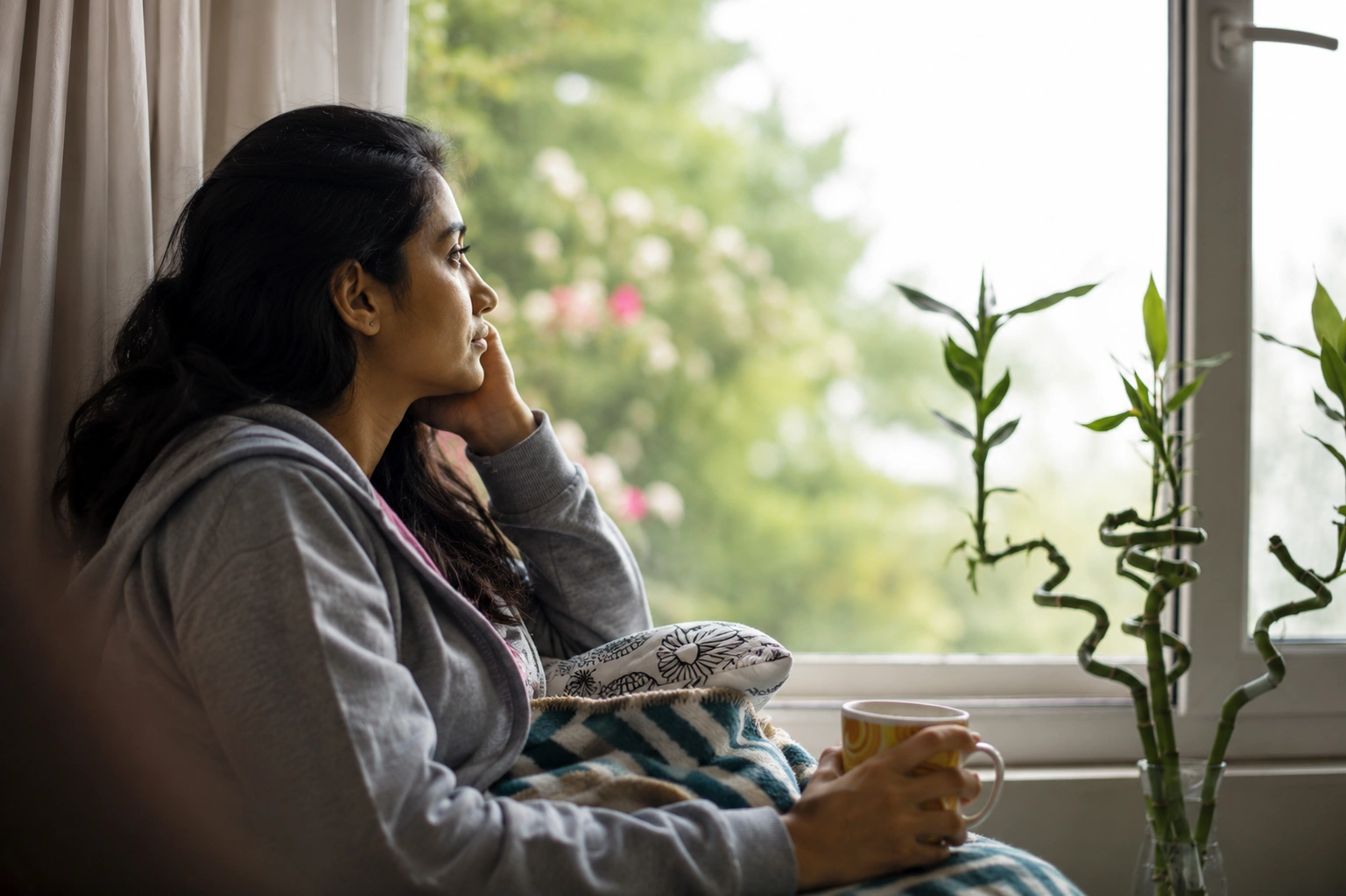
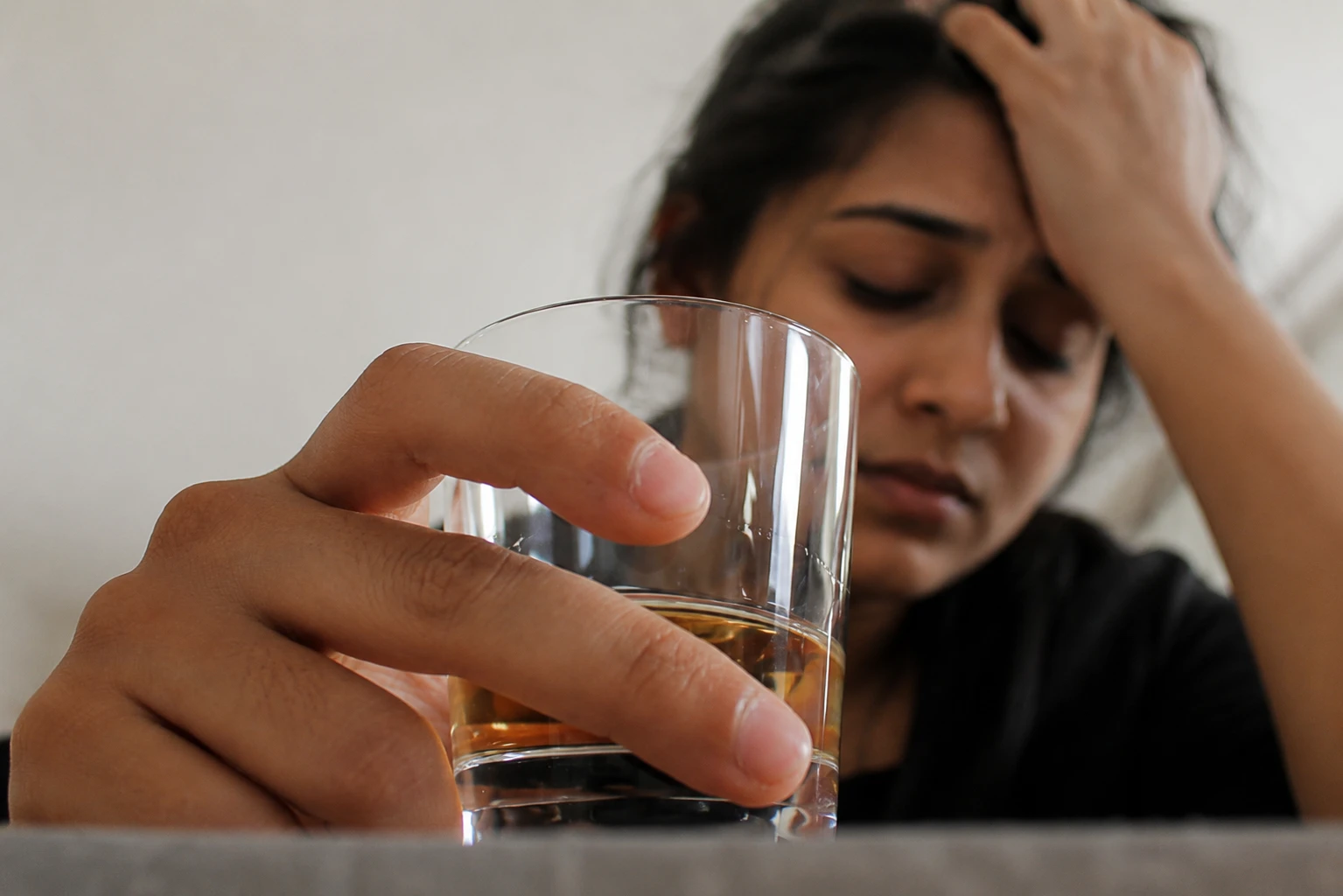
Men who drink heavily are noticed. Women, in most Indian households, are not. The drinking happens at home, in the afternoon, around everyone else's schedule, and it is hidden carefully because the cost of being found out is not just embarrassment. It is her marriage, her children, her standing in a small town where everybody knows everybody.
So she manages it alone for years. By the time she reaches a clinic, the physical dependence is well established and the liver has often taken more damage than her intake would suggest.
That last part is biology, not weakness. Women carry less body water than men and produce less of the stomach enzyme that begins breaking alcohol down, so the same drink reaches a higher concentration in the blood. Alcohol-related liver disease develops at lower quantities and over shorter periods in women than in men. Dependence also tends to progress faster from first heavy use to serious harm, a pattern clinicians call telescoping.
Add to this a shortage of women-only residential facilities across Himachal and much of north India, and the reason for the delay stops being mysterious. There has often been nowhere acceptable to go.
A Women-Only Detox Centre in the Kangra Valley
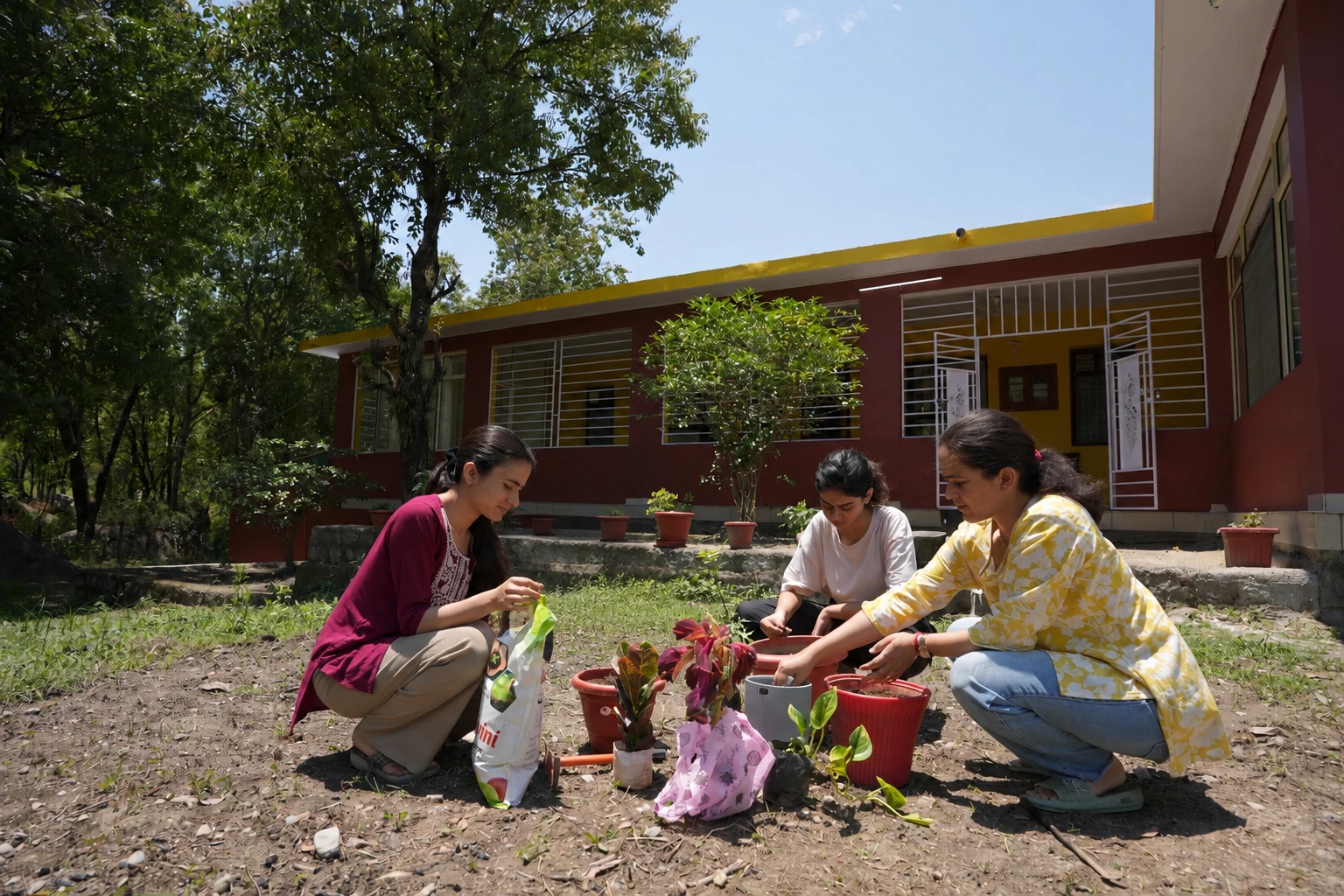
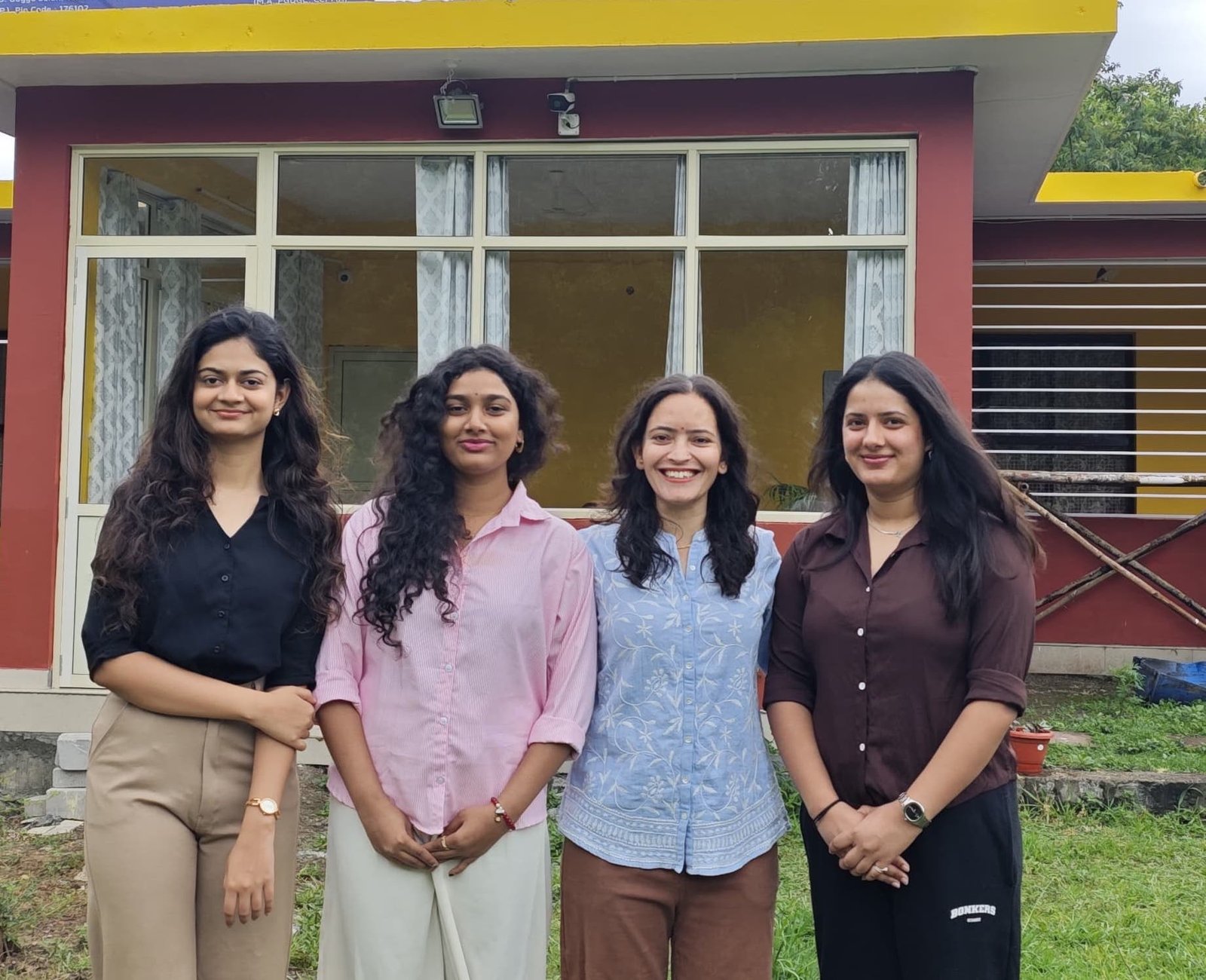
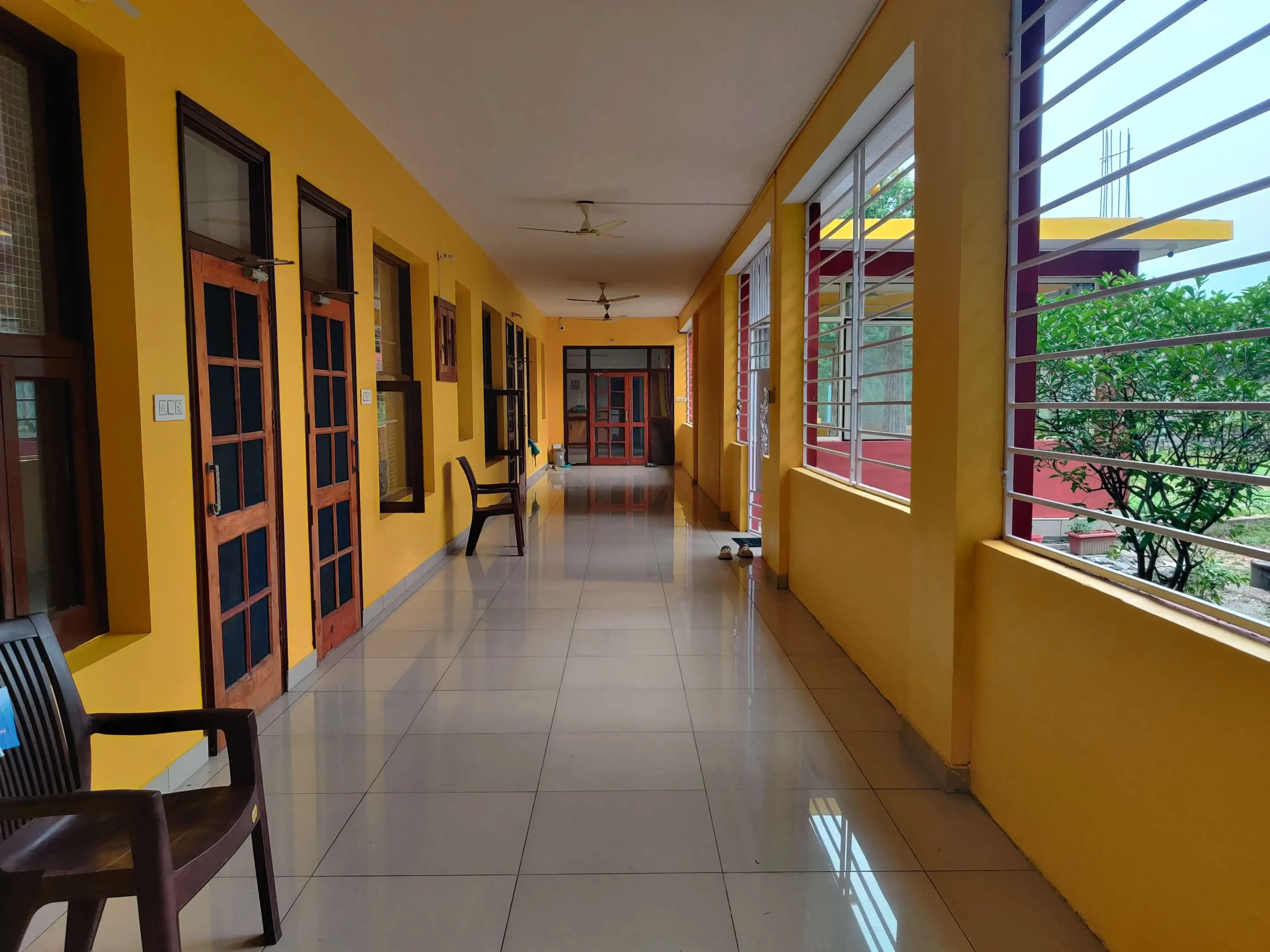
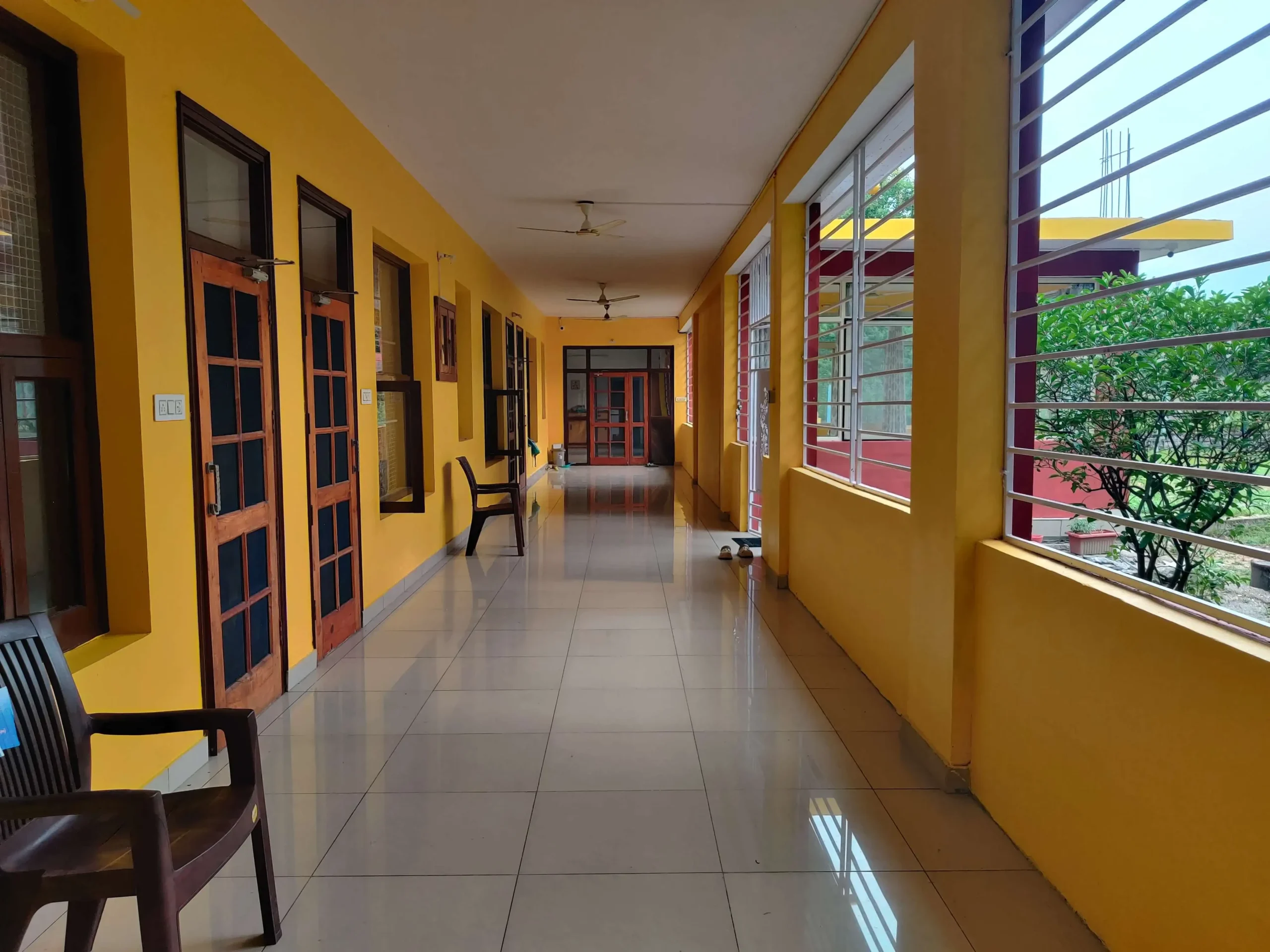
Vaishalya is a residential centre for women in Mohal, near Palampur, set in the hills above the Kangra valley. It is small by design. Admissions are limited so that each resident is genuinely known by the staff caring for her, rather than being one of forty names on a ward board.
Every resident is a woman. The nursing and counselling staff who work with you through withdrawal are women. Male family members visit by arrangement, in designated areas, at agreed times. For a woman who has spent years hiding her drinking, that structure is often the first thing that makes honesty feel possible.
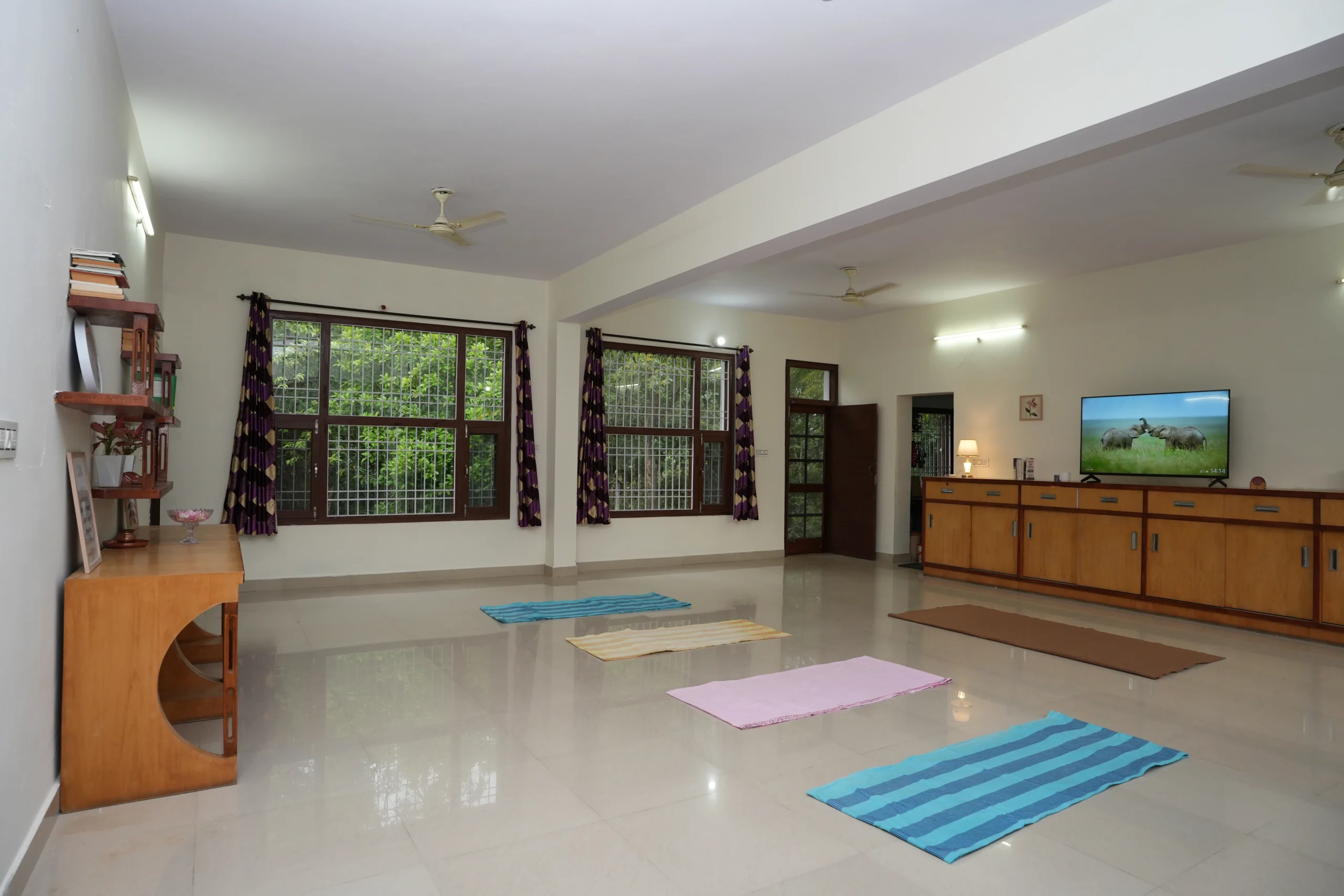
The rooms are quiet and clean, meals are cooked on site, and the daily routine is deliberately unhurried. This is not a hospital corridor and it is not a resort. It is a supervised medical environment that has been arranged so it does not feel like a punishment.
Location: Mohal, Gugga Saloh Road, Tehsil Sullah, Palampur, Himachal Pradesh 176102.
Mohal, Palampur, Himachal Pradesh
Assessment
Who Needs Medically Supervised Alcohol Detox
Not everyone who drinks too much needs an inpatient detox. But some women should not attempt to stop without medical cover, and the difference is not a matter of willpower. It is a matter of what the body has adapted to. A detox is usually indicated where one or more of the following apply.
Daily or Near-Daily Drinking
Alcohol has been consumed most days for months or years, and the amount has crept upward over time to produce the same effect.
Morning Drinking or Shaking
A drink is needed early in the day to steady the hands, settle nausea or stop the sweating. This is physical dependence, not habit.
A Previous Bad Withdrawal
Any past seizure, fit, blackout or period of severe confusion on stopping. Withdrawal reactions tend to get worse with each repetition, not better.
Failed Attempts at Home
Stopping has been tried and abandoned within a day or two because the symptoms became unbearable or frightening.
Existing Medical Problems
Liver disease, seizures, diabetes, heart conditions, anaemia, malnutrition or pregnancy, all of which change how withdrawal must be managed.
Depression, Anxiety or Trauma
Where drinking sits alongside a mental health condition or a history of abuse, detox alone is not enough and both need treating together.
If you are unsure which of these describes your situation, call and describe it to us plainly. Our assessment is free and it is not a sales conversation. If a woman needs a level of care beyond what we provide, we say so and help arrange it.
The process
What Actually Happens During Detox
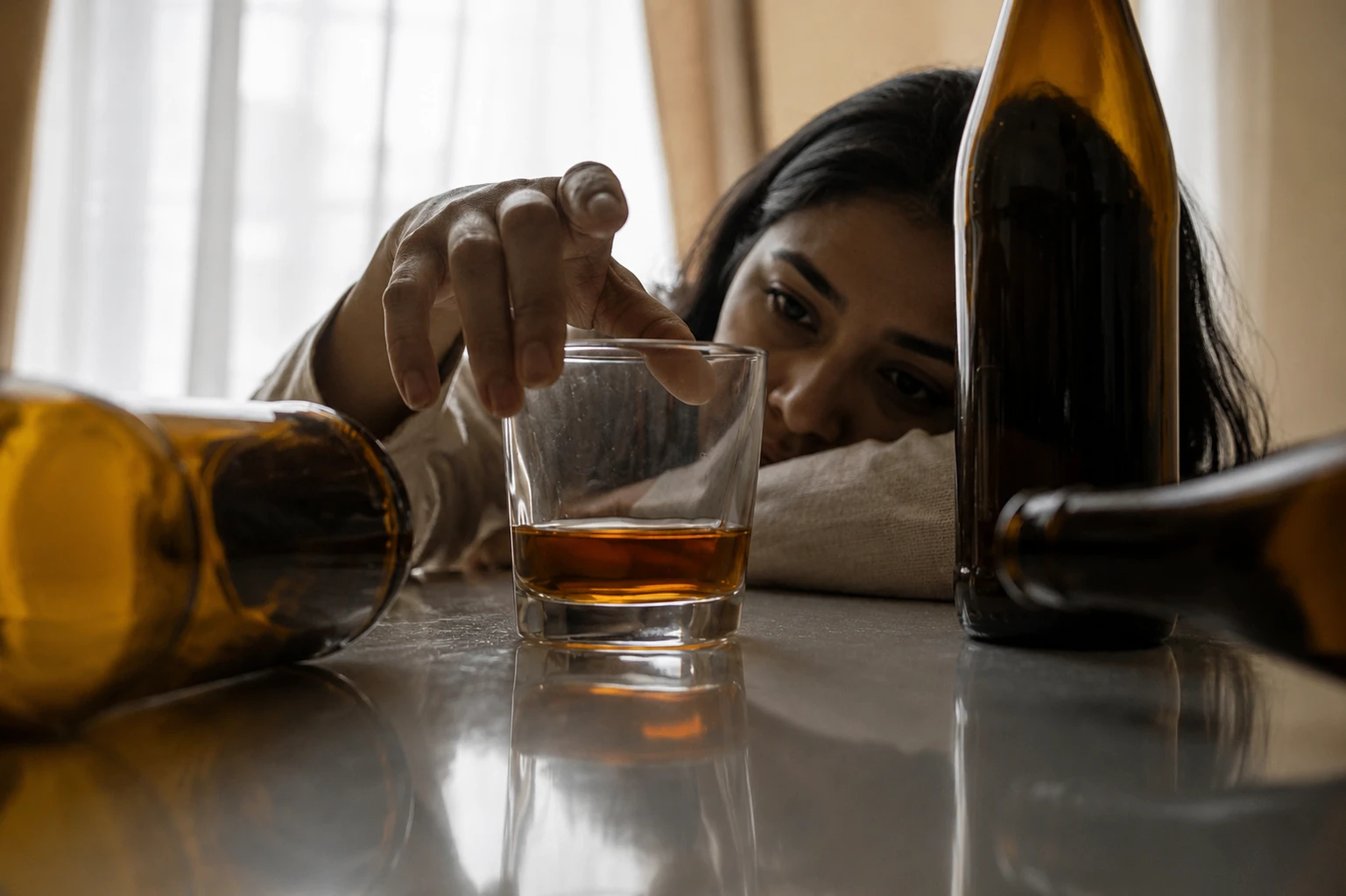
Detox begins with a full medical assessment on the day of admission: drinking history, previous withdrawals, physical examination, mental health history, current medicines and baseline blood work. This determines your medication schedule. Nothing is given on a standard template.
From there, withdrawal is tracked using a structured symptom score, so that medication is adjusted against measured signs rather than against how the day appears to be going. Pulse, blood pressure, temperature, hydration, sleep and orientation are checked regularly through the day and night.
Alongside the medicine, the basics matter more than people expect. Alcohol depletes thiamine and disrupts fluid and electrolyte balance, and correcting that is a core part of safe detox rather than an afterthought. Meals are light and frequent at first. Sleep is protected.
Most women complete the acute phase within three to seven days. Some need longer. The stay is not shortened to fit a package.
Timeline
Alcohol Withdrawal, Hour by Hour
Withdrawal is different for every woman, but it follows a recognisable sequence. Knowing the shape of it removes a great deal of the fear, and it is the reason a supervised detox is timed and staffed the way it is.
6 to 12 hours
Early Withdrawal
As blood alcohol falls, the first symptoms appear. Most women describe this phase as unpleasant but bearable.
- Anxiety, restlessness and irritability
- Tremor, usually most obvious in the hands
- Headache, nausea and loss of appetite
- Sweating and a faster pulse
- Difficulty sleeping
This is when medication is started, fluids and thiamine are given, and your individual plan is refined based on how you respond.
12 to 72 hours
The Peak
This is the highest-risk window and the reason supervised detox exists. Without clinical oversight, this is where serious complications occur.
- Stronger tremor and visible agitation
- Raised blood pressure, heart rate and temperature
- Disorientation, vivid dreams or broken sleep
- Hallucinations, which can begin within the first day
- Withdrawal seizures, most likely between twelve and forty-eight hours
Observation is continuous through this period and medication is adjusted as symptoms rise and fall.
48 to 96 hours
Delirium Tremens Risk
In a small proportion of people withdrawing from heavy, long-term alcohol use, withdrawal escalates into delirium tremens: severe confusion, agitation, fever and dangerous swings in blood pressure and heart rate. It is a medical emergency and it can be fatal if untreated.
It is also largely preventable when withdrawal is medicated properly from the start, which is exactly why we do not recommend stopping at home. Where a woman's presentation calls for hospital-level intensive care, we escalate rather than manage her here.
Day 3 to Day 7
Stabilisation
Physical symptoms settle. Appetite returns, sleep begins to lengthen, and the tremor fades. Medication is tapered down.
This is usually the point at which the real work starts, because what surfaces once the body is clear is everything the drinking had been covering. Counselling begins here, gently.
Weeks to months
The Long Tail
Low mood, patchy sleep, irritability and waves of craving can continue well after the body has cleared. This is normal and it passes, but it is also the phase in which most relapses happen.
It is the reason detox on its own is not treatment. It is the doorway to treatment.
Options
Inpatient or Outpatient Detox
Both have a place. The right choice depends on how severe the dependence is, what other medical conditions exist, and what home actually looks like.
Residential Detox at Vaishalya
- Round-the-clock monitoring through the highest-risk window
- No access to alcohol and no household pressure
- Medication adjusted as symptoms change, day or night
- Female staff and women-only accommodation
- Recommended where dependence is severe, where there has been a previous seizure, or where home is not a safe or sober place to recover
Outpatient or Home Detox
- Suitable only for mild dependence with no history of complicated withdrawal
- Requires a reliable adult at home and daily clinical review
- Requires stable physical and mental health
- Not appropriate during pregnancy, with significant liver disease, or with a history of seizures or delirium
- Cheaper and less disruptive, but only if it is genuinely safe
Medical care
Medicines Used in Alcohol Detox
Our medical team uses established, evidence-based treatment for alcohol withdrawal. Prescribing is individual and reviewed daily.
- Benzodiazepines such as chlordiazepoxide or lorazepam, given on a tapering schedule to control withdrawal and reduce seizure risk. These are prescribed for the detox period and withdrawn deliberately.
- Thiamine (vitamin B1), given to prevent Wernicke's encephalopathy, a serious and preventable brain injury associated with alcohol dependence and poor nutrition.
- Fluids and electrolyte correction, alongside treatment for nausea, vomiting and dehydration.
- Relapse-prevention medication where appropriate, discussed after the acute phase rather than during it.
- Treatment of co-existing conditions, including depression, anxiety and physical illness identified at assessment.
Medication decisions are made by our medical team for each woman individually. Nothing on this page should be used to self-medicate or to plan a withdrawal at home.
Alongside the medicine
Therapies and Daily Structure
Once the acute phase eases, the day takes on a shape. Nothing is compulsory in the first forty-eight hours, when rest matters more than anything else.
- Individual counselling with female counsellors, beginning as soon as a resident is well enough to take part
- Group sessions with other women, which for many residents is the first time they have said any of it out loud to someone who understands it
- Yoga and breathing practice, adapted to physical condition, which helps considerably with sleep and restlessness
- Ayurvedic support and nutrition, with meals cooked on site to rebuild what heavy drinking has depleted
- Family sessions, where the family is willing and where the resident consents to their involvement
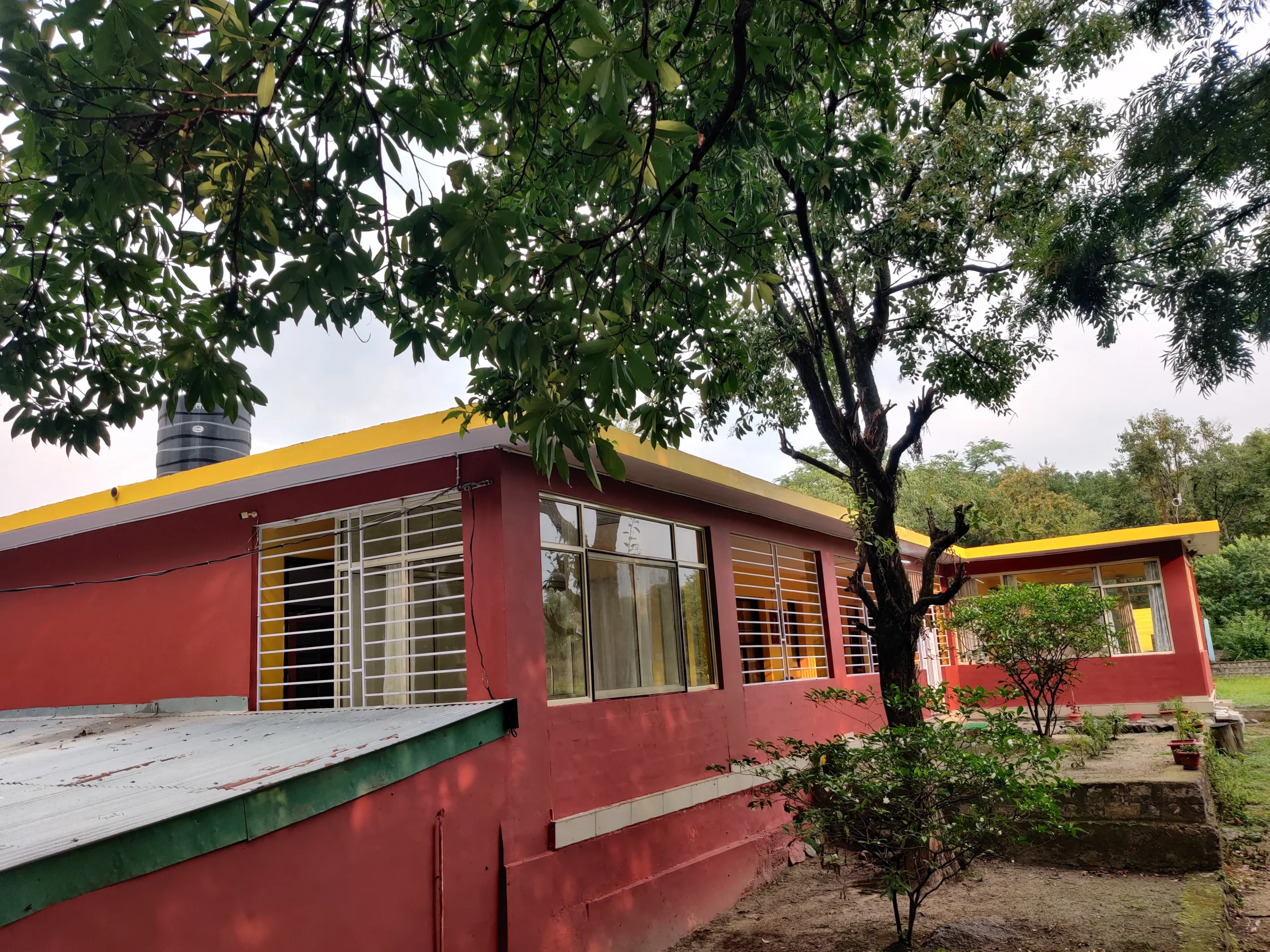
Women-only accommodation
Safety and privacy
Why Women-Only Matters Clinically, Not Just Socially
A mixed facility asks a woman to do two difficult things at once: withdraw from alcohol, and stay guarded. Many of the women who come to us have histories of abuse, and a great many are carrying a level of shame about drinking that they have never described to anyone. In a mixed ward, they simply do not speak.
Here, the accommodation is women-only and the staff working with residents through withdrawal are women. Visiting is by arrangement and takes place in designated areas.
Confidentiality is treated seriously and practically. We do not confirm to callers that a particular woman is a resident. Information is shared with family only with the resident's consent, except where there is an immediate risk to her safety. In a small hill town, discretion is not a luxury, and we understand why it is often the first question a family asks.
After the first week
Detox Is the Beginning, Not the Treatment
Detox clears the alcohol. It does not touch the reason the drinking started, and it does not build the routine that keeps a woman sober once she is back in the house where she used to drink. Discharging someone at day seven with good wishes is how relapse happens.
So before a resident leaves, we agree what comes next. For most women that is a period of residential treatment, where counselling, group work, structure and physical recovery have time to take hold. For others it is a structured outpatient plan with regular review.
- Continued individual and group counselling
- Relapse-prevention planning, including the specific situations that are risky for you
- Medical follow-up and medication review
- Family counselling, so the household is not working against the recovery
- Vocational and skills support where a woman needs a route back to independence

Group work after the acute phase
Why Vaishalya
Why Families Choose Us for Women's Detox
There are de-addiction centres across Himachal. Very few of them are built for women, and fewer still are places a family feels comfortable sending a daughter or a wife.
Women Only, Without Exception
Female residents, female nursing and counselling staff. A woman is never asked to withdraw from alcohol in front of male strangers.
Real Medical Supervision
Withdrawal is medicated, measured and monitored around the clock by clinical staff, not simply waited out.
Discretion That Holds
We do not confirm to any caller that a woman is here. In a place where word travels fast, this is often the deciding factor.
Small by Design
Limited admissions, so each resident is known by name and her plan is adjusted to her rather than to a ward routine.
Medicine and Tradition Together
Evidence-based treatment alongside yoga, breathing practice, Ayurvedic support and food cooked on site.
A Plan for After
Nobody is discharged at day seven with good wishes. Continuing treatment and family work are agreed before she leaves.
Initial telephone assessment is free and confidential. Call +91 82194 74936 to talk through the situation and check availability.
Admission
How to Start Detox at Our Centre
Admission is structured but straightforward, and in urgent cases it can happen the same day.
Call Us
Speak to a senior member of the team, in Hindi or English. You can call about yourself or about your wife, daughter, sister or mother. Nothing is recorded on any public register.
Clinical Assessment
We review drinking history, medical conditions, medication and risk, and recommend whether residential detox is appropriate. If it is not, we tell you what is.
Admission and Arrival
A date is agreed, we explain what to bring, and on arrival the medical team completes the examination and baseline tests and begins treatment the same day.
Families travel to us from across Kangra, Mandi, Hamirpur, Una, Bilaspur, Shimla, and from Punjab, Chandigarh and Delhi. We can advise on the journey and on the best time of day to arrive.
Standards
Registration, Governance and Standards
Vaishalya Women's Wellness Centre operates under Registration No. 2025/238/4/186.
Clinical oversight: Dr. Nitin Sharma, MBBS, who leads the medical assessment and the withdrawal management plan for every woman admitted.
We work alongside Asha Bhupender Charitable Trust, which delivers mental health awareness, counselling and community rehabilitation work across Himachal Pradesh under the chairpersonship of Smt. Leena Kumari.
If any woman's condition needs a level of care beyond our registration, we arrange transfer to an appropriate hospital rather than treating beyond our scope.
Alcohol Detox FAQs
How many days does alcohol detox take for a woman?
Most women complete the acute phase in three to seven days. Longer stays are common where drinking has been heavy for many years, where there is liver disease or another medical condition, or where withdrawal has previously been complicated. We do not fix the length in advance and then discharge to the schedule. The medical team decides when the taper is complete.
Is Vaishalya only for women?
Yes. Residential accommodation is women-only, and the clinical and counselling staff working with residents are women. Male family members visit by prior arrangement in designated areas. We do not admit men.
Can I just stop drinking at home instead?
For someone with mild dependence and no history of complicated withdrawal, a supervised home detox with daily clinical review is sometimes reasonable. For anyone drinking daily and heavily, anyone who has had a withdrawal seizure, and anyone with liver disease, seizures or pregnancy, it is not. Stopping abruptly after long-term heavy drinking can cause seizures and delirium tremens, which is a medical emergency. Please call and let us assess it rather than guessing.
What medicines are used during detox?
Usually a benzodiazepine such as chlordiazepoxide or lorazepam on a tapering schedule to control withdrawal and reduce seizure risk, together with thiamine to prevent Wernicke's encephalopathy, plus fluids, electrolyte correction and treatment for nausea. Relapse-prevention medication is discussed after the acute phase. All prescribing is individual and decided by our medical team.
Will my family or my employer be told?
Not by us. We do not confirm to callers whether a particular woman is a resident here. Information is shared with family only with the resident's consent, except where there is an immediate risk to her safety. Adult women can be admitted on their own decision.
Can a woman be admitted while pregnant?
Alcohol withdrawal in pregnancy needs careful obstetric as well as psychiatric management and it should never be attempted at home. Please call us directly so the situation can be assessed properly, and we will either admit with the appropriate medical arrangements or refer to a hospital that can provide them.
Where is the centre and how do we reach it?
Mohal, Gugga Saloh Road, Tehsil Sullah, Palampur, Himachal Pradesh 176102, in the Kangra valley. The nearest airport is Gaggal (Kangra) and the nearest major rail connections are at Pathankot and Chakki Bank. Call us before travelling and we will guide you in.
Contact
Talk to Us Today
If you are reading this at two in the morning after another difficult evening, or you are a husband or a daughter who has run out of ideas, call. The first conversation costs nothing and commits you to nothing.
Phone: +91 82194 74936 / +91 70181 48449
WhatsApp: +91 70181 48449
Address:
Vaishalya Women's Wellness Centre
Mohal, Gugga Saloh Road
Tehsil Sullah, Palampur
Himachal Pradesh 176102
Send a Confidential Message
We reply personally. Your details are not added to any mailing list.
She Does Not Have to Do This Alone
A women-only detox and recovery centre in the Kangra valley, with medical supervision, female staff and complete confidentiality.

About Vaishalya Wellness
Set in the quiet foothills of the Dhauladhar range in Palampur, Vaishalya Wellness is a women only rehabilitation and recovery centre. We offer a safe, private and dignified space for women seeking professional help with addiction, trauma and mental health, guided by clinical care and genuine compassion.
A women only residential facility in Himachal Pradesh.
Registration No: 2025/238/4/186
What We Treat
Additional Info
Contact
Call us +91 82194 74936 +91 70181 48449
Mohal, Gugga Saloh Rd,Tehsil Sullah, Palampur,
Himachal Pradesh 176102 Get directions
© 2026 Vaishalya Wellness. All rights reserved.
Privacy Policy