




- Resources
- Volunteer
- Internship
- Our approach
- FAQ
Home›Chitta Detox for Women…
Chitta (Heroin) Detox for Women in Himachal Pradesh
Key points
- Chitta detox at Vaishalya means medically supervised withdrawal in a women-only residential setting, with the focus on safety, symptom control and a clear route into ongoing treatment.
- Opioid dependence carries a high risk of relapse after detox, and a raised risk of fatal overdose during any relapse, because tolerance falls quickly once use stops.
- Care is led by Dr. Nitin Sharma, MBBS, with individual assessment, round-the-clock monitoring, treatment of co-occurring mental health conditions, and recovery planning that goes well beyond the detox week.
- Treatment can include medication-supported detox where clinically appropriate, naloxone education and overdose safety planning for the family, and step-down options including continued residential treatment and structured follow-up.
Request a Confidential Call
Share as little or as much as you like. A senior member of our team will call you back. Nothing is shared with anyone outside the clinical team, and no report is made to police or to any authority.
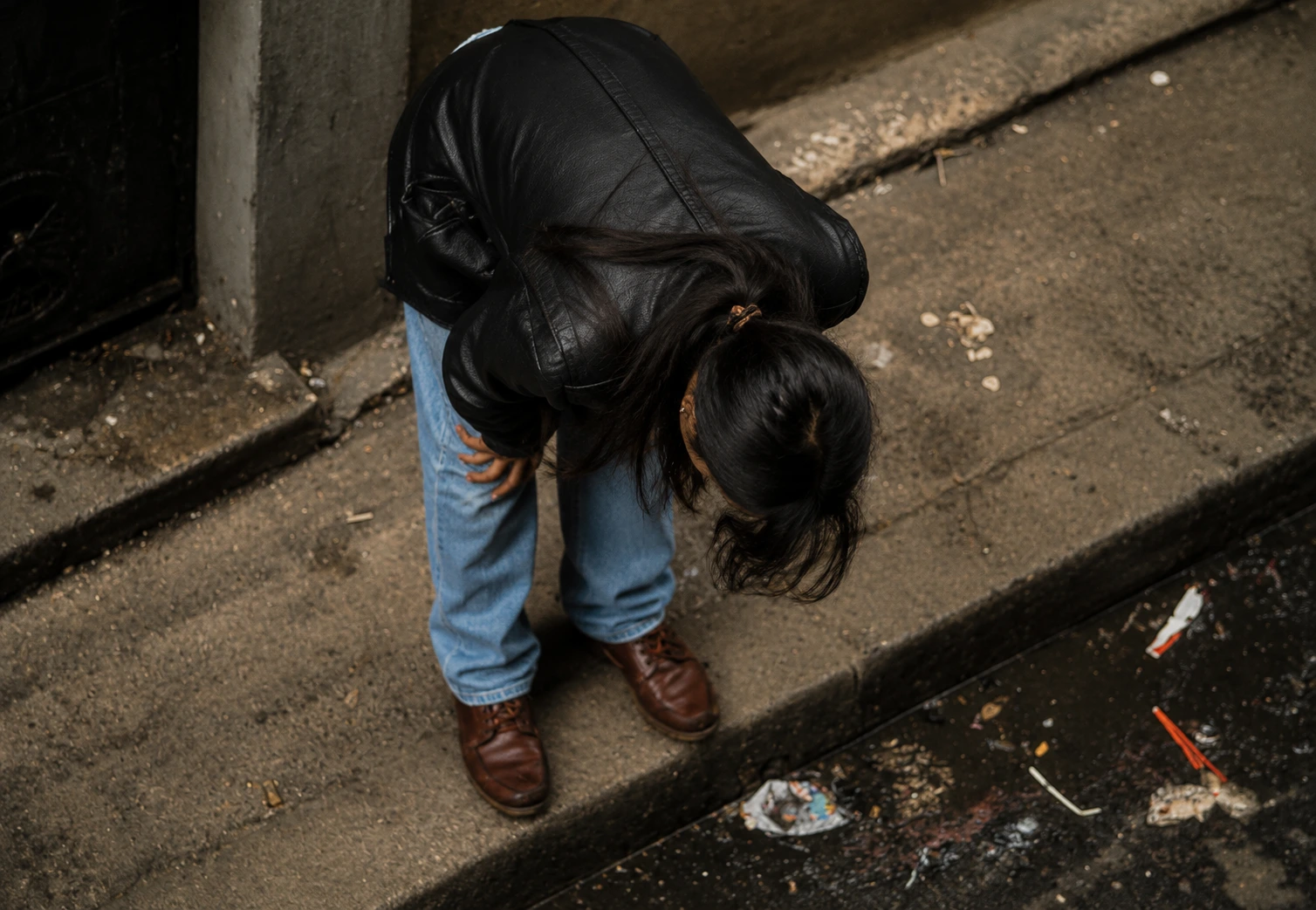
Coming off chitta is physically punishing and emotionally exhausting, and it tests intentions that are entirely genuine. If this is not the first attempt, she is carrying more than withdrawal symptoms. She is carrying the fear of failing again in front of the same people, and the weight of everything that was said the last time.
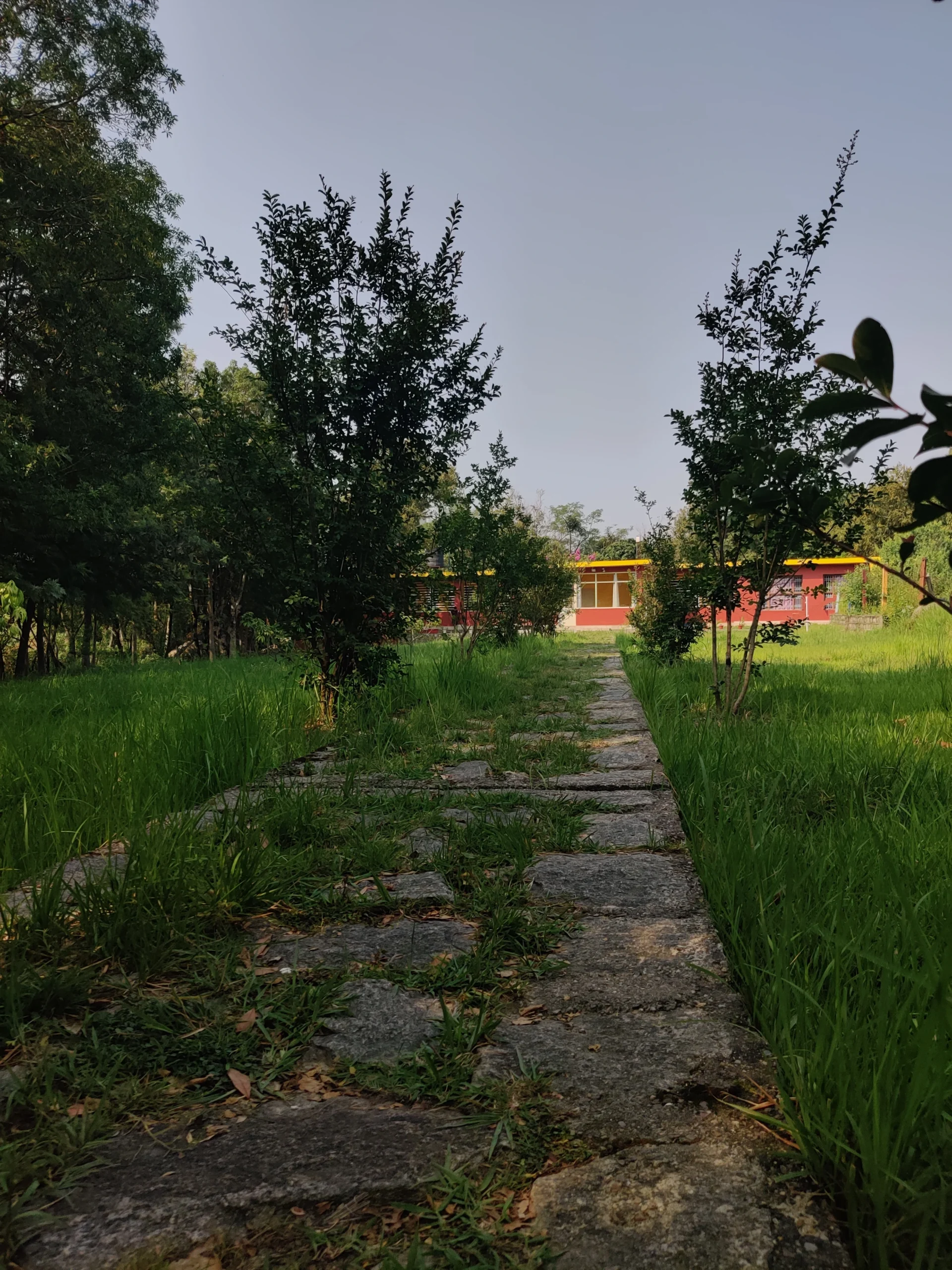
Vaishalya provides a structured, women-only setting for chitta detox in the Kangra valley of Himachal Pradesh, with medical oversight and a plan for what happens next. The point is not simply to get the drug out of her system. It is to make the week survivable, and to make sure the step after it is already arranged before she walks out.
Speak to us confidentially: +91 82194 74936 or +91 70181 48449.
Understanding Chitta Addiction
Opioid dependence is defined less by how much a person uses than by how hard it is to stop and stay stopped. Vulnerability to relapse persists long after the body has cleared the drug, and it is not a failure of intention. Prolonged opioid use alters the brain systems that govern impulse control, decision making and the ability to hold on to a long-term goal under stress.
In ordinary life that means cravings and triggers feel louder than reasoning, particularly in the first weeks. A woman can mean every word she says on the day she leaves and still be overwhelmed a fortnight later by a bad afternoon.
Chitta also raises the risk of fatal overdose after any period away from it, because tolerance drops sharply. Returning to the amount she used before can overwhelm her breathing. This is the single clearest reason why detox on its own is not enough, and why safety planning matters as much as the medication does.
Follow-up studies of people who complete opioid detox consistently report that most relapse within the first year, with the risk concentrated heavily in the first weeks and months. Many families describe being caught in a repeating loop of using, detox, relapse and renewed effort, and that loop itself becomes the obstacle. Breaking it needs structure and continued treatment, not a stronger promise.
Why Medically Supervised Chitta Detox Comes First
Supervised detox comes first because it provides a safe, structured setting in which to manage the physical and psychological effects of withdrawal. It stabilises her health so that everything afterwards has something to stand on.
At Vaishalya that stage is led by Dr. Nitin Sharma, MBBS, with female nursing and counselling staff, and it is treated as the opening of a programme rather than a service she buys on its own.
Detox Is the Foundation, Not the Treatment
The purpose of detox is to let a woman withdraw from chitta safely under medical care. It is an essential first phase and it is focused on physical stabilisation. It is not a cure, and it does not touch the reasons the using started.
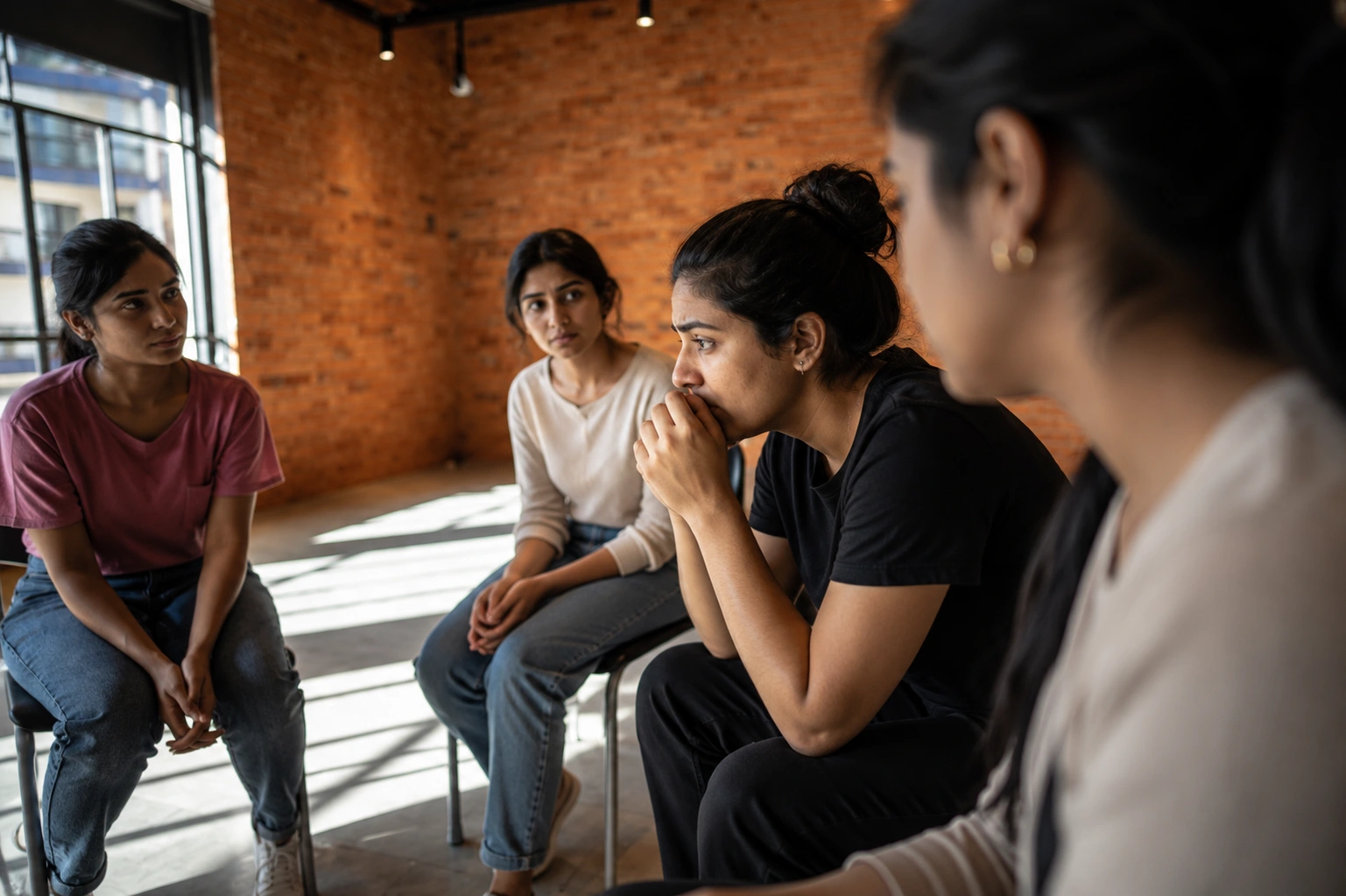
Lasting recovery means addressing the emotional and behavioural patterns underneath, which for most of the women we treat includes depression, anxiety, or a history of abuse that has never been spoken about. None of that can be worked on while she is vomiting and unable to sleep.
So we treat detox as day one of a continuous plan. Before the acute phase is even over, the next stage of care is being agreed, and the transition into it is arranged rather than left to chance.
Treating Physical and Psychological Dependence Together
Physical dependence is what happens when the body adapts to chitta and produces withdrawal when it is removed. Psychological dependence is the craving and the emotional distress that make stopping feel impossible even once the body has settled.
Both are treated here. Medical supervision runs throughout the withdrawal, and where it is clinically appropriate, medication-supported detox is used to reduce the severity and lower the risk rather than asking her to endure it.
Both also drive relapse, which is why integrated care matters. From the first days we begin addressing the co-occurring mental health needs that so often accompany chitta use. Stabilising her emotionally during detox is what makes the deeper therapeutic work possible later.
What Should I Expect During Chitta Detox?
Physical Symptoms Are Managed for Comfort and Safety
The physical effects of chitta withdrawal usually include muscle and bone aches, nausea and vomiting, diarrhoea, sweating, chills, gooseflesh, running nose and eyes, and shaking. They are intensely uncomfortable and they can lead to dehydration, which makes it hard to rest or keep food down.
Our team monitors and supports her throughout, and is equipped to intervene if complications develop. Where clinically appropriate, medication is used to reduce the discomfort and the cravings. The goal of medical detox is to keep her as comfortable as we safely can while the body clears the drug, not to have her prove something by suffering.
Emotional Distress Is Addressed With Therapeutic Support
Alongside the physical symptoms come heightened anxiety, low mood, restlessness, irritability and overwhelming cravings. For a woman who already lives with depression, anxiety or the aftermath of trauma, this week can feel unbearable.
Our counselling staff are women, and psychiatric support is available from the start rather than held back until she is stable. The intention is a calm, unhurried space in which she feels grounded, and in which nothing she says will travel outside the clinical team.
The Detox Timeline Is Personalised to Her
Symptoms usually begin within six to twelve hours of the last dose and peak around the second or third day. The most acute physical symptoms generally start easing after about a week, though how long the whole process takes depends on her health, how long and how heavily she has been using, and whether other substances are involved.
We adjust the plan daily against how she is actually doing rather than against a schedule agreed in advance. Nobody is discharged from detox because a package has run out.
How We Manage the Chitta Detox Process
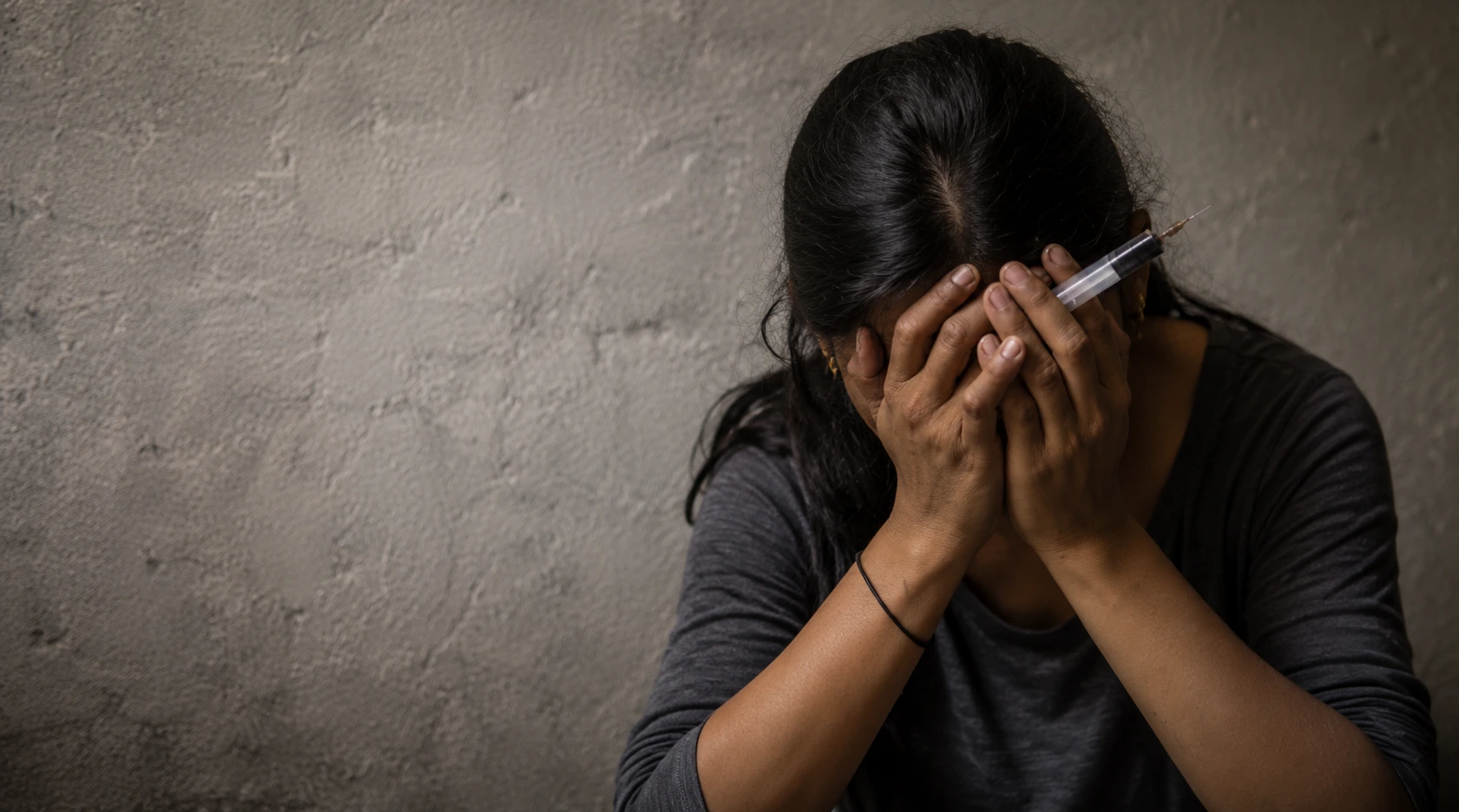
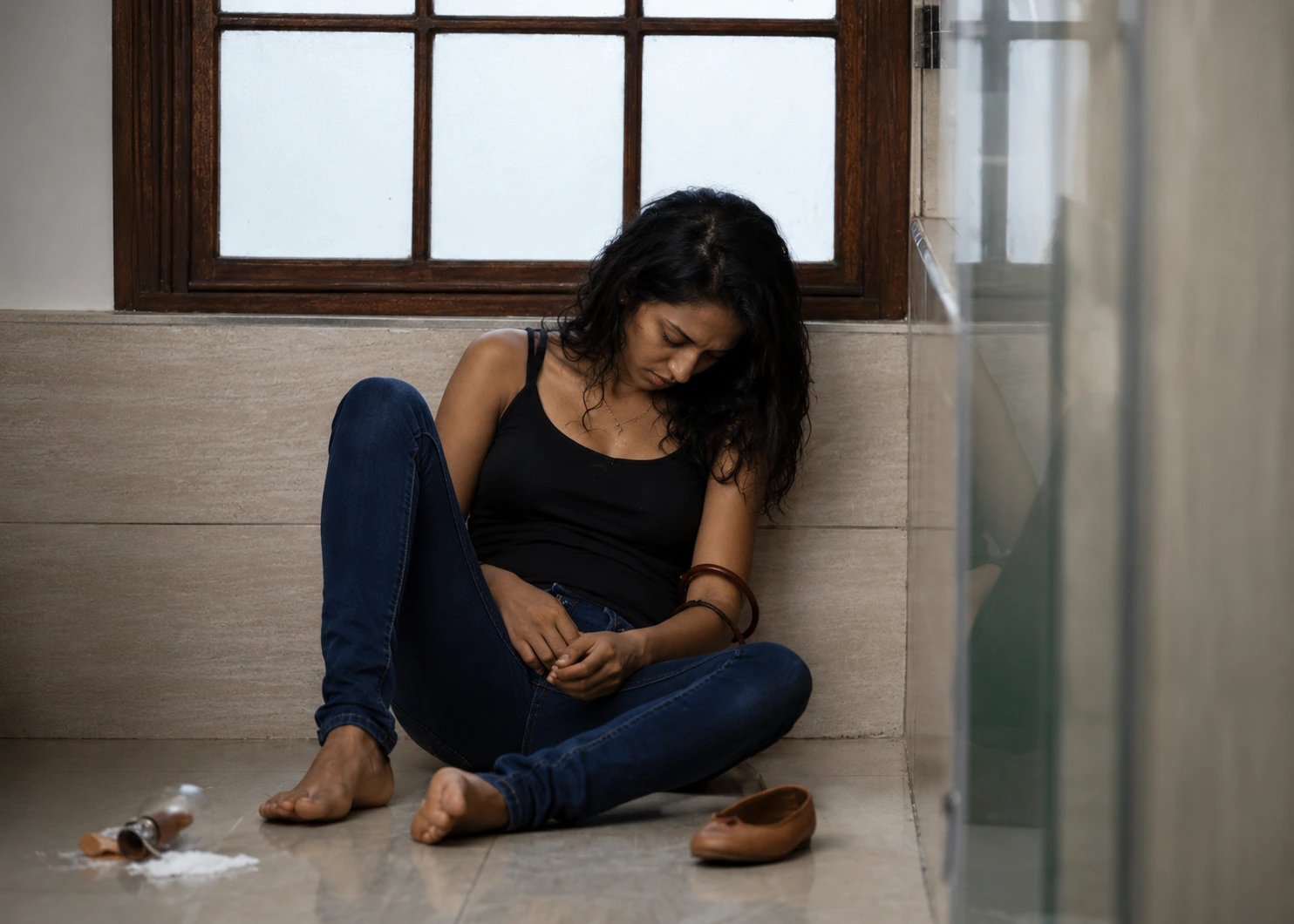
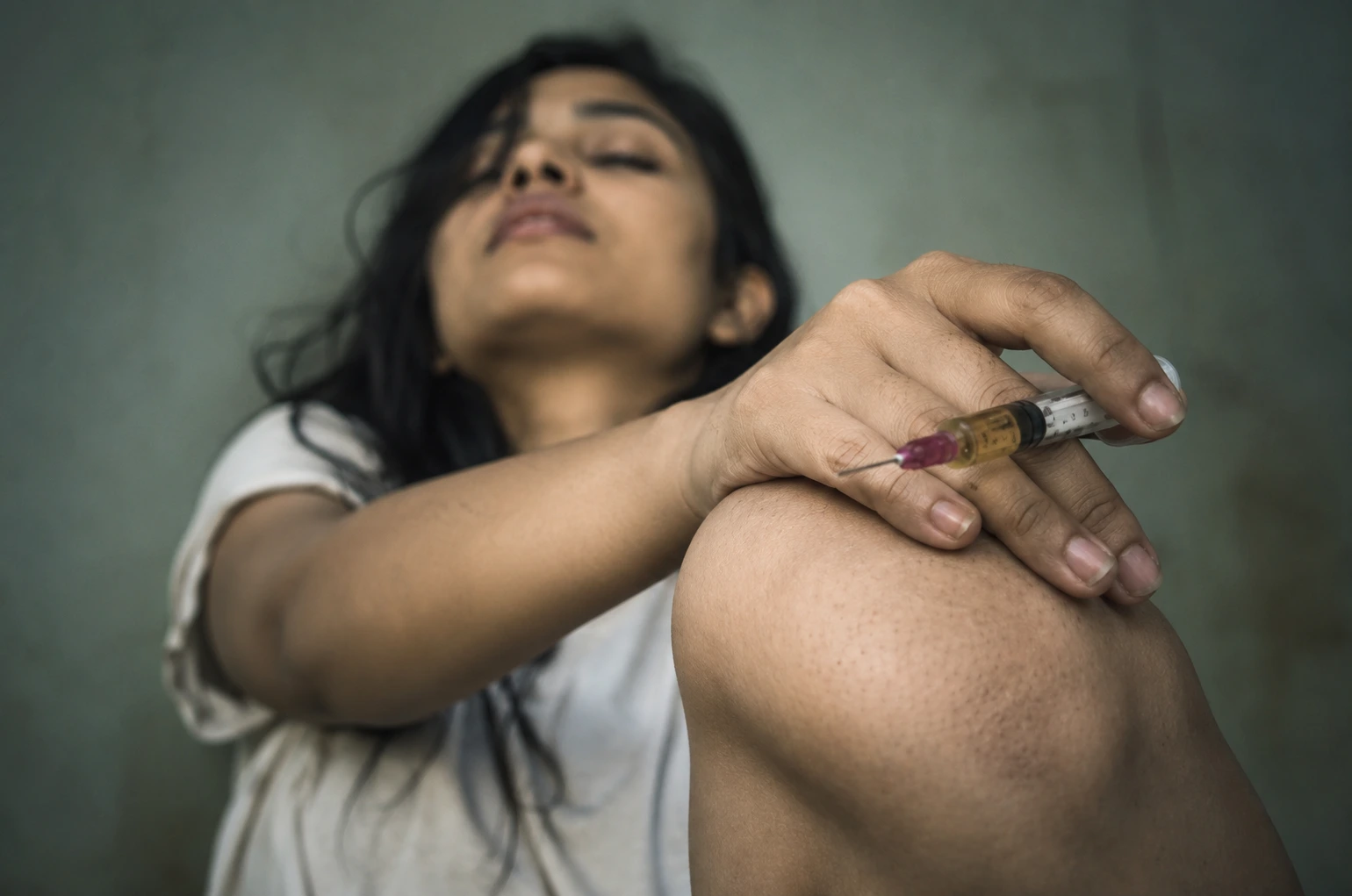
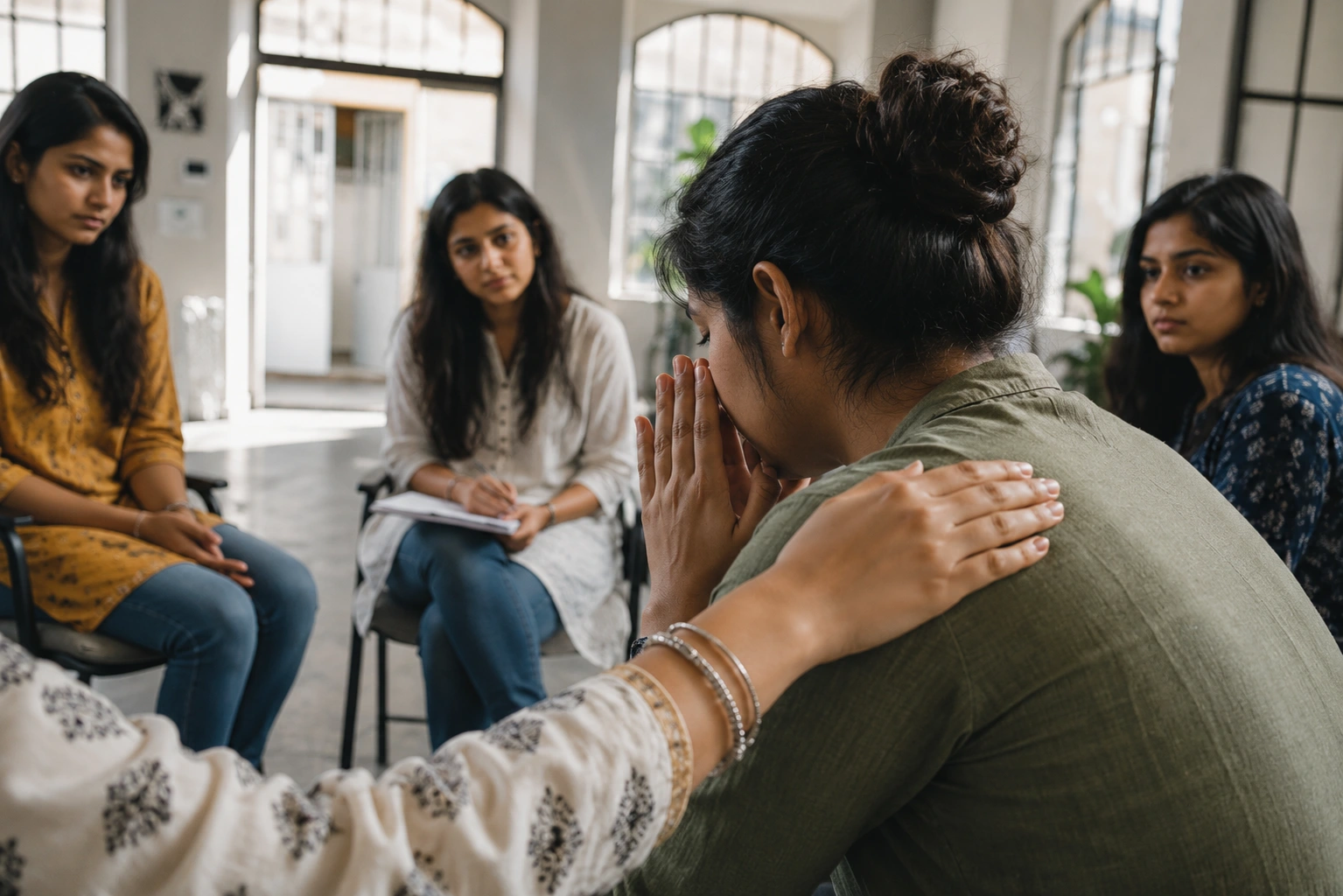
By providing continuous medical supervision and individual attention in a private setting, so that the first step is manageable rather than frightening.
How Medically Assisted Detox Helps
Medically assisted detox means using appropriate medication under close supervision to manage withdrawal safely and reduce cravings, rather than leaving her to get through it on willpower. The plan is individual and is reviewed daily.

Naloxone: What It Does in an Overdose
Naloxone is a fast-acting medicine that can reverse an opioid overdose by temporarily blocking opioids from attaching to receptors in the brain.
When chitta binds to those receptors it slows breathing. An overdose is dangerous precisely because breathing slows to the point where it may stop altogether. Naloxone pushes the opioid off those receptors and holds it off for a short time, which can restore breathing and buy the minutes needed for emergency care to arrive.
It does not produce a high, it does not treat addiction, and it does not make withdrawal comfortable. It is an emergency medicine and nothing more. Its effects can also wear off before the opioid has left the body, which is why anyone given naloxone still needs to get to a hospital rather than being assumed to be out of danger.
How Naloxone Fits Into Our Safety Planning
We treat overdose risk as a real and continuing part of treatment rather than an awkward subject. The highest-risk window is exactly the one that follows successful detox, when tolerance has fallen and any relapse can be lethal.
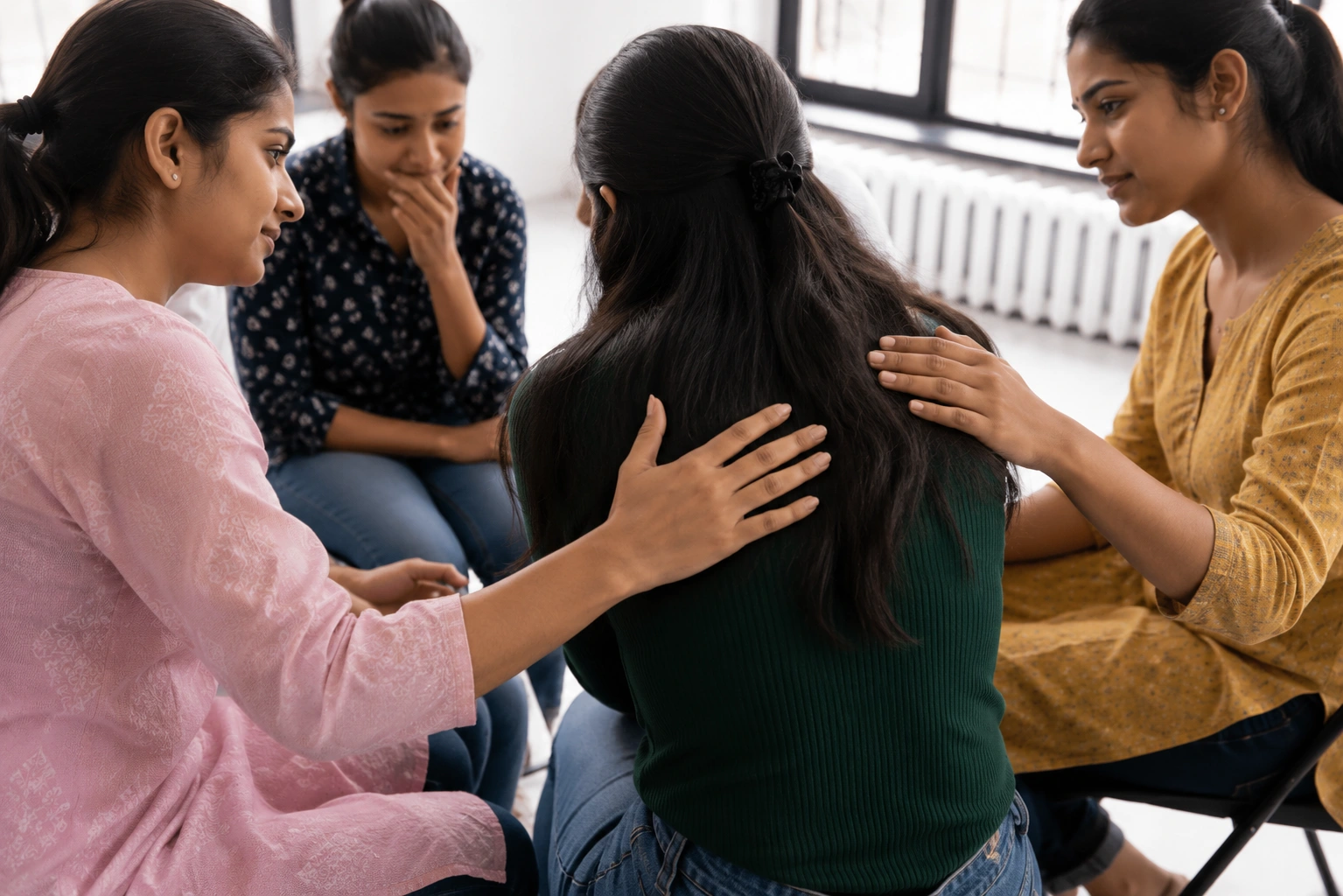
So overdose education is built into the programme. We teach the family how to recognise an overdose, what to do step by step, and why the old dose is now dangerous. That conversation happens with whoever is taking her home, not only with her.
It is also written into discharge planning, so that a woman leaving here has a stated safety strategy rather than good intentions.
She cannot be woken. Breathing is very slow, shallow or noisy. Lips or fingertips look blue or grey. Pupils are pinpoint and the body is limp. Call an ambulance immediately, turn her on her side so she cannot choke, and stay with her. Naloxone reverses opioid overdose and is stocked by hospitals and de-addiction services across Himachal Pradesh and Punjab.
Relieving Specific Withdrawal Symptoms
Alongside the main treatment, our medical team uses additional medication to target particular symptoms: nausea and vomiting, diarrhoea, muscle and bone pain, insomnia, and the anxiety that runs through the whole week.
This is not a comfort or an extra. Addressing these symptoms is what makes a detox humane and what makes it work, because a woman who can rest and keep fluids down is a woman who is still here on day four.
Because withdrawal sharpens any underlying mental health condition, all medication is selected and monitored by our medical team with her full history in view, including anything she is already taking.
How Long Does Chitta Detox Take?
The acute phase typically lasts five to seven days. The complete detox and stabilisation process can run to ten to fourteen days depending on the individual, and we adjust the plan as we go rather than fixing it in advance.
What lengthens it: how long and how heavily she has been using, her tolerance, whether other substances such as alcohol or sleeping tablets are also involved, her general physical health and nutrition, and any co-occurring condition such as depression or anxiety.
The admissions assessment exists to build a complete picture before we commit to anything, so that we can anticipate what she will need rather than react to it. Every recovery moves at its own pace, and this first step is not one to rush.
6 to 12 Hours
Withdrawal begins. Restlessness, anxiety, aching limbs, running nose and eyes, sweating and difficulty sleeping.
Day 2 to Day 3
The peak. Vomiting, diarrhoea, cramps, chills and sweats, gooseflesh, wide pupils, and overwhelming cravings. The highest-risk window and the point at which unsupported attempts fail.
Day 5 to Day 7
Acute physical symptoms ease. Appetite and energy start to return, though sleep stays poor and mood stays flat.
Day 10 to Day 14
Full stabilisation for most residents, and the point at which the next stage of treatment properly begins.
How Treatment Supports Recovery After Detox
Chitta dependence is a long-term condition, and the weeks after detox are when cravings, stress and ordinary life collide. Most of the women we admit have tried to stop before, so what follows has to offer structure and accountability rather than encouragement.
Detox is connected to real step-down care here, so that nobody is discharged into the same house on the same day with nothing arranged.
Continued Residential Treatment
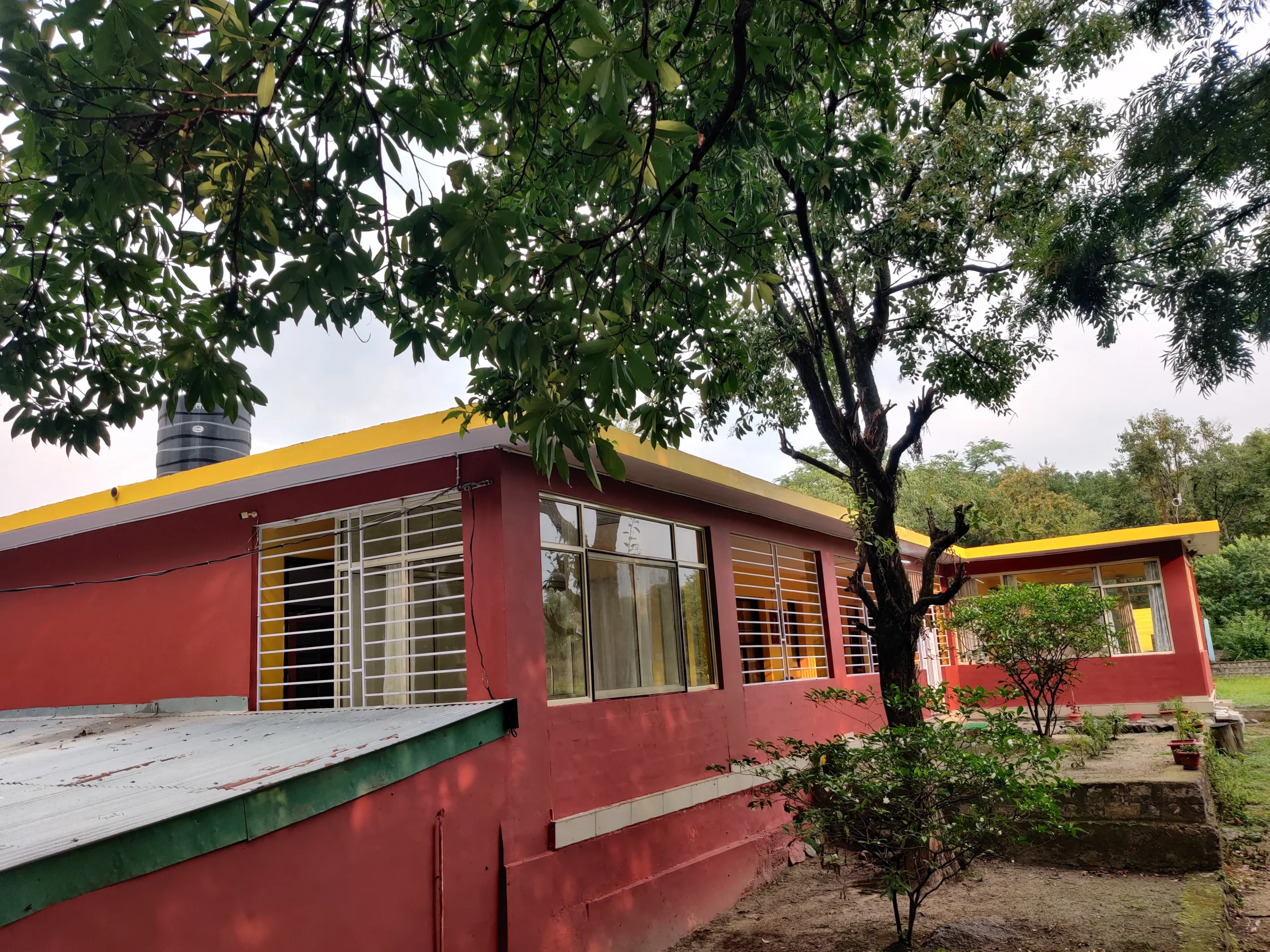
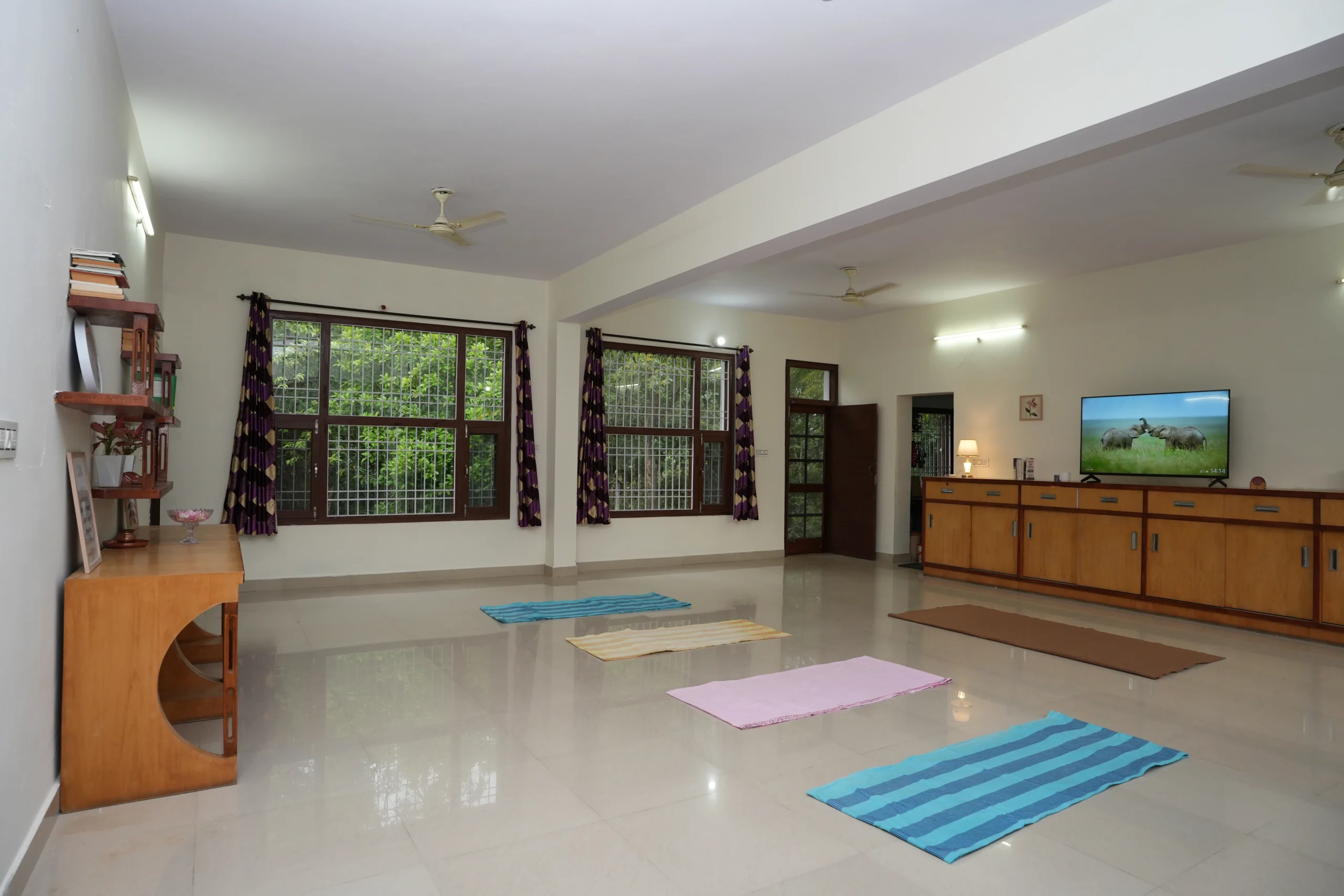
Residential care provides a stable, live-in setting immediately after detox, with distance from the people and places tied to using. It is the right level for a woman with a history of relapse, long-term use, or a complicated withdrawal.
It is also the right level when home is not yet a place where recovery has any chance. This is where daily therapy, routine, group work and physical recovery take hold, and it is very difficult to replicate any of that at home in the first month.
Structured Outpatient and Follow-Up
Once she is stable, structured outpatient care keeps consistent therapy and relapse-prevention work going while she re-enters family life and work. It suits a woman who has support at home and can stay away from the people and routines tied to chitta.
Its value is repetition. She keeps turning up to do recovery work while real pressures are happening around her, which is exactly when the skills need to hold. Sessions focus on coping, relapse prevention, and the anxiety, depression, trauma and disrupted sleep that sit alongside opioid dependence.
For families in Kangra, Mandi, Una, Hamirpur, Bilaspur and Shimla this is manageable in person. For those travelling from Punjab, Haryana, Chandigarh, Jammu or Delhi, follow-up can be arranged by phone.

Family Work and a Route to Independence
India has very little in the way of sober-living housing for women, so for most of our residents going home is the only option available. That makes the household itself part of the treatment.
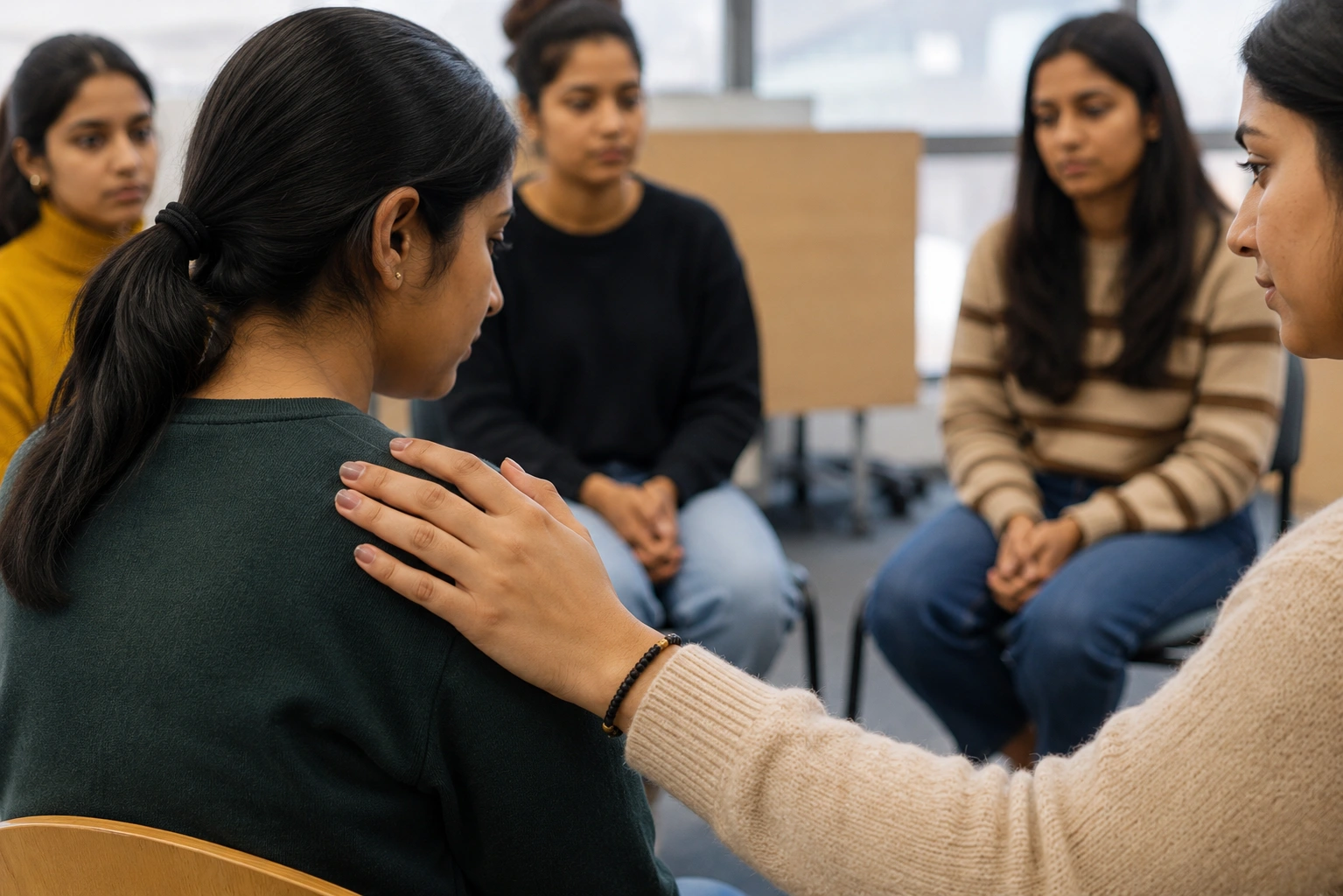
Family sessions, where she consents, prepare the people she lives with: what relapse actually looks like, what helps, and what makes it worse. A family that understands the tolerance problem responds very differently to a wobble than a family that treats it as betrayal.
Alongside that we work on skills and vocational support, because a woman with no income and no standing in her own house is dependent on the same people and the same conditions she was using inside. Independence is not an extra here. It is relapse prevention.
Upholding Standards for Chitta Detox
Getting Help for Chitta Addiction in Himachal
Reading this far is already a step, and it is usually the hardest one. Healing does not begin with judgement. It begins with the right support arriving at a moment when someone is willing to accept it.
Whether you are looking for chitta detox for yourself or for your wife, daughter, sister or mother, our team is here to talk it through properly. There is no pressure and no rush, and no report is made to anyone.
References and Further Reading
The clinical information on this page reflects established guidance on opioid dependence, withdrawal and overdose prevention.
- World Health Organization. Guidelines for the Psychosocially Assisted Pharmacological Treatment of Opioid Dependence
- Ministry of Social Justice and Empowerment, Government of India, with NDDTC, AIIMS. Magnitude of Substance Use in India, the national household survey on substance use
- Ministry of Social Justice and Empowerment. Nasha Mukt Bharat Abhiyaan, the national campaign for a drug-free India
- National Institute on Drug Abuse (NIDA), United States. Research on heroin, opioid withdrawal and medication-assisted treatment
- StatPearls, National Library of Medicine. Naloxone
- National Toll-Free Drug De-Addiction Helpline, Government of India. 14446, available in multiple languages
If you are outside our area or cannot reach us, the national helpline above can direct you to your nearest de-addiction service.
Chitta Detox FAQs
How long does chitta detox take?
The acute phase usually lasts five to seven days, with symptoms starting six to twelve hours after the last dose and peaking around the second or third day. Full stabilisation commonly takes ten to fourteen days. The exact length depends on how long and how heavily she has been using, whether other substances are involved, and her general health. We build the plan around the individual rather than a fixed package.
What should she expect during detox?
A medically supervised process with symptoms actively treated rather than endured. Physically that means muscle and bone aches, nausea, vomiting, diarrhoea, sweating, chills, gooseflesh and disturbed sleep. Emotionally it means anxiety, low mood, restlessness and severe cravings. Medication, fluids, nutrition and female clinical staff are there throughout, and the nights are covered.
What medicines are used during chitta detox?
Depending on the individual assessment, treatment may involve opioid substitution or a supervised taper, non-opioid medication for the autonomic symptoms, and symptomatic treatment for nausea, diarrhoea, pain and insomnia, alongside fluids and nutrition. Relapse-prevention medication is discussed after the acute phase. All prescribing is decided by our medical team for each woman individually and reviewed daily.
Is detox alone enough to treat chitta addiction?
No, and with opioids that is not a matter of opinion. Detox leaves a woman with no drug in her system, no tolerance, and every original problem intact. That is the highest-risk configuration there is, because a relapse at her old dose can now be fatal. Detox is the first week of treatment, not the whole of it, and the next stage should be agreed before she is discharged.
Do you support co-occurring mental health conditions?
Yes. We screen for depression, anxiety and post-traumatic stress from the start of admission, and psychiatric support runs alongside the detox rather than waiting until afterwards. Among the women we treat, a history of abuse or prolonged fear at home is common, and treating the opioid dependence while leaving that untouched is how relapse is manufactured.
Will the police or anyone else be told?
No. We are a treatment service, not a reporting one. We do not confirm to any caller whether a particular woman is a resident, and information is shared with family only with her consent, except where there is an immediate risk to her safety. Fear of legal consequences keeps a great many families from seeking help, and it should not.
Do you take women from Punjab and other states?
Yes, we admit women from anywhere in India. Families travel to us from Punjab including Amritsar, Tarn Taran, Gurdaspur, Ferozepur, Jalandhar, Ludhiana and Patiala, and from Haryana, Chandigarh, Jammu, Uttarakhand and Delhi, as well as across Himachal Pradesh. For many families the distance is part of the point, because treatment happens somewhere nobody knows them.
She is pregnant. Can she still detox?
Please call immediately and do not attempt anything at home. Abrupt opioid withdrawal in pregnancy carries risk to the pregnancy as well as to her, and it needs coordinated obstetric and addiction management. We will assess the situation and either admit with the appropriate medical arrangements or refer directly to a hospital that can provide them. This is urgent.
Contact
Talk to Us About Chitta Detox
The first conversation costs nothing and commits you to nothing. If it is easier to write than to speak, use the form or send a WhatsApp message.
Phone: +91 82194 74936 / +91 70181 48449
WhatsApp: +91 70181 48449
Address:
Vaishalya Women's Wellness Centre
Mohal, Gugga Saloh Road
Tehsil Sullah, Palampur
Himachal Pradesh 176102
Send a Confidential Message
We reply personally. Your details are not added to any mailing list and no report is made to anyone.
Detox Is the First Week, Not the Whole Road
A women-only residential centre in the Kangra valley providing medically supervised chitta detox, with female staff, complete confidentiality and a plan for what comes after.

About Vaishalya Wellness
Set in the quiet foothills of the Dhauladhar range in Palampur, Vaishalya Wellness is a women only rehabilitation and recovery centre. We offer a safe, private and dignified space for women seeking professional help with addiction, trauma and mental health, guided by clinical care and genuine compassion.
A women only residential facility in Himachal Pradesh.
Registration No: 2025/238/4/186
What We Treat
Additional Info
Contact
Call us +91 82194 74936 +91 70181 48449
Mohal, Gugga Saloh Rd,Tehsil Sullah, Palampur,
Himachal Pradesh 176102 Get directions
© 2026 Vaishalya Wellness. All rights reserved.
Privacy Policy